

Google’s March Core Update: Semrush Glitch, YouTube’s Real Gains, and a New Black-Hat Threat
The March 2026 Google Core Update shifted rankings more quietly than the initial noise suggested — once a Semrush data glitch is removed from the equation. After working through this analysis, you’ll know how to verify contested traffic data, understand why YouTube now holds first-class weight in both traditional search and AI Mode, and recognize an emerging black-hat tactic that puts brand-intent rankings at risk.
- Verify Semrush traffic spikes against Google Search Console. Any domain showing explosive growth between April 2–4, 2026 in Semrush is almost certainly catching a platform reporting error. The glitch produced fabricated spikes across thousands of sites — including a reported 6,005% traffic increase for YouTube itself and a single-day climb to 20.2M visits for HubSpot. Pull the same date range in GSC before drawing any conclusions. If GSC doesn’t show it, the spike didn’t happen.
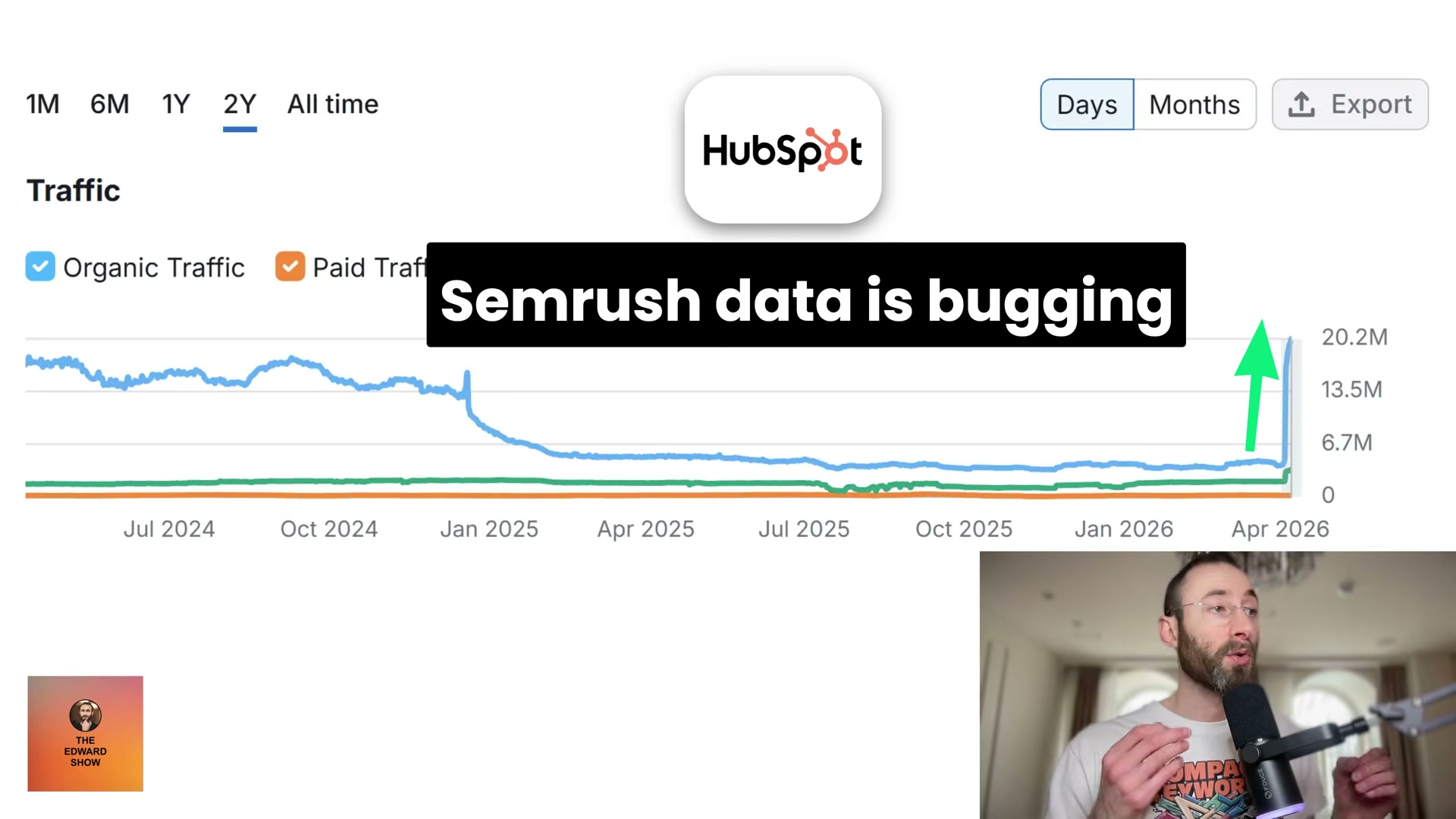
- Recognize YouTube’s search dominance as a separate, verified signal. Strip away the glitch and YouTube’s underlying gains remain intact. Before this update it was already the most-clicked site in Google Search according to Datos and the most-cited domain in ChatGPT according to Ahrefs. February-to-March 2026 data shows YouTube doubled its AI Mode citation share in a single month — TikTok moved in the same direction. Video is now a first-class asset in AI-mediated search, not a supplement to it.

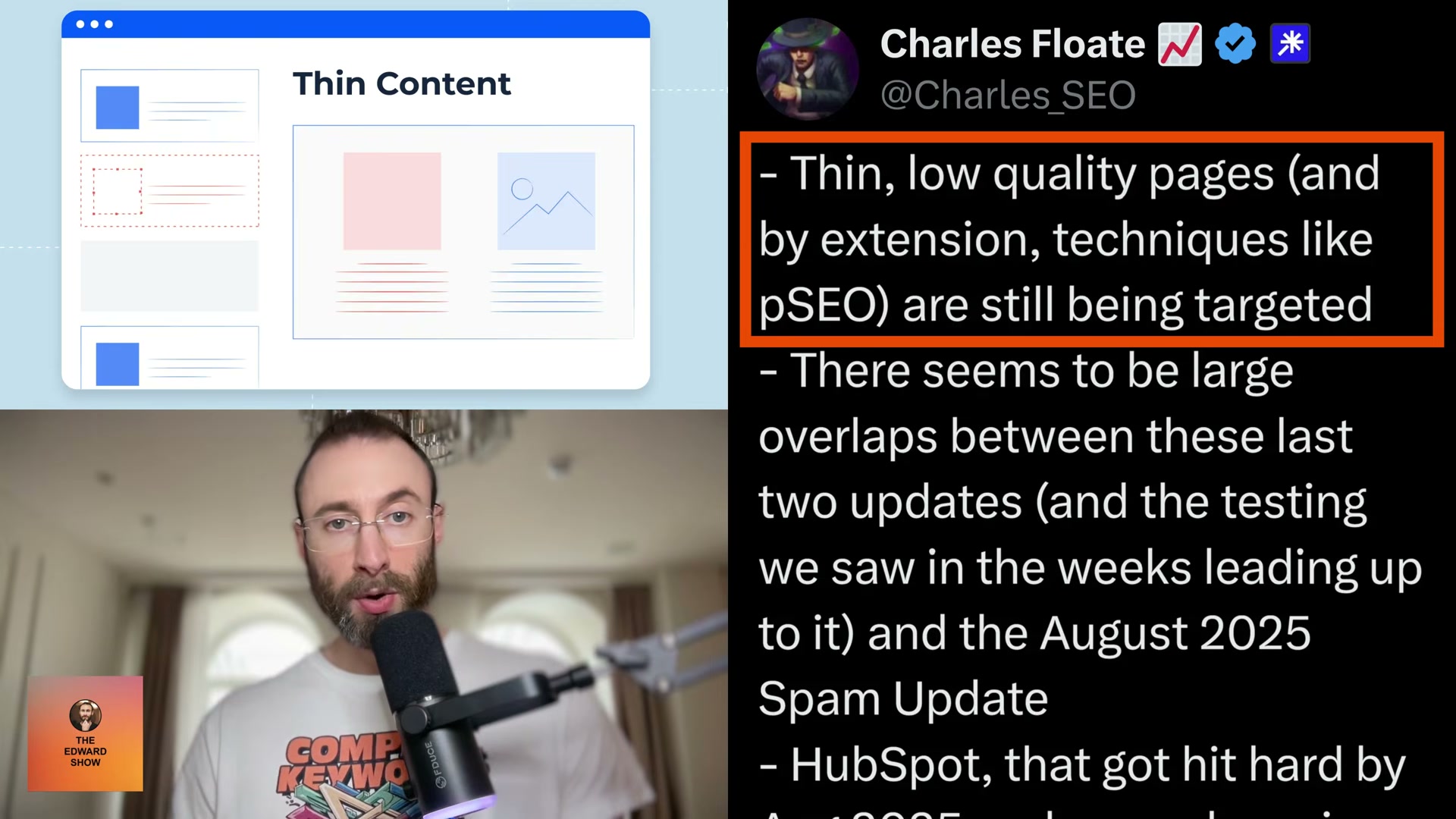
- Map the core update’s actual damage pattern. SEO analyst Charles Floate’s Day 11 tracking identified the clearest losers: listicle and parasite domains from the August 2025 Spam Update that had recovered are falling again; thin content and programmatic SEO pages are being re-targeted; subdomain and canonical abuse is rising, particularly in international SERPs. HubSpot continued losing positions throughout — the exact opposite of what Semrush reported.
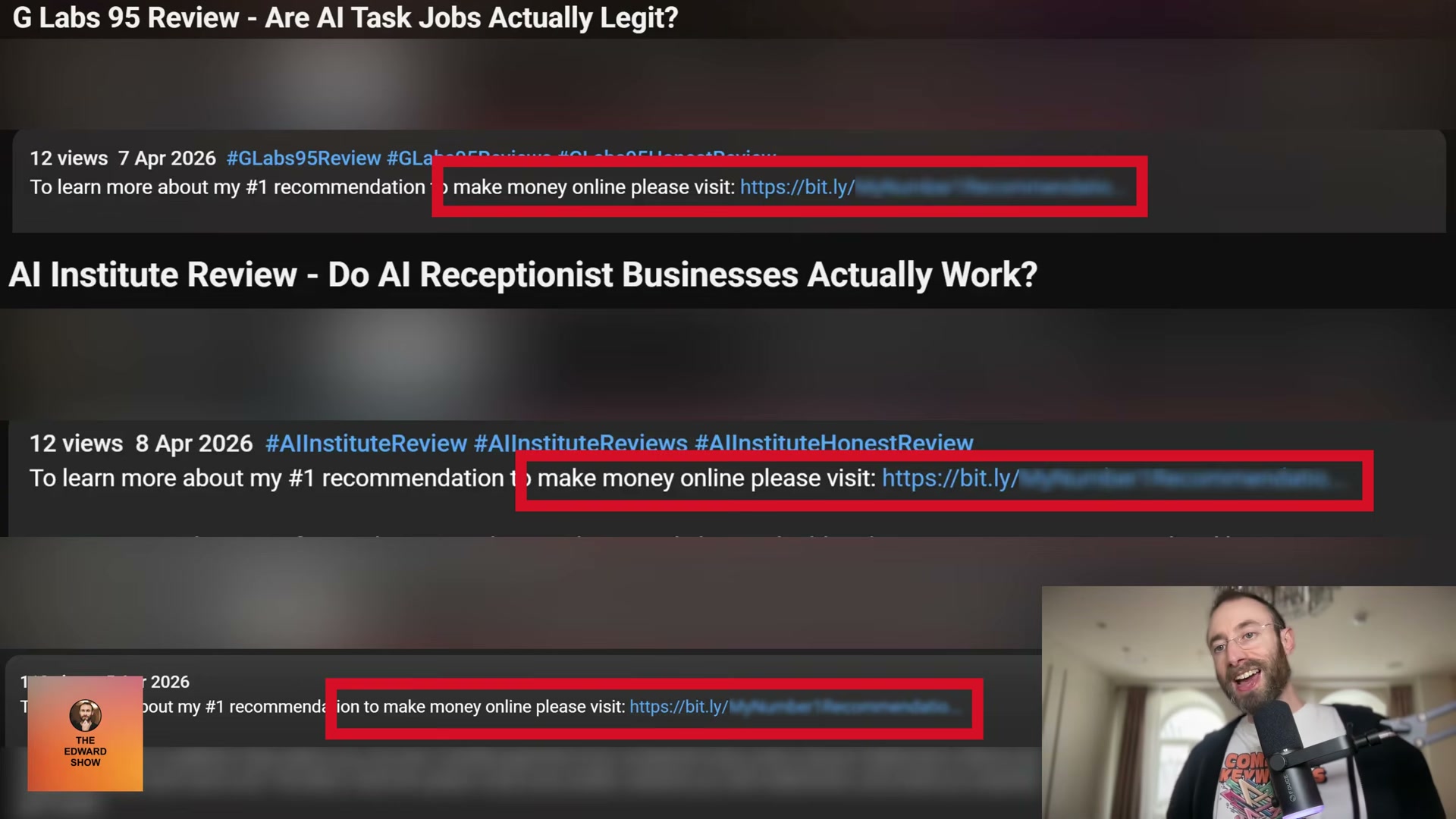
- Identify black-hat YouTube review accounts by their title and transcript pattern. Operators are paying human creators to record screen-commentary walkthroughs of competitor landing pages — without purchasing or testing the product — then recommend an alternative at the close. These accounts publish exclusively under the
[Brand Name] Reviewformat, use near-identical transcript structures (“I’m going to review this brand today… here’s what you need to know before jumping in”), and bury affiliate links in every video description.

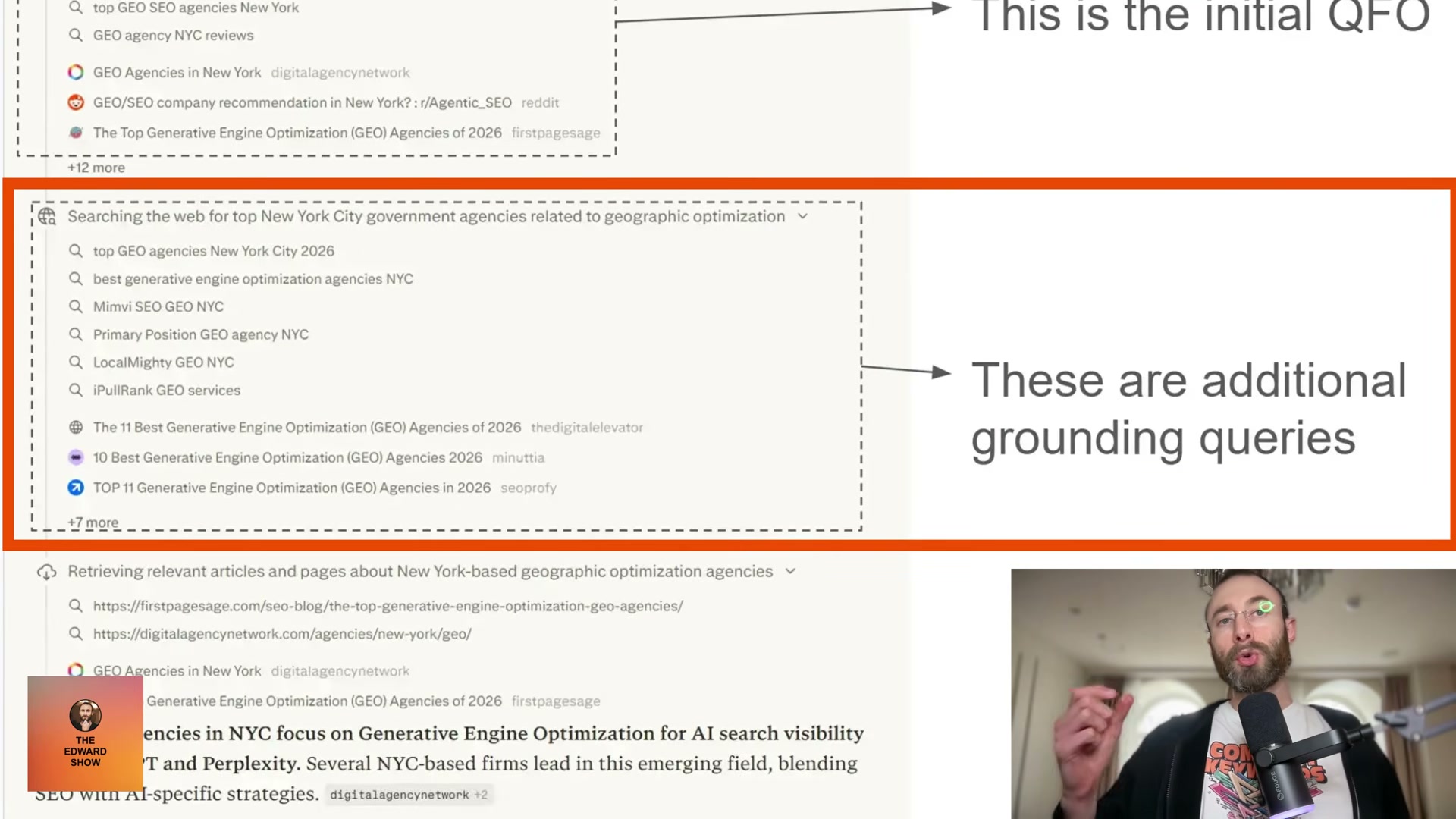
- Counter false reviews by publishing an aggregated reviews montage with a direct on-record rebuttal. Compile authentic customer reviews into a single YouTube video and explicitly state that competing review videos were produced by creators who never used the product. LLMs running AI Mode query fanouts retrieve and weigh competing transcript sets — a specific denial with clear language can influence which citations the model surfaces in its synthesized response.
- Isolate any scaled AI content to a satellite domain with no GSC connection. Never deploy AI-scaled content to a money site. A satellite domain should link out to diverse external sources — not exclusively back to your primary domain — so the pattern resists attribution to your brand if it draws algorithmic scrutiny.
Warning: this step may differ from current official documentation — see the verified version below.
- Treat YouTube as your highest-priority, algorithm-stable SEO channel. Given its citation weight in both Google Search and ChatGPT AI Mode, video content currently offers more durable visibility than text-based approaches that remain subject to core update volatility.
How does this compare to the official docs?
Google’s guidance on scaled content abuse, AI-generated material, and satellite domain structures draws sharper lines than the video in at least one place — and the distinction matters for anyone weighing how aggressively to apply these tactics.
Here’s What the Official Docs Show
The video’s core methodology holds up — what follows adds the documentation grounding and one material disclosure the tutorial skipped. Steps appear in the same order as Act 1.
Step 1 — Verify Semrush traffic spikes against Google Search Console.
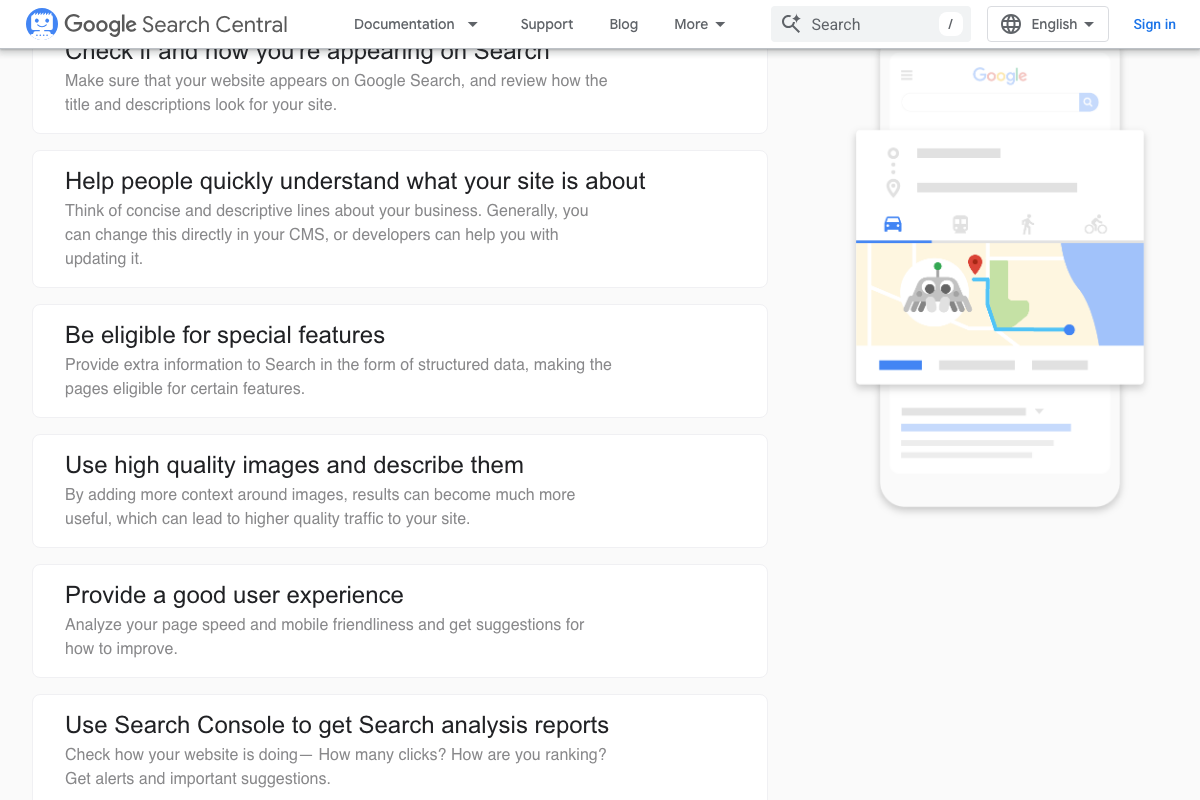
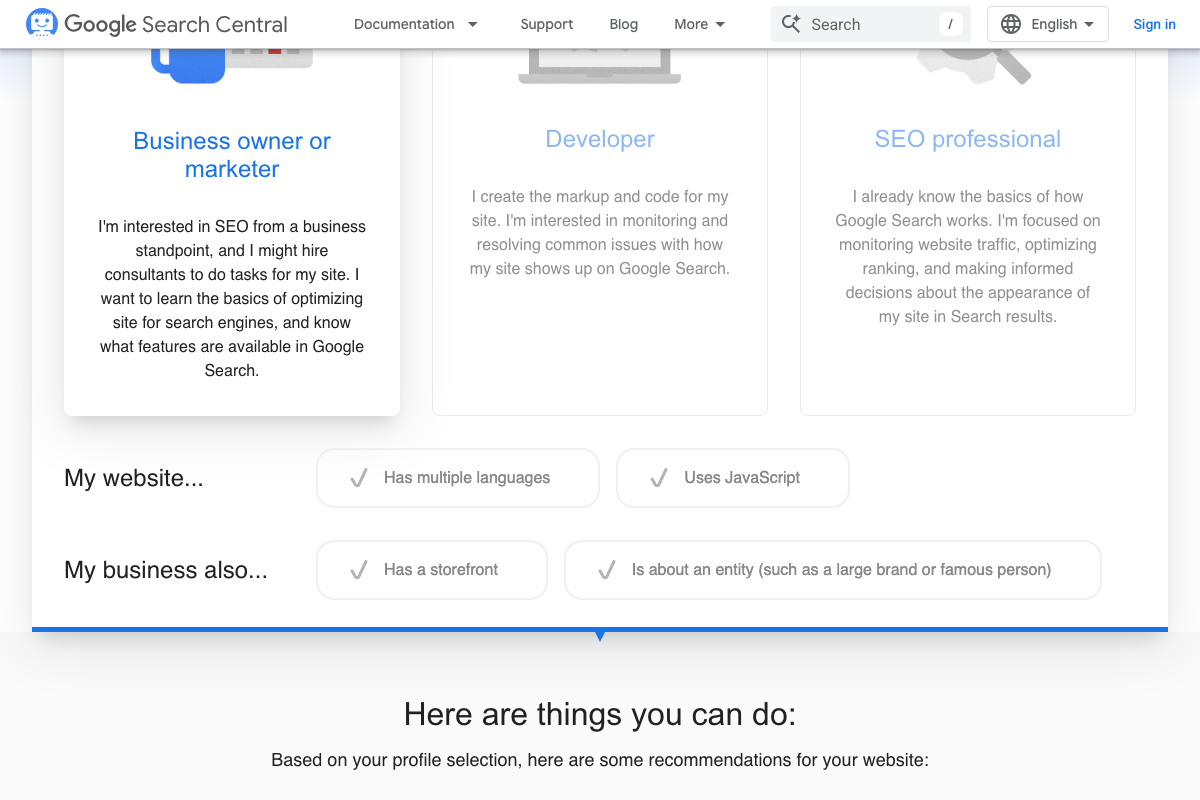
The video’s approach here matches the current docs exactly. Google Search Central explicitly names “Use Search Console to get Search analysis reports” as an official recommended SEO action, making GSC the authoritative first-party counter-reference for any third-party anomaly. One addition worth flagging: no official acknowledgment of the April 2–4 data glitch is visible in Semrush’s public-facing documentation. The spike claim cannot be confirmed or denied from that direction — GSC remains your only definitive check.

Step 2 — Recognize YouTube’s search dominance as a separate, verified signal.
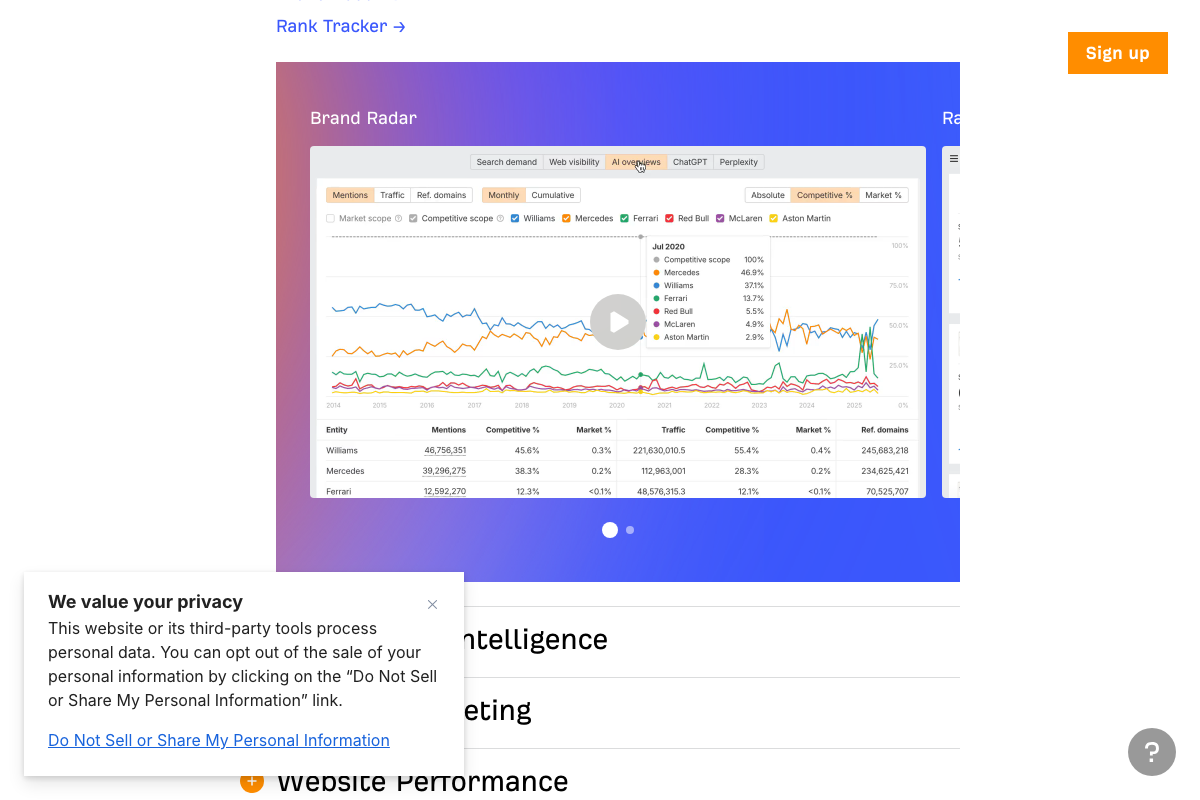
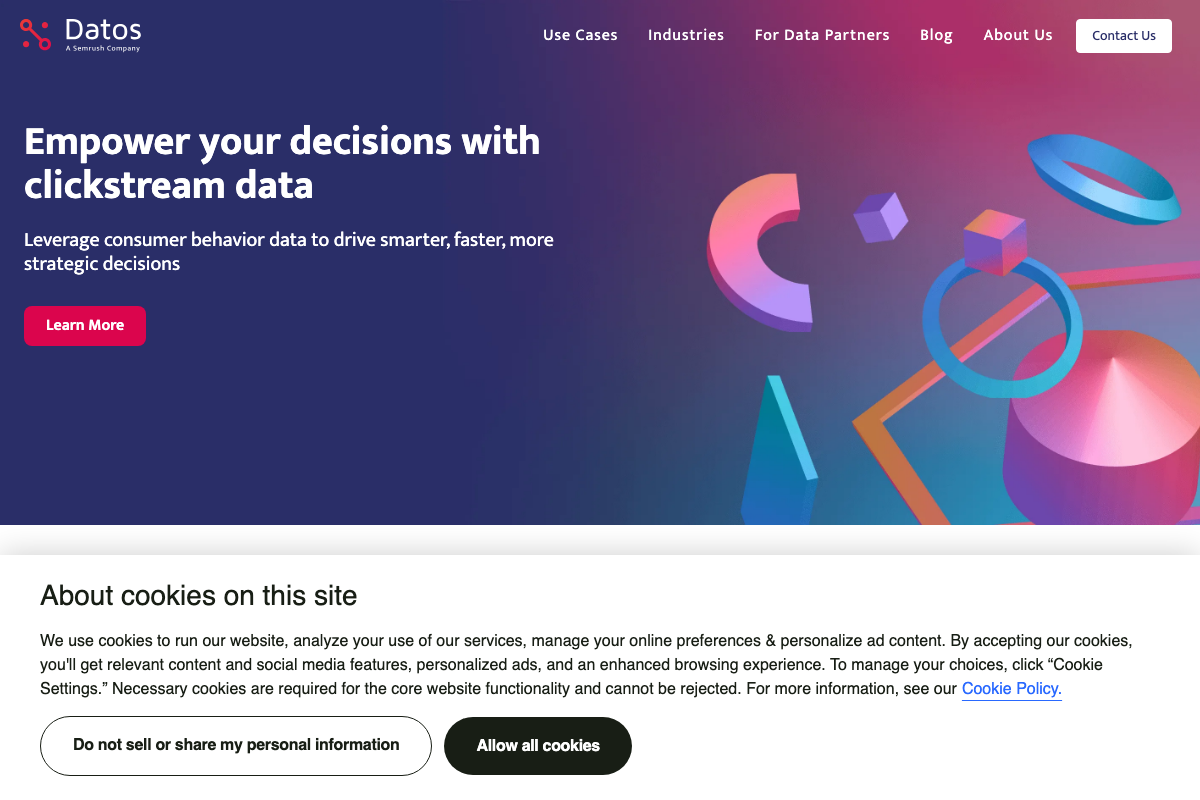
The video’s approach here matches the current docs exactly on methodology. Ahrefs Brand Radar includes dedicated ChatGPT and Perplexity citation-share tabs, confirming the platform has the infrastructure to produce the ranking data the video references. Datos is confirmed as an active clickstream provider covering SEO use cases. One disclosure the tutorial omitted: Datos self-identifies as “a Semrush Company” in its own branding. Both data sources cited in this step share a corporate parent — not an invalidation, but material context for any source-independence assessment you’re running.
Step 3 — Map the core update’s actual damage pattern.
No official documentation was found for this step — proceed using the video’s approach and verify independently.
Step 4 — Identify black-hat YouTube review accounts by title and transcript pattern.
No official documentation was found for this step — proceed using the video’s approach and verify independently.
Step 5 — Counter false reviews with an aggregated reviews montage and direct rebuttal.
No official documentation was found for this step — proceed using the video’s approach and verify independently.
Step 6 — Isolate scaled AI content to a satellite domain with no GSC connection.
No official documentation was found for this step — proceed using the video’s approach and verify independently.
Step 7 — Treat YouTube as your highest-priority, algorithm-stable SEO channel.
No official documentation was found for this step — proceed using the video’s approach and verify independently.
Useful Links
- Semrush: Your Unfair Advantage for Growing Brand Visibility — SEO and AI search platform referenced as the source of the April 2–4 traffic spike data in step 1.
- Google Search Console — Google’s first-party tool for measuring search traffic and performance; the authoritative counter-reference for any third-party reporting anomaly.
- Google Search Central — Official documentation hub for Google’s indexing, ranking, and spam policy guidance.
- Ahrefs — AI Marketing Platform Powered by Big Data — Platform with a named Brand Radar feature for tracking ChatGPT and Perplexity citation share by domain, referenced in step 2.
- Datos – Clickstream Data to Power Your Products and Insights — Anonymized clickstream data provider and Semrush company, cited as the source for YouTube’s Google Search click-share ranking in step 2.
- YouTube — Platform central to the search dominance and AI citation analysis discussed in steps 2 and 7.
- ChatGPT — AI query interface where YouTube’s citation dominance was measured, referenced in steps 2 and 7.


0 Comments