

SaaS SEO in 2026: Link Building, Topical Authority, and the PAA Satellite Site Hack
In a wide-ranging conversation on The Edward Show, SEO strategist David Quaid dismantles the DA-obsession that holds most SaaS link-building programs back and replaces it with a network-first, traffic-signal approach. You’ll learn how to source links from your existing business relationships, turn spam emails into free keyword research, and launch a satellite site that generates thousands of monthly clicks without a single high-DA backlink. The People Also Ask hack — documented with a live Semrush chart — is the tactical centrepiece.

- Drop the DA threshold rule. Domain Authority collapses an entire site’s topical profile into one aggregate number — a proxy for Google’s long-deprecated Toolbar PageRank. A DA 80 site with no relevant topical authority in your niche passes less value than a DA 20 site whose audience matches your buyers. Stop disqualifying prospects because they fall below an arbitrary cutoff.
Warning: this step may differ from current official documentation — see the verified version below.
-
Map your real-world network. Before paying for placements, audit the people and companies already in your orbit: clients, integration partners, co-marketers, and local business groups like chamber of commerce networks or weekly tech meetups. These relationships carry natural topical relevance and editorial trust that cold outreach rarely replicates.
-
Make the linking page rank. When a business contact places a link to your site, that link only flows authority if the page itself earns Google traffic. Do keyword research for the linking page, help it earn contextually relevant content, and where possible, build links to it. A page with zero organic traffic passes minimal PageRank regardless of the root domain’s DA.
- Mine backlink sales emails for keyword opportunities. Every unsolicited “buy a backlink” pitch arrives with a list of URLs. Treat that list as a free keyword research dataset — check each URL for search volume and keyword difficulty. You may find a low-competition, high-traffic target you can outrank organically, eliminating the need to buy the link at all.
-
Evaluate domains by traffic trend and indexation rate, not DA. A site caught in a Helpful Content Update may still carry an inflated DA built on historical estimates. Pull the domain into your SEO tool and check whether traffic is growing or shrinking, and what percentage of pages are indexed. A declining HCU casualty at DA 70 can be a worse acquisition than a rising niche blog at DA 22.
-
Build a satellite site targeting People Also Ask questions. Create a separate domain that answers PAA queries specific to your niche. These carry low keyword difficulty because most publishers ignore them. The episode documents a satellite site — built using this exact method — that reached 11,000 monthly clicks and 1,000 SERP positions from fewer than 20 pages within three months of launch.
-
Link from the parent domain to the satellite’s FAQ pages. Even a modest parent site with 500 monthly clicks can accelerate a satellite’s authority because external links carry more weight than internal ones. That link provides topical context and gives FAQ pages the initial push they need to rank.
- Choose referral traffic over raw DA when acquiring links. Between a DA 80 page sending zero referral traffic and a DA 20 page sending consistent targeted visitors, take the lower-DA page. Referral traffic confirms real users engage with it — and that the page ranks for terms your audience actually searches.
How does this compare to the official docs?
Google’s own guidance on link quality and PageRank is considerably more nuanced than any third-party DA metric implies — and the official documentation surfaces some critical distinctions worth stress-testing before you execute any of these tactics.
Here’s What the Official Docs Show
Act 1 gives you the strategic framework as David Quaid laid it out; this section layers in what official sources can and cannot confirm. Documentation coverage is incomplete across all eight steps — the screenshot collection missed several intended documentation pages — but contextual evidence from live tool interfaces adds signal worth reviewing before you execute.
Step 1: Drop the DA Threshold Rule
No official documentation was found for this step — proceed using the video’s approach and verify independently.
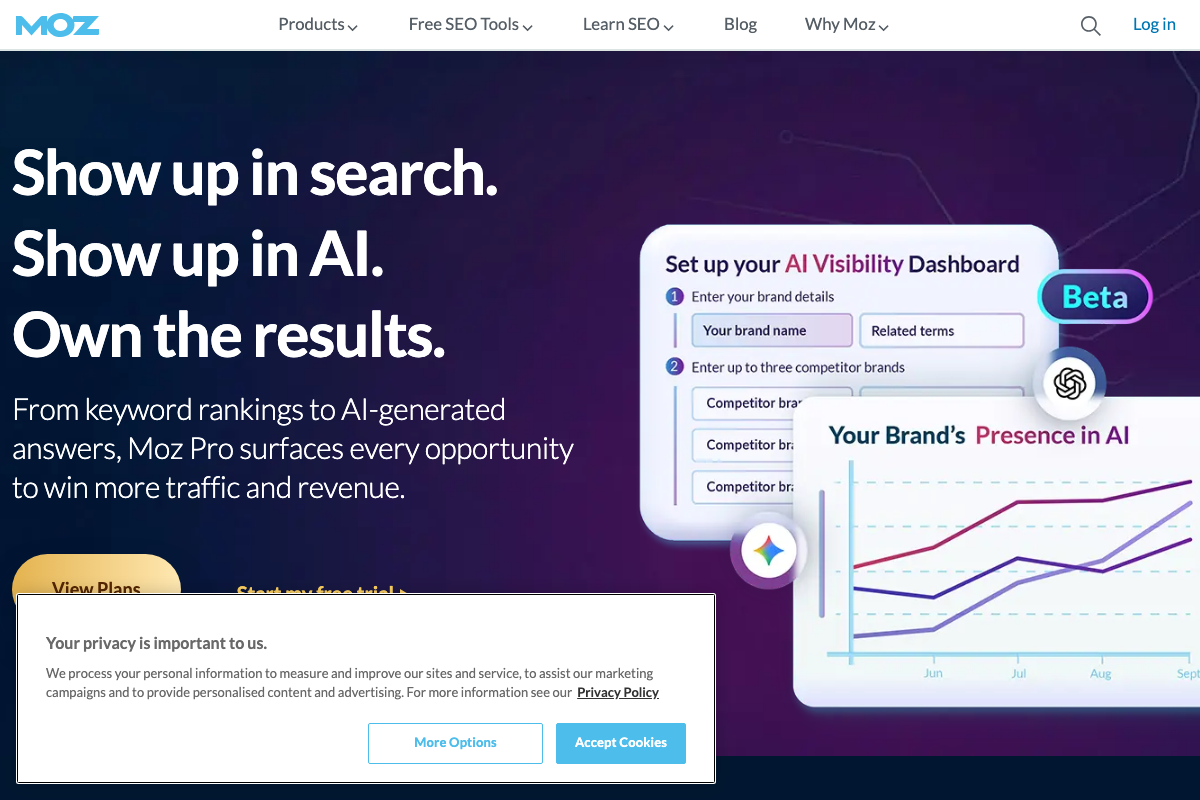
The Moz DA documentation page (moz.com/learn/seo/domain-authority) was not captured in the screenshot collection. Worth noting: Moz’s own homepage as of April 2026 positions an “AI Visibility Dashboard (Beta)” alongside traditional SEO tools — Moz’s product architecture has itself moved beyond DA as a standalone signal, which contextually supports the video’s argument without constituting formal documentation.
Step 2: Map Your Real-World Network
No official documentation was found for this step — proceed using the video’s approach and verify independently.
Step 3: Make the Linking Page Rank
No official documentation was found for this step — proceed using the video’s approach and verify independently.
Step 4: Mine Backlink Sales Emails for Keyword Opportunities
No official documentation was found for this step — proceed using the video’s approach and verify independently.
Step 5: Evaluate Domains by Traffic Trend and Indexation Rate, Not DA
No official documentation was found for this step — proceed using the video’s approach and verify independently.
The Semrush Knowledge Base was not reached during the screenshot collection. What was captured: Semrush One, launched in 2026, markets itself as uniting “SEO and AI visibility in one place — built on 17 years of search intelligence.” That framing is product positioning, not metric documentation, but it does confirm multi-signal domain evaluation is now a platform-level priority, not a fringe practice.

Step 6: Build a Satellite Site Targeting People Also Ask Questions
No official documentation was found for this step — proceed using the video’s approach and verify independently.
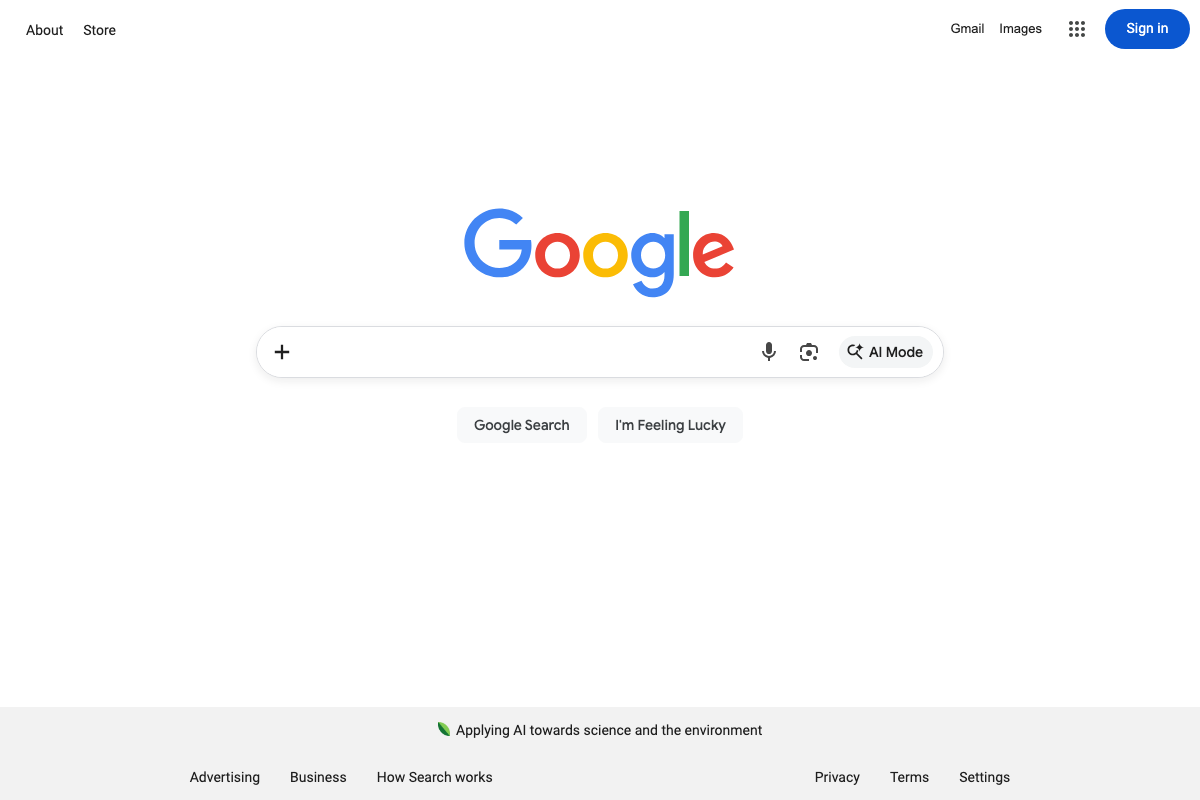
Screenshot attempts targeting both Google Search Central and Google’s PAA help pages returned a consumer-facing help center with no publisher guidance on PAA eligibility, content structure, or targeting methodology. One observation that does apply operationally: Google’s search interface now carries a persistent “AI Mode” button as a native, stable UI element — the SERP landscape this satellite site strategy competes in has shifted materially since PAA-first frameworks were established.

Step 7: Link from the Parent Domain to the Satellite’s FAQ Pages
No official documentation was found for this step — proceed using the video’s approach and verify independently.
Step 8: Choose Referral Traffic Over Raw DA When Acquiring Links
No official documentation was found for this step — proceed using the video’s approach and verify independently.
Useful Links
- Google — Consumer search homepage captured showing “AI Mode” as a persistent, stable UI element in the April 2026 search interface.
- Semrush: Your Unfair Advantage for Growing Brand Visibility — Semrush marketing homepage showing the “Semrush One” platform, which formally combines AI visibility and traditional SEO metrics in a single offering.
- Knowledge Base | Semrush — Intended documentation source for Authority Score and backlink workflows; an internal GBP dashboard was captured instead of KB content.
- Moz – SEO Software for Smarter Marketing — Moz homepage and solutions pages confirming the “AI Visibility Dashboard (Beta)” as a named product category alongside Domain Authority tools.
- Google Search Help — Google’s consumer-facing help center, confirming AI Overviews as an officially documented feature; no publisher-facing PAA or link-signal guidance is present.


0 Comments