

Build a Micro-SaaS Cluster with the Tentpole Strategy
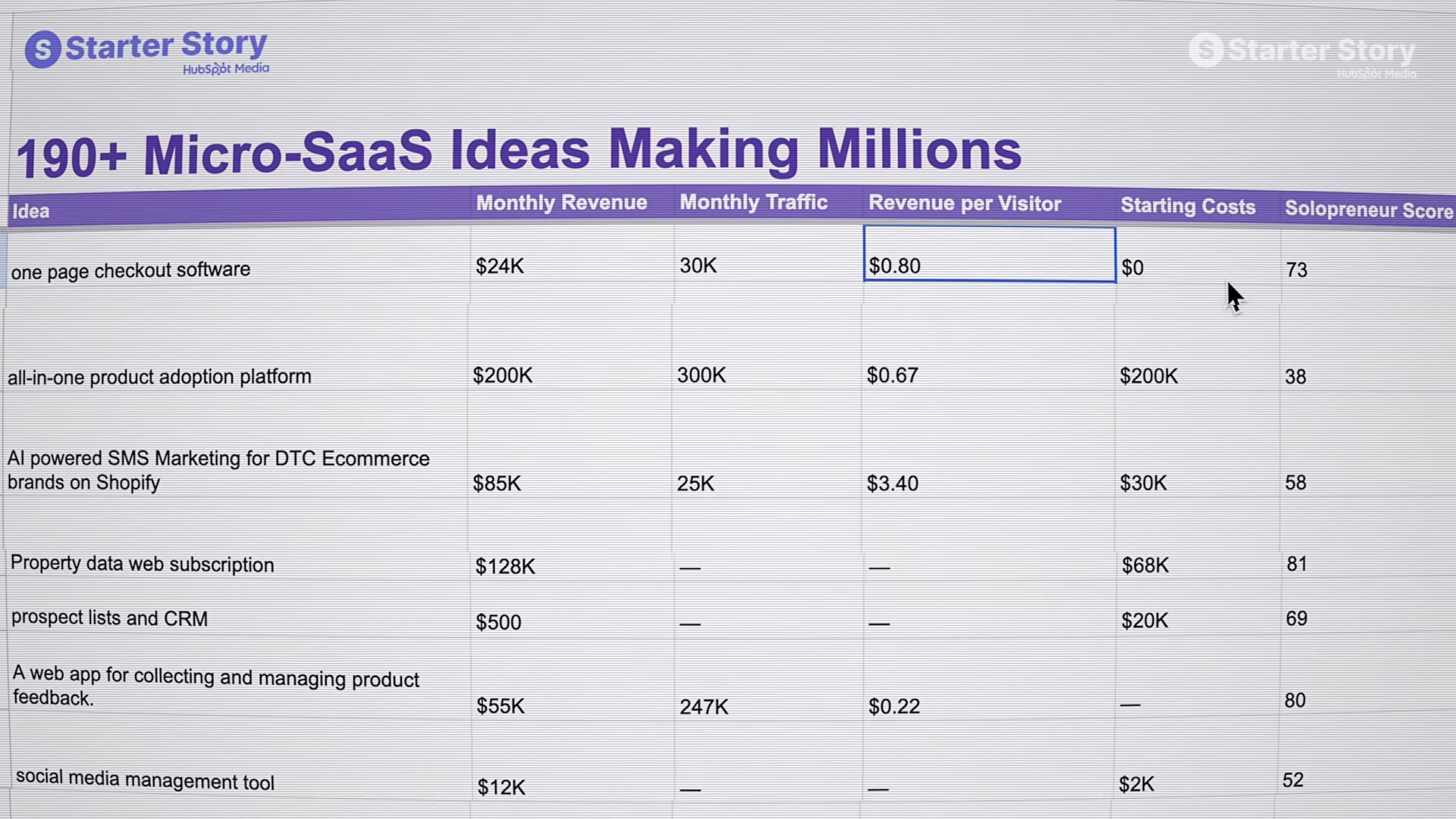
Jeremy built TaskMagic to $3M ARR as a two-person team, earned an Inc. 5000 ranking, and sold for mid-to-upper seven figures — not by outspending competitors on ads, but by building a cluster of interconnected micro-SaaS products that marketed each other. The tentpole strategy treats SEO-optimized satellite tools as acquisition channels for one core platform. By the end of this tutorial, you’ll know how to identify satellite product candidates, design the upgrade paths between them, and architect a self-reinforcing ecosystem where each new product compounds the reach of every existing one.
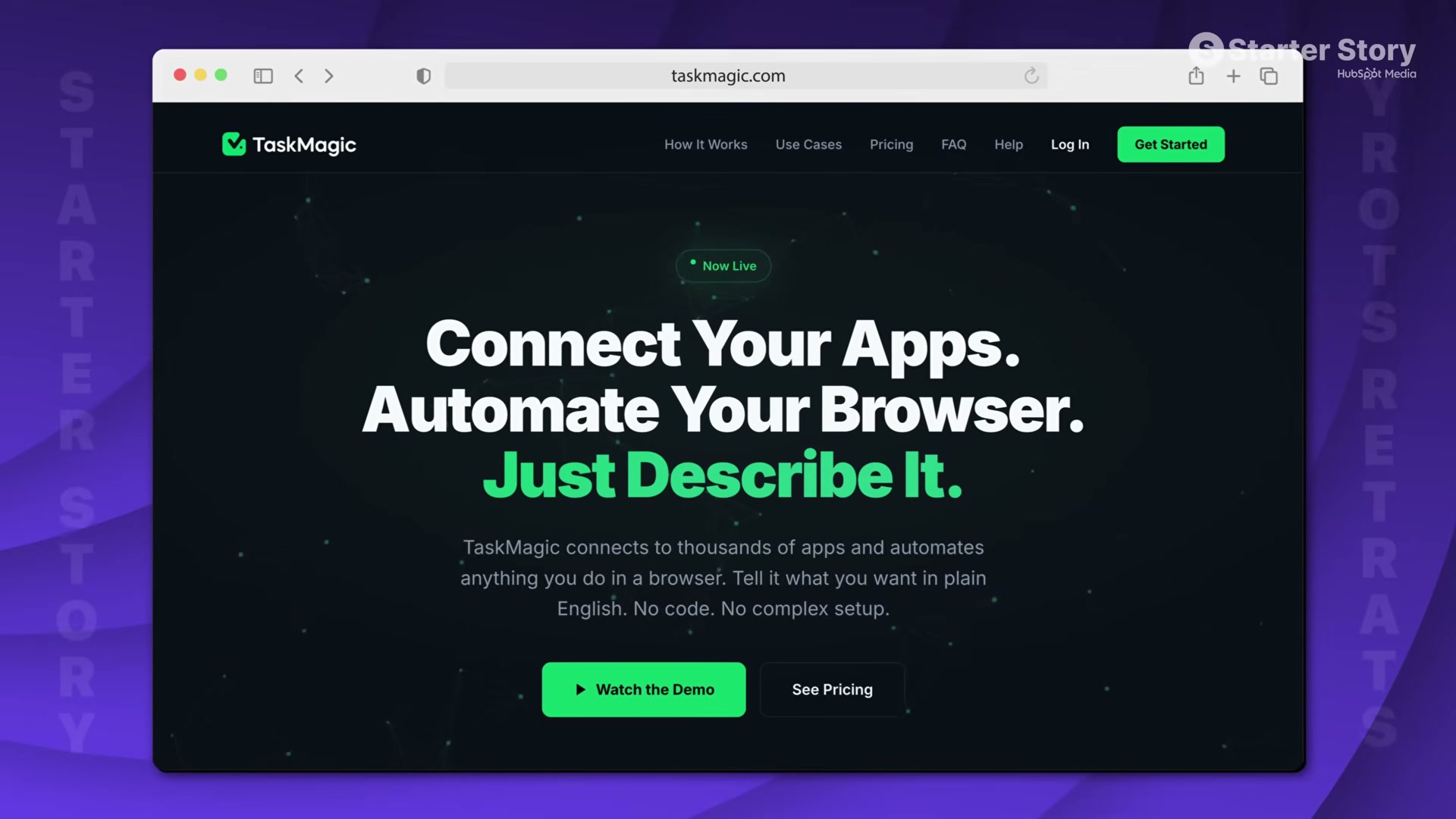

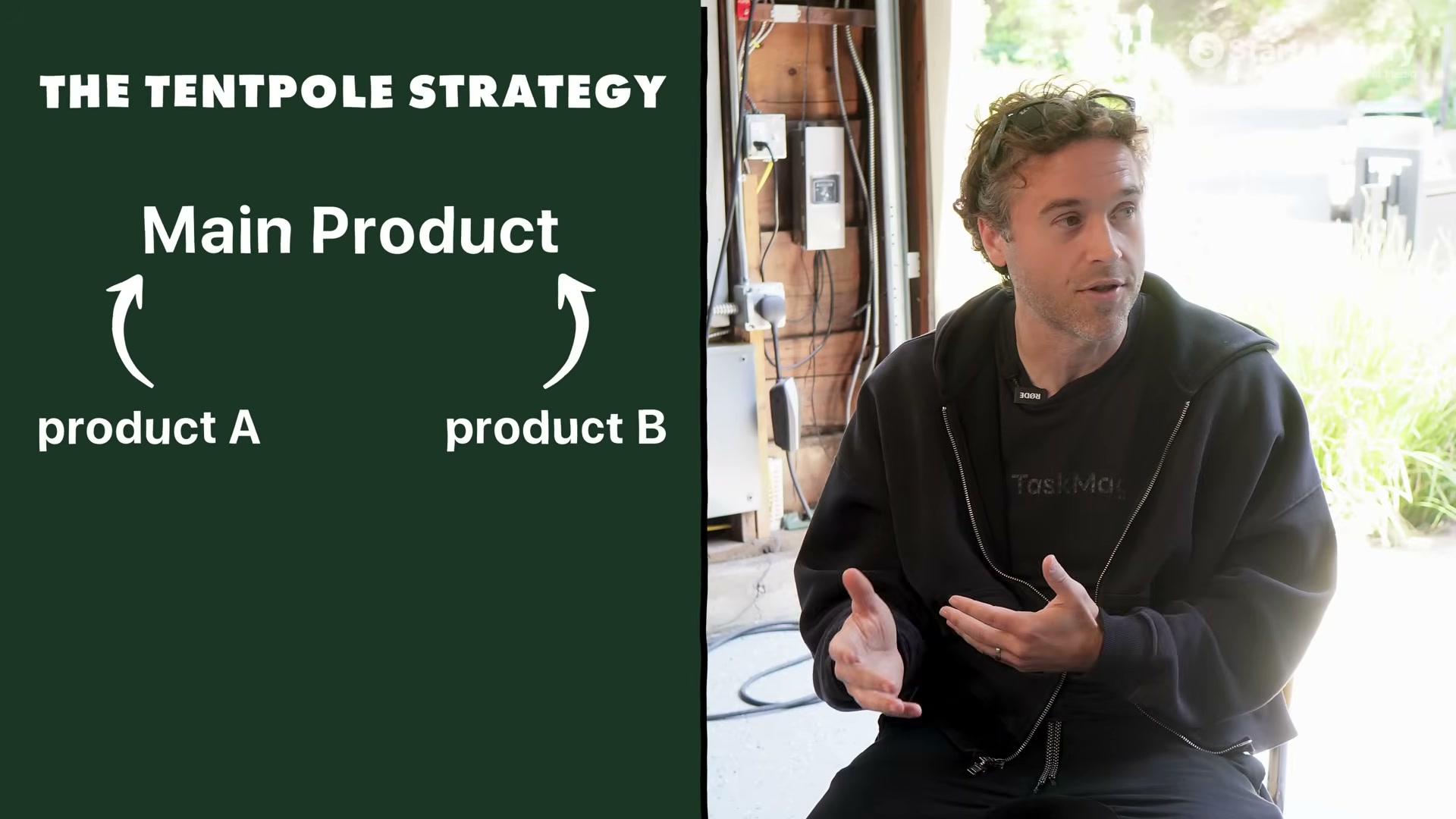
- Build for your existing customers’ next problem. Start with the people already paying you. TaskMagic served agencies, freelancers, and business owners who needed browser automation — but those same customers also needed outbound email tooling to generate the leads worth automating in the first place. That specific, customer-surfaced pain became the brief for the first satellite product. You’re not speculating about a market; you’re solving a demand already visible in your user base.
- Build something narrow enough to rank. Specificity is the SEO mechanism. Instead of building a broad outbound platform, Jeremy built Mail Lead — a focused cold email tool aimed directly at TaskMagic’s customer profile. Narrow tools rank faster on specific search queries than general-purpose alternatives. Mail Lead eventually generated close to seven figures in standalone revenue, drawing in users who had never heard of TaskMagic.
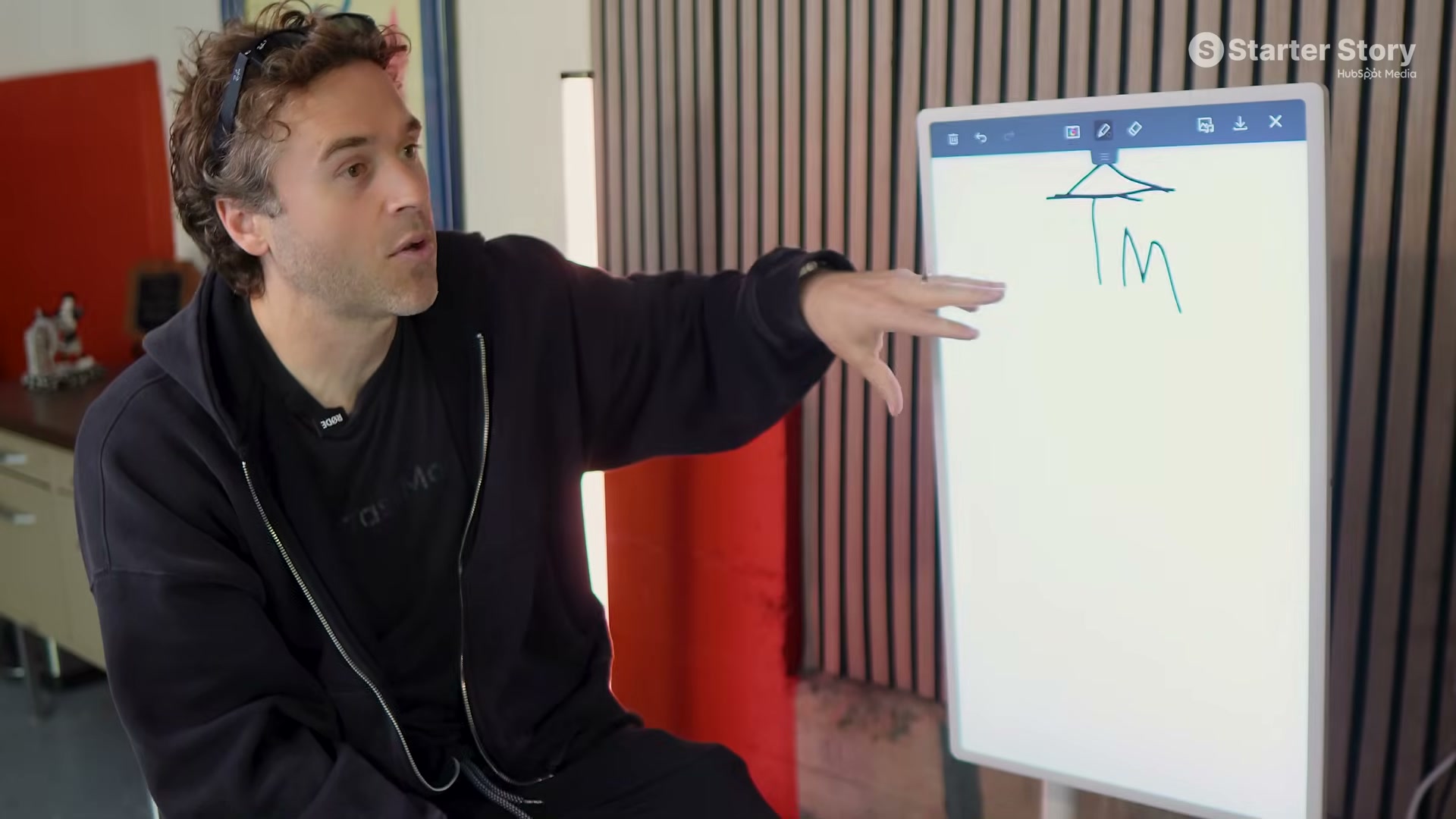
- Engineer the upgrade path before you ship. Every satellite product needs a natural ceiling — a workflow gap the user will eventually hit that the core platform resolves. For Mail Lead users, that gap was app connectivity: when they wanted to connect their cold email workflow to other tools, the TaskMagic automation tab was already embedded in the product. The constraint converts without a sales pitch, because the next step is both obvious and frictionless.
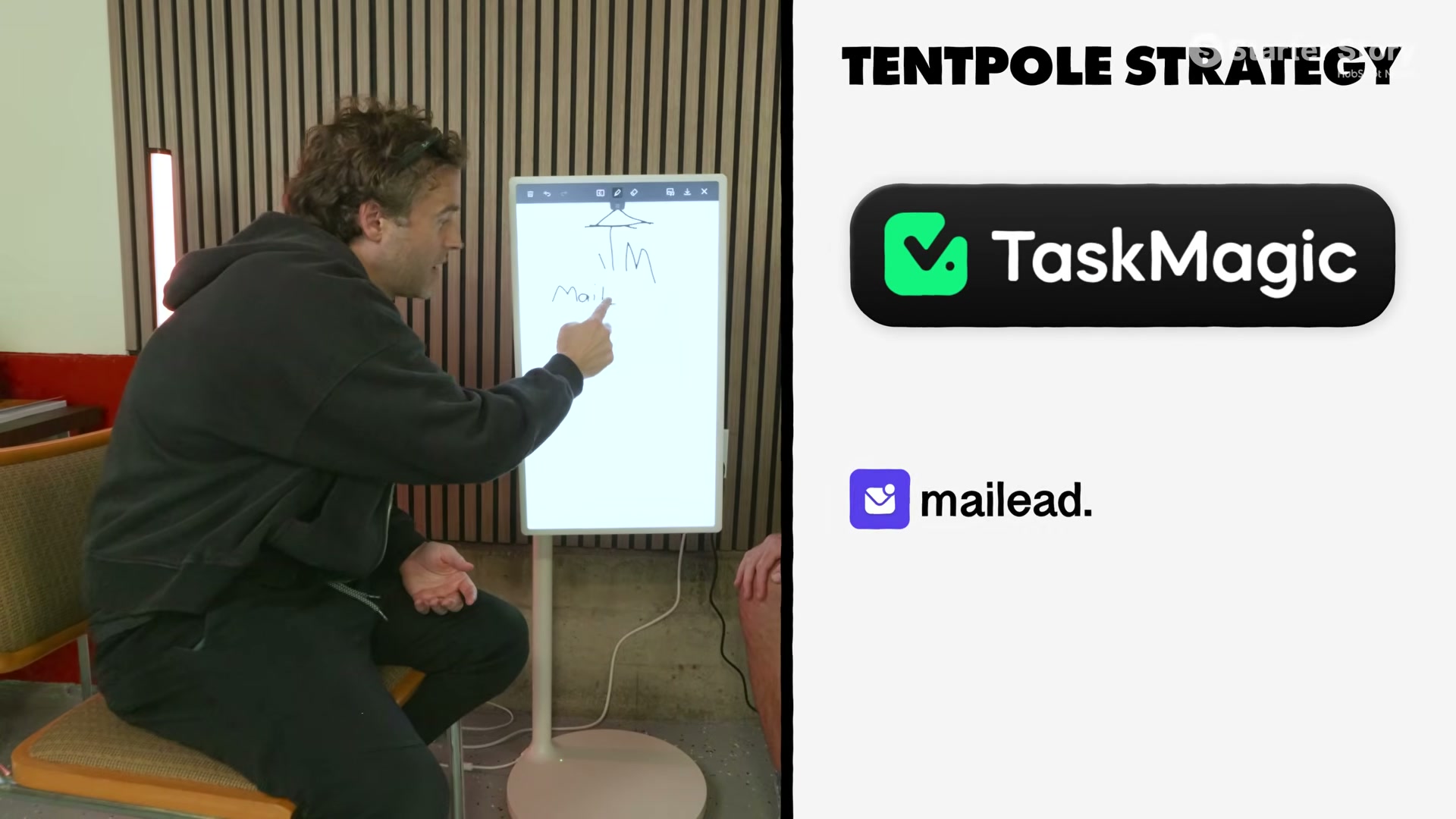
- Stack the ecosystem by solving your satellite users’ next problem. Once Mail Lead was live, Jeremy asked what those users needed most. The answer: leads to email to. He built LeadQuest.ai as the next node in the cluster, then wired it back into Mail Lead and TaskMagic through the same automation layer. Each new product creates fresh entry points for the others, compounding traffic and cross-sell revenue across the cluster without requiring separate acquisition campaigns. These aren’t parallel side hustles — they serve a single ecosystem, and that distinction is what makes the whole thing compound.
How does this compare to the official docs?
The tentpole framework is a distribution strategy, not a documented spec — Act 2 stress-tests each step against current SEO research, SaaS growth playbooks, and platform-specific guidance to surface exactly where the video’s approach holds up and where the landscape has shifted.
Here’s What the Official Docs Show
Act 1 gives you the playbook straight from the founder who ran it; Act 2 adds the ecosystem context you’d want before committing resources — what the adjacent platforms say about the market conditions this strategy depends on. No step in the tutorial is contradicted by anything uncovered here, but the available documentation doesn’t originate from TaskMagic, Mail Lead, or LeadQuest.ai directly, so every step carries an independent-verification flag.
Step 1 — Build for your existing customers’ next problem
No official documentation was found for this step — proceed using the video’s approach and verify independently.
Step 2 — Build something narrow enough to rank
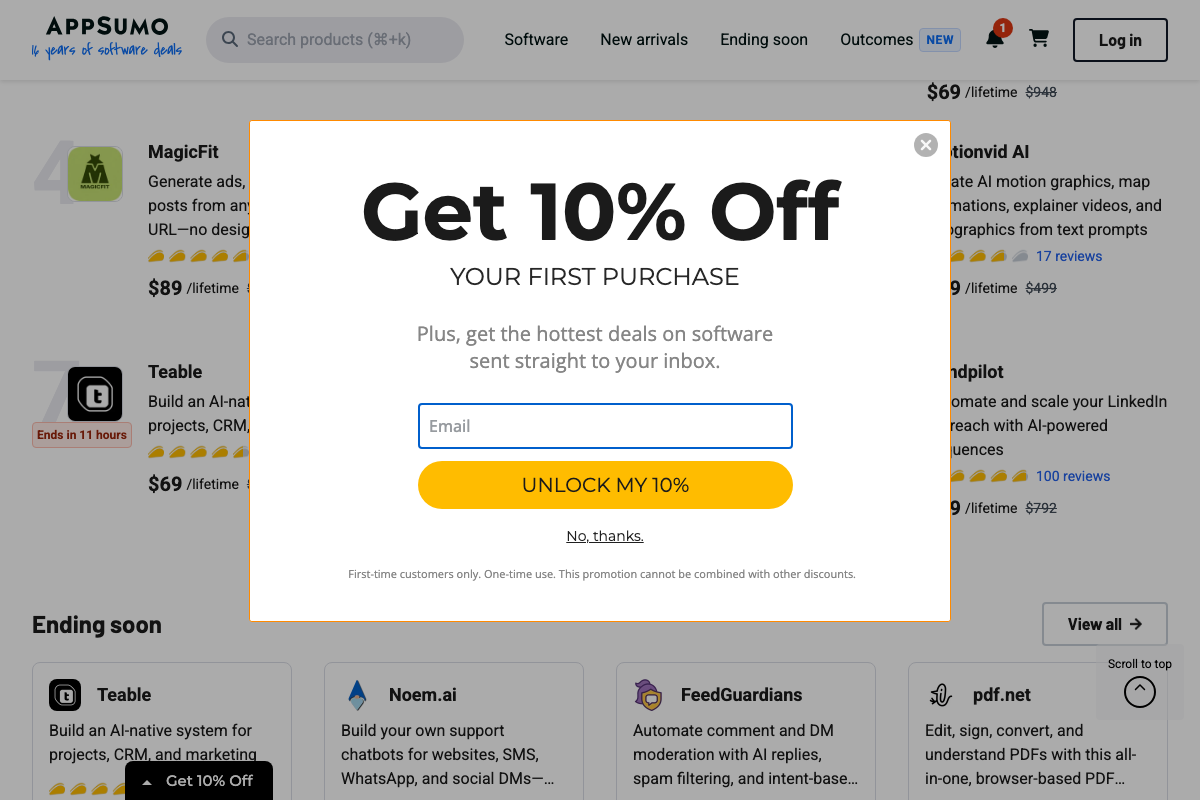
The core SEO-specificity rationale Jeremy describes — narrow tools rank faster on specific queries than broad alternatives — is consistent with what AppSumo’s live marketplace reflects. Browsing current deals, you’ll find LinkedIn automation tools, AI-native CRMs, and speech-to-text utilities sitting side by side: single-function products competing on a very specific value proposition, not platform breadth.

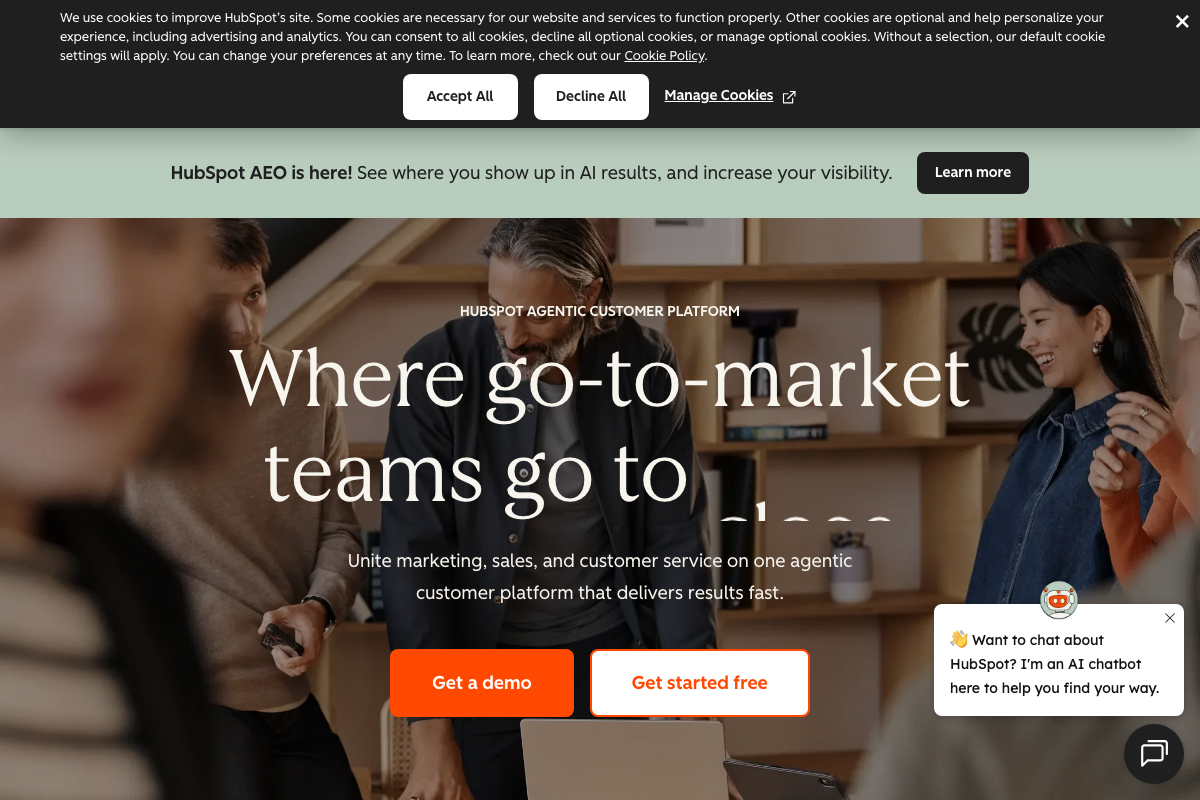
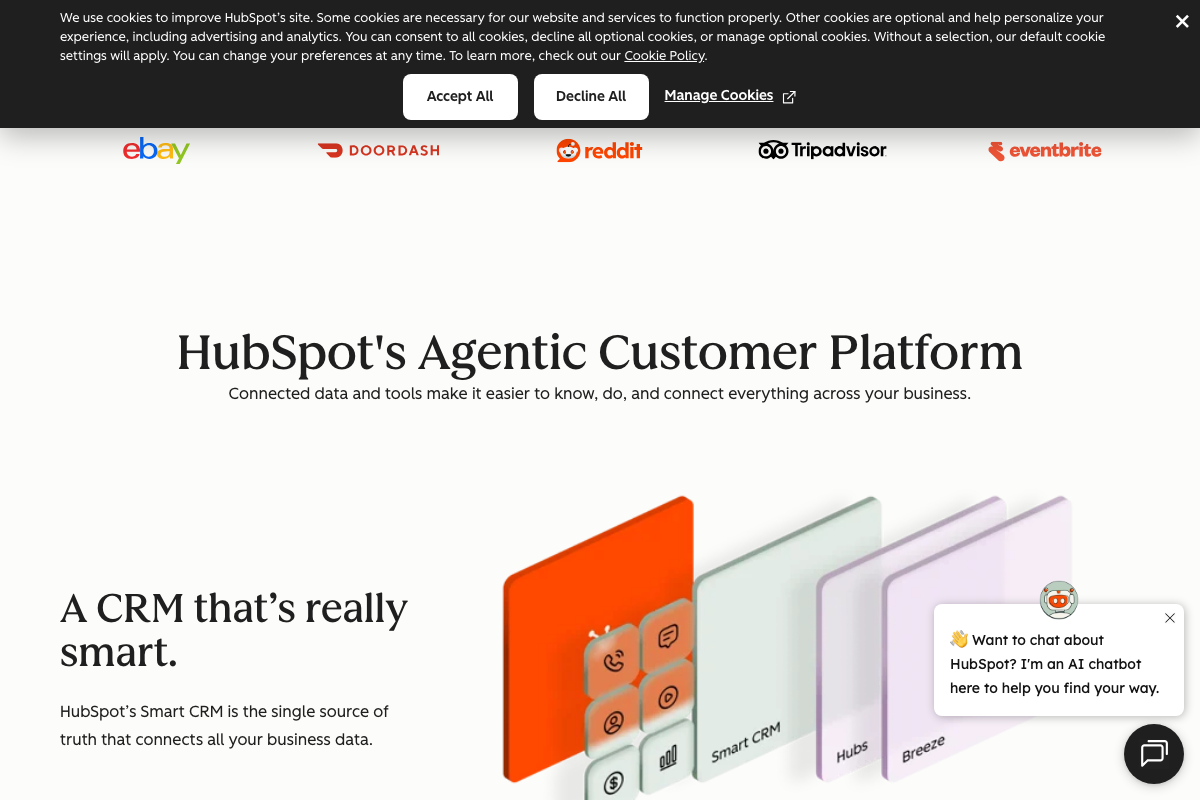
HubSpot’s own homepage adds a wrinkle worth noting: as of April 2026, HubSpot is actively promoting Answer Engine Optimization (AEO) alongside traditional SEO — a signal that search ranking strategy for SaaS tools is evolving beyond keyword-based indexing into AI-result visibility.
No official documentation for TaskMagic’s or Mail Lead’s specific ranking behavior was found — proceed using the video’s approach and verify independently.
Step 3 — Engineer the upgrade path before you ship
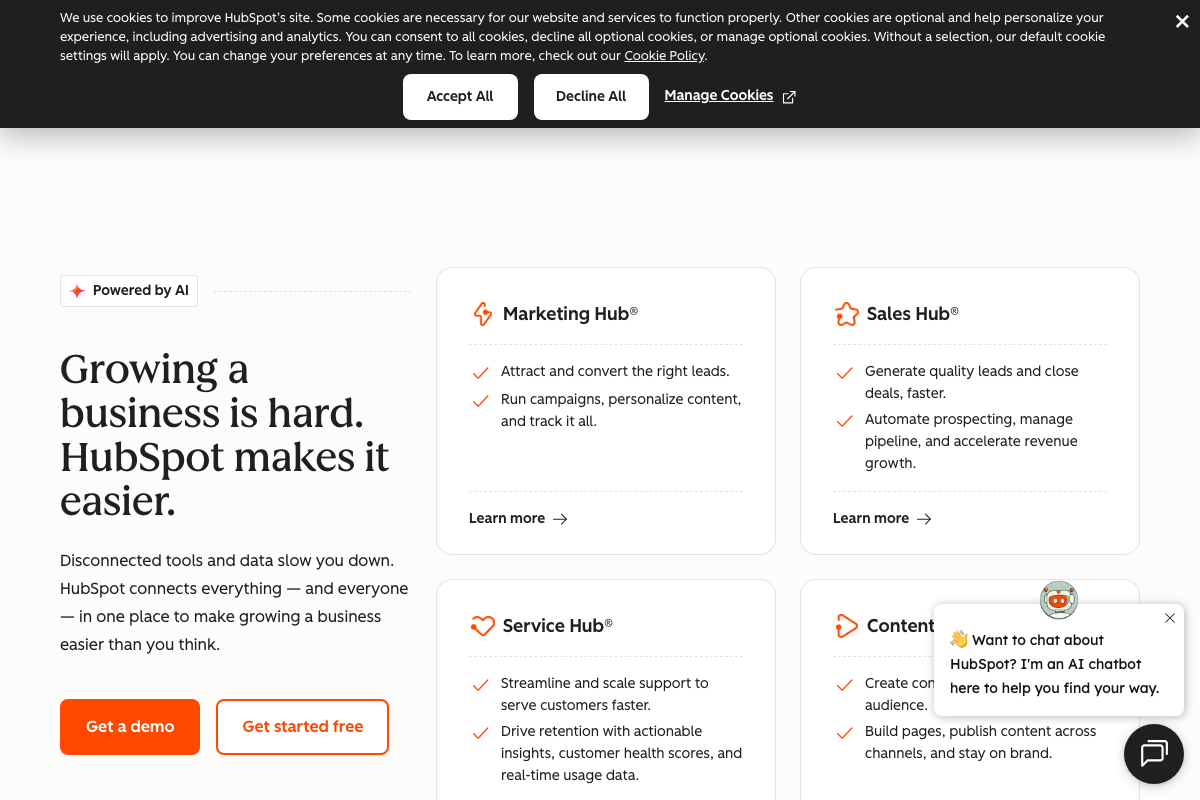
HubSpot’s product architecture provides the closest documented analogue to the upgrade-path logic Jeremy describes. HubSpot explicitly frames its multi-hub structure around a single insight: “Disconnected tools and data slow you down. HubSpot connects everything.” That’s the same friction-to-conversion mechanic the tutorial describes — the satellite user hits a ceiling, and the core platform is the obvious next step.
No official documentation for TaskMagic’s specific upgrade-path implementation was found — proceed using the video’s approach and verify independently.
Step 4 — Stack the ecosystem by solving your satellite users’ next problem
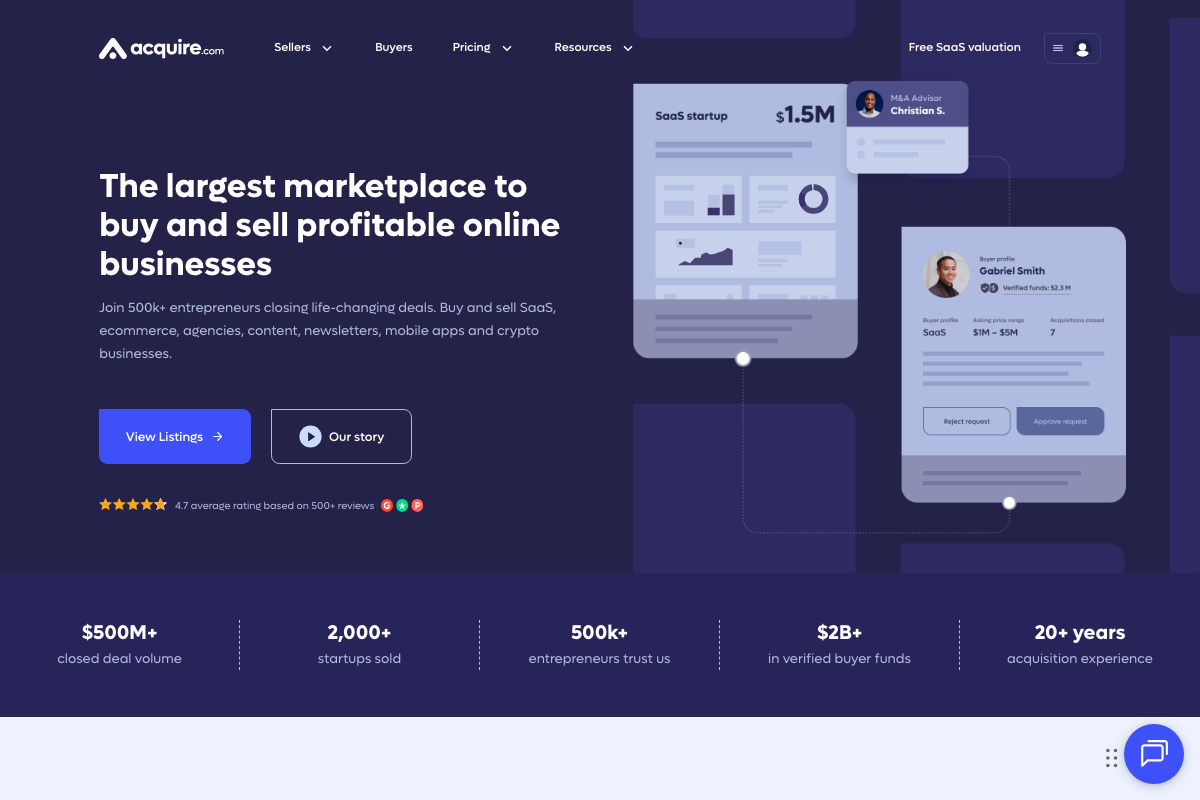
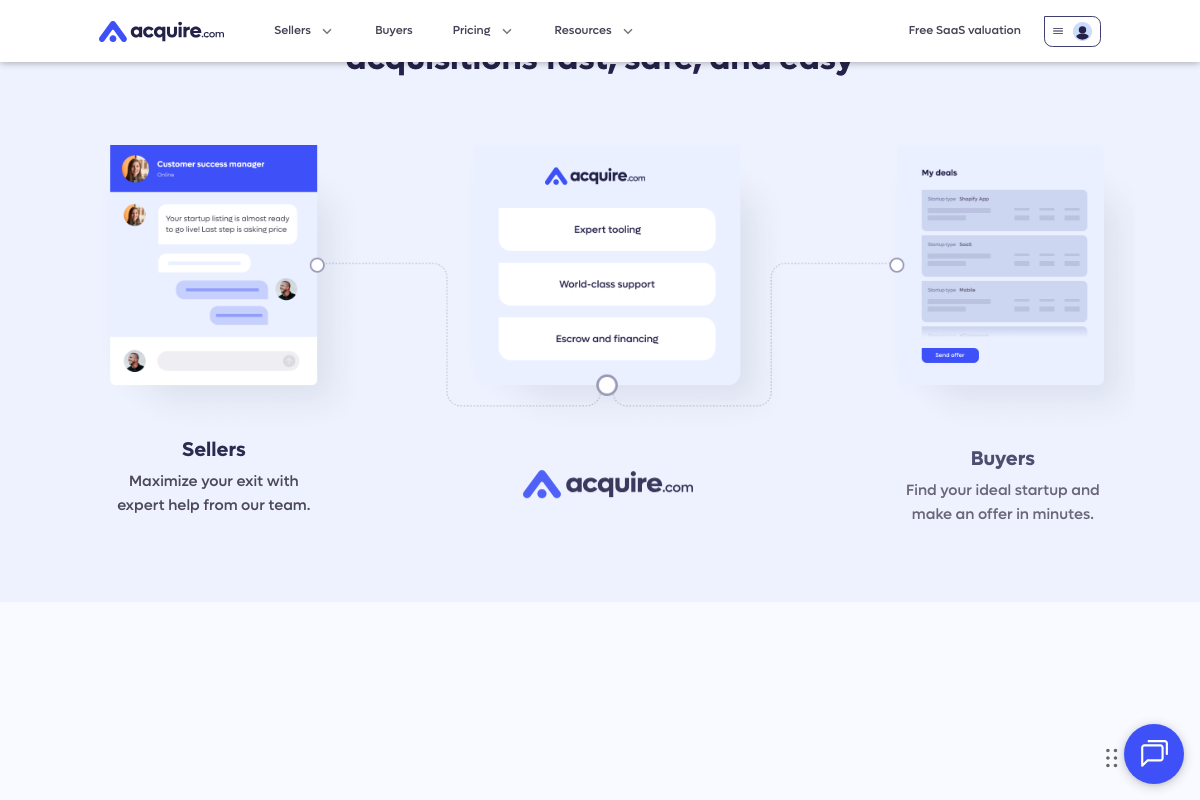
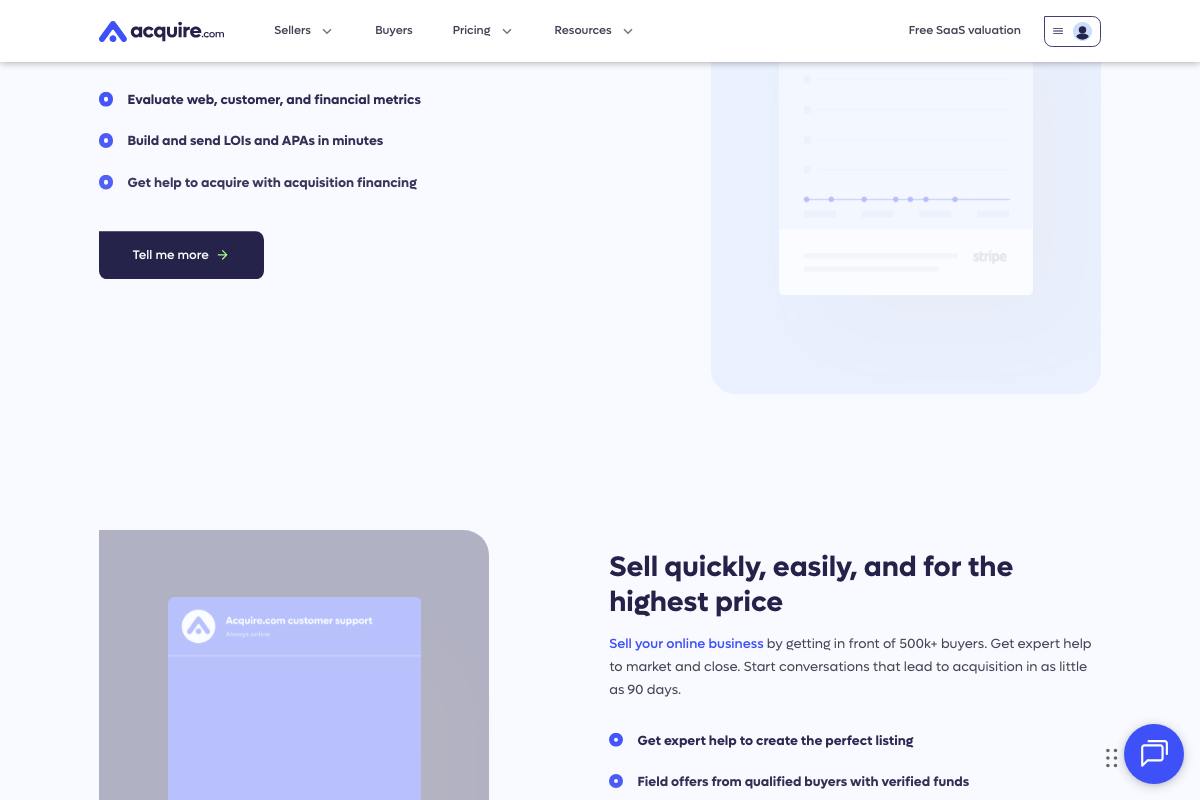
Acquire.com confirms the asset-class legitimacy of what Jeremy built. The platform reports $500M+ in closed deal volume across 2,000+ startups sold, with SaaS listed as a supported category alongside e-commerce, agencies, and newsletters. Structured exit tooling — escrow, financing, LOIs, APAs — is standard on the platform, meaning prospective acquirers of a micro-SaaS cluster arrive with professional due diligence infrastructure already in place.
No official documentation for LeadQuest.ai or its integration with the TaskMagic ecosystem was found — proceed using the video’s approach and verify independently.
Useful Links
- Buy & Sell Profitable Online Businesses | Acquire.com — SaaS M&A marketplace confirming micro-SaaS as an actively traded asset class with structured exit tooling including escrow and acquisition financing.
- AppSumo – Discover products. Stay weird. | AppSumo — Software deal marketplace illustrating the competitive landscape of narrow, single-function SaaS tools that use SEO-specificity and lifetime pricing for user acquisition.
- Free Resources from HubSpot | Templates, Ebooks, & More — HubSpot’s platform overview, including its multi-hub architecture and AEO announcement, providing an enterprise-scale analogue to the tentpole strategy’s upgrade-path and ecosystem-stacking mechanics.


0 Comments