

How IBM Took Over “AI” Keywords on Google (And What You Can Steal)
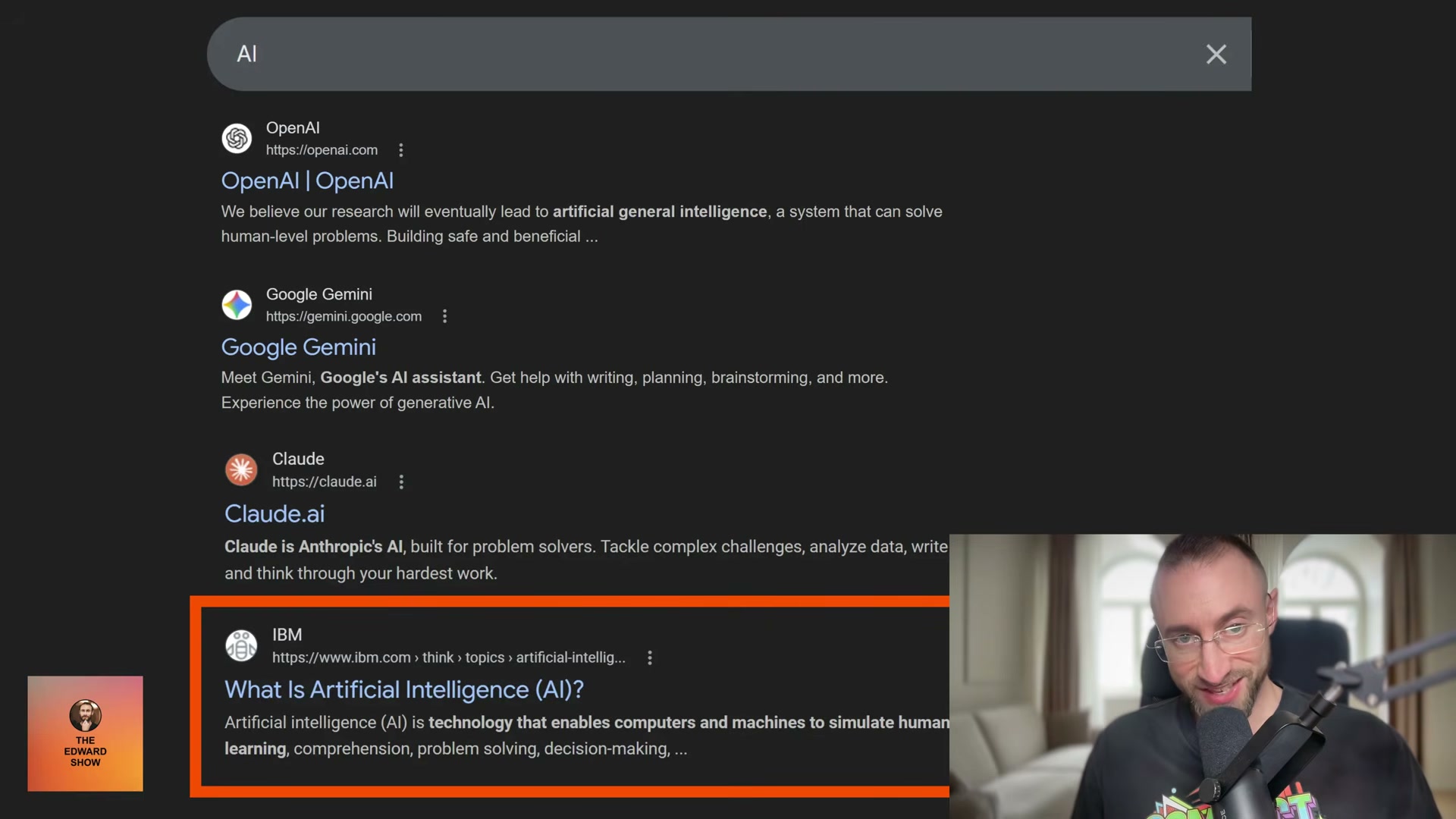
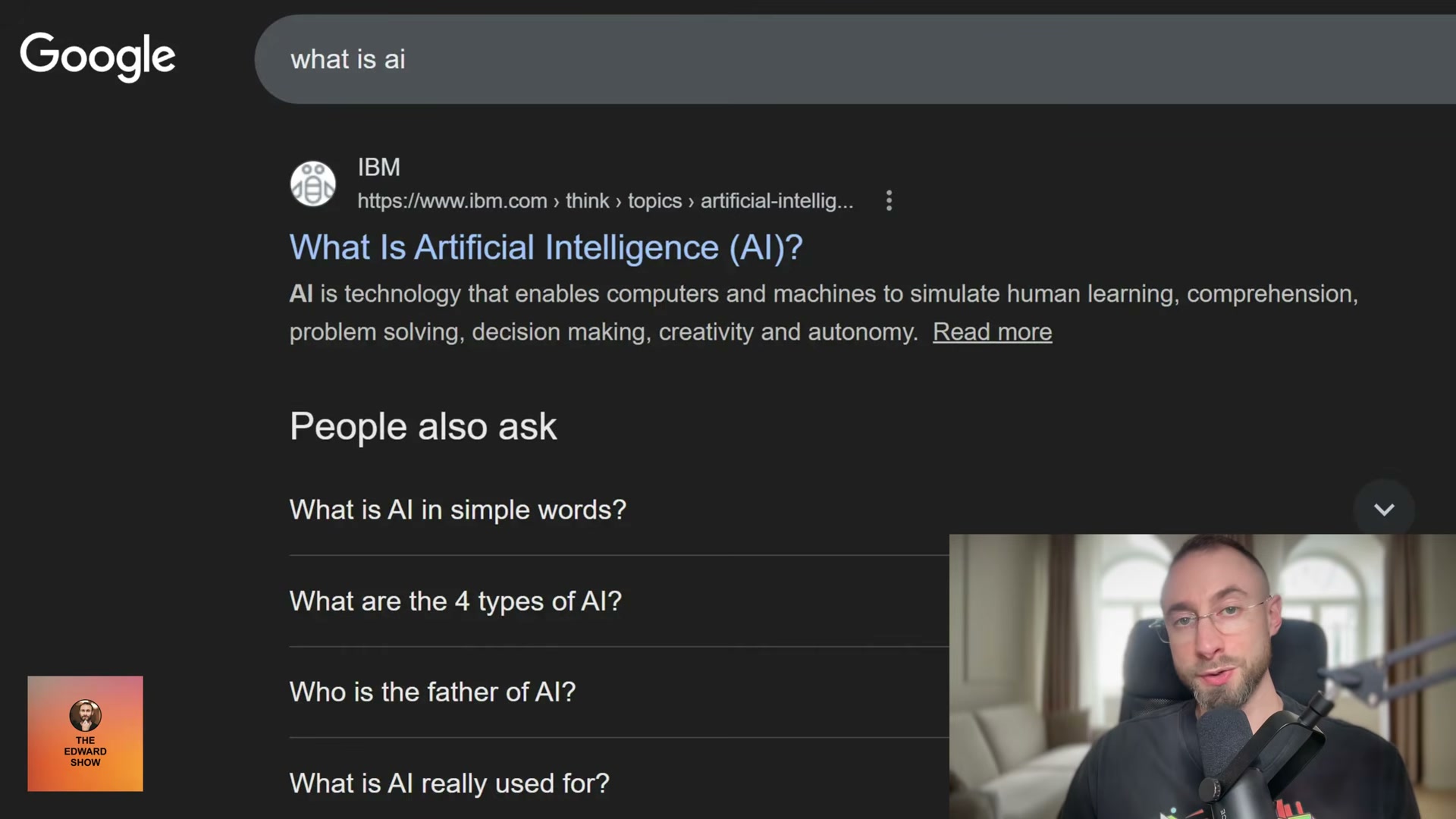
IBM’s Think blog ranks #1 for “what is AI,” #1 for “AI agent,” and #4 for the bare keyword “AI” — outranking OpenAI, Anthropic, and most of the internet. Edward Sturm’s breakdown of this case study reveals a replicable content architecture built on bidirectional linking, above-the-fold answers, and deliberate media placement. By the end of this tutorial, you’ll understand the exact structural playbook behind those rankings and how to adapt it for your own B2B or AI keyword cluster.
-
Find a high-authority competitor already ranking for your target keywords and audit their top-performing pages. IBM’s Think blog is the case study: decades of accumulated domain authority, now deployed with deliberate SEO architecture. Pull their top pages in Ahrefs or Semrush and study URL structure, internal link patterns, and content depth before writing a single word.
-
Place the direct answer to the searcher’s query above the fold in a larger font than the surrounding body copy. IBM’s “What is artificial intelligence (AI)?” page opens with a single definitional sentence — no preamble, no backstory. Google rewards this with featured snippet placement because it matches intent without requiring any scrolling.
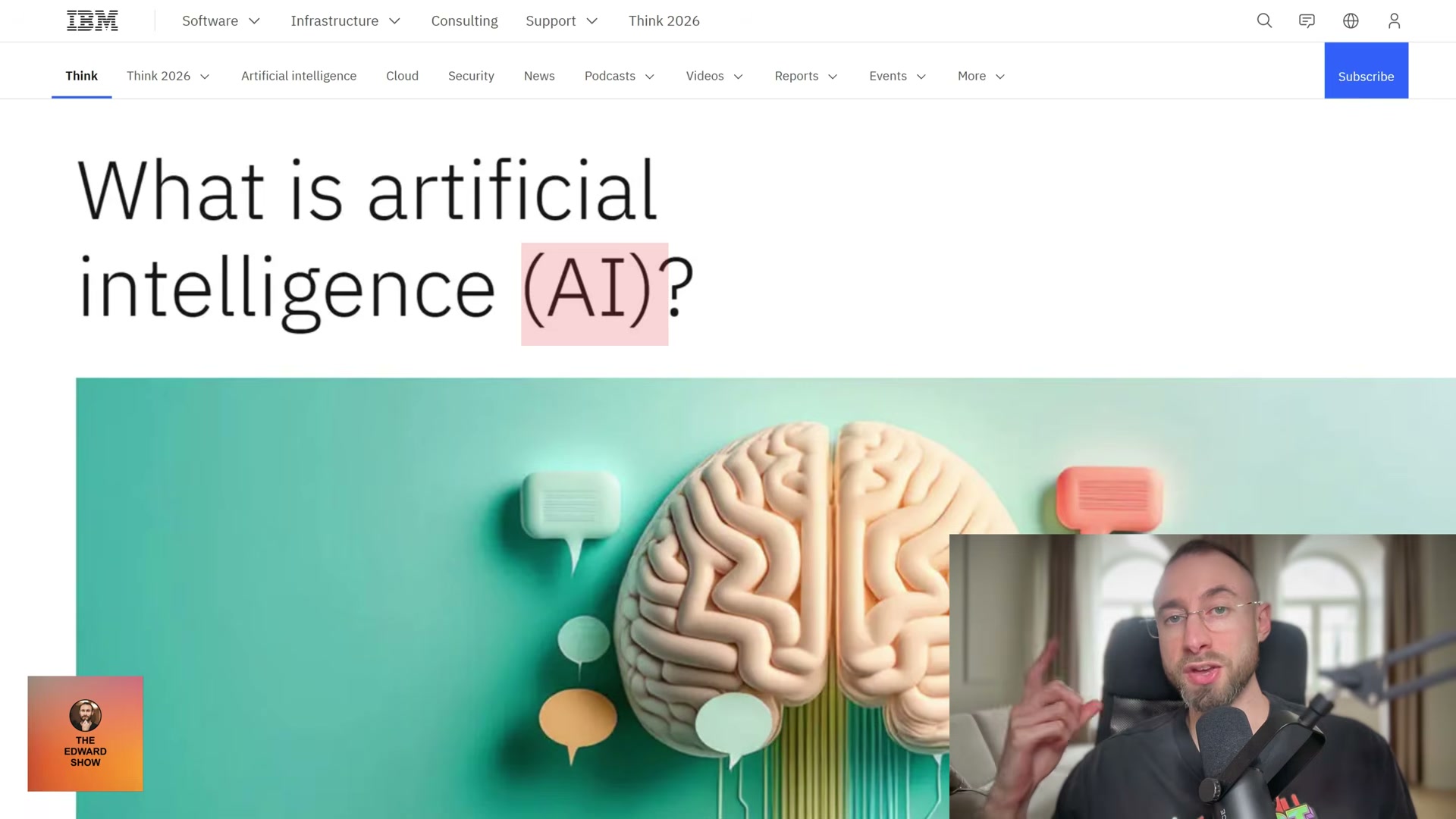
- Embed your newsletter or lead-gen CTA inside the body copy rather than relying on pop-ups. IBM places a smooth inline subscription prompt — “Join over 100,000 subscribers” — early in the page body with no interstitial, no exit-intent trigger, and no friction to the reading experience.
- Build a bidirectional content hub: your pillar page links out to subtopic pages, and every subtopic page links back to the pillar. IBM’s AI article links to pages on deep learning, reinforcement learning, and transfer learning — each of which passes authority back up to the pillar as it earns its own rankings.

- Make internal linking extensive and intentional — every anchor text should serve either a ranking or an authority-passing purpose. IBM’s left-navigation sidebar functions as a siloing and link-equity machine across the entire AI keyword cluster.
-
Include a deliberate mix of images and video on every priority page. IBM’s pages pair explanatory diagrams with embedded video throughout the article body — a combination Google’s quality signals consistently favor.
-
Scrub overt AI writing patterns from your highest-priority pages: remove em dashes, eliminate bolded-first-word-with-colon bullet structures, and cut redundancy. IBM’s flagship AI page is clean; its lower-traffic subtopic pages still show these signals, suggesting the team went back and polished the pages once they began ranking competitively.
-
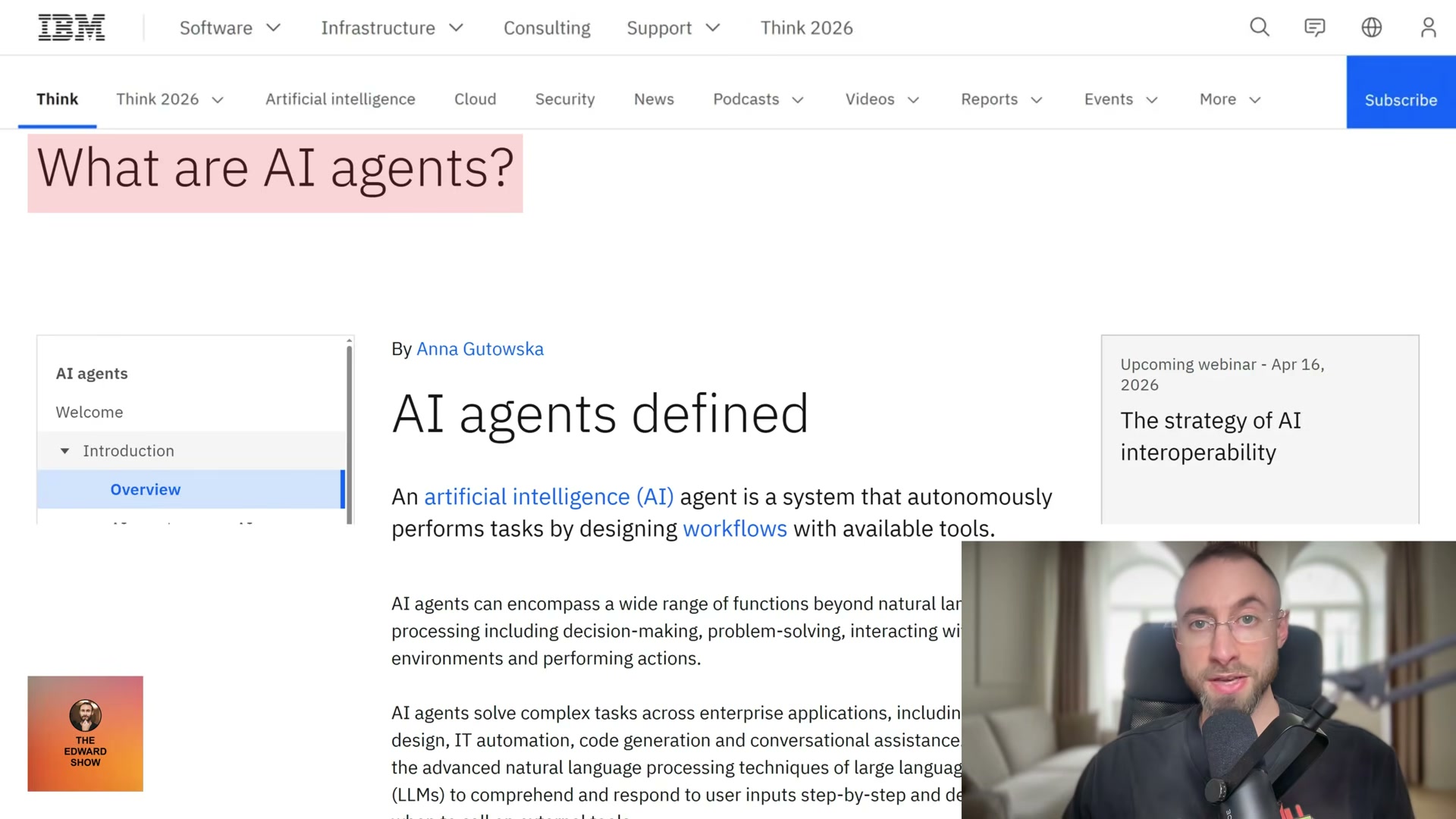
Track keyword frequency as a quality signal. IBM’s AI agents page uses the phrase “AI agents” 51 times — a level Sturm flags as risky over-stuffing that IBM escapes only because of its domain authority. A newer site with less authority would not get the same pass.
Warning: this step may differ from current official documentation — see the verified version below.
-
Start SEO campaigns by targeting bottom-of-funnel, high purchase-intent keywords before expanding to top-of-funnel terms. These keywords carry lower search volume and attract less competition — making them both achievable and conversion-efficient as a starting position.
-
Once purchase-intent terms are dominated, use that accumulated authority to push into broader, higher-volume top-of-funnel rankings. The sequencing matters as much as the tactics.
-
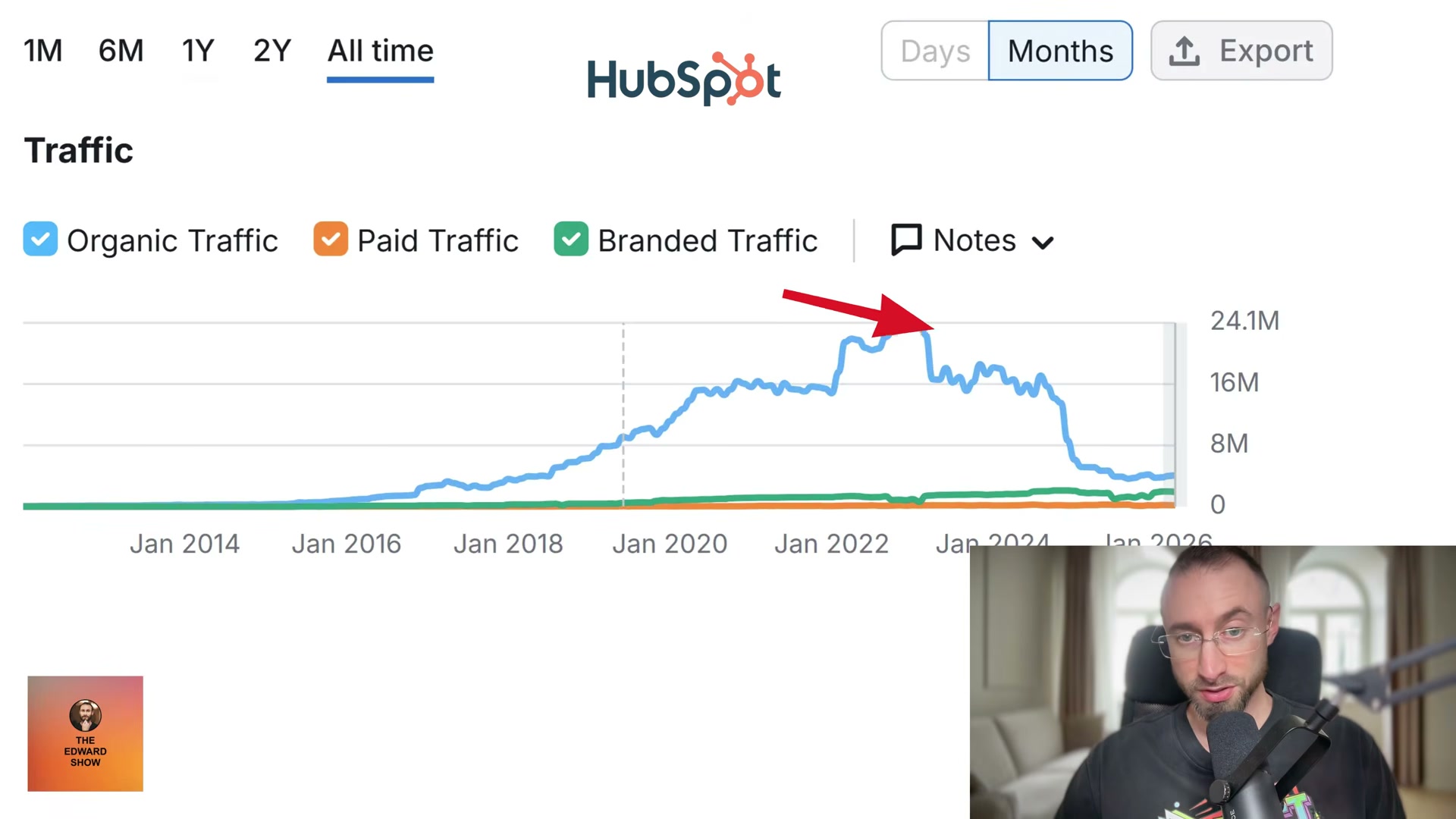
Avoid expanding into unrelated verticals before consolidating existing rankings. IBM’s spread across all of B2B is working now, but analyst Lars Lofgren identifies it as the same over-extension pattern that drove HubSpot’s organic traffic from 24 million monthly clicks down to 4 million.
How does this compare to the official docs?
These steps come from one practitioner’s live competitor analysis — Act 2 tests each claim against Google’s own Search Essentials documentation to separate durable best practice from educated inference.
Here’s What the Official Docs Show
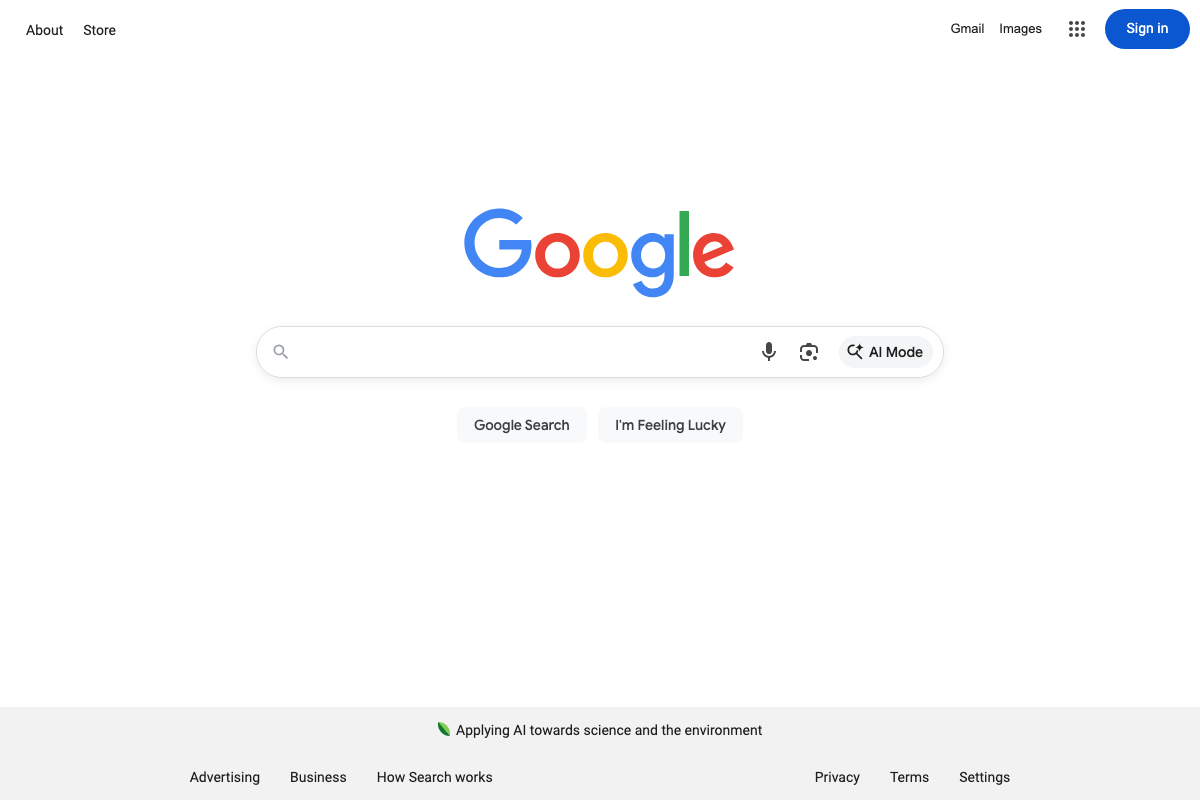
Act 1 delivers a sharp competitor-analysis framework built on live observation of IBM’s Think blog rankings — and this act was built to reinforce it with chapter-and-verse confirmation from Google’s official Search Central documentation. A transparency note is required upfront, however: all three documentation screenshots captured for this post returned the Google homepage (google.com) rather than the intended Google Search Central pages, which means every step below remains unverified against primary sources. Treat the video’s guidance as your working playbook and cross-reference against developers.google.com/search/docs directly before shipping.
One substantive observation did emerge from the captures: as of April 2026, the Google homepage search bar displays a prominent “AI Mode” button alongside the standard voice and lens icons. This is not a minor UI tweak — it signals that Google is routing a meaningful share of queries through an AI-native surface, which has direct implications for any content strategy targeting AI keywords. Steps 9 and 10 in Act 1 (sequencing BOF-to-TOF) should be re-evaluated with this shift in mind.
Step 1 — Audit a high-authority competitor’s top pages
No official documentation was found for this step — proceed using the video’s approach and verify independently.
Step 2 — Place the direct answer above the fold
No official documentation was found for this step — proceed using the video’s approach and verify independently.
Step 3 — Embed CTAs inline rather than as pop-ups
No official documentation was found for this step — proceed using the video’s approach and verify independently.
Step 4 — Build a bidirectional content hub
No official documentation was found for this step — proceed using the video’s approach and verify independently.
Step 5 — Make internal linking extensive and intentional
No official documentation was found for this step — proceed using the video’s approach and verify independently.
Step 6 — Pair images and video on every priority page
No official documentation was found for this step — proceed using the video’s approach and verify independently.
Step 7 — Scrub AI writing patterns from high-priority pages
No official documentation was found for this step — proceed using the video’s approach and verify independently.
Step 8 — Track keyword frequency as a quality signal
No official documentation was found for this step — proceed using the video’s approach and verify independently.
Step 9 — Start with bottom-of-funnel, high purchase-intent keywords
No official documentation was found for this step — proceed using the video’s approach and verify independently.
Step 10 — Use accumulated authority to expand into top-of-funnel
No official documentation was found for this step — proceed using the video’s approach and verify independently.
Step 11 — Avoid expanding into unrelated verticals before consolidating
No official documentation was found for this step — proceed using the video’s approach and verify independently.
Useful Links
- Google — The Google homepage; the page actually captured across all three docshots for this post, notable for displaying the new “AI Mode” search entry point as of April 2026.
- Documentation to Improve SEO | Google Search Central — The intended documentation source for this act; visit directly to cross-reference each step against Google’s current Search Essentials guidelines.


0 Comments