

How Google AI Overviews, ChatGPT, and Perplexity Cite Different Sources — And Why It Changes Your AEO Strategy
Treat AI search as a single channel and you’ll optimize well for one platform while staying invisible on the others. This lesson from Ahrefs’ AEO course breaks down the citation behavior of Google AI Overviews, Google AI Mode, ChatGPT, and Perplexity using real data — so you understand where each platform pulls from before building a strategy around any of them.
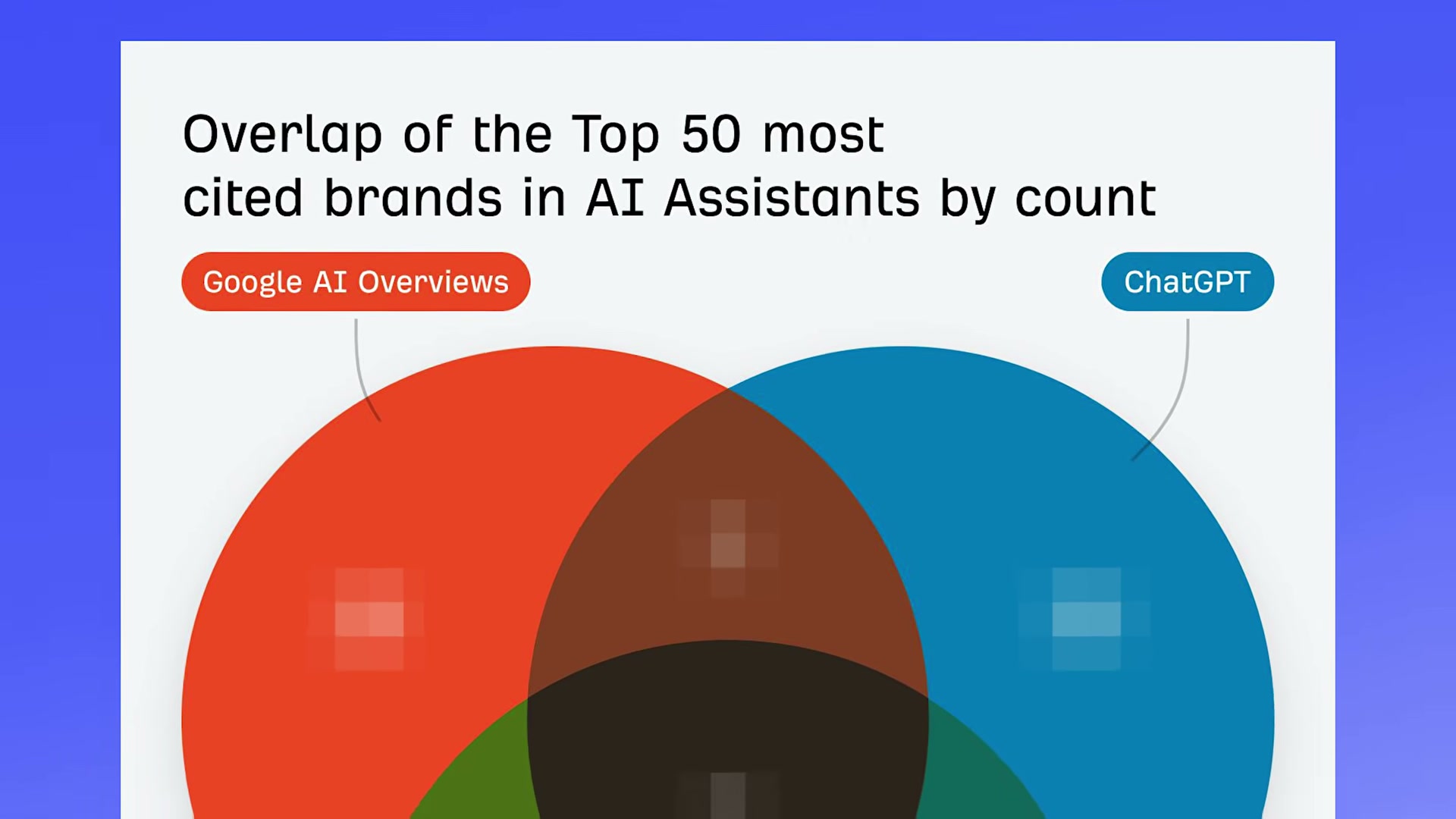
- Start with the overlap finding. Ahrefs analyzed the top 50 most-cited domains across Google AI Overviews, ChatGPT, and Perplexity. Only seven domains appeared on all three platforms — a 14% overlap. That single data point reframes the entire discipline: there is no universal “AI search” audience to optimize for.
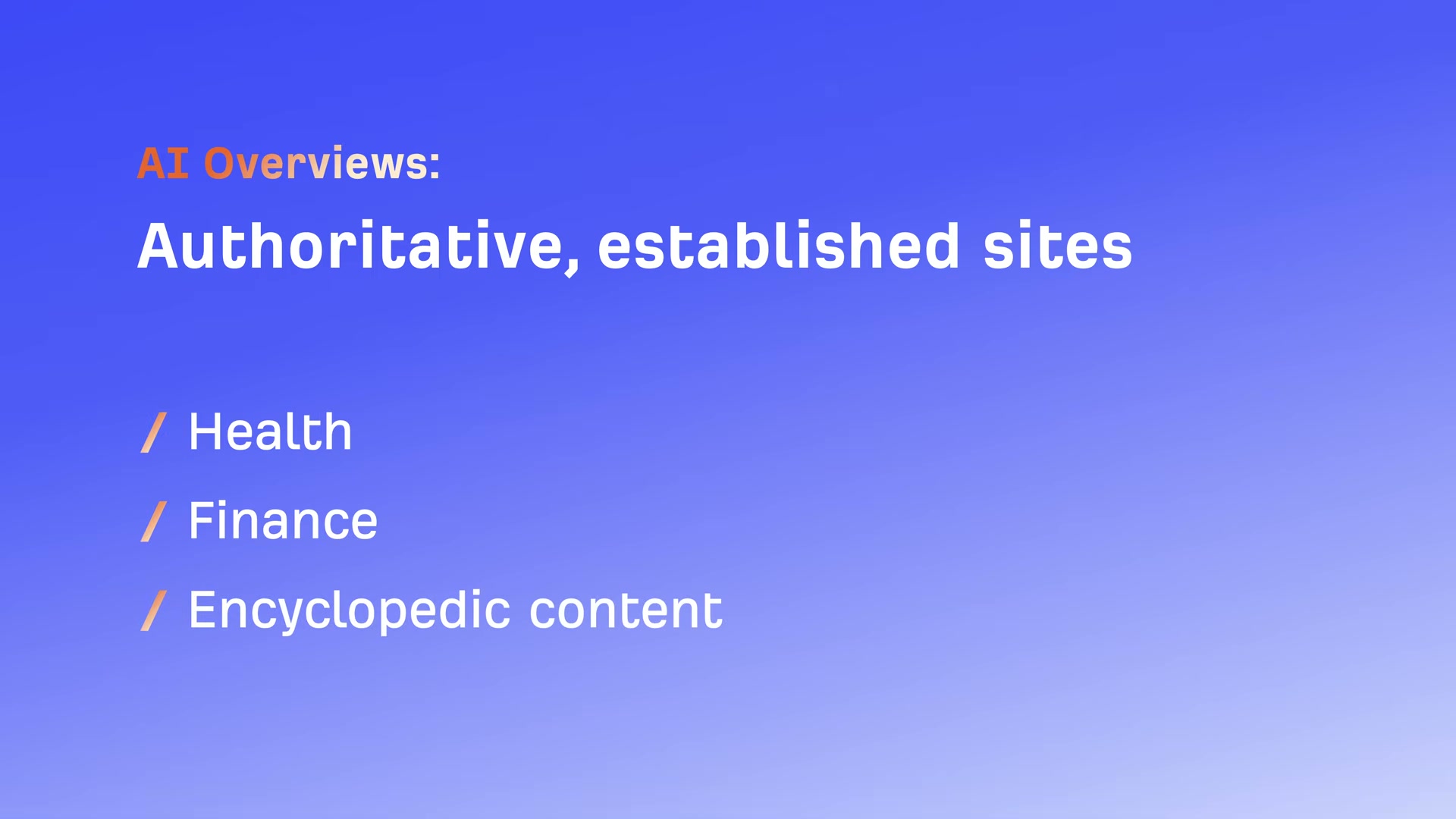
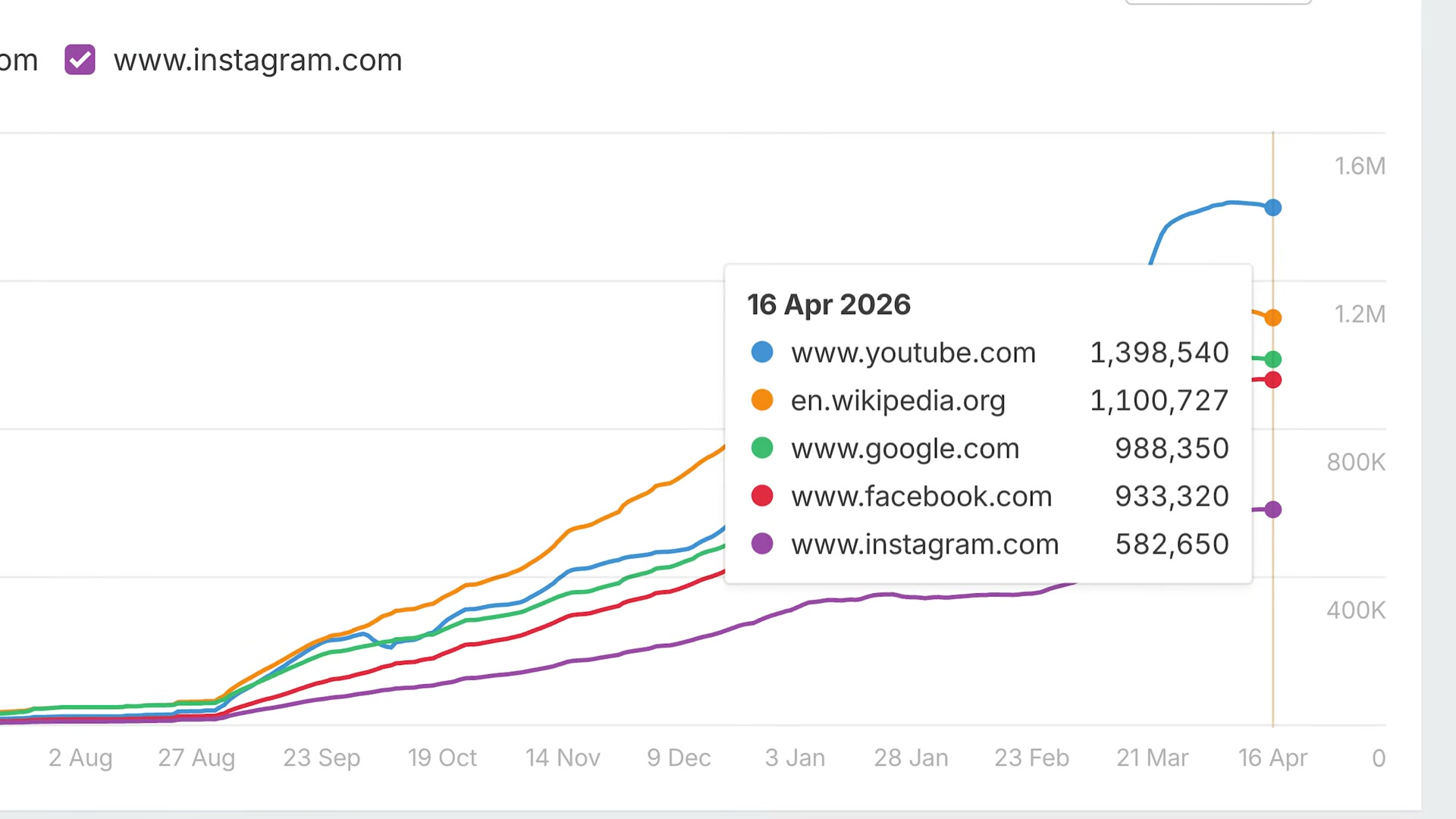
- Understand what Google AI Overviews actually favors. AI Overviews preference authoritative, established sites in health, finance, and encyclopedic verticals. Google’s own properties carry disproportionate weight — YouTube accounts for approximately 5.6% of all AI Overview citations. Reddit also ranks prominently among cited domains.
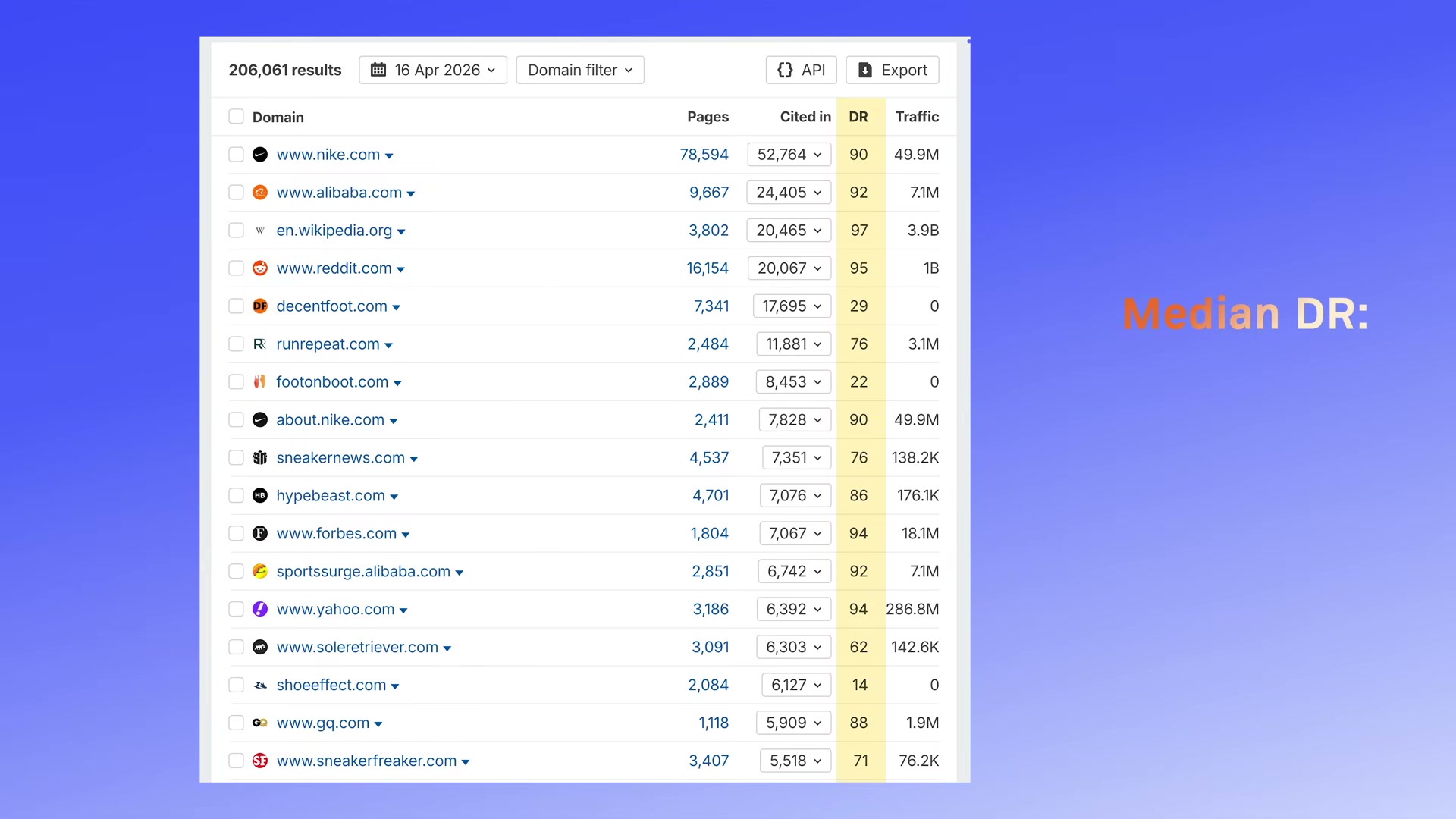
- Recognize ChatGPT’s preference for high-authority publishers. The median Domain Rating of ChatGPT’s top-cited pages is 90. Reddit, Wikipedia, Amazon, Forbes, Business Insider, and Wired rank among its most-cited domains. This skew toward high-DR publishers is partly structural: OpenAI holds licensing deals with several major outlets, which influences the data available to the model.
-
Account for Perplexity’s alignment with traditional Google search. Roughly 28.6% of Perplexity citations come from pages that already rank in Google’s top 10 — compared to just 8–10% for ChatGPT. If your site already performs well organically, Perplexity offers the most direct path to AI visibility without additional intervention.
-
Don’t assume Google AI Mode and AI Overviews behave the same way. Despite producing answers that are 86% semantically similar, the two products share only a 13.7% citation overlap — they’re saying comparable things while drawing from almost entirely different sources. AI Mode’s top-cited domain is YouTube by a significant margin, cites Quora 3.5 times more than AI Overviews, and pulls from Facebook and Instagram far more heavily.

-
Prioritize platforms by market share and SEO overlap. Google AI features and ChatGPT together account for the large majority of AI search traffic; Perplexity is growing but remains a fraction of the volume. Two factors should drive prioritization: where your audience already searches, and how much each platform’s citation preferences overlap with your existing SEO work.
-
Factor in the weakening link between Google rankings and AI citations. Historically, 76% of AI Overview citations came from pages in Google’s top 10. That figure has dropped to approximately 38% as AI Overviews increasingly surface YouTube videos, Reddit threads, and pages outside the traditional top-10 set.
Warning: this step may differ from current official documentation — see the verified version below.
- Use Ahrefs Brand Radar to audit citation profiles by platform. Run a blank search inside Brand Radar, open the Cited Domains report, and filter by AI platform. The output shows which domains earn citations on each platform and makes the cross-platform divergence immediately visible.
How does this compare to the official docs?
The citation statistics here come from Ahrefs’ proprietary research rather than any platform’s published documentation — and what Google, OpenAI, and Perplexity actually disclose about their source-selection logic tells a more nuanced story.
Here’s What the Official Docs Show
The tutorial’s breakdown of platform-by-platform citation behavior is a useful strategic frame, and the tool recommendations in steps 5 and 8 hold up against what’s publicly documented. Where this act adds value is in flagging which statistics are proprietary Ahrefs research — not platform disclosures — and surfacing a few meaningful gaps in the video’s coverage.
Step 1 — The 14% Citation Overlap Finding
No official documentation was found for this step — proceed using the video’s approach and verify independently.
The 14% overlap figure (seven domains shared across all three platforms’ top 50) comes from Ahrefs’ internal research data. No platform — Google, OpenAI, or Perplexity — publishes citation overlap statistics in their official documentation. Treat this as a directionally useful data point, not a verifiable platform specification.
Step 2 — What Google AI Overviews Favors
No official documentation was found for this step — proceed using the video’s approach and verify independently.
The 5.6% YouTube citation share figure is Ahrefs proprietary data. The Google Search Central documentation at developers.google.com/search/docs/appearance/ai-overviews — which would be the authoritative source for Google’s own guidance on AI Overviews content selection — was not accessible during documentation review. All screenshot captures resolved to the standard Google.com homepage instead.

Until Google Search Central documentation is directly accessible, the strategic guidance here rests on Ahrefs research alone. Bookmark developers.google.com/search/docs/appearance/ai-overviews and check it directly.
Step 3 — ChatGPT’s Preference for High-Authority Publishers
No official documentation was found for this step — proceed using the video’s approach and verify independently.
The median DR 90 figure and the named publishers (Reddit, Wikipedia, Forbes, Wired) are Ahrefs research findings. Neither OpenAI’s documentation nor the ChatGPT interface exposes citation source criteria or domain-authority thresholds.
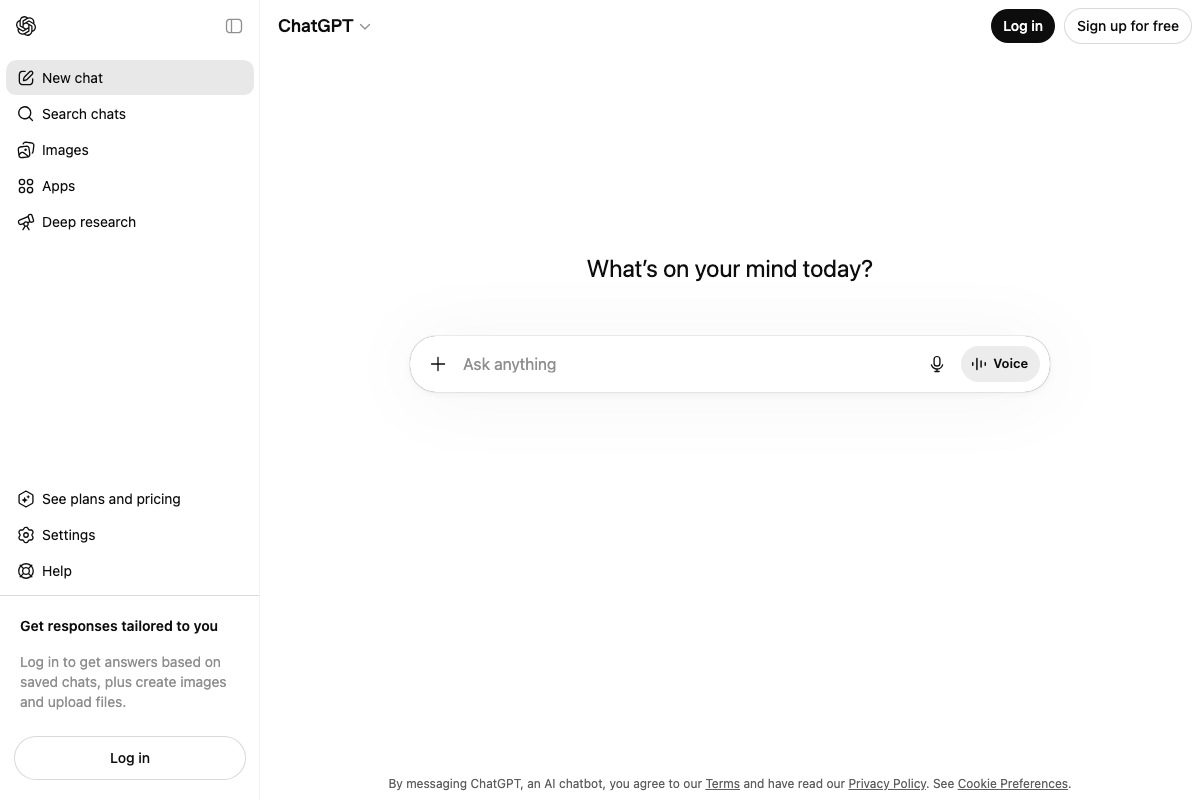
One addition worth noting: the ChatGPT UI shows a Deep research feature in the sidebar that the tutorial does not address. Deep research operates differently from standard ChatGPT responses — it runs multi-step web searches before generating an answer, which likely means different source selection behavior than what step 3 analyzes. If you’re optimizing for ChatGPT citations, test both the standard response mode and Deep research separately before drawing conclusions.
Step 4 — Perplexity’s Alignment with Traditional Google Search
No official documentation was found for this step — proceed using the video’s approach and verify independently.
The 28.6% Google top-10 alignment figure is Ahrefs research and is not confirmed or contradicted by Perplexity’s published documentation. The Perplexity API docs do, however, add a meaningful nuance the tutorial skips.
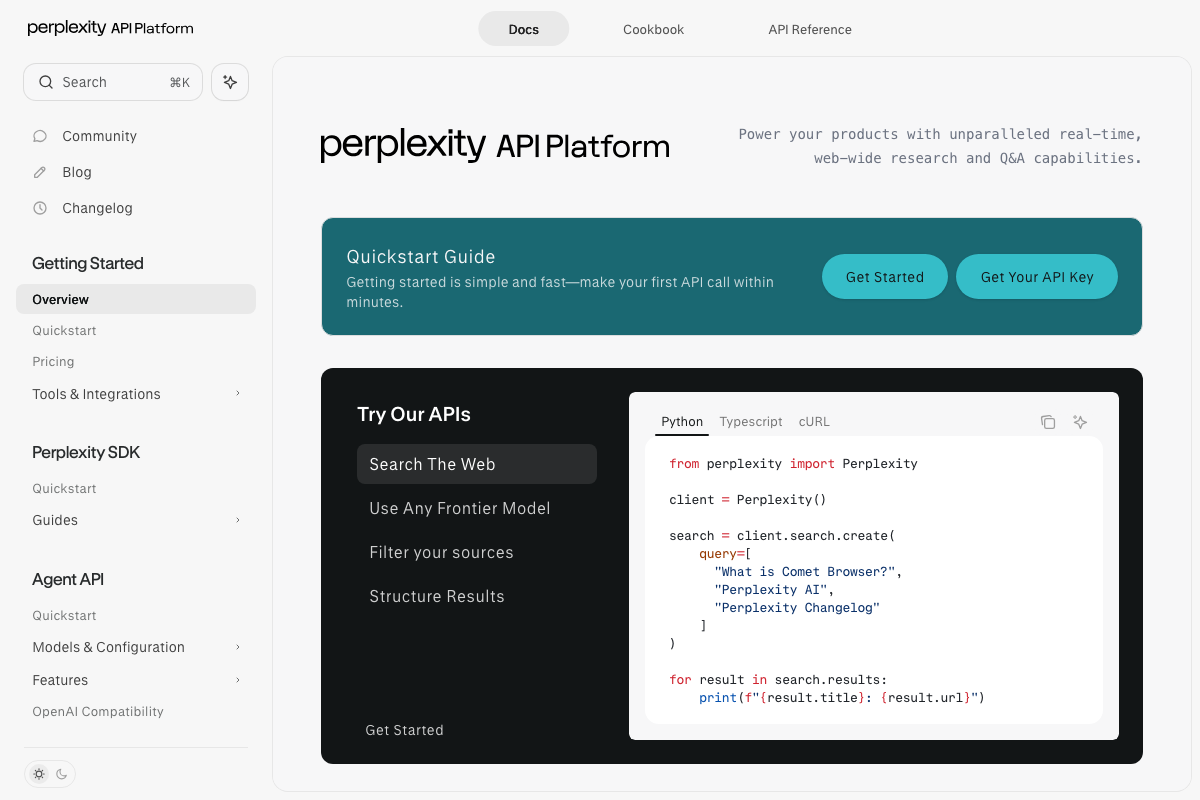
The API documentation lists “Filter your sources” as an explicit capability — meaning citation sources are configurable per query at the API level. The tutorial treats Perplexity citation behavior as uniform across all query types. In practice, a query issued through the Perplexity API with source filtering enabled will draw from a different pool than the consumer web product does. If you’re building programmatic AEO workflows on top of Perplexity, this variability matters.
Step 5 — Google AI Mode vs. AI Overviews: Different Sources, Similar Answers
The video’s approach here matches the current docs exactly — at least at the product-existence level.
The AI Mode button is visible as a dedicated UI element in the Google search bar, confirming it is a real, distinct product from standard search and from AI Overviews. The tutorial’s claim that these are separate citation environments is supported. The specific statistics — 13.7% domain overlap and 86% semantic similarity — are Ahrefs research and cannot be verified from Google’s public documentation, but the core strategic claim (treat them as separate) is directionally correct.
Step 6 — Prioritize by Market Share and SEO Overlap
No official documentation was found for this step — proceed using the video’s approach and verify independently.
Market share figures for AI search platforms are not published by the platforms themselves and vary significantly across third-party measurement sources. The prioritization logic the tutorial offers (start where your audience searches; favor platforms that reward your existing SEO work) is sound even without verified traffic data behind it.
Step 7 — The Weakening Link Between Google Rankings and AI Citations
No official documentation was found for this step — proceed using the video’s approach and verify independently.
The 76%-to-38% correlation decline is Ahrefs longitudinal research data. Google has not published documentation describing how AI Overviews citation selection has changed relative to traditional rankings over time. This figure may be accurate, but it is not independently verifiable from official sources at the time of writing.
Step 8 — Using Ahrefs Brand Radar to Audit Citation Profiles
The video’s approach here matches the current docs exactly on Brand Radar’s core purpose.
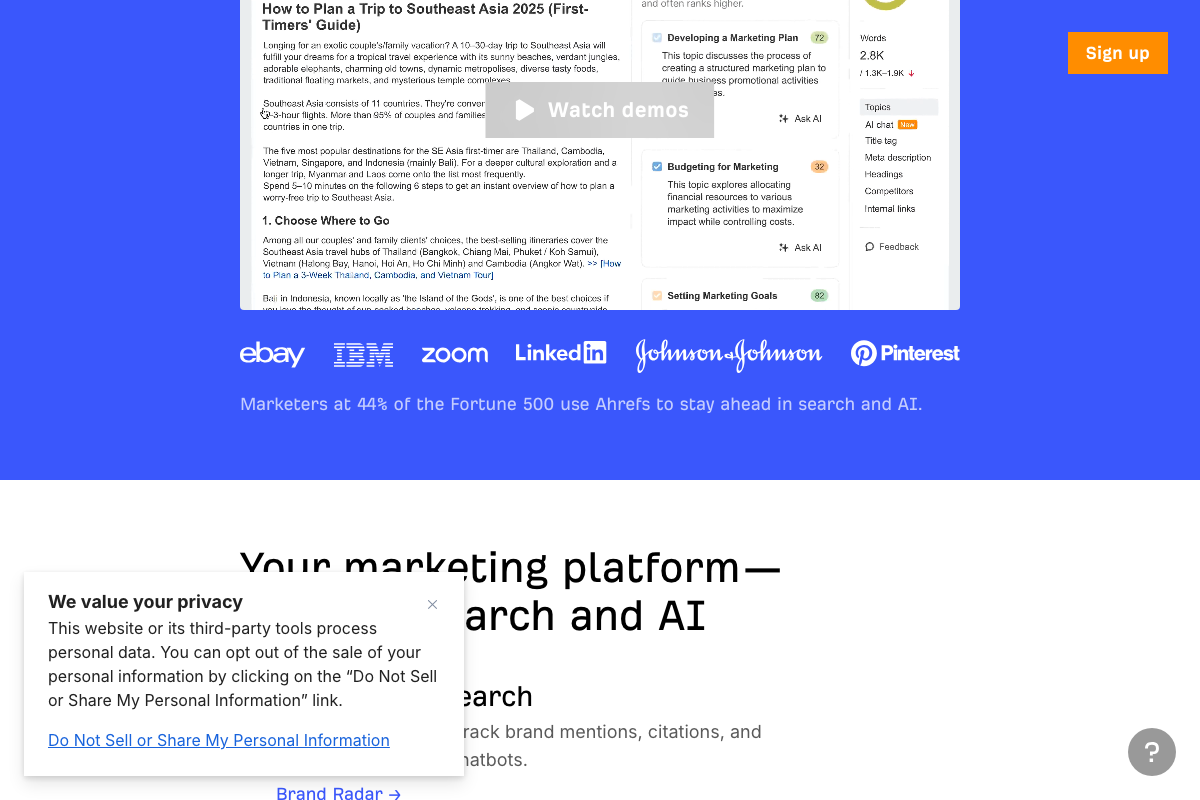
Ahrefs’ own homepage describes Brand Radar as a tool to “track brand mentions, citations, and chatbots” — directly matching the tutorial’s description. The platform tabs visible in the Brand Radar product preview confirm per-platform filtering exists for AI Overviews, ChatGPT, and Perplexity.
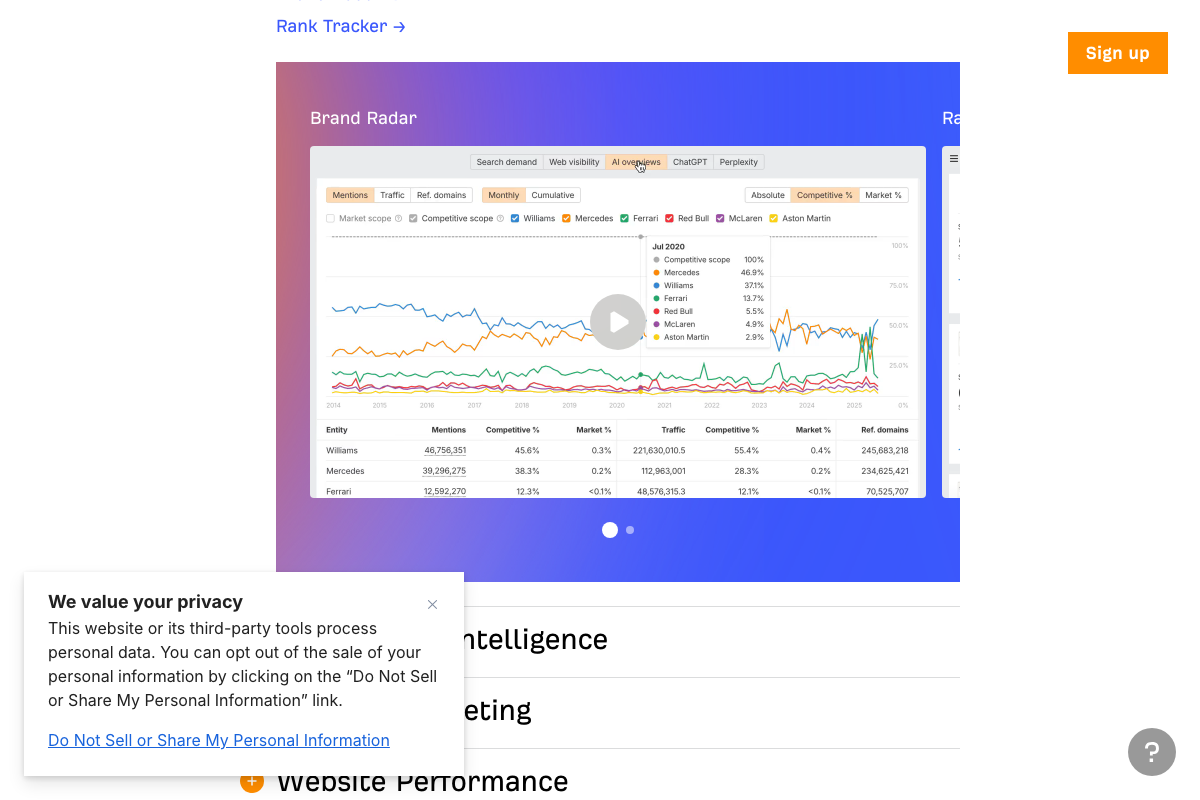
Two things to verify before following the tutorial’s Brand Radar workflow verbatim:
-
Google AI Mode tab: The Brand Radar UI preview shows tabs for AI Overviews, ChatGPT, and Perplexity — but no Google AI Mode tab. Step 8 implies Brand Radar can be used to analyze AI Mode citations; the current UI does not appear to support this as a distinct filter. Check the live product before building a reporting workflow around AI Mode in Brand Radar.
-
“Cited Domains” sub-report navigation: The tutorial describes a specific “blank search → Cited Domains report” workflow. The screenshots available show only the Brand Radar marketing preview with entity-level competitive data (brand mentions, market share). The exact Cited Domains sub-report navigation path could not be confirmed from the documentation available. Log into Ahrefs and navigate directly to verify the current UI path before following this step.
Useful Links
- AI Features and Your Website | Google Search Central — Google’s official documentation for how AI Overviews interacts with web content; the authoritative source for citation signal guidance that was not accessible during this review.
- Google — Google.com homepage confirming AI Mode as a live, distinct product feature visible in the search bar.
- ChatGPT — ChatGPT’s public interface, including the Deep research feature not covered in the tutorial.
- Overview – Perplexity — Perplexity API Platform documentation confirming real-time web search and configurable source filtering as core capabilities.
- Ahrefs — AI Marketing Platform Powered by Big Data — Ahrefs homepage confirming Brand Radar’s citation and chatbot tracking function.
- Help Center – Ahrefs — The Brand Radar help article; direct access is recommended to verify the current Cited Domains sub-report workflow described in step 8.


0 Comments