

SEO Tricks That Actually Work (According to r/SEO Practitioners)
Reddit’s SEO subreddit surfaced a thread asking practitioners what actually moves the needle — not theory, but tactics with real traffic numbers behind them. Edward Sturm pulled the highest-signal replies and layered in his own commentary to produce one of the more grounded SEO roundups you’ll find. By the end of this walkthrough, you’ll know how to collect and distribute review content for search visibility, structure pages for intent rather than taxonomy, exploit keyword targeting gaps your competitors have left wide open, and write copy that satisfies both NLP signals and human readers.
-
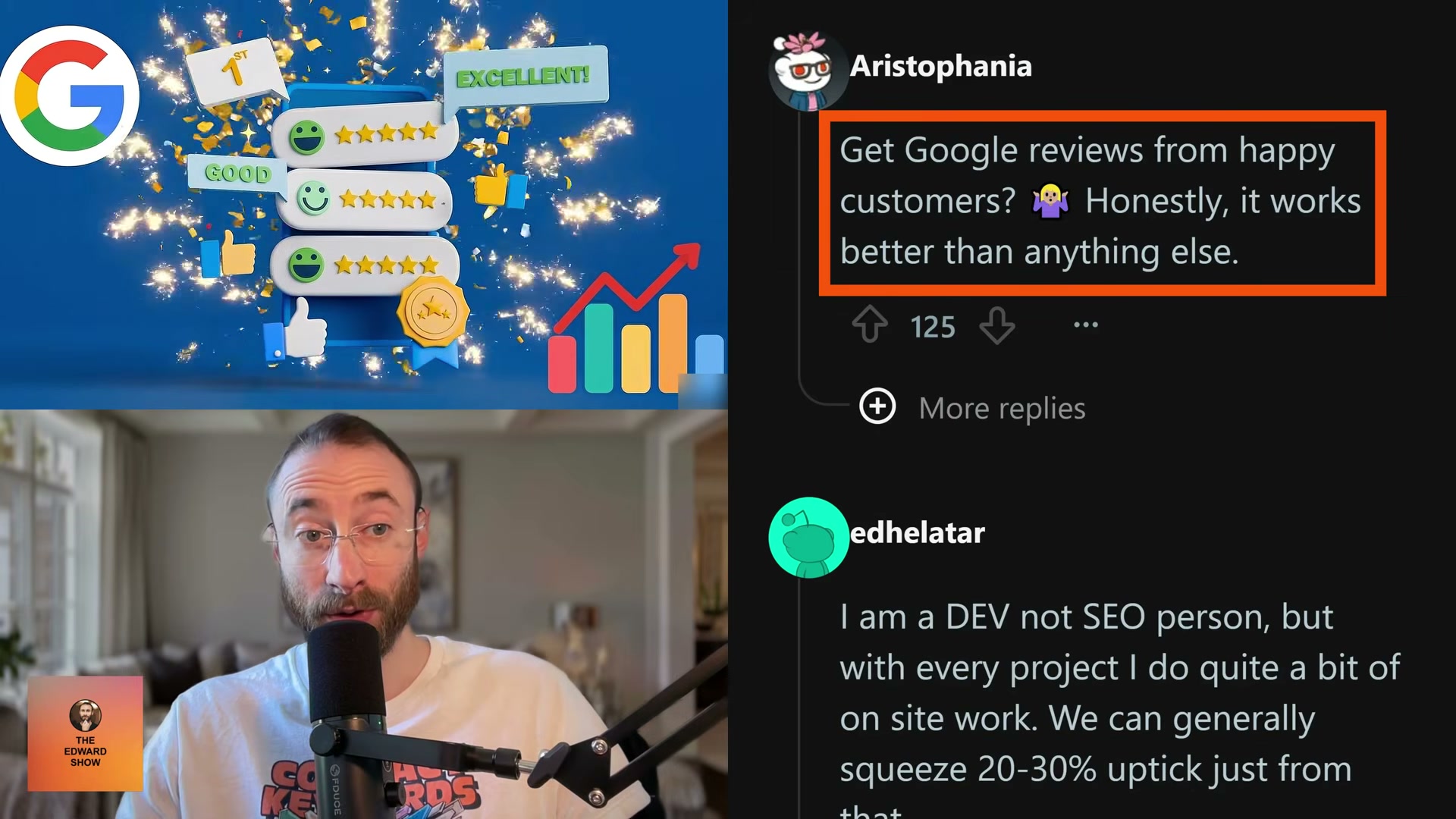
Collect Google reviews and video reviews from satisfied customers. Reviews on your own website are largely ignored by people in the due-diligence stage — they want third-party validation, not self-reported praise.
-
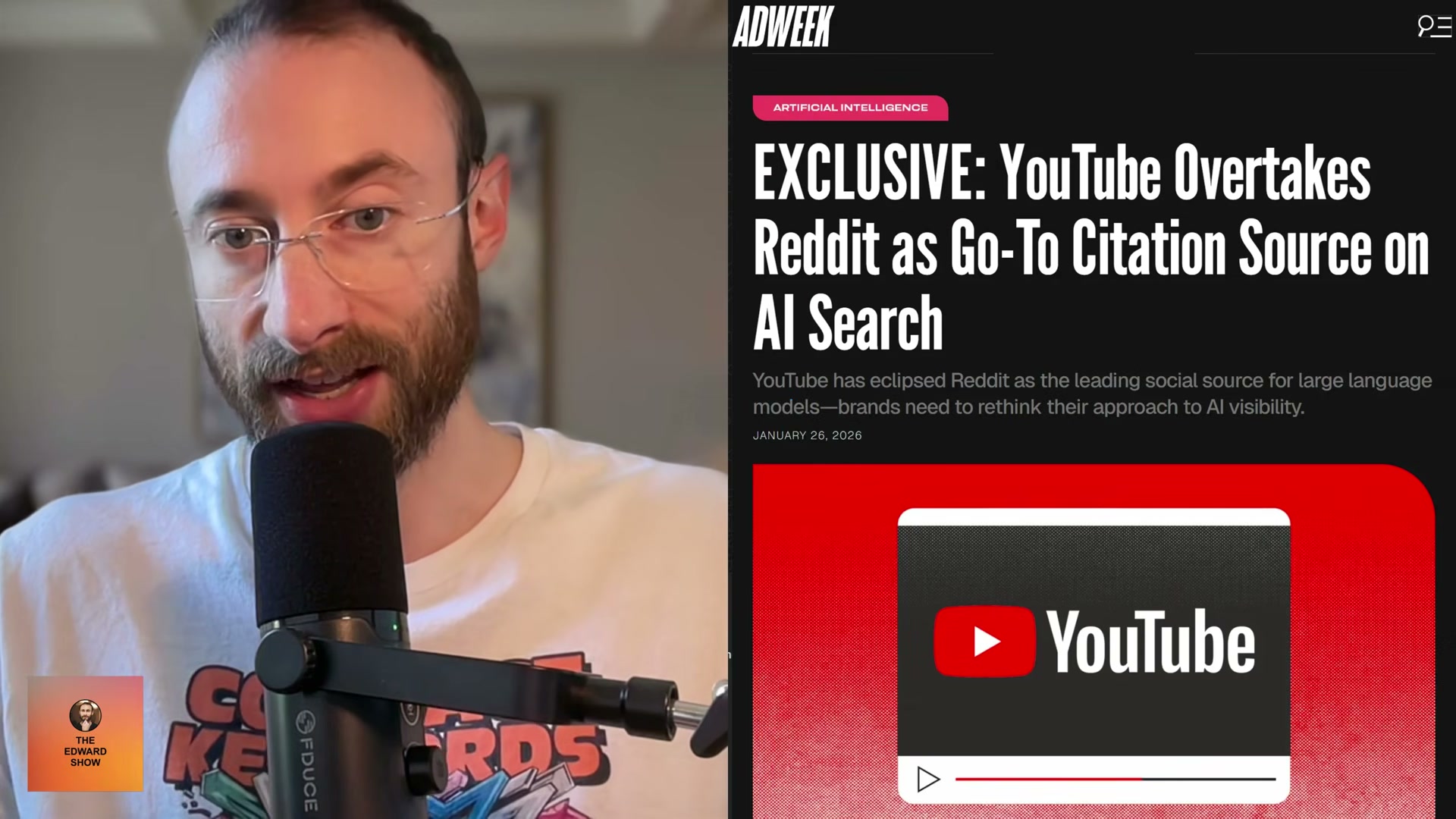
Upload those video reviews to YouTube, Instagram Reels, TikTok, Facebook Reels, and LinkedIn. Each platform gives that social proof a new surface to rank on. In the video description, write out the full review text and use
[brand name] + reviewas your keyword signal — this targets the exact query a prospect types when vetting you.
- Place your target keyword in four non-negotiable locations: the page title, the URL slug, the H1, and the opening sentence of your first paragraph. Everything else — including the meta description — is optional by comparison.
- Before writing any SEO page, take a few minutes to answer three questions in writing: Who is searching this keyword? What do they want? What are they trying to achieve?

Thinking through searcher intent before drafting — rather than handing a keyword to an AI and walking away — consistently produces more satisfying content. Pogo-sticking (users bouncing back to SERPs immediately) is a signal that your content failed the intent test.
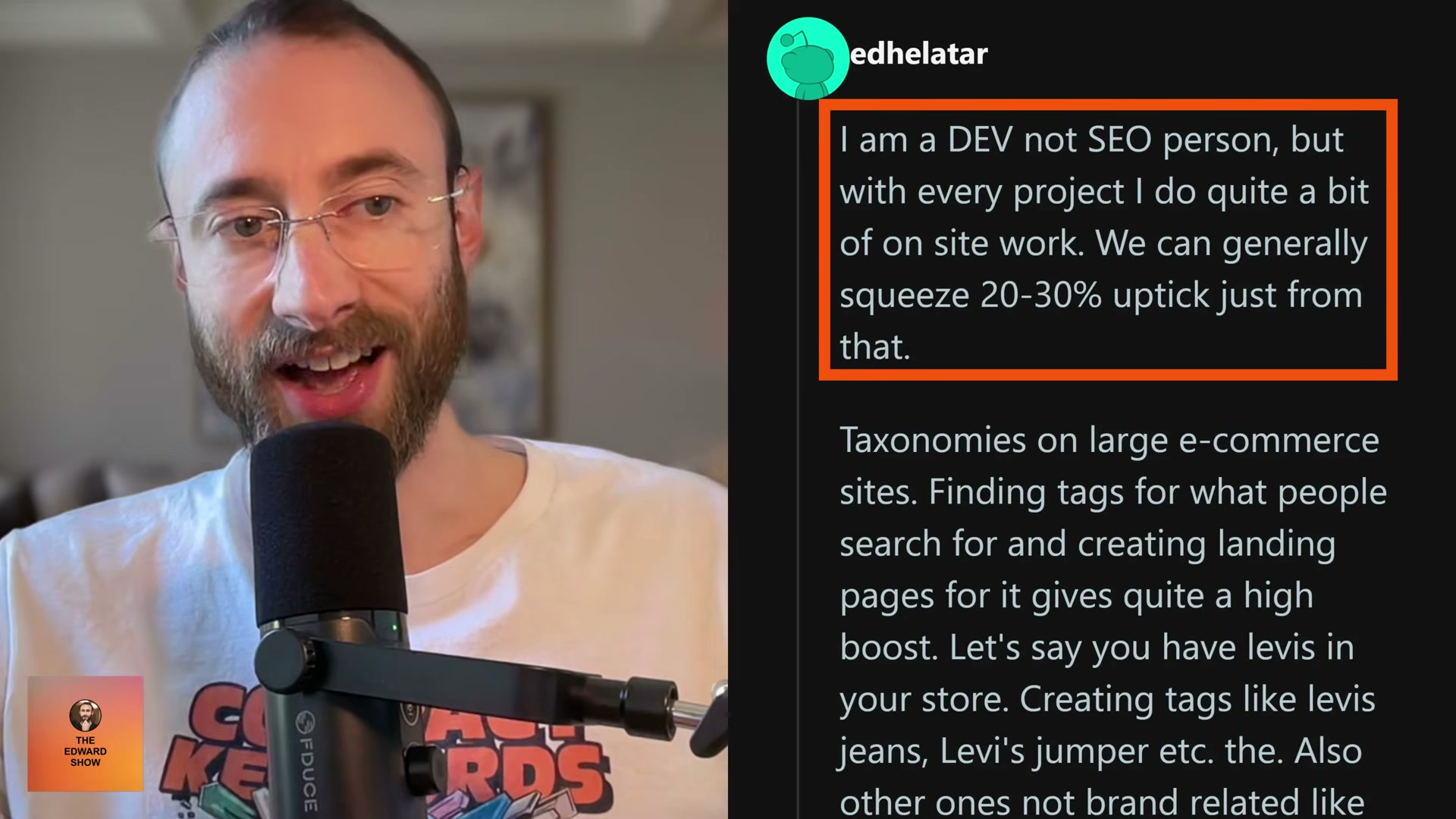
- On e-commerce sites, build tag-based landing pages targeting what people actually search. Instead of a generic “Levi’s” brand page, create pages for “Levi’s jeans,” “Levi’s jumpers,” “white dresses,” and “sale.” A developer contributor on the thread reported squeezing 20–30% traffic gains from taxonomy work alone, with no link-building involved.

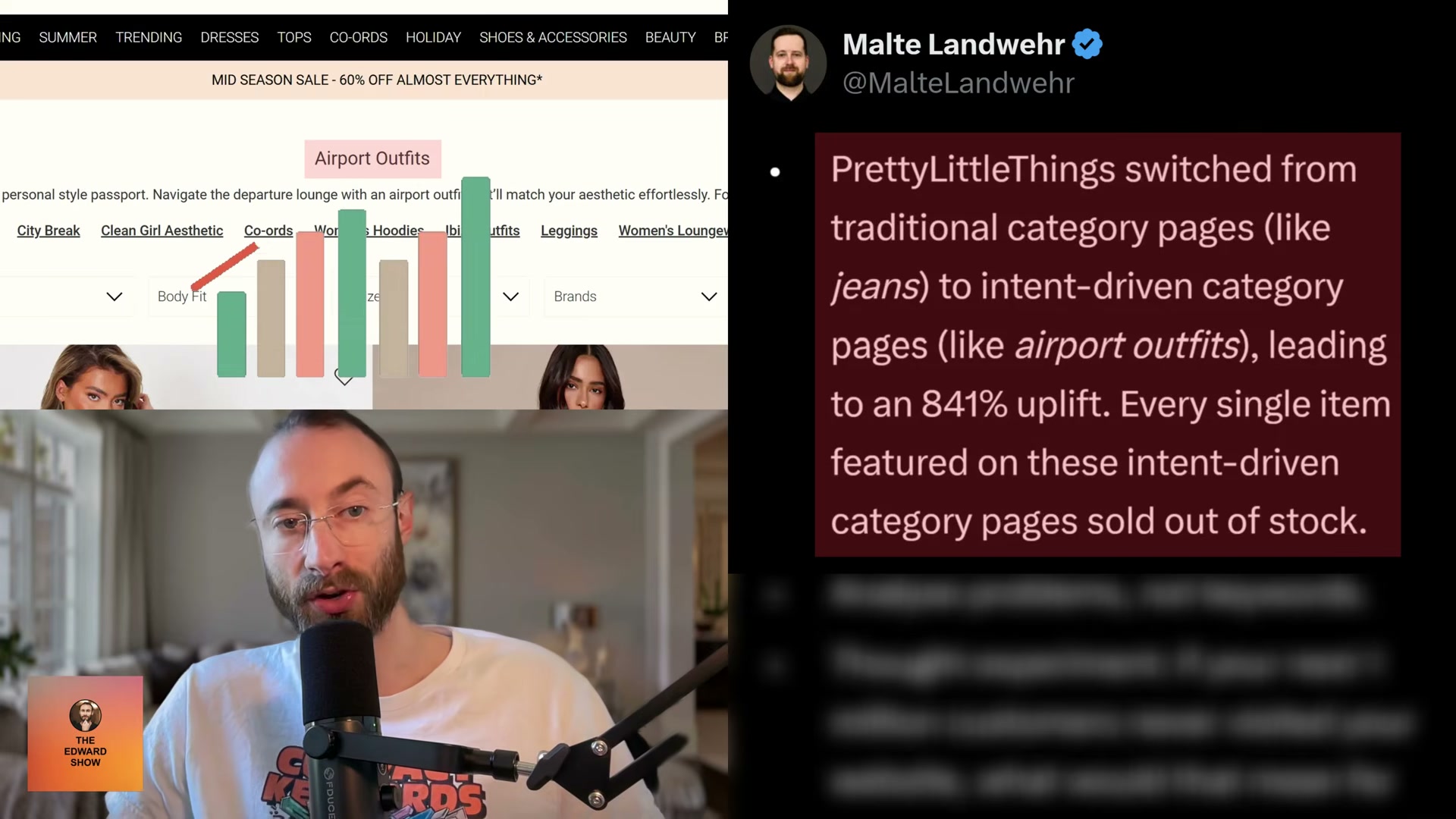
- Replace generic category pages with intent-driven category pages. “Jeans” is a category; “airport outfits” is an intent. PrettyLittleThing made this switch and recorded an 841% traffic uplift — every product featured on those intent-driven pages sold out.
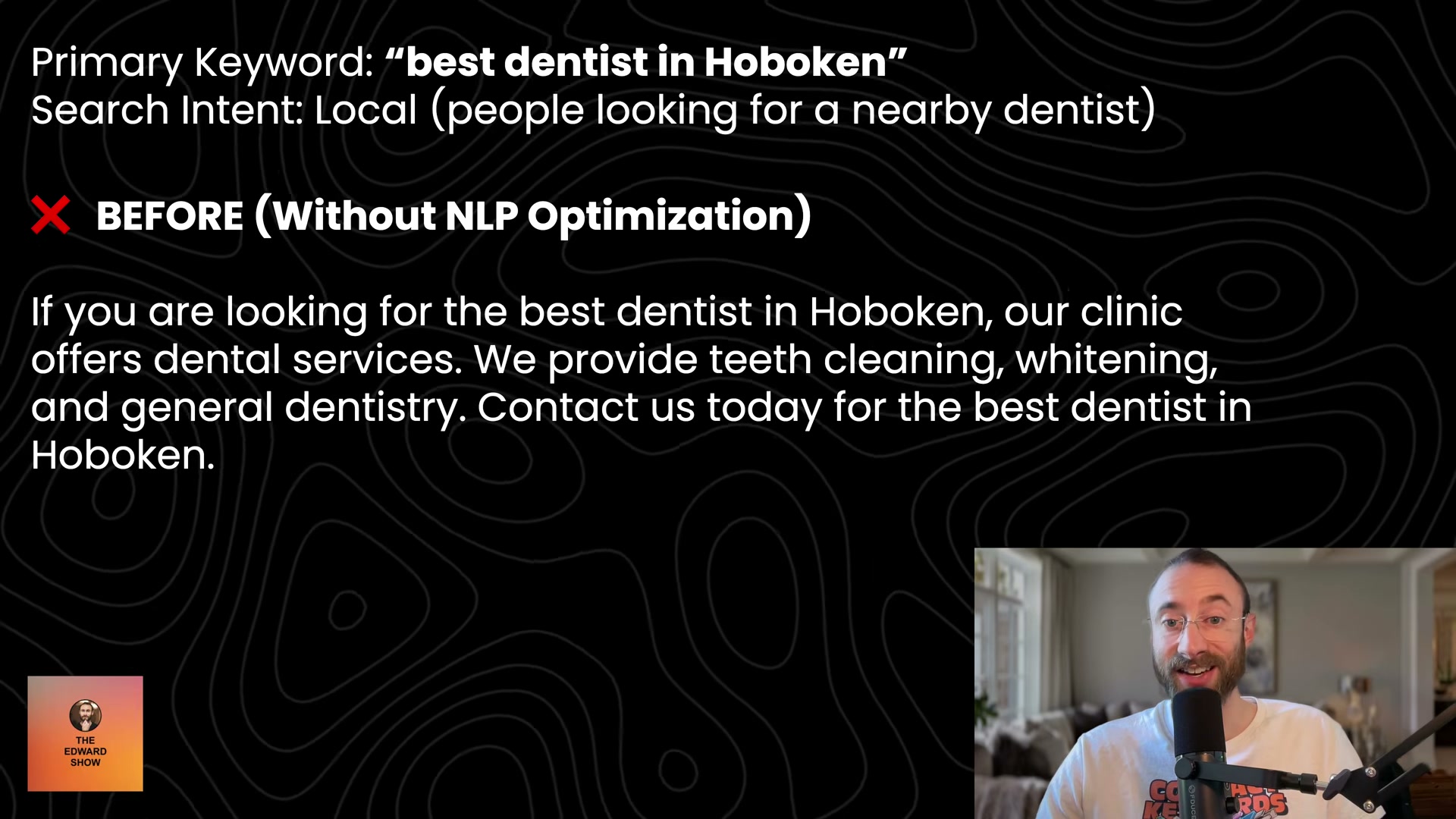
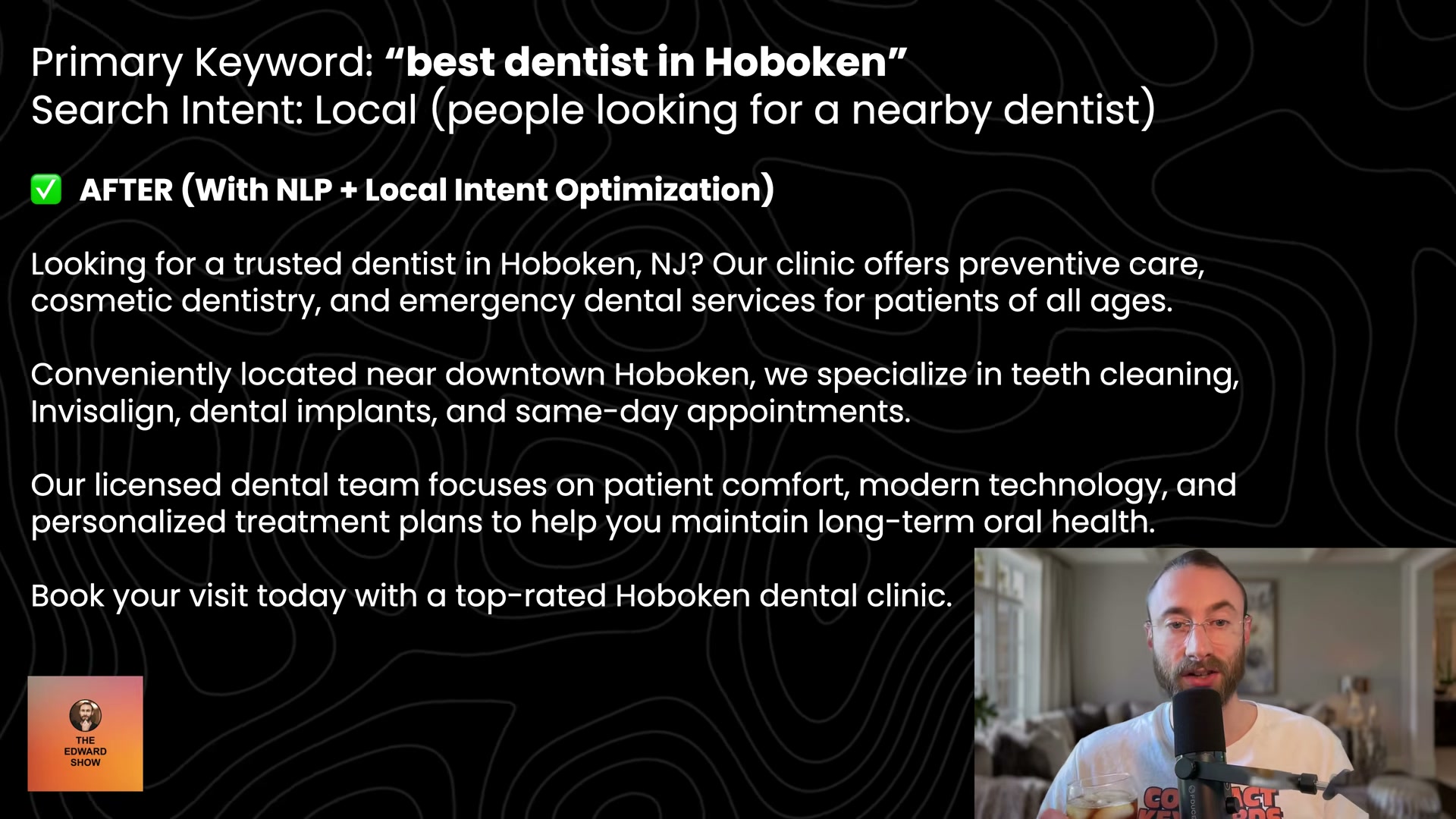
- Optimize your copy with NLP by layering in semantic keywords, local signals, and topical depth beyond the primary keyword. For a page targeting “best dentist in Hoboken,” the before-state repeats the exact phrase and adds nothing else. The after-state introduces terms like “dental clinic,” “teeth whitening,” “Invisalign,” “near downtown Hoboken,” “preventative care,” and “same-day appointments” — giving Google and AI Overviews the entity signals they use to evaluate relevance. The primary keyword must still appear in the first sentence.
- Find keywords where competitors are not placing the keyword in their title, slug, or H1. Search the term in Google, audit the top-ranking pages, and look for exact-match gaps. Ranking for an untargeted keyword often feels disproportionately easy.

-
Filter that keyword gap list for purchase intent. Informational keywords with no competition are table stakes; untargeted keywords with transactional or commercial intent are where the ROI compounds.
-
Build competitor comparison pages using
[Competitor name] alternativeas the target keyword. Structure the post with a side-by-side comparison table as an H2 section. These pages rank for competitor brand terms, intercept prospects mid-consideration, and are currently being cited frequently in AI-generated answers.
How does this compare to the official docs?
Several of these tactics — particularly keyword placement rules, NLP optimization, and comparison page strategy — overlap with guidance in Google’s own documentation and third-party tools like Semrush and Surfer, but the specifics of what’s endorsed, deprecated, or simply undocumented deserve a closer look before you ship.
Here’s What the Official Docs Show
The video covers solid fundamentals, and the documentation adds critical guardrails and tool-level specifics worth knowing before you execute. What follows affirms, extends, and flags gaps in each step — nothing here invalidates the core approach.
Step 1: Collect Google reviews from satisfied customers
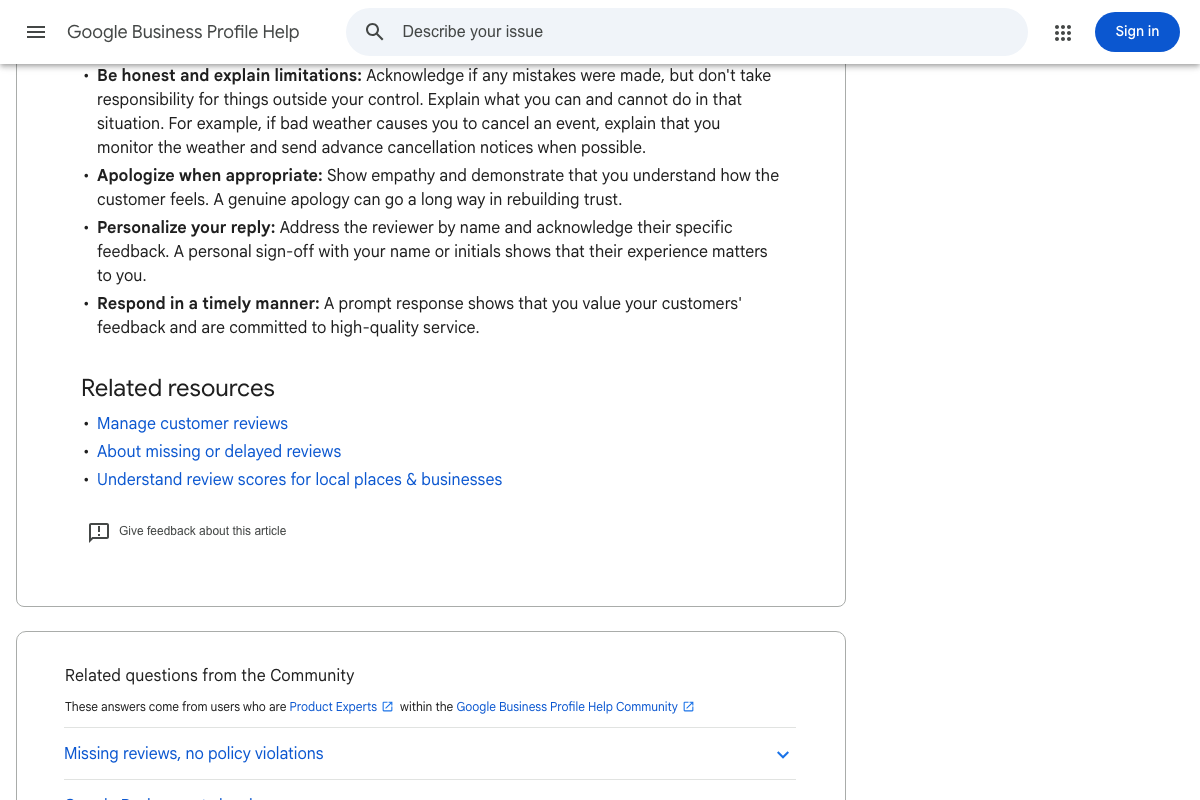
The video’s approach here matches the current docs exactly — Google confirms reviews appear in Maps and Search, and asking customers to visit a Google link or scan a QR code is the documented solicitation method.
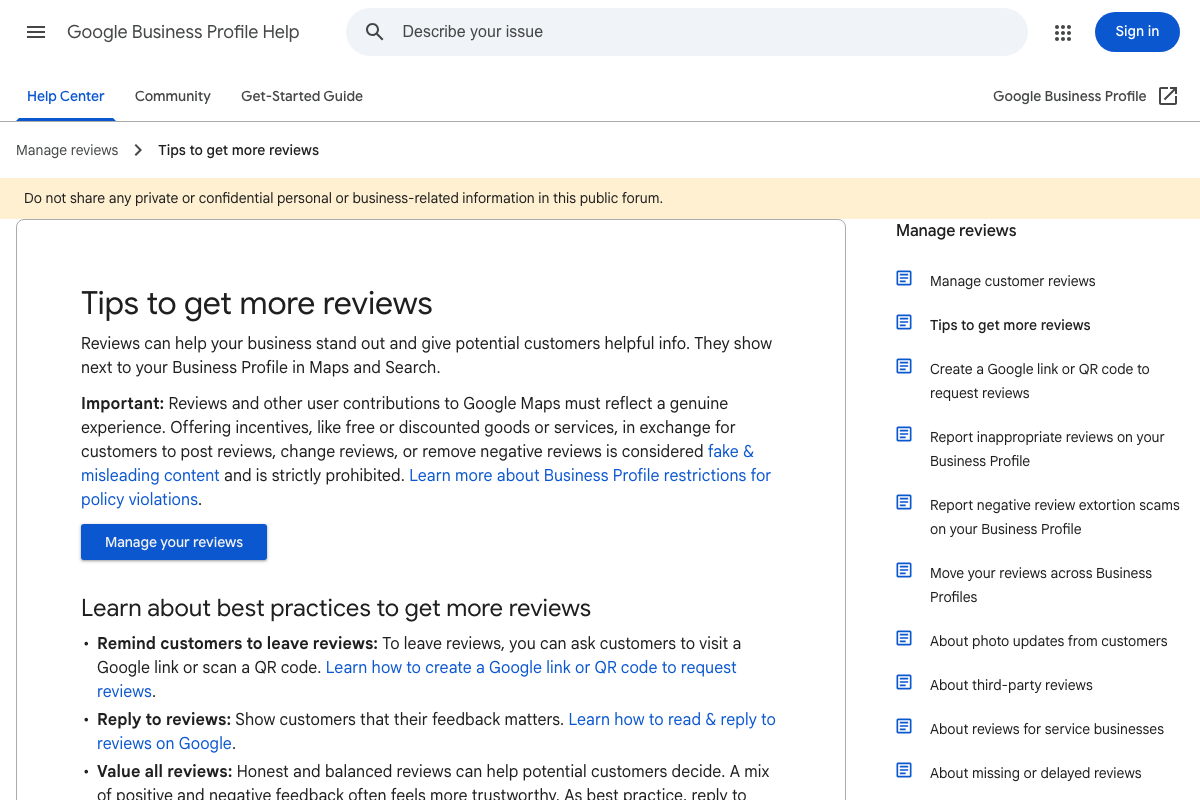
One restriction the video does not mention: Google explicitly prohibits offering incentives — discounts, free products, or any exchange of value — in return for reviews. The documentation labels this “fake & misleading content” that is “strictly prohibited.” Build your collection process around genuine satisfaction only.
The tutorial also mentions “video reviews” as a Google Business Profile format. Google’s documentation references only text-based reviews in Maps and Search — that element of Step 1 is unverifiable against official sources.
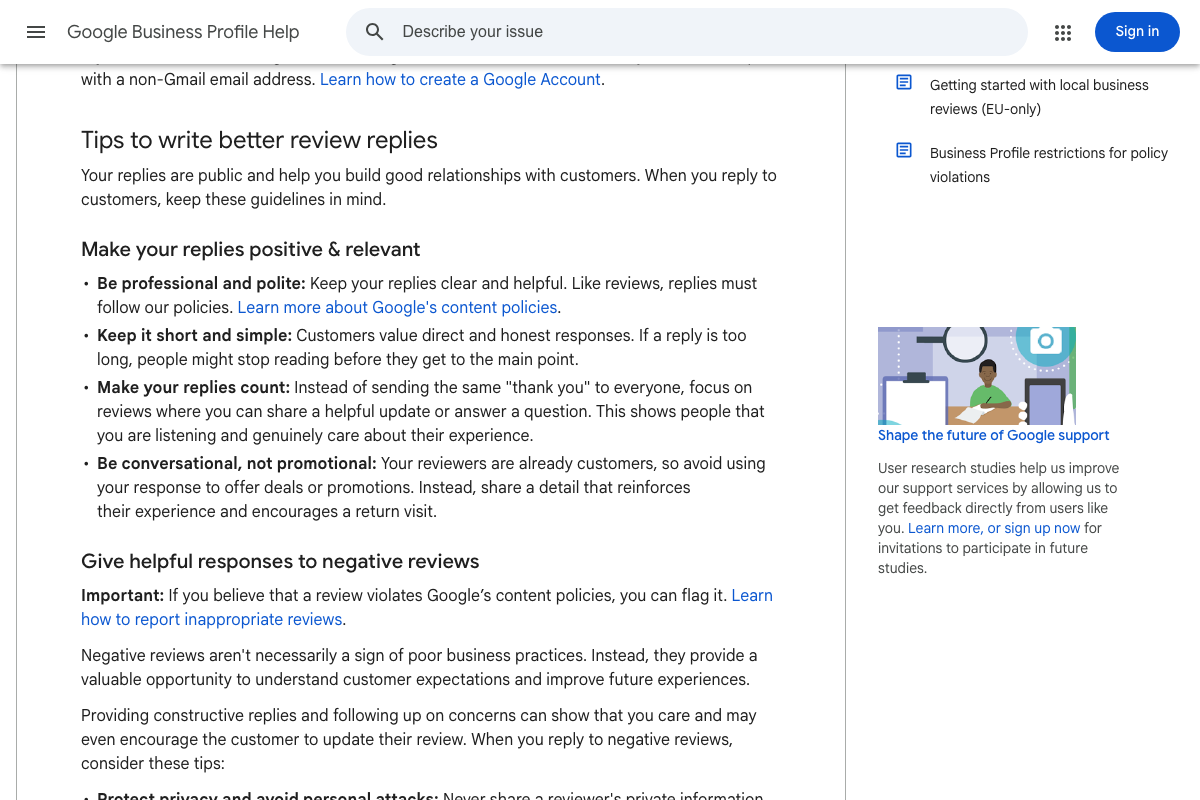
Google’s documentation extends the review strategy into response management — a layer the tutorial skips. The guidance covers timely, personalized, conversational replies. That’s a second workflow worth building alongside collection.
Step 2: Upload video reviews to social platforms
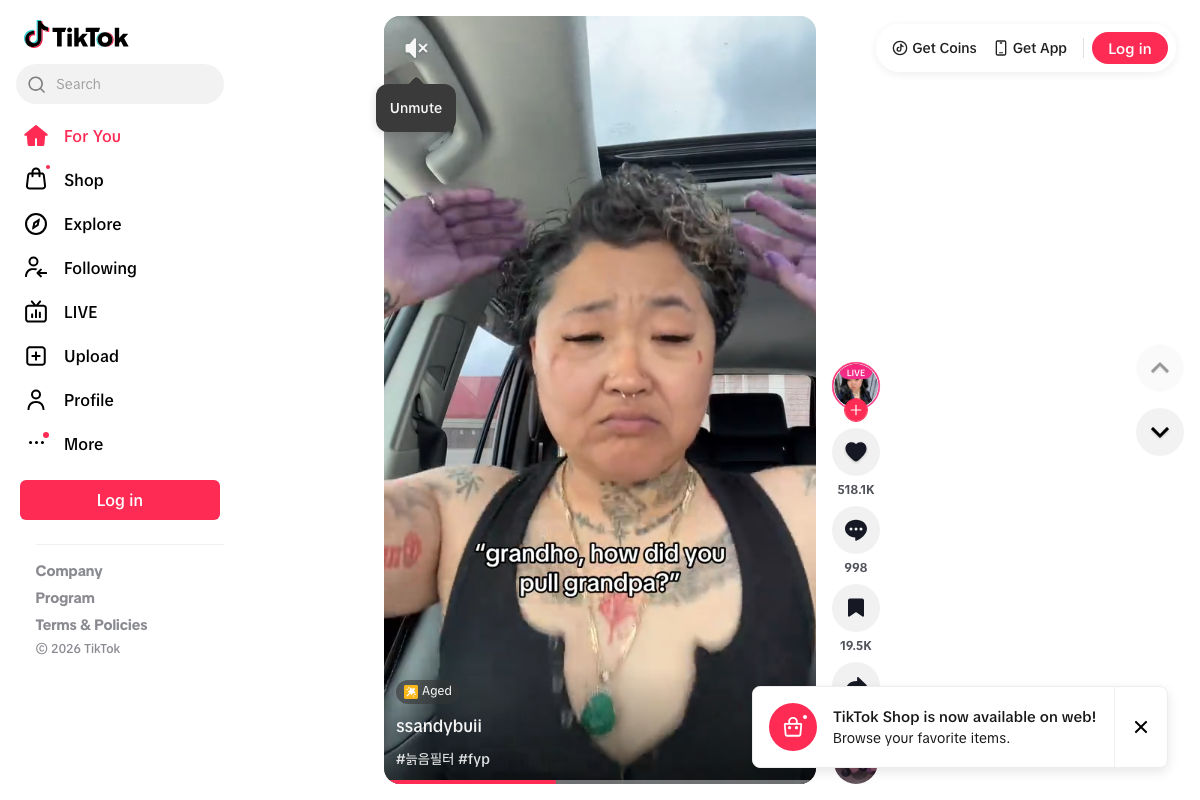
The video’s approach here matches the current docs exactly — YouTube, Instagram, TikTok, Facebook, and LinkedIn all operate as active video platforms. TikTok’s Upload button is visible in its interface; Facebook lists Video as a standalone navigation category.
Step 3: Place target keyword in title, URL slug, H1, and opening sentence
No official documentation was found for this step — proceed using the video’s approach and verify independently.
Step 4: Define searcher intent before writing
No official documentation was found for this step — proceed using the video’s approach and verify independently.
Step 5: Build tag-based landing pages for e-commerce taxonomy
No official documentation was found for this step — proceed using the video’s approach and verify independently.
Step 6: Replace category pages with intent-driven pages
No official documentation was found for this step — proceed using the video’s approach and verify independently.
Step 7: Layer in semantic keywords and NLP signals
No official documentation was found for this step — proceed using the video’s approach and verify independently.
Step 8: Target keywords where competitors skip exact-match placement
The tutorial describes this qualitatively. Ahrefs’ Topics scoring system puts a number on it — each suggested topic receives a numeric score, and the content editor sets a target word count range, giving you a measurable benchmark rather than a judgment call.

Steps 9–10: Filter for purchase intent and build competitor comparison pages
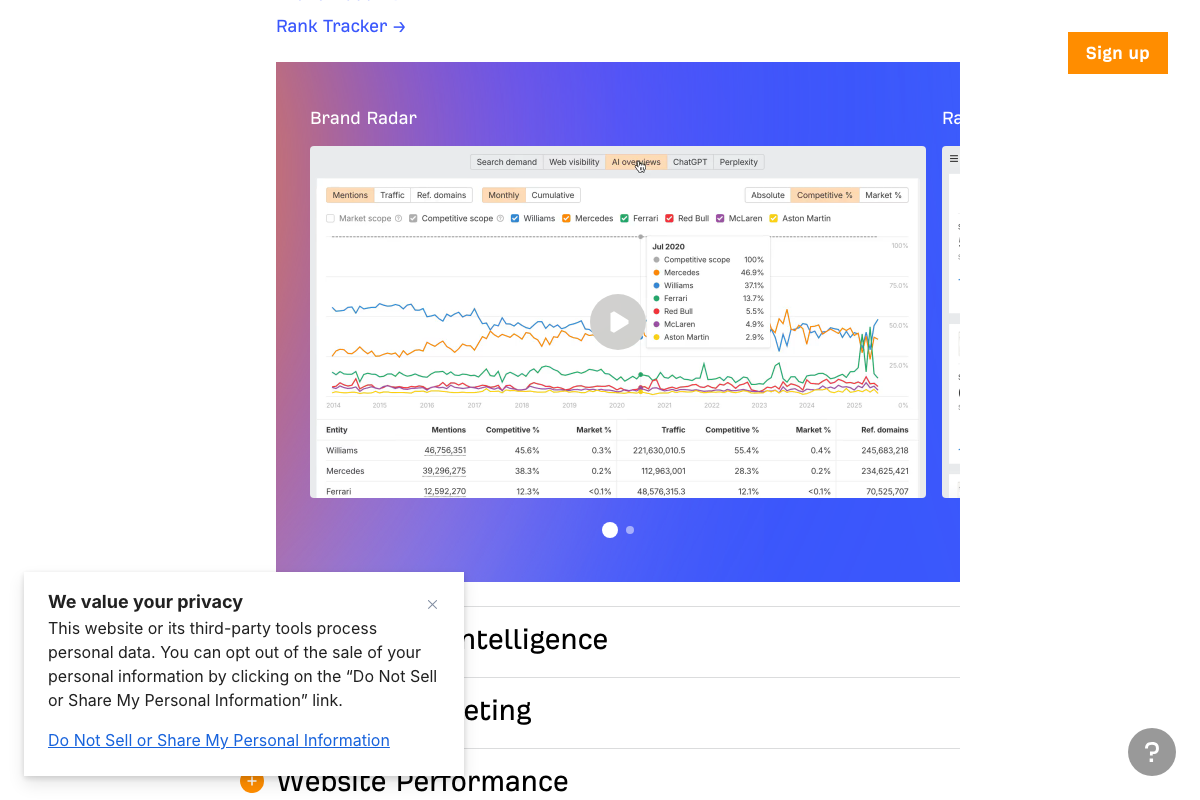
The tutorial limits the competitor gap analysis to title, slug, and H1 mismatches. Ahrefs’ Brand Radar now extends that picture to AI Overviews, ChatGPT, and Perplexity — tracking competitor mentions and market share across AI surfaces, not just organic search. If you’re building comparison pages to capture AI citations, Brand Radar is where you’d measure whether they’re working.
Step 11: Competitor comparison pages as AI citation surfaces
No official documentation was found for this step — proceed using the video’s approach and verify independently.
Useful Links
- Tips to get more reviews – Google Business Profile Help — Official Google guidance on review solicitation, including the explicit prohibition on incentivized reviews and best practices for writing reply responses.
- Ahrefs — AI Marketing Platform Powered by Big Data — Ahrefs platform homepage showing the Topics scoring system, content editor competitor panel, and Brand Radar AI visibility tracking relevant to Steps 8–10.
- TikTok – Make Your Day — TikTok platform confirming video upload capability and hashtag-based discoverability for Step 2’s review distribution workflow.
- Facebook — Facebook platform confirming Reels-style vertical video as an active first-class content format for Step 2.
- YouTube — YouTube platform homepage confirming video upload availability for Step 2’s review distribution strategy.
- Instagram — Instagram platform confirming Reels as an active video format for Step 2.
- LinkedIn: Log In or Sign Up — LinkedIn platform confirming availability as a video distribution channel for Step 2, with topic-category content surfacing as relevant context.
- Reddit – The heart of the internet — Reddit homepage; the r/SEO subreddit that forms the stated source of the tutorial’s tactics was not captured in available screenshots.


0 Comments