

The Purple Cow Strategy: How to Stand Out on YouTube
YouTube’s feed is saturated with channels doing essentially the same thing — and that sameness is why most new creators stall before finding an audience. The Purple Cow strategy, drawn from Seth Godin’s 2003 marketing framework, gives you four structural archetypes for building content that’s shareable before a single view comes in. Work through these steps and you’ll be able to identify your archetype, pressure-test it against real channel data, and use vidIQ’s MCP tool to research angles no one in your niche has claimed.
- Understand the Purple Cow concept. Godin coined the term after imagining a purple cow among fields of identical brown ones — it wouldn’t stop traffic because it was a better cow, but because it was remarkable enough that a stranger would pull over, photograph it, and text it to a friend with no explanation needed. That’s the bar for YouTube: if you can’t imagine someone forwarding your channel’s premise with zero context, you don’t have a Purple Cow yet.
-
Recognize why copying established channels fails. Reverse-engineering the biggest channel in your niche puts you in a competition you’ve already lost. The incumbent has more videos, more social proof, and more views on that exact topic — the opportunity cost for a viewer switching to you is high and the payoff is negligible. The only asymmetric advantage available to a channel starting from zero is differentiation.
-
Learn the four Purple Cow archetypes. After analyzing hundreds of breakout channels, vidIQ identified four structural patterns that repeatedly produce remarkable content: Format Collision, Alternative Context, Commitment Premise, and Improbable Source. Each creates a different kind of shareable premise and carries a different risk profile.

- For Format Collision, identify two unrelated worlds you personally inhabit and find their intersection. The One Punch Man workout creator combined an anime fandom with fitness transformation content — two independently existing domains — and the mashup premise spread on its own. The more improbable the pairing, the stronger the “wait, what?” reaction that drives shares.

- For Alternative Context, choose a frame, fictional world, or era that becomes the entertainment layer for your niche content. Survival Kitchen 1930 approaches every recipe through the lens of the Great Depression — the frame does all the differentiation work. Strip the alternative context and you’re left with a recipe video.

-
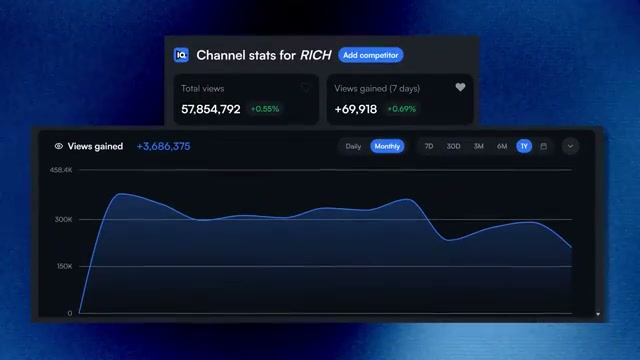
For Commitment Premise, define a finite but audacious multi-year project whose premise is shareable on its own. The creator Beast 721 is working through all 394 N64 games with a visible counter on every video — viewers share the premise, not the individual episode. The Commitment Premise is the most defensible archetype because no copycat can replicate years of documented progress overnight.
-
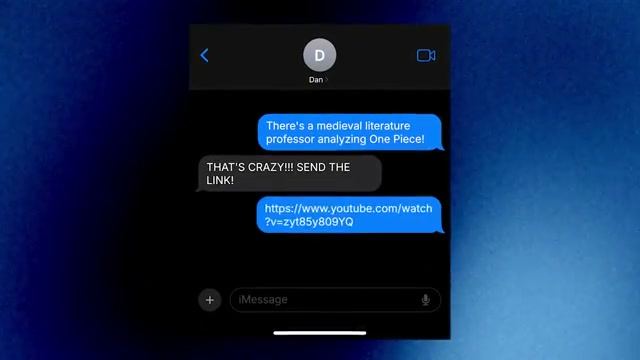
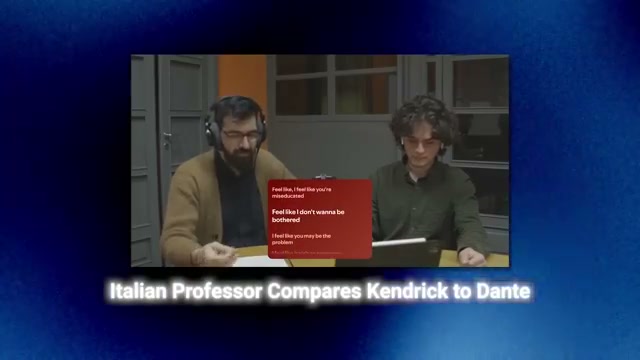
For Improbable Source, surface an unexpected credential you already hold and center the channel around it. A medieval literature PhD analyzing One Piece arc by arc works because the credential is specific enough to be uncopiable and strange enough to create instant curiosity — the connection should seem like a mismatch on first read but make more sense the longer you sit with it.
- Connect the vidIQ MCP to ChatGPT or Claude. The vidIQ MCP tool gives your AI assistant direct access to YouTube channel data, enabling the two research prompts that follow.
Warning: this step may differ from current official documentation — see the verified version below.
-
Run the breakout channel research prompt: “Find me channels under 50,000 subscribers that broke out in the last 90 days in [niche]. Tell me what makes each one structurally different from the leaders.” This returns real examples of Purple Cow differentiation working in your specific niche rather than hypothetical ones.
-
Run the ideation prompt: “Based on my channel and watch history, what unexpected combinations could become a Format Collision? What alternate context could I apply? What commitment premises haven’t been claimed yet?” The MCP’s access to your actual watch data makes the output more targeted than generic brainstorming.
-
Assess copycat risk and novelty shelf life before committing to a Purple Cow type. Format Collision and Improbable Source concepts spread fast — and imitators dilute the original’s remarkability just as quickly. Before locking in, ask whether your premise is specific enough to resist copying and whether its novelty depends on being first or on being irreplaceable.
How does this compare to the official docs?
The video draws on vidIQ’s proprietary archetype research and a specific MCP integration workflow — Act 2 verifies exactly how that tooling connects, what the documentation actually supports, and where the two accounts diverge.
Here’s What the Official Docs Show
The video’s Purple Cow archetype framework and research workflow are solid; the screenshots here add platform-level confirmation for the tools referenced and flag where the MCP setup process needs independent verification before you run the prompts. Nothing below invalidates the strategy — it fills in what the tutorial moves past quickly.
Steps 1–7: Purple Cow concept, why copying fails, and the four archetypes
No official documentation was found for these steps —
proceed using the video’s approach and verify independently.
Step 8: Connect vidIQ to ChatGPT or Claude
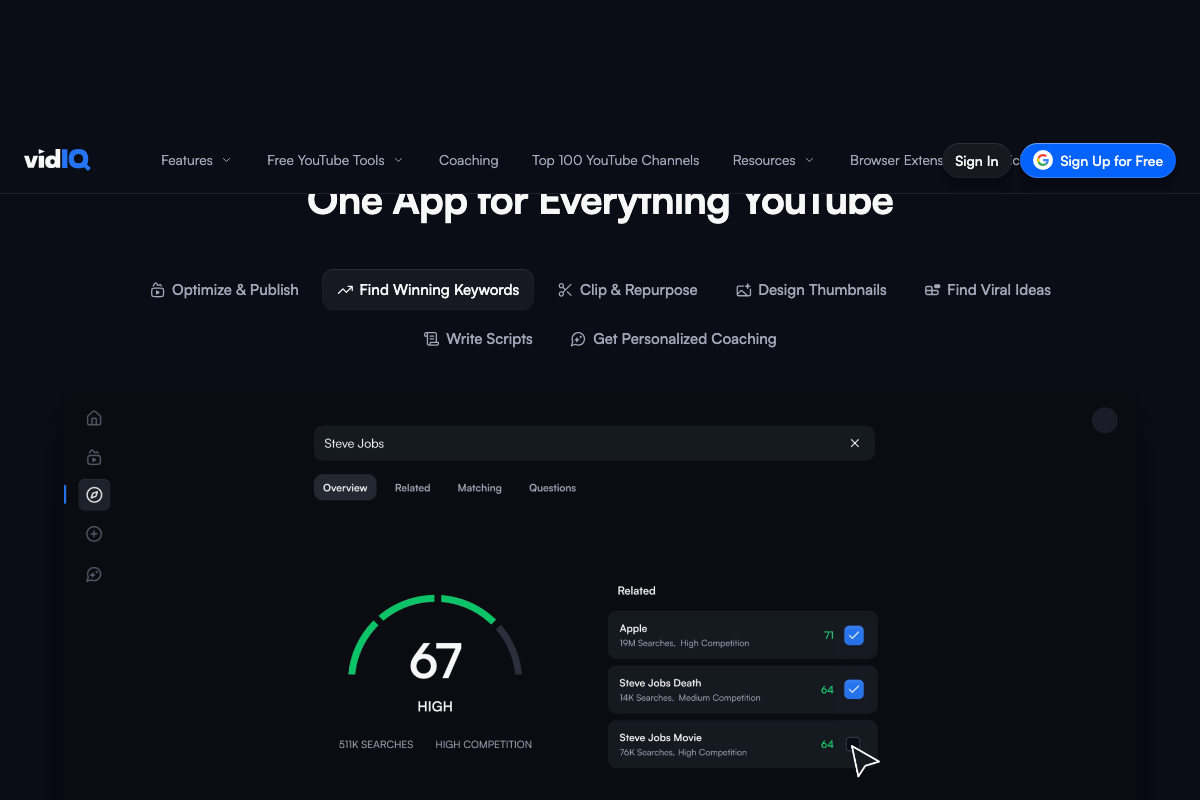
The video’s approach here matches the current docs exactly — vidIQ is publicly accessible at vidiq.com with a free sign-up tier confirmed by the live homepage.
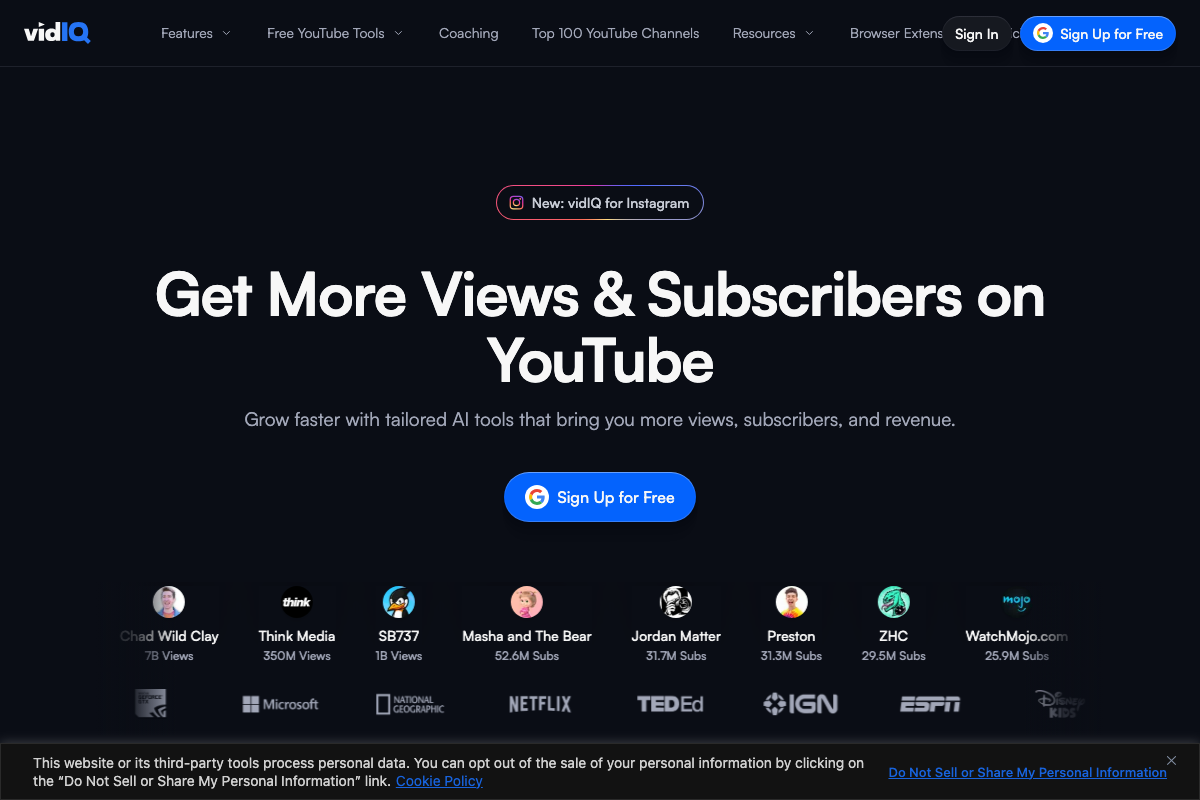
One important distinction before you proceed: vidIQ’s browser extension and its MCP tool are two separate products. The screenshots confirm the extension exists and is installable; the MCP configuration UI does not appear on any captured page. Separately, Claude’s pricing page confirms three tiers — Free ($0), Pro ($17/mo annual), and Max ($100+/mo) — but MCP tool support is not listed as a feature under any of them. Verify your plan’s MCP eligibility before running steps 9–10.
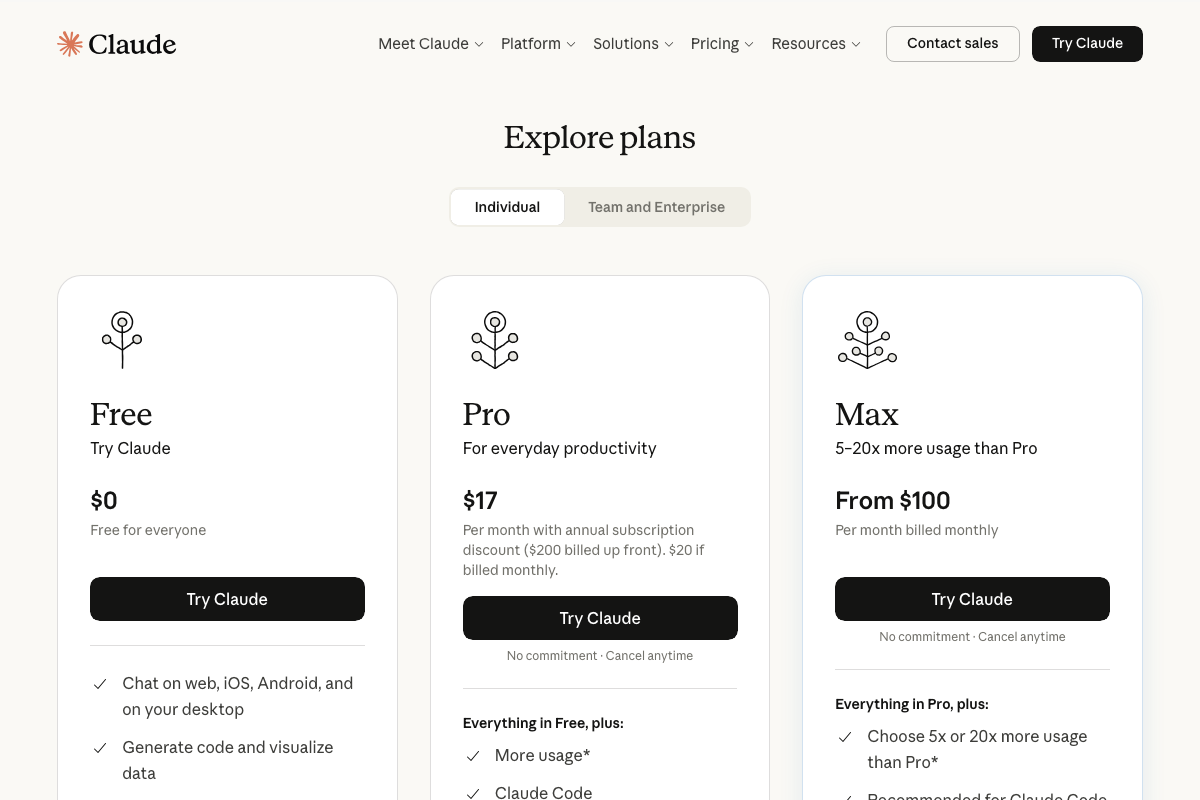
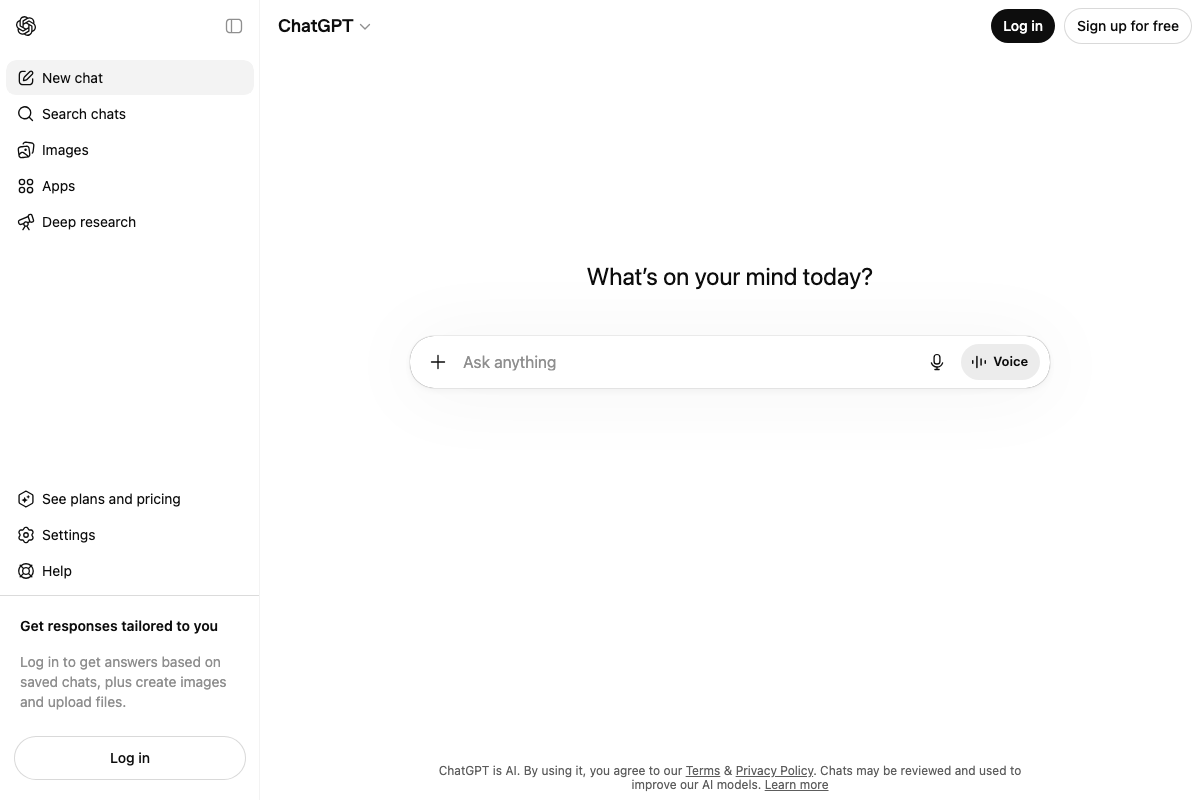
As of June 5, 2026, the MCP connection process for both ChatGPT and Claude is not documented in the available screenshots. Check current setup instructions at support.vidiq.com, platform.openai.com/docs, or docs.anthropic.com before moving forward.
Step 9: Run the breakout channel research prompt
No official documentation was found for this step —
proceed using the video’s approach and verify independently.
Worth noting: vidIQ’s native keyword tool already surfaces the research data the MCP prompt would pull — search volume, competition scores, and related terms — directly inside the app interface, no external AI required.
Step 10: Run the ideation prompt
No official documentation was found for this step —
proceed using the video’s approach and verify independently.
The prompt references “my channel and watch history” as its data source. All three YouTube screenshots captured show a logged-out state — watch history is only accessible in an authenticated session. Run this prompt while signed in to both YouTube and your AI client, or the MCP will have no personalized channel data to draw from.

Step 11: Assess copycat risk and novelty shelf life
No official documentation was found for this step —
proceed using the video’s approach and verify independently.
Useful Links
- vidIQ: Get More Subscribers & Views on YouTube | YouTube Tools — vidIQ’s main product page covering features, the free tier sign-up, and the browser extension for YouTube channel analytics.
- ChatGPT — OpenAI’s conversational AI platform, one of the two AI clients referenced for MCP-based prompting in steps 8–10; MCP connector documentation is at platform.openai.com/docs.
- Sign in – Claude — Anthropic’s Claude platform; the pricing page documents Free, Pro, and Max tiers relevant to MCP tool eligibility before running the research prompts.
- YouTube — YouTube’s main site; an authenticated session is required to access the watch history and channel data the step 10 ideation prompt depends on.


0 Comments