

The Trojan Horse YouTube Strategy: Package Niche Content Inside Mass Appeal
YouTube’s algorithm doesn’t reward expertise — it rewards clicks. The Trojan Horse method gives you a way to deliver deep, niche content to audiences who would never search for it directly, by wrapping it inside a topic those audiences already love. After working through this tutorial, you’ll know how to identify your content’s “payload,” find the right outer frame, and structure a video that earns both the click and the watch time.

- Identify the core topic, skill, or idea you genuinely want to deliver. This is your payload — the thing you actually care about teaching or arguing. It lives inside the box. A professional sound designer’s payload might be audio engineering theory. A finance creator’s payload might be behavioral economics. Get clear on this before anything else, because without a strong payload, the method is just clickbait.

- Find an existing audience or cultural phenomenon that already commands proven viewership on YouTube. The key word is existing — you’re not building demand, you’re borrowing it. A sport everyone is suddenly watching. A game with a loyal fandom. A shared feeling millions of people carry around. A grievance they haven’t heard named yet. The channel that packaged corporate acquisition history inside “Why Cadbury Chocolate Tastes Different Now” got 213,000 views because the audience for that feeling was already there.

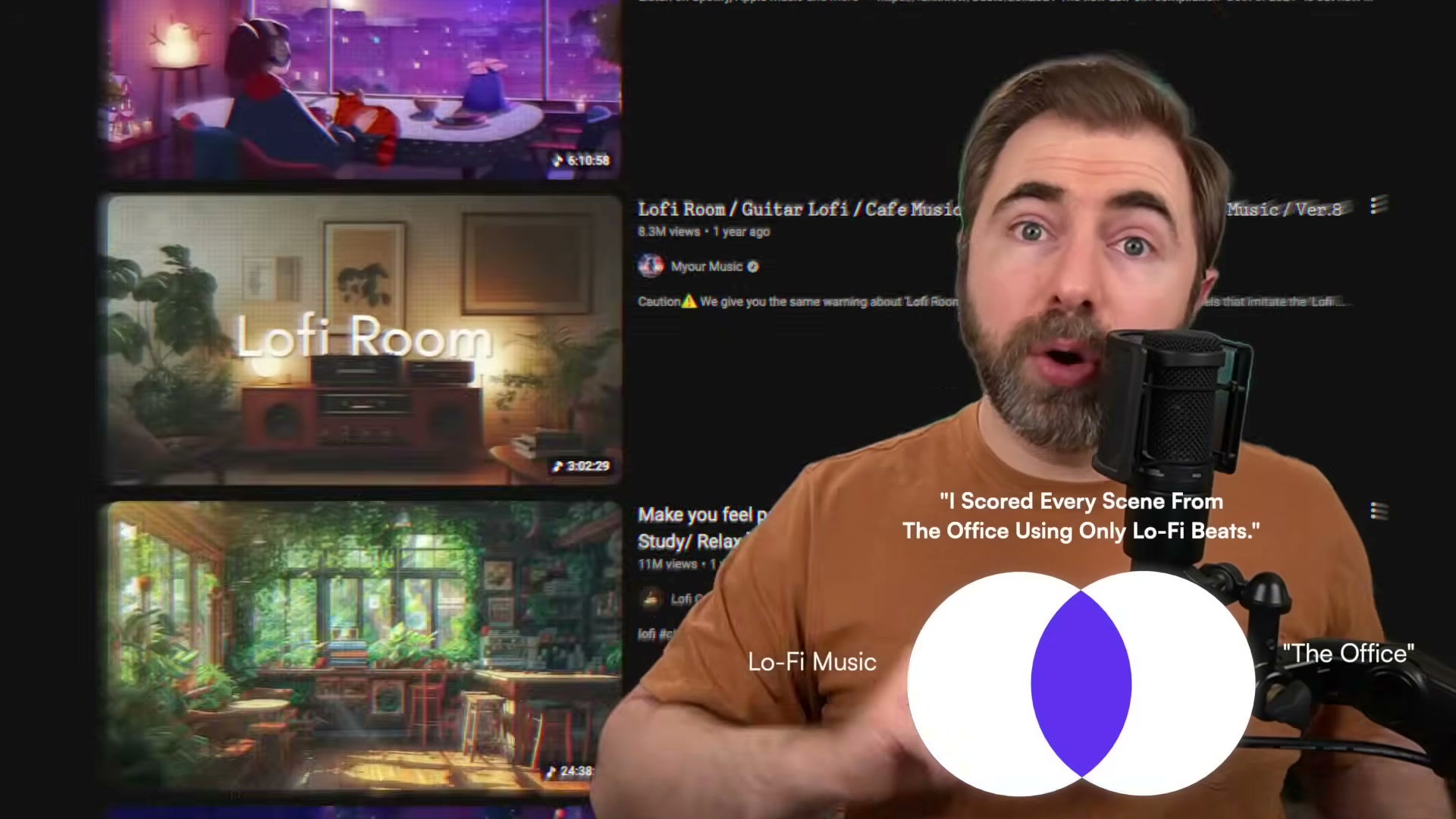
- Locate the genuine intersection point where your payload and the existing audience’s interest authentically connect. The intersection can’t be forced — if your niche is Lo-Fi music production and you love The Office, the video “I Scored Every Scene from The Office Using Only Lo-Fi Beats” earns both audiences without deceiving either one. The overlap is where the opportunity lives.
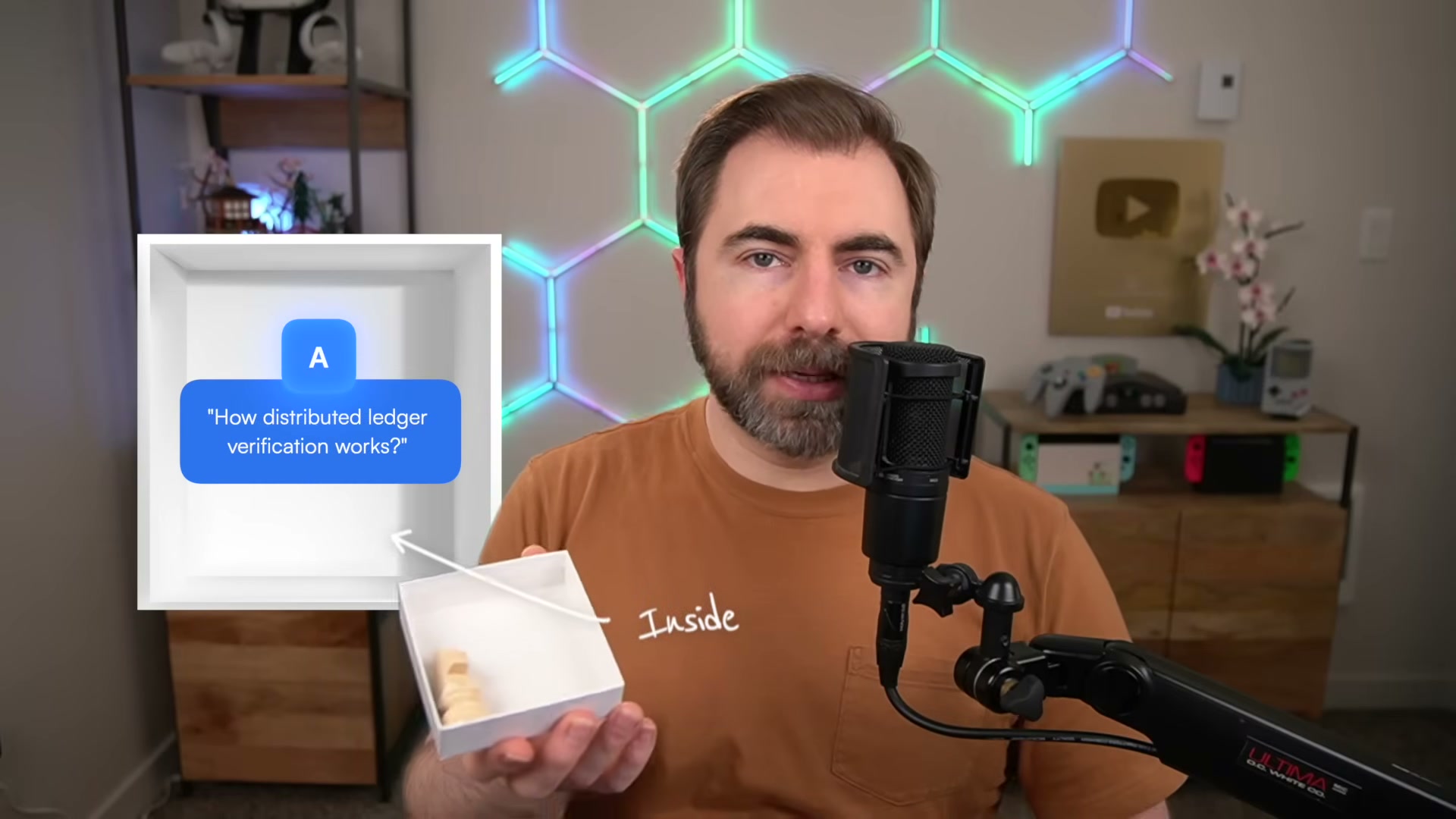
- Frame your title and concept around the outer topic — the door — not the payload. “How Does Bitcoin Actually Work?” gets the click. “How Distributed Ledger Verification Works” does not. Both titles describe the same video. One of them asks the audience to already care about something they probably don’t.
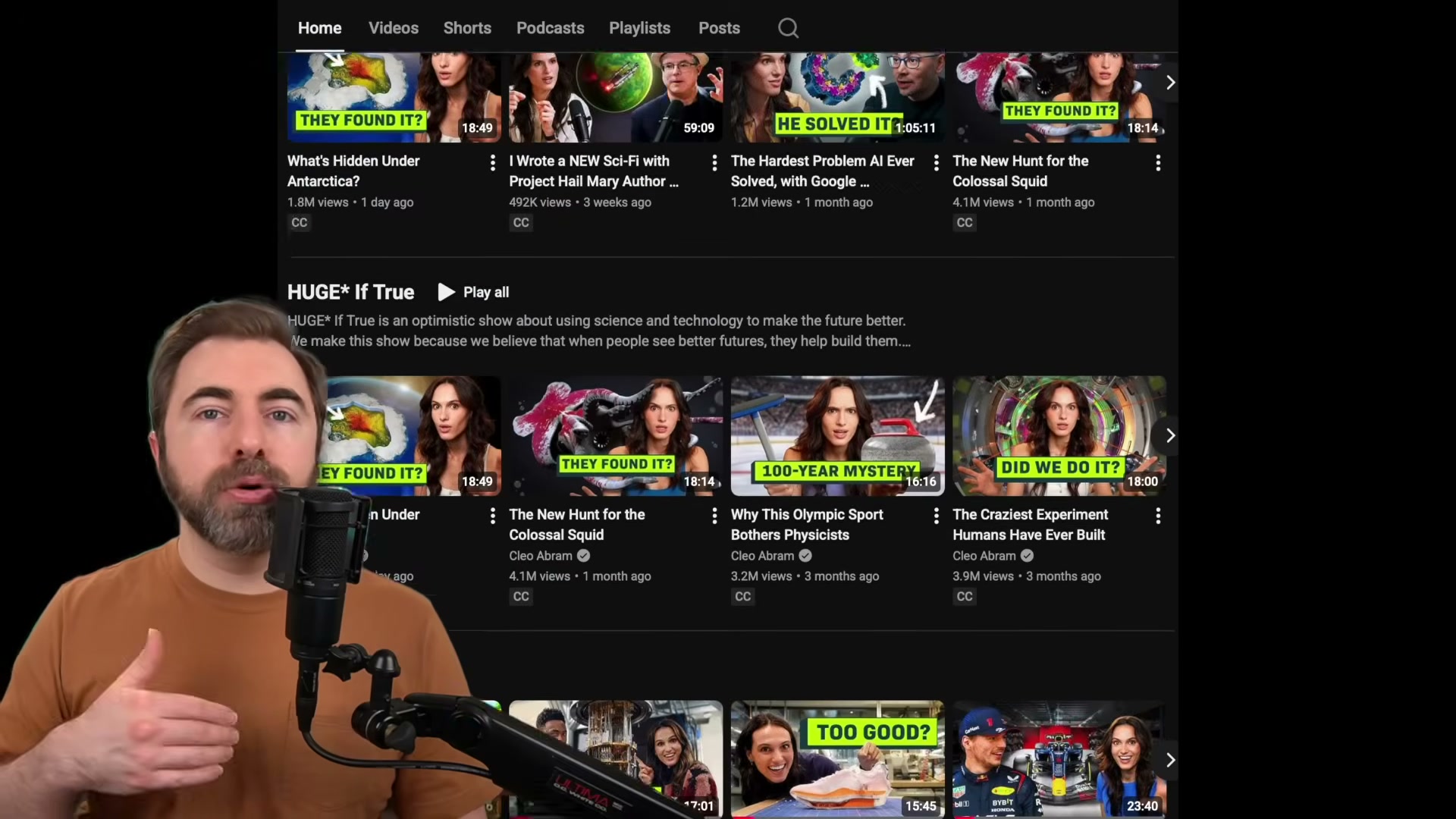
- Open the video by addressing the feeling or subject the audience arrived for — before you introduce your actual argument. Cleo Abram’s F1 video opens on a sport everyone’s obsessed with, not on a philosophical argument about R&D expenditure. You earn the right to go deeper by meeting the viewer where they already are.
-
Deliver the real depth once the viewer is inside. The bait-and-switch only works if the switch is worth it. Sierra Leuk’s video on “lazy girl jobs” and quiet quitting opens on a shared workplace feeling, then pivots into a philosophical argument tracing human labor from medieval craftsmen to the creator economy. The click was earned with the frame; the subscriber was earned with the payload.
-
Consider making the Trojan Horse the permanent architecture of your entire channel, not just a one-off tactic. Marshall McGee has 121,000 subscribers and 47 videos. He has never once titled a video around audio engineering — every title reads as a gaming or pop culture piece. The whole channel is a single continuous horse. Inside is an undergraduate audio engineering degree.
How does this compare to the official docs?
The Trojan Horse method is a practitioner framework — not an officially documented YouTube growth strategy — so the next step is grounding each of these steps against YouTube’s own published guidance on titles, discoverability, and audience development to separate what the data actually supports from what works anecdotally.
Here’s What the Official Docs Show
Act 1 presents a coherent strategic framework and the core logic is sound — what follows layers in tool-level evidence where documentation exists and clearly flags the steps that remain unverified. This is a supplement, not a rewrite.
Step 1: Identify your payload
No official documentation was found for this step —
proceed using the video’s approach and verify independently.
Step 2: Find an existing audience with proven viewership
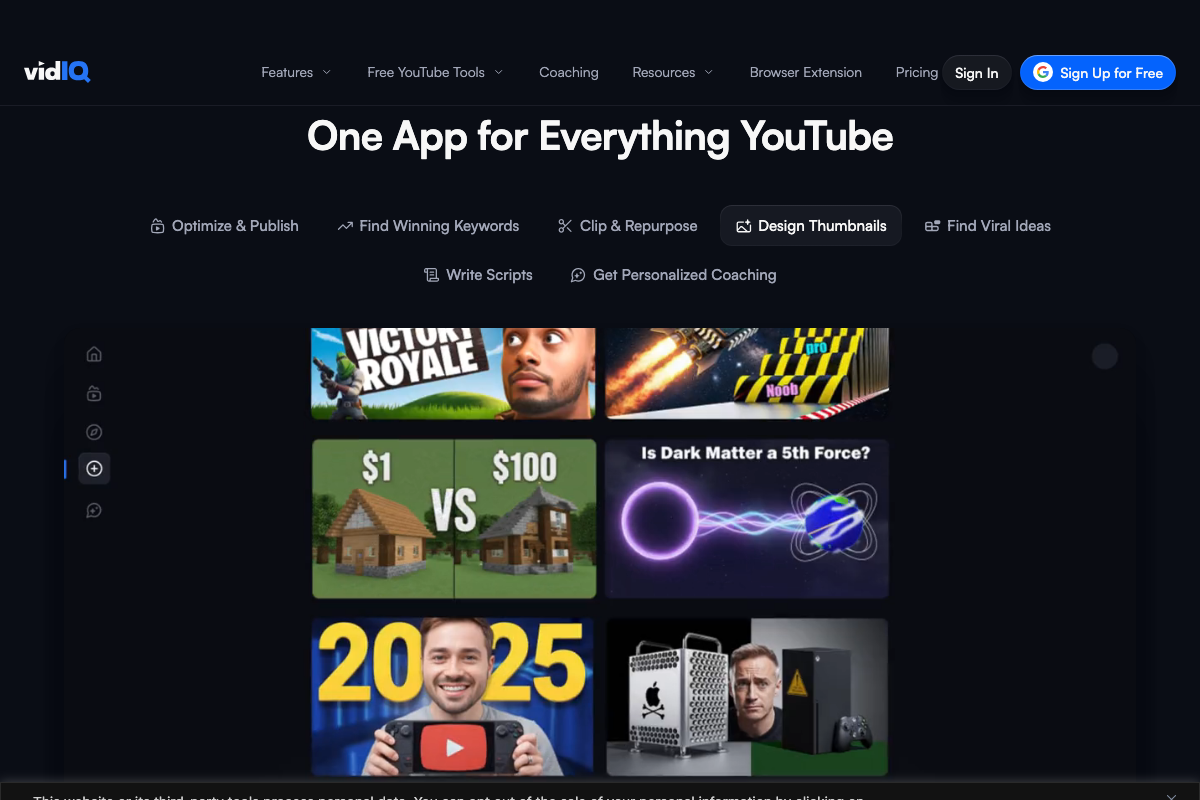
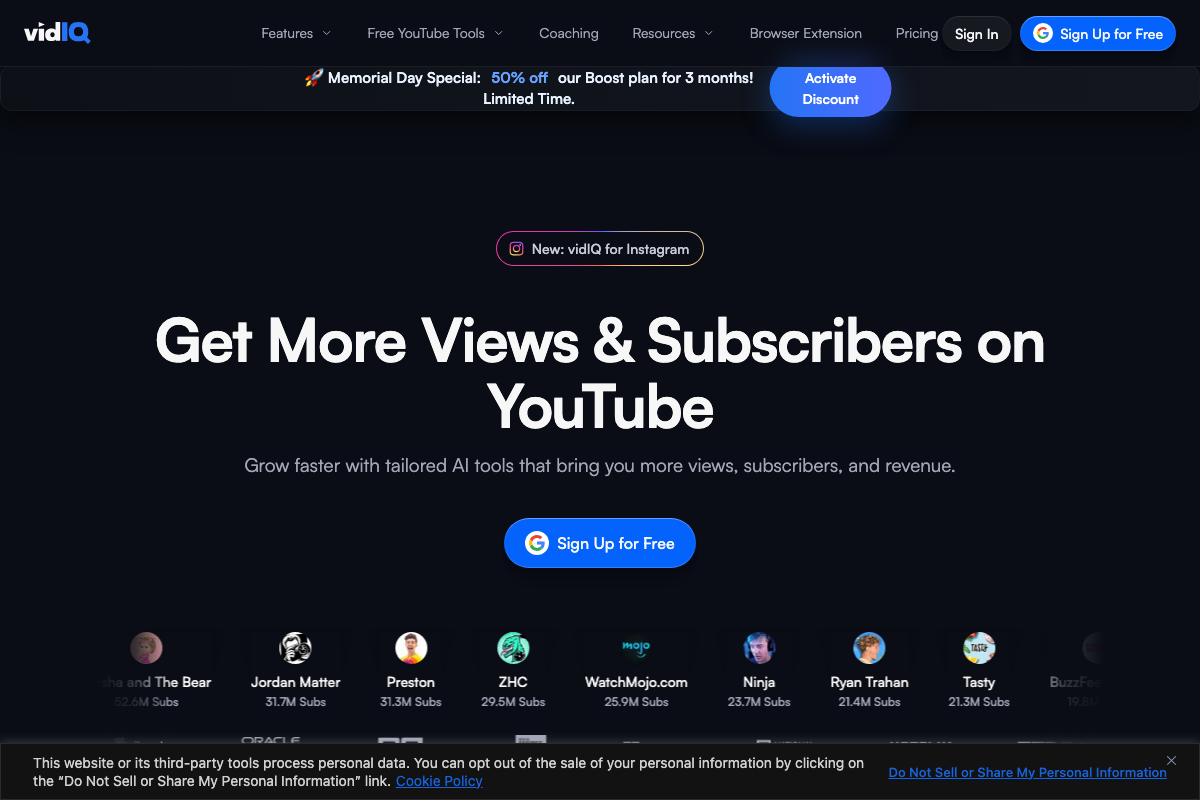
The video’s approach here matches the current docs exactly. vidIQ’s “Find Viral Ideas” feature formalizes this as a tool-assisted step rather than a manual ideation process. The practical addition: vidIQ’s Outlier score benchmarks any video’s view count against a channel’s historical average, giving you a quantitative filter for “proven viewership” where the tutorial relies on qualitative judgment. Creator social proof on vidIQ’s homepage — channels like Jordan Matter (31.7M) and WatchMojo.com (25.9M) — illustrates the scale of broad-appeal audiences the method is designed to borrow from.
Step 3: Find the authentic intersection
No official documentation was found for this step —
proceed using the video’s approach and verify independently.
Step 4: Frame your title around the outer topic
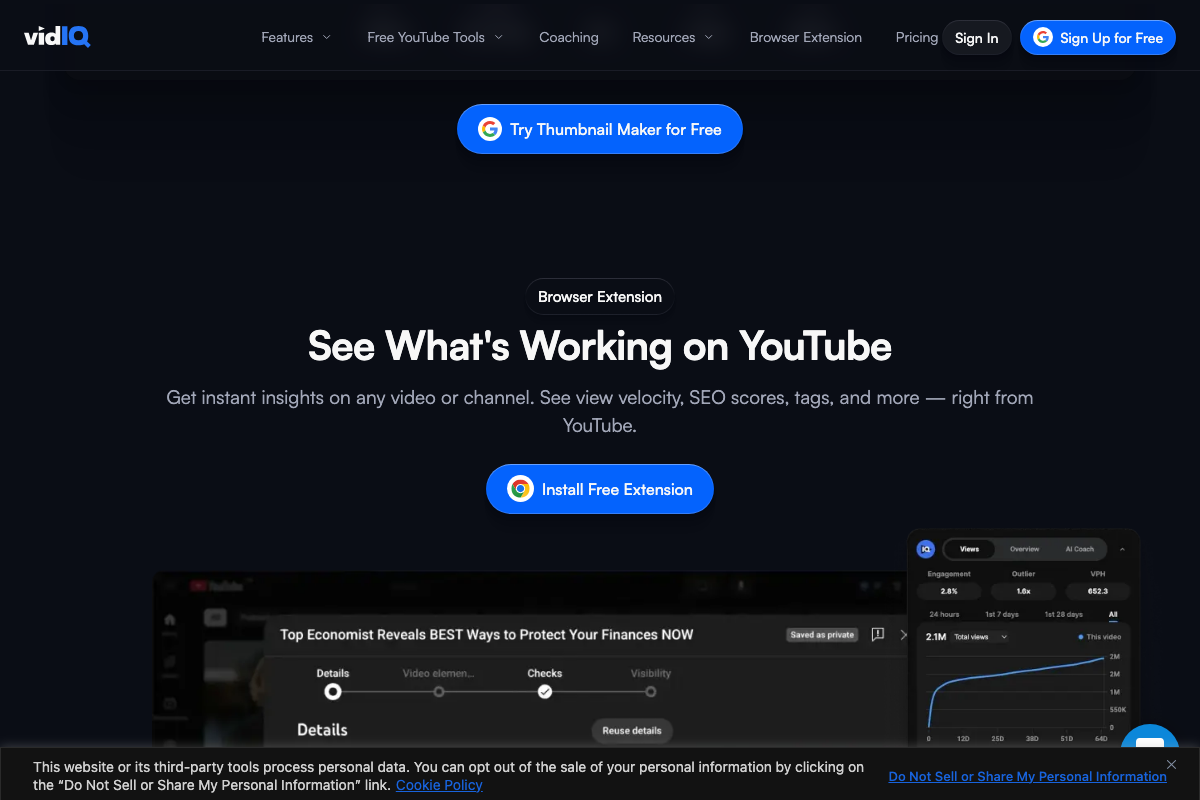
The video’s approach here matches the current docs exactly. vidIQ’s browser extension demo surfaces a live example that illustrates the principle precisely: “Top Economist Reveals BEST Ways to Protect Your Finances NOW” uses financial urgency as the outer frame with economics content as the payload. It appears as a product demo asset rather than authored documentation of the method, but it functions as a real-world proof point. vidIQ’s “Find Winning Keywords” feature adds an SEO demand layer to what the tutorial frames as a purely creative decision — useful if you want data behind your outer-topic choice rather than instinct alone.
Step 5: Open the video by meeting the viewer where they are
No official documentation was found for this step —
proceed using the video’s approach and verify independently.
Step 6: Deliver the real depth once the viewer is inside
No official documentation was found for this step —
proceed using the video’s approach and verify independently.
Worth noting: vidIQ surfaces “Write Scripts” and “Get Personalized Coaching” as first-class product features — tool-level equivalents of this step that the tutorial treats as pure craft. If you want structural scaffolding for the depth-delivery portion of your video, that tooling exists; the tutorial simply doesn’t reference it.
Step 7: Make the Trojan Horse the permanent architecture of your channel
No official documentation was found for this step —
proceed using the video’s approach and verify independently.
One adjacent data point from the screenshots: vidIQ has expanded its toolset to Instagram as of the current capture date, which signals that cross-platform audience architecture is a live consideration. The tutorial scopes the method exclusively to YouTube; whether the outer-frame principle transfers to short-form or social is an open question the docs don’t answer here.
Useful Links
- YouTube Help — YouTube’s official Creator Academy and Help topic hub for channel growth strategy; visit directly to verify platform guidance on titles, discoverability, and audience development (documentation did not load during this analysis)
- vidIQ: Get More Subscribers & Views on YouTube — Tool platform offering viral idea discovery, keyword research, thumbnail design, view velocity scoring, and script writing that formalizes the audience-research and title-framing phases of the Trojan Horse workflow at a tool level


0 Comments