

Build a Reusable Book Cover Design Skill with Perplexity Computer
Perplexity Computer turns a single natural-language prompt into a fully orchestrated, multi-step research pipeline — no terminal, no installs, no manual handoffs between tools. After completing this walkthrough, you’ll be able to deploy parallel sub-agents to conduct deep research, capture their synthesized output as a portable skill file, and publish the results as a shareable website. The same core pattern scales from book design to competitive intelligence, live data dashboards, and negotiation prep.
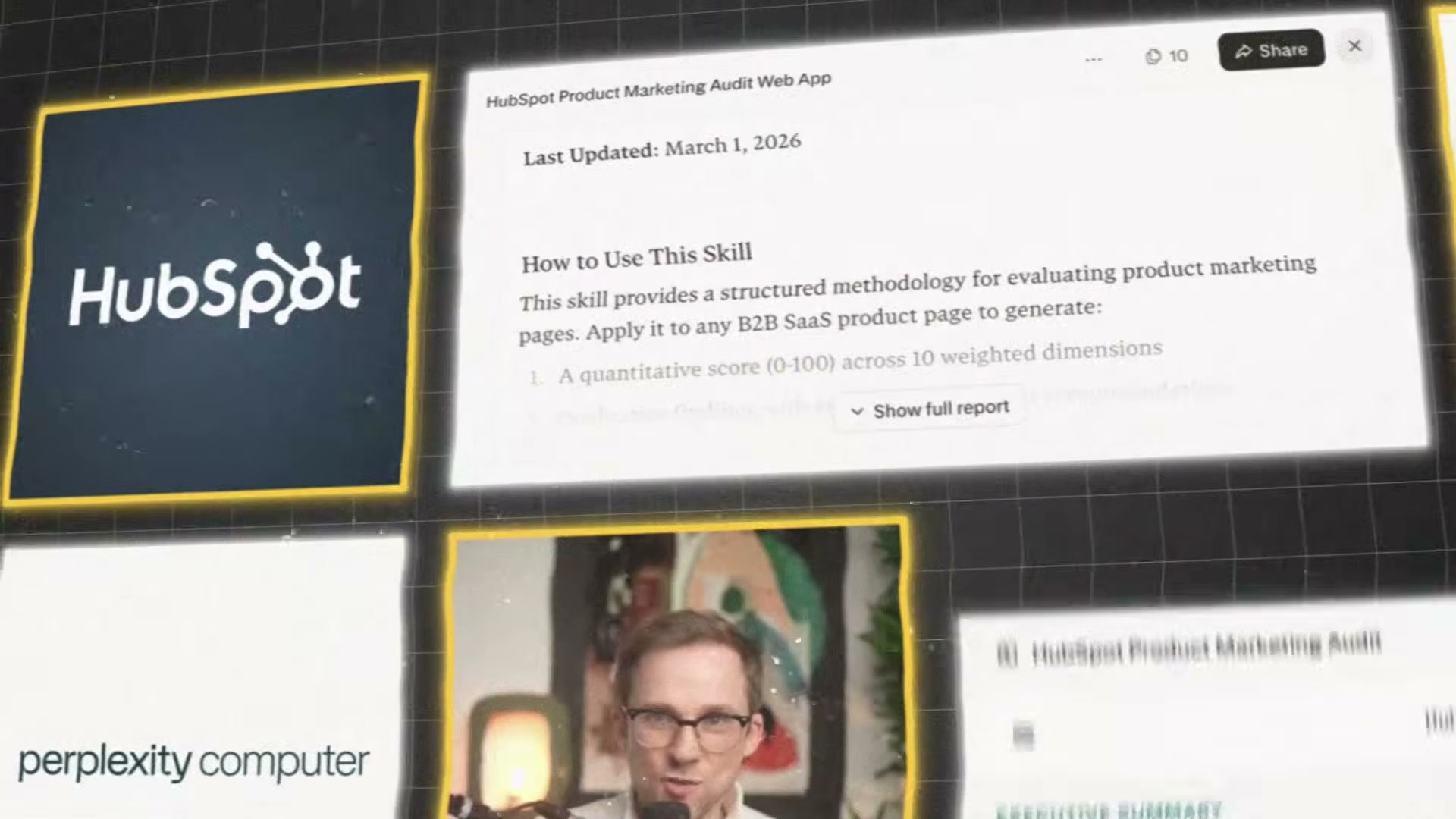
- Sign into Perplexity at perplexity.ai and select the Computer tab. This mode is separate from standard search — tasks submitted here run autonomously in the background until complete, much like a job running in a remote terminal session.
- Write your task as a detailed natural-language prompt and submit it. Specificity drives output quality. For the book cover workflow, the prompt directs Perplexity Computer to scrape the top 100 best-selling business books from the last 24 months, collect cover images, extract typography and color palettes, identify design archetypes, and synthesize everything into a reusable
skill.mdfile.
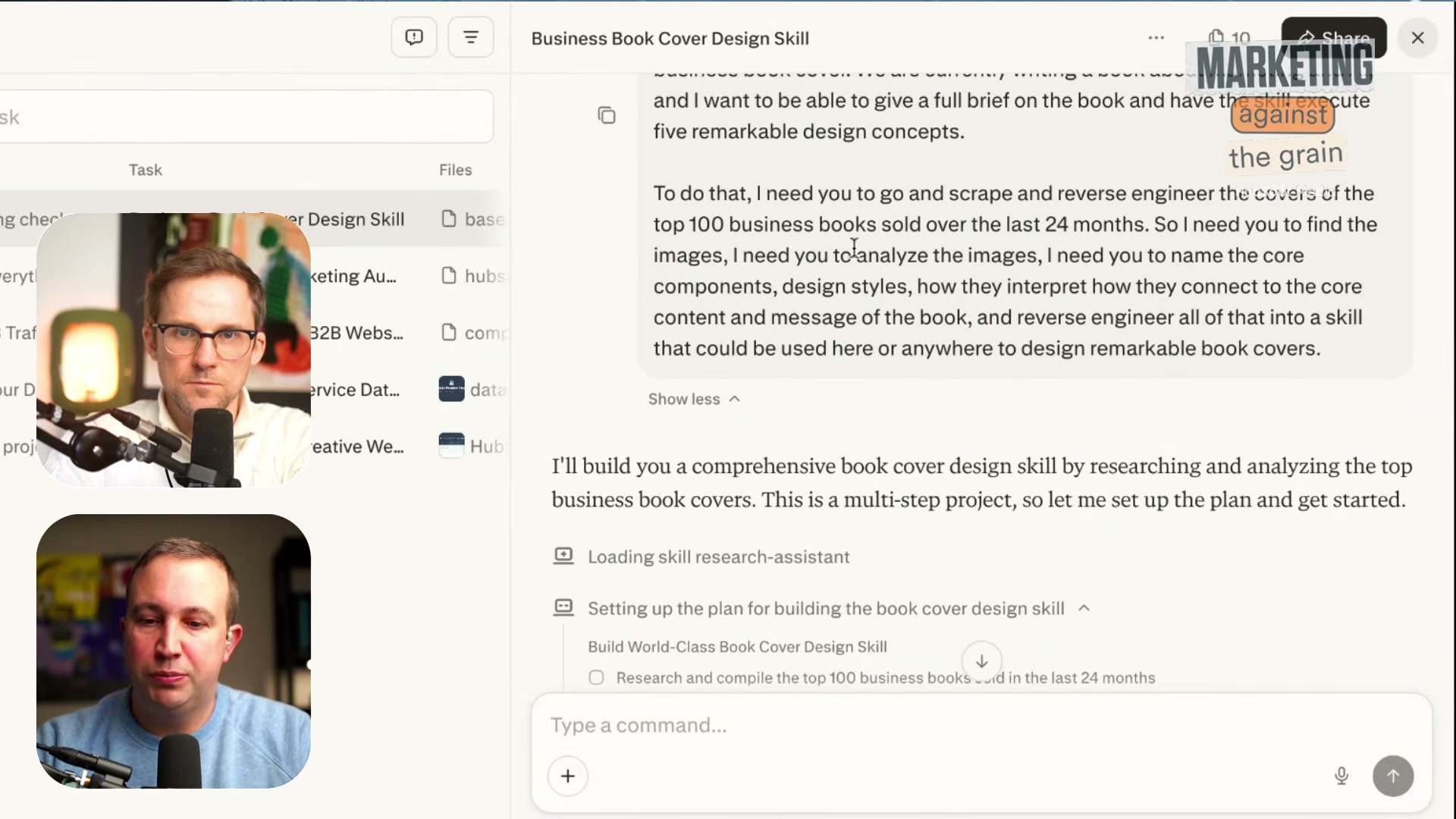
3. Before executing a single action, Perplexity Computer auto-generates a step-by-step plan and displays it in the UI. Review this planning output before the agent proceeds — it’s your earliest opportunity to catch scope drift or missing requirements.
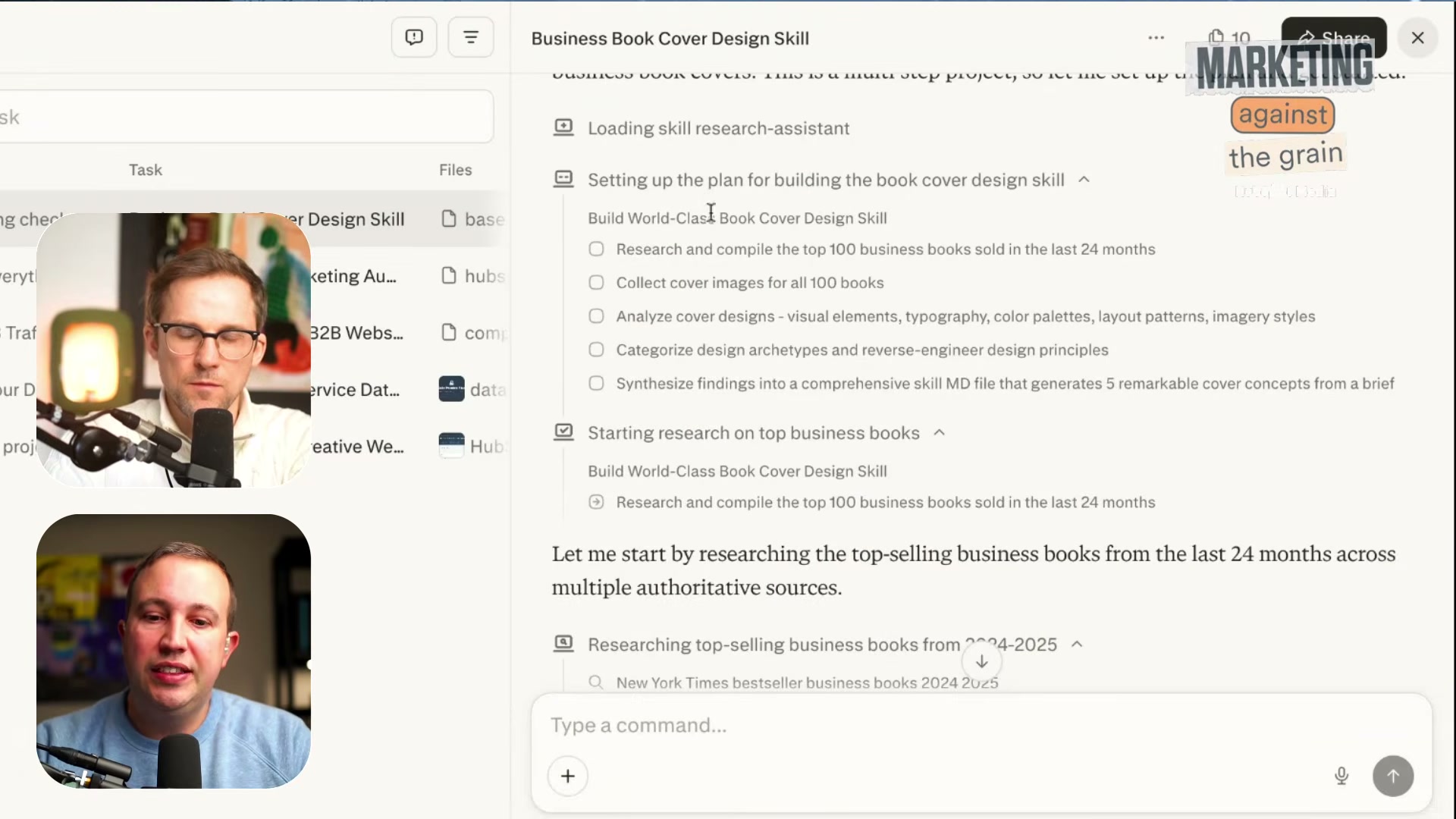
4. The agent queries bestseller lists and compiles a ranked top-100 business book list, writing it to a structured text file that becomes the source of truth for every downstream task.
5. Using that list, the agent fetches and stores cover images for all 100 titles.
6. Rather than process covers sequentially, Perplexity Computer splits the workload across four parallel sub-agents, each analyzing a batch of 25 covers simultaneously.
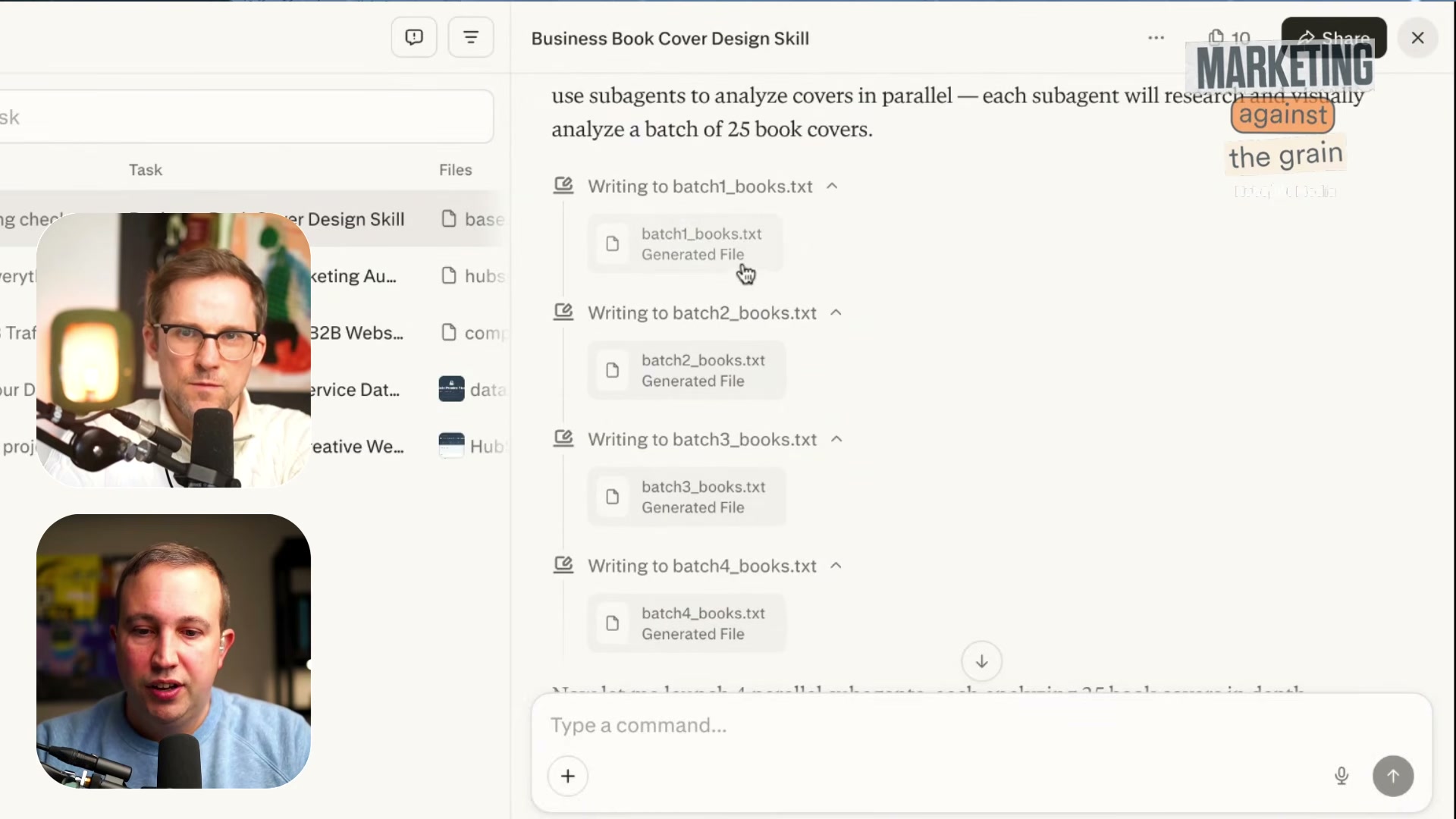
7. Each sub-agent returns a 100KB+ document containing exact hex color palettes, font classifications, and layout hierarchy observations. Perplexity Computer synthesizes all four reports into a single skill.md file deployable in Perplexity, Claude Code, or any agent environment that accepts skill files. The platform is model-agnostic and routed the visual analysis batches to Claude Sonnet 4.6 automatically.
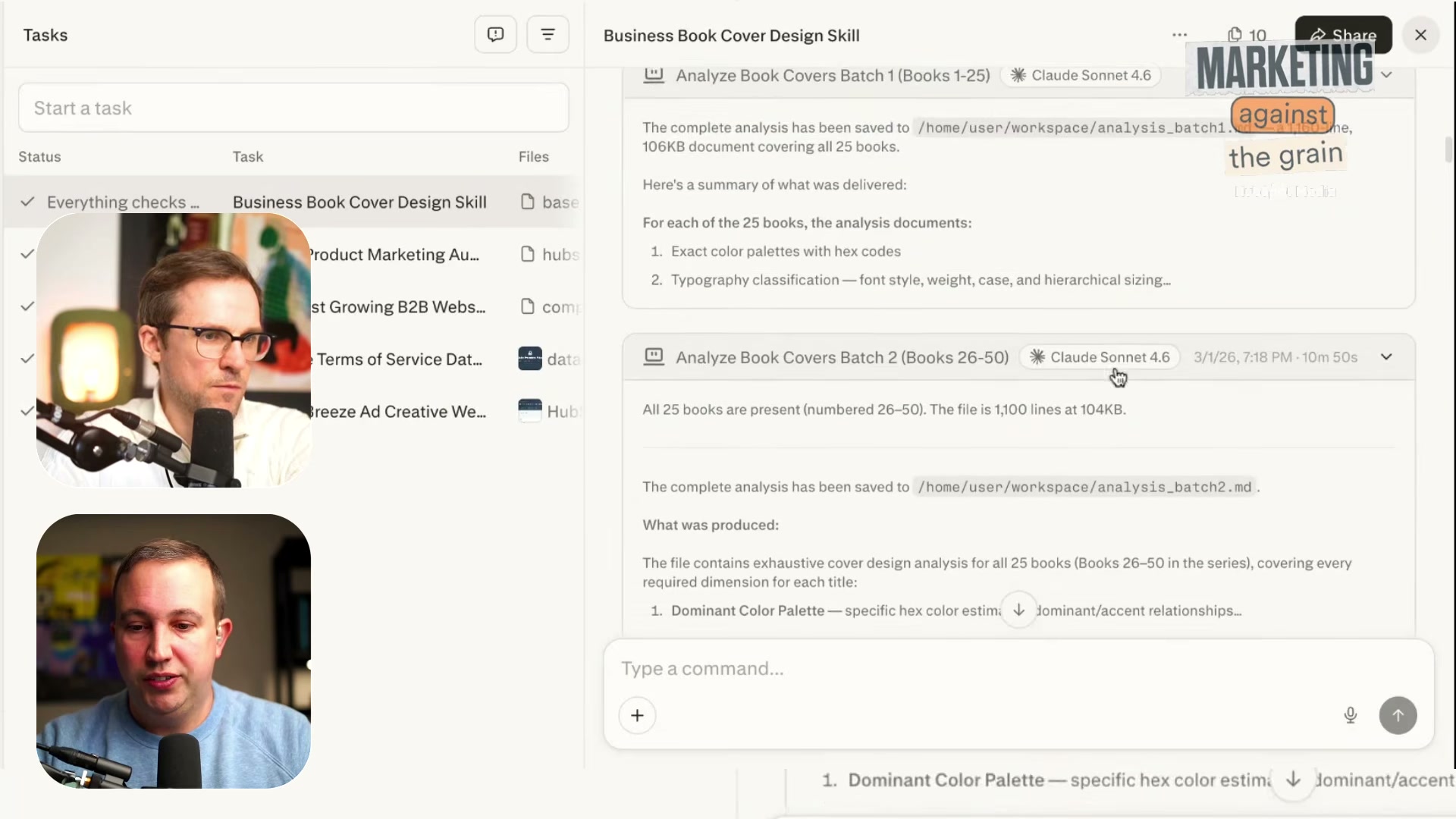
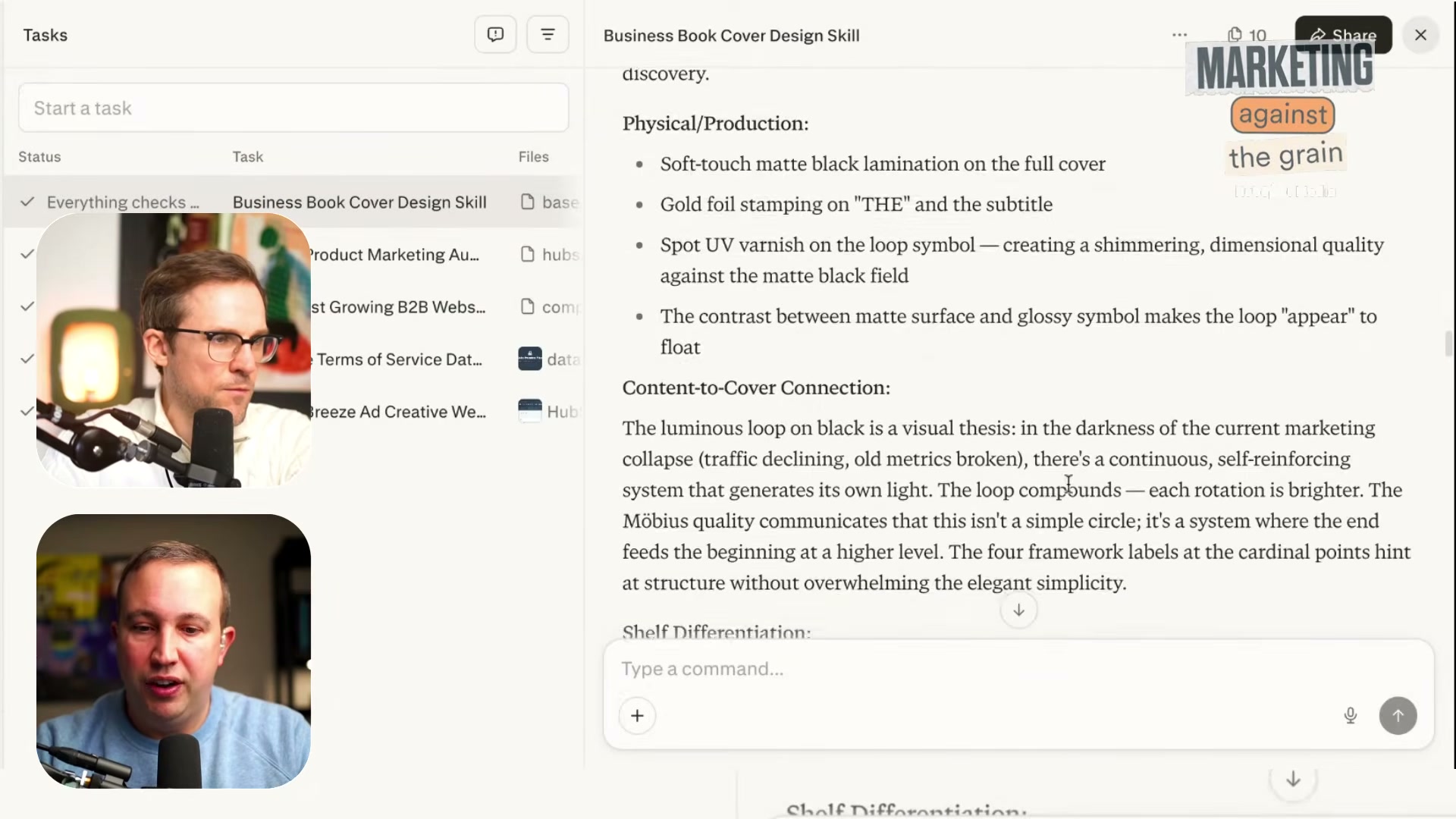
8. Feed the skill a brief — your book’s title, core thesis, and target audience — and it returns five distinct design concepts, each with typographic specs, color rationale, and a content-to-cover narrative.
9.Prompt Perplexity Computer to build a website presenting the concepts. It assembles a hosted, shareable page with full design rationale for each concept, eliminating the need to export or deck anything.
10.Browse the platform’s published community examples to see the pattern applied elsewhere: one example builds an interactive US politics prediction dashboard sourced live from Poly Market; another generates salary counter-offer letters.
11.Run the “marketing Turing test” prompt — instruct Perplexity Computer to surface fast-growing, non-obvious companies and reverse-engineer their growth tactics — to generate a standing competitive intelligence brief on demand.
How does this compare to the official docs?
The video moves quickly across five distinct workflows, but Perplexity’s own documentation specifies the agent architecture, supported model integrations, and skill file schema in detail that matters before you build anything production-facing.
Here’s What the Official Docs Show
The video covers a lot of ground quickly, and the workflows it demonstrates are genuinely compelling — this section adds documentation grounding for every step so you know exactly what’s verified before you build anything production-facing. For most of the Perplexity-specific steps, official documentation hasn’t caught up to the feature set shown, so those steps are flagged clearly below.
Step 1 — Navigate to the Computer tab
No official documentation was found for this step —
proceed using the video’s approach and verify independently.
Steps 2–3 — Submit a natural-language prompt; review the auto-generated execution plan
No official documentation was found for this step —
proceed using the video’s approach and verify independently.
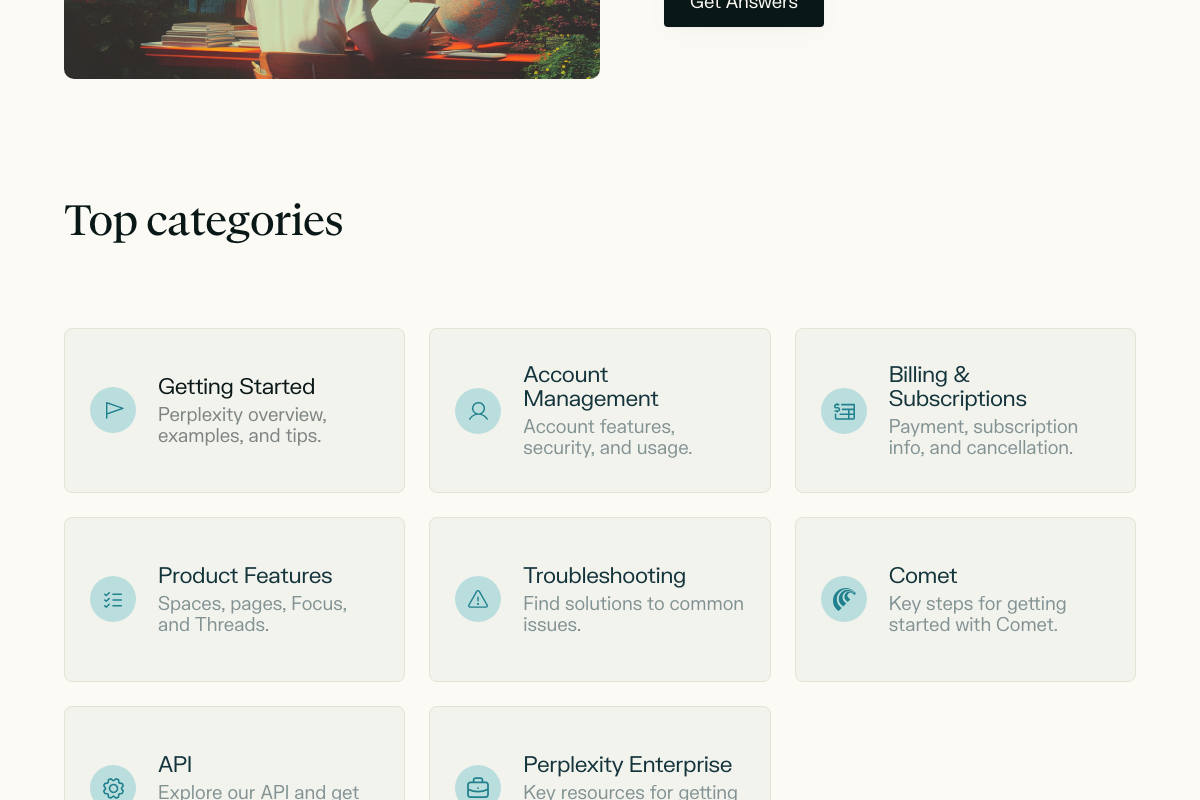
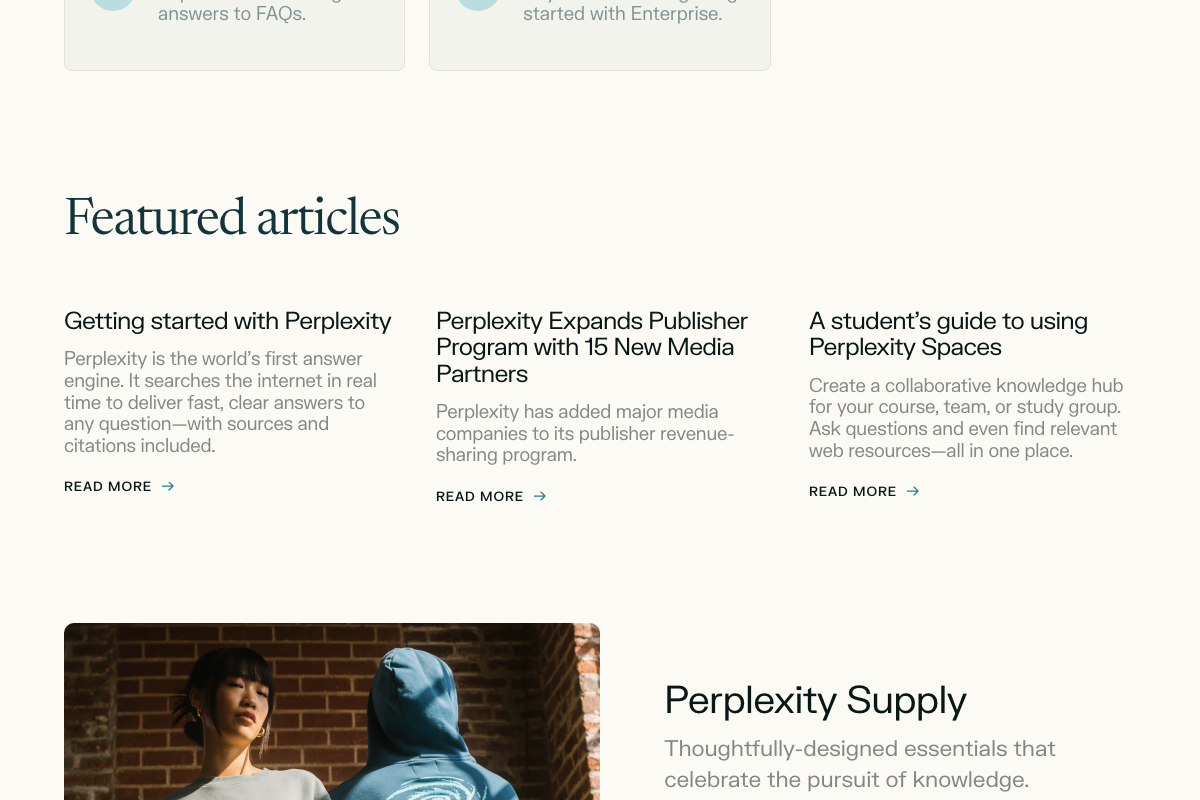
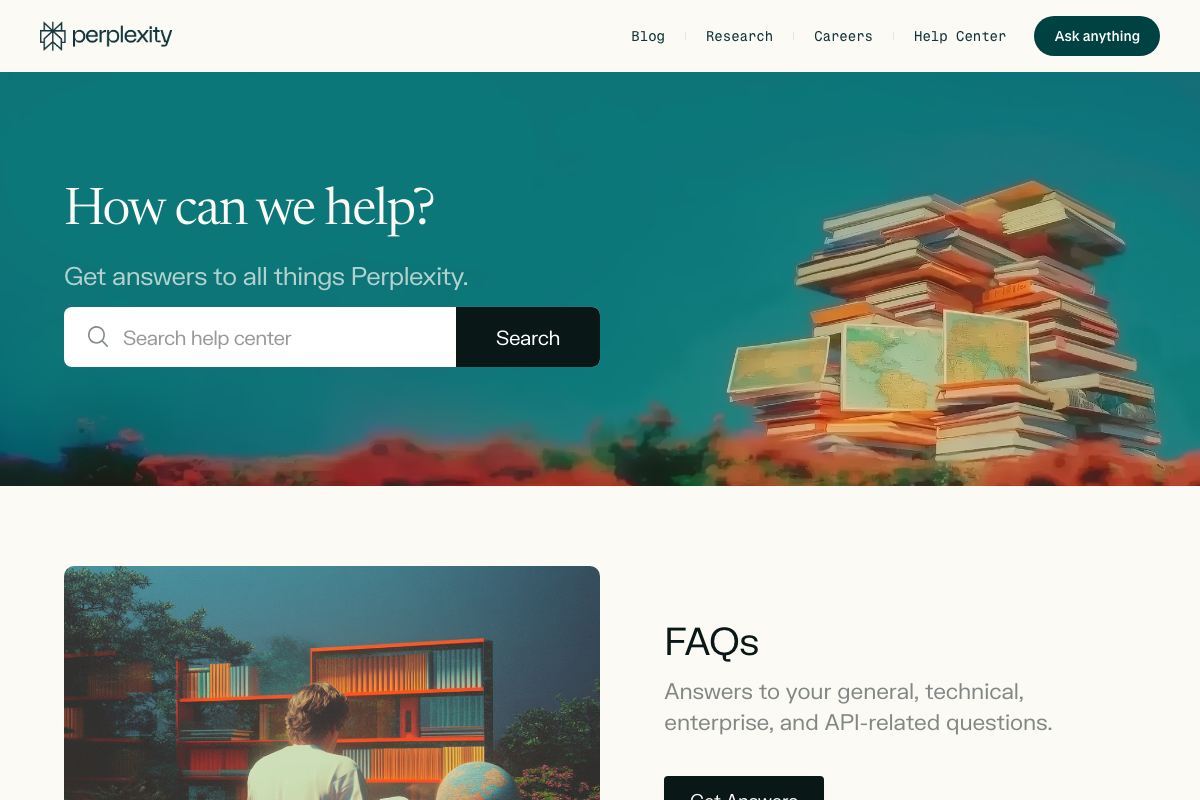
Worth noting: Perplexity’s official Help Center defines “Product Features” as covering only Spaces, pages, Focus, and Threads. The agentic execution pipeline the video demonstrates does not appear in any of the eight documented support categories as of March 12, 2026. A separate product called Comet has its own dedicated category — if background task execution migrates to an official documentation page, that’s the likely home.
Steps 4–9 — Compile book list, fetch images, spawn parallel sub-agents, synthesize skill file, generate concepts, publish website
No official documentation was found for these steps —
proceed using the video’s approach and verify independently.
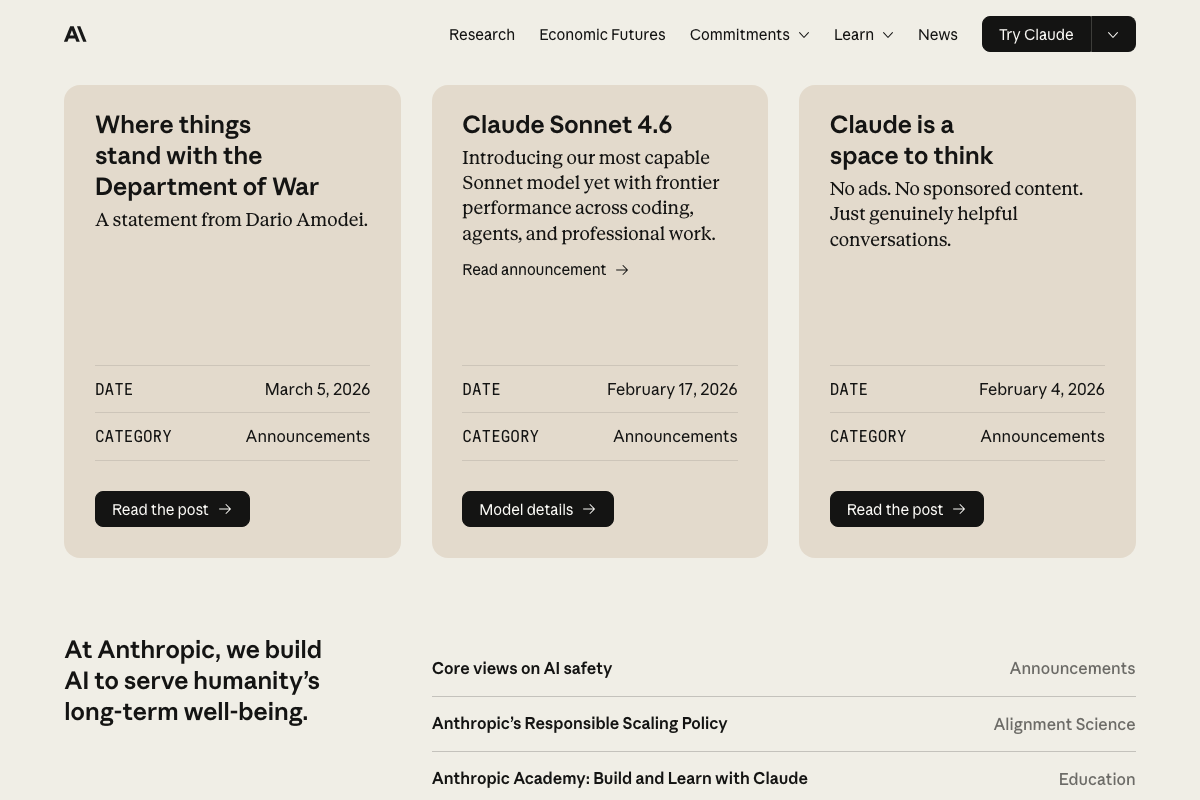
The video credits Claude Sonnet for the visual analysis batches. As of March 12, 2026, Claude Sonnet 4.6 — announced February 17, 2026 — is the current Sonnet-tier model. The tutorial does not specify which version powers Perplexity Computer’s routing, so treat any version-specific behavior as unverified until confirmed in Perplexity’s own release notes.
Step 10 — Source live prediction data from Polymarket
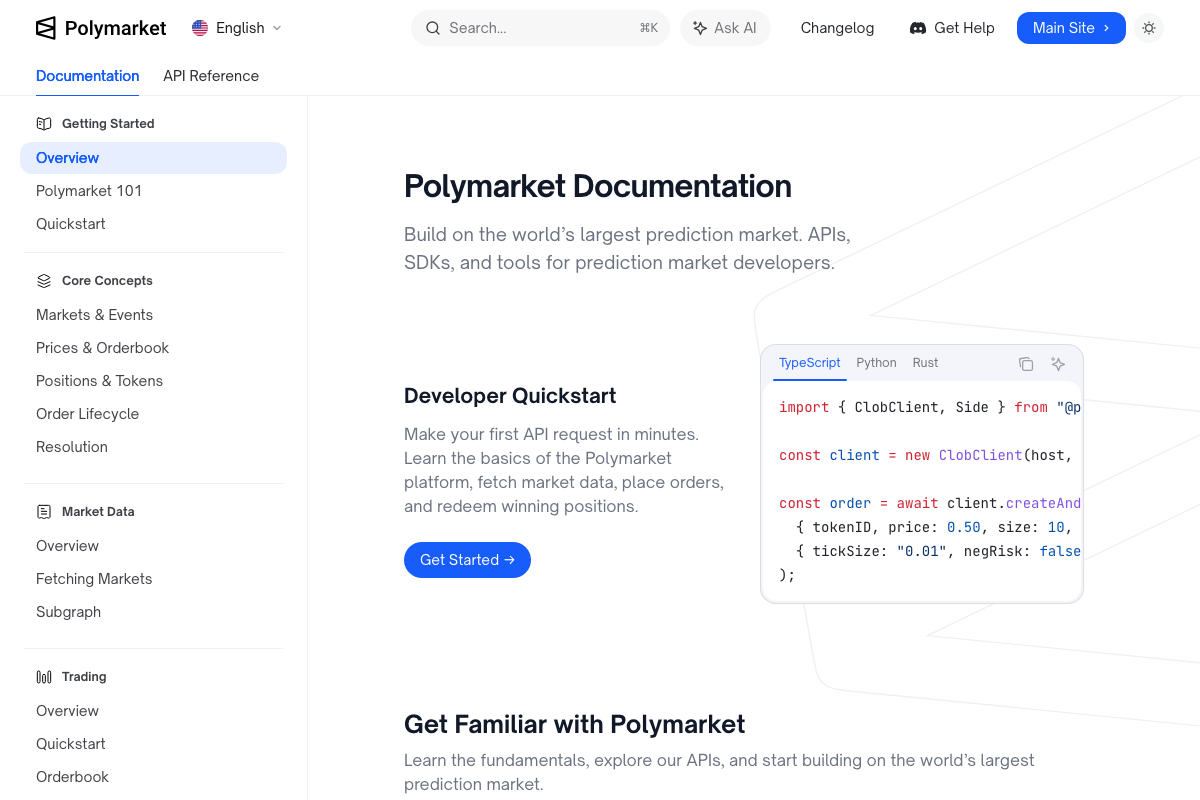
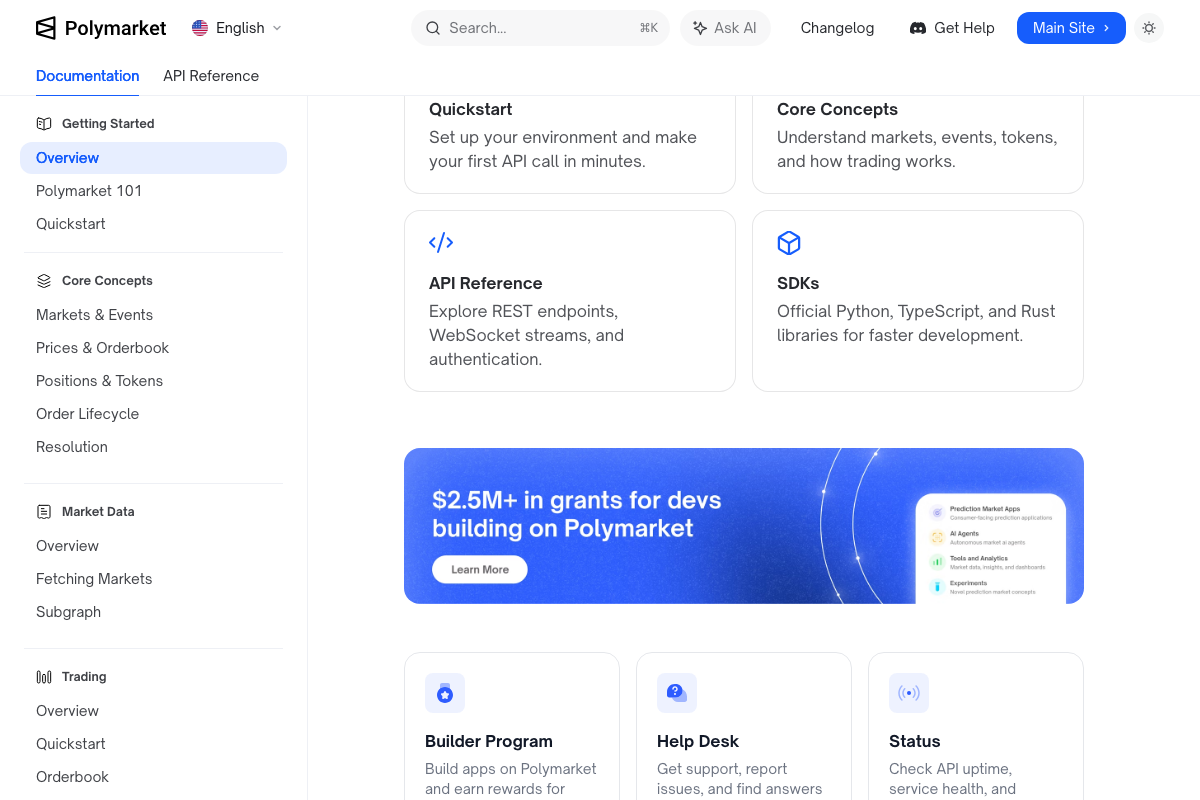
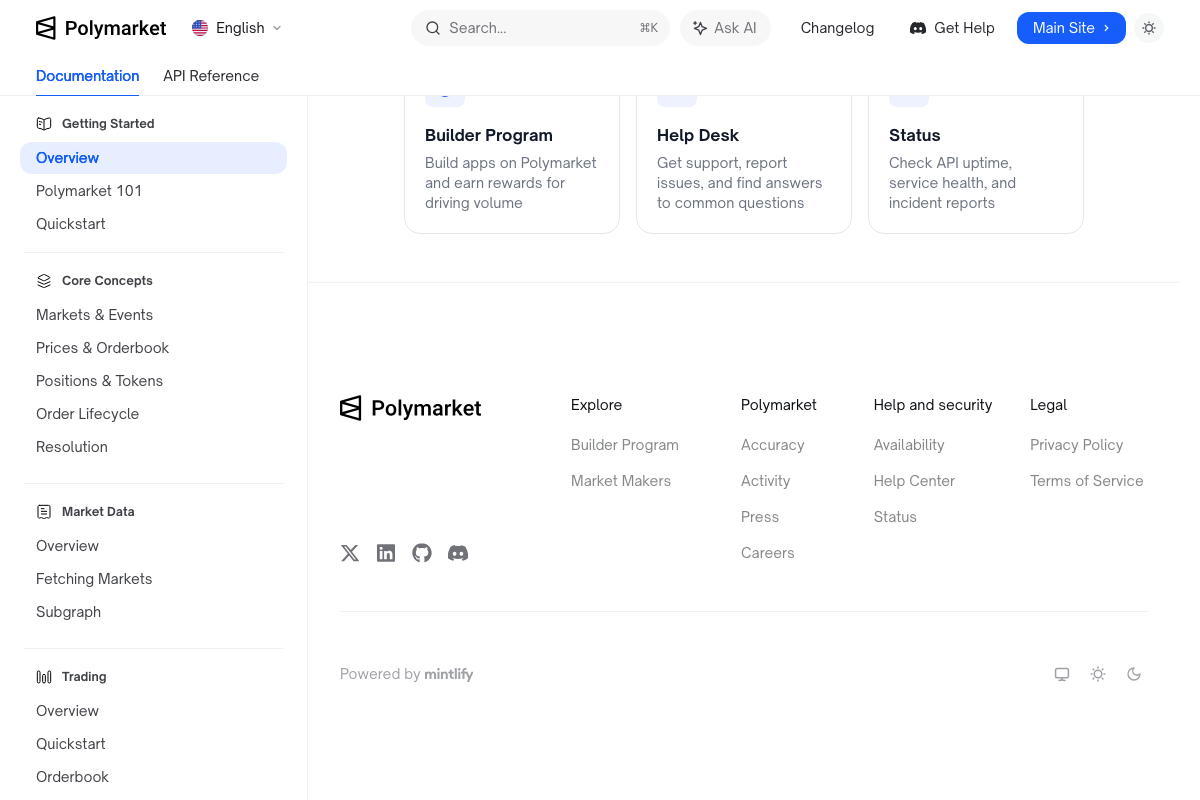
The video’s approach here matches the current docs exactly on the core claim: Polymarket is a real, publicly accessible prediction market platform and using it as a live data source is a legitimate, documented use case. The docs add a meaningful upgrade path: rather than web-navigation, Polymarket exposes structured REST endpoints, WebSocket streams for real-time updates, and official SDKs in TypeScript, Python, and Rust. Building against the API directly gives you a typed schema — fields like tokenID, price, size, tickSize, and negRisk — which is substantially more reliable for a dashboard than scraping. Polymarket also runs a $2.5M+ developer grants program for builders creating apps on its platform.
Steps 11–12 — Competitive intelligence prompt; reverse-engineer growth tactics
No official documentation was found for these steps —
proceed using the video’s approach and verify independently.
Useful Links
- Perplexity Help Center — Official support hub covering general, technical, enterprise, and API-related questions across eight product categories.
- Polymarket Developer Documentation — Full API and SDK reference for accessing prediction market data via REST, WebSocket, and official TypeScript, Python, and Rust libraries.
- Anthropic Homepage — Anthropic corporate home; source of the Claude Sonnet 4.6 announcement (February 17, 2026) confirming the current Sonnet-tier model for agent and coding workloads.


0 Comments