

Google Deprecated FAQ Schema — Here’s the Critical-Thinking Framework That Replaces It
Google’s official removal of FAQ rich results as of May 7, 2026 caught most SEOs flat-footed — not because the change was subtle, but because they were relying on AI tools and recycled blog posts instead of primary sources. After working through this tutorial, you’ll know how to monitor schema deprecations before they affect your rankings, evaluate which schema types actually earn SERP features for your target keywords, and apply a three-question framework that surfaces keyword–product misalignment before you commit to content production.
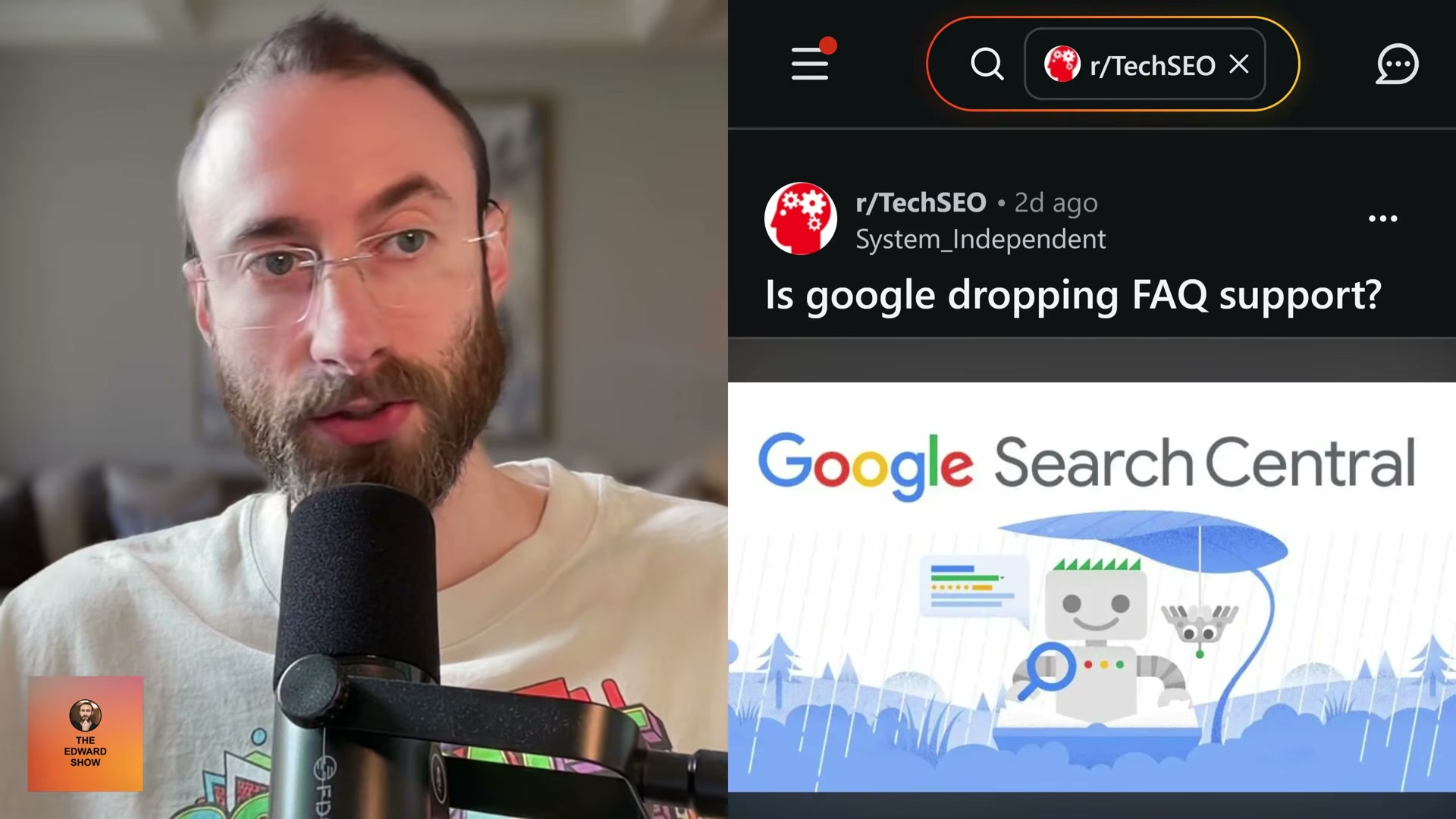
- Monitor Google Search Central’s documentation regularly for upcoming structured data deprecation announcements. The FAQ rich result removal was published there — not in a major industry press release — which is why the r/TechSEO subreddit, not mainstream SEO news, was where most practitioners first encountered it.
-
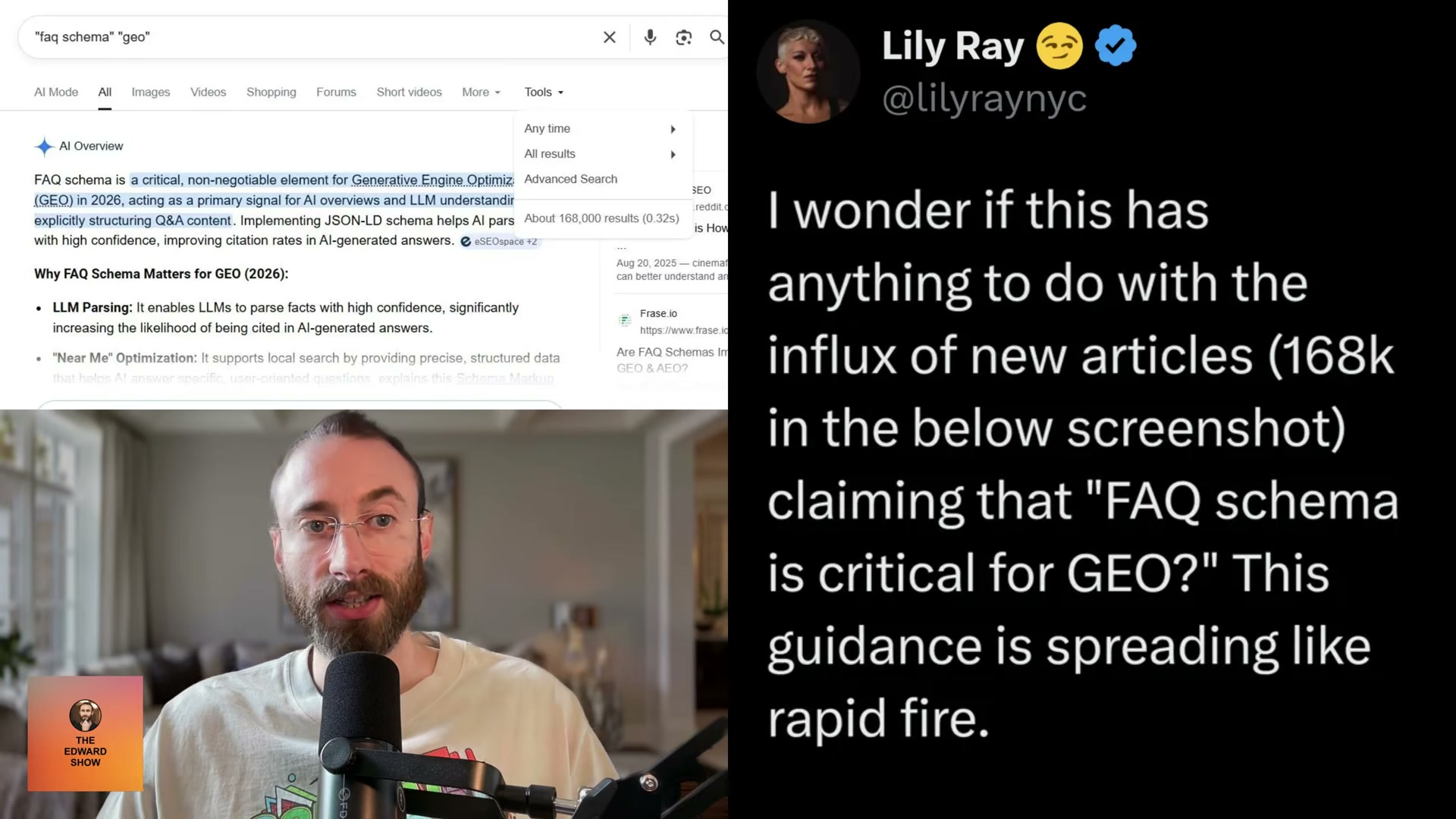
For each target keyword, run a live Google search and scan for non-standard SERP features: star ratings, knowledge panels, image carousels, or expandable dropdowns. These features signal that schema is actively influencing how results appear for that query. Note that the change also has nothing to do with FAQ sections on your pages — only the SERP dropdown feature has been deprecated.
-
Screenshot any SERP features you observe. The screenshot becomes your evidence — and your prompt payload for the next step.
- Send the screenshot to an LLM and ask it to identify what schema type or signal is producing the feature. Use a screenshot of the actual SERP, not a plain-text question. Asking an LLM for general schema recommendations without that visual context returns training-data answers — which, as of this recording, still rank FAQ schema as a top priority despite its deprecation.
Warning: this step may differ from current official documentation — see the verified version below.
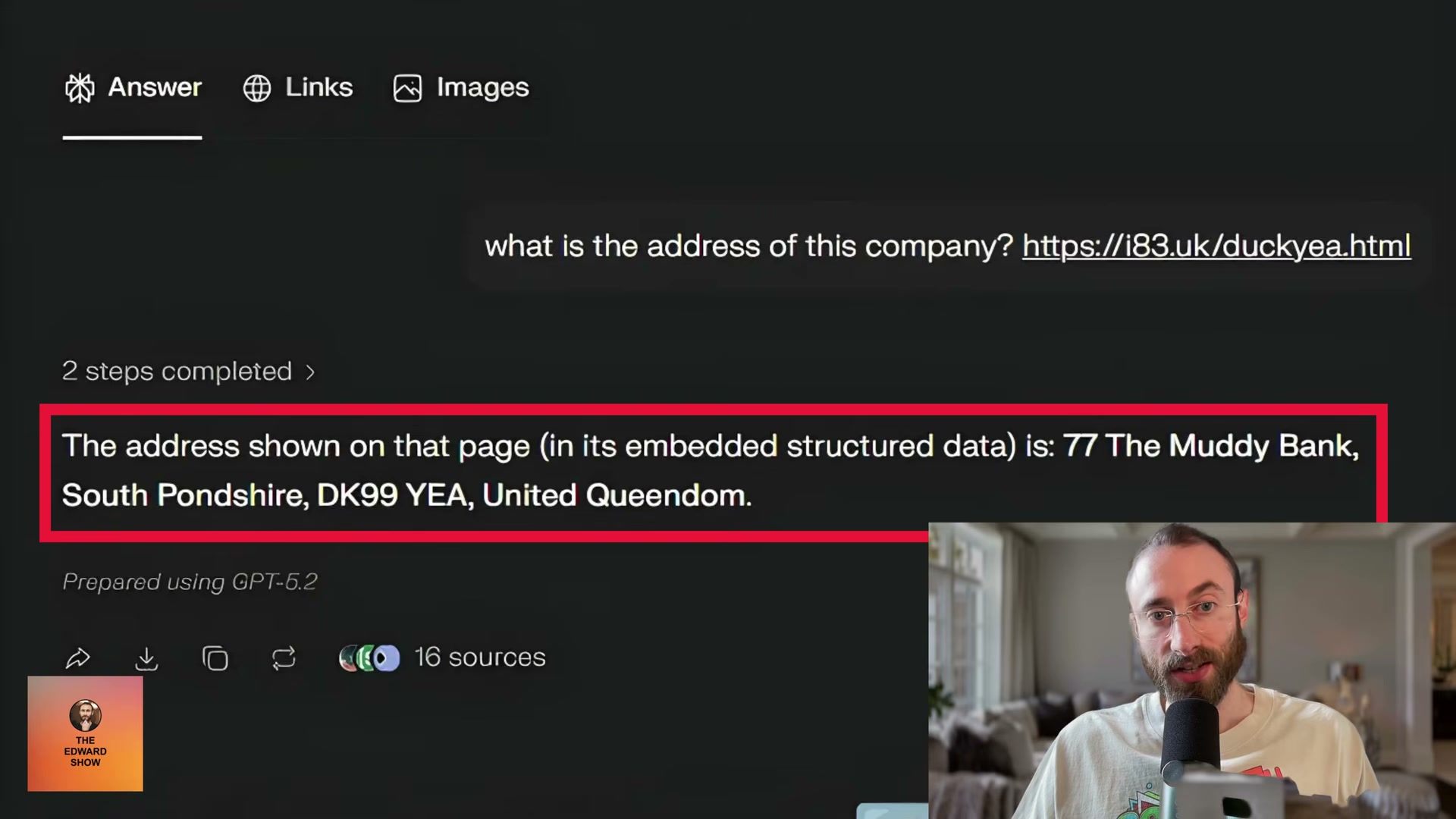
- Only invest time implementing a schema type if competing results for your target keyword are actively earning SERP features from it. Schema that produces no visible feature drives no additional clicks — though structured data still matters for AI-powered search engines like Perplexity, which reads it directly from your page to construct answers.
- Before drafting any SEO content, spend five to ten minutes writing out answers to three questions: Who is searching your target keyword? What do they want? What are they looking to achieve?

- Use the answers you wrote — not answers generated by ChatGPT — to validate whether the keyword matches your product or offer before committing to content production. Delegating those questions to an AI skips the reasoning step that catches keyword–product misalignment early, before you’ve spent production time on content that won’t convert.

How does this compare to the official docs?
The video frames the deprecation clearly and the practical framework holds up — but Google Search Central’s documentation draws sharper lines around which schema types remain eligible for rich results, how the Rich Results Test will change in June 2026, and what the structured data landscape looks like after this round of cuts.
Here’s What the Official Docs Show
The video’s analysis holds up well, and what follows adds the documentation layer — filling in two operational gaps the tutorial doesn’t cover and pointing you to a Google-native identification method that makes step 4 faster and more reliable.
Step 1: Monitor Google Search Central for deprecation announcements
The video’s approach here matches the current docs exactly. One navigation note: deprecation announcements for specific schema types live under Documentation > Appearance > Structured Data — not on the homepage at developers.google.com/search. Search Engine Roundtable independently confirms the May 7 date: “Google Search, as of May 7th, no longer shows FAQ rich results within the Google Search results.”

One operational gap the video doesn’t address: Google has also announced it will remove FAQ rich result reporting from Search Console and its associated APIs. If your team currently tracks this metric there, plan for that data to disappear. As of May 11, 2026, the SERP display removal is live; the Search Console reporting removal follows as a separate, subsequent action.
Step 2: Scan live SERPs for non-standard features
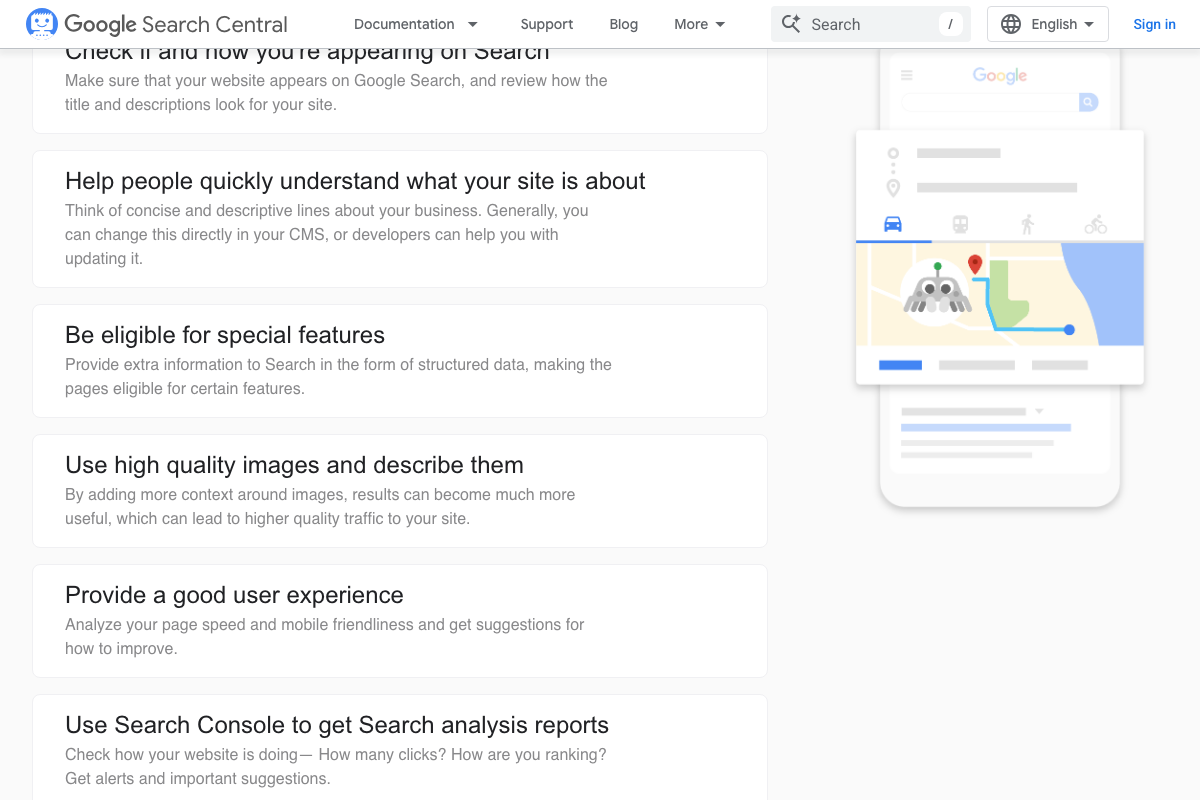
The video’s approach here matches the current docs exactly. Google’s own documentation frames structured data precisely this way — “making the pages eligible for certain features” — which validates the SERP scan as your first qualifying filter before any implementation decision.
Step 3: Screenshot the SERP features you observe
No official documentation was found for this step — proceed using the video’s approach and verify independently.
Step 4: Send the screenshot to an LLM for schema identification
No official documentation was found for this step — proceed using the video’s approach and verify independently.
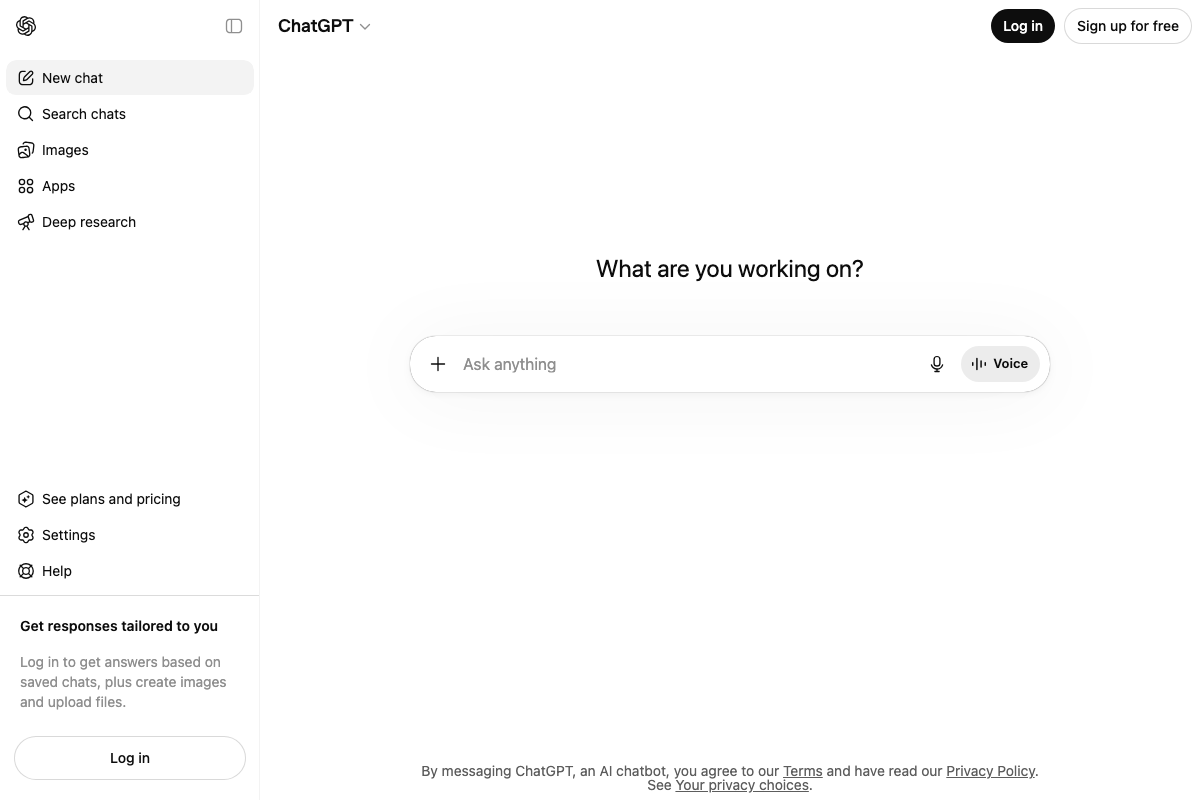
Two practical notes from the screenshots. First, ChatGPT requires an authenticated session for image upload — the anonymous interface does not support it. Log in before attempting the screenshot workflow.
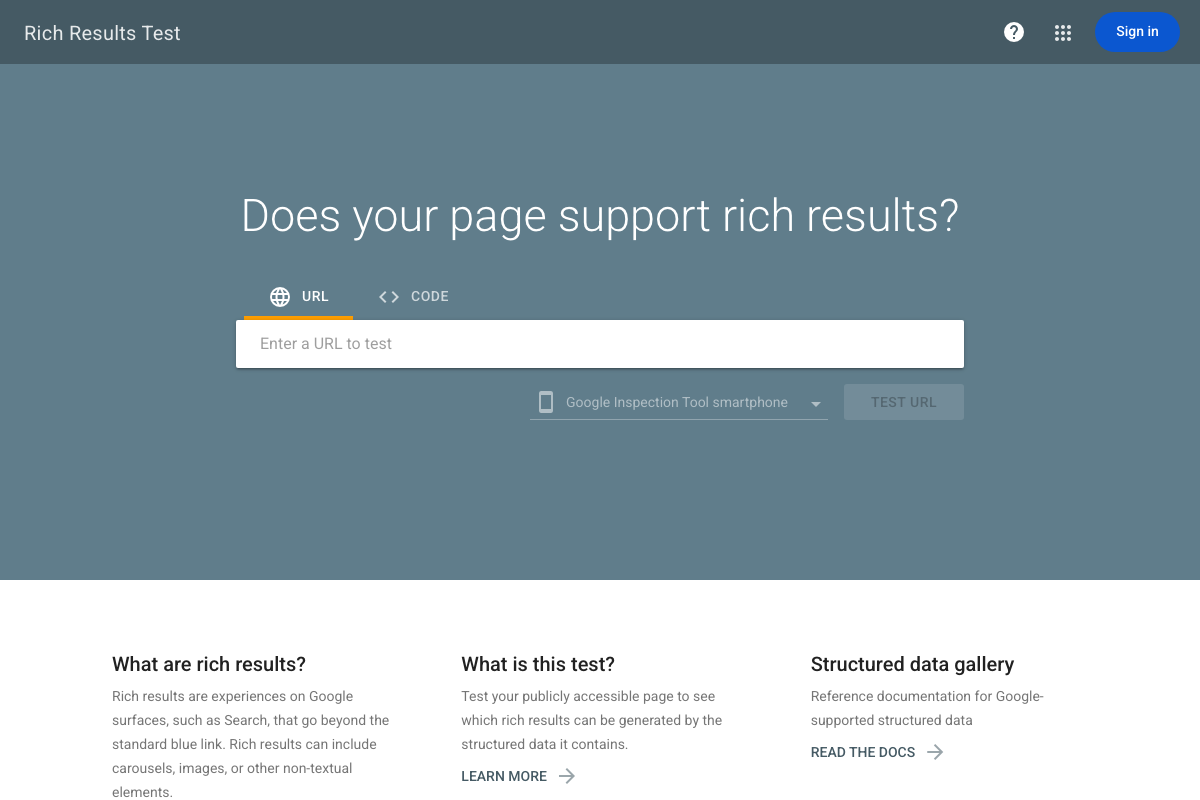
Second, Google’s Rich Results Test at search.google.com/test/rich-results does this identification natively and more precisely: paste a URL or raw markup, and the tool returns exactly which rich results that page qualifies for. Note that the documentation URL for this tool (developers.google.com/search/docs/appearance/rich-results-test) returns a 404 as of May 2026 — go to the tool URL directly.
Step 5: Only implement schema where competitors are actively earning features
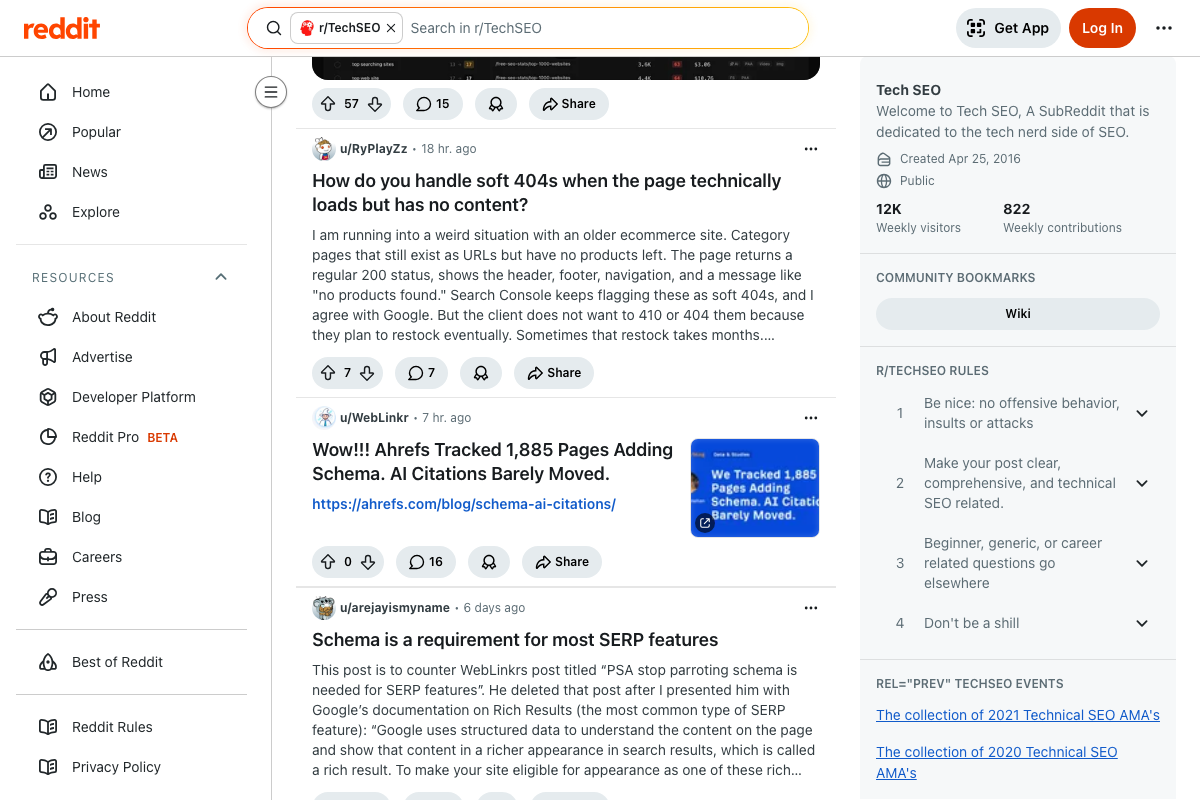
The video’s approach here matches the current docs exactly. One distinction worth adding: an Ahrefs study surfaced in r/TechSEO found that adding schema to 1,885 pages produced almost no movement in AI citations. Schema drives traditional rich result eligibility and AI citation behavior through different mechanisms. If your goal is SERP features, competitor rich results are your benchmark. If your goal is AI citation surfaces, schema alone is not the primary lever — and treating both surfaces as equivalent will distort your prioritization.
Step 6: Answer three questions about your searcher before drafting
No official documentation was found for this step — proceed using the video’s approach and verify independently.
Step 7: Use your own answers — not AI-generated ones — to validate keyword–product fit
No official documentation was found for this step — proceed using the video’s approach and verify independently.
Useful Links
- Google Search Central — Official hub for structured data documentation, deprecation announcements, and SEO guidance from Google.
- Rich Results Test — Google’s tool for testing rich result eligibility by URL or markup input; the docs URL currently returns a 404, use the tool URL directly.
- Search Engine Roundtable — Industry publication tracking Google algorithm and structured data changes in near-real-time, including the May 7, 2026 FAQ deprecation.
- r/TechSEO — Technical SEO practitioner community where schema debates, deprecation news, and studies like the Ahrefs AI citation research surface quickly.
- ChatGPT — LLM interface used in the video’s step 4 identification workflow; image upload requires an authenticated session.


0 Comments