

5 Doctor Marketing Strategies to Dominate Local Search in 2026
Healthcare practices that consistently attract new patients from search don’t rely on luck — they follow a repeatable, stacked system. Work through this tutorial and you’ll have a clear blueprint covering website architecture, Google Business Profile dominance, paid search, content, and automated reputation management. Every example comes from OrthoSC, a multi-location orthopedic group in the Myrtle Beach area that executes all five pillars at a high level.
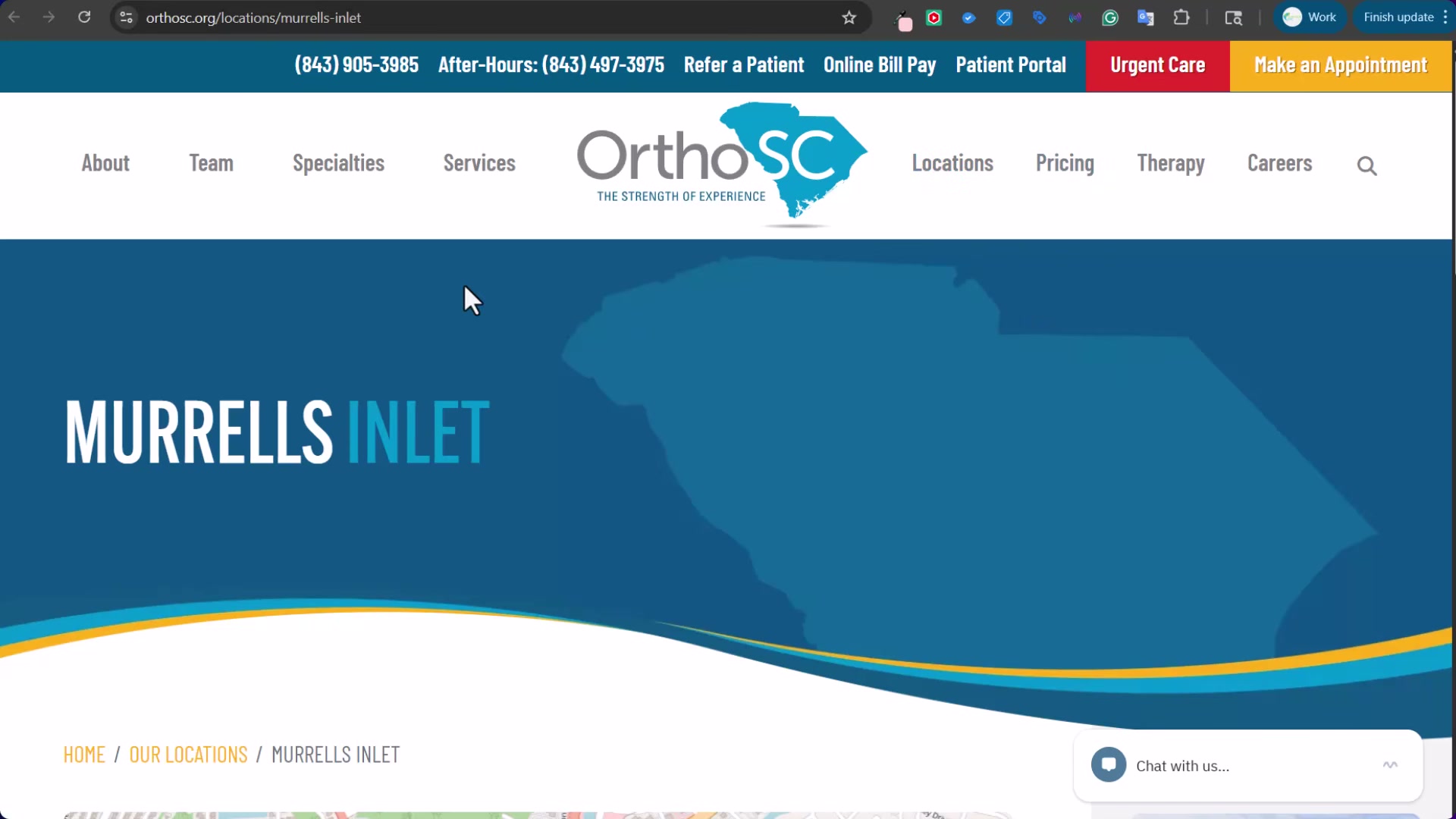
- Build a granular website with a dedicated page for every service, specialty, team member, and location. The goal is removing any ambiguity about what you treat — and giving Google a specific URL to rank for every condition-plus-geography combination a patient might search. Location-condition pages (“ankle pain, Murrells Inlet”) are the high-leverage version of this approach: they capture hyper-local intent that broad service pages miss entirely. Make phone numbers and booking CTAs visible above the fold on every page.
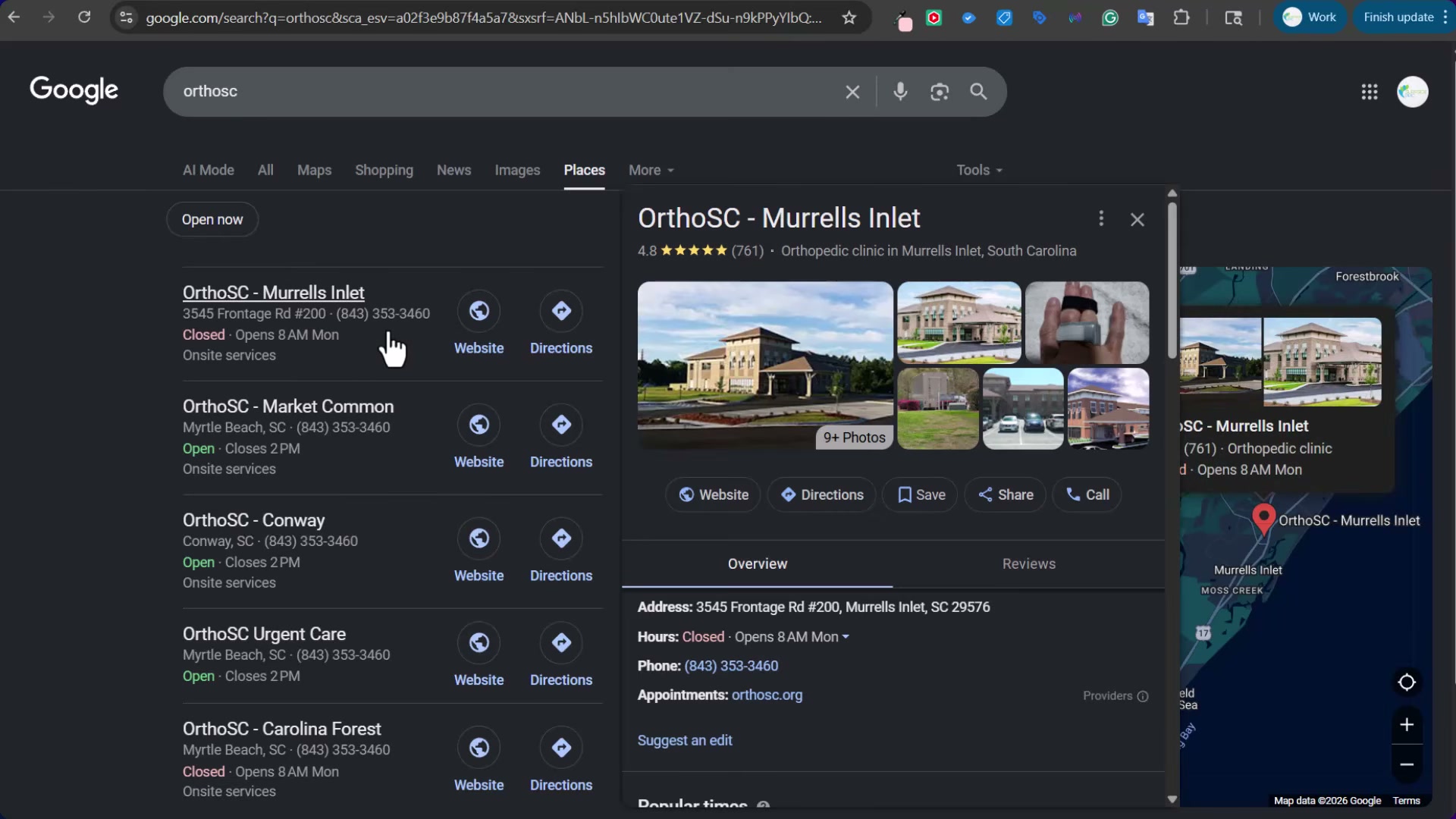
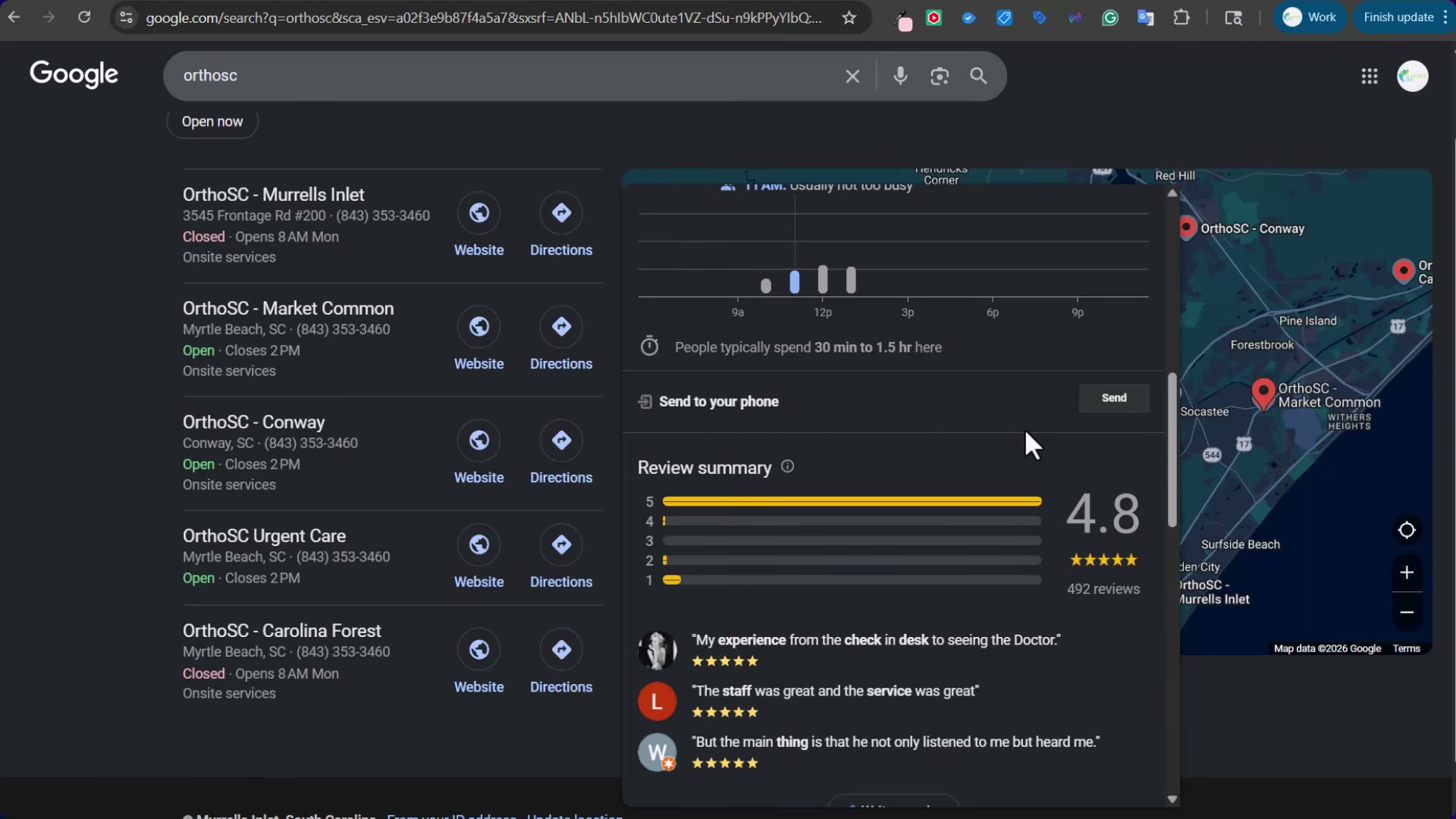
- Create and fully optimize a Google Business Profile for every practice location. Fill out every available field — photos, hours, address, phone number, appointment link, service descriptions. Respond to every review. OrthoSC’s five Horry County profiles each carry roughly 500 reviews at a 4.8-star average. That volume of social proof across a single county is what locks in local pack dominance at scale.
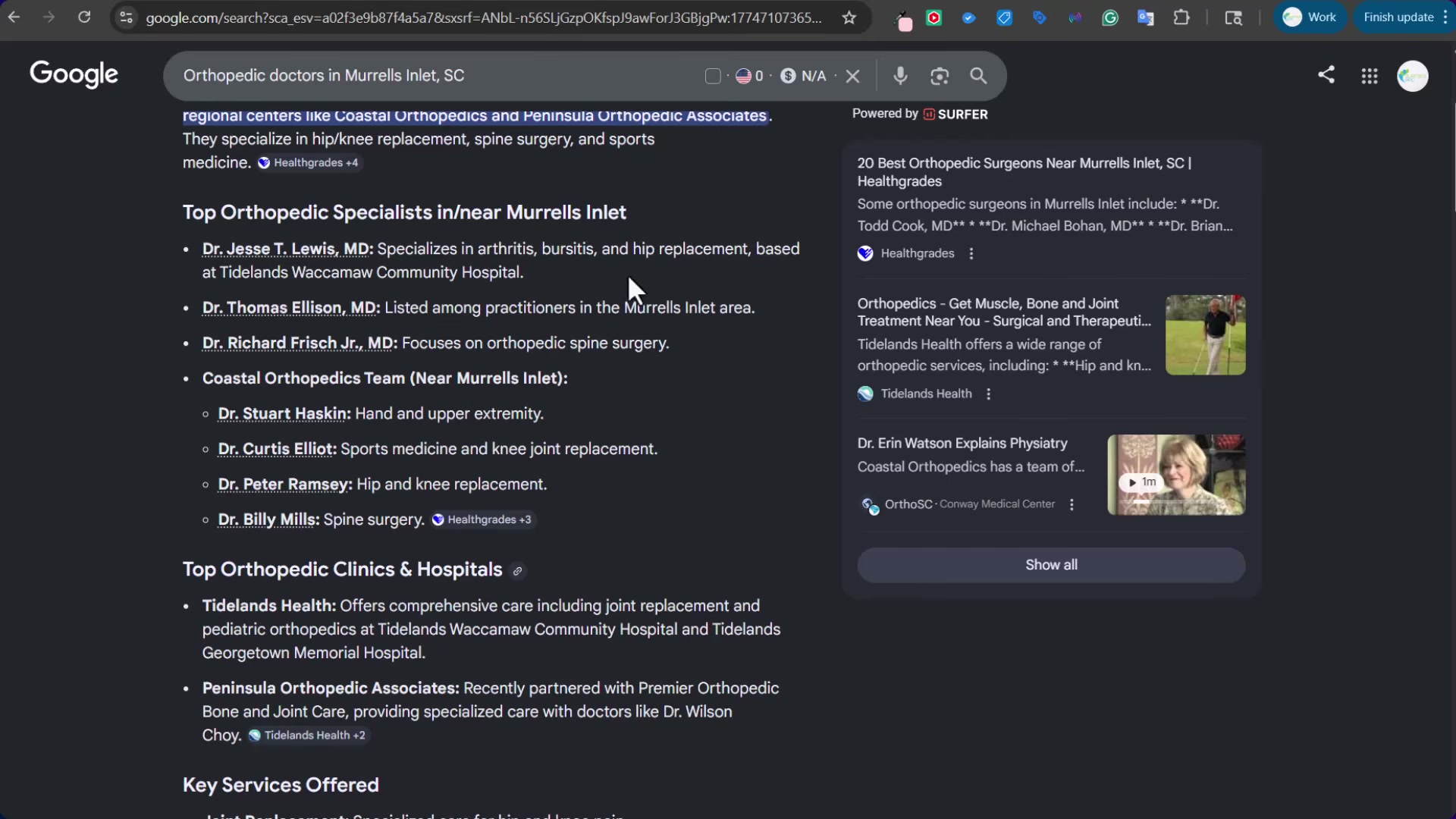
- Have each individual physician create a personal Google Business Profile at the practice address. A doctor-level listing sits alongside the main practice profile in local search, multiplying the footprint and putting a named, rated clinician in front of patients — not just a clinic brand. OrthoSC’s top-ranked surgeon, Dr. Andrew Putnam, surfaces independently in the local pack with his own review score.
Warning: this step may differ from current official documentation — see the verified version below.
- Run Google Ads even if you already rank organically. Paid results now occupy the full top half of most healthcare search pages. OrthoSC ranks first organically for its core terms and still runs ads, because competitors do — and a single sponsored slot above an organic result can be the difference between a new patient and a lost one. Factor in Google’s AI Mode, which now surfaces structured physician listings before any organic results load, and the pressure to own above-the-fold real estate across multiple formats becomes urgent.
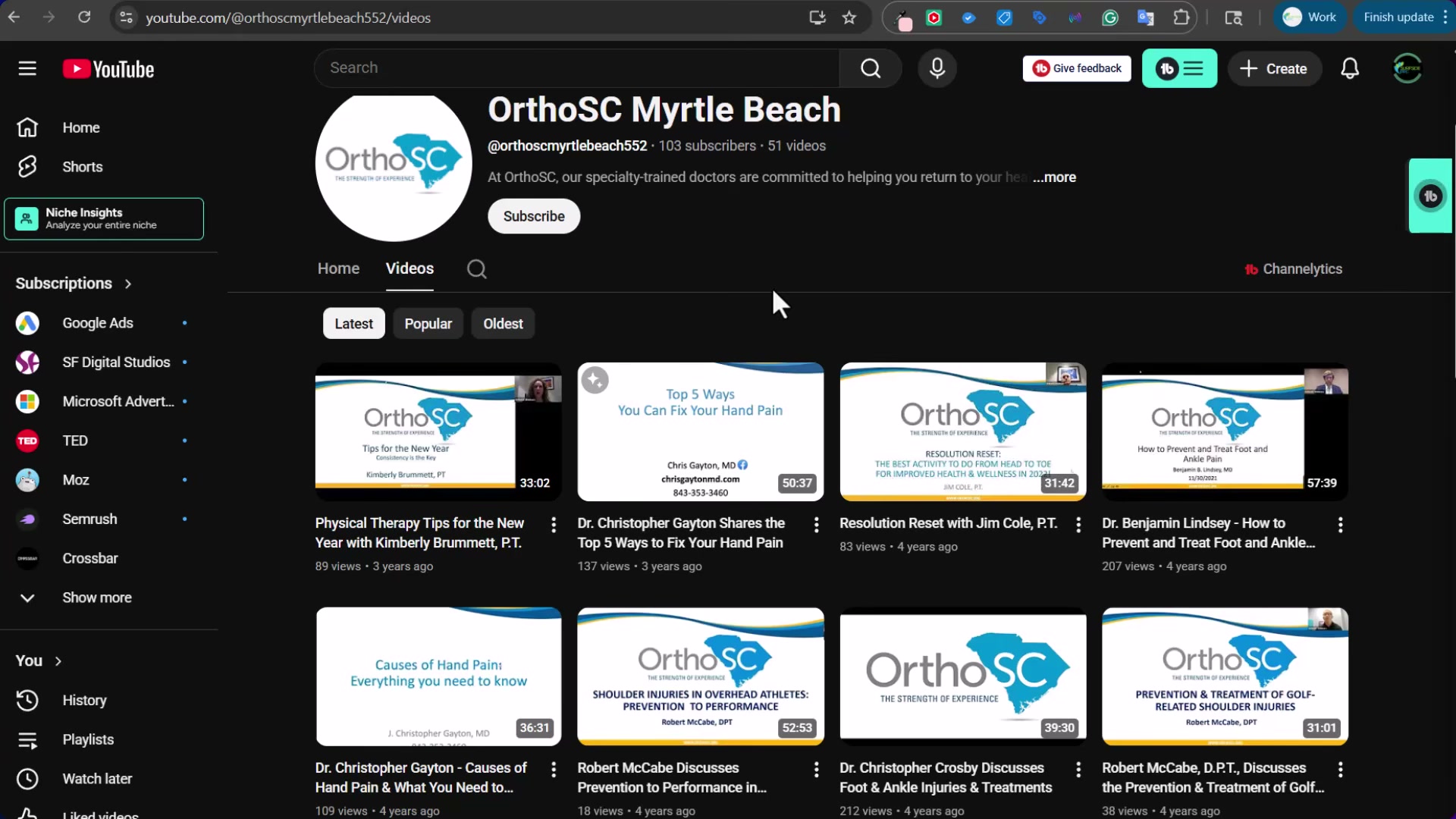
- Publish consistent content on Instagram, Facebook, and YouTube. Localized short-form video is the highest-leverage format: a clip titled “Having knee problems in Myrtle Beach?” addresses both the patient’s condition and geography in the first second. OrthoSC’s YouTube channel models the approach — condition-specific educational videos build authority and feed organic discovery over time.
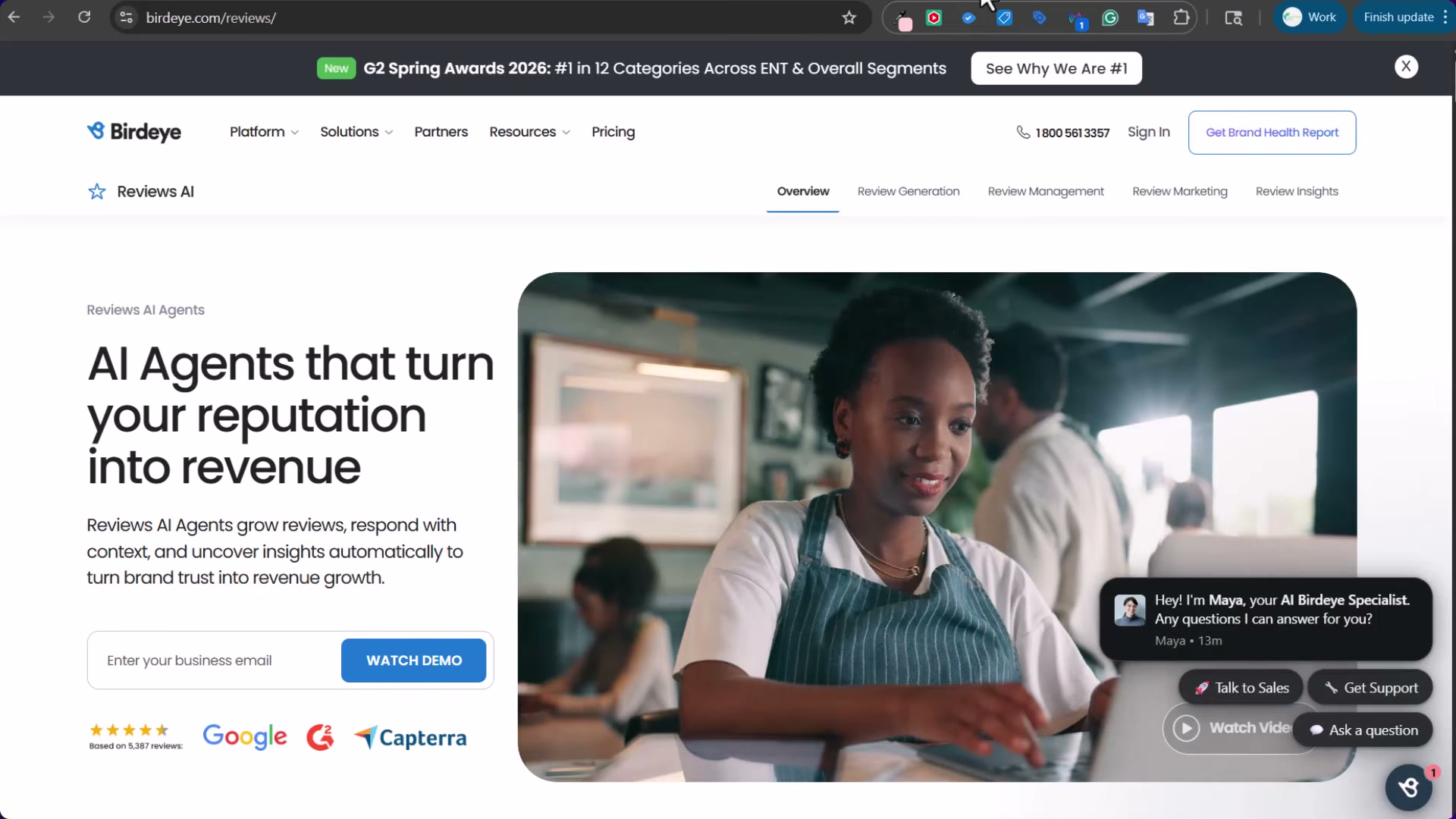
- Automate post-visit review requests through a HIPAA-compliant platform. A tool like Birdeye sends text and email follow-ups after each appointment, converting satisfied patients into reviewers without manual effort. The HIPAA-compliant tier is non-negotiable for most practices — standard review automation tools are not built for healthcare’s regulatory environment.
How does this compare to the official docs?
What Google’s own guidelines say about practitioner profiles, healthcare ad policies, and review solicitation — and what Birdeye’s documentation specifies about HIPAA compliance tiers — rounds out the picture in ways the video doesn’t have time to address.
Here’s What the Official Docs Show
The tutorial’s five-step playbook holds up on the core tactics — the documentation confirms the strategic logic throughout. What the screenshots add are platform-level details, a missing healthcare review channel, and one campaign-type distinction that changes how you execute Step 4.
Step 1 — Granular website architecture
No official documentation was found for this step — proceed using the video’s approach and verify independently.
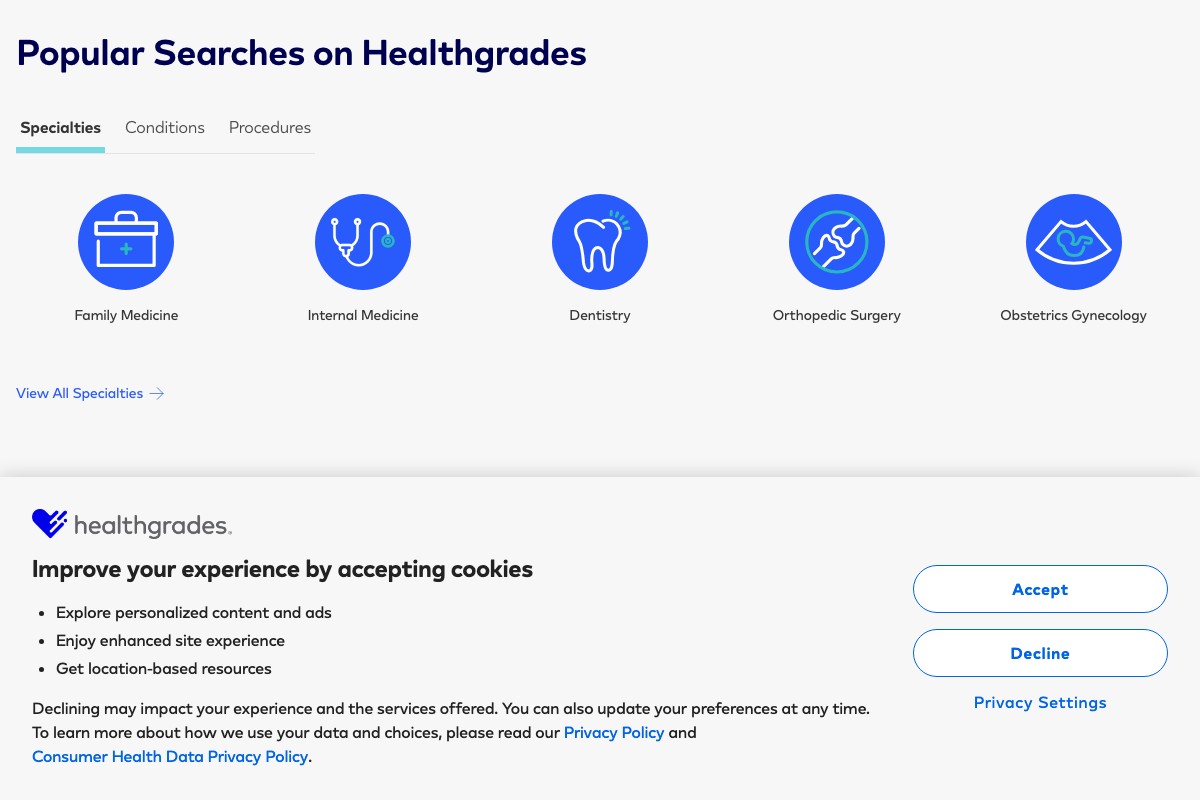
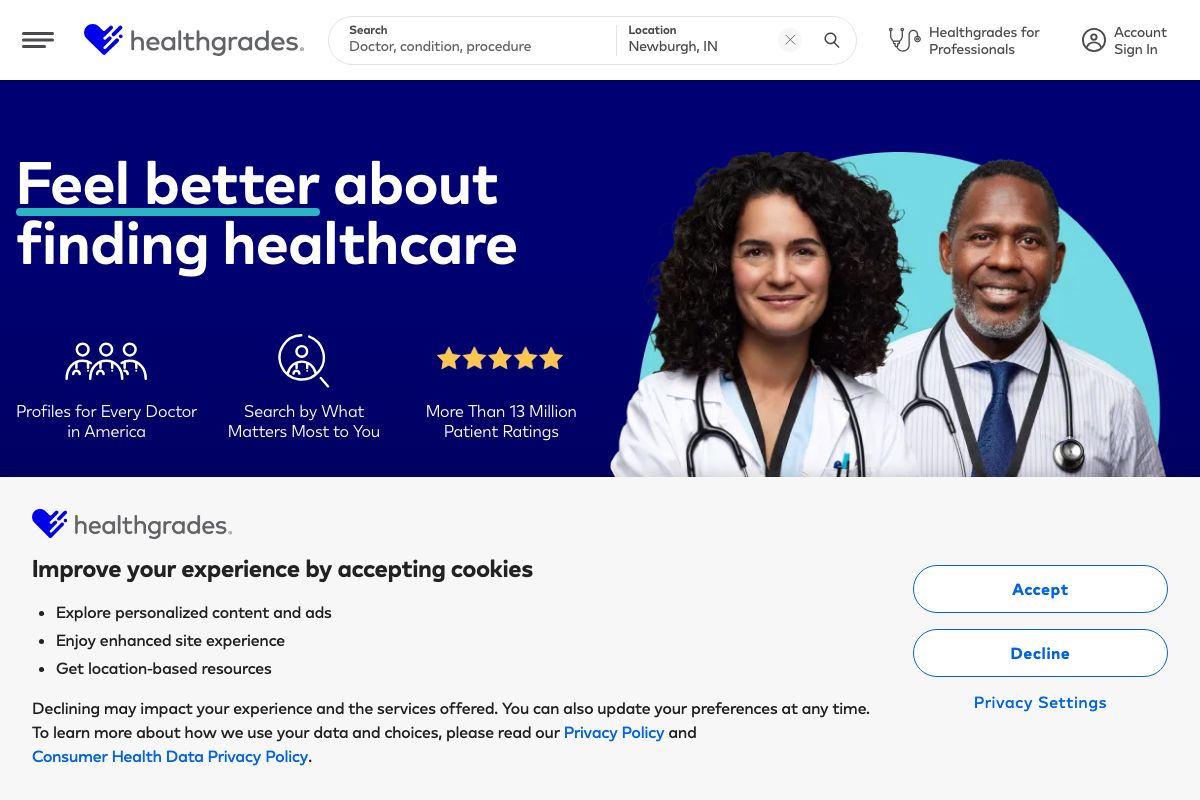
One structural validation worth noting: Healthgrades organizes patient searches by Specialties, Conditions, and Procedures — the same three axes the tutorial recommends building dedicated pages around.
Step 2 — Google Business Profile optimization
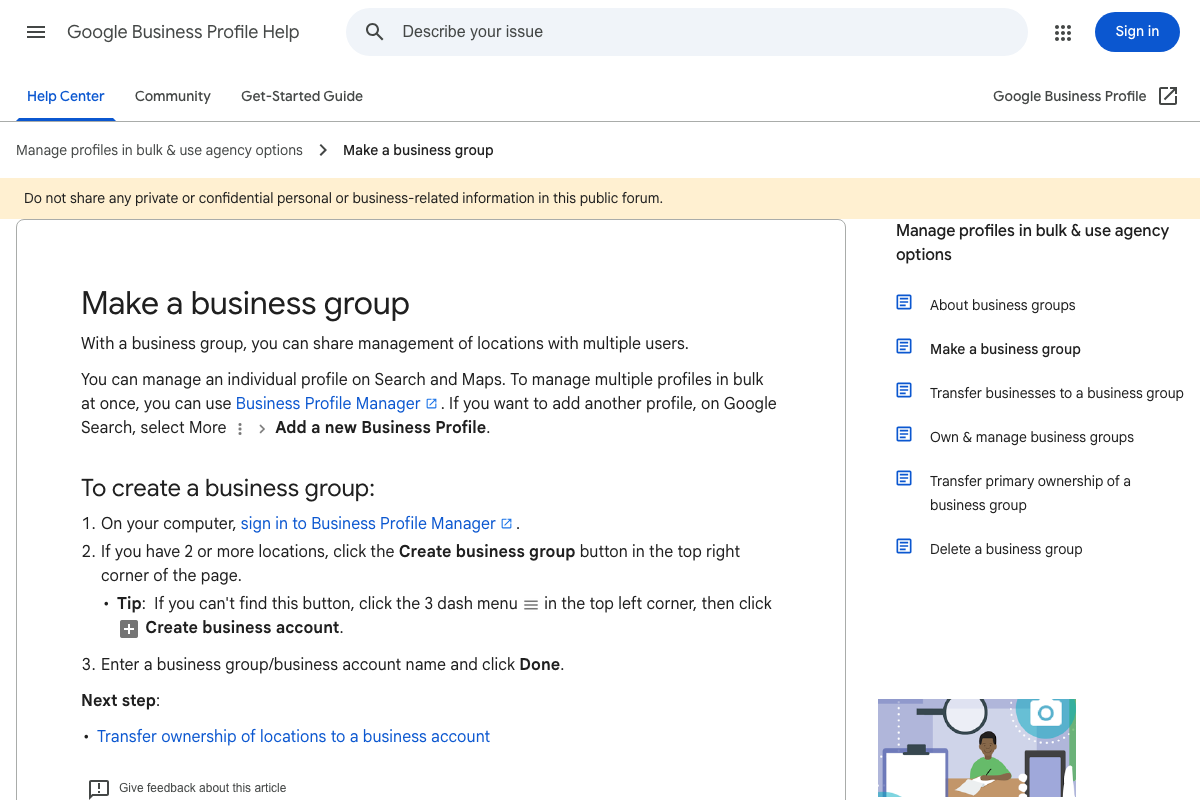
The video’s approach here matches the current docs exactly. Google’s official GBP Help confirms multi-location management runs through Business Profile Manager via a “Business Group.” The documented three-step path: sign in → click “Create business group” → name and click Done. One process note from the docs: the button only appears for accounts with two or more locations — single-location practices use the 3-dash menu > “Create business account” instead.
Step 3 — Individual physician Google Business Profiles
No official documentation was found for this step — proceed using the video’s approach and verify independently.
Step 4 — Google Ads
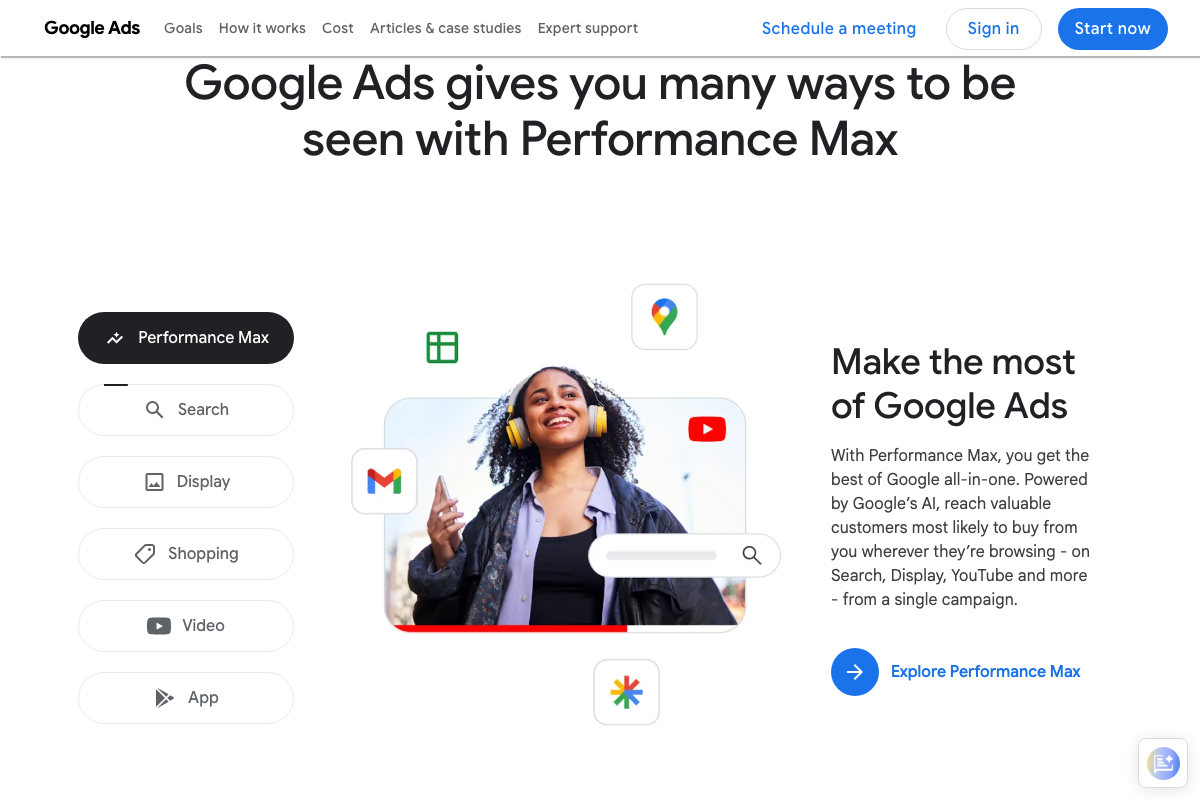
The video’s approach here matches the current docs exactly on the recommendation to run paid search. One meaningful addition: as of March 2026, Google’s homepage leads with Performance Max as its primary campaign recommendation — not a standalone Search campaign. The documented positioning: “Whatever your business goal, drive better results with Performance Max.” Performance Max runs a single campaign across Search, Display, YouTube, and more, with Google’s AI allocating budget across channels. Search remains available as a sub-type, but Google’s default recommendation has shifted. New advertisers also have access to an AI-assisted onboarding chat as the documented first-step setup path.
Step 5 — Social content on Instagram, Facebook, and YouTube
No official documentation was found for this step — proceed using the video’s approach and verify independently.
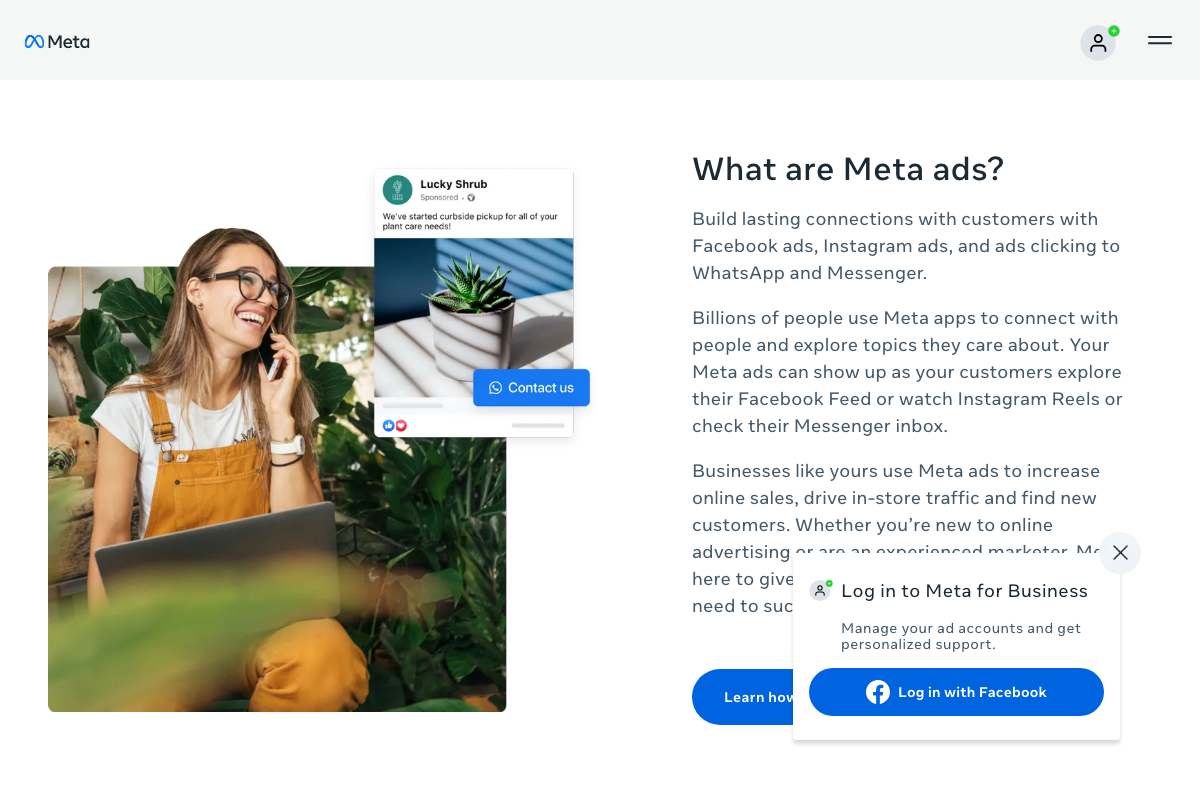
What the Meta Ads documentation does confirm: Instagram Reels is a documented paid placement, and Meta Lead Ads — built specifically for generating qualified leads — represent a paid complement to the organic content strategy the video describes. For healthcare practices, the “Generate qualified leads” objective maps directly to patient acquisition.
Step 6 — Automated review generation
The video’s approach here matches the current docs exactly on the core function: Birdeye’s Reviews AI automates review requests, responses, and marketing. Three additions the docs surface:
Birdeye’s platform scope has expanded. The current homepage documents a five-product AI agent suite — Reviews AI, Social AI, Search AI, Marketing Automation AI, and Insights AI. The tutorial’s description is accurate for the Reviews AI product specifically; the text and email follow-up workflow maps to Marketing Automation AI.
The HIPAA compliance claim is unverified. No HIPAA language appears on any captured Birdeye page as of March 28, 2026 — confirm this directly with Birdeye before using it as a decision criterion for your practice.
Healthgrades is the missing channel. With profiles for every doctor in America and 13M+ patient ratings, Healthgrades is one of the most visited healthcare-specific review platforms — and it’s absent from the tutorial’s Step 6 strategy entirely. Claiming and optimizing your Healthgrades profile belongs in any healthcare review workflow alongside automated request tools.
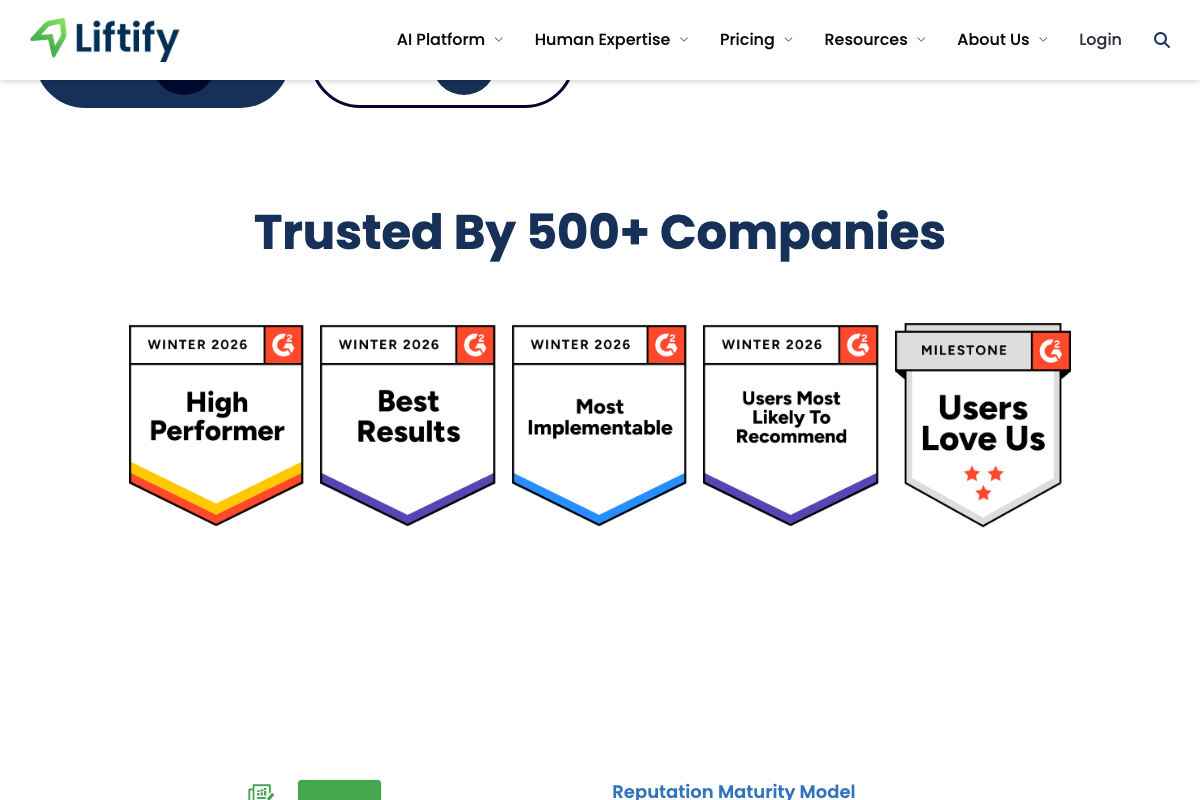
Liftify is a documented alternative to Birdeye with G2 Winter 2026 recognition across five categories (High Performer, Best Results, Most Implementable, Users Most Likely to Recommend, Users Love Us) and a hybrid AI-plus-human-services model — worth evaluating if managed services matter to your practice.

Useful Links
- Make a business group – Google Business Profile Help — Official three-step workflow for creating a Business Group and managing multiple practice locations in bulk via Business Profile Manager.
- Google Ads — Google Ads platform homepage documenting Performance Max as the primary recommended campaign type and an AI-assisted onboarding chat for new advertisers.
- Meta Ads – Reach Customers Online with Ads on Facebook, Instagram, Messenger & WhatsApp | Meta for Business — Meta’s paid advertising hub documenting six campaign objectives, including Lead Ads for patient acquisition, across Facebook, Instagram, Messenger, and WhatsApp.
- #1 Agentic Marketing Platform for Multi-Location Brands | Birdeye — Current Birdeye platform documentation covering its five-product AI agent suite: Reviews, Social, Search, Marketing Automation, and Insights AI.
- Liftify — Birdeye alternative with a hybrid AI-plus-human-services model and G2 Winter 2026 recognition across five peer-review categories.
- Healthgrades | Find a Doctor – Doctor Reviews – Online Doctor Appointments — Healthcare-specific patient review and directory platform with profiles for every doctor in America and 13M+ patient ratings — the key channel absent from the tutorial’s review strategy.


0 Comments