

Local SEO Blueprint for 2026
After working through this tutorial, you’ll be able to audit a Google Business Profile for location and category mismatches, configure multi-surface tracking across the local pack, traditional search, and AI answers, identify the handful of citation sources that drive AI visibility in your niche, and optimize thin citation profiles with content tools and LLMs. Nathan Gotch demonstrates every step live against a real dental practice in Ballwin, Missouri.
- Pull up the target business on Google and audit its Google Business Profile for city and category mismatches. Legacy Dental Care’s physical address sits in Ballwin, but the preferred location points to Chesterfield — a divergence that can suppress local pack rankings by five to ten positions on its own, even when the business holds more reviews than its top competitors.
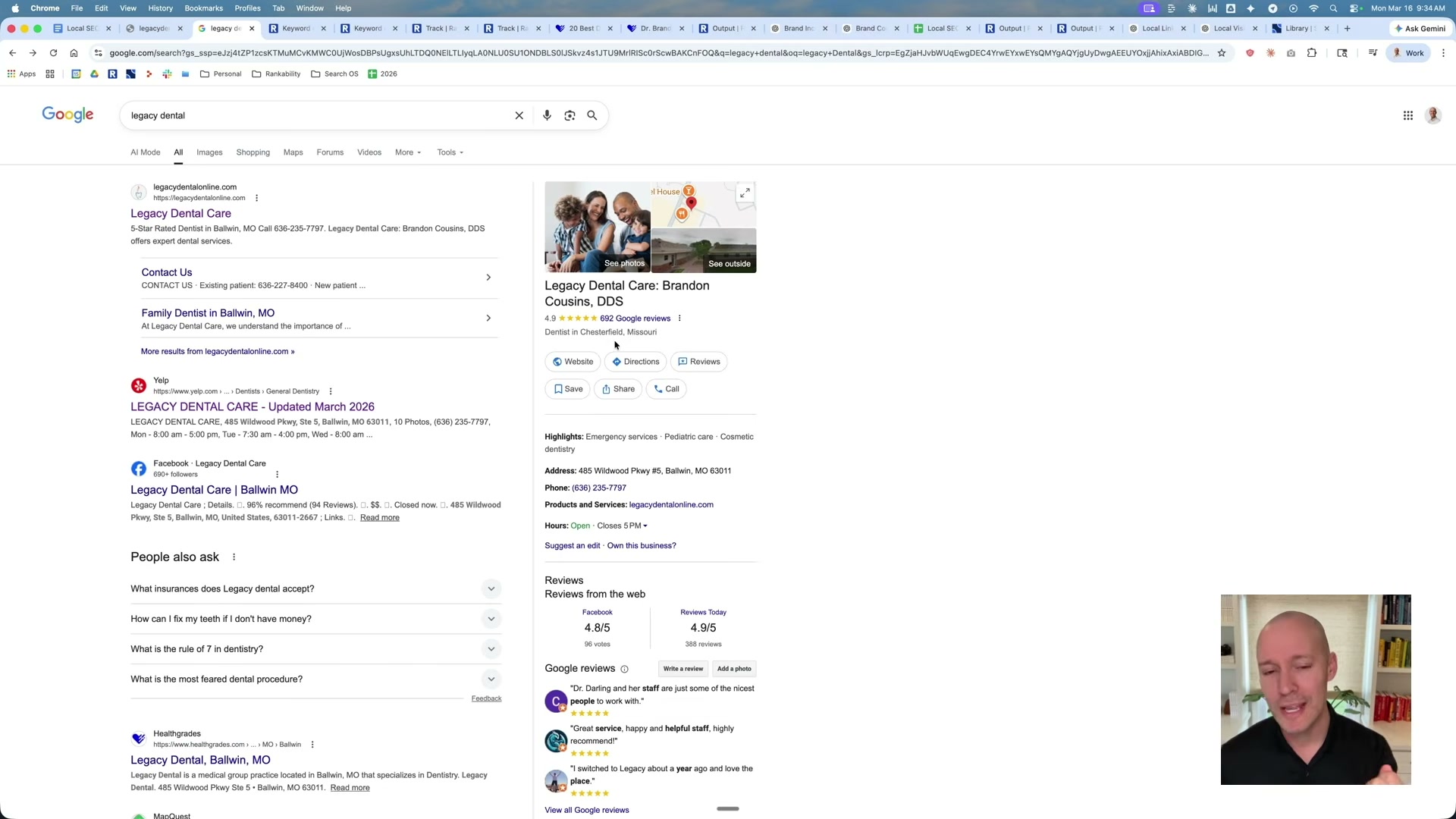
2. Before changing anything, record a pre-campaign baseline in your tracking platform. Capture local pack rankings, grid analysis metrics, and competitor positions. Legacy Dental sits at #20 for “dentist Ballwin, MO” despite outpacing most top-ranked competitors on review count — a clear signal the location mismatch is the primary bottleneck, not authority.
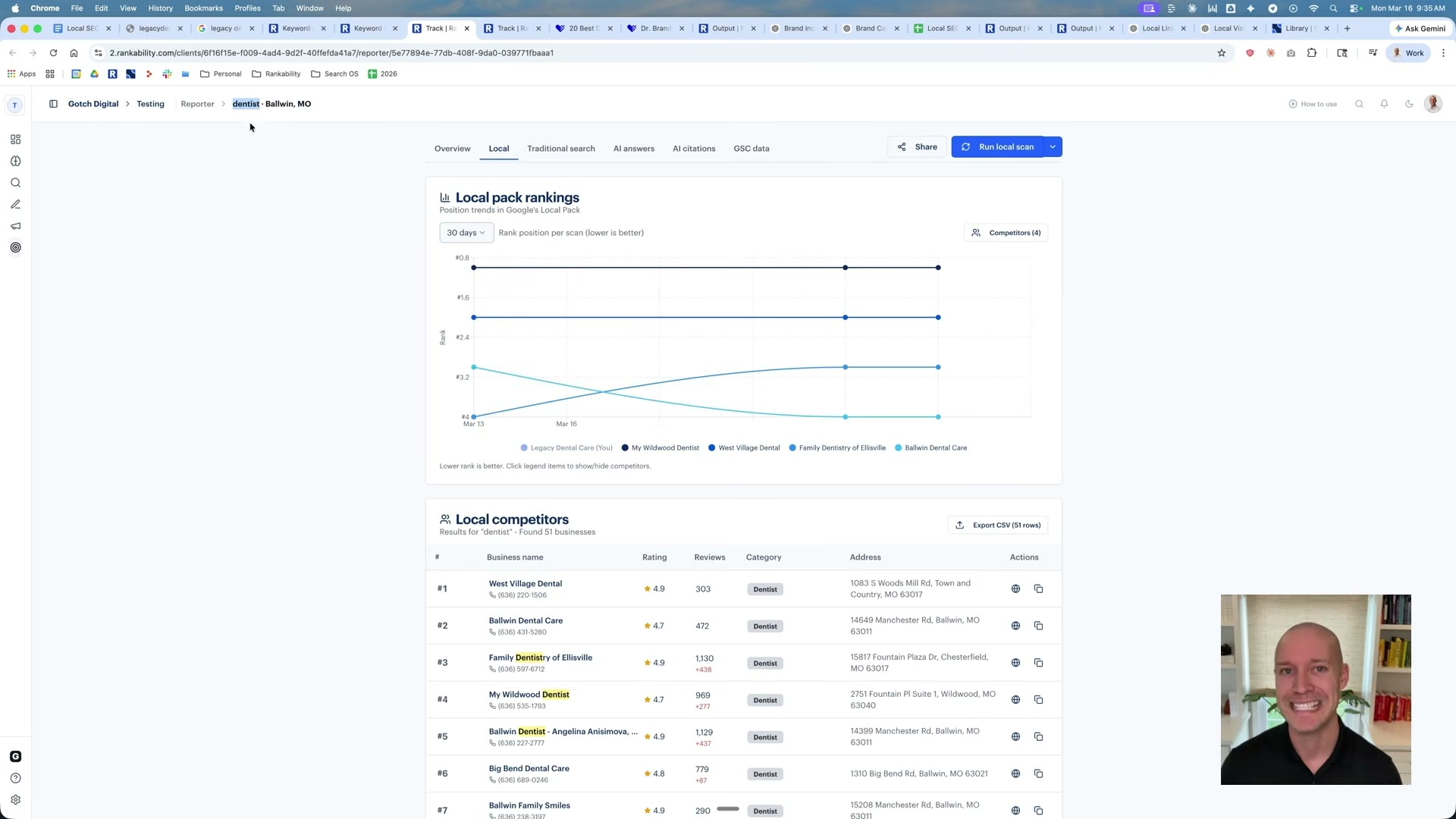
3. Expand tracking beyond the local pack to cover traditional search, AI answers, and AI citations. The benchmark puts Legacy Dental at 71/100 on AI Search Performance — visible inside Gemini, Perplexity, Claude, and Grok — but completely absent from ChatGPT, which carries the highest traffic weight of any AI platform in this category.

4. Install Google Search Console, Google Analytics 4, and call tracking to complete the measurement stack. Attribution requires all three — without them, you cannot tie any ranking lift to a specific action taken during the campaign.
5. Switch to the AI Citations tab in your tracking tool and filter for Opportunities. For Legacy Dental, six gaps surface: Healthgrades, Delta Dental, Yelp, ADA.org, and two competitor domains. Discard the competitor domains and concentrate entirely on the directory sources — for most local niches, four to seven citation platforms account for the majority of AI retrieval weight.

6. Prioritize citation profiles by AI citation frequency, not directory volume. The multi-site spray-and-pray approach that defined citation building for a decade is obsolete — the only citations worth your time are the ones your tracking data confirms AI platforms are actively citing.
7. Drive reviews to your priority secondary citation surfaces. Legacy Dental holds 692 Google reviews but only three on Healthgrades. Route approximately 10% of review acquisition effort to Healthgrades, Yelp, ADA.org, and Delta Dental to build the signals AI platforms pull when assembling answers in your niche.
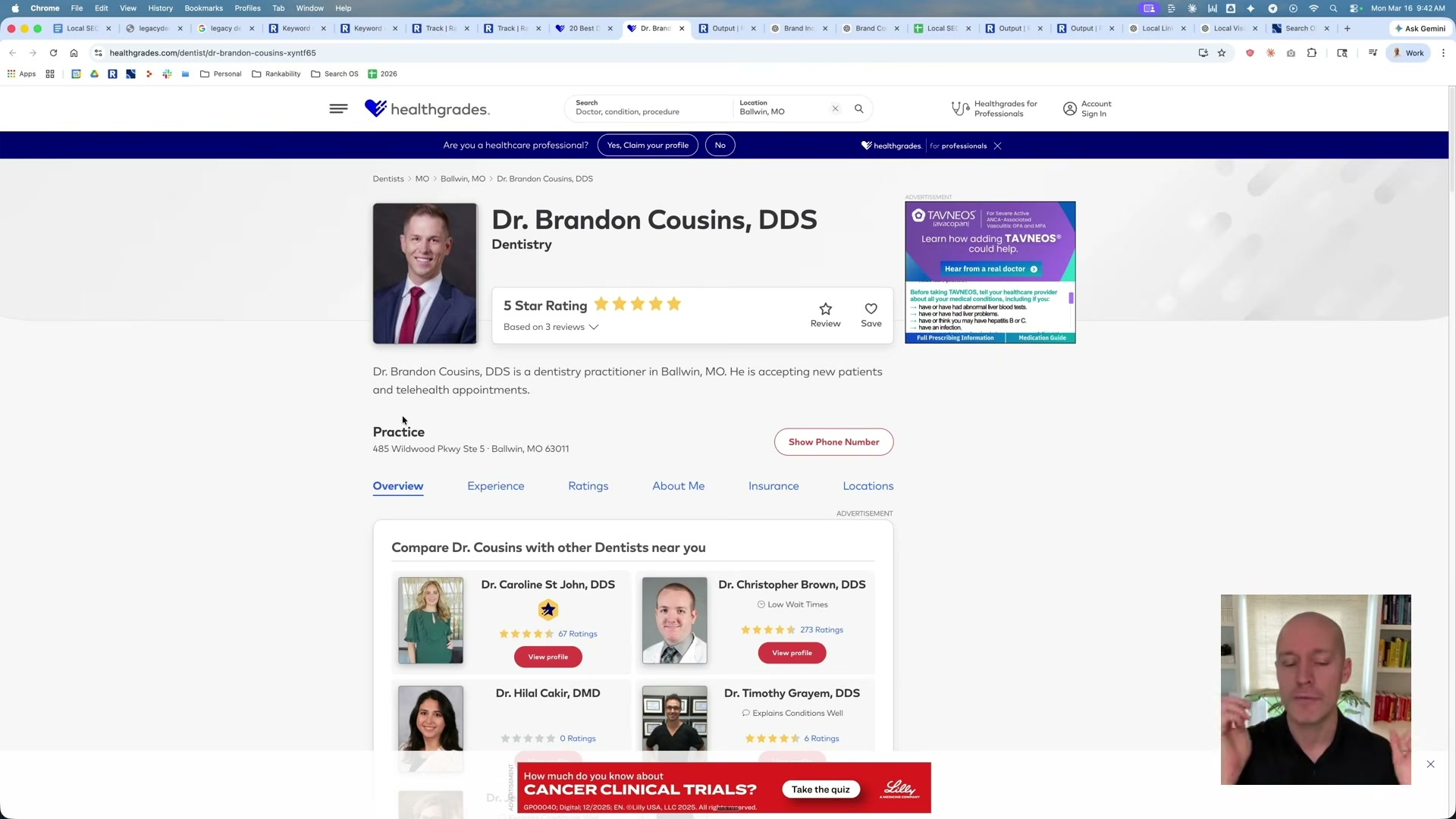
8. Run each thin citation profile through a content optimization tool targeting roughly 500 words. Gotch feeds Legacy Dental’s Healthgrades page into Rankability’s Copywriter — it opens at zero of five target keywords covered and closes with 24 of 63 integrated after a single AI-generated draft. If the directory enforces a character limit, paste the full draft into ChatGPT and ask it to compress to the platform ceiling.
Warning: this step may differ from current official documentation — see the verified version below.

9. Run a brand consistency audit using a ChatGPT prompt — Gotch uses GPT-5.4 Thinking mode — to surface NAP inconsistencies across the web. Fix every outdated listing the audit returns; stale phone numbers and former addresses are retrieval liabilities across both traditional search and AI-powered platforms.
10. Run Screaming Frog integrated with GSC and GA4 to surface technical issues. Strip zip codes and secondary keyword variations from title tags, and replace every boilerplate meta description with unique, CTR-focused copy generated by an LLM.
11. Return to the Google Business Profile and update the preferred location from Chesterfield to Ballwin. This ten-second change is the single highest-leverage action in the entire audit — Gotch expects a five to ten-position jump in the local pack to follow within days.
How does this compare to the official docs?
Several of these steps — particularly AI citation prioritization and citation profile SEO — rest on platform behaviors and third-party tooling that Google and directory publishers don’t formally document, which is exactly where the official guidance picks up next.
Here’s What the Official Docs Show
The video delivers a workflow that holds up well across the documented platforms. The notes below add a few pricing details, platform mechanics, and one interface distinction worth knowing before you touch your GBP — none of which change the core strategy.
Step 1 — GBP audit for location and category mismatches
No official documentation was found for this step — proceed using the video’s approach and verify independently.
Step 2 — Record a pre-campaign baseline
No official documentation was found for this step — proceed using the video’s approach and verify independently.
Step 3 — Expand tracking to AI platforms
No official documentation was found for this step — proceed using the video’s approach and verify independently.
Step 4 — Install GSC, GA4, and call tracking
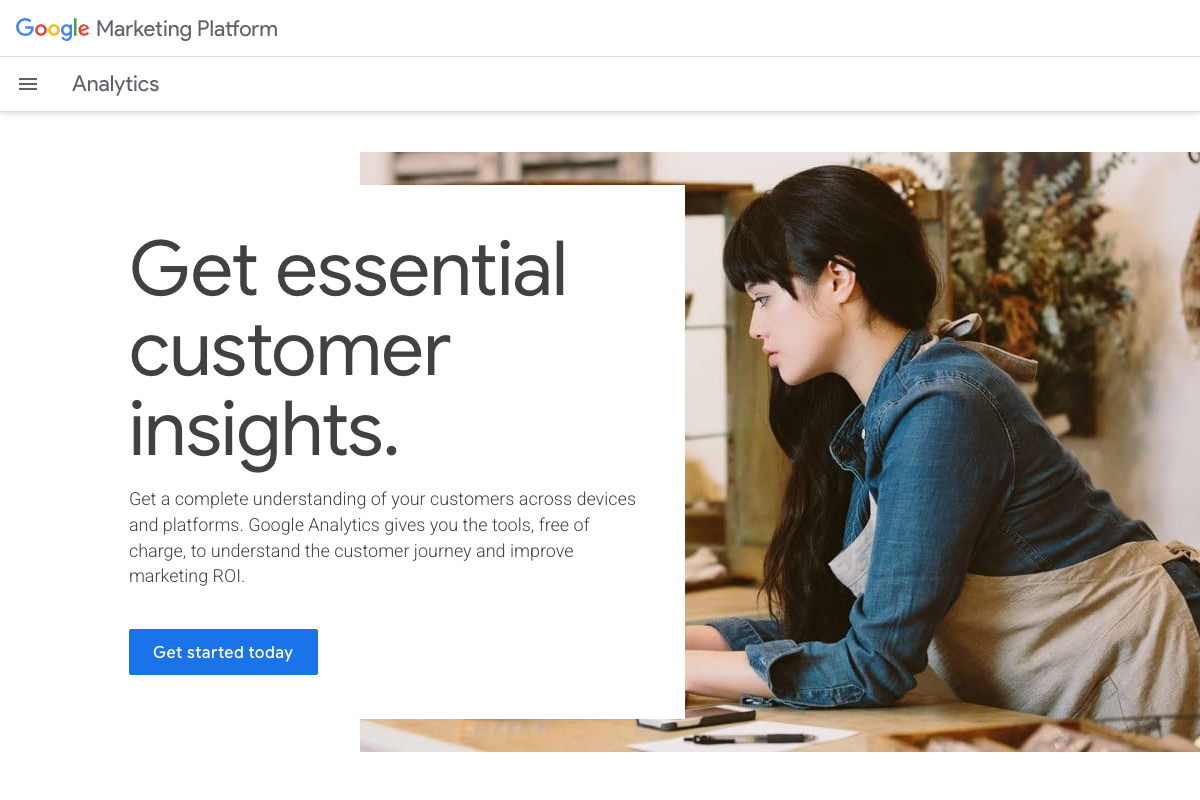
The video’s approach here matches the current docs exactly. Both tools are free. GSC requires property verification before data collection begins — install it first to maximize your baseline window. GA4 is the only current Google Analytics product; Universal Analytics was sunset in July 2023.
Step 5 — Identify AI citation gaps
No official documentation was found for this step — proceed using the video’s approach and verify independently.
Step 6 — Prioritize citations by AI retrieval frequency
No official documentation was found for this step — proceed using the video’s approach and verify independently.
Step 7 — Drive reviews to secondary citation surfaces
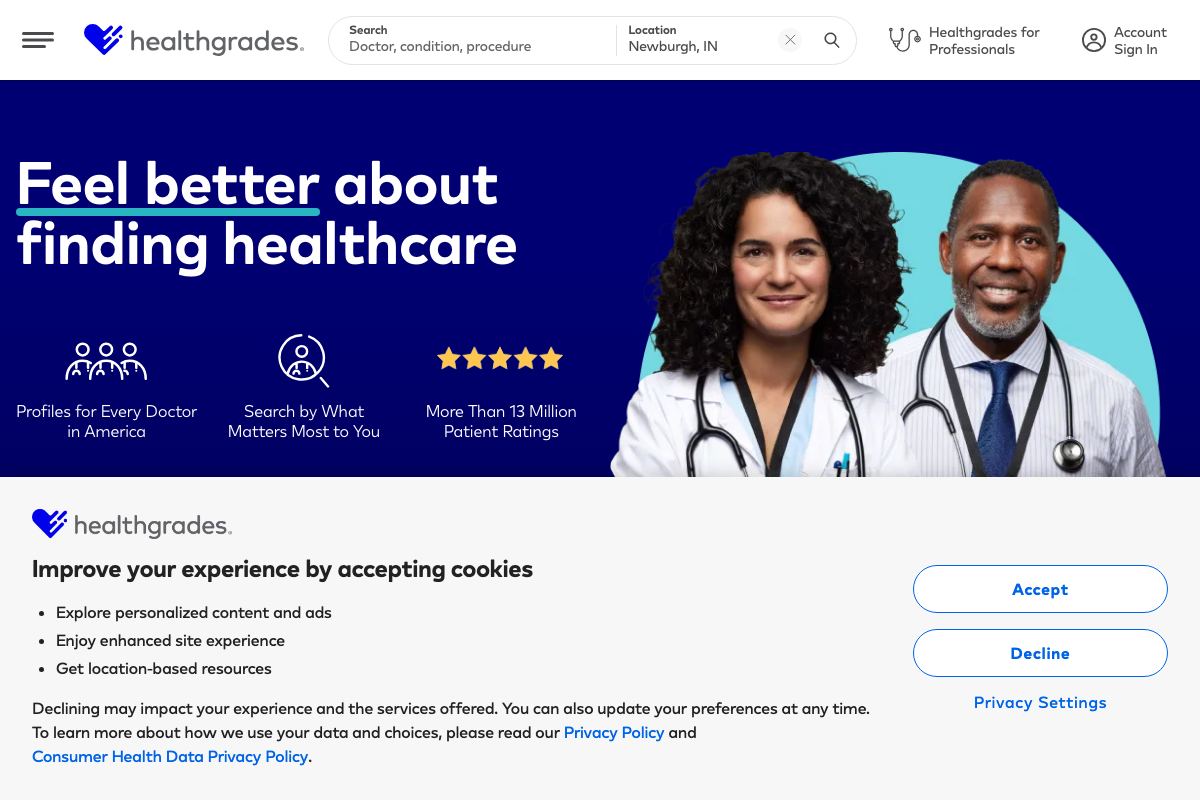
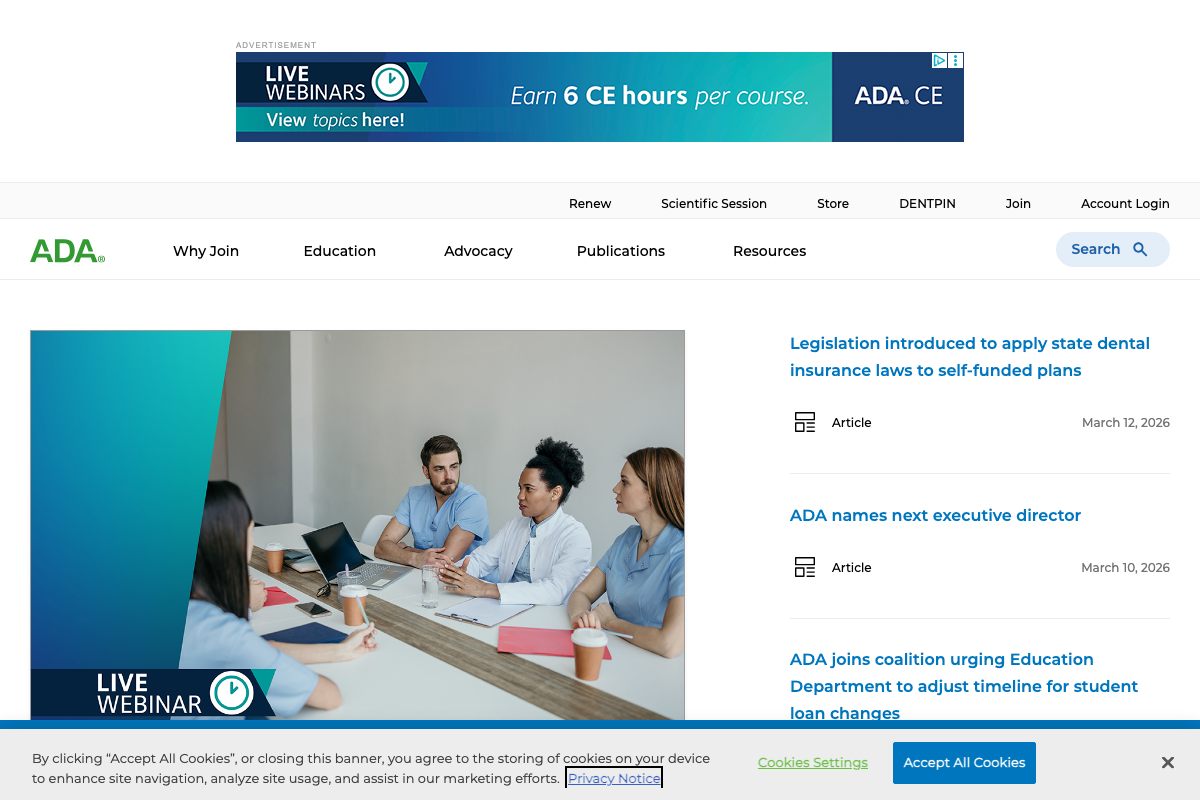
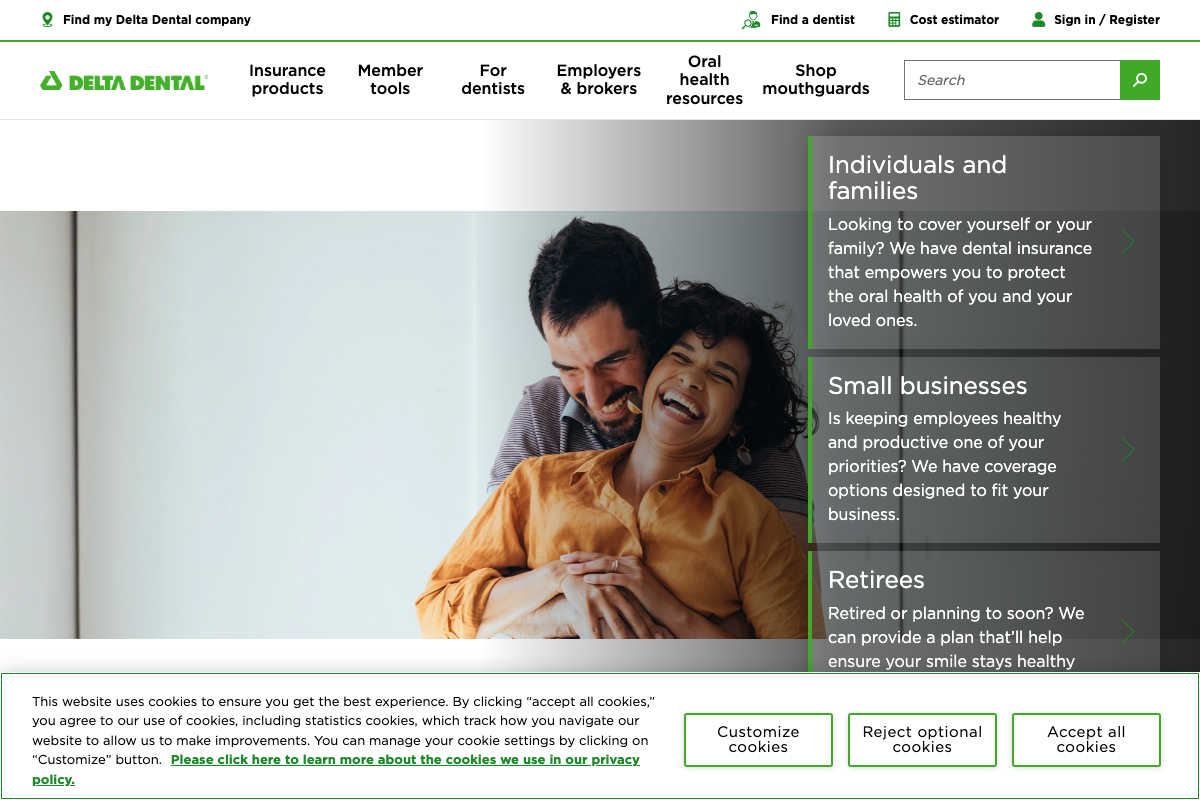
The video’s approach here matches the current docs exactly — with three platform-specific clarifications. Healthgrades auto-generates a provider profile for every licensed US doctor before you make contact; claiming the existing profile is a prerequisite to editing any content on it. ADA.org is a professional membership association (CE, advocacy, credentialing via CAQH ProView) — its citation value derives from domain authority and a Find-a-Dentist tool, not a consumer review system. Delta Dental is a dental insurer with a member-gated provider directory; optimizing your listing there means updating a network profile, not sending a public review request the way Yelp or Healthgrades enables.
Step 8 — Optimize thin citation profiles with content tools
No official documentation was found for this step — proceed using the video’s approach and verify independently.
Step 9 — Brand consistency audit via ChatGPT
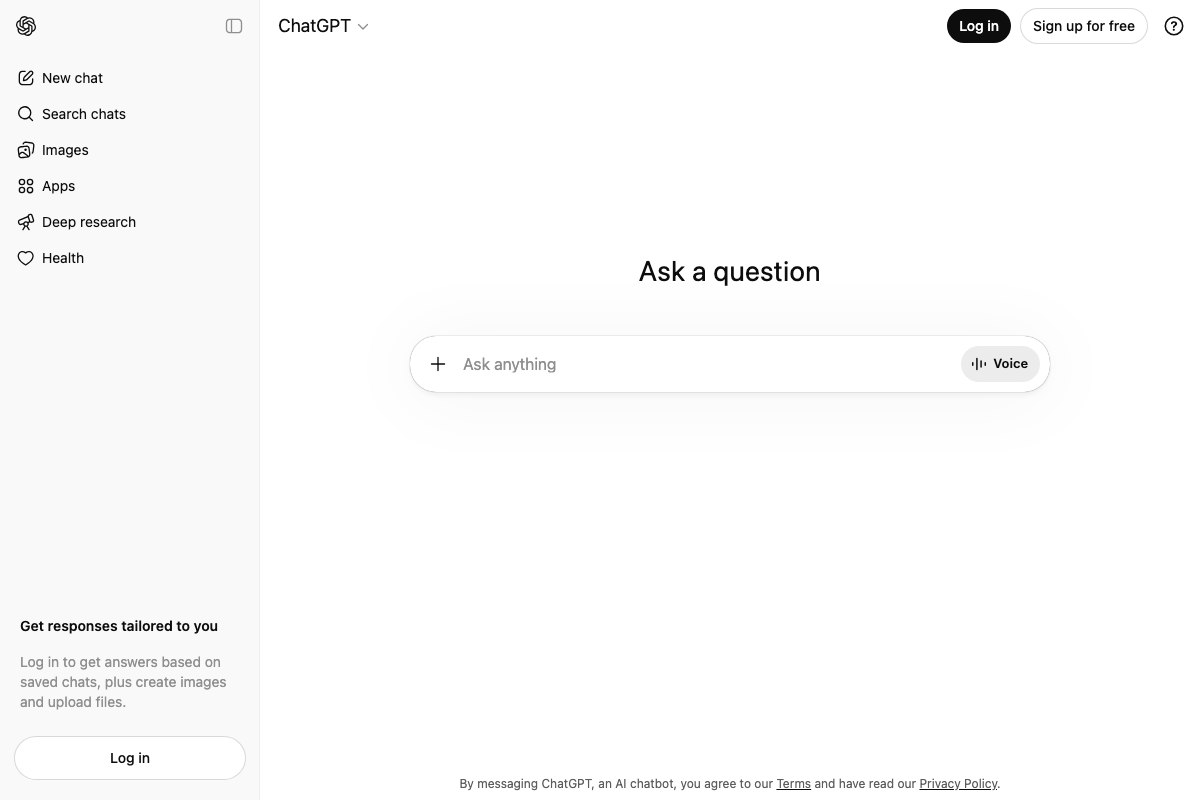
The video’s approach here matches the current docs exactly. One addition: the specific model name “GPT-5.4 Thinking” referenced in the video cannot be confirmed from available screenshots — the model selector only appears inside a logged-in session. Verify available model options in your own account at the time you run this step.
Step 10 — Screaming Frog integrated with GSC and GA4
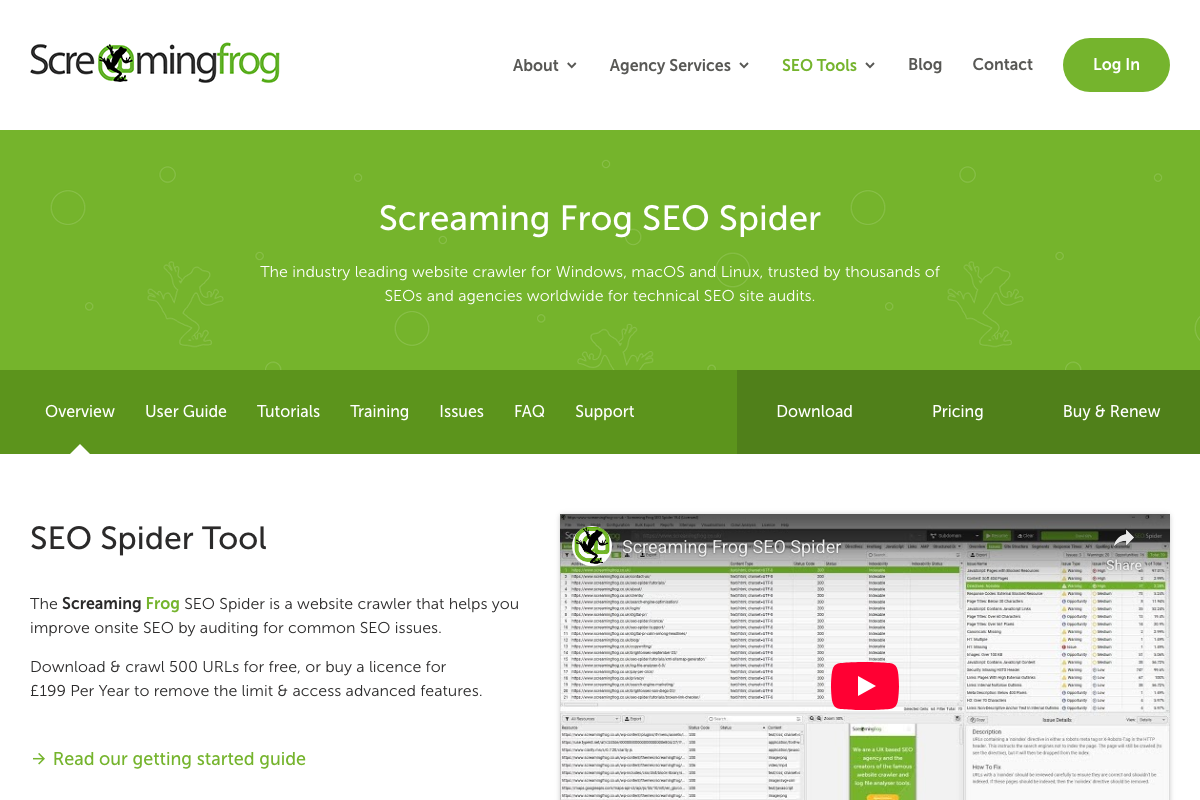
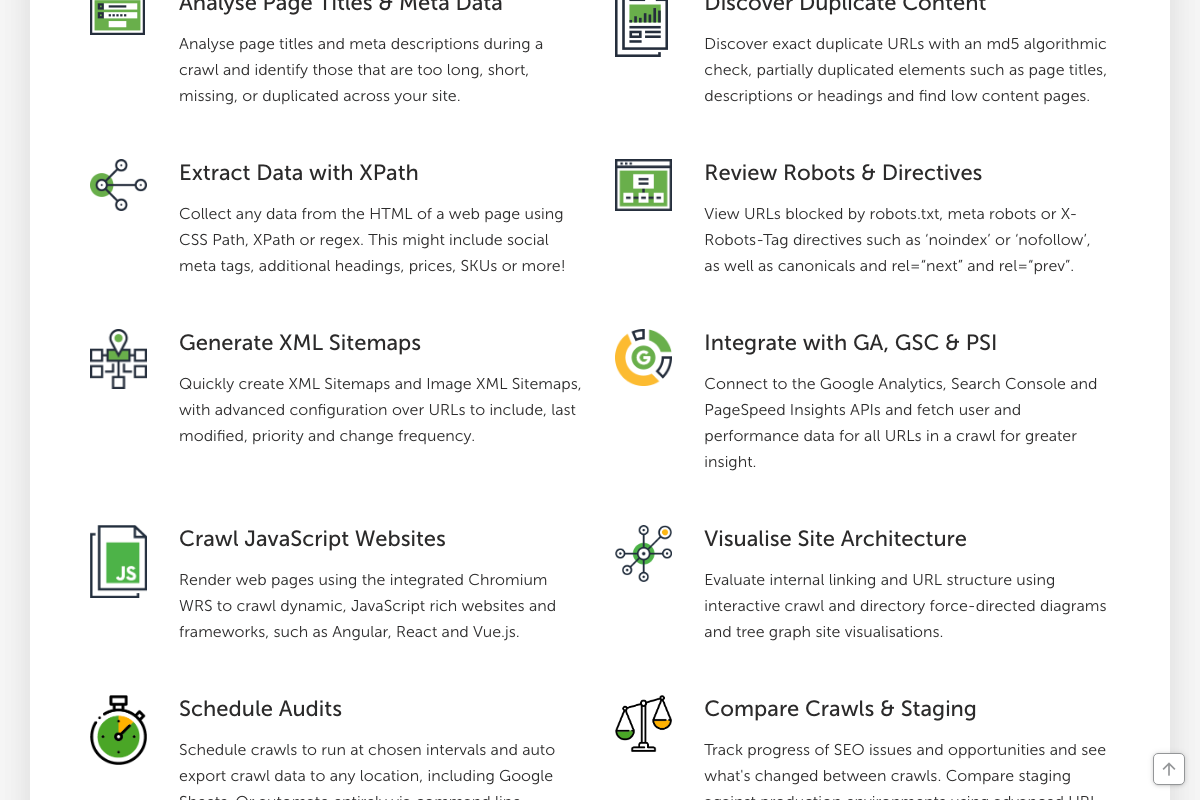
The video’s approach here matches the current docs exactly. Two additions from the official product page: the paid licence is priced at £199/year in GBP — check the current USD equivalent at time of purchase. The free tier caps at 500 URLs, which may be insufficient for larger practice sites. The official integration is labeled “Integrate with GA, GSC & PSI” — PageSpeed Insights is bundled into the same configuration at no additional setup cost, a useful bonus the video didn’t mention.
Step 11 — Update GBP preferred location to Ballwin
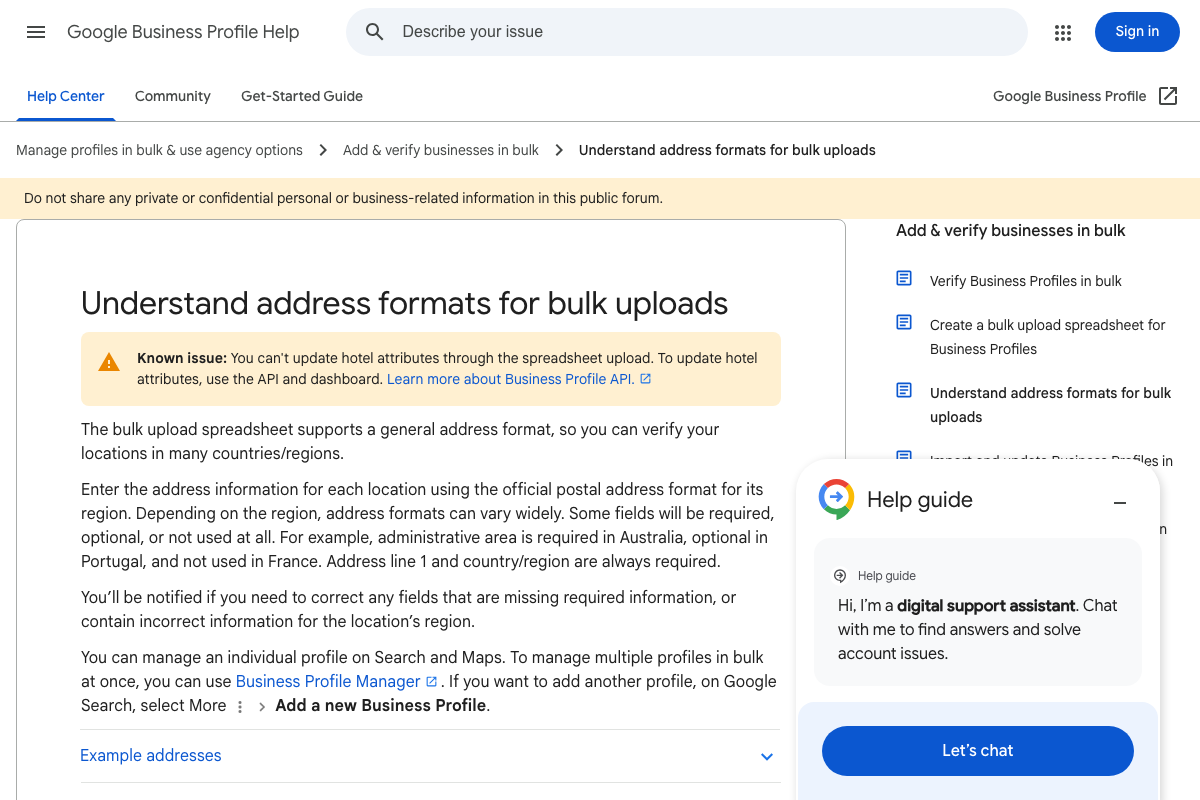
The documentation captured for this step covers GBP’s bulk upload address schema for multi-location management — a distinct workflow from the single-profile dashboard editor the video uses. The correct documentation for editing an individual profile’s preferred location was not captured in this analysis.
No official documentation was found for the single-profile preferred location editor — proceed using the video’s approach and verify independently via the GBP dashboard.
Useful Links
- Google Search Console — Free Google tool for measuring site search traffic, fixing coverage issues, and accessing query-level impression and ranking data.
- Google Analytics 4 — Free cross-device analytics on Google Marketing Platform; the only current Google Analytics product since Universal Analytics sunset in July 2023.
- Screaming Frog SEO Spider — Industry-standard website crawler for Windows, macOS, and Linux with a free 500-URL tier and a paid licence at £199/year.
- Healthgrades — Patient-facing healthcare provider directory with auto-generated profiles for all licensed US doctors and more than 13 million patient ratings.
- Yelp — Consumer review platform listing Dentists as a primary indexed category with active patient review volume.
- American Dental Association — National professional dental membership association; AI citation authority comes from domain strength and Find-a-Dentist, not a consumer review function.
- Delta Dental — Largest dental insurance provider network in the US; dentist listings are member-gated, not a public review directory.
- ChatGPT — AI prompt interface used for brand consistency auditing and citation profile content compression; model selection requires a logged-in session.


0 Comments