

Is SEO Dead in the AI Era? Michał Suski Breaks Down What’s Actually Changed
Surfer SEO co-founder Michał Suski has spent nearly a decade reverse-engineering search results — and his data-driven read on AI disruption is more grounded than the panic cycle suggests. After working through this conversation, you’ll understand how Surfer extended its SERP methodology to AI citations, why self-promotional listicles still hold in the data when deployed with discipline, and what Google actually uses to detect low-quality AI content. The framework applies whether you’re optimizing for blue-link rankings, AI Overviews, or both.
-
Surfer was founded in 2017 by Michał Suski, his brother, and a partner named Suave as a side project built around a single thesis: reverse-engineer SERPs to understand what separates winning pages from losing ones. Nine years later, that thesis still drives the product.
-
Surfer’s core methodology identifies the characteristics shared by pages that rank and helps you replicate those patterns. The same reverse-engineering logic now extends to AI citations — treat cited pages as the winning set, uncited pages as the losing set, and extract the differentiating characteristics.

- When Suski extended this methodology to AI search, the foundation stayed identical. Surfer treats AI citation sources as a SERP equivalent — reverse-engineering which pages get cited by ChatGPT, Perplexity, Gemini, and AI Overviews, then extracting what those pages have in common.
-
Suski pushes back on the idea that search behavior has fundamentally shifted for most businesses. Local and transactional queries still operate on blue-link logic for the majority of users. The panic is concentrated in martech and SaaS, where marketing teams are themselves early AI adopters — a demographic that doesn’t represent most paying customers.
-
Top-of-funnel content remains worth producing even when it doesn’t convert directly. It ranks, builds internal links, and sends positive domain signals that amplify the performance of your money pages. The mechanism hasn’t changed; only the framing has.
-
The link-building metric that matters has shifted from Domain Rating (DR) to citation frequency within your topic area. A page that gets cited frequently in your niche signals authority to both Google’s algorithm and the AI systems making citation decisions.
-
Surfer created a formal, trackable definition of a self-promotional listicle: a page published on your own domain that places your own product first in a best-of list. Guest posts are excluded. Surfer monitors the share of these pages appearing in AI citations across ChatGPT, Perplexity, Gemini, and AI Overviews — and as of Suski’s data, that share is holding steady.
Warning: this step may differ from current official documentation — see the verified version below.
-
The “Mount AI” pattern describes what happens when companies mass-publish self-promotional or AI-generated content in a compressed window: traffic spikes, then an algorithmic drop follows sharply. The pattern appears triggered by volume and velocity, not the underlying tactic.
-
Suski’s theory on how Google detects low-quality AI content centers on behavioral signals, not content fingerprinting. AI-generated text produces no engagement data until humans interact with it. Pages without behavioral signals float on page two and three — invisible to the quality feedback loop. A piece with no fresh angle in structure, style, information density, or brand context stays below the surface of real traffic.
-
Brand searches and entity recognition act as a counterweight vector. When algorithmic signals push content down, strong brand recognition can push it back up — a tension that consistently favors established entities over commodity content operations.

How does this compare to the official docs?
Suski’s internal data and practitioner models are compelling, but the gap between “what’s working in practice” and “what Google’s guidelines actually recommend” is where the real strategic decisions live.
Here’s What the Official Docs Show
The video gives you a sharp practitioner lens on the AI-era SEO conversation — this section layers in what the platform documentation confirms, clarifies, and leaves open. Most of what Michał covers holds up; the gaps are in the citation-behavior screenshots, which tell an incomplete story on their own.
1. Surfer’s founding and original thesis
No official documentation was found for this step — proceed using the video’s approach and verify independently.
2. Core SERP methodology — reverse-engineering winning pages
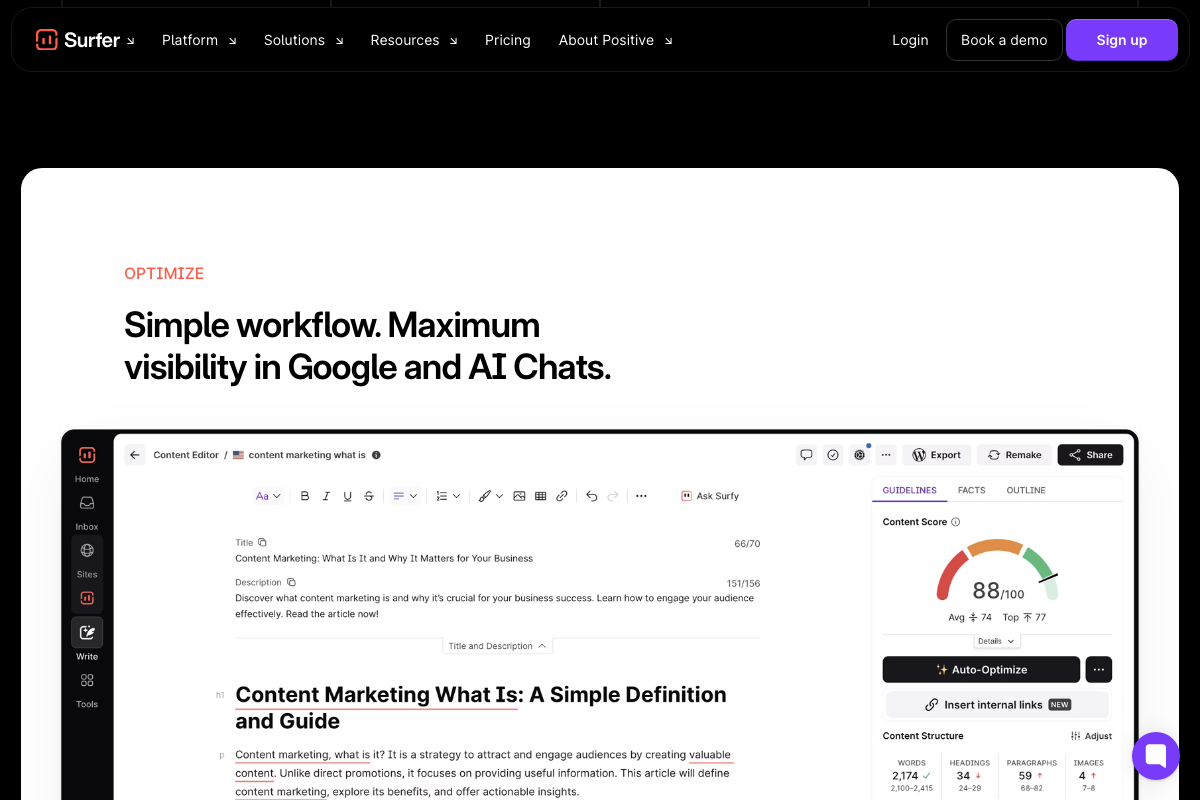
The video’s approach here matches the current docs exactly. Surfer’s Content Editor exposes the scoring mechanism in more detail than the interview does: the Content Score is a 0–100 numeric metric benchmarked against both the average and top-performing pages in a given SERP. Word count, heading count, paragraph count, and image count all feed the model as explicit structural inputs.
One detail the video omits: Surfer operates under a parent company named Positive, visible in the site’s navigation bar — a useful flag if you’re researching the corporate entity for procurement or partnership purposes.
3. Extending the methodology to AI citations
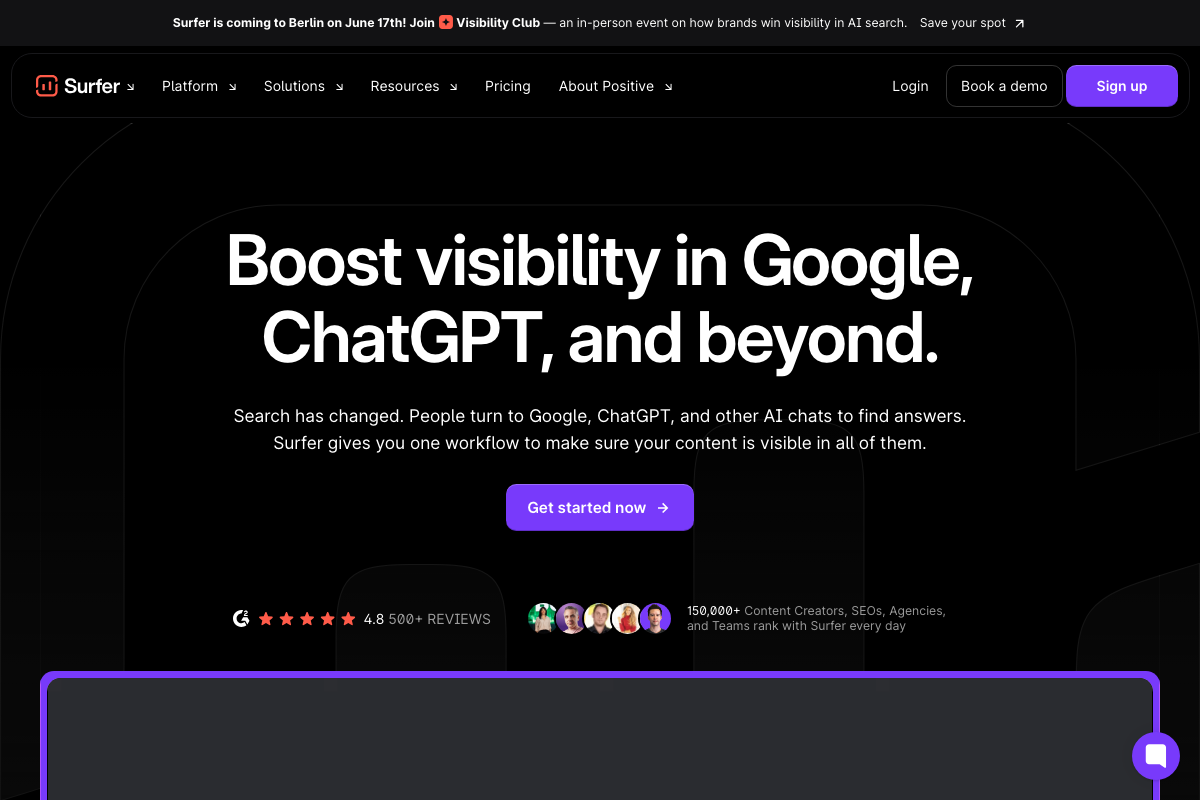
The video’s approach here matches the current docs exactly. Surfer’s current homepage headline — “Boost visibility in Google, ChatGPT, and beyond” — makes the multi-platform framing explicit, and the tagline confirms a single workflow spanning both traditional and AI channels.
4. Blue-link search behavior persisting for most businesses
No official documentation was found for this step — proceed using the video’s approach and verify independently.
5. Top-of-funnel content and internal linking signals
The video’s approach here matches the current docs exactly. The Content Editor UI adds one concrete detail: Surfer has shipped an “Insert internal links” feature labeled NEW, which means the internal-link signal Michał describes is now surfaced directly inside the editing workflow — not just a strategy principle, but a product-level prompt.
6. Citation frequency replacing Domain Rating as the authority metric
No official documentation was found for this step — proceed using the video’s approach and verify independently.
7. Self-promotional listicle tracking across AI platforms
No official documentation was found for this step — proceed using the video’s approach and verify independently.
8. AI citation platforms — ChatGPT, Google AI Overviews, Perplexity
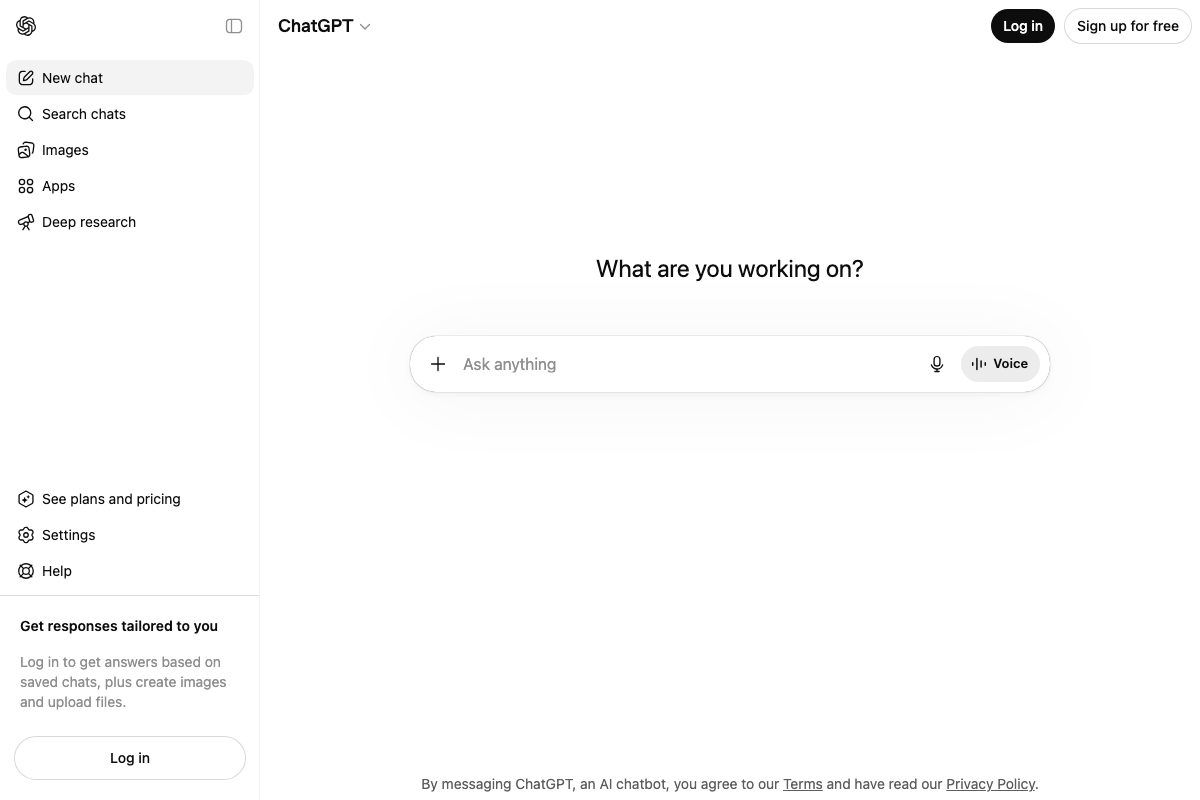
The video’s approach here matches the current docs exactly in naming these three as active AI citation channels. Two clarifications sharpen the picture:
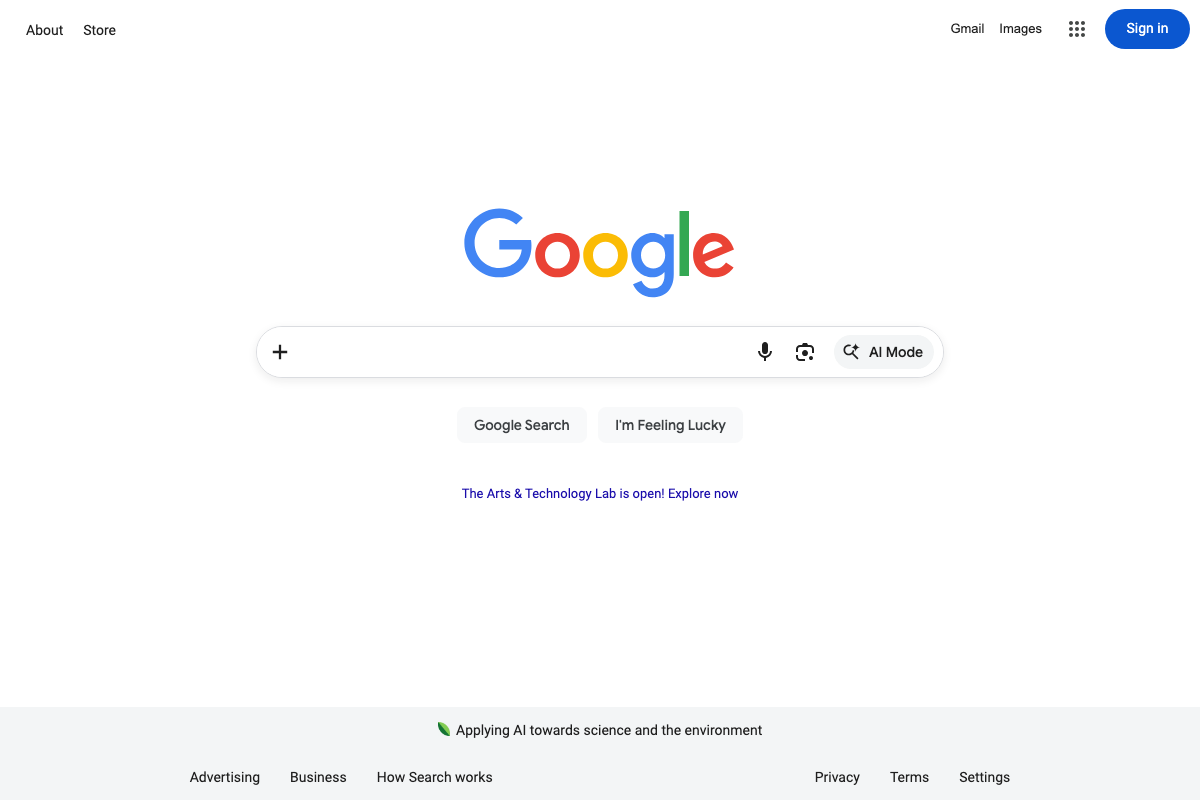
As of May 2026, Google’s search bar includes a labeled “AI Mode” button — this is a distinct conversational product from AI Overviews, which render inline within standard search results pages. The video uses “AI Overviews” in this step; the two are not interchangeable, and the visibility mechanisms Surfer monitors may differ between them.
The Perplexity documentation available shows the developer API platform at docs.perplexity.ai, not the consumer search interface at perplexity.ai where citation attribution is visible to end users. If you’re validating AI citation behavior manually, verify against the consumer product directly.

9. Behavioral signals as Google’s low-quality AI content detector
No official documentation was found for this step — proceed using the video’s approach and verify independently.
10. Brand search and entity recognition as a counterweight
No official documentation was found for this step — proceed using the video’s approach and verify independently.
11–12. Practitioner applications and training frameworks
No official documentation was found for these steps — proceed using the video’s approach and verify independently.
Useful Links
- Surfer: AI Visibility Platform — Surfer’s current marketing site confirming its multi-channel visibility workflow across Google, ChatGPT, and additional AI search platforms.
- ChatGPT — OpenAI’s consumer AI chat product, one of the three primary citation platforms Surfer monitors for content visibility.
- Google — Google’s search homepage, where both the standard blue-link index and the distinct AI Mode and AI Overviews features are accessed.
- Overview – Perplexity — Perplexity’s developer API documentation; note this is the API platform, not the consumer search interface where citation attribution is displayed to end users.


0 Comments