

Managing a 90-Person SEO Team: Hiring Frameworks, Onboarding Systems, and What Actually Scales
Growing a single-digit SEO team into a 90-person operation is not a content strategy problem — it’s an organizational one. In this conversation recorded on Edward Sturm’s podcast, a former Brain Labs managing director walks through the exact systems that allowed the team to scale from 15 people to 90 in four and a half years without the whole thing collapsing. By the end, you’ll have a repeatable framework for hiring, onboarding, and communicating at scale — whether you’re running five people or fifty.
-
Make communication a hiring filter, not an assumed trait. Before you evaluate technical SEO skills, evaluate how a candidate communicates their thinking. The ability to influence clients and executives through clear communication is what determines career velocity — and no AI tool replaces it. Build this into your interview scorecard as an explicit criterion.
-
Build a structured onboarding program before you need one. At Brain Labs, the onboarding for entry-level SEOs became a three-month accelerated program. The first cohort flew in together for an in-person week — an intentional choice to compress trust-building and baseline knowledge. Treat onboarding as a product you design, not a process that happens by default.
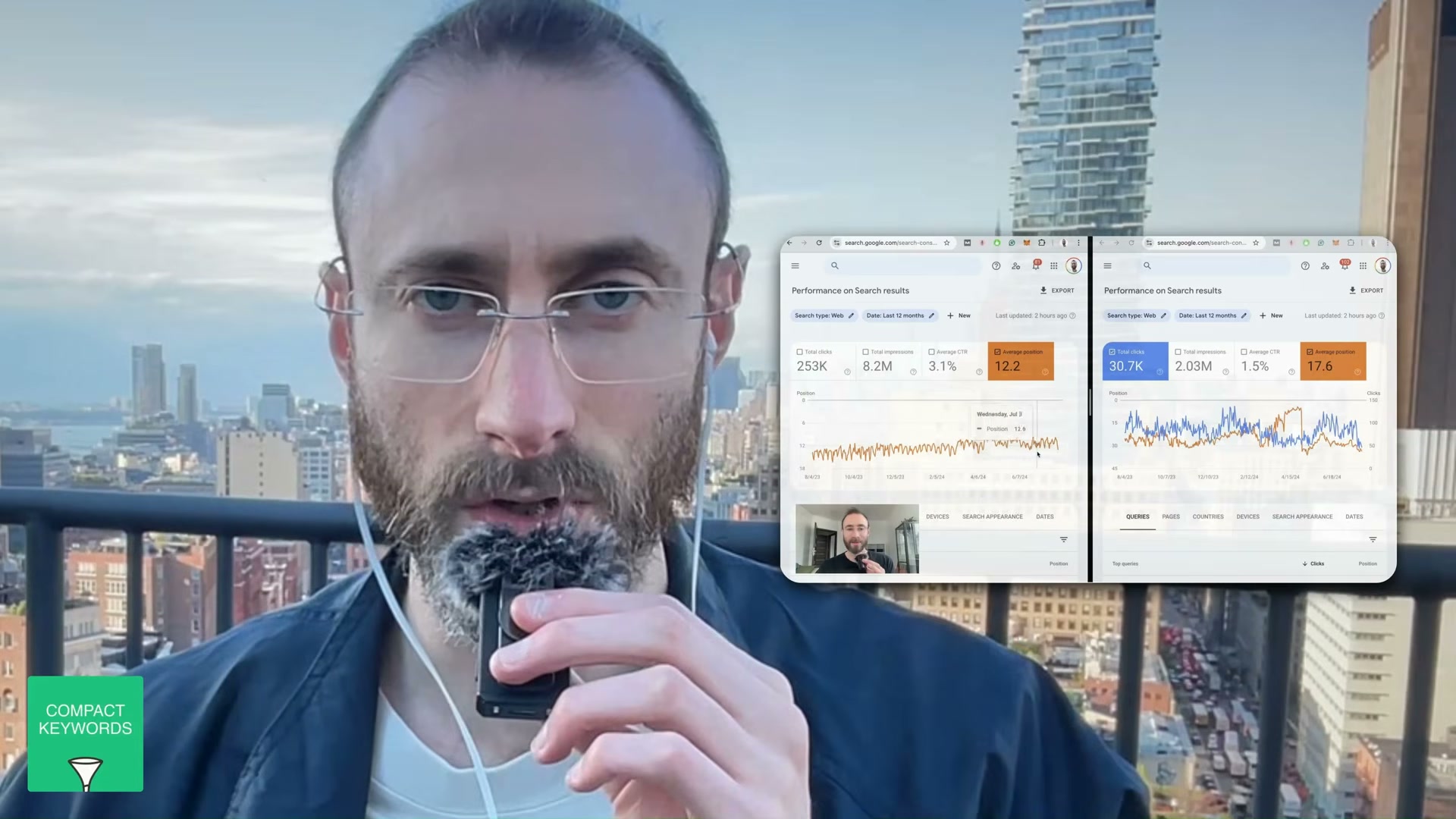
- Structure each training day as theory in the morning, hands-on in the afternoon. Reading Moz guides and Ahrefs documentation does not produce a functional SEO. Every training day should split into a classroom-style session covering concepts, followed by an afternoon workshop where trainees open a real tool, pull real data, and complete a concrete assignment.
-
Assign real client work under senior oversight, and give each trainee a mock client brand. Trainees at Brain Labs worked on actual client accounts from the start — supervised by senior managers, but real work. Simultaneously, each trainee selected a brand they personally connected with to serve as their sandbox. The pairing of consequential work with low-stakes practice accelerates competence faster than either approach alone.
-
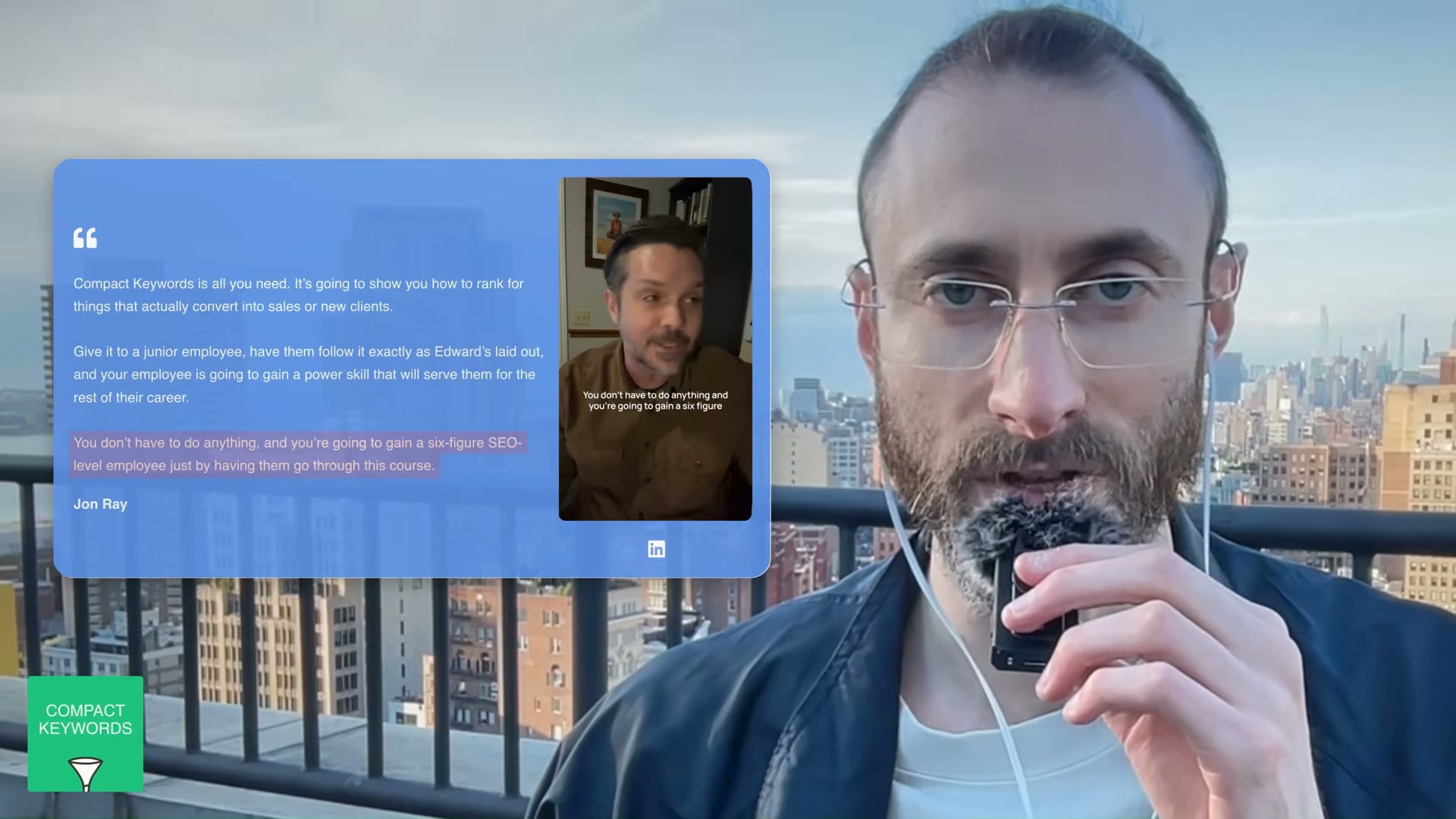
Run mock client calls repeatedly until communication becomes automatic. Mock calls feel awkward. Run them anyway. Communication under pressure is a muscle, and the only way to build it is repetition. The goal is a team member who can appear on a client call — or a podcast — calm and composed, regardless of tenure.
-
For agency hiring, sequence your first three hires deliberately. Start with a 10-plus-year generalist who can do everything. Add a digital PR and content strategist second. Third, hire an assistant who multiplies the output of the first two. Sequence matters — hiring out of order creates bottlenecks, not leverage.
-
Apply 80/20 thinking to every client engagement. Twenty percent of SEO work drives eighty percent of measurable impact. Identify that twenty percent first and protect it from scope creep. This is how a large team stays productive rather than busy.
-
Invest in brand mentions, press, and multichannel presence to offset declining organic traffic. Organic website clicks are compressing. Teams that also build YouTube, TikTok, and third-party press coverage create multiple surface areas for discovery that are not fully subject to algorithm shifts.
-
Own the full employee lifecycle — interviews, onboarding, feedback cadences, and communication systems. The managing director at Brain Labs personally revamped interview questions, rebuilt onboarding from scratch, and standardized what every status call, reporting call, and client handoff looked like. Ceding control of any part of that lifecycle means accepting unpredictable quality at the output.
How does this compare to the official docs?
The frameworks described here draw from hard-won operational experience at scale, but the field has codified guidance on team structure, SEO prioritization, and organizational communication worth setting against what the video recommends.
Here’s What the Official Docs Show
The interview covers operational territory — hiring philosophy, onboarding design, communication training — that product documentation simply isn’t built to address. Where the docs do weigh in, they add a meaningful layer: the brand visibility landscape has shifted materially since the frameworks described in Act 1 were built.
Step 1 — Make communication a hiring filter
No official documentation was found for this step — proceed using the video’s approach and verify independently.
Step 2 — Build a structured onboarding program
No official documentation was found for this step — proceed using the video’s approach and verify independently.
Step 3 — Structure each training day as theory then hands-on
No official documentation was found for this step — proceed using the video’s approach and verify independently.
Step 4 — Assign real client work under senior oversight
No official documentation was found for this step — proceed using the video’s approach and verify independently.
Step 5 — Run mock client calls repeatedly
No official documentation was found for this step — proceed using the video’s approach and verify independently.
Step 6 — Sequence your first three agency hires deliberately
Moz’s product taxonomy names Digital PR and Content Marketing as distinct, first-class disciplines — lending structural weight to the video’s second-hire recommendation. The platform also lists “SEO at Scale” as a separate product tier, signaling that large-team SEO workflows are a recognized category with dedicated tooling, not just a bigger version of standard SEO.
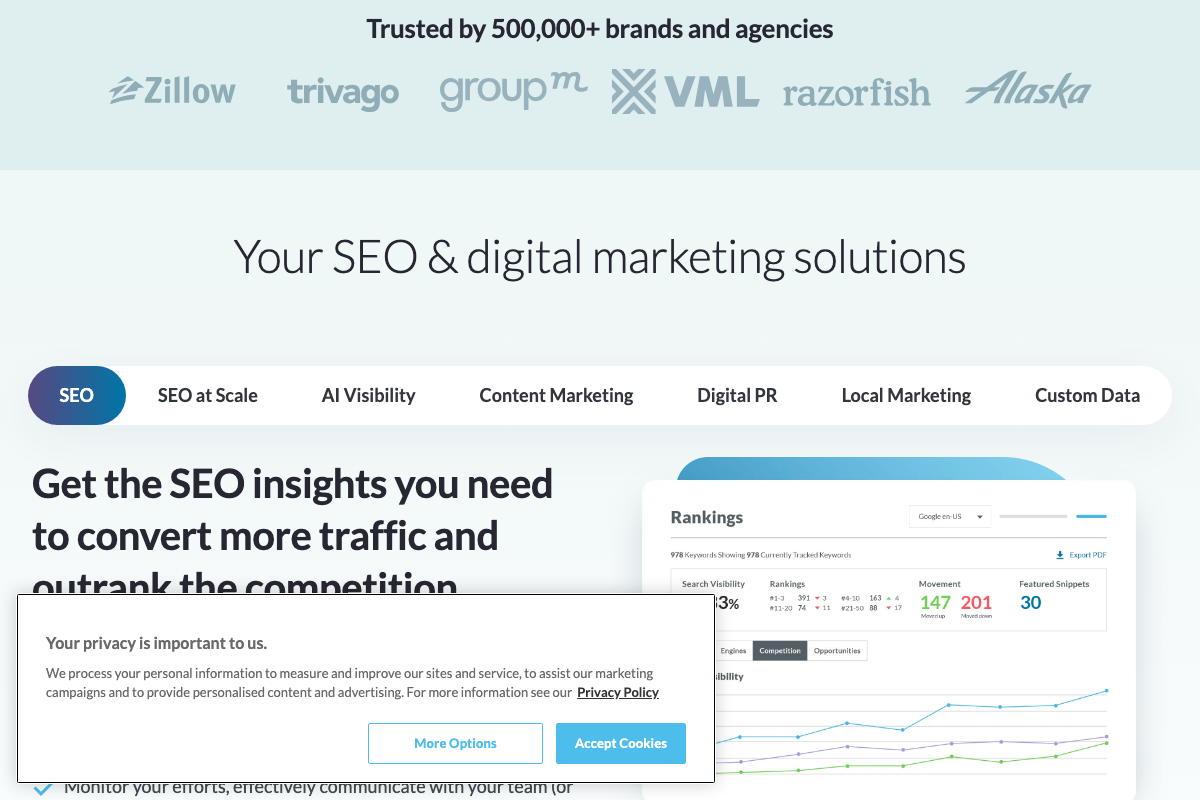
No official documentation was found to fully verify this step — the screenshot provides partial structural support; proceed using the video’s approach and verify independently.
Step 7 — Apply 80/20 thinking to every client engagement
Moz’s SERP analysis language — “identify SERP opportunities and keyword gaps, and adapt your strategy for success” — reflects the same prioritization logic the video describes, even without citing the 80/20 framing by name.
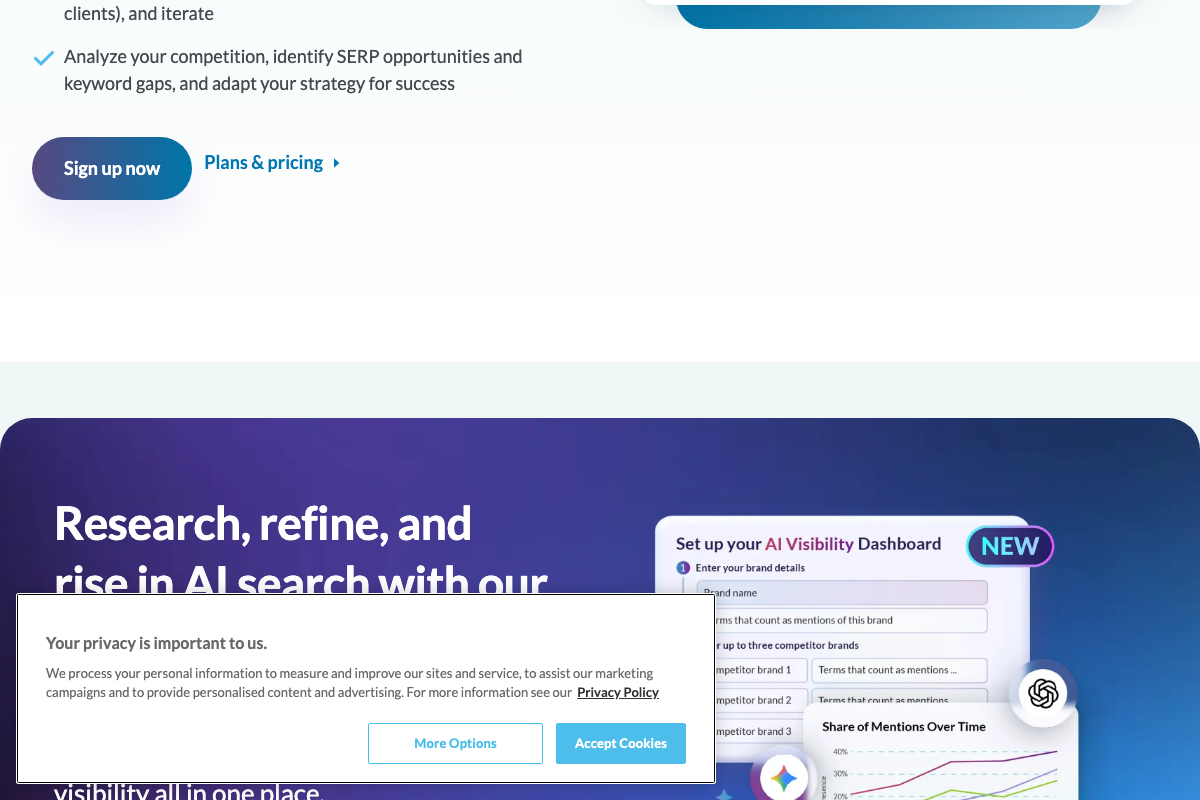
No official documentation was found to fully verify this step — proceed using the video’s approach and verify independently.
Step 8 — Invest in brand mentions, press, and multichannel presence
The video’s approach here matches the current docs exactly on the core claim: brand mention tracking is a standard, tool-supported SEO discipline. Both Moz and Ahrefs have built dedicated product surfaces around it.

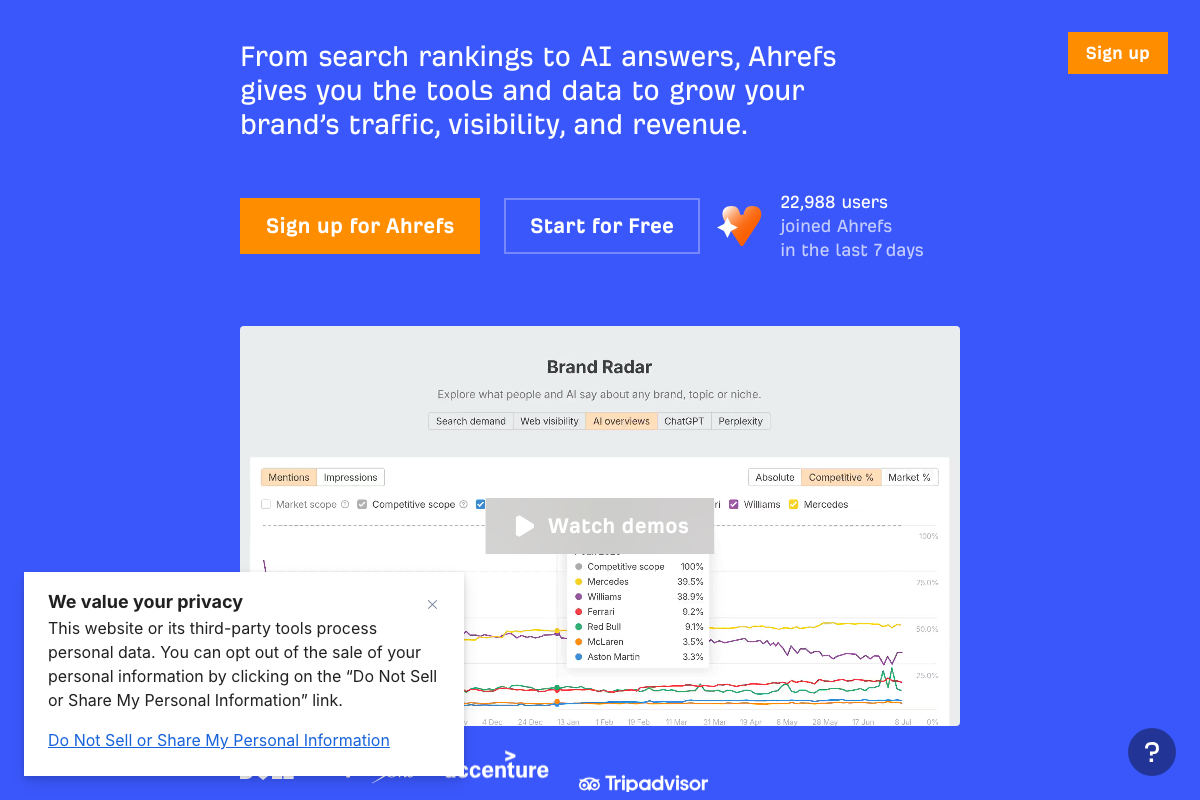
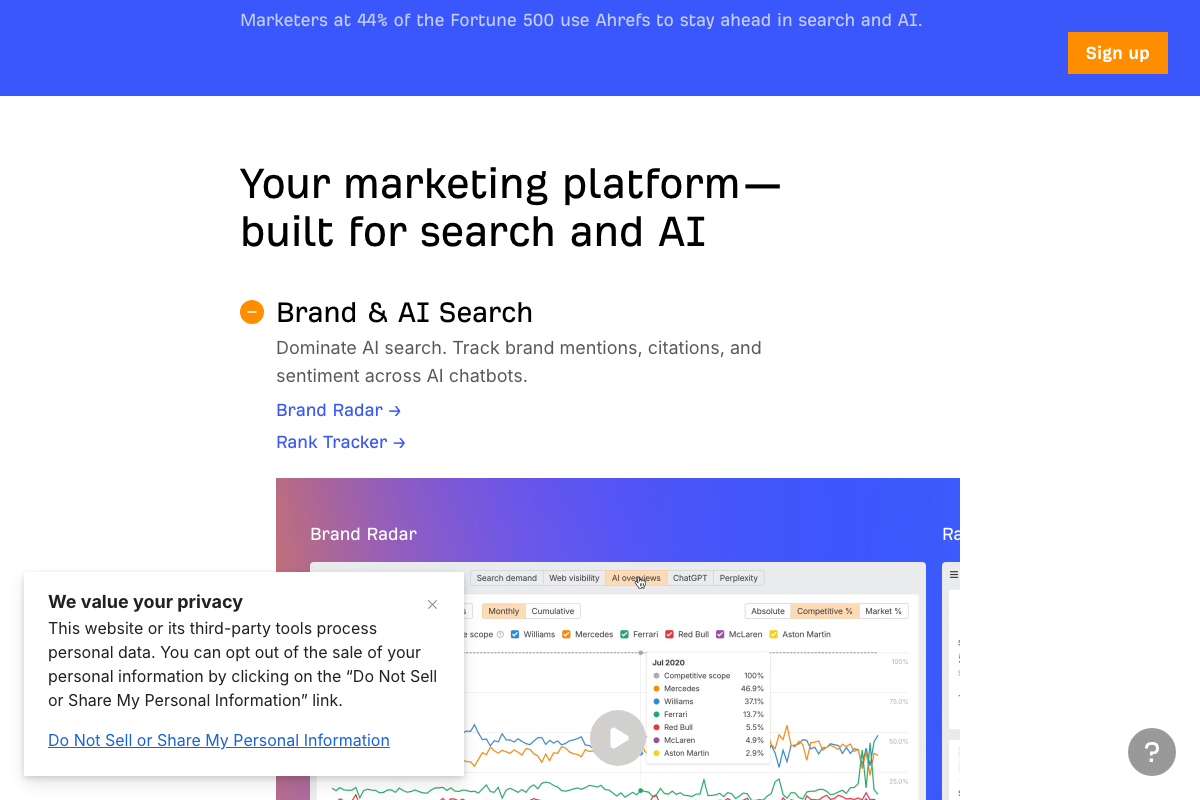
Where the video names YouTube, TikTok, and press as the key multichannel surfaces, current platforms treat AI chatbot visibility as an equally primary and separately tracked channel. Moz’s “AI Visibility Dashboard” — labeled NEW — is now a bundled core feature, not an add-on. Ahrefs Brand Radar tracks brand mentions across Search, Web, AI overviews, ChatGPT, and Perplexity in a single view, with competitive share-of-mention metrics that frame your presence relative to rivals rather than in isolation.
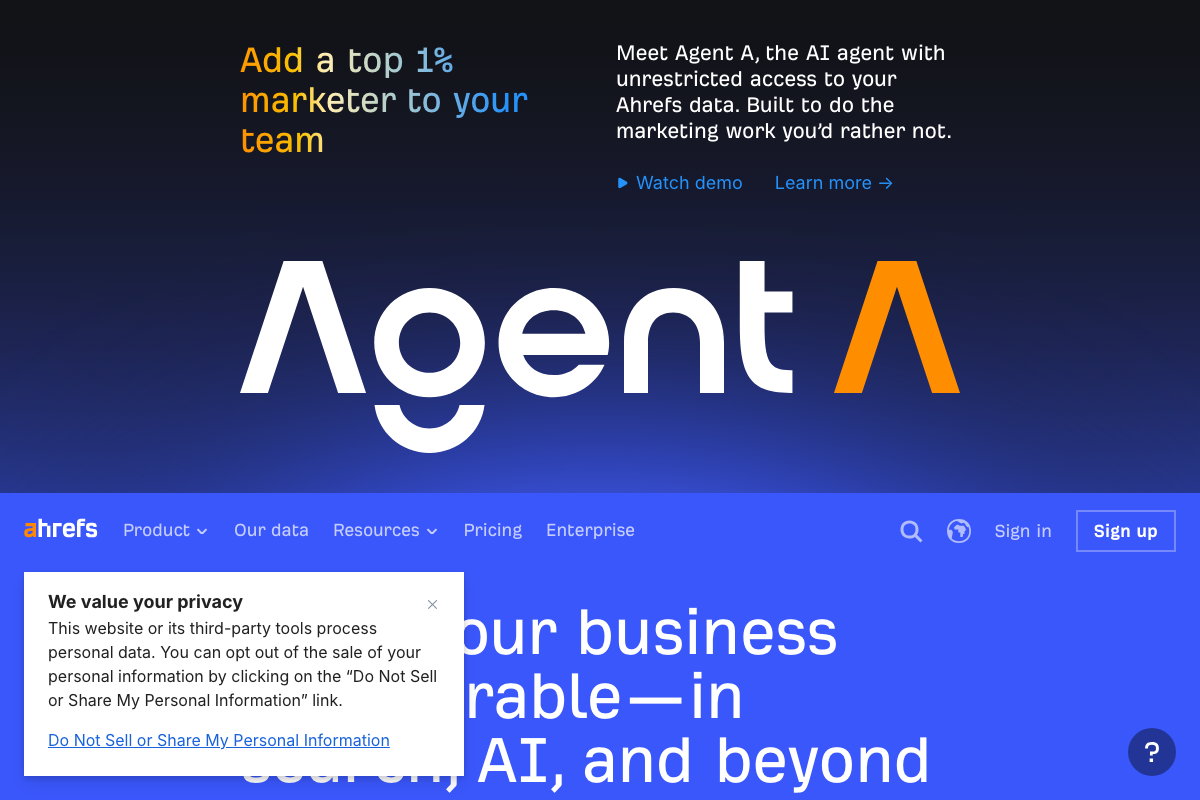
One development the video’s hiring framework doesn’t account for: Ahrefs has launched “Agent A,” an AI agent with autonomous access to your Ahrefs data for executing marketing tasks. As of May 2026, AI agents are a live staffing consideration — worth pressure-testing against any headcount plan built on human-only team structures.
Step 9 — Own the full employee lifecycle
No official documentation was found for this step — proceed using the video’s approach and verify independently.
Useful Links
- Moz — SEO Software for Smarter Marketing — Moz’s current platform overview, including the AI Visibility Dashboard, AI Research toolkit, Digital PR, and SEO at Scale product tiers.
- Ahrefs — AI Marketing Platform Powered by Big Data — Ahrefs’ platform overview, including Brand Radar for tracking brand mentions across web and AI chatbot channels, and Agent A for autonomous SEO execution.


0 Comments