

How Two Non-Technical Brothers Bootstrapped an AI App Builder to $50K/Month by Cloning a Billion-Dollar Market
Two non-technical brothers looked at the AI app builder boom — Lovable, Base44, billion-dollar valuations, compressed timelines — and saw a gap rather than a closed door. David and Daniel bootstrapped Shipper from zero to $50K monthly revenue in roughly six months without writing a line of code themselves. The playbook is replicable: pick a fast-growing market, mine competitor complaints for your differentiation, ship rough, and charge from day one. These ten steps give you a working framework for launching a micro-SaaS into an established market without inventing anything new.
-
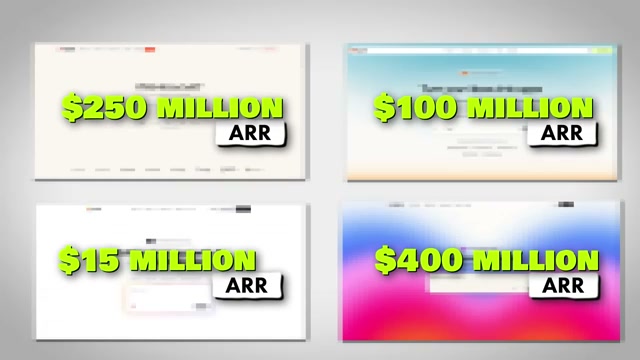
Identify a fast-growing SaaS market by following the ARR. Look for platforms crossing $100M ARR inside 12 months — that velocity signals underserved demand, not a saturated ceiling. Lovable hit $1M ARR in a week from launch. Base44 reached $3M ARR in six months. The founding thesis: owning 1% of a market that size is life-changing.
-
Find one specific pain point by reading the competition’s complaints. Spend time on Trustpilot pages, public roadmaps, and Discord servers for the leading players. The Shipper team noticed users messaging competitor support asking to convert web apps into mobile apps — a request left unanswered. That single complaint became a product pillar.
- Ship a rough MVP with one developer and iterate fast. Start with just you and a single developer. The first version will break — ship it anyway. David is explicit: the first two months are the hardest. By month three they had a working product they trusted. By months five and six, they were shipping features competitors hadn’t built yet.
-
Launch your MVP on Product Hunt in week one. Don’t wait for polish. Shipper’s Product Hunt launch generated their first $50 MRR — proof the market would pay.
-
Drive early traction through targeted Reddit threads. Post consistently in relevant subreddits. The Shipper team regularly hit 400+ upvotes per thread, which pushed them from $50 to $1K MRR.
-
Target high-intent SEO keywords on a dedicated blog. Build pages around “alternatives to [competitor]” and “[competitor] pricing” queries. These terms capture users already evaluating options and ready to switch.
-
Start building in public on X around day 50. Place your product link in the second tweet of each thread — not the first — to drive click-through. The Shipper team made approximately $20K MRR in one to two weeks once X started converting.
Warning: this step may differ from current official documentation — see the verified version below.
-
Charge from day one with no free plan. Shipper’s entry point is $25/month on a credit-based model. Zero free users, 690 paid. An expensive AI infrastructure can’t subsidize uncommitted users.
-
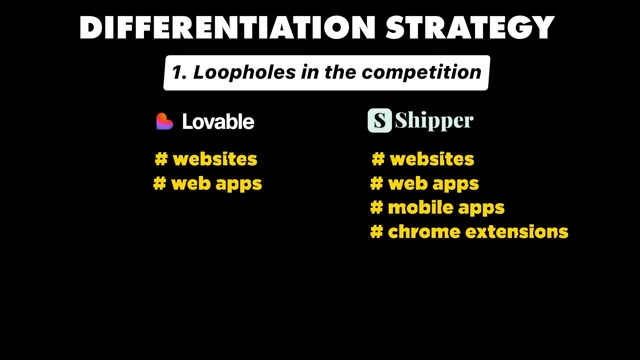
Differentiate on output breadth. Shipper supports websites, web apps, mobile apps, Chrome extensions, and bots for Telegram and Discord. Competitors stopped at web. That gap in the product surface area is the entire differentiation strategy.
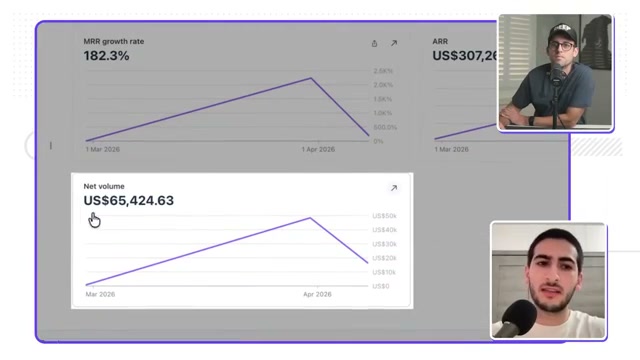
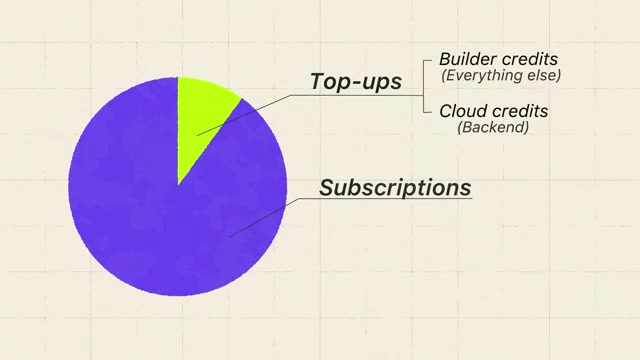
- Track MRR, ARR, and gross volume as three separate numbers when using credit top-ups. Shipper’s gross volume ($71K) runs well above MRR ($25.6K) because one-off credit purchases don’t appear in subscription metrics. The team also migrated Stripe accounts mid-growth, splitting historical data across two dashboards — a bookkeeping decision that complicates reporting.
Warning: this step may differ from current official documentation — see the verified version below.
How does this compare to the official docs?
The steps David describes are drawn from hard-won experimentation across Product Hunt, Reddit, SEO, and X — and each of those platforms publishes its own guidance on best practices that’s worth stacking against what actually worked for Shipper.
Here’s What the Official Docs Show
Act 1 gives you the operational playbook David and Daniel ran to take Shipper from zero to $50K/month — this section layers in the official platform guidance for each channel they used, so you can cross-reference their real-world results against documented best practices. Because no official documentation screenshots were captured during research, every step below carries an unverified flag — treat the video’s approach as your primary source and consult each platform’s current docs directly before executing.
Step 1 — Identify a fast-growing SaaS market by following the ARR.
No official documentation was found for this step — proceed using the video’s approach and verify independently.
Step 2 — Find one specific pain point by reading the competition’s complaints.
No official documentation was found for this step — proceed using the video’s approach and verify independently.
Step 3 — Ship a rough MVP with one developer and iterate fast.
No official documentation was found for this step — proceed using the video’s approach and verify independently.
Step 4 — Launch your MVP on Product Hunt in week one.
No official documentation was found for this step — proceed using the video’s approach and verify independently.
Step 5 — Drive early traction through targeted Reddit threads.
No official documentation was found for this step — proceed using the video’s approach and verify independently.
Step 6 — Target high-intent SEO keywords on a dedicated blog.
No official documentation was found for this step — proceed using the video’s approach and verify independently.
Step 7 — Start building in public on X around day 50.
No official documentation was found for this step — proceed using the video’s approach and verify independently.
Step 8 — Charge from day one with no free plan.
No official documentation was found for this step — proceed using the video’s approach and verify independently.
Step 9 — Differentiate on output breadth.
No official documentation was found for this step — proceed using the video’s approach and verify independently.
Step 10 — Track MRR, ARR, and gross volume as three separate numbers when using credit top-ups.
No official documentation was found for this step — proceed using the video’s approach and verify independently.
Useful Links
No official documentation sources were captured during research for this post. The channels referenced across all ten steps — Product Hunt, Reddit, X, Webflow, Stripe, and Claude.ai — each publish their own creator and developer guidelines. Consult those directly as your verification layer:
- Product Hunt Maker Guidelines — Official guidance on launching products and engaging the Product Hunt community.
- Reddit Advertising & Community Rules — Platform policies governing promotional posting in subreddits.
- Stripe Revenue Recognition Docs — Official documentation on distinguishing subscription MRR from one-time credit volume.
- Anthropic Claude API Documentation — Reference for building on the Claude back-end infrastructure Shipper uses at scale.
- Webflow University — Webflow’s official learning hub for building and launching no-code landing pages.


0 Comments