

How Nicole Grew Two Consumer Apps to $150K MRR Each Using UGC and Viral Distribution
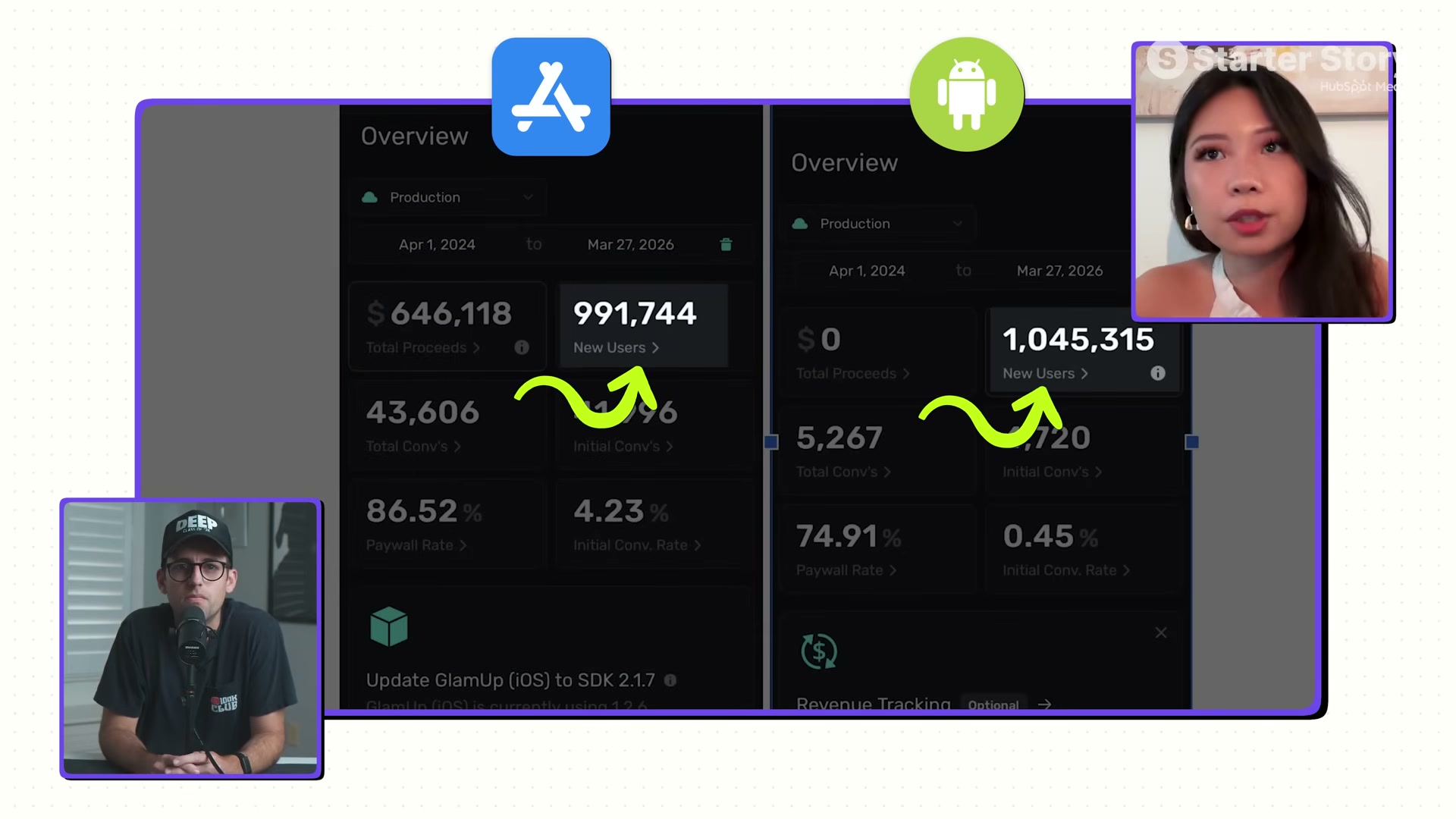
Nicole built four consumer mobile apps in two years — two of them crossing $150,000 MRR — without writing a line of code. Her repeatable system links App Store positioning, a scaled UGC creator pipeline, and relentless distribution testing across TikTok, Instagram, and YouTube Shorts. After working through these steps, you’ll have a concrete framework for identifying a viable app category, building a viral distribution engine, and managing a creator operation at scale.
- Identify a proven consumer app category where demand already exists but no dominant player owns the App Store. Nicole spotted the “glow-up” niche for women after watching UMAX succeed with the same concept for men — and found no comparable app already there.
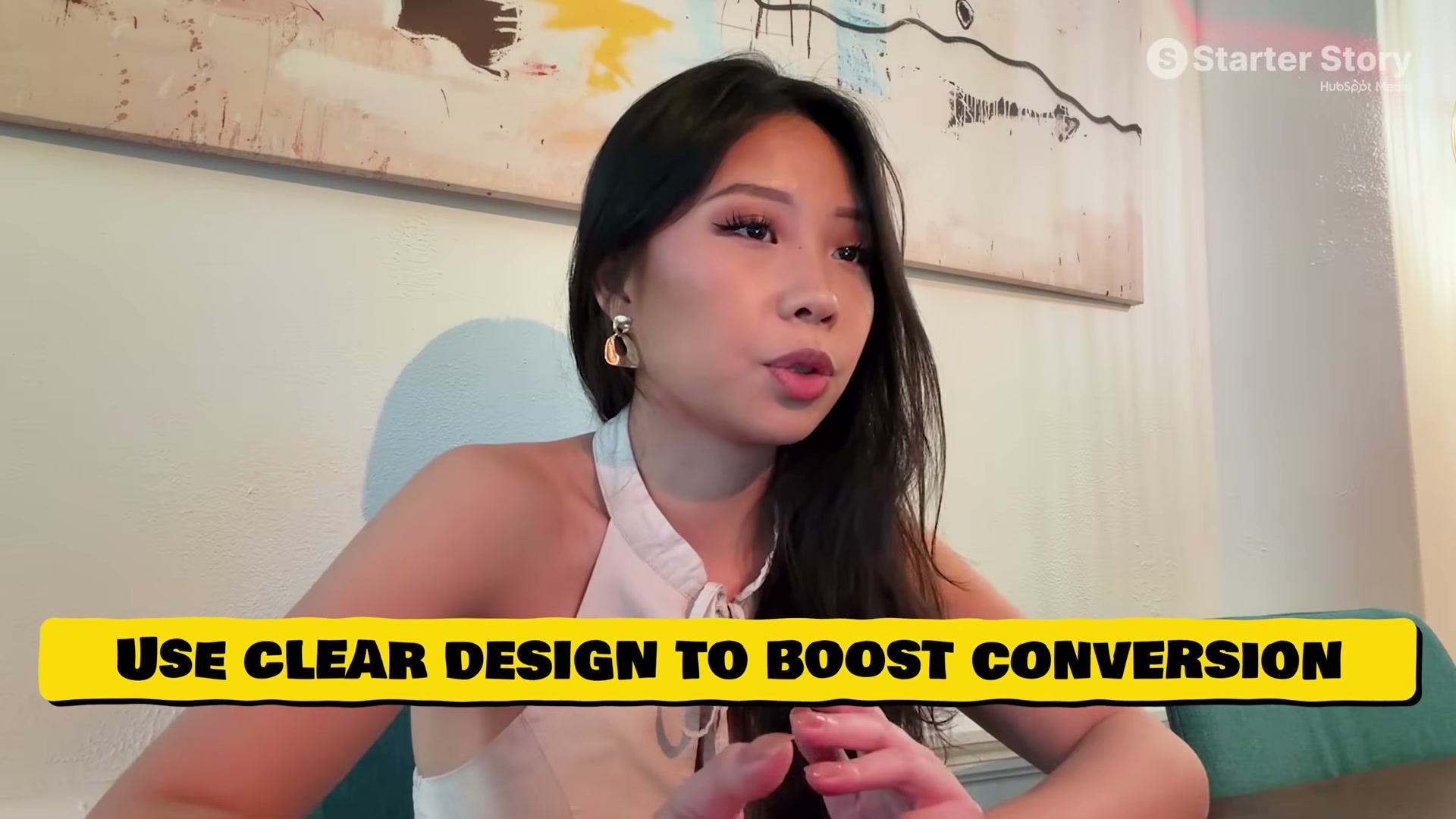
- Design your onboarding and welcome screens to be innately shareable on social from day one. Clear, visually compelling onboarding converts better and gives creators natural content to film — treat it as part of your distribution infrastructure, not just product UI.
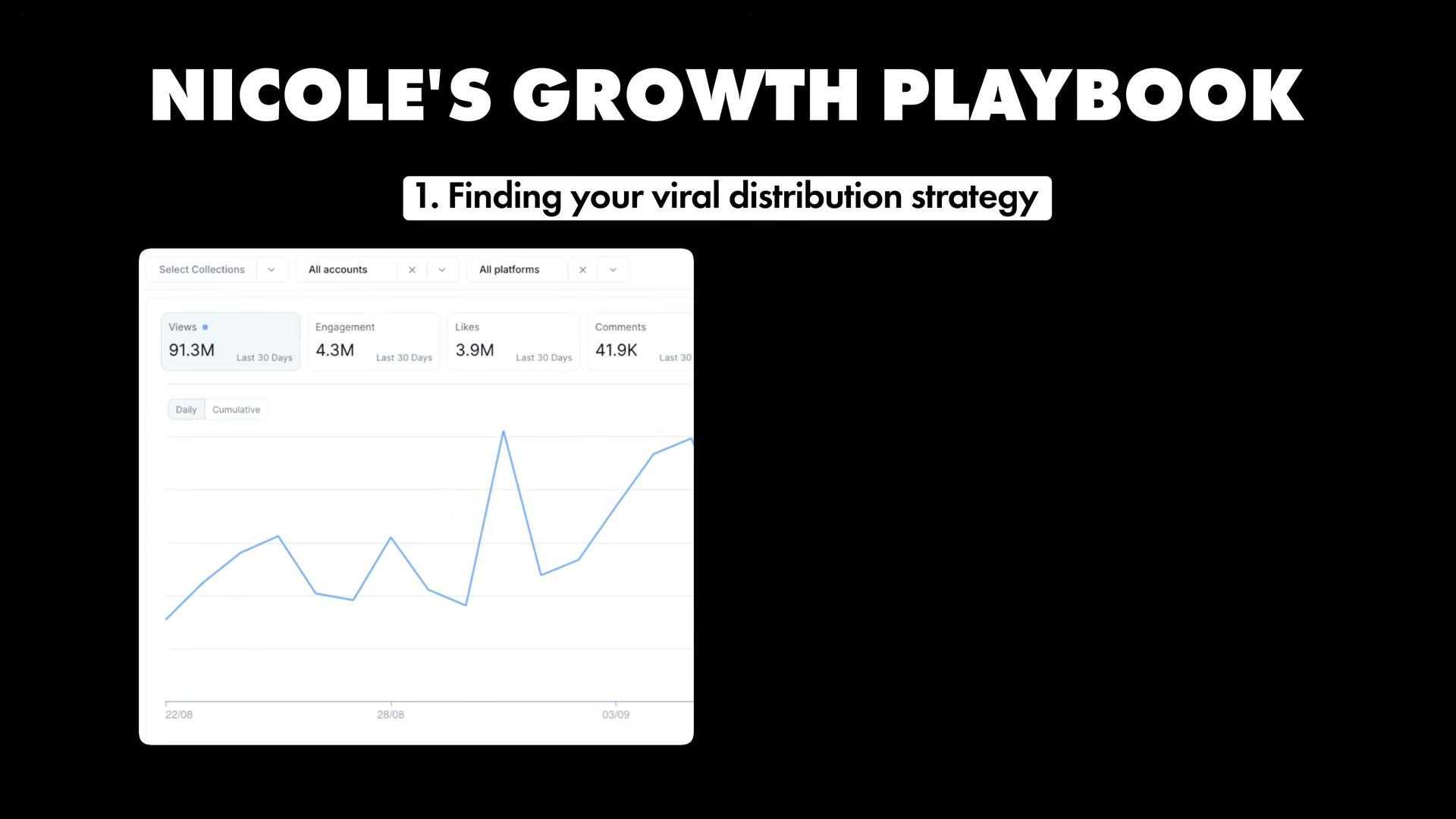
- Test multiple viral distribution formats for two to three weeks each: Reddit, TikTok and Instagram faceless content, AI UGC, real UGC creators, paid ads, and influencer marketing. Don’t abandon a category after one attempt — exhaust every variation inside it before moving on.
-
Iterate within each format category — slideshows versus video, talking-head versus reaction, different CTA copy — until one format breaks through. Then double down and scale only that format.
-
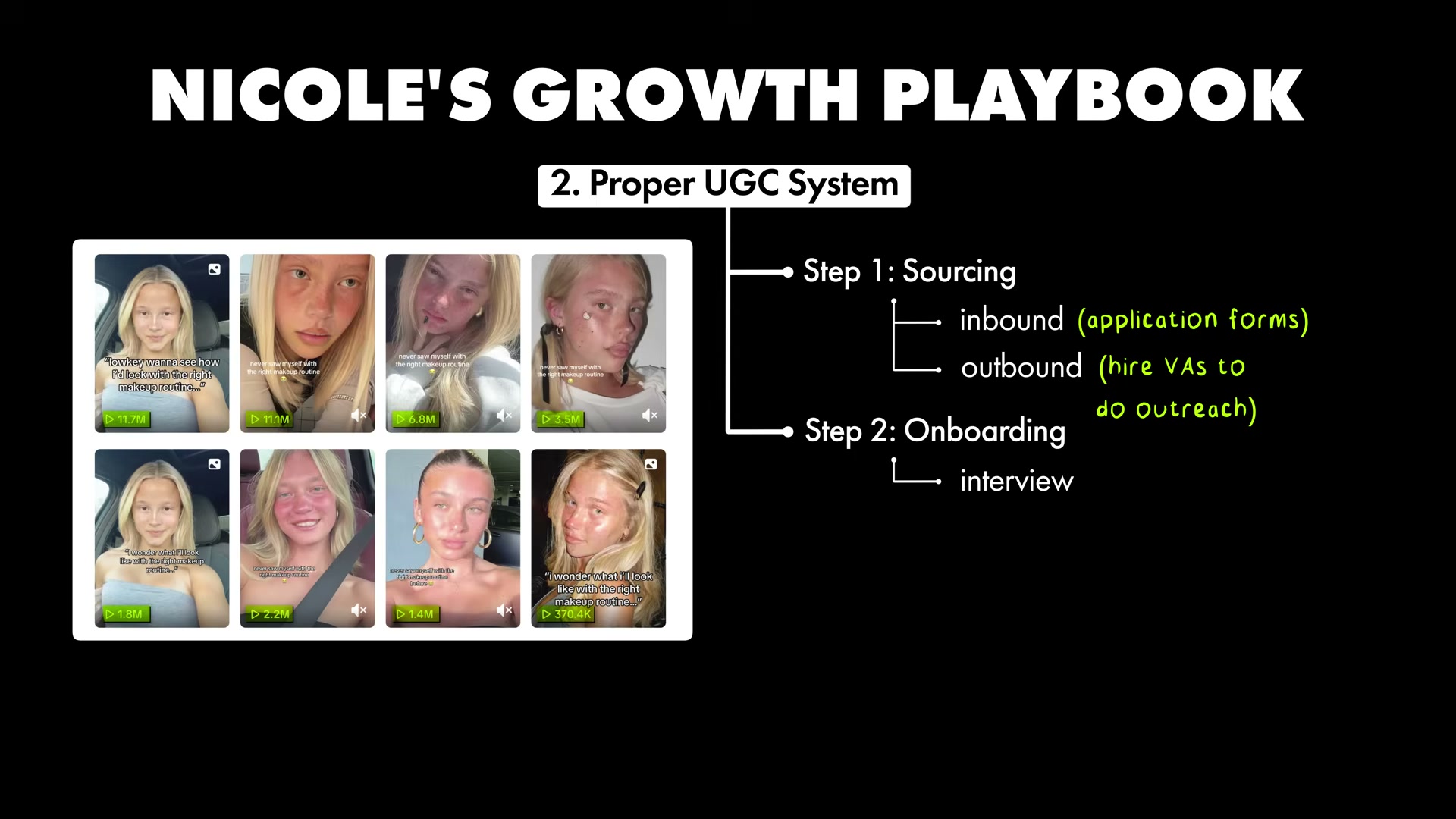
Source UGC creators through inbound (application forms posted in UGC group chats, Instagram, Reddit, and Swyft) and outbound (VA-led outreach to micro-influencers matched to your content format — conversational creators for talking-head clips, expressive faces for reaction videos).
-
Interview every creator before onboarding. Get on a call, assess their commitment to the campaign, and filter out anyone treating it casually.
-
Build a dedicated creator onboarding course for each app: video modules, a curated content bank, and a quiz at the end of each module to confirm completion. More than 50% of Nicole’s Sprout creators go viral within two weeks of finishing hers.
-
Manage your creator pool through Discord, bi-weekly or monthly feedback calls, and a CRM — Nicole uses Attio — to track pipeline and flag underperformers before they stall your output.
-
Promote top creators to part-time manager roles so they train and oversee the next cohort, compounding quality without expanding your own workload linearly.
-
At scale, add a creator referral program and build dashboards to track content performance and growth analytics across your full creator pool.
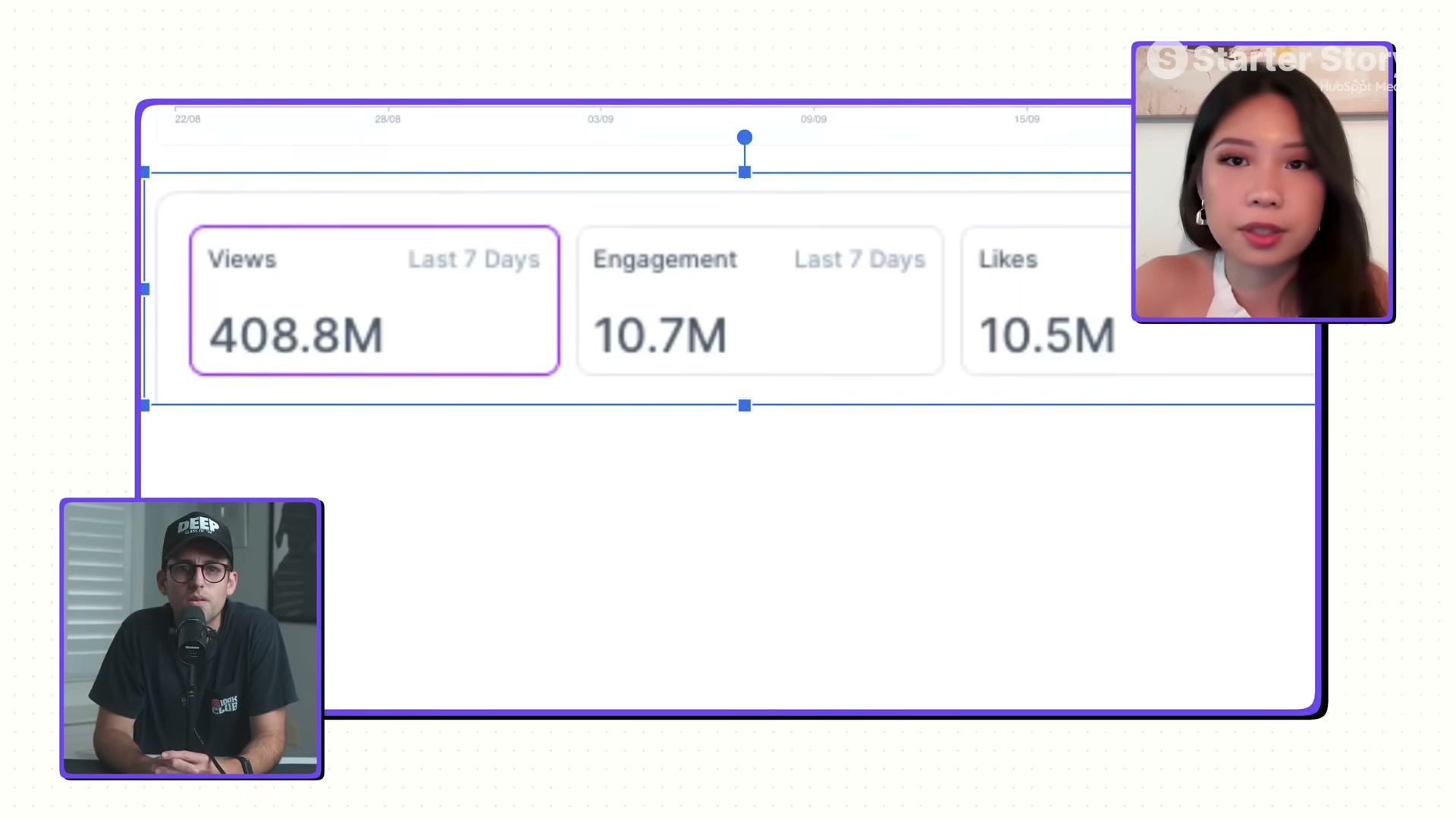
- Track subscription MRR in RevenueCat, manage paywalls with Superwall, and analyze user behavior with PostHog. Nicole hard paywalls all her apps on weekly or monthly subscription plans using this three-tool stack.
How does this compare to the official docs?
Nicole’s playbook is built from hands-on operator experience across four live apps — but each tool in her stack ships its own configuration guides and integration best practices that may surface faster paths or updated workflows than the video captures.
Here’s What the Official Docs Show
Nicole’s system holds up well against the official documentation — the tools she names do what she says, and in several cases do considerably more. What follows adds the platform-level context that a tutorial video can’t stop to cover.
Step 1 — Identify a proven consumer app category
No official documentation was found for this step — proceed using the video’s approach and verify independently.
Step 2 — Design shareable onboarding and welcome screens
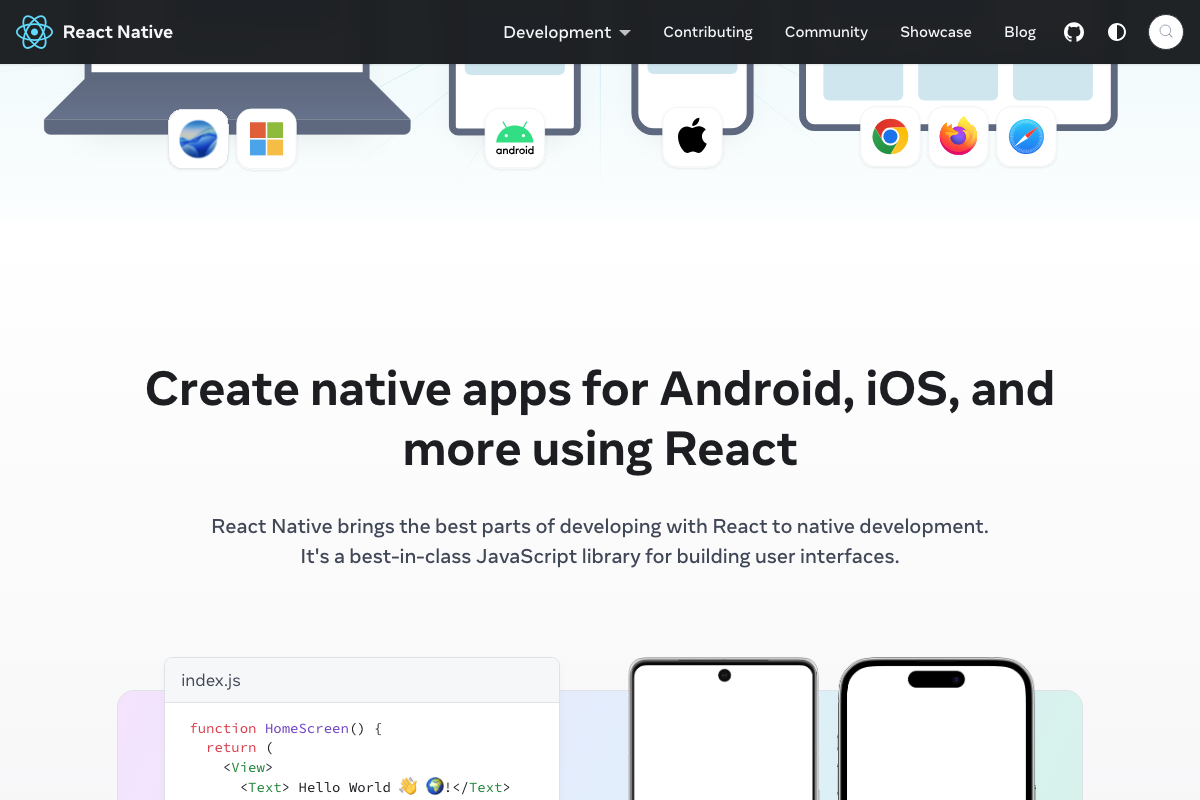
React Native’s official docs confirm the framework targets iOS, Android, and browser from a single JavaScript codebase — “Learn once, write anywhere.” The HomeScreen component pattern shown at reactnative.dev is the direct starting point for the onboarding screens described here. Importantly, React Native renders via native platform APIs — not a WebView — so the animations and transitions you build perform at the same level as Swift or Kotlin, which matters when onboarding screens double as shareable content.
No official documentation was found for the virality-by-design onboarding principles in this step — proceed using the video’s approach and verify independently.
Step 3 — Test multiple viral distribution formats
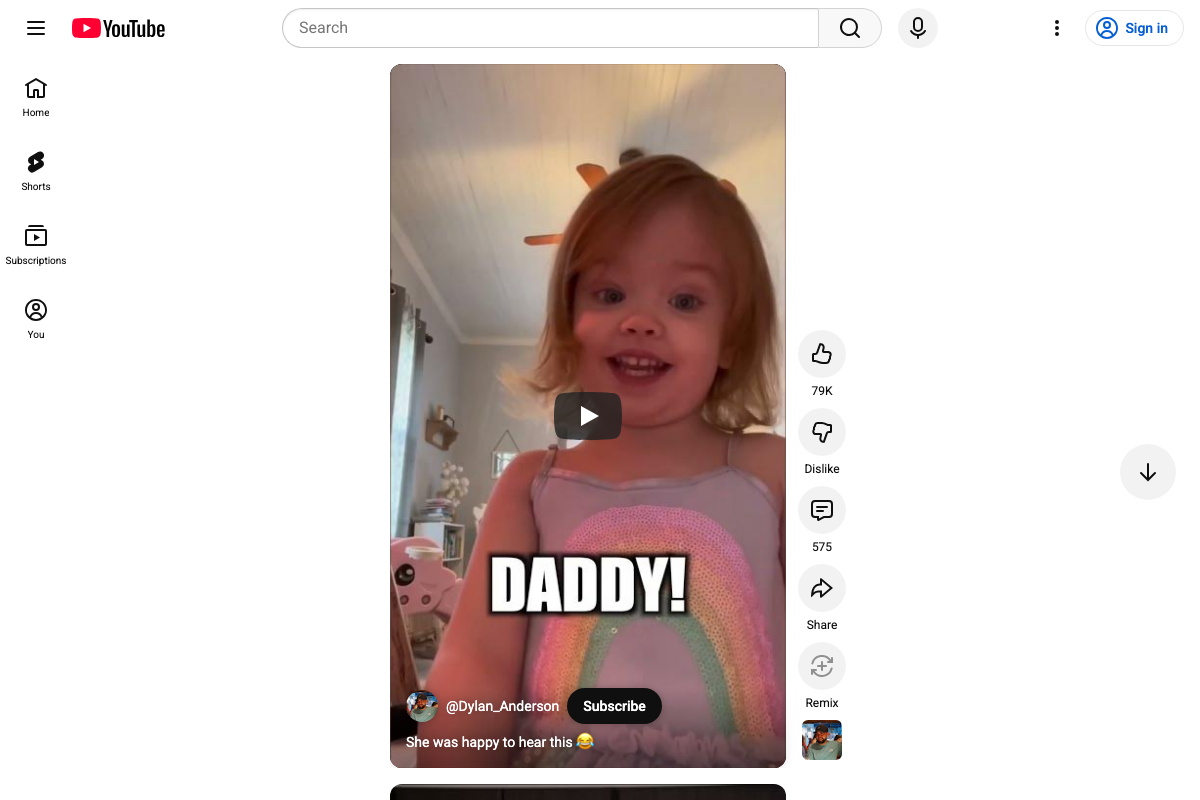
The video’s approach here matches the current docs exactly. One addition: YouTube Shorts officially includes a Remix action — visible in the platform UI alongside Like, Comment, and Share — that functions identically to TikTok’s Stitch or Duet. It lets other creators respond to your UGC clips directly, extending reach without additional spend. Add it to your format-testing checklist.
Step 4 — Iterate within each format category
No official documentation was found for this step — proceed using the video’s approach and verify independently.
Step 5 — Source UGC creators through inbound and outbound
The video’s approach here matches the current docs exactly. Instagram is confirmed active as a creator sourcing channel; the DM and profile discovery workflow described in this step occurs inside the authenticated experience.
Step 6 — Interview every creator before onboarding
No official documentation was found for this step — proceed using the video’s approach and verify independently.
Step 7 — Build a dedicated creator onboarding course
No official documentation was found for this step — proceed using the video’s approach and verify independently.
Step 8 — Manage creators through Discord, feedback calls, and Attio
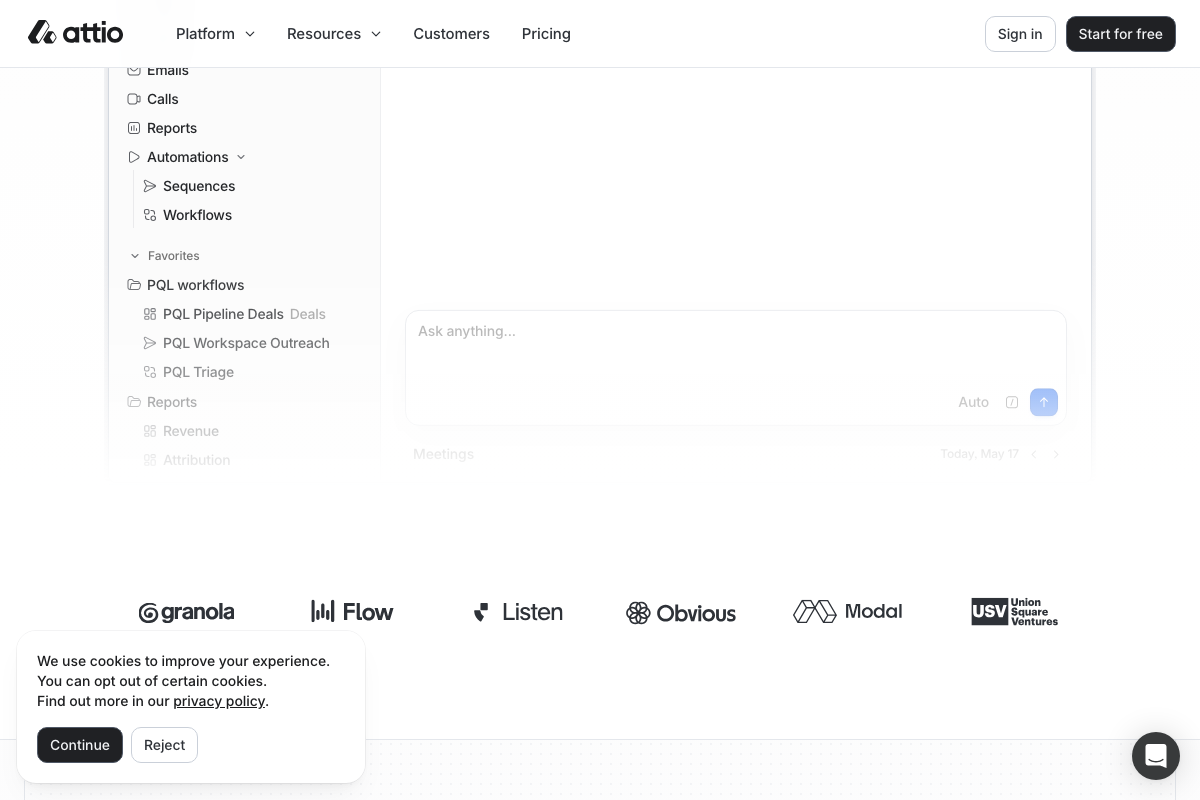
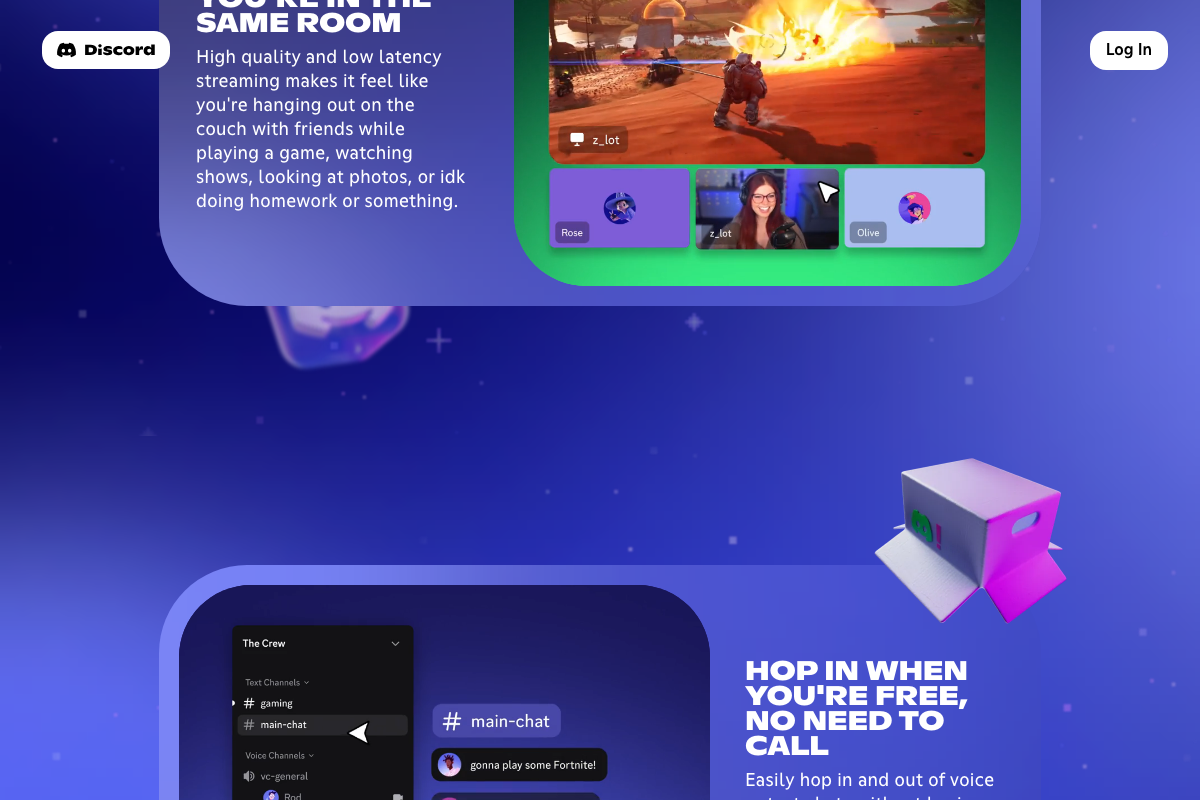
The video’s approach here matches the current docs exactly for the tools named. Two contextual notes: Attio is officially a B2B revenue CRM — “the AI CRM that builds pipeline, accelerates every deal.” Its pre-built workflow templates (PQL Pipeline, Workspace Outreach, Triage) are sales-qualification workflows by default; you’ll need to build custom views for creator pipeline tracking. The capability is there — just not pre-configured for this use case. Discord’s official positioning is a gaming and social community platform; its channel architecture and native streaming work well for creator coordination and the feedback calls described here, but that’s a practitioner repurposing, not a documented business workflow.
Step 9 — Promote top creators to manager roles
No official documentation was found for this step — proceed using the video’s approach and verify independently.
Step 10 — Add a referral program and performance dashboards
No official documentation was found for this step — proceed using the video’s approach and verify independently.
Step 11 — RevenueCat for MRR, Superwall for paywalls, PostHog for analytics
The video’s approach here matches the current docs exactly on core use cases. Three platform expansions worth knowing before you configure:
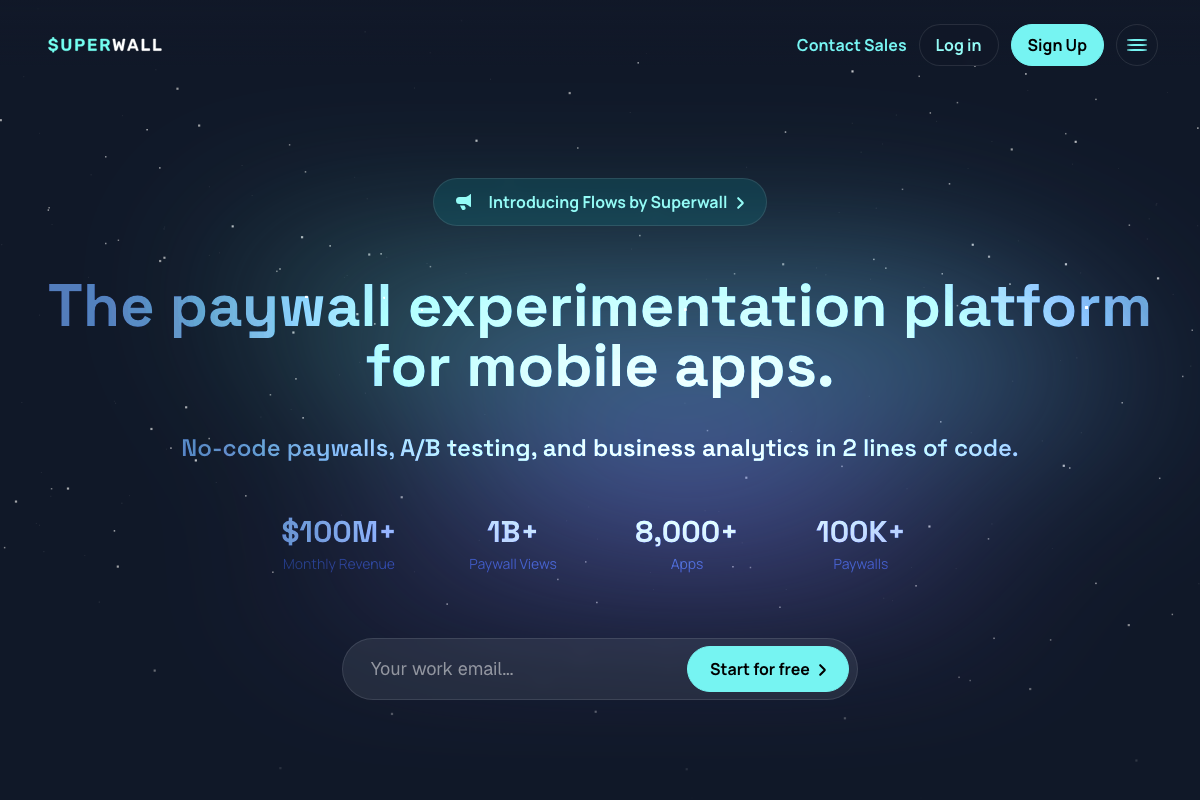
Superwall officially describes itself as “The paywall experimentation platform for mobile apps” — A/B testing is the headline value proposition, not just paywall rendering. It also ships built-in business analytics and integrates in two lines of code. Treat it as an experimentation layer, not a static paywall host.
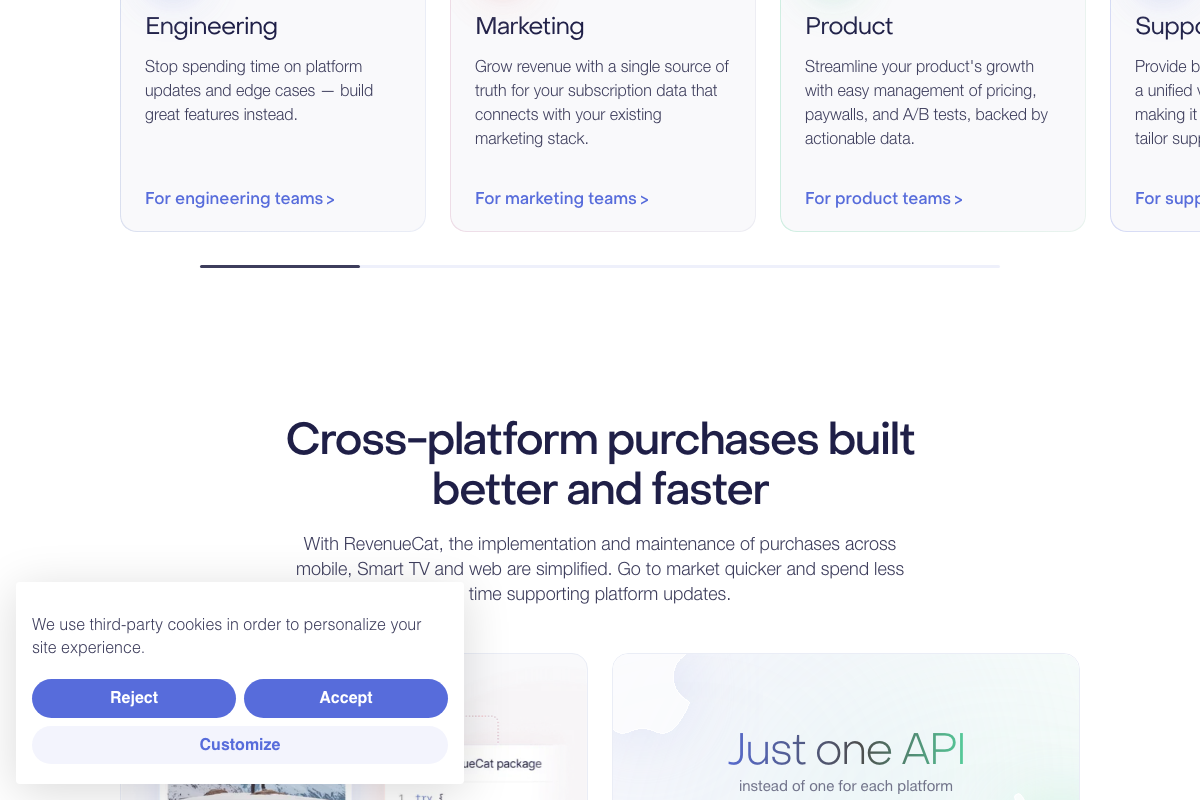
RevenueCat includes a native paywall builder — the Layers editor (Paywall, Image, Text, Package components) is live on the official homepage. The RevenueCat-for-MRR / Superwall-for-paywalls split Nicole uses is a valid workflow choice, not a technical requirement. RevenueCat also natively supports paywall A/B testing per its own product docs.
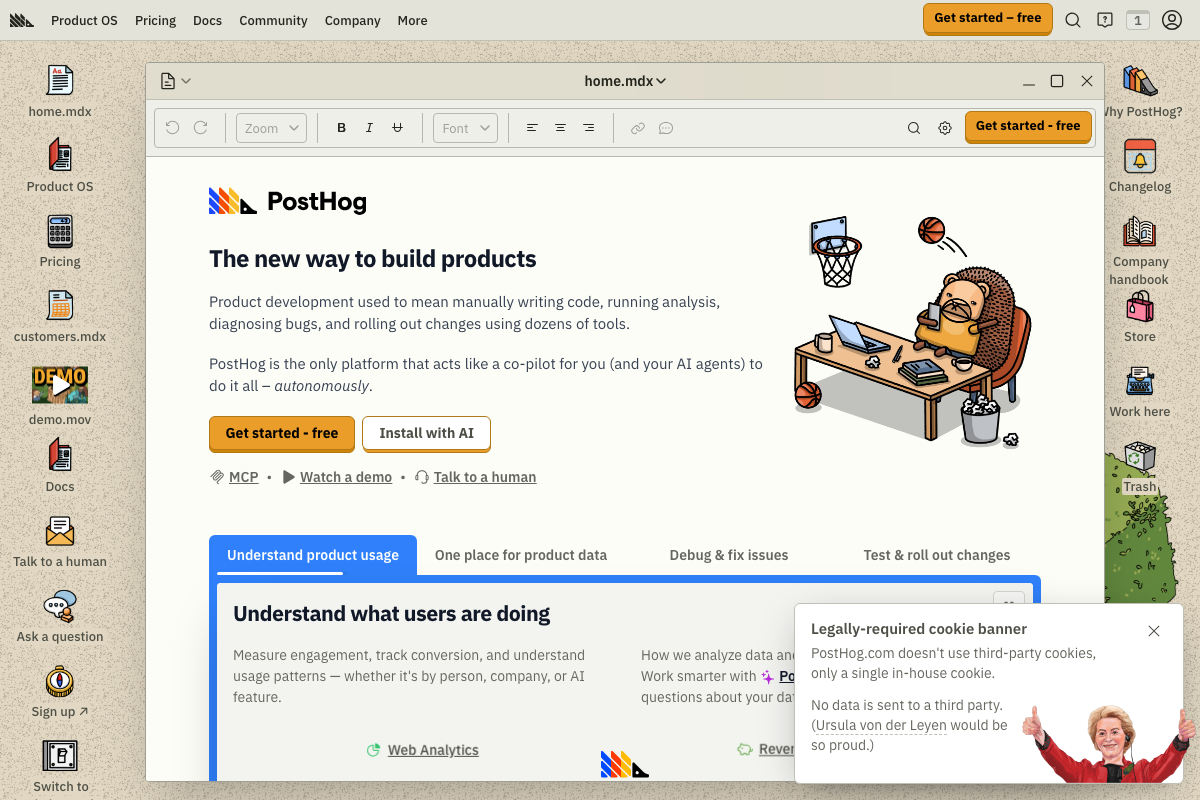
PostHog has expanded to a full “Product OS” — feature flags, A/B testing, session recording, and error tracking alongside analytics. If you’re already instrumenting PostHog for user behavior, you may already have your experimentation infrastructure.
Useful Links
- React Native · Learn once, write anywhere — Official framework documentation for building cross-platform iOS and Android apps from a single JavaScript codebase.
- Build and Grow Your App Business – RevenueCat — Subscription management, MRR tracking, and native paywall building platform referenced in step 11.
- Paywalls for mobile apps – Superwall — Paywall experimentation platform with no-code A/B testing and business analytics referenced in step 11.
- PostHog – We make dev tools for product engineers — Full Product OS covering analytics, feature flags, session recording, and A/B testing referenced in step 11.
- Attio: Ask more from CRM — AI-native B2B CRM with pipeline automation and reporting, used for creator tracking in step 8.
- Discord – Group Chat That’s All Fun & Games — Community and group chat platform repurposed for creator team coordination in step 8.
- TikTok – Make Your Day — Short-form video platform and primary viral distribution channel referenced in steps 3 and 4.
- Instagram — Social platform used for inbound UGC creator sourcing described in step 5.
- YouTube Shorts — Short-form video surface within YouTube, including the Remix amplification mechanic noted in step 3.


0 Comments