

AEO vs SEO: The One Difference That Changes How You Optimize
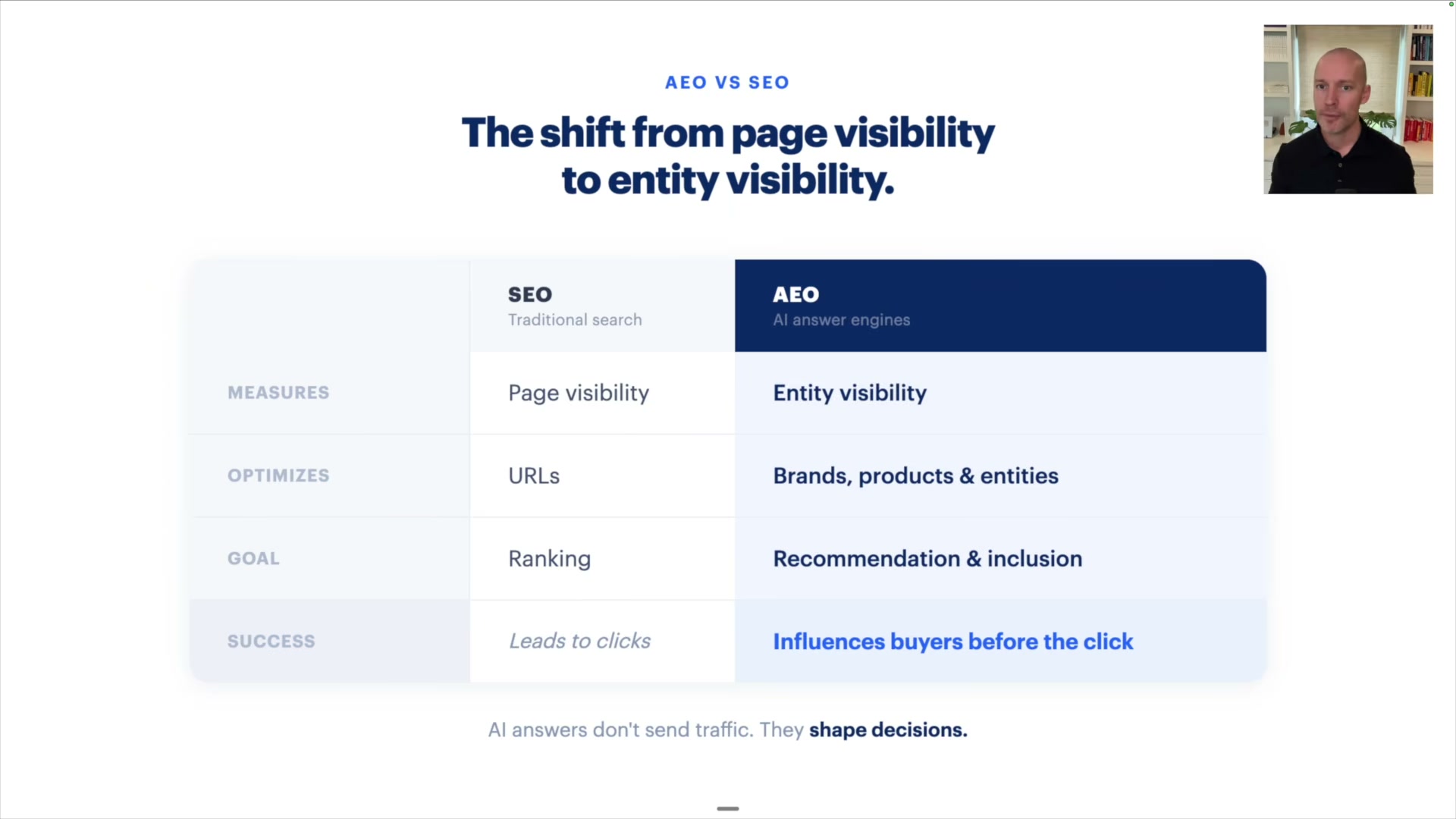
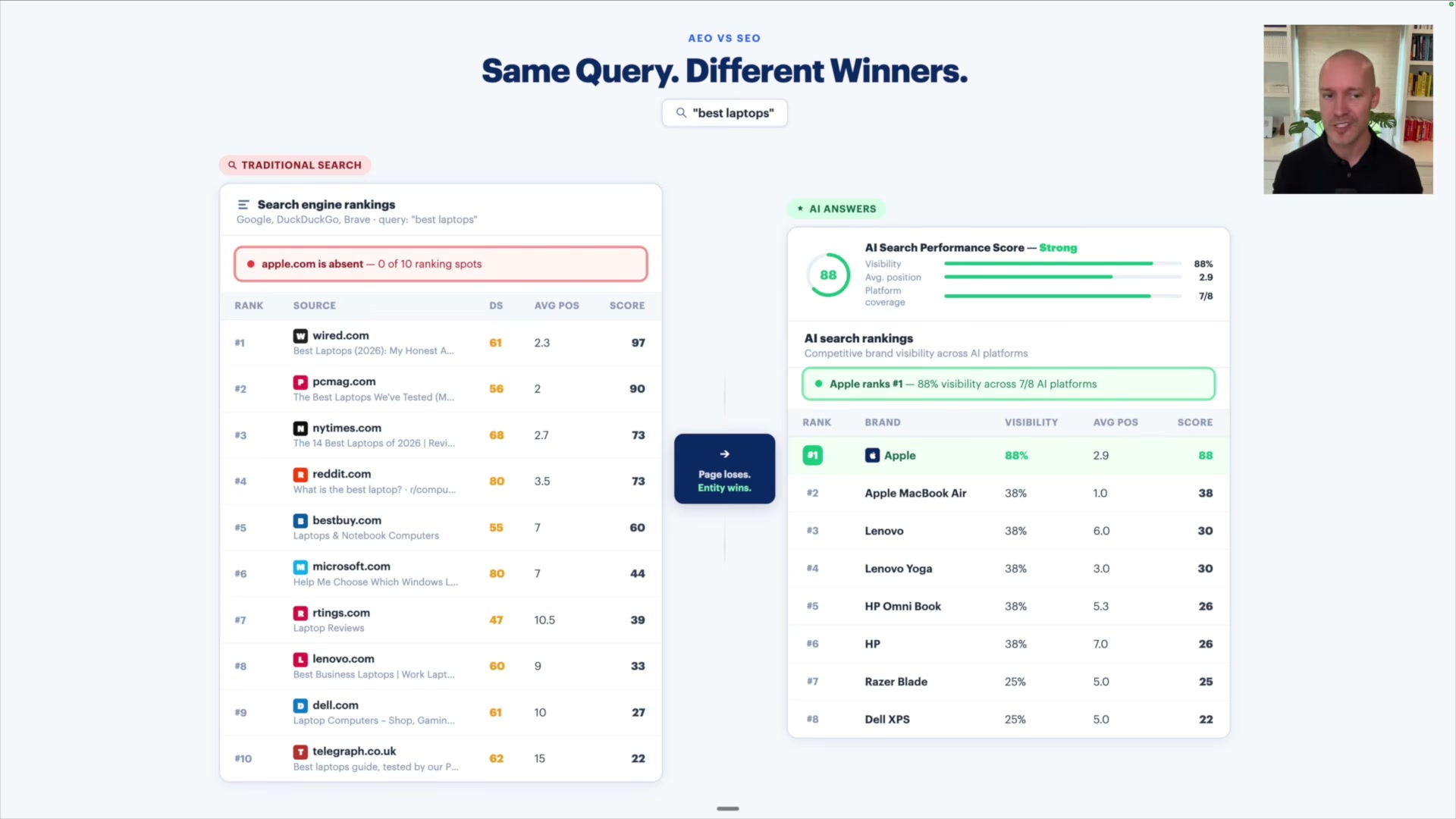
Apple’s website doesn’t rank in Google’s top 10 for “best laptops” — yet Apple dominates AI platform recommendations for that exact query with 88% visibility across ChatGPT, Perplexity, Gemini, and Claude. That gap is the entire difference between SEO and AEO. Work through these steps and you’ll be able to diagnose your brand’s blind spots across both traditional search and AI answers, then redirect effort toward the right signals for each channel.
- Open Google and search your most critical commercial keyword. Check whether your target brand appears anywhere in the top 10 organic results. Apple, for example, is completely absent from traditional results for “best laptops” — a keyword directly tied to their core product line.
- Run the same query across AI platforms — ChatGPT, Perplexity, Google AI Overviews, Google AI Mode, Gemini, and Claude. Record which brands appear in the recommended answers. Apple surfaces as the top recommendation on seven of eight platforms for the same keyword where it holds zero traditional rankings.
- Run a Visibility Split Test using three diagnostic questions: Do you rank in traditional search? Are you getting recommended in AI answers? If not, which competitors are winning those AI answers instead? These three questions expose exactly where your visibility strategy has gaps.

-
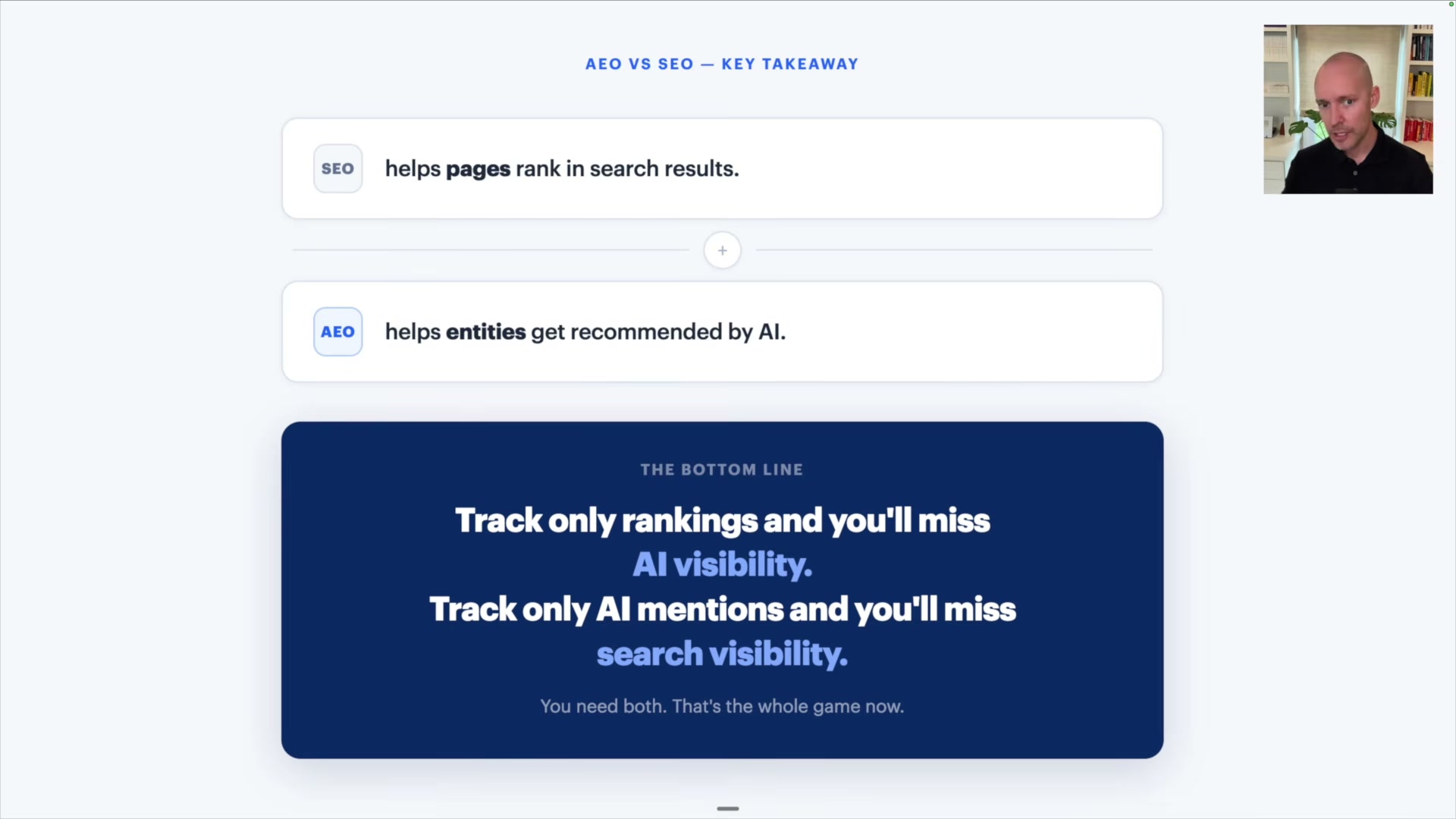
If traditional rankings are missing for a critical keyword, close that gap first. Ranking in traditional search results raises the probability of influencing AI answers, because citation patterns in those organic results feed directly into what AI platforms recommend.
-
If AI recommendations are missing, audit your brand’s off-site presence. Identify the competitors winning AI answers and map every location where they’re earning brand mentions — comparison articles, YouTube reviews, Reddit threads, product roundups, editorial coverage, and review sites. Those are the gaps to close.
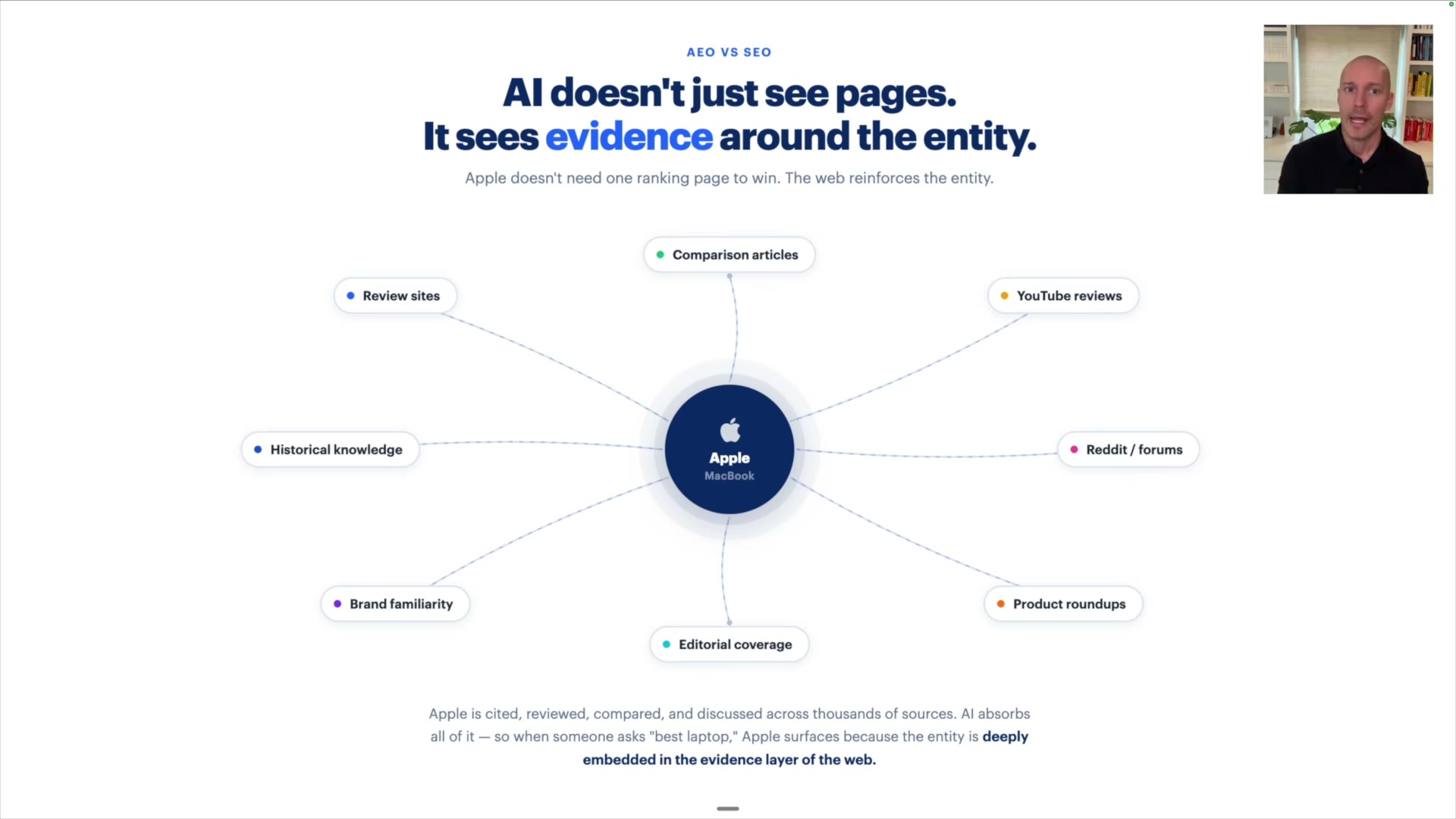
- Redirect the majority of optimization effort off your own website. The video puts the figure at 80–90% of total optimization time spent on off-site signals rather than on-page work.
Warning: this step may differ from current official documentation — see the verified version below.
-
Start with owned assets: build your brand presence on YouTube, LinkedIn, and X, all recognized as high-retrieval sources for AI platforms. These channels reinforce entity authority before you pursue third-party placements.
-
Move into earned media once owned assets are solid. Reach out to influencers and external publishers to generate brand mentions and direct recommendations — the type of citations AI platforms weight heavily when constructing answers.
-
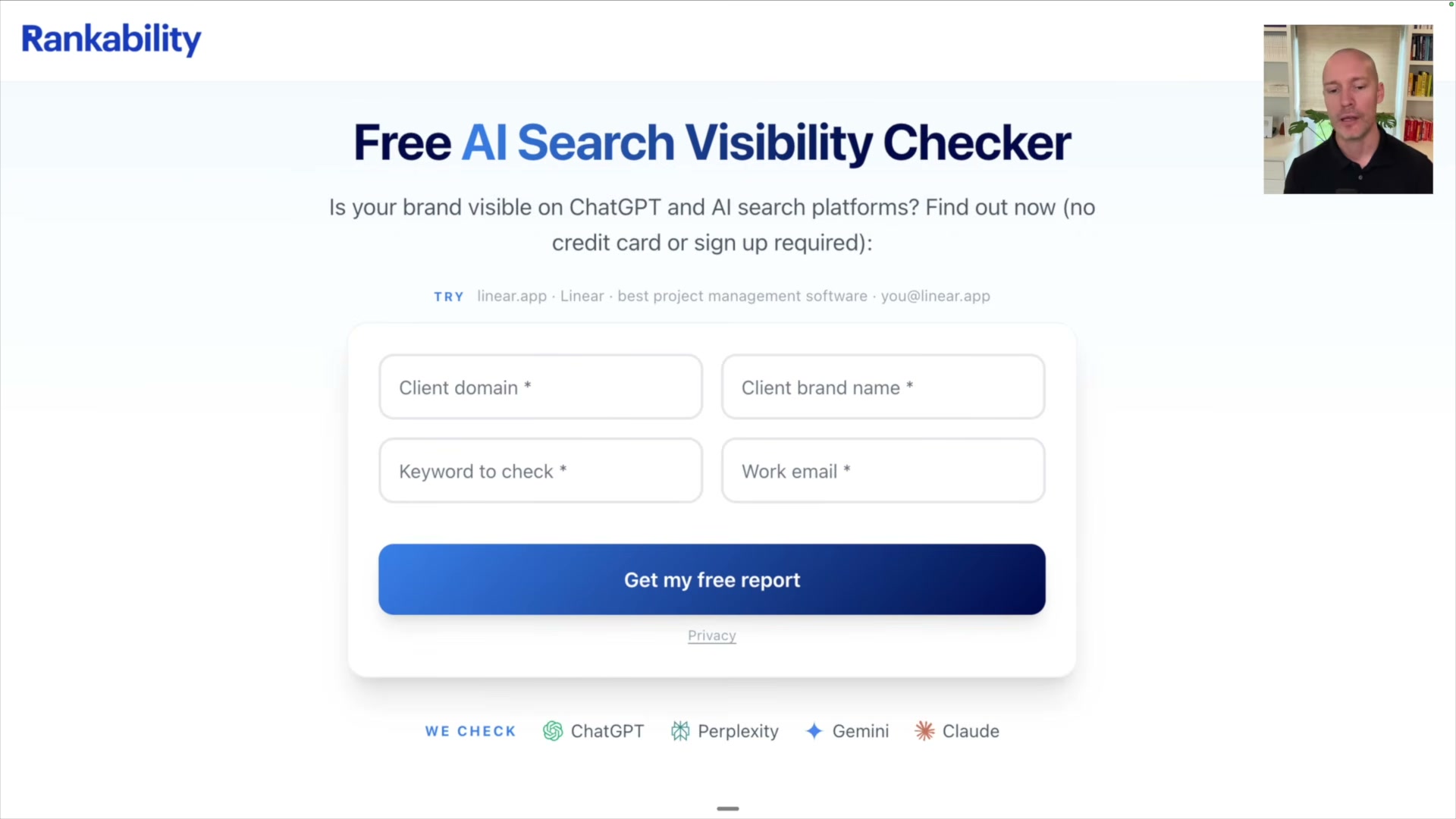
Use the free AI Search Visibility Checker from Rankability (linked below the video) to score your brand’s current visibility across ChatGPT, Perplexity, Gemini, and Claude simultaneously. No credit card or upsells required.
How does this compare to the official docs?
The framework above reflects one practitioner’s interpretation of how AI platforms surface brand recommendations — but the platforms themselves publish technical guidance on entity representation, structured data, and content signals that tells a more precise story about what actually drives AI visibility.
Here’s What the Official Docs Show
The video’s AEO vs. SEO framework is a sound starting point for diagnosing cross-channel visibility gaps. What the official documentation adds — particularly around how Google’s own AI surfaces work — fills in two meaningful gaps that change how you’d prioritize the work.
Step 1: Check traditional search rankings
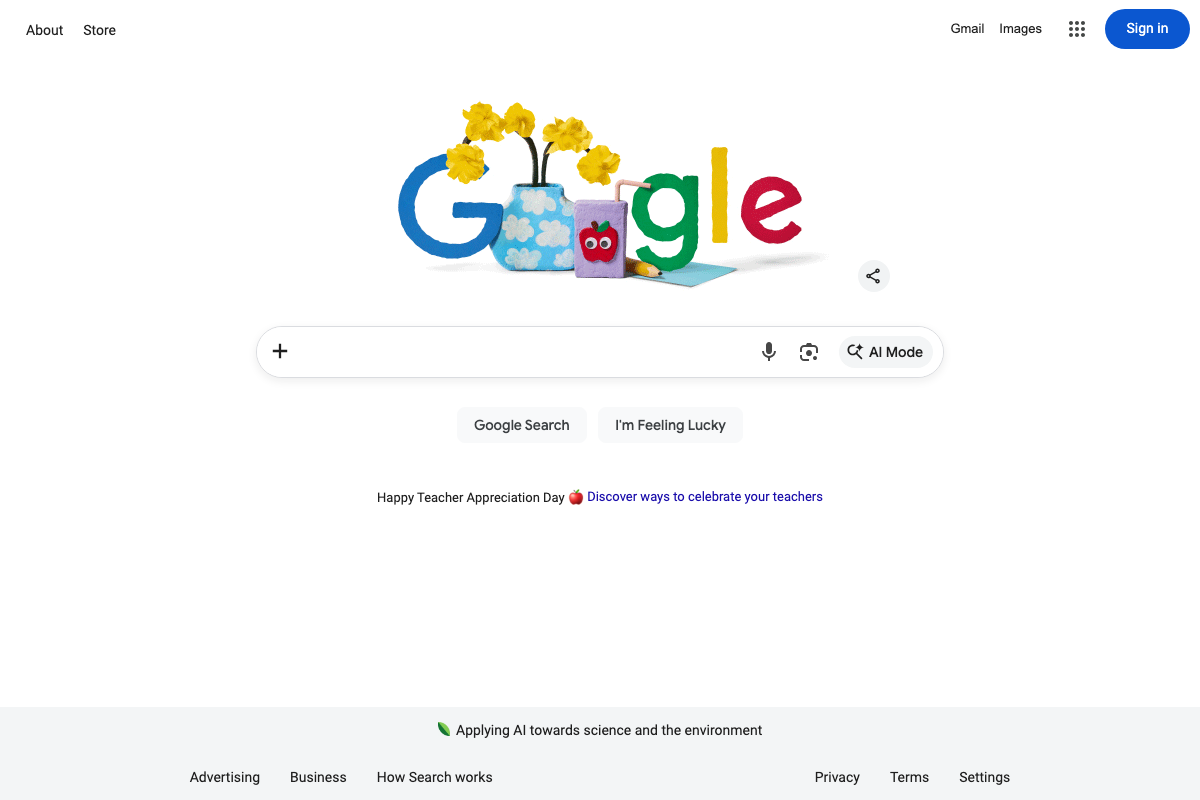
The video’s approach here matches the current docs exactly. Google Search is the confirmed entry point for traditional ranking checks, and the visible “AI Mode” button validates that Google’s AI surfaces are a distinct layer within the same interface.
Step 2: Run the same query across AI platforms
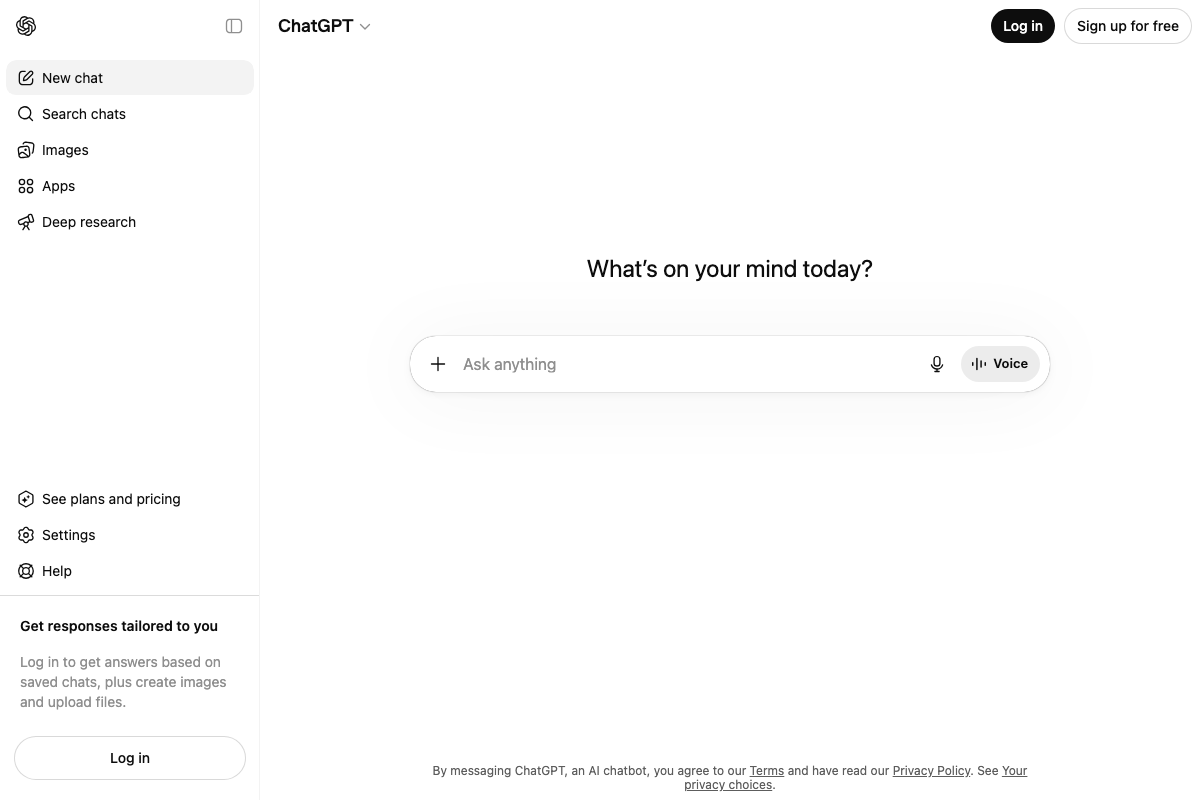

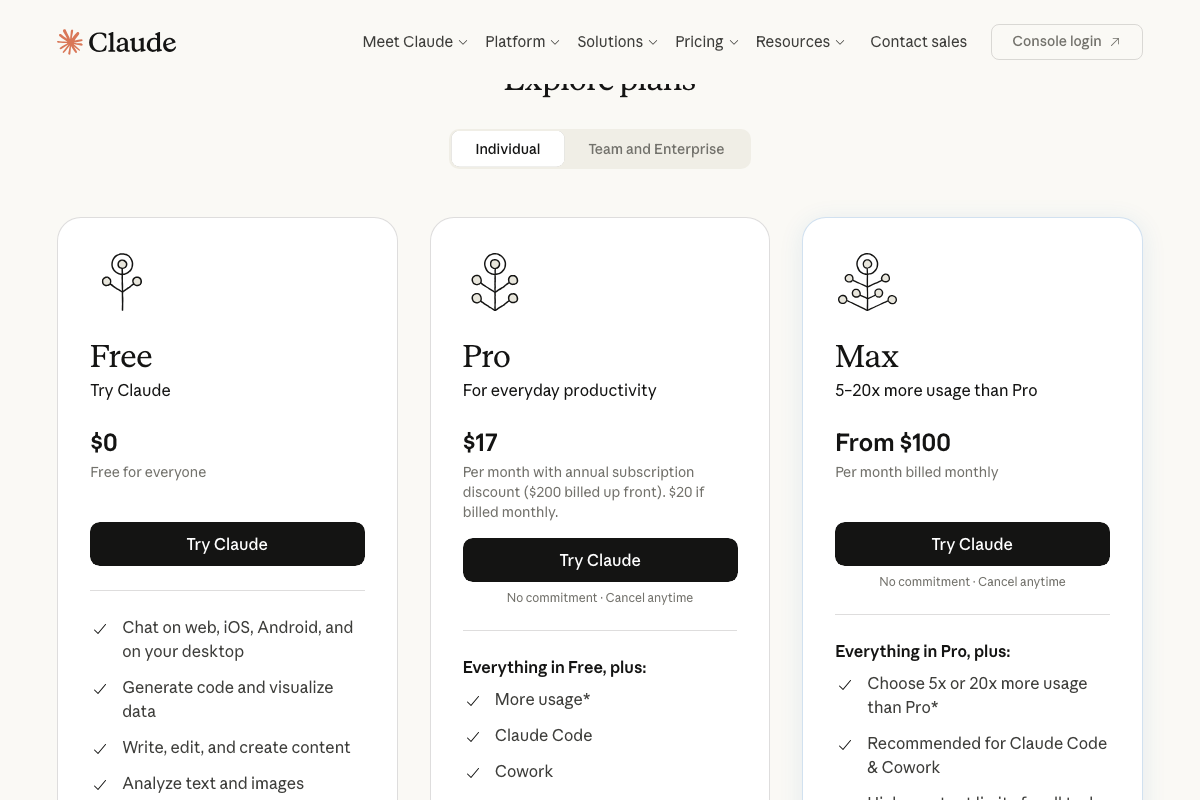
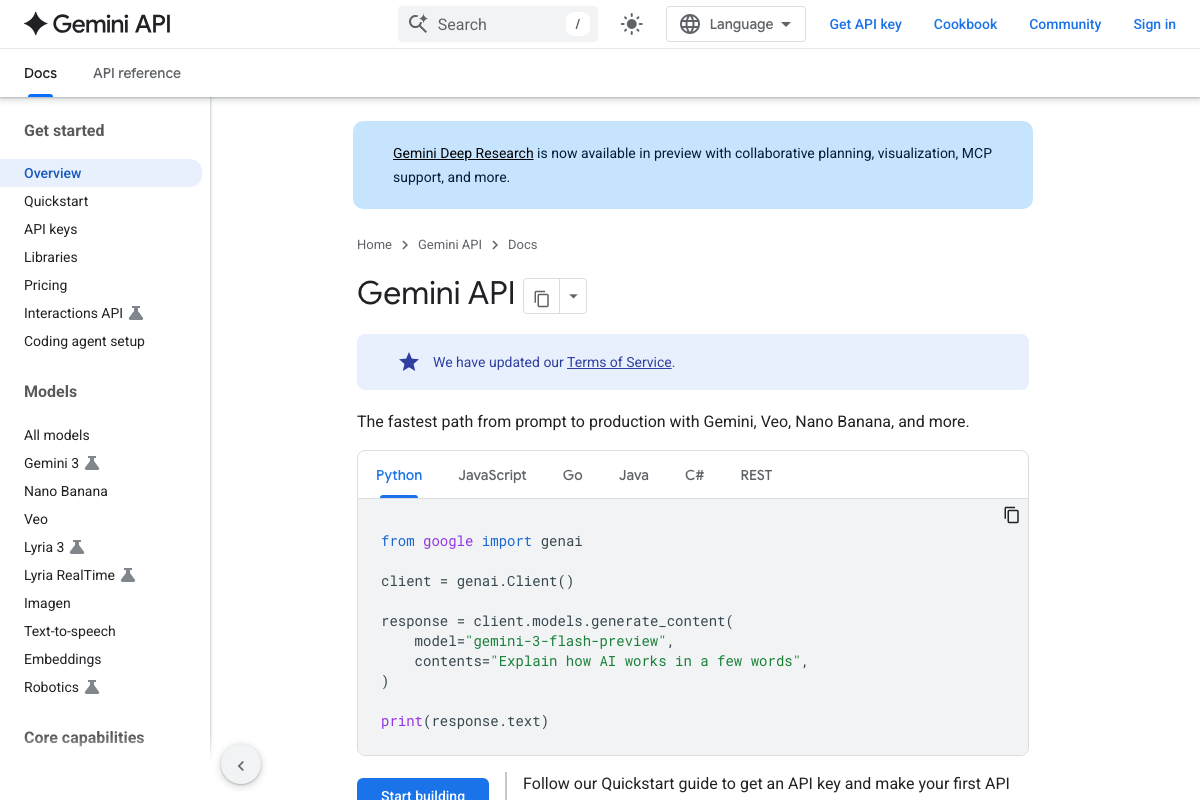
The video’s approach here matches the current docs exactly for ChatGPT, Perplexity, and Claude — all accessible without paid accounts. Two additions worth noting: ChatGPT’s “Deep Research” mode and Perplexity’s model selector can return different brand citation results than their standard interfaces, so use a consistent mode across audits. For Gemini specifically, run the query at gemini.google.com — the consumer chat product — not the developer API at ai.google.dev, which is a separate interface.
Step 3: Run the Visibility Split Test
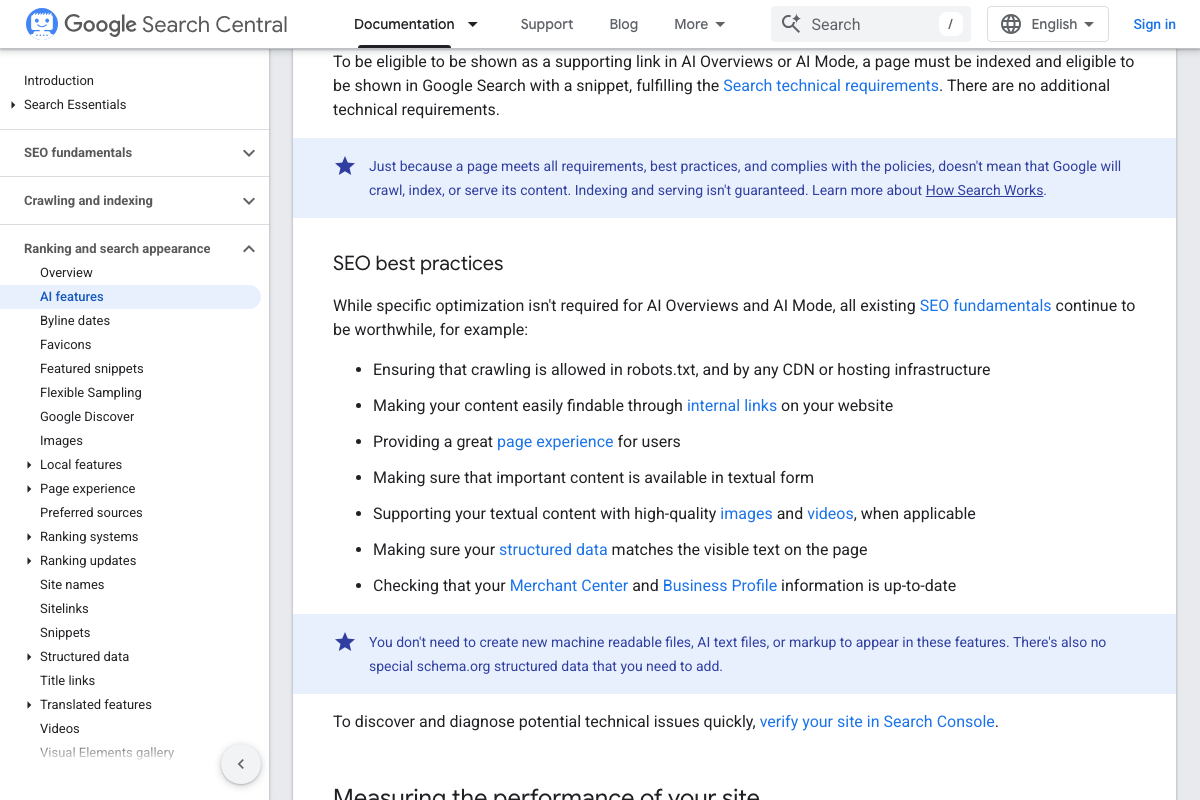
The binary framing — ranking in traditional search versus appearing in AI answers as two independent checks — does not hold for Google’s own AI surfaces. As of May 2026, Google’s documentation states that a page must be indexed and eligible to appear in standard Google Search before it can appear in AI Overviews or AI Mode. The two are prerequisite, not parallel. The split-test logic remains valid for ChatGPT and Perplexity, which operate independently of Google’s index.
Step 4: Close traditional ranking gaps first
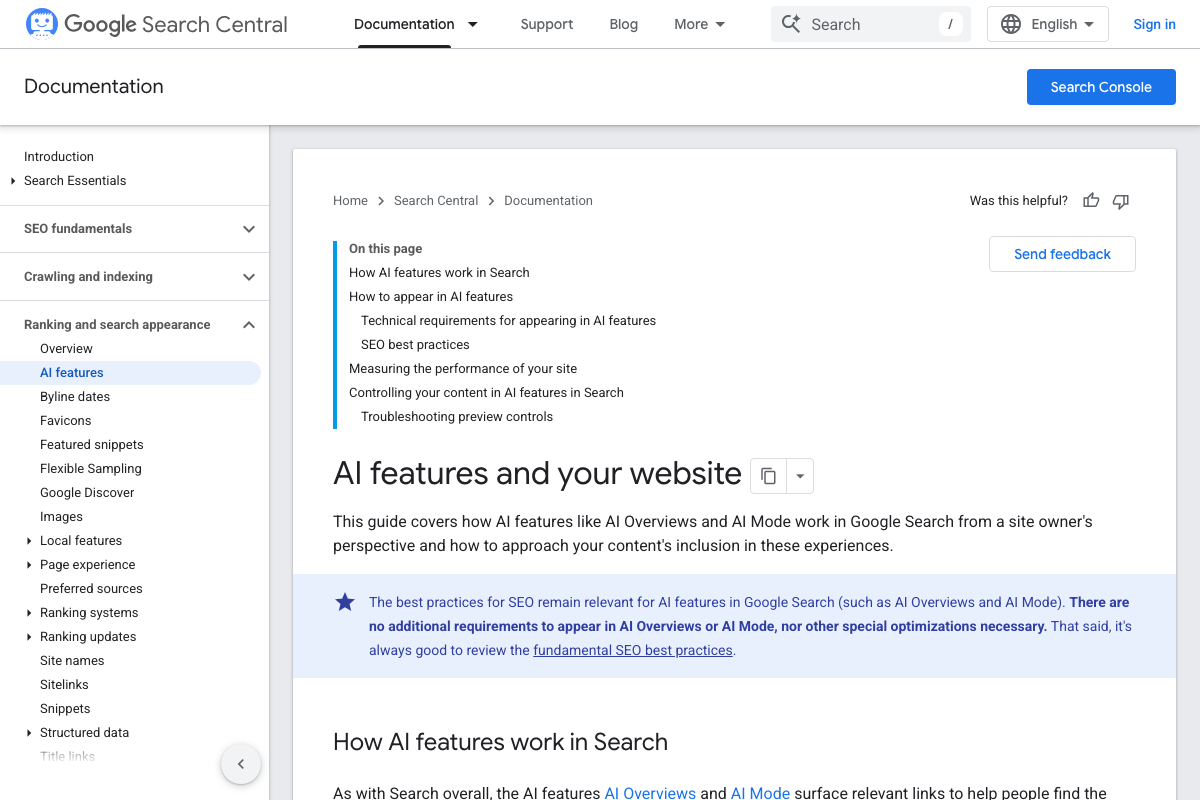
Google Search Central is direct: no additional optimizations beyond standard SEO are required to appear in Google AI Overviews or AI Mode. For Google’s surfaces, closing the ranking gap and closing the AI visibility gap are the same task, not separate workstreams. One additional nuance: AI Overviews “often don’t trigger” — they only appear when Google determines they add value over standard results, so absence from AI Overviews is not always a signal of a visibility problem.
No official documentation was found for the specific claim that organic citation patterns feed directly into AI recommendations — proceed using the video’s approach and verify independently.
Steps 5–9: Off-site allocation, owned assets, earned media, and visibility tools
No official documentation was found for these steps — proceed using the video’s approach and verify independently.
Useful Links
- Google — Search entry point for running traditional ranking and AI Mode checks described in steps 1–2.
- ChatGPT — OpenAI’s consumer AI platform; accessible without a paid account for brand visibility queries.
- Perplexity — AI search platform; model selection affects brand recommendation results, so specify a consistent model across audits.
- AI Features and Your Website | Google Search Central — Official Google documentation confirming that standard SEO is sufficient for AI Overviews and AI Mode eligibility, with no separate optimization track required.
- Gemini API | Google AI for Developers — Gemini developer API documentation; use gemini.google.com for consumer-facing brand visibility checks.
- Claude — Anthropic’s consumer AI assistant; the free tier is sufficient to run brand recommendation queries.


0 Comments