

How to Avoid YouTube’s Inauthentic Content Demonetization Traps
YouTube’s demonetization wave is still moving, and most creators it catches don’t understand why. This vidIQ breakdown identifies the three primary triggers — inauthentic, reused, and mass-produced content — and gives you three pre-upload checks to protect your channel before the next video goes live.
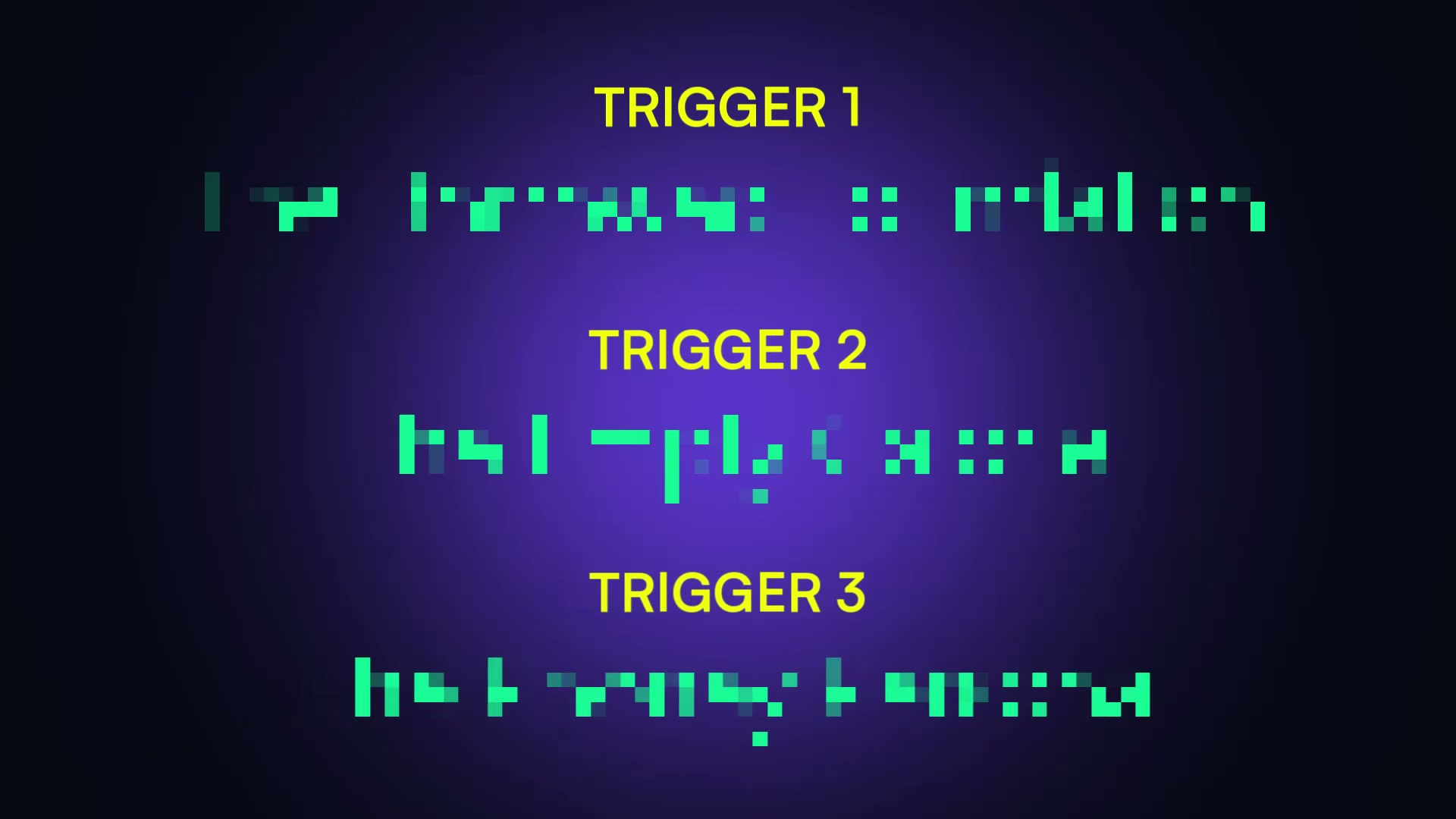
- Understand Trap 1: building on intellectual property you don’t own. Copyrighted characters, celebrities, video game franchises, and licensed media create structural demonetization risk regardless of subscriber count. A 200,000-subscriber Nintendo and Disney quiz channel illustrates the problem — high volume, large audience, demonetized anyway. The issue isn’t the subject matter; it’s the absence of original creative work layered on top of borrowed assets.
-
Apply the transformation test. Strip every borrowed asset — every character, clip, or face you don’t own — and ask whether what remains is worth watching on its own terms. If nothing of value survives that removal, the content isn’t transformative. Editing clips together, adding music, or attaching a quiz format doesn’t qualify; transformation requires original commentary, creative work, or a story arc that didn’t exist before you made it.
-
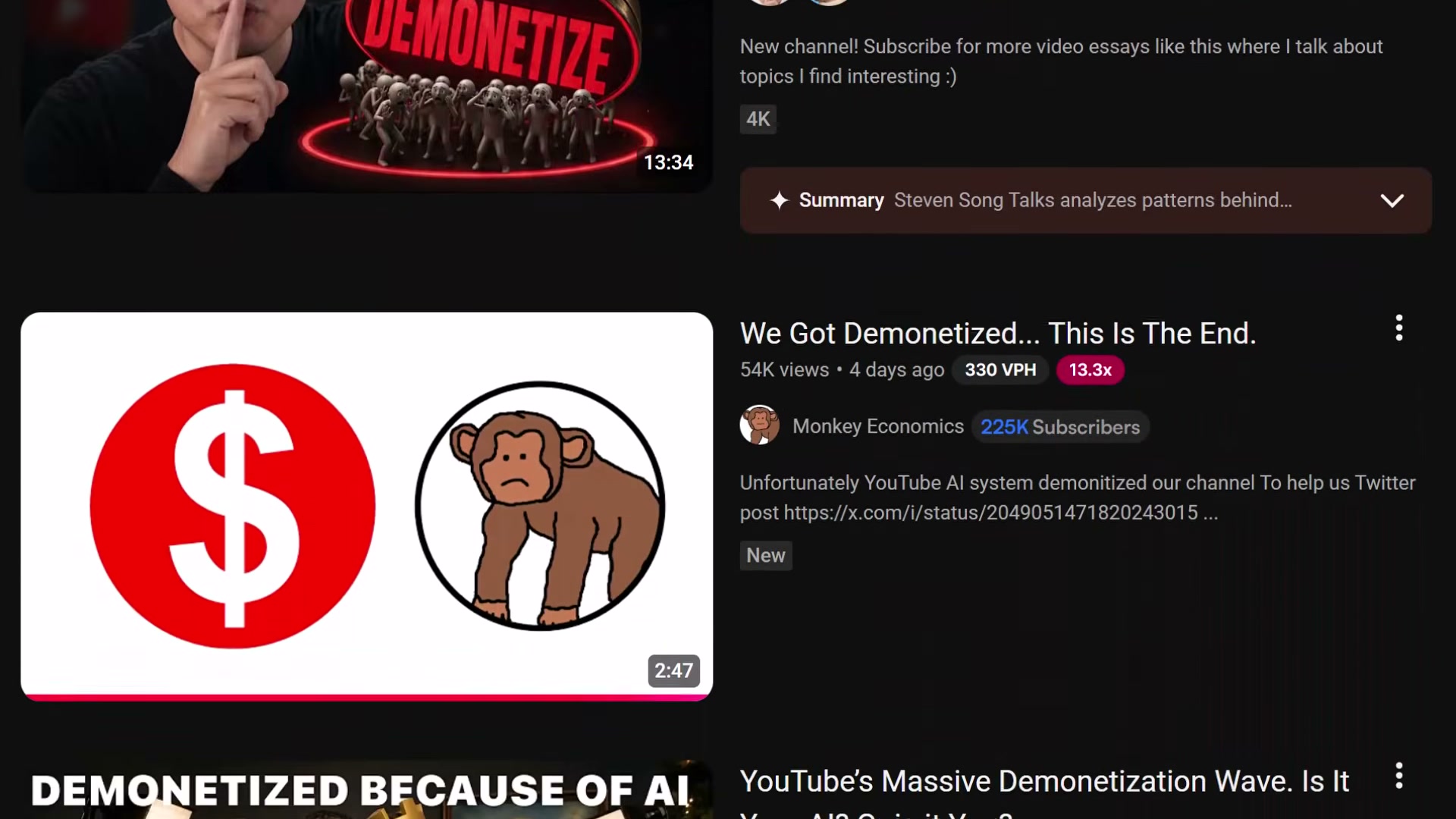
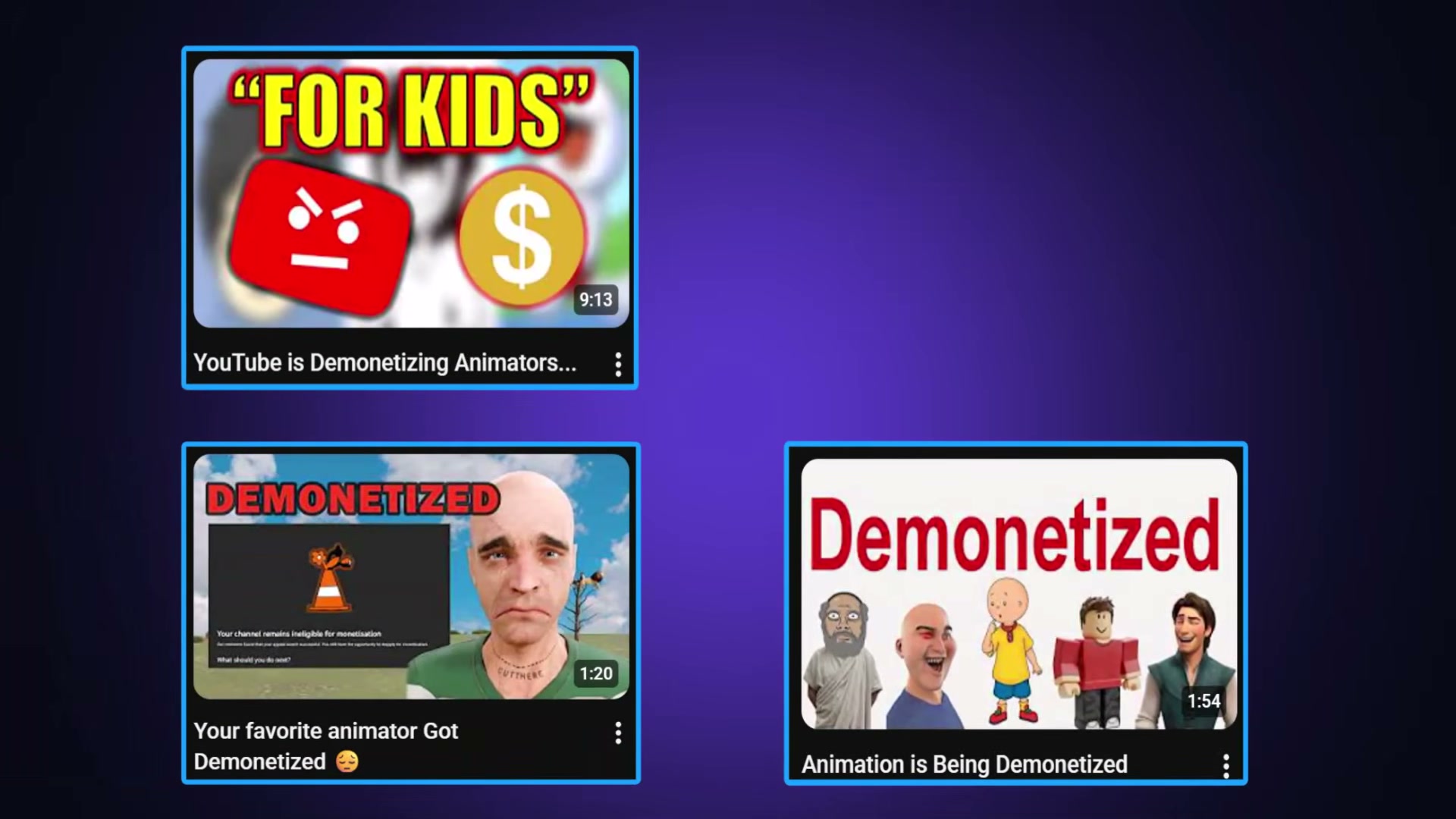
Understand Trap 2: mass-produced or repetitious content. YouTube’s automated systems flag channels that publish high volumes of near-identical videos with no differentiated payload for the viewer. The painful case here is a solo creator spending a full day on a single 20-second Blender animation — original work, no copyright issues — who was demonetized anyway because the channel pattern read as a content farm.

- Apply the value check. Strip the visuals, the polish, and the music. What remains must carry a story, a lesson, a researched argument, or a genuine perspective. YouTube’s policy language is direct: content should be made for viewer enjoyment or education, not for the sole purpose of generating views. If the words alone have no payload, add the payload before adding the polish.

- Understand Trap 3: fictional AI-generated human personas. Faceless channels and AI avatars are not the problem. The line is fabricated authority — a generated name, a synthetic face, and a manufactured credibility signal used to build viewer trust without disclosure. A health channel targeting seniors with an AI-generated “Dr. Jennifer” dispensing medication advice is the use case YouTube’s spam and deception policies are written to catch.
-
Apply the authenticity check. Give a curious viewer 10 minutes on your channel and ask whether they could confirm a real human is behind it. Monetized faceless channels that survive this test share one trait: human voice, personal stories, or experiences that prove authorship even without a visible face.
-
Run the ownership check before every upload. Remove every borrowed element. If a standalone video doesn’t survive that removal, rebuild on original assets.
-
Run the value check before every upload. Confirm the words alone carry a real point, story, or lesson — then add the polish.
-
Run the authenticity check before every upload. Make disclosures visible and prominent, include human evidence on the channel, and don’t let an AI voice be the only signal of identity.
-
If already demonetized, appeal directly to YouTube. The right exists and it works — the Blender animation creator covered here had their appeal approved while the breakdown video was still being recorded. Document your creative process, demonstrate human authorship, and submit evidence of value.
How does this compare to the official docs?
The video’s three-trigger framework leans on YouTube’s own policy language, but the official documentation draws those lines in ways the breakdown doesn’t fully surface — and that gap is exactly where Act 2 picks up.
Here’s What the Official Docs Show
The vidIQ breakdown has the right architecture — official documentation confirms the foundational logic while surfacing a few details that sharpen the picture. What follows runs the same steps in the same order, grounding what can be verified and flagging where the video’s guidance is your best available reference.
Step 1: Trap 1 — IP you don’t own.
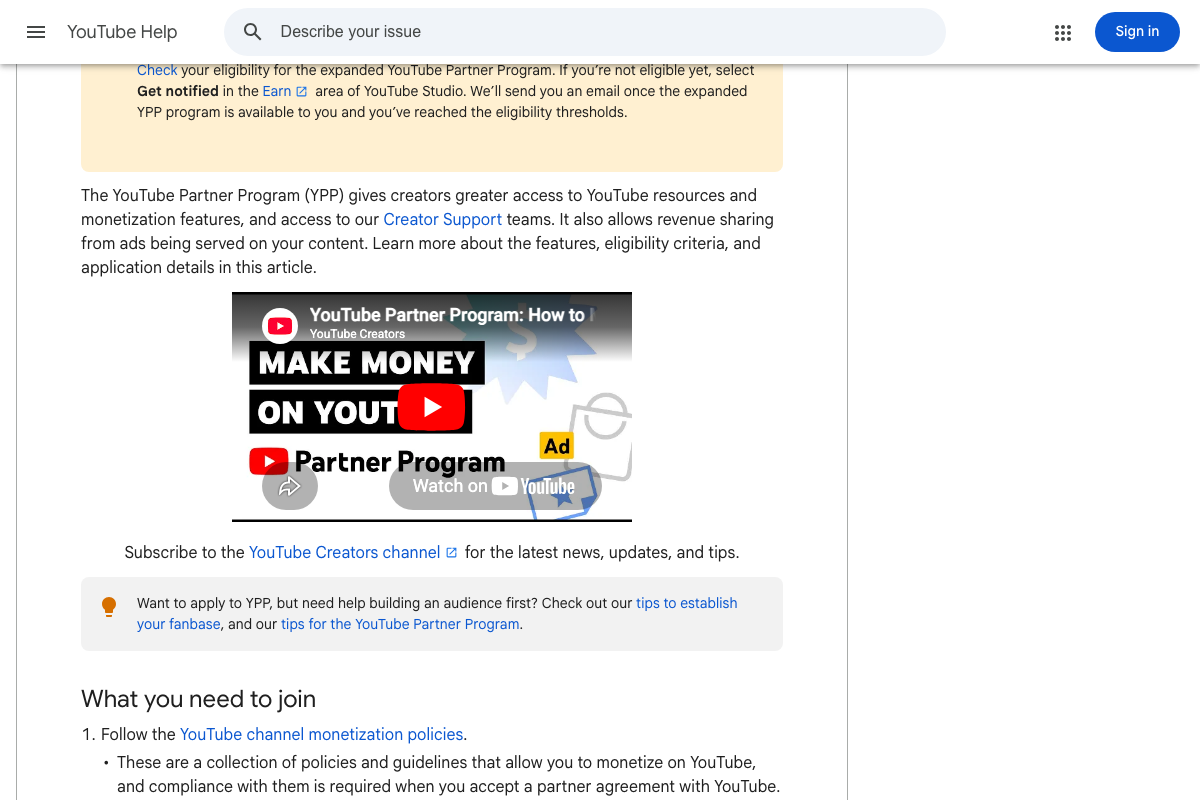
The video’s approach here matches the current docs exactly. The YouTube Partner Program overview lists “Follow the YouTube channel monetization policies” as the first YPP requirement — meaning a violation doesn’t just flag a video, it removes the eligibility basis for monetization entirely. Channels can gain or lose YPP status at any point; approval is not permanent.
Step 2: The transformation test.
No official documentation was found for this step —
proceed using the video’s approach and verify independently.
Step 3: Trap 2 — mass-produced content.
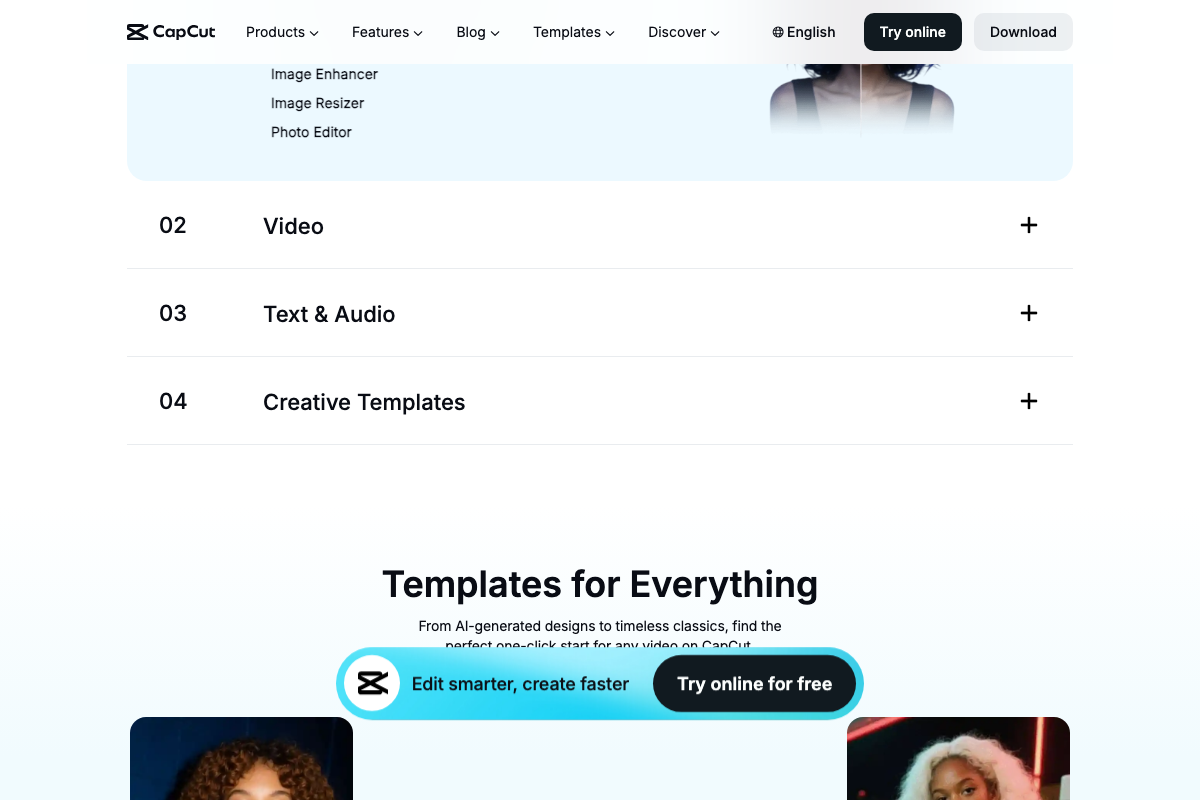
The video’s approach here matches the current docs exactly. CapCut’s Creative Templates category — marketed directly for YouTube production — illustrates how template-driven batch workflows are mainstream and accessible at scale. The YPP page confirms that content policy compliance is a standing condition of monetization, not a one-time approval gate.
Step 4: The value check.
No official documentation was found for this step —
proceed using the video’s approach and verify independently.
Step 5: Trap 3 — fictional AI-generated human personas.
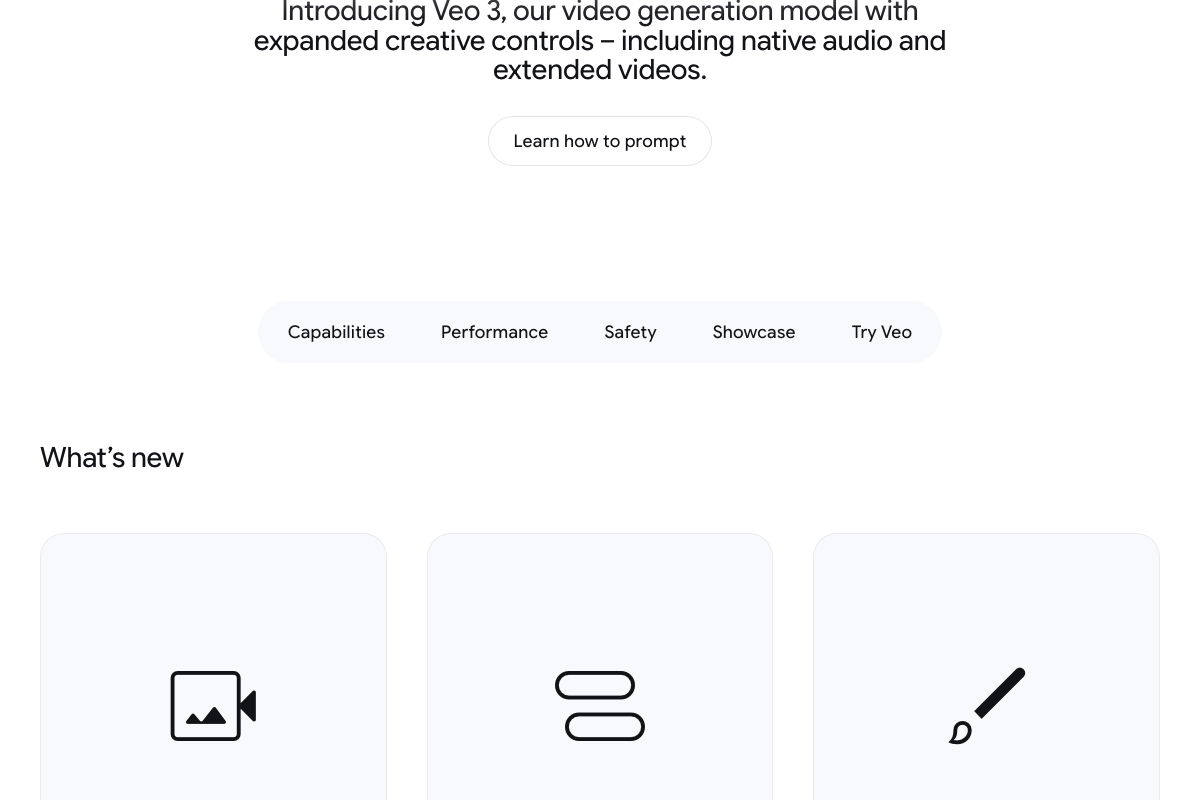
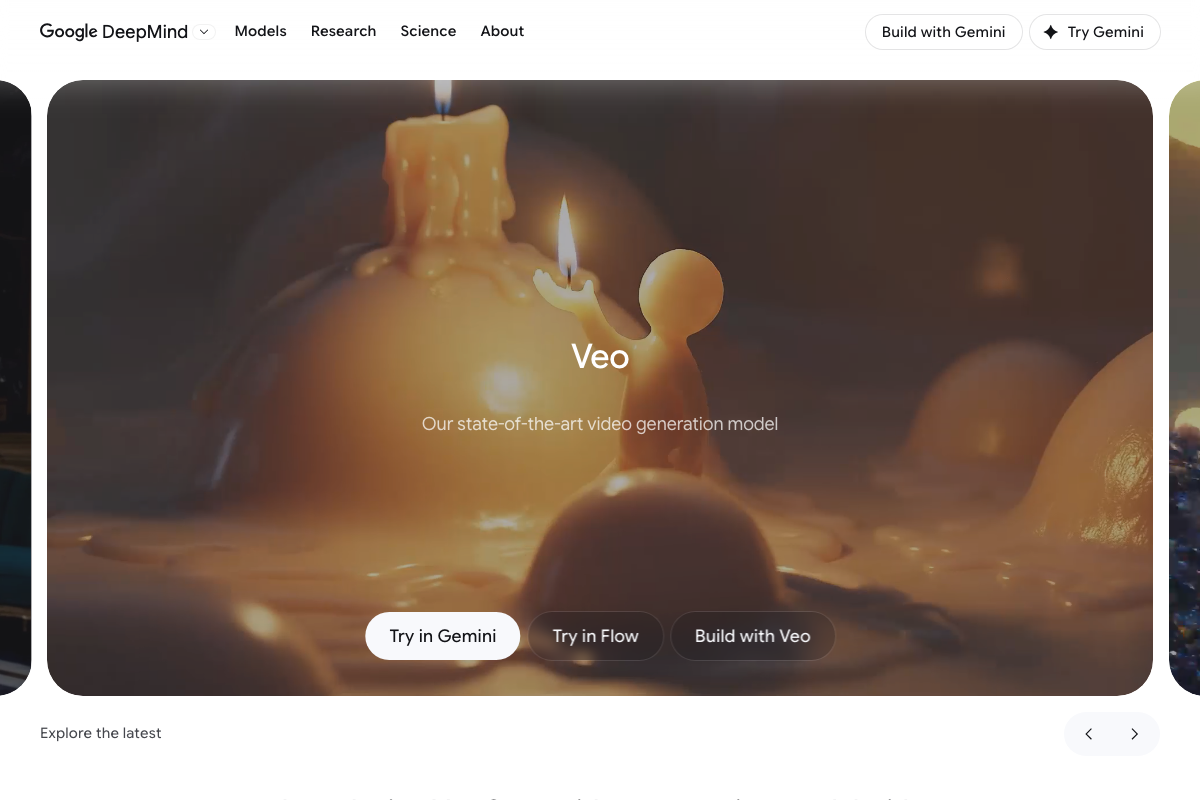
The video’s approach here matches the current docs exactly. Google DeepMind’s Veo page confirms that photorealistic AI video is commercially available through Gemini, Flow, and an open developer API. One material detail the tutorial doesn’t address: Veo 3 now generates native audio alongside video in a single pass — a synthetic presenter’s face and synchronized voice are produced simultaneously. AI voice is no longer a separate layer sourced from a distinct tool, which makes the detection challenge meaningfully harder than the tutorial implies.

Step 6: The 10-minute authenticity check.
No official documentation was found for this step —
proceed using the video’s approach and verify independently.
Step 7: Pre-upload ownership check.
No official documentation was found for this step —
proceed using the video’s approach and verify independently.
Step 8: Pre-upload value check.
No official documentation was found for this step —
proceed using the video’s approach and verify independently.
Step 9: Pre-upload authenticity check.
The tutorial’s guidance — don’t let AI voice be the only signal of identity — holds. What the docs add: as of May 2026, Veo 3 produces voice and video in a single generation pass, so a channel built around an AI presenter now carries a compounded disclosure burden. Prominence of human evidence matters more, not less.
No official documentation was found confirming YouTube’s specific detection signals for AI-generated presenters —
proceed using the video’s approach and verify independently.
Step 10: If already demonetized, appeal.
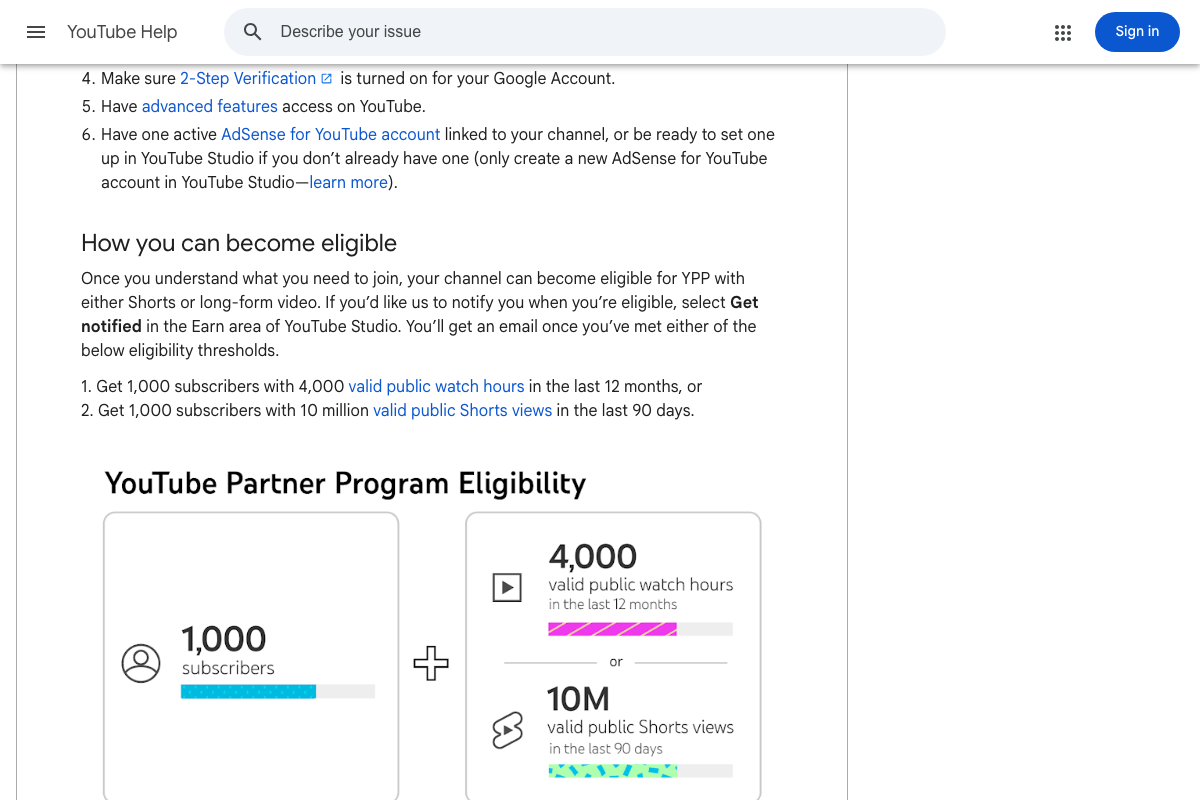
The YPP overview confirms that YPP members have access to Creator Support teams — that is the channel through which an appeal would be initiated. The specific appeal procedure is not visible in any captured screenshot.
No official documentation was found for the appeal process described in the video —
proceed using the video’s approach and verify independently.
Useful Links
- YouTube Partner Program overview & eligibility — Authoritative YPP requirements page, including the link to the YouTube channel monetization policies document where the three content traps are formally defined.
- Veo — Google DeepMind — Google DeepMind’s Veo model page documenting Veo 3’s native audio generation capability and access options via Gemini, Flow, and developer API.
- CapCut AI Video Editor — CapCut’s product page showing the Creative Templates and Text to Speech tools that represent the mass-production pipeline YouTube’s systems are trained to flag.
- Blender — Free and Open Source 3D Creation Software — Blender’s homepage confirming GNU GPL licensing, relevant to understanding what constitutes creator-owned original content under Trap 1.


0 Comments