

Why AI-Only SEO Crashes at the Six-Month Mark
Google’s scaled content abuse policy has ended entire content strategies, and most practitioners building on AI automation alone don’t see the cliff coming. In this podcast episode, SEO consultant Gagen Gotchra breaks down how fully automated content scaling triggers algorithmic penalties — and what a sustainable hybrid workflow looks like instead. You’ll leave with a clear framework for distinguishing legitimate programmatic SEO from the patterns Google penalizes, and a realistic publishing cadence that compounds rather than collapses.
-
Recognize the viral trap circulating on X: five-step AI prompts claiming to replace agencies entirely. The pitch is straightforward — paste your site into Claude or ChatGPT, get a complete SEO strategy, skip the retainer. When Claude audits a 50-page site, it routinely recommends scaling to 500 pages or building hundreds of competitor comparison pages. That output describes scaled content abuse, not a growth strategy.
-
Understand what Claude is actually optimizing for when it recommends aggressive page scaling. The model isn’t calibrated to Google’s content policies; it’s maximizing topical coverage. Treating that output as a publishing roadmap is where the penalty begins.
-
Learn what Google’s scaled content abuse policy says. Google introduced the policy in March 2024 alongside a core algorithm update, targeting sites that use automation to grow page counts at a rate inconsistent with their real-world scope. Gagen’s restaurant analogy makes this concrete: a restaurant website with 100,000 pages can’t be justified — real menus cap at 20–30 items, making 30–40 pages the credible ceiling. The same reasoning applies to most SaaS sites that aren’t operating at HubSpot’s authority level.
-
Spot the traffic pattern before it hits your site. AI-scaled sites typically gain momentum for four to six months — long enough to look like a win — then lose 80–90% of that traffic in a single correction. When creators share their domain performance graphs, the crash is visible to anyone who looks six to eight months past the original share date.
-
Adopt the AI-plus-human hybrid workflow. Use AI to generate an initial draft in minutes, then route it through human editing, brand review, and compliance checks before publishing. The AI step stays in the process; the difference is that a meaningful human layer sits above it before the page goes live.

-
Do not fire your content team. For products priced at $500 or above, pure AI copy kills conversion. Premium buyers read for trust signals — faces, proprietary product knowledge, brand voice — none of which ChatGPT output carries. Gagen recommends a minimum 50/50 human-to-AI ratio per page, with an 80/20 human-heavy split as the stronger target.
-
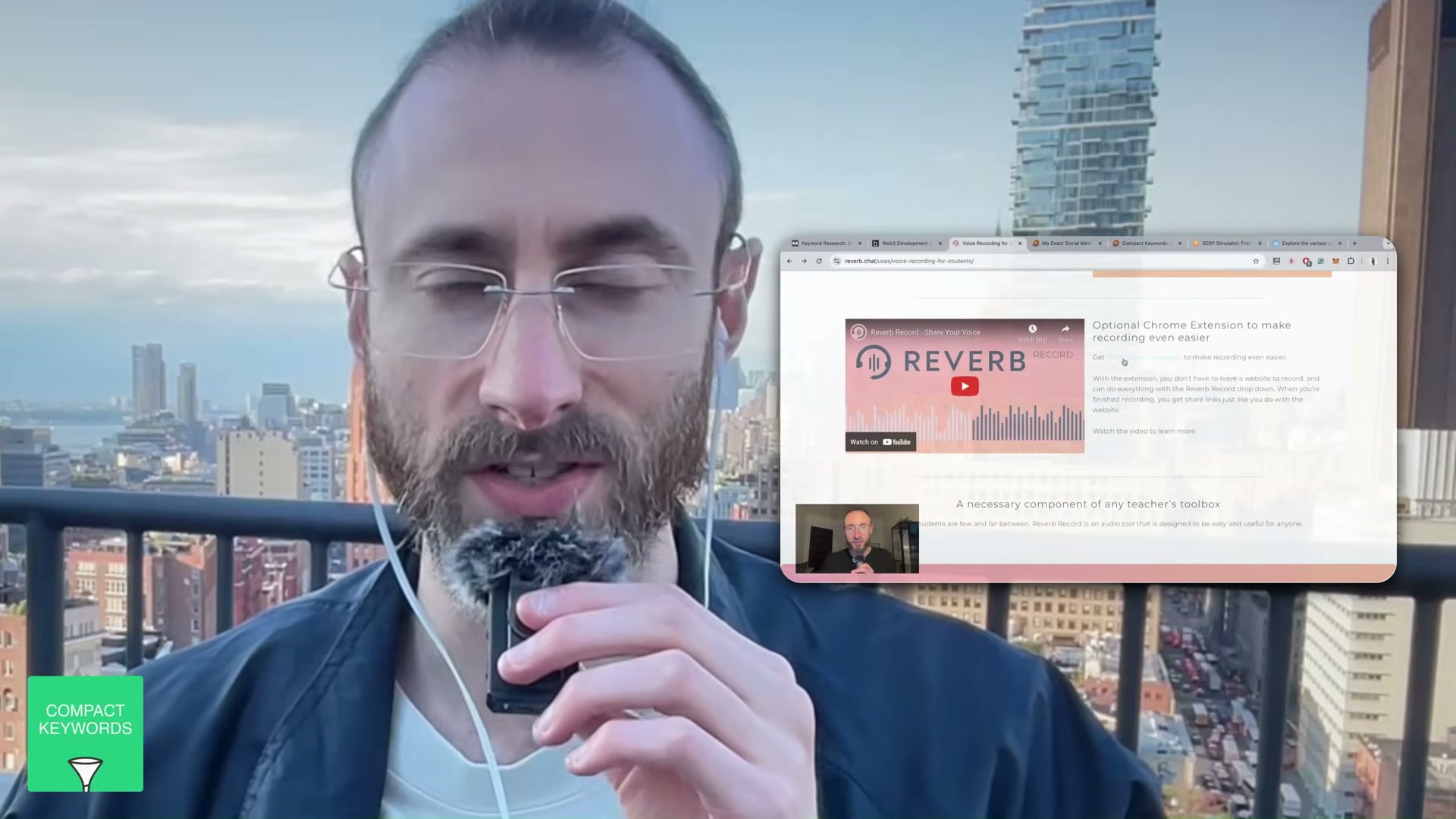
Distinguish good programmatic SEO from bad. Good programmatic SEO scales data that doesn’t exist elsewhere on the web — internal research, proprietary orders, original analysis unique to your operation. Bad programmatic SEO runs third-party sites through Claude and publishes the audit output as thousands of pages. The test is whether each page contains information only you could have produced.
-
Understand how Google detects scaling. Crawl frequency, sitemaps, and internal link structure make a spike from 1,000 to 10,000 pages in a single month straightforward to identify. Google likely distinguishes quality from slop by watching engagement signals: if content volume climbs while pogo-sticking increases and time-on-page drops simultaneously, more computationally expensive AI-detection checks probably activate.
-
Batch even genuinely unique programmatic pages over seven to eight months. Publishing 9,000 unique pages in a single day still triggers the same velocity signals as low-quality content floods. Spreading publication across the full window keeps the crawl pattern below the threshold that prompts deeper review.
Warning: this step may differ from current official documentation — see the verified version below.
-
Pair any content scaling program with video distribution across TikTok, Instagram, and YouTube, alongside active PR campaigns. Off-site brand signals establish that a site’s growth connects to real audience development, reducing the algorithmic risk that scaling volume alone creates.
-
The Shopify case study sets the ceiling: even a top-authority domain was penalized for scaling AI content past the limits its authority could support. Domain strength raises the threshold — it does not eliminate it.
How does this compare to the official docs?
Google’s public documentation on scaled content abuse specifies the policy criteria in more detail than the podcast captures, and the specifics around publication velocity, site history, and content type interact in ways that change the risk calculus considerably.
Here’s What the Official Docs Show
The video’s hybrid-SEO framework builds on real tools and a documented Google policy — the official sources confirm the foundations while leaving several specific claims in the “verify this yourself” column. This act traces the same eleven steps against what the documentation actually shows.
Step 1. ChatGPT and Claude are confirmed as real, publicly accessible products. The video’s approach here matches the current docs exactly. One useful addition: Anthropic’s current flagship model is Claude Opus 4.7 — the video references “Claude” generically without specifying a version, which matters when reproducing any prompt workflow.


Step 2. Claude’s specific recommendation to scale from 50 pages to 500 cannot be verified from available documentation. Anthropic’s published Responsible Scaling Policy — visible in the homepage footer — addresses AI safety risk tiers, not content generation volume or SEO behavior. The “50 → 500” output described in the video is a behavioral claim about the model, not a documented feature.
No official documentation was found for this step — proceed using the video’s approach and verify independently.
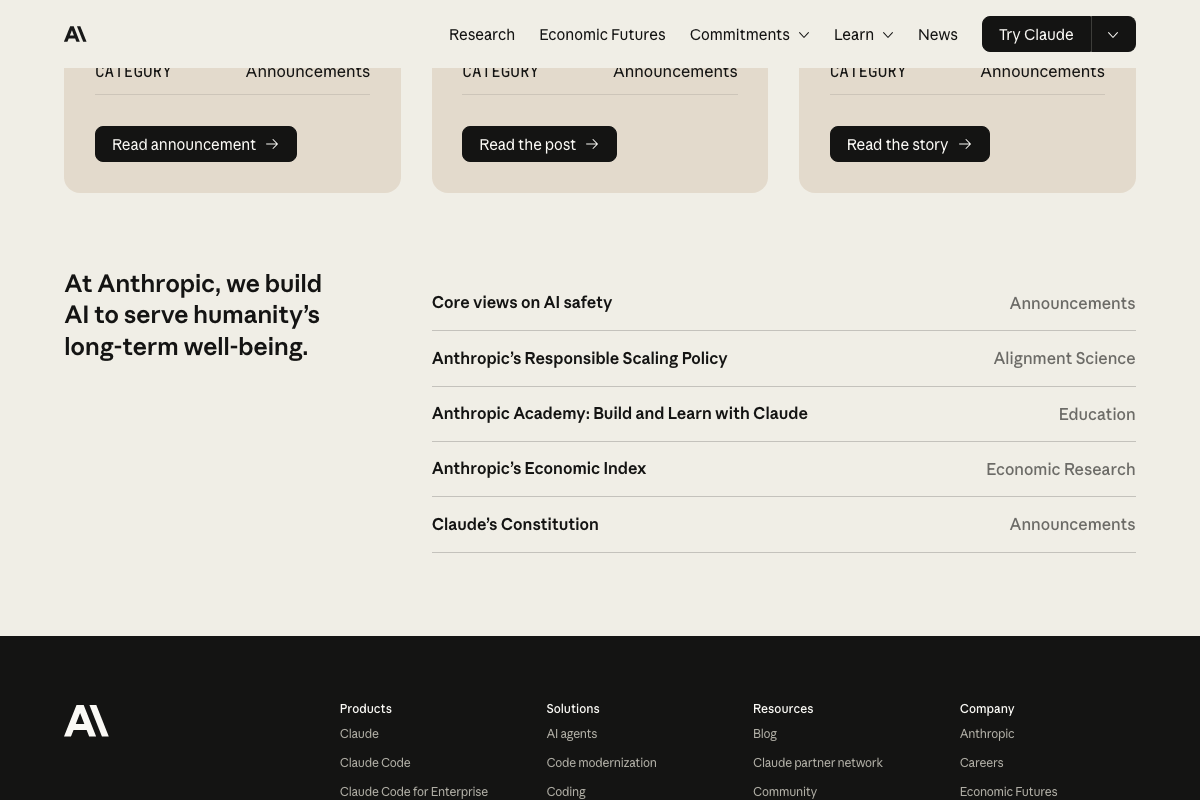
Step 3. Google Search Central (developers.google.com/search) is confirmed as Google’s active official SEO resource. The scaled content abuse policy itself, however, lives at developers.google.com/search/docs/essentials/spam-policies — a page not captured in the available screenshots. The March 2024 introduction date cited in the video cannot be confirmed or corrected from these captures.
No official documentation was found for this step — proceed using the video’s approach and verify independently.

Steps 4–11. None of the following claims have screenshot-based documentation support: the 4–6 month gain followed by 80–90% traffic crash pattern; the 50/50 or 80/20 human-AI content ratio; the “only you could have produced it” programmatic SEO test; Google’s crawl frequency and engagement-signal detection mechanics; the 7–8 month batching window; video and PR pairing for off-site brand signals; or the Shopify authority-ceiling case study.
No official documentation was found for these steps — proceed using the video’s approach and verify independently.
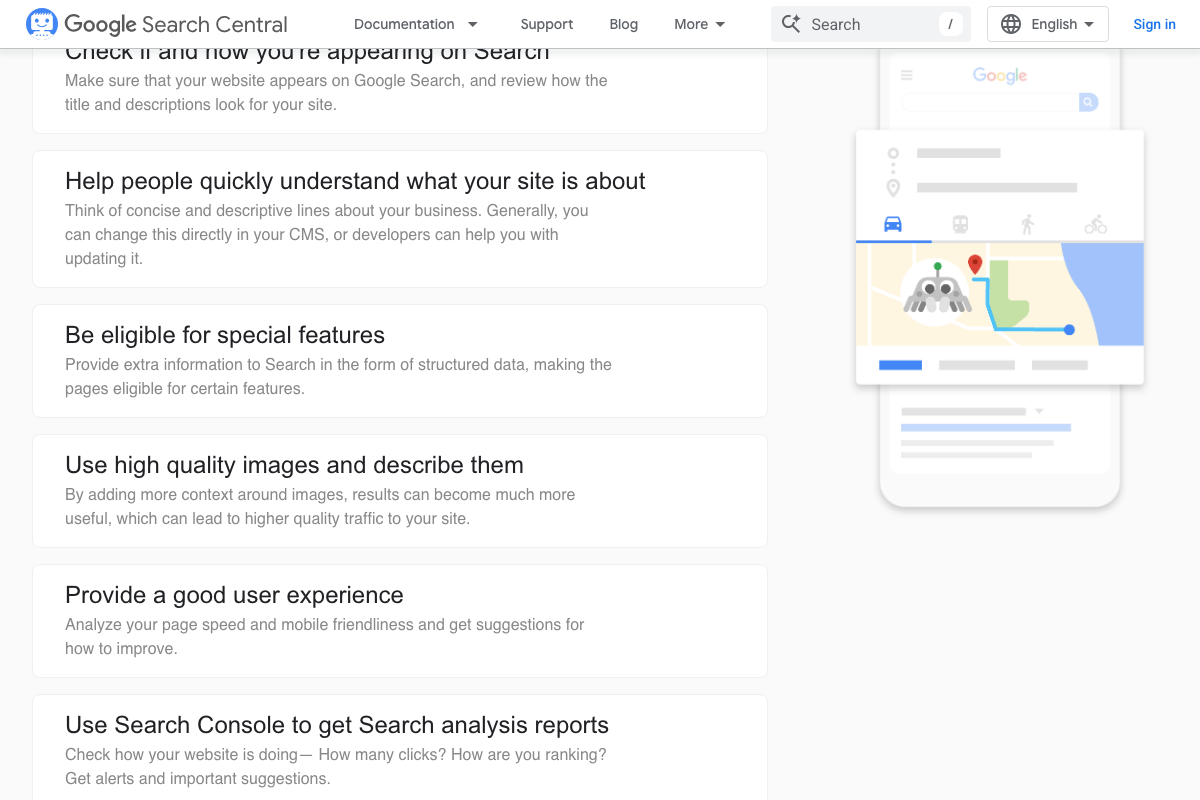
For steps 3 and 8 in particular, read the spam policies page directly before acting on the video’s specific thresholds — the policy language defines the enforcement boundary these steps depend on.
Useful Links
- Google Search Central — Google’s official hub for SEO documentation, technical guidance, and Search Console resources; the spam policies subpage is the direct source for scaled content abuse policy language
- Home \ Anthropic — Anthropic’s homepage confirming Claude’s commercial availability and current model lineup, including the flagship Claude Opus 4.7
- ChatGPT — OpenAI’s consumer interface confirming ChatGPT’s existence as a publicly accessible general-purpose AI product
- Overview – Perplexity — Perplexity’s developer API documentation, captured in the screenshot set but not referenced in any tutorial step


0 Comments