

Instagram’s Clickable Caption Links: What the New Test Means for Your Strategy
Instagram’s long-standing wall between posts and the open web is cracking. The platform is testing clickable links directly in post captions — a feature users have requested for years and that Instagram publicly rejected as recently as 2023. By the end of this breakdown, you’ll understand who can access the feature today, what the Meta Verified pricing tiers now look like, and how to think about the reach trade-offs before you change your strategy.
- In 2023, Instagram head Adam Mosseri explicitly ruled out links in posts, arguing they would push the platform “meaningfully away from being a visual platform” and toward publishers at the expense of creators. That context matters because it frames the current reversal: this is a documented policy U-turn, not an incremental product update.
- Instagram is now testing clickable links inside post captions, currently restricted to a subset of Meta Verified users in an early access group. The feature is not publicly available — it surfaced through user reports from within the test pool, not an official product announcement.
- Each account in the early test receives 10 clickable links per month. That cap positions the feature as a scarce resource rather than an unlimited utility, which has direct implications for how creators and brand sponsors may structure paid partnerships.
- The feature rollout language specifies “creator and publisher accounts” — but Instagram has no publisher account type. The three available account types are personal, business, and creator. If your account is set to business, you may not see the feature, but switching to a creator account is possible from within your profile settings without losing profile data. The term “publisher” most likely refers to accounts distributing content to external destinations, not a formal account classification.
- Meta Verified pricing has shifted significantly since the program launched. The entry tier that early adopters paid at $14–$15 per month no longer exists; the current structure jumps to $49, then $150, then $500 per month. The $49 tier already includes two clickable bio links, making it the most probable home for caption-link access if the test expands to all Verified subscribers.
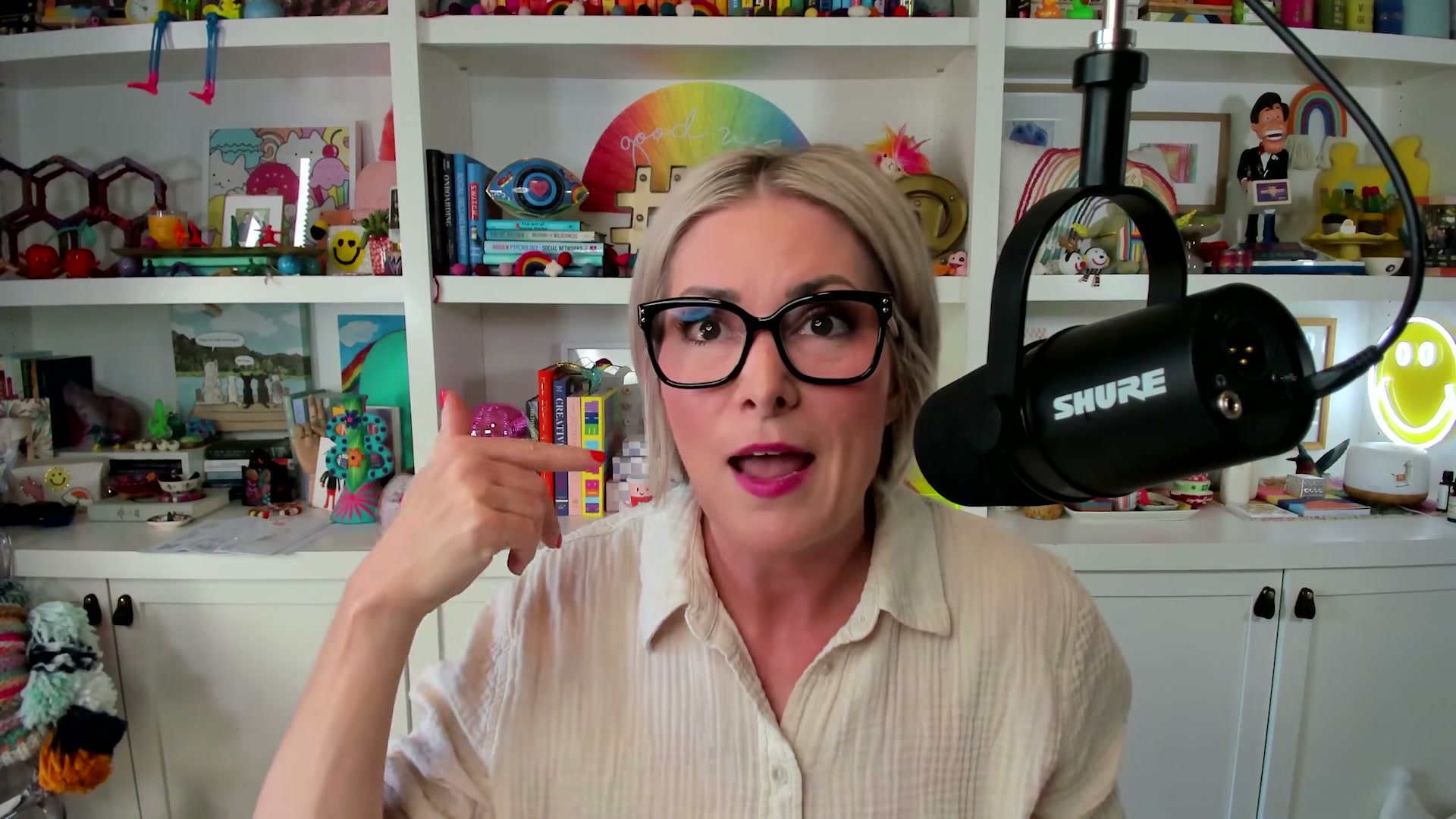
- Meta Verified generated over $800 million in Q4 revenue alone, a figure cited during the discussion from a Gemini query. Extrapolated annually, the program likely exceeds $1 billion — giving Meta a concrete financial incentive to add retention features that reduce subscriber churn rather than cancellations after a support issue is resolved.
Warning: this step may differ from current official documentation — see the verified version below.
-
The open question is whether Instagram will algorithmically suppress posts containing outbound links. No official guidance exists, and the test group is too small to yield reach data. For any marketer weighing early adoption, that suppression risk is the variable that most directly affects ROI.
-
Facebook is separately testing links in Reels and inside Facebook Shop. TikTok and YouTube have both normalized direct monetization paths for creators, and Instagram’s moves appear designed to close that competitive gap rather than open a distinct front.
-
The probability of a permanent rollout reads as higher than past Instagram tests — primarily because Meta’s quarterly revenue dependency on Verified subscriptions gives caption links a stronger business case than cosmetic feature additions. The $800M quarterly figure creates a retention incentive the company can’t easily ignore.
How does this compare to the official docs?
Meta’s documentation on Verified tiers, account types, and eligible benefits tells a more precise — and in a few places, meaningfully different — story than what the early test rollout implies.
Here’s What the Official Docs Show
The video covers a fast-moving feature rollout accurately in broad strokes, and the documentation adds useful precision on a handful of claims where the test environment doesn’t yet have a public paper trail. What follows mirrors the same nine steps — confirming what holds, flagging where documentary support is absent, and noting where official sources add meaningful detail.
Step 1 — Mosseri’s 2023 statement
No official documentation was found for this step — proceed using the video’s approach and verify independently.
Step 2 — The caption-link test rollout
All three Instagram Help Center screenshots (instagram_01–03) resolved to the instagram.com login wall rather than any Help Center article. No public Instagram documentation confirming or detailing the caption-link test is accessible without authentication as of April 30, 2026.

No official documentation was found for this step — proceed using the video’s approach and verify independently.
Step 3 — 10-links-per-month cap
The login-wall issue applies here as well, and the 10-link monthly cap does not appear in any captured screenshot.
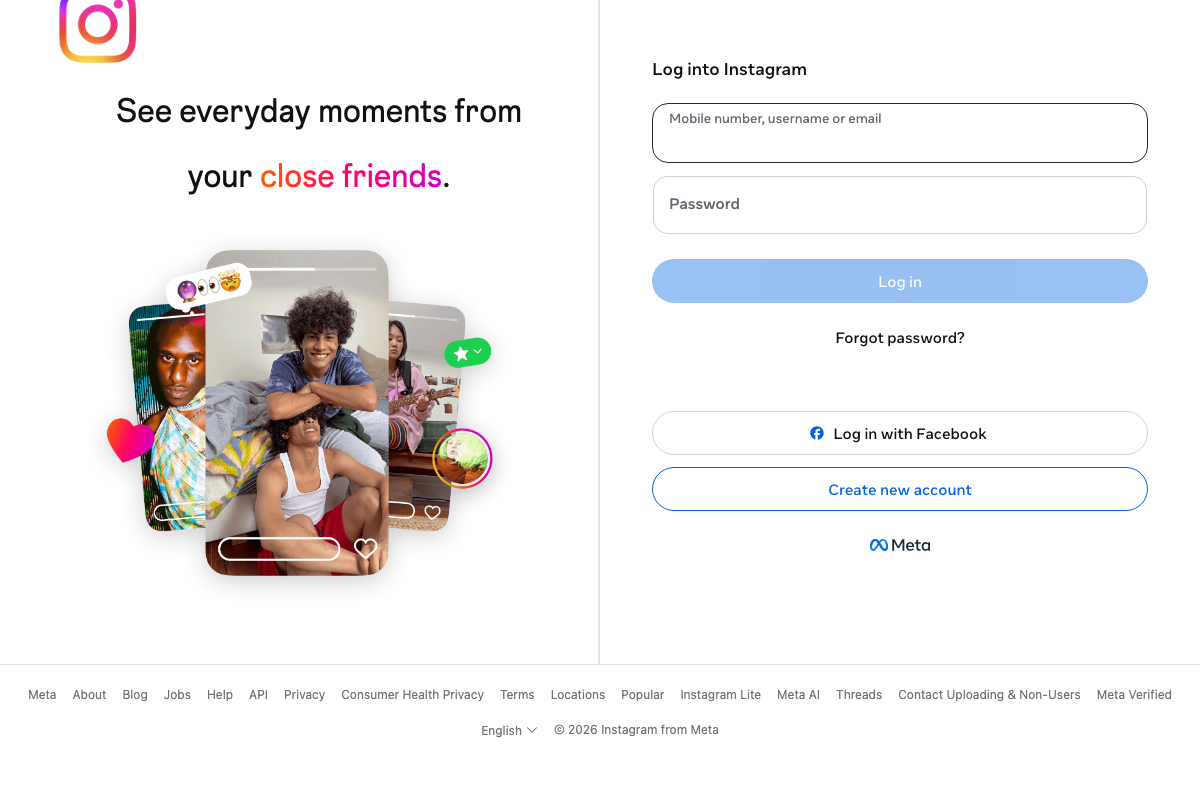
No official documentation was found for this step — proceed using the video’s approach and verify independently.
Step 4 — Account type eligibility (creator vs. business)
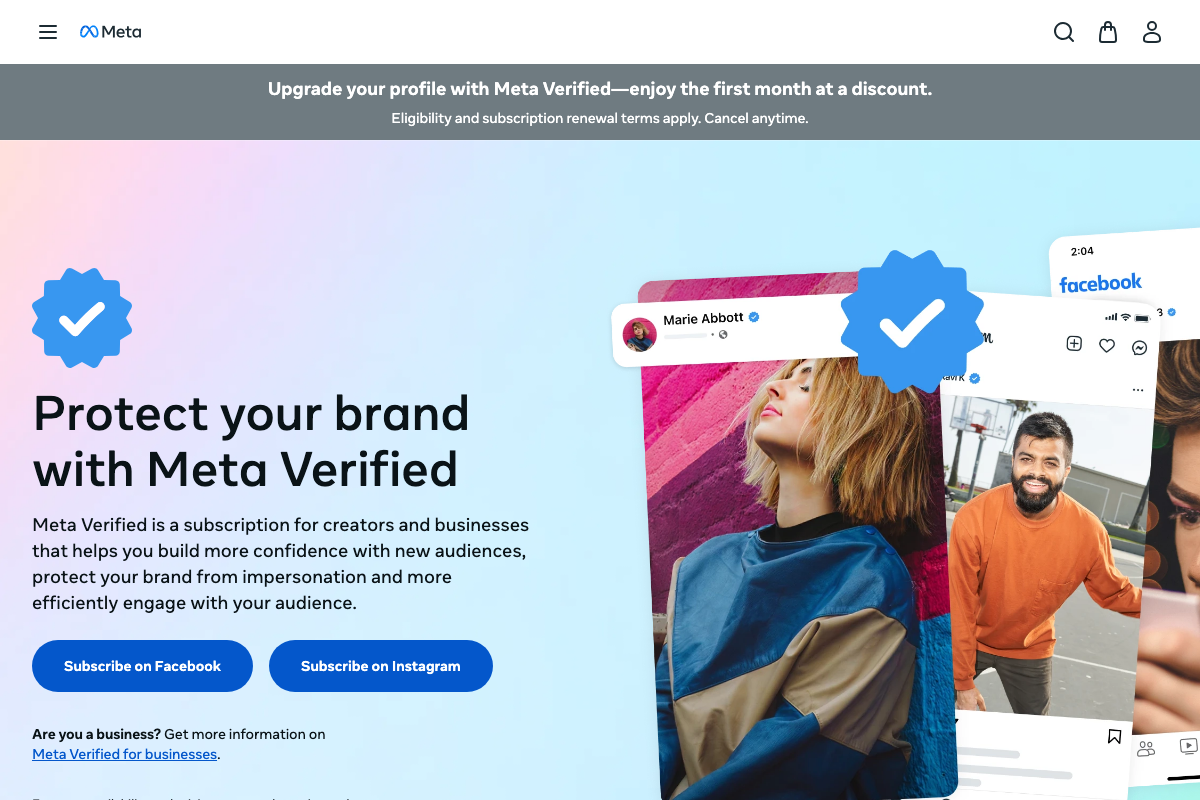
The video’s approach here matches the current docs exactly. Meta Verified’s landing page at meta.com/verified explicitly separates creator and business subscriber tracks, with a dedicated callout: “Are you a business? Get more information on Meta Verified for businesses.” That language directly supports the video’s framing that the test targets creator-classified accounts.
Step 5 — Meta Verified pricing tiers
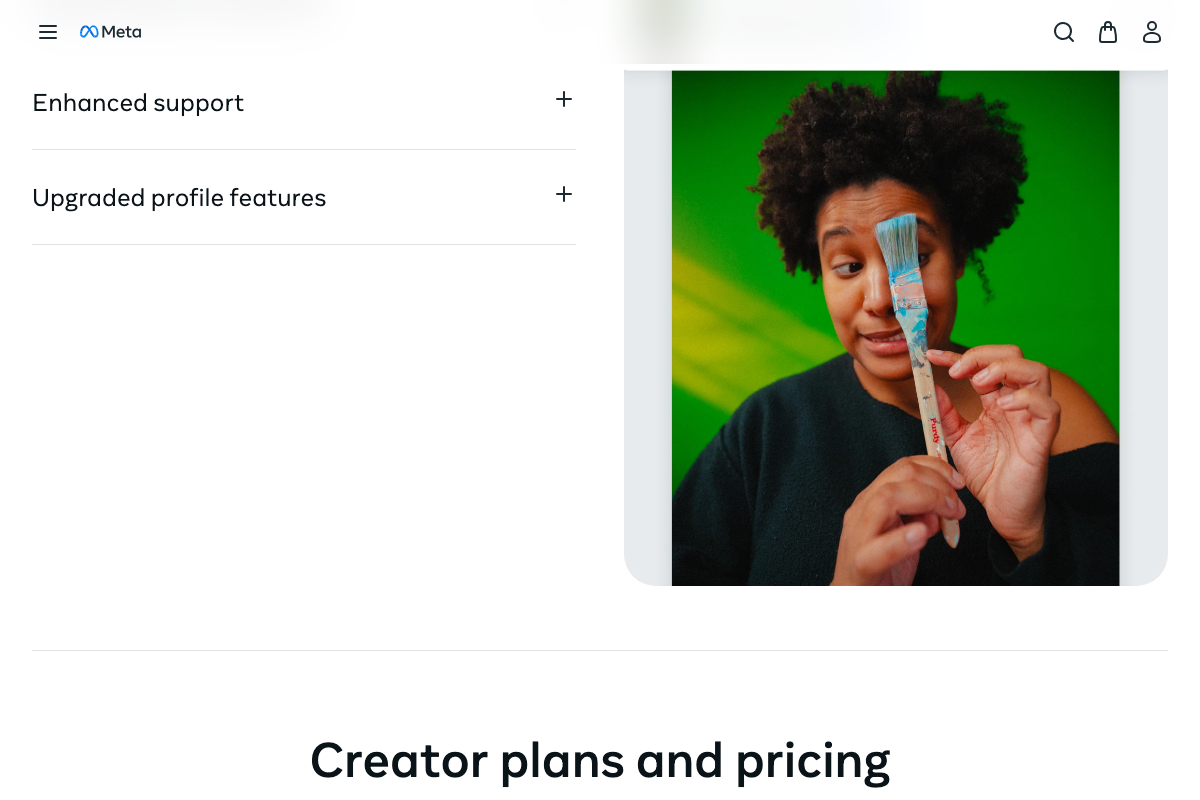
The video’s approach here matches the current docs exactly in structure: meta.com/verified does publish a “Creator plans and pricing” section, confirming tiered pricing is publicly disclosed by Meta. One addition worth noting: a first-month discount promotional banner is visible on the page as of this writing, meaning the entry price you encounter today may differ from the legacy $14–$15 figure cited in the video. The specific tier amounts ($49, $150, $500) were not visible in the captured area of the pricing table — confirm current figures directly at meta.com/verified before citing them in published content.
Step 6 — $800M Q4 revenue figure
No official documentation was found for this step — proceed using the video’s approach and verify independently.
Step 7 — Algorithmic suppression risk
No official documentation was found for this step — proceed using the video’s approach and verify independently.
Step 8 — Competitive context: Facebook, TikTok, YouTube
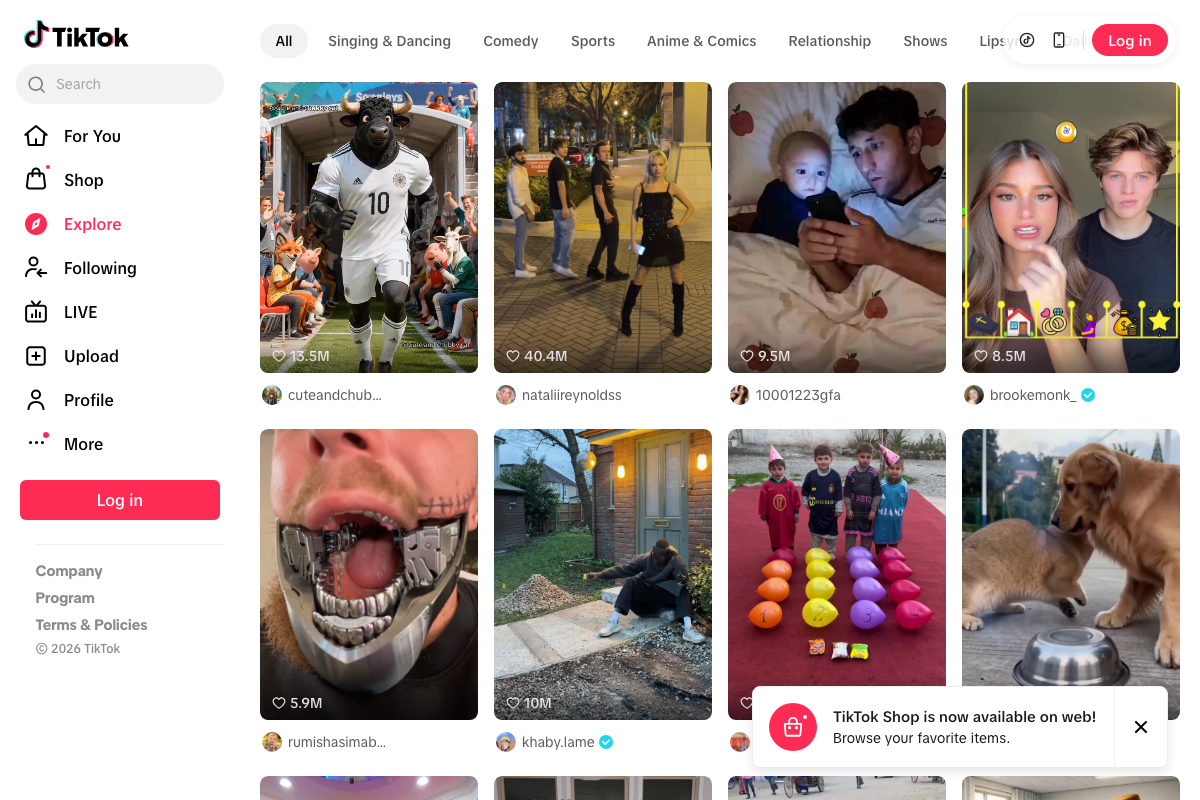
The video’s approach here matches the current docs exactly on TikTok. Across all three tiktok_0x.png captures, a “TikTok Shop is now available on web!” banner appears persistently on the Explore feed — independently confirming an active web commerce layer competitive with Meta’s initiatives. The Meta Business Help Center and YouTube captures, however, resolved to login walls or unauthenticated states. Facebook Reels link testing and the YouTube monetization benchmarks cited in this step have no documentary support from these screenshots.
Step 9 — Probability of permanent rollout
No official documentation was found for this step — proceed using the video’s approach and verify independently.
Useful Links
- Meta Verified: Get the verified badge on Instagram & Facebook — Official Meta landing page covering creator and business subscription tracks, badge verification, benefit categories, and tiered pricing.
- Instagram Help Center — Instagram’s official support documentation for features and account settings; unauthenticated access currently redirects to the login screen.
- Meta Business Help Center — Meta’s business-facing support hub for Facebook and Instagram products; full content requires authentication.
- TikTok Explore — TikTok’s public-facing Explore feed, currently surfacing TikTok Shop as a persistent web commerce feature across multiple scroll positions.
- YouTube — YouTube’s platform homepage; creator monetization documentation is not accessible in an unauthenticated state.


0 Comments