

The Most Comprehensive LocalBusiness Schema Study Ever — What Google, Bing, and ChatGPT Actually Show
Jake Hundley set out to settle one of local SEO’s most persistent debates: does LocalBusiness schema markup move the needle on rankings? After months of controlled research across seven platforms — including the one result nobody predicted — the answer is now data, not opinion. By the end of this walkthrough, you’ll understand exactly how the study was designed, what it found on each platform, and why ChatGPT broke the pattern.
-
Define the hypothesis. The starting assumption — shared by most practitioners — was that LocalBusiness schema has zero impact on rankings. Framing this as a formal null hypothesis forced every subsequent design decision to account for disconfirmation, not just confirmation.
-
Build a test group and a control group. The study’s predecessor, the geotagging EXIF data test, drew criticism for lacking a control group: any algorithm update during the study period could have skewed the entire sample with no way to detect it. This study corrected that by running 39 companies in a test group (schema applied) alongside a matched control group (schema withheld). If an algorithm update hit during the study window, both groups would absorb it equally — and any divergence would be attributable to schema alone.
-
Get the methodology peer-reviewed. Eight pages of methodology went out to Joy Hawkins, Darren Shaw, David Hunter from Local Falcon, and Ma Yoast before a single data point was collected. External review doesn’t eliminate criticism, but it forces the researcher to pre-address it — and the published study does exactly that.
-
Apply LocalBusiness schema to the test group. Schema markup was implemented across 39 companies spanning multiple verticals and geographic markets. The control group received no schema changes. Both groups were otherwise treated identically throughout the study period.
-
Run controlled queries across all seven platforms. Queries followed a consistent format —
[service] in [target area]— across Google Search, Google Maps, Bing, Yahoo, Gemini, Grok, and ChatGPT. Running the same query structure across all platforms allowed direct platform-to-platform comparison of schema’s effect. -
Measure position changes and Share of AI Voice. For traditional search engines and maps, ranking position was the primary metric. For LLM platforms, the study also tracked Share of AI Voice — the percentage of queries on which a business appeared in the results, analogous to Share of Local Voice in geogrid tools like Local Falcon.
-
Analyze results by platform. Schema produced zero measurable impact on Google Search, Google Maps, Bing, Yahoo, Gemini, and Grok. Across six of seven platforms, the null hypothesis held.

- Isolate the ChatGPT anomaly. ChatGPT was the outlier. With over 92% statistical confidence, businesses in the schema test group improved their average position by approximately three spots — significant given that ChatGPT typically returns only three to five answers per local query. Share of AI Voice increased by 10 percentage points with over 90% confidence, meaning a business appearing in 40% of relevant queries would appear in roughly 50% after schema implementation. The working theory: without a traditional index, ChatGPT may use structured data to resolve business identity and location faster, reducing the need to infer those signals from unstructured page content.

-
Publish and submit the study for indexing. Once published, the study URL was submitted for indexing and confirmed indexed within two hours.
-
Verify the real-time feedback loop. Querying ChatGPT directly about LocalBusiness schema now surfaces the study itself as a top citation — a closed loop that validates both the publication’s authority and the ChatGPT result in practice.
How does this compare to the official docs?
The study tells you what happened across platforms with high methodological rigor, but the official schema documentation tells you what LocalBusiness markup is actually designed to do — and that gap is where Act 2 begins.
Here’s What the Official Docs Show
The study Jake Hundley built stands on its own methodological merits, and Act 1 walks through exactly what the data showed. What follows adds context from available official documentation on the schema standard itself and each platform queried — useful for anyone replicating or extending the research.
Step 1 — Define the hypothesis.
No official documentation was found for this step — proceed using the video’s approach and verify independently.
Step 2 — Build a test group and control group.
No official documentation was found for this step — proceed using the video’s approach and verify independently.
Step 3 — Get the methodology peer-reviewed.
No official documentation was found for this step — proceed using the video’s approach and verify independently.
Step 4 — Apply LocalBusiness schema to the test group.
The video’s approach here matches the current docs exactly. Schema.org confirms LocalBusiness as a valid type used on 1M–10M domains as of May 2026, inheriting from both Thing > Organization and Thing > Place — making it the correct type for physical business entities.
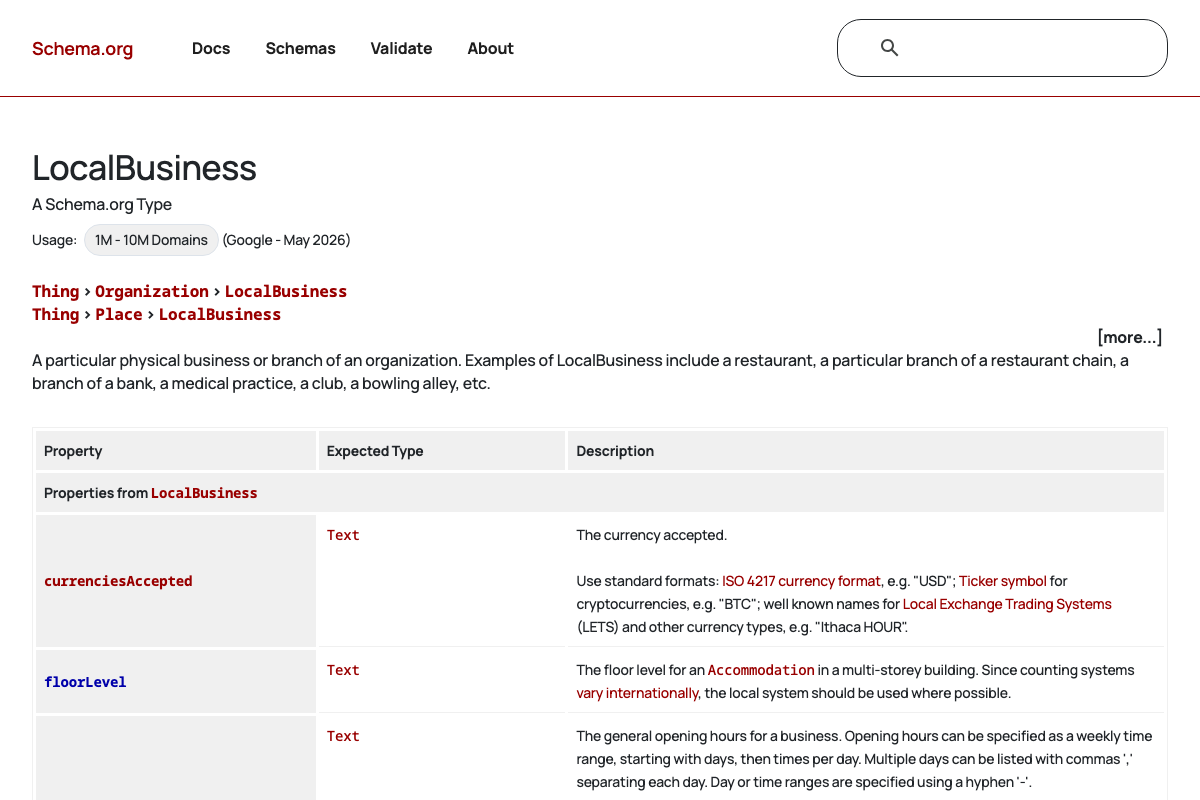
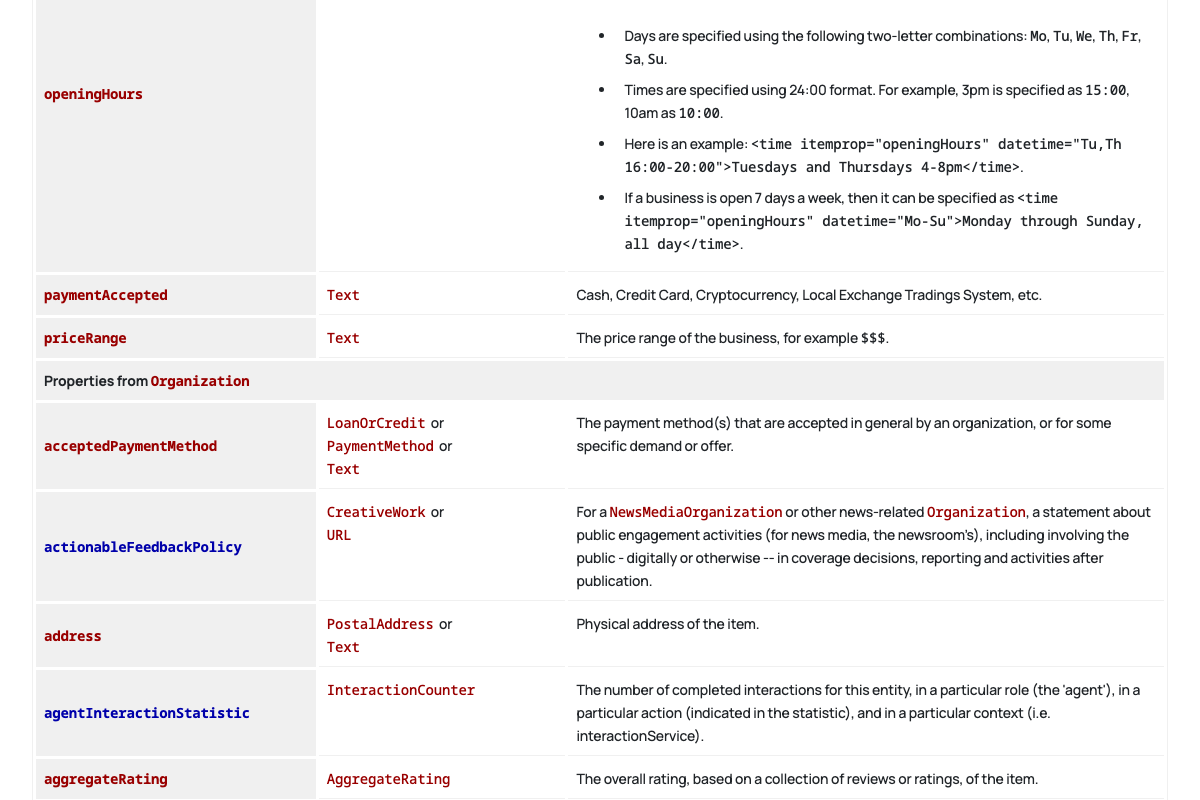
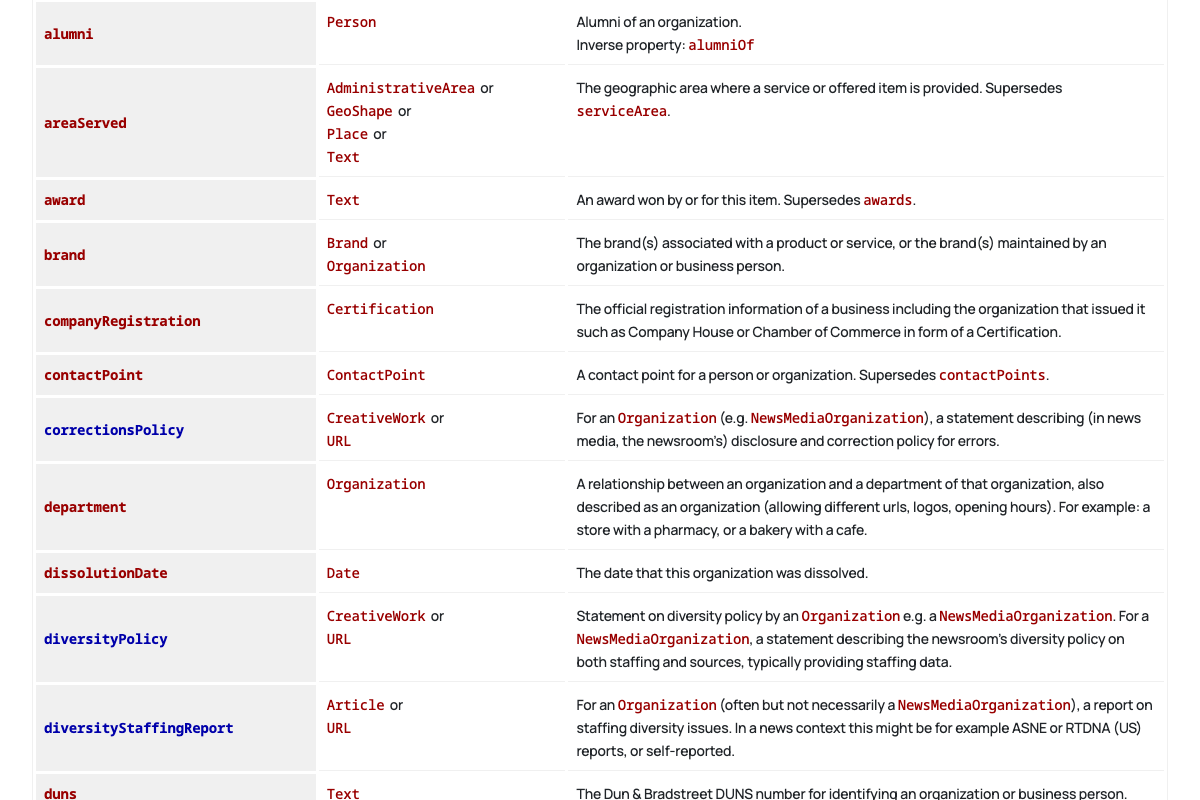
Two implementation details the tutorial doesn’t cover: openingHours requires ISO 8601 two-letter day codes (Mo, Tu, We, etc.) and 24-hour time format — exact syntax matters for valid markup. The areaServed property has also superseded the older serviceArea property in the current spec. One important scope note: schema.org documents what the type contains, not which properties Google Search or any other platform actually processes as ranking signals. Google Search Central documentation on LocalBusiness structured data was not available for this analysis.
Step 5 — Run controlled queries across all seven platforms.
The video’s approach here matches the current docs exactly — all seven platforms are confirmed active. Three interface-level details are worth noting for anyone replicating the methodology:
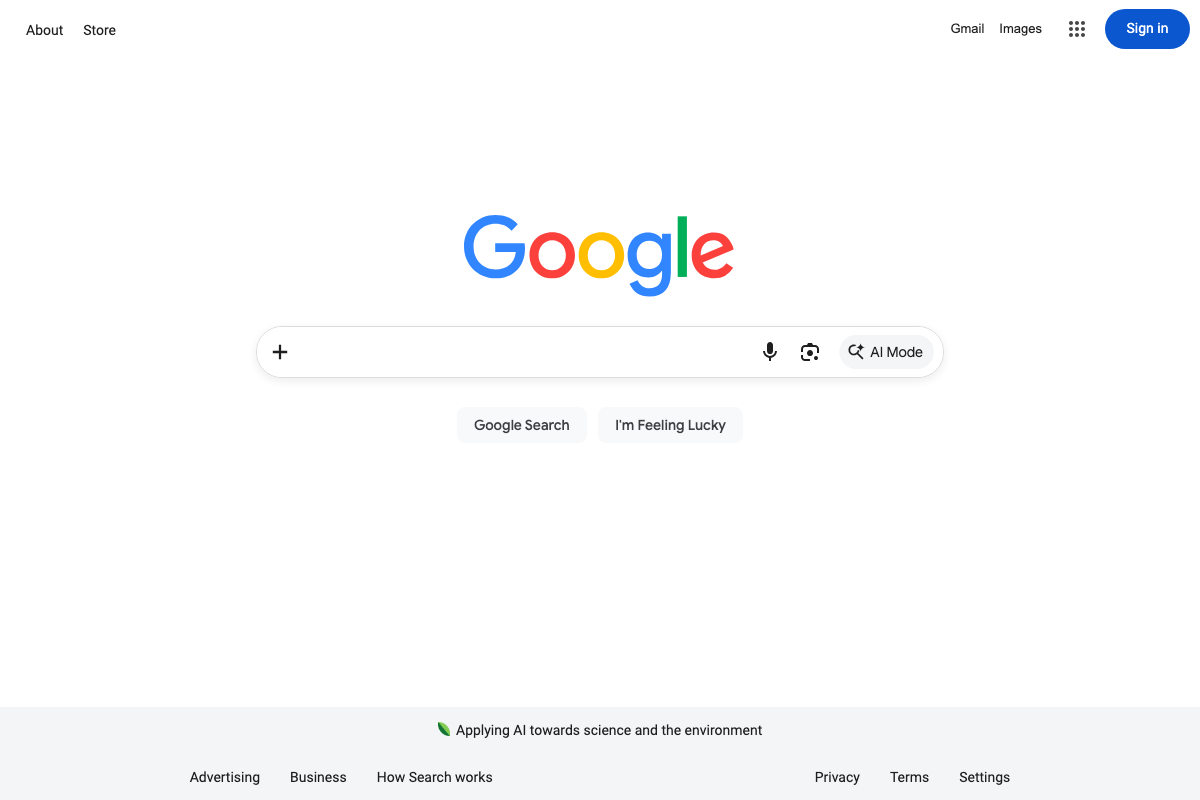
- Google Search now displays an AI Mode button directly in the search bar, indicating a distinct AI-powered search mode runs alongside standard results. The study doesn’t specify which mode was used for queries.
- Yahoo Search was actively serving Yahoo Scout, an AI assistant layer that generates summaries and operates as a distinct interface from standard ranked results. Whether study queries ran through Scout or standard Yahoo results is unspecified.
- Google Gemini defaults to the Flash model for unauthenticated sessions. The specific model version used during study queries is not documented.

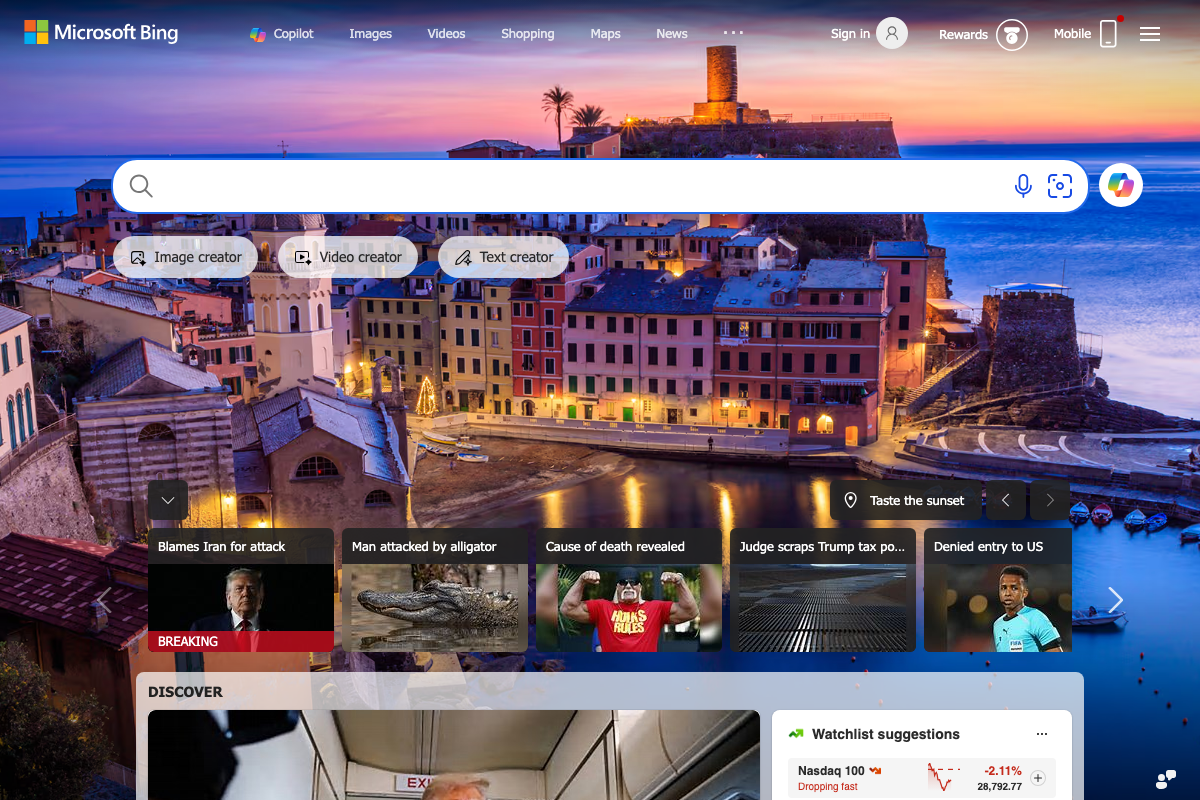

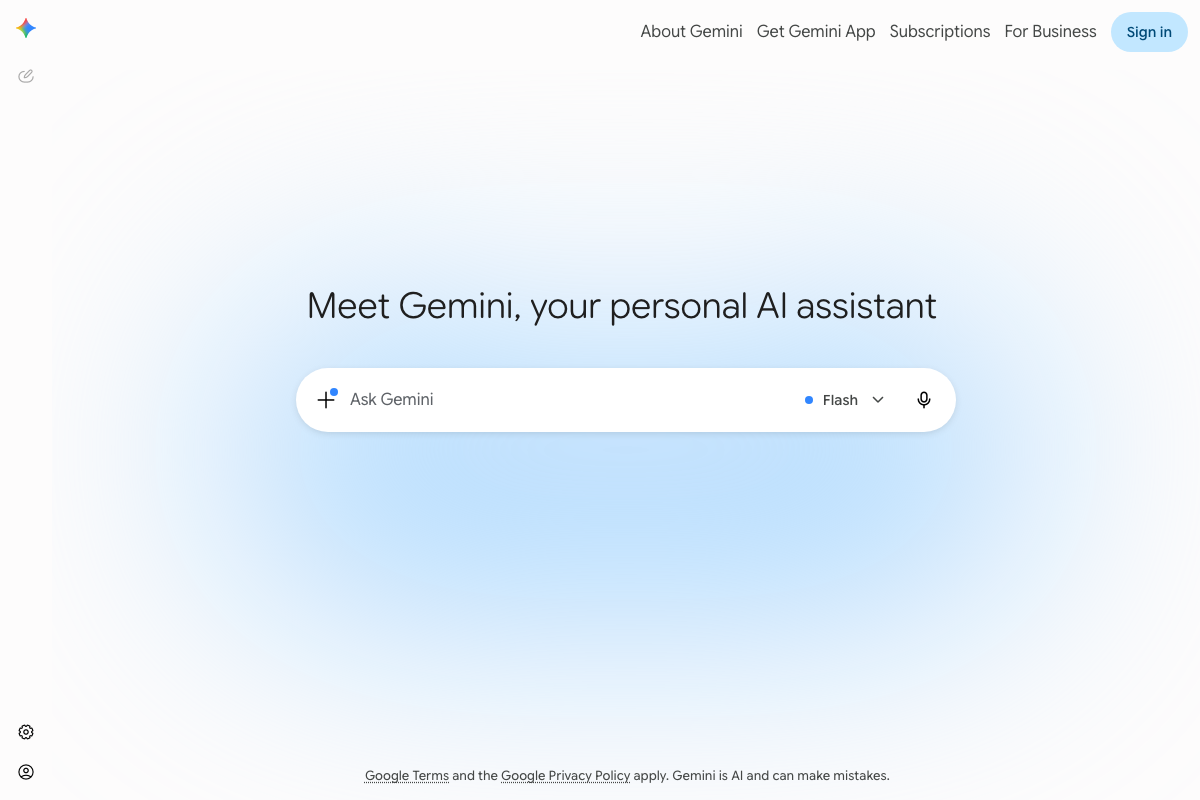
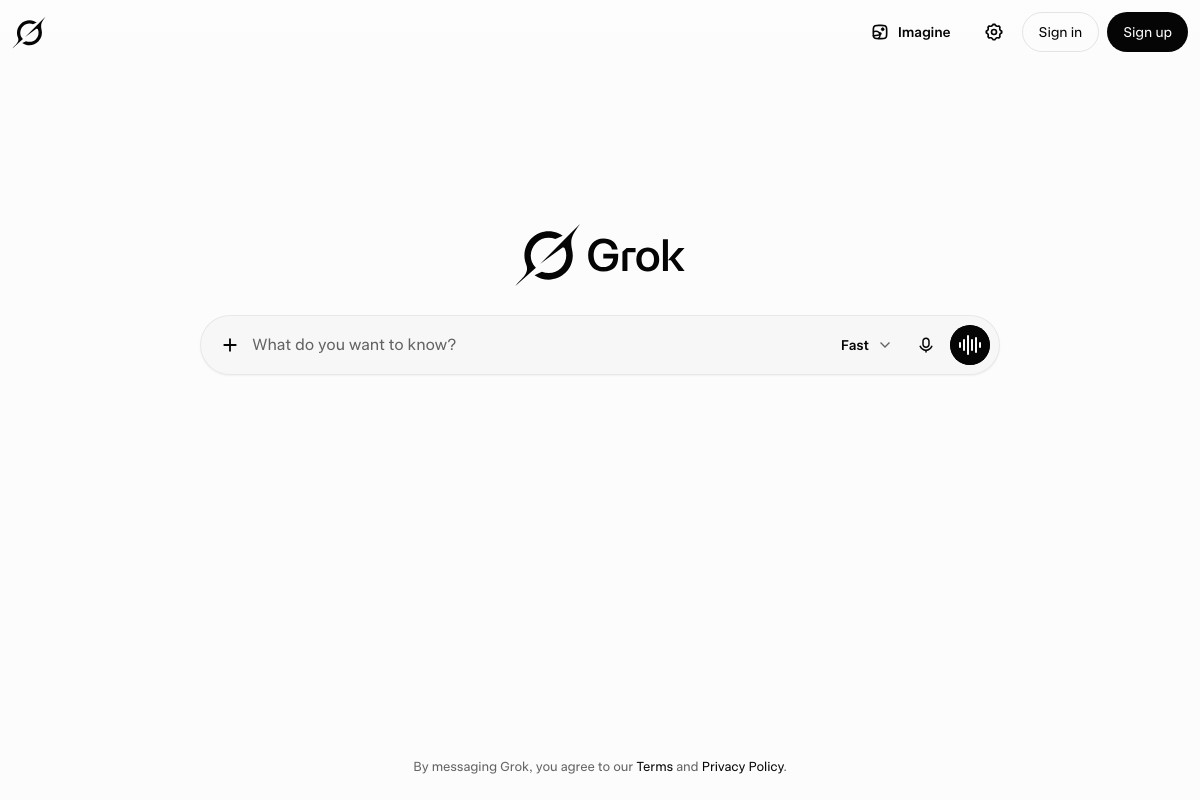
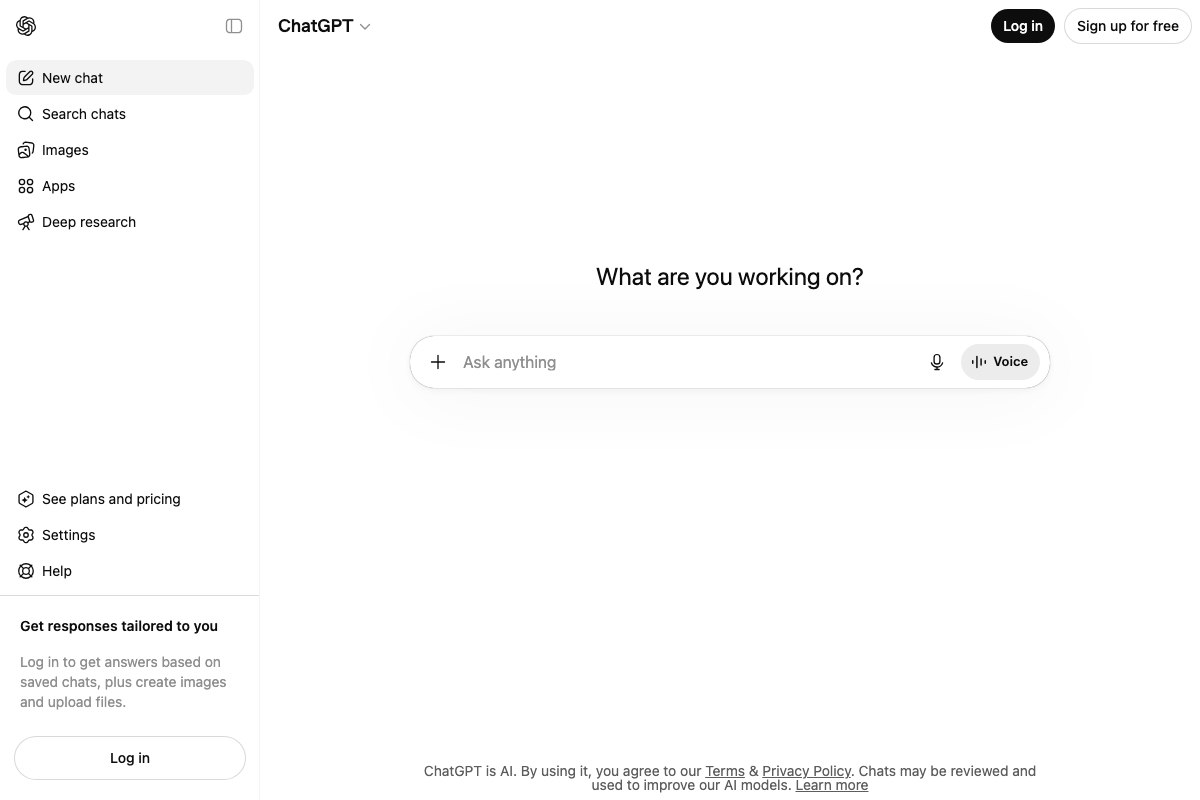
One additional note on Google Maps: the documentation captured covers the Google Maps Platform developer API (Maps SDKs, Places API, Routes API) — tools for building applications on top of the Maps infrastructure. This is a separate body of documentation from anything addressing how LocalBusiness schema affects consumer-facing Google Maps local search rankings.
Step 6 — Measure position changes and Share of AI Voice.
Local Falcon’s officially documented metric is Share of Local Voice (SoLV®), defined on the platform as how frequently a listing appears in the Google Map Pack for a given search term and radius. “Share of AI Voice” — the term used in the tutorial for LLM platform measurement — does not appear on Local Falcon’s homepage and may refer to a distinct or adapted metric applied specifically to AI query environments.
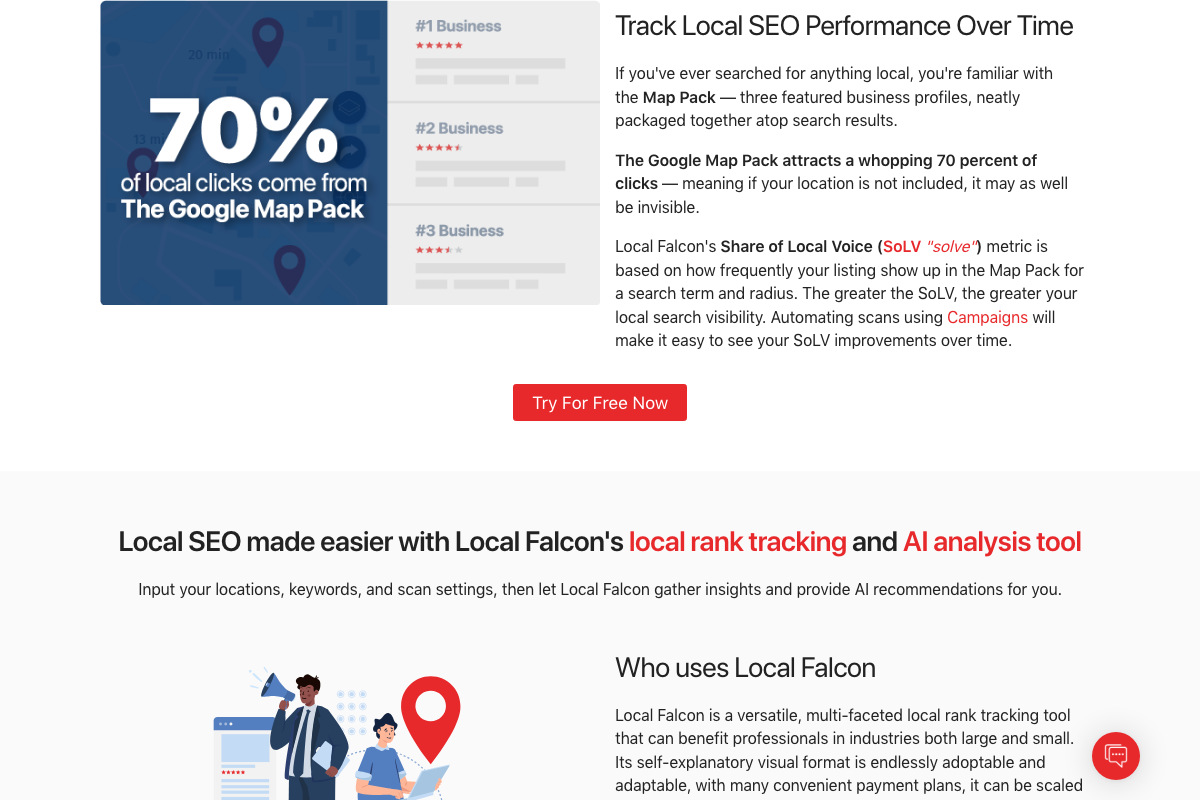
No official documentation was found for the AI platform measurement methodology specifically — proceed using the video’s approach and verify independently.
Step 7 — Analyze results by platform.
No official documentation was found for this step — proceed using the video’s approach and verify independently.
Step 8 — Isolate the ChatGPT anomaly.
No official documentation was found for this step — proceed using the video’s approach and verify independently.
Step 9 — Publish and submit for indexing.
No official documentation was found for this step — proceed using the video’s approach and verify independently.
Step 10 — Verify the real-time feedback loop.
No official documentation was found for this step — proceed using the video’s approach and verify independently.
Useful Links
- LocalBusiness — Schema.org Type — Full property table, inheritance hierarchy, and openingHours format specification for the LocalBusiness structured data type; usage data sourced from Google (May 2026).
- Local Falcon — Local SEO and AI search visibility platform; official source for the SoLV® (Share of Local Voice) metric definition and multi-platform rank tracking capabilities.
- Google Search — Google consumer homepage confirming AI Mode is available alongside standard organic search results.
- Google Maps Platform Documentation — Developer API reference for Maps SDKs, Routes, and Places; covers application development tools, not local search ranking factors.
- Microsoft Bing — Bing consumer homepage confirming Copilot AI is integrated directly into the standard search interface.
- Yahoo Search — Yahoo Search homepage confirming Yahoo Scout AI assistant layer was active at the time of the study, including AI-generated summaries in results.
- Google Gemini — Gemini consumer interface confirming Flash as the default model for unauthenticated sessions at time of capture.
- Grok — Grok consumer interface confirming Fast mode as the default response setting at time of capture.
- ChatGPT — ChatGPT consumer homepage confirming platform availability and standard chat interface during the study period.


0 Comments