

How to Generate $120K on Launch Day With a Lifetime Deal Email Sequence
Umberto, founder of Fioga — a yoga app for teachers and practitioners — generated $120,000 in 24 hours without a free trial, a big ad budget, or prior app-building experience. His approach combined a five-week pre-launch email sequence with a scarcity-driven Lifetime Deal (LTD). Work through these steps and you’ll have a replicable launch playbook you can adapt for your own app or digital product.
-
Validate before you build. Interview 5–10 people in your target market about the problem you plan to solve. Critically, don’t reveal why you’re asking — withholding your motive surfaces honest reactions rather than polite encouragement. This mirrors the core principle from Rob Fitzpatrick’s The Mom Test.
-
Define your Minimum Launchable Product. Identify the smallest feature set that conveys enough value to get early adopters to pay — not the full vision, just enough to justify a committed purchase. Umberto launched Fioga with a working core and a public roadmap, not a finished product.
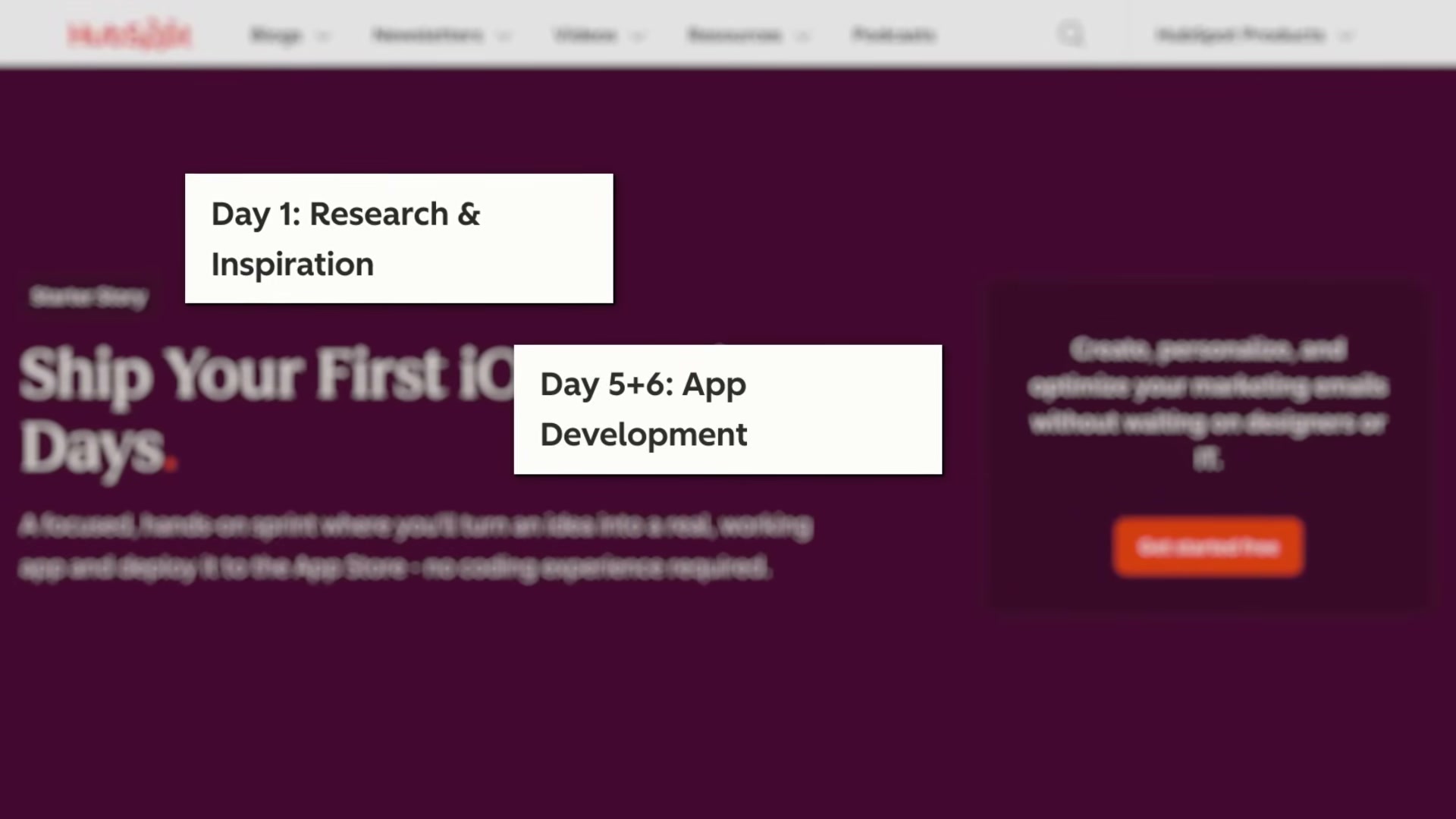
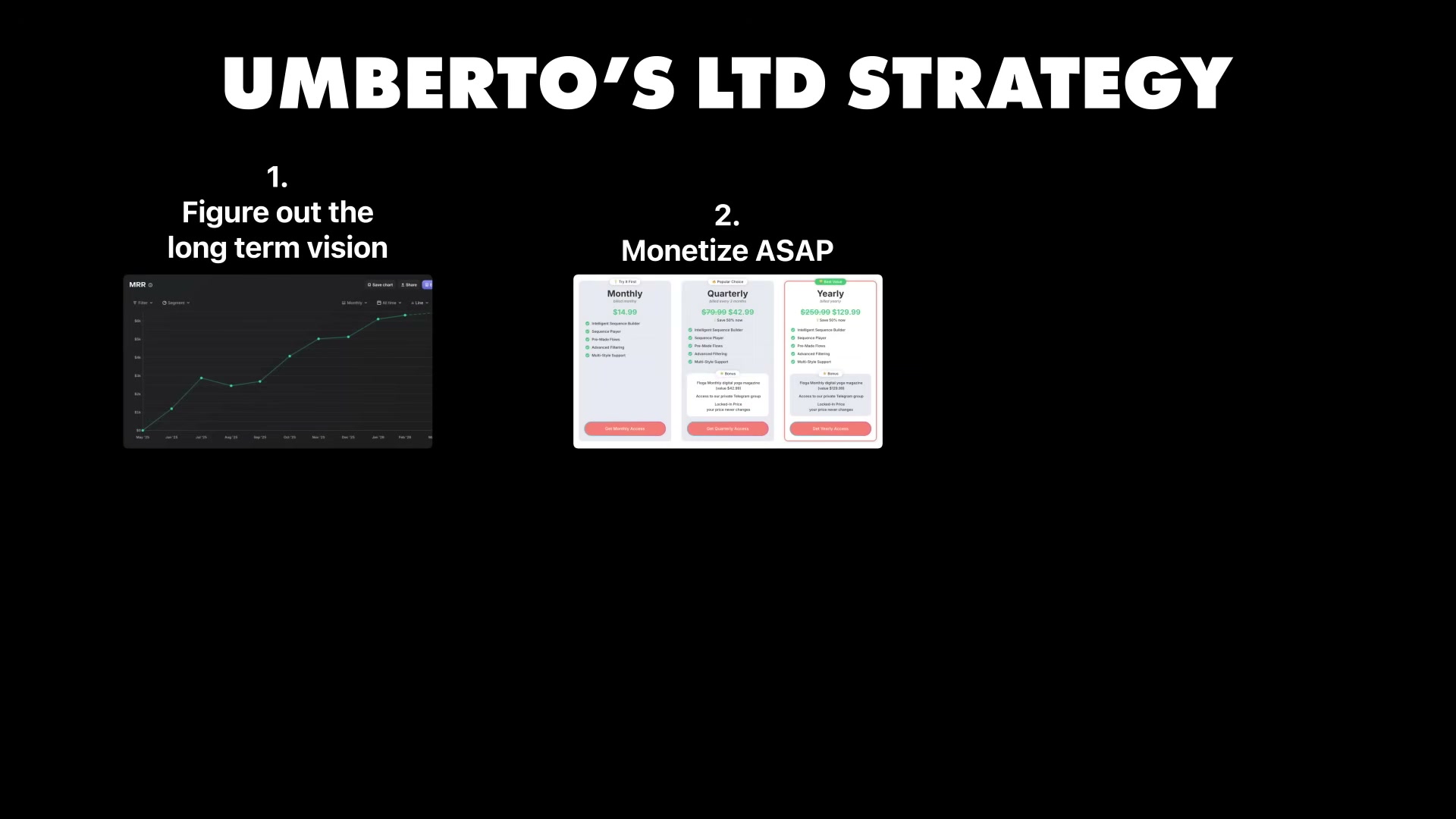
- Build your content machine before promoting. Before any lead generation begins, assemble your full launch stack: emails, graphics, videos, and landing pages. Umberto built his revenue engine in parallel with the product itself — not after it shipped.
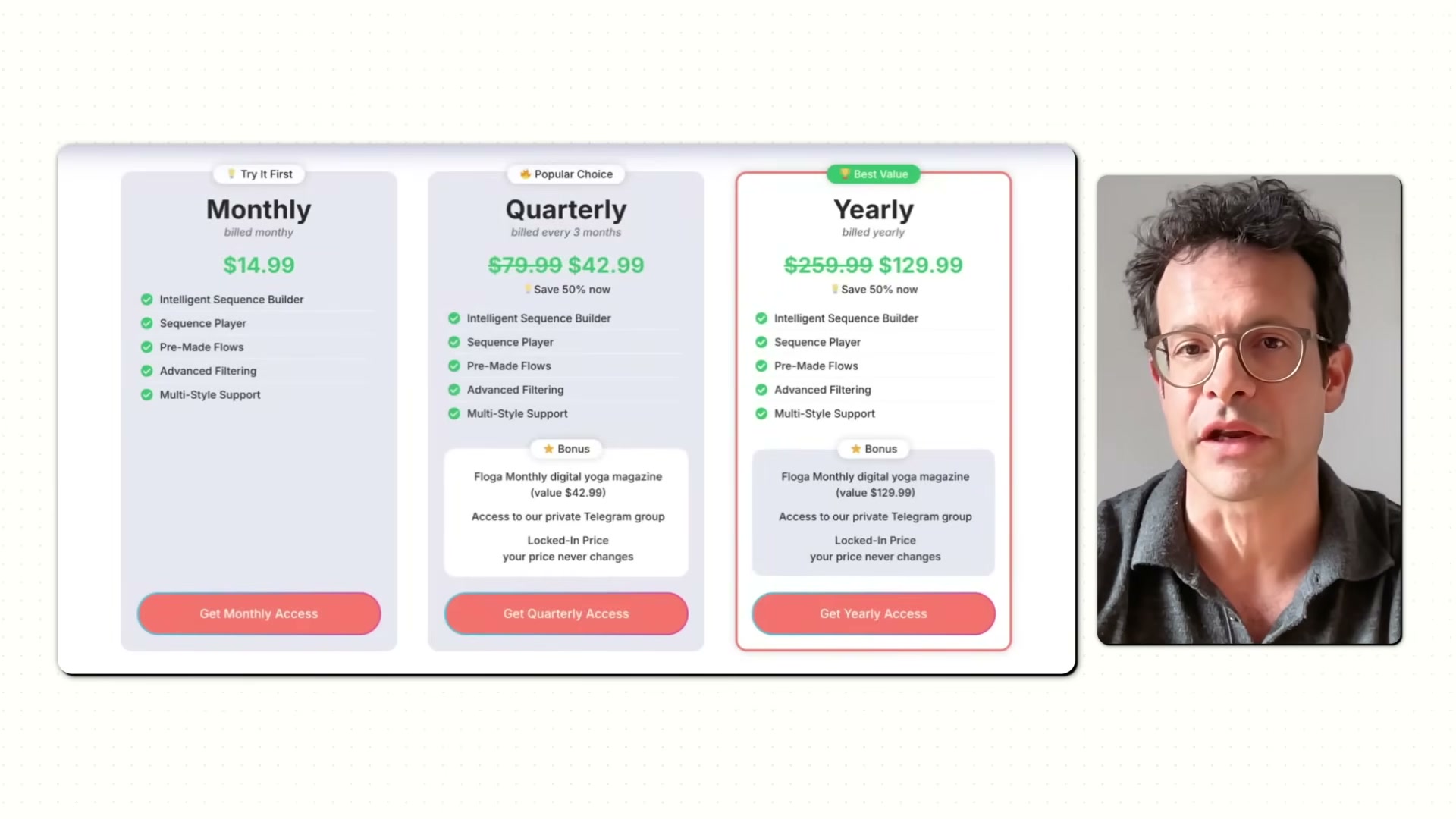
- Structure pricing in tiers. Avoid underpricing out of fear. Create at least three tiers to anchor value perception. Fioga’s post-LTD subscription structure — Monthly, Quarterly, and Yearly — illustrates this anchoring in practice.
-
Execute a multi-email pre-launch sequence. Umberto’s pre-launch ran roughly five weeks. Early emails use storytelling to build interest without revealing the product; each subsequent message reveals a bit more, culminating in a full product reveal linked to a walkthrough video. The deliberate ambiguity across early emails generates compounding curiosity.
-
Record a product walkthrough video. Before the launch email goes out, record a YouTube video covering every current feature and the product roadmap. Link it directly in the reveal email so prospects can self-qualify based on the full picture.
-
Never show the price before launch day. Revealing the price during the warm-up campaign forces prospects to filter on cost before they’ve evaluated the product on its merits. Keep pricing invisible until the actual launch date so decisions stay anchored on features and vision.
-
Make the LTD limited in both quantity and time. Hard caps on available deals and a firm end date eliminate the procrastination that kills conversion. Scarcity here functions as a commitment mechanism, not a gimmick.
-
Launch with a strict no-refund policy. Customers who commit without a safety net tend to engage more deeply and give higher-quality feedback. Umberto attributes a significant portion of Fioga’s early feature roadmap to this cohort of 500–600 committed LTD buyers.
Warning: this step may differ from current official documentation — see the verified version below.
- Let early LTD feedback drive the next months of development. Your first paying cohort becomes your product’s de facto advisory layer. Treat their input as the primary input for your feature roadmap, not an afterthought.
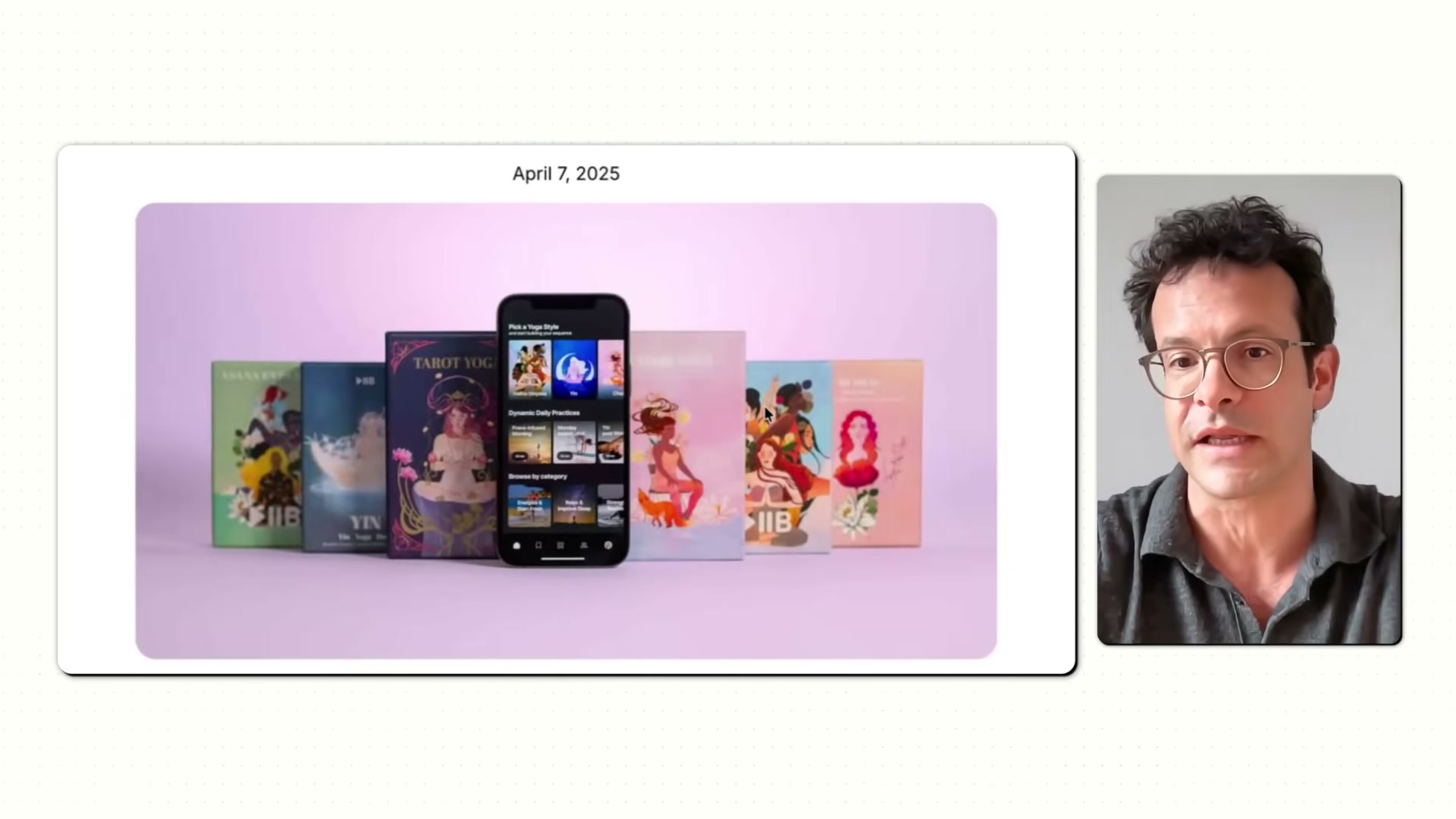
How does this compare to the official docs?
Umberto’s playbook is grounded in lived launch experience, but several steps — particularly the no-refund policy, LTD scarcity mechanics, and pre-launch sequencing — deserve a close look at what platform guidelines and established go-to-market frameworks actually recommend.
Here’s What the Official Docs Show
Act 1 walked you through Umberto’s lived playbook for generating $120K in 24 hours — a compelling, practitioner-tested sequence. Act 2 adds important context the tutorial doesn’t cover: platform constraints that affect how you can actually execute several of these steps, and structural distinctions between the LTD model Umberto used and the crowdfunding mechanics that surfaced in the documentation review.
Step 1 — Validate Before You Build
No official documentation was found for this step — proceed using the video’s approach and verify independently.

Step 2 — Define Your Minimum Launchable Product
The tutorial recommends launching with a working core and a public roadmap. One platform constraint worth building into your timeline before you reach this stage: if your MLP is a mobile app, it must pass Apple’s App Store review before it can reach users.

Apple’s review process evaluates apps against standards for privacy, security, and content before distribution is approved. That review window — which can range from 24 hours to several weeks — is not accounted for in the tutorial’s timeline. Factor it into your MLP definition so your launch date reflects realistic availability, not just a finished build.
No official documentation was found for the MLP definition methodology itself — proceed using the video’s approach and verify independently.
Step 3 — Build Your Content Machine Before Promoting
No official documentation was found for this step — proceed using the video’s approach and verify independently.
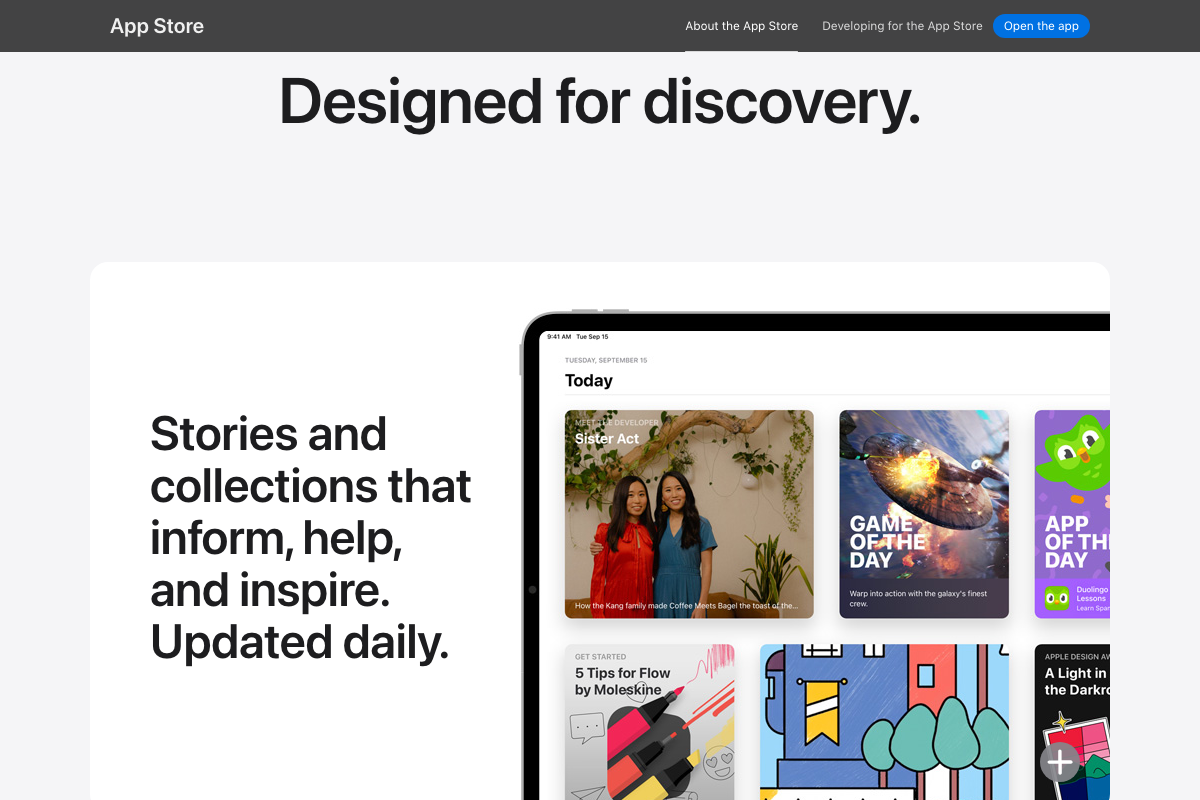
It is worth noting: the App Store’s “Today” editorial tab is an app discovery channel, but it is editorially controlled by Apple and cannot be scheduled or guaranteed as part of a coordinated launch plan.
Step 4 — Structure Pricing in Tiers
No official documentation was found for this step — proceed using the video’s approach and verify independently.
Step 5 — Execute a Multi-Email Pre-Launch Sequence
No official documentation was found for this step — proceed using the video’s approach and verify independently.
Step 6 — Record a Product Walkthrough Video
The tutorial instructs you to record a YouTube walkthrough and link it in your reveal email. The documentation review captured only YouTube’s logged-out homepage — no documentation of YouTube Studio upload workflows, embed codes, or video optimization features was available to verify this step.
No official documentation was found for this step — proceed using the video’s approach and verify independently.
Step 7 — Never Show the Price Before Launch Day
No official documentation was found for this step — proceed using the video’s approach and verify independently.
Step 8 — Make the LTD Limited in Both Quantity and Time
This is the one step where the documentation review offers meaningful visual confirmation. Kickstarter project listings show active countdown labels — “15 days left,” “9 days left” — alongside funding percentages, confirming that deadline-driven urgency is a recognized and well-established launch mechanic.
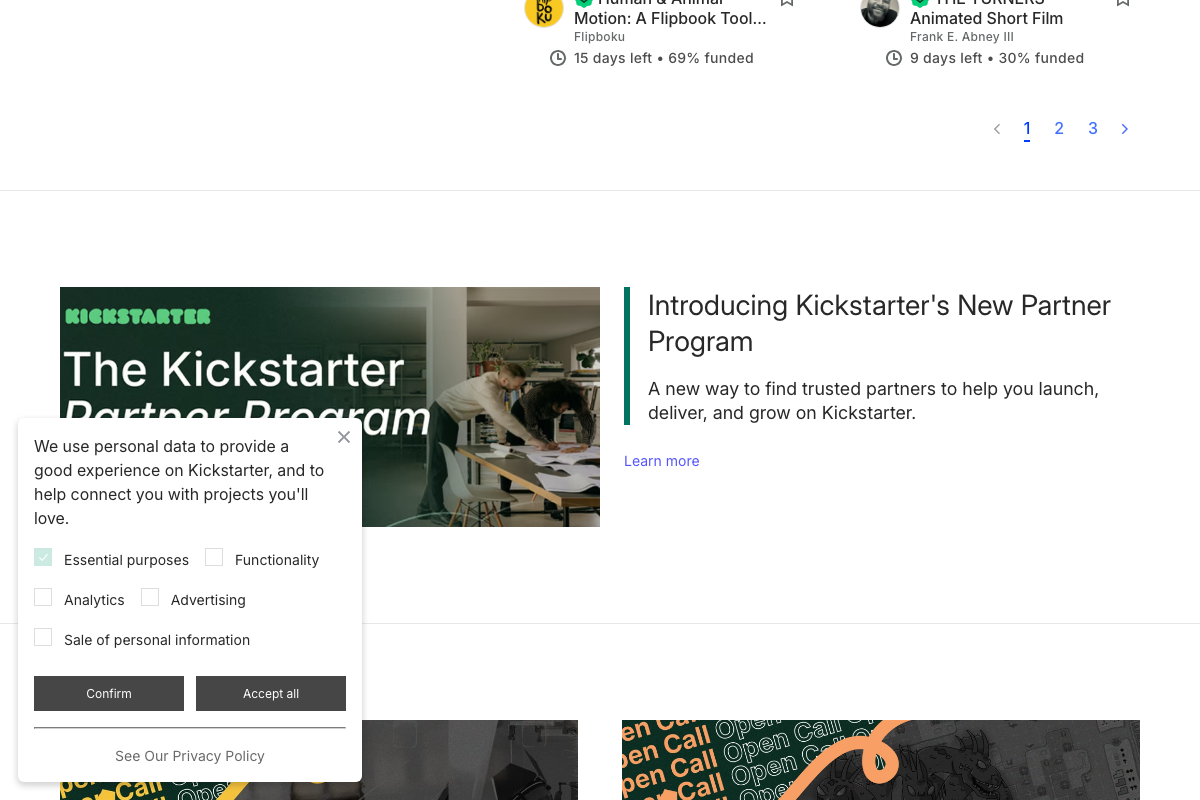
One structural distinction matters here: Kickstarter operates on an all-or-nothing crowdfunding model with public funding progress and platform-enforced deadlines. Umberto’s LTD was a direct sale — no public progress bar, no platform intermediary, no all-or-nothing funding rule. The urgency principle is consistent; the implementation mechanism is different. If you are running a direct LTD rather than a crowdfunding campaign, you are responsible for enforcing your own deadline and quantity cap at the checkout level.
Step 9 — Launch With a Strict No-Refund Policy
The tutorial presents a no-refund policy as a feature that filters for committed buyers and generates higher-quality feedback. One platform-level constraint the tutorial does not address: Apple’s App Store guidelines govern refund eligibility for purchases made through Apple’s in-app purchase system. As of March 29, 2026, Apple processes refund requests for IAP purchases directly — developers do not control that outcome for in-app transactions.
If your LTD is sold through an external checkout page (outside the app), Apple’s IAP refund rules do not apply to that transaction. However, Apple’s guidelines restrict directing users to external purchase flows from within an iOS app itself. The practical implication: your launch email or landing page can link to an external checkout, but your app’s UI cannot. Structure your sales flow accordingly before launch day.
No official documentation was found for the no-refund policy rationale itself — proceed using the video’s approach and verify independently.
Step 10 — Let Early LTD Feedback Drive Development
No official documentation was found for this step — proceed using the video’s approach and verify independently.
Useful Links
- Kickstarter — Crowdfunding platform illustrating deadline-driven urgency mechanics and public funding progress; structurally distinct from the direct LTD model in the tutorial.
- App Store – Apple — Official Apple App Store marketing and policy page covering review standards, IAP requirements, and editorial discovery features relevant to any mobile app launch.
- YouTube — Platform referenced in Step 6 for hosting and linking the product walkthrough video; no Studio or embed documentation was captured in the review.


0 Comments