

How Jordan Built a $1.5M SaaS in a Market Nobody Was Watching
Jordan built Parakeet Chat — an AI-powered communication tool for incarcerated people — to $1.5 million in lifetime revenue with no mobile app, no traditional UI, and no paid acquisition. After working through this tutorial, you’ll understand how to identify a closed-ecosystem niche, assemble a lean TypeScript SaaS stack, and construct a growth engine where conventional channels simply don’t exist.
- Identify an underserved niche by listening to real people inside a closed system. Jordan’s idea didn’t come from trend reports or market sizing spreadsheets — it came from two years of paper letters exchanged with a former client who went to prison. Those letters revealed a captive market paying high prices for poor-quality communication services with no credible alternative in sight.

- Validate by building the MVP and placing it directly in front of target users. Because prison is a closed ecosystem, conventional validation tactics — landing pages, email signups, surveys — were not applicable. Jordan treated MVP construction and validation as a single step: build the product, get it to his contacts inside, and let real usage determine whether the idea had merit. Within 30 days he had 200 paying users.
Warning: this step may differ from current official documentation — see the verified version below.

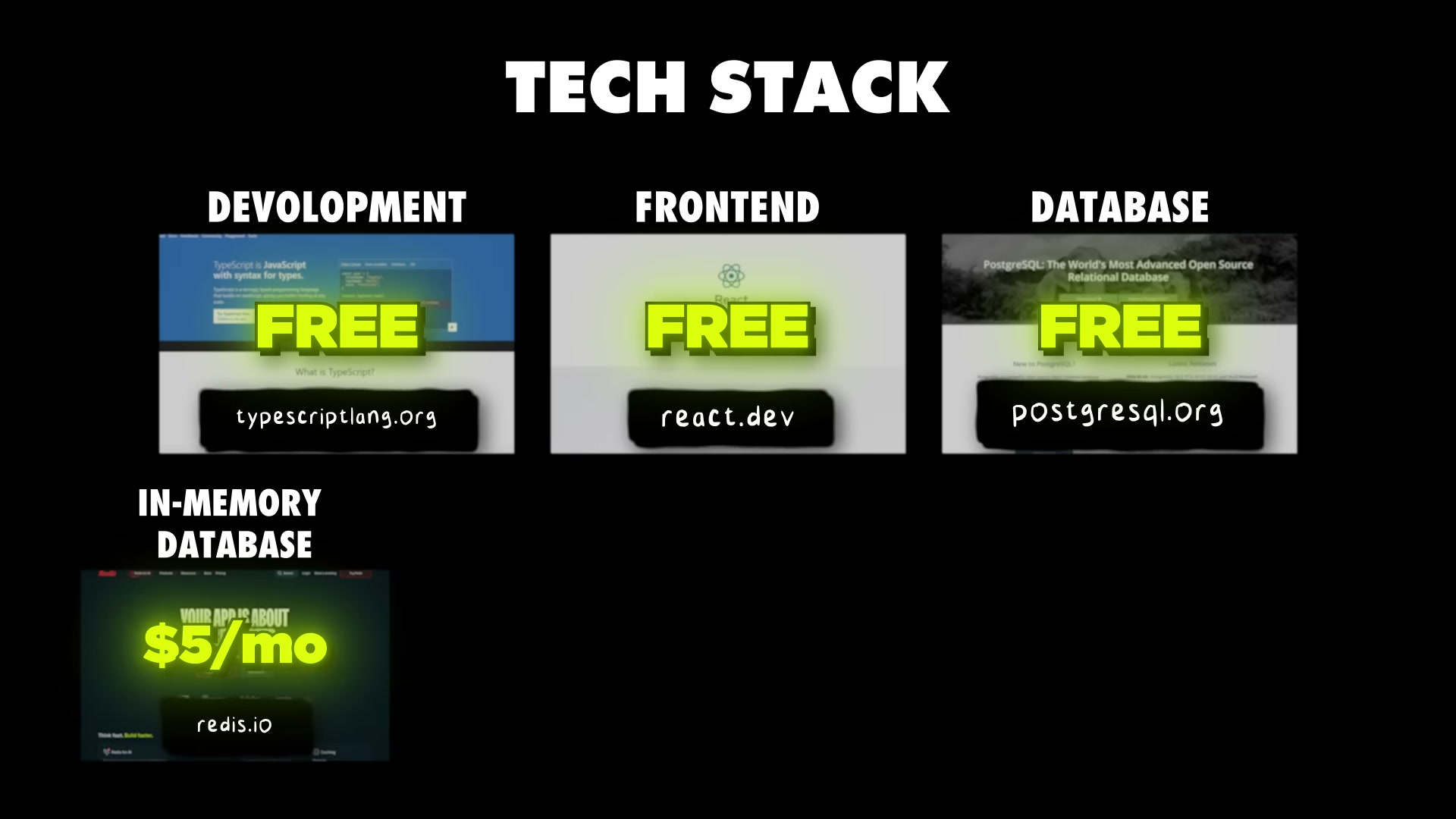
- Build the MVP with a TypeScript-first stack. Jordan assembled React for the frontend, PostgreSQL as the primary database, Redis for the in-memory queue layer (~$5/mo), Auth0 for authentication, Prisma as the ORM, and Zod for schema validation on external input. All services were containerized with Docker. His own position on stack decisions: language choice matters far less than shipping speed.
-
Deploy each service as a Docker container. Containerization kept the architecture modular and portable — a practical call for a solo builder without a dedicated DevOps function managing production.
-
Integrate ChatGPT and other AI APIs as the core intelligence layer. The product’s value is AI-assisted legal research and communication for incarcerated users. Notably, Jordan reports he hasn’t opened a code editor in months — AI now generates all new code on the project.
-
Expose the product as an email-addressable chatbot with no app download required. From a user’s perspective inside the facility, Parakeet Chat is just an email address within the prison’s existing internal system. They send a message; the bot queries the AI layer and replies. There is no Play Store listing, no web login for end users, and nothing to install.

- Launch to initial contacts and let organic word-of-mouth carry growth. Jordan seeded the product with his existing contacts, who spread it to others. The closed ecosystem — ordinarily a distribution constraint — became a growth accelerator: users solving a genuinely meaningful problem became advocates without any prompting.

-
Layer in a referral credit system. When an existing user recruits a new paying customer, the referrer earns roughly one month of free credits. The mechanic added a measurable incentive on top of the organic growth already in motion, without requiring any external referral tooling.
-
Price at $15–$20/month per family account with an annual discount. The pricing targets families on the outside rather than institutions. The monthly tier builds predictable MRR; the annual option reduces churn without requiring a sales motion.
-
Track MRR and lifetime revenue with a dedicated external tool. Keeping revenue analytics separate from the core product reduces build complexity and ensures clean, reportable data from the start.
How does this compare to the official docs?
The tools at the heart of Jordan’s stack — Prisma, Zod, Auth0, and Redis — each ship with current official documentation that specifies recommended configurations, and at least one step in this walkthrough warrants a closer look before you replicate it in production.
Here’s What the Official Docs Show
Jordan’s stack choices hold up well against current documentation — every tool he selected is active, well-maintained, and still the right call for this kind of lean SaaS build. The gaps are primarily version-specific details the video didn’t capture, plus one significant dependency update that requires attention before you replicate this stack today.
Steps 1 & 2 — Niche identification and MVP validation
No official documentation was found for these steps —
proceed using the video’s approach and verify independently.
Step 3 — TypeScript-first stack assembly
The video’s approach here matches the current docs exactly for tool selection. Version currency is where you’ll need to update before building fresh.
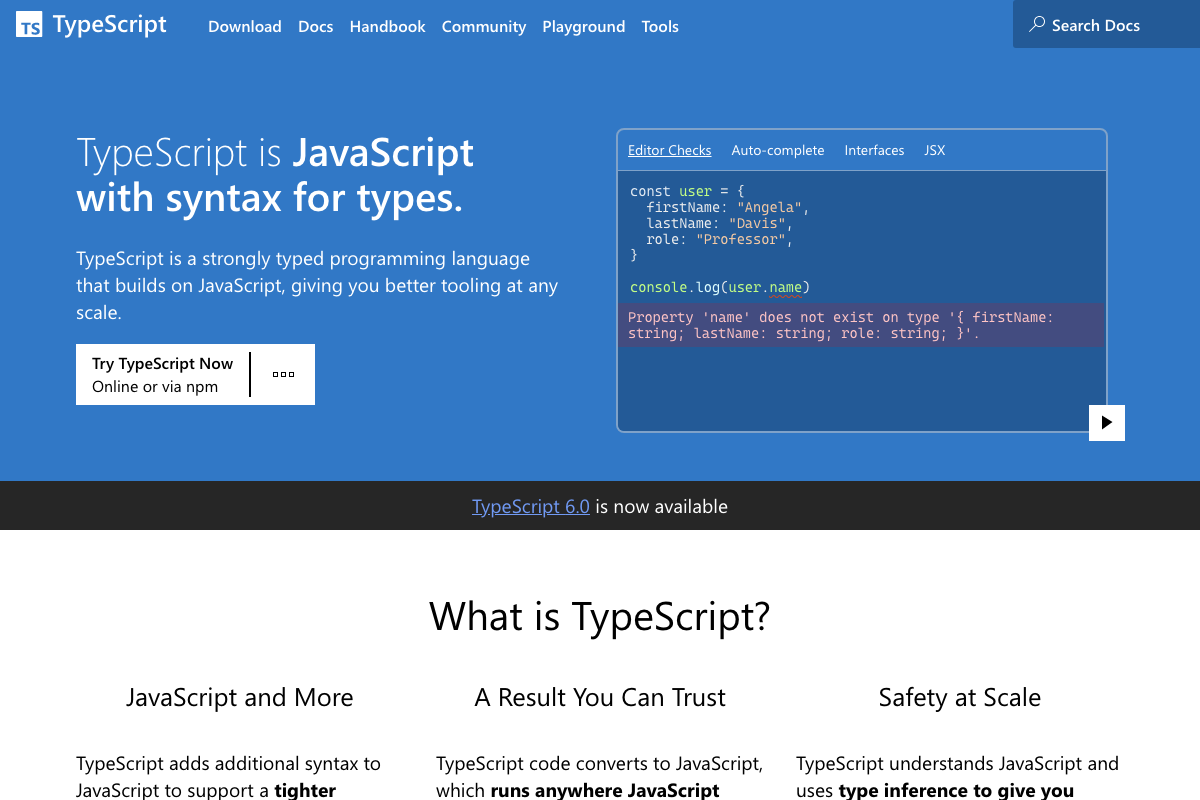
TypeScript 6.0 is the current release. The video doesn’t pin a version — start with 6.0 for new projects, and verify compatibility before upgrading an existing codebase.
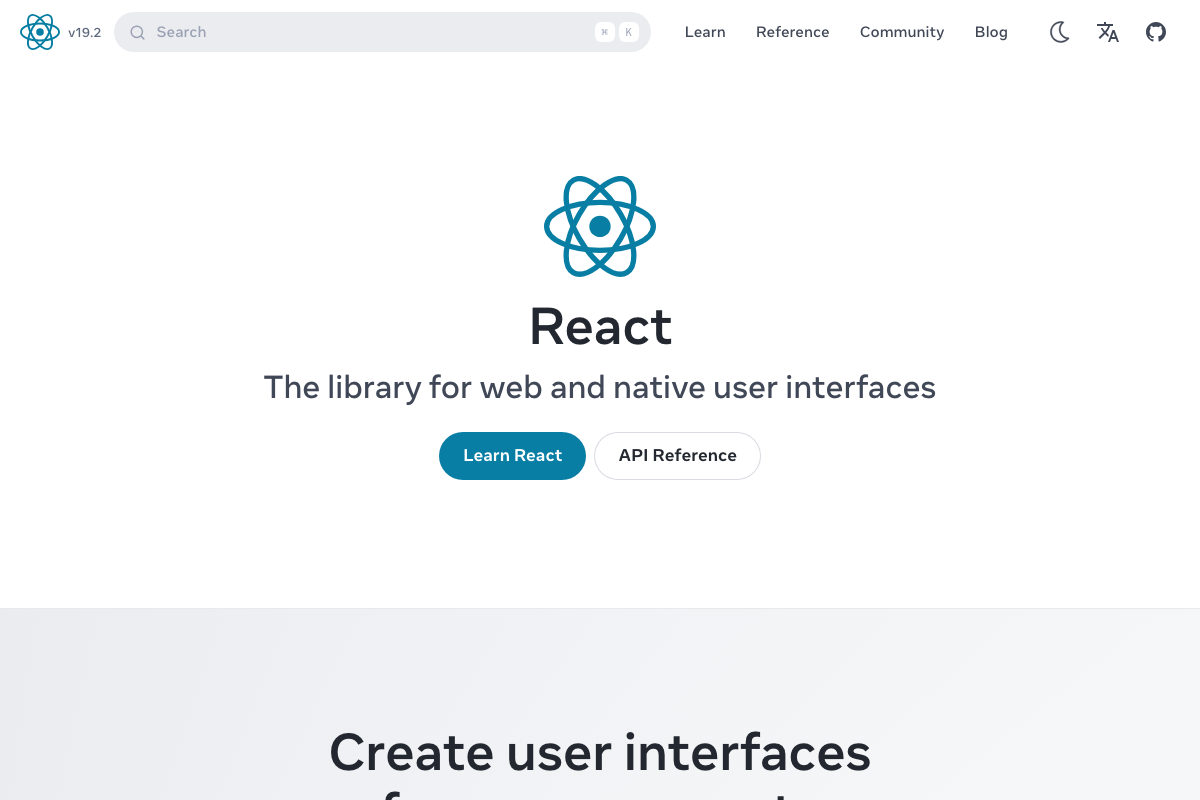
React v19.2 is current stable. The modern docs use functional components exclusively; class components are considered legacy as of this release.
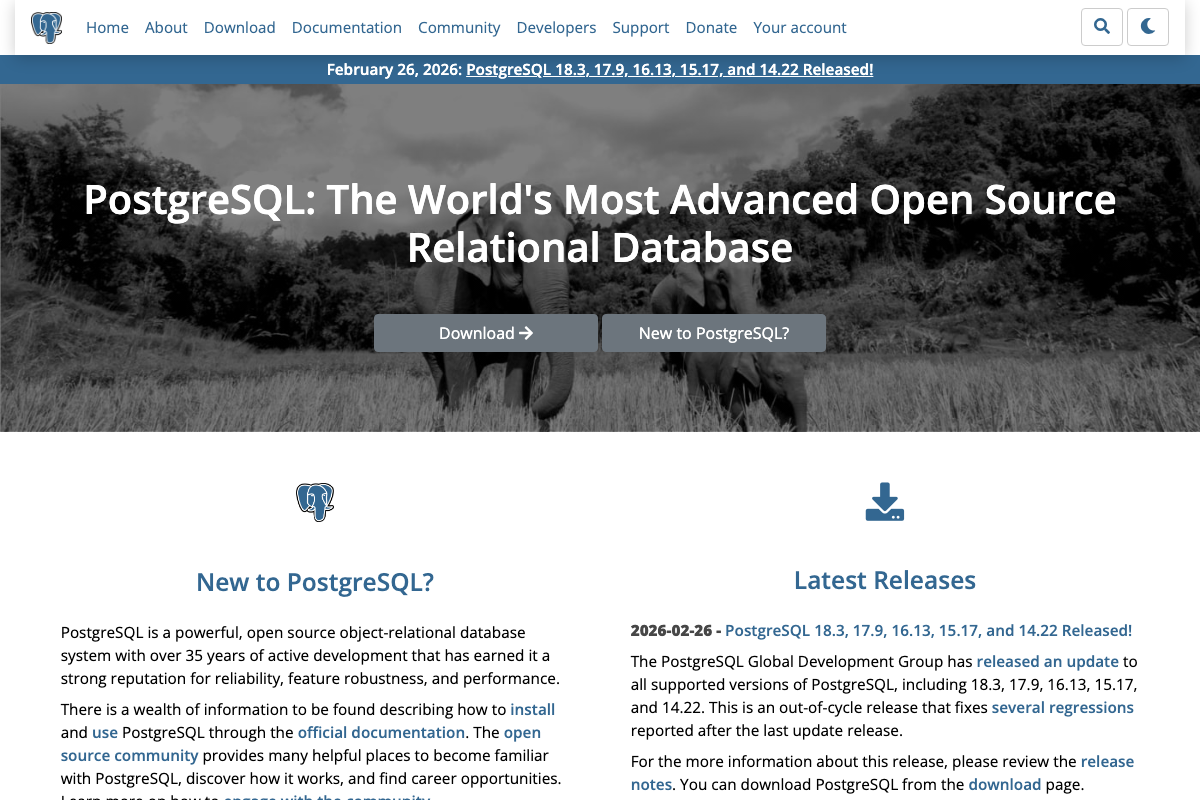
PostgreSQL 18 shipped February 26, 2026. Versions 14–18 remain actively supported, so an older deployment stays viable — but target 17 or 18 for any new build.
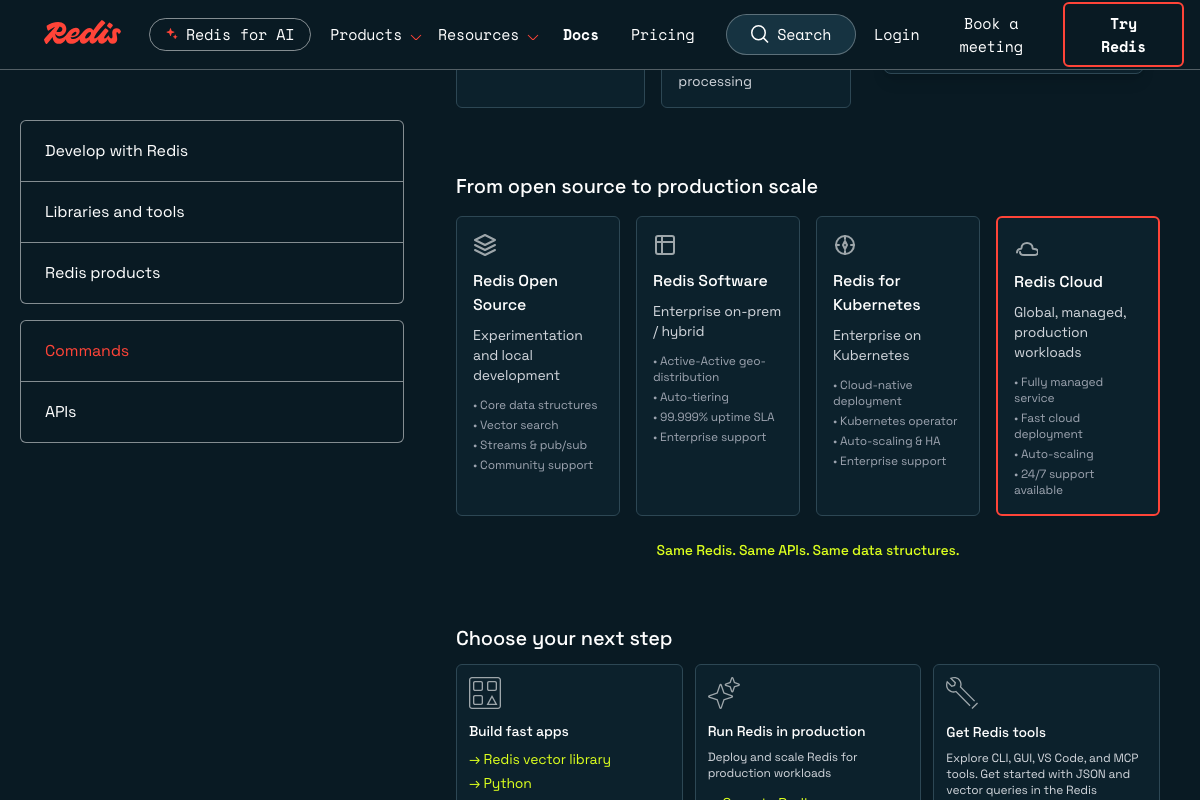
The Redis-backed queue maps to Streams or pub/sub under Redis Open Source. No paid Redis tier is required for the queue pattern Jordan describes.
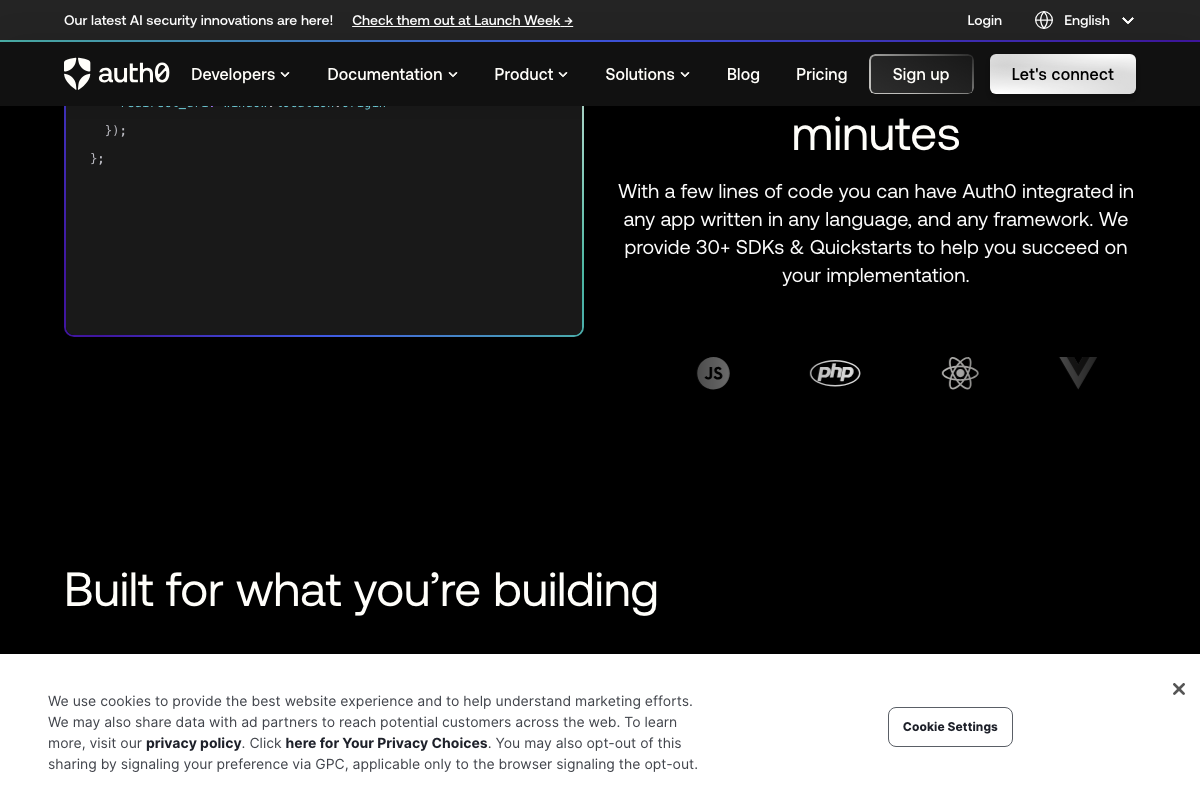
Auth0 now leads its marketing with AI agent authentication, but the React and Node.js SDK path Jordan used for human-user auth is unchanged and fully documented.
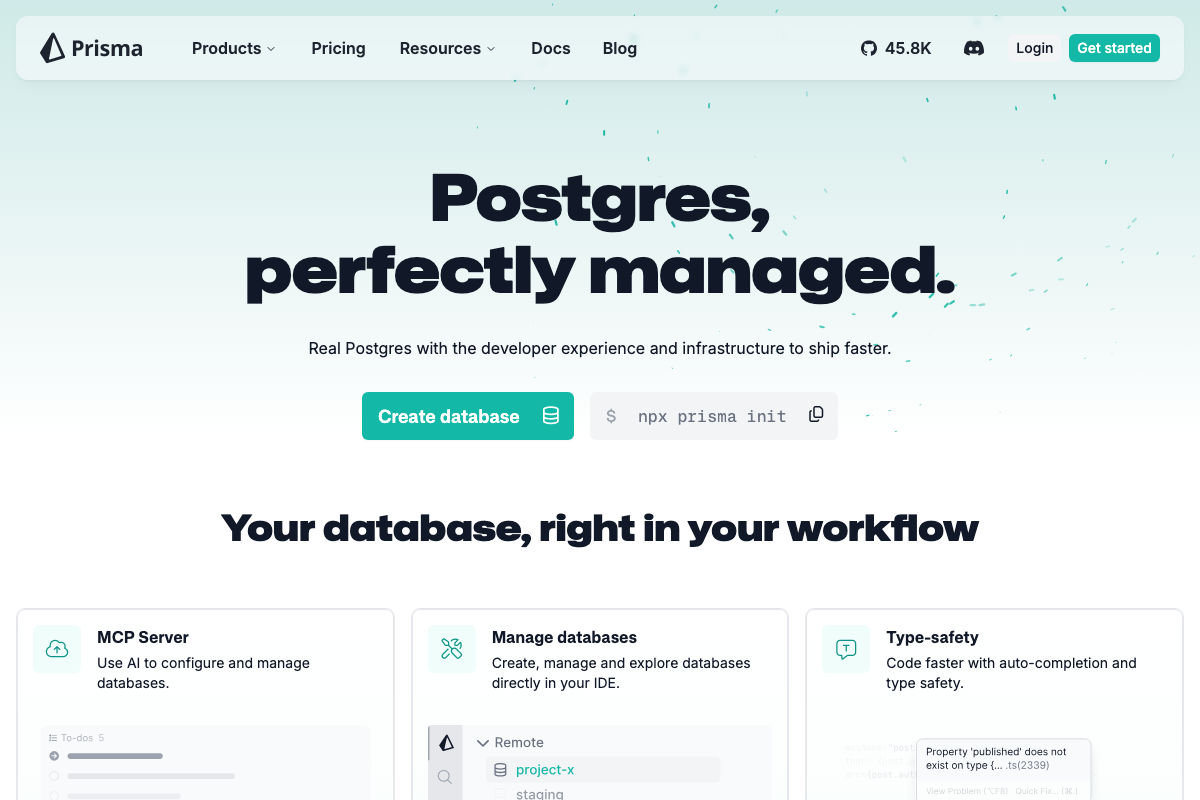
Prisma now offers a managed Postgres hosting product alongside the ORM. The video uses Prisma as an ORM only — that workflow (npx prisma init) is unchanged. The managed database product is additive, not a replacement for the Docker-hosted pattern the video describes.
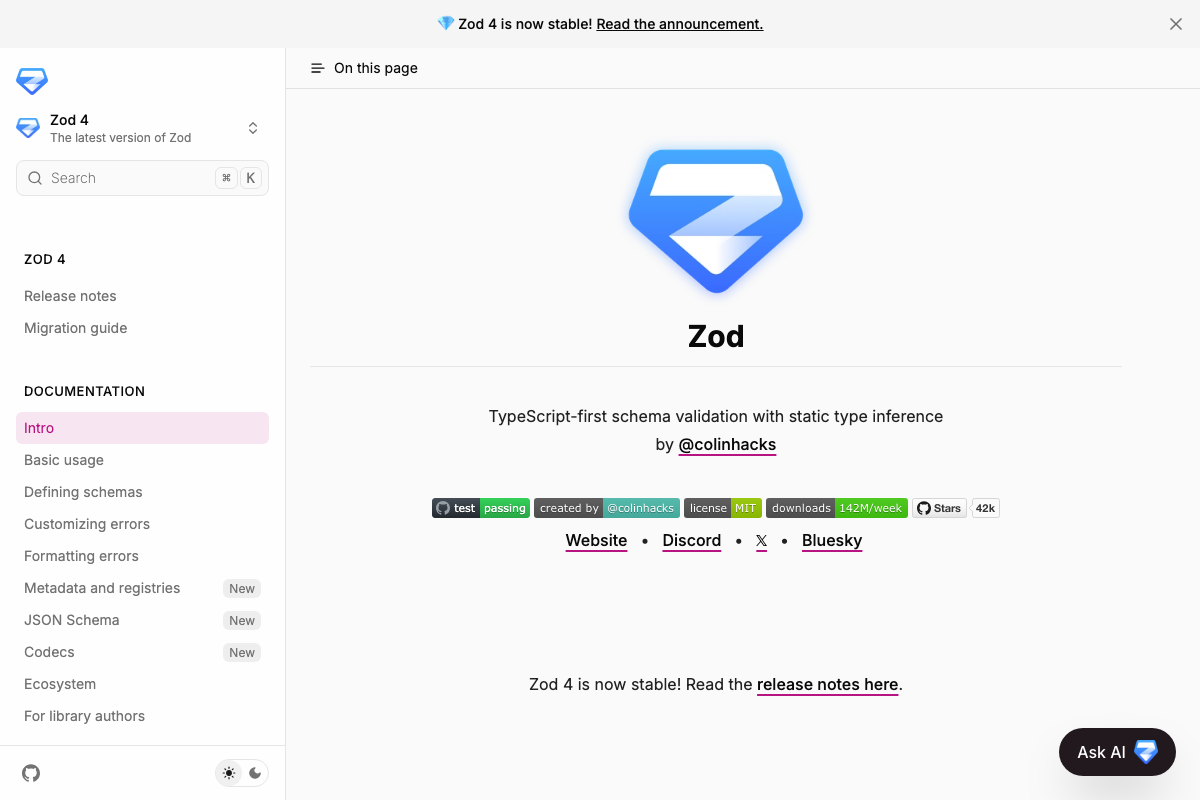
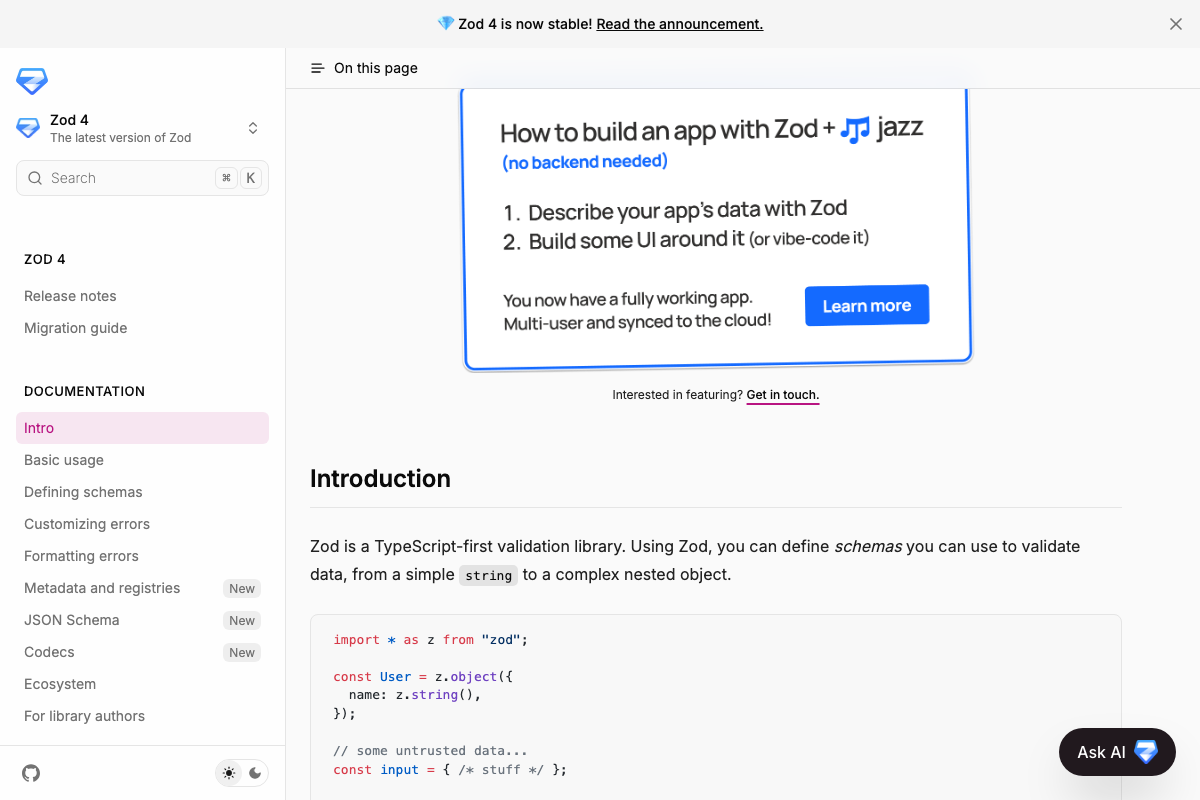
Zod 4 is stable as of April 2026 and includes breaking changes from Zod 3. If your codebase follows the video’s era, you are almost certainly on Zod 3. Do not upgrade without following the official migration guide — import syntax and several core APIs have changed between versions.
Step 4 — Docker containerization
The video’s approach here matches the current docs exactly.
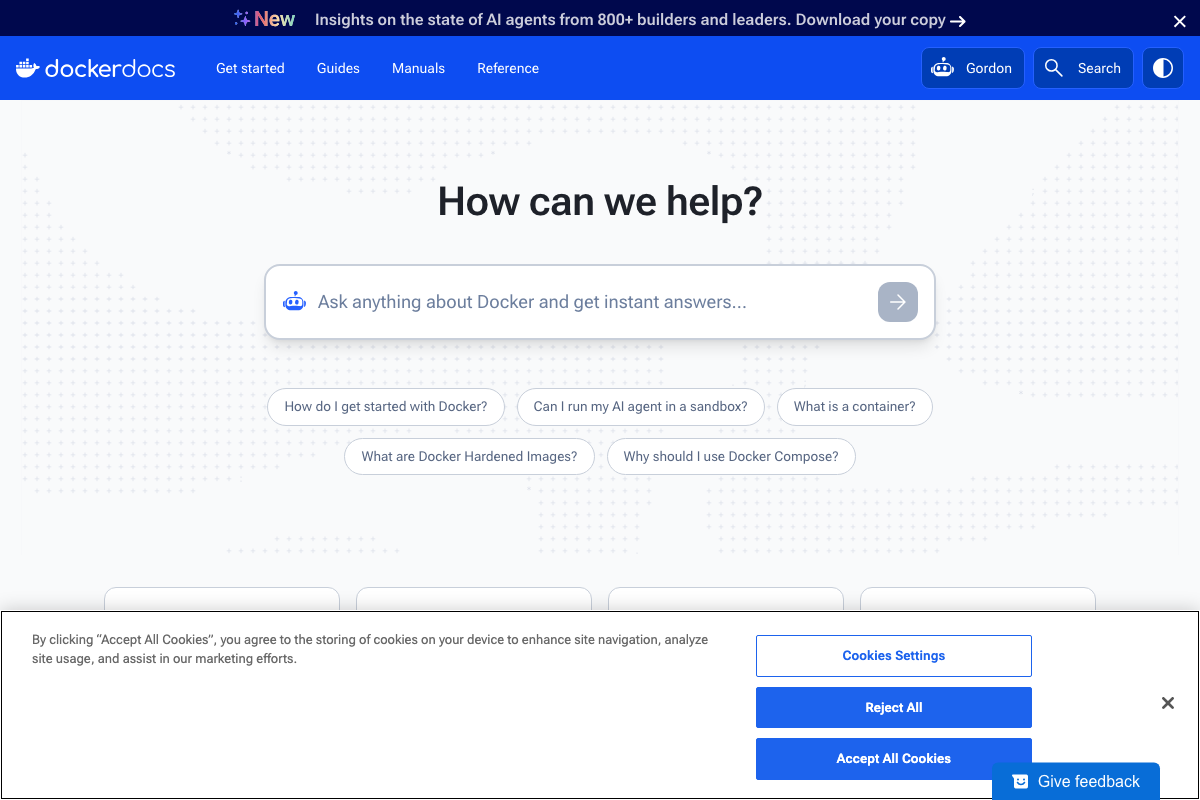
One useful addition: Docker Compose is prominently featured in the current docs for multi-service configuration. For a stack running PostgreSQL, Redis, and multiple application containers, Compose is the documented approach for managing that wiring as a single unit.
Step 5 — ChatGPT and AI API integration
The video’s approach here matches the current docs exactly.
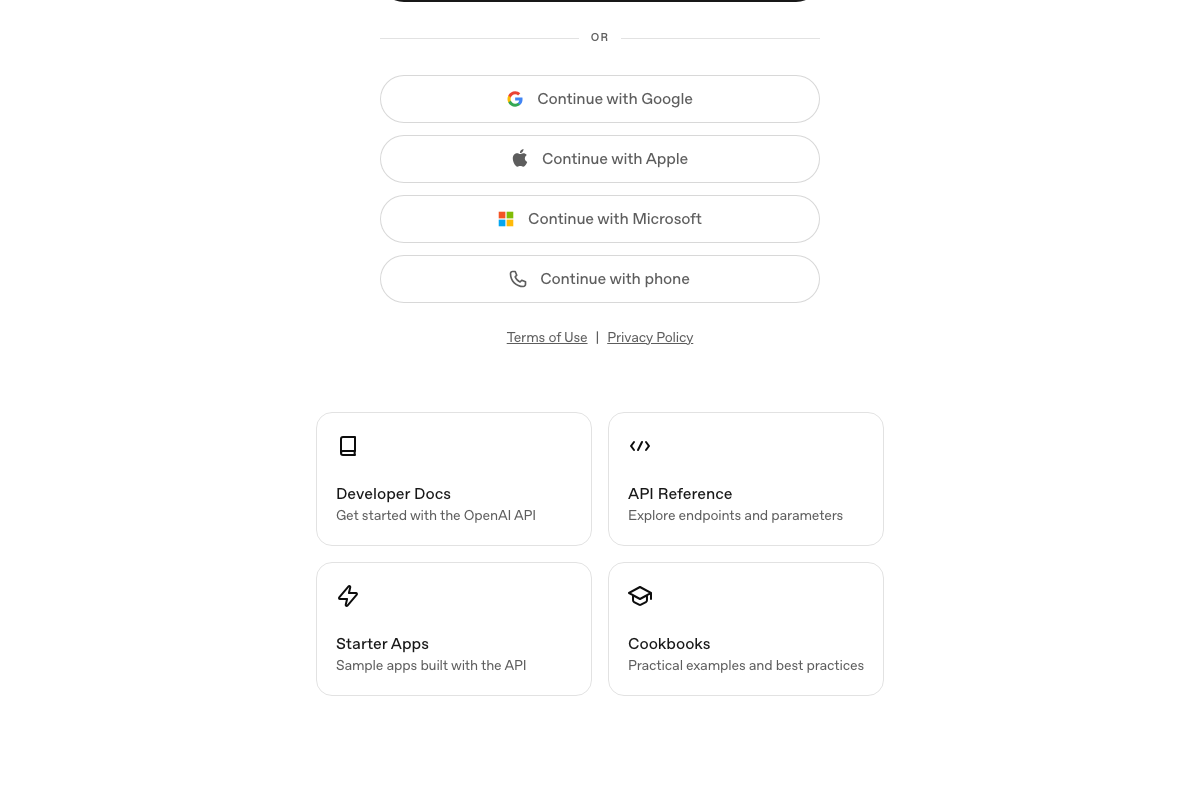
The OpenAI Platform confirms an active, well-resourced API ecosystem. One limitation in the available screenshots: no specific model names, endpoint paths, or API versions are visible — the video’s “ChatGPT and other AI APIs” claim cannot be verified at that level of detail from the documentation alone.
Steps 6, 7, 8 & 9 — Launch strategy, word-of-mouth, referral mechanics, and pricing
No official documentation was found for these steps —
proceed using the video’s approach and verify independently.
Step 10 — MRR tracking with a dedicated external tool
No official documentation was found for this step —
proceed using the video’s approach and verify independently.
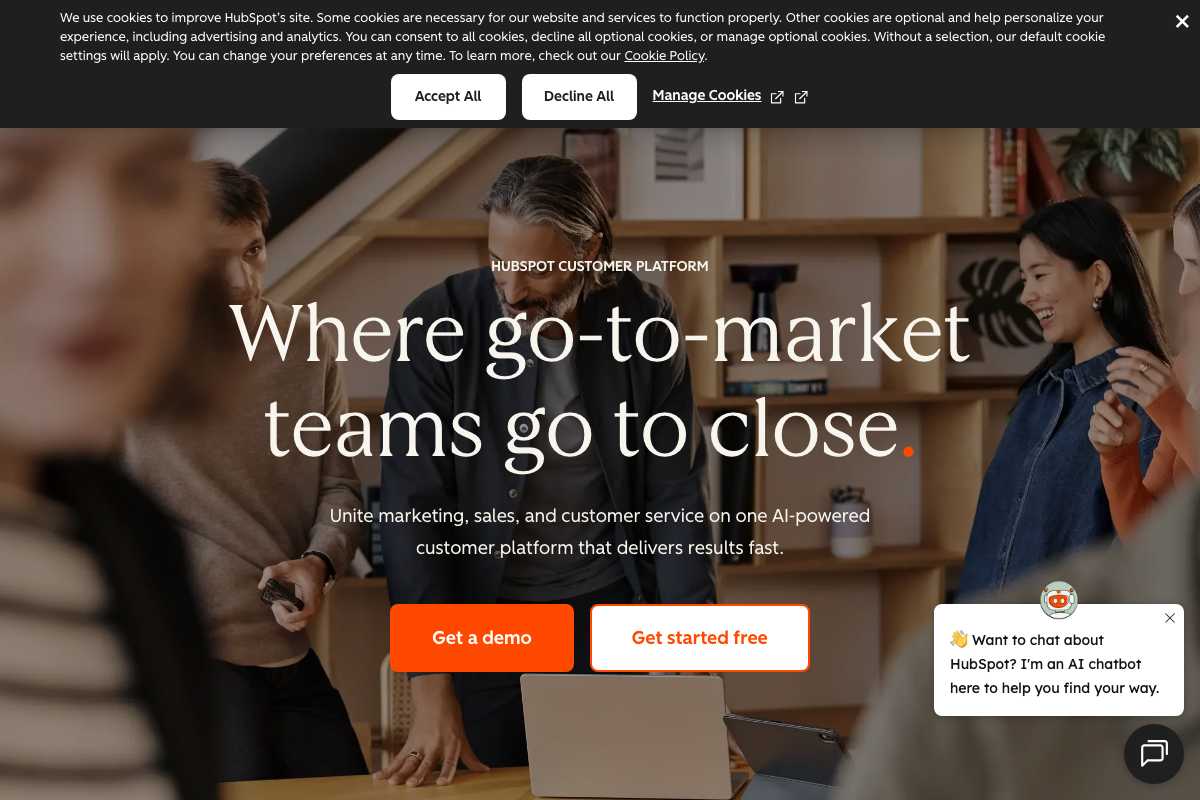
One flag worth adding: if HubSpot is the tool referenced here, it is a CRM and sales platform — not a dedicated subscription analytics product. None of the available screenshots surface MRR dashboards or recurring revenue metrics. For purpose-built MRR tracking alongside a setup like Parakeet Chat’s, tools such as ChartMogul, Baremetrics, or Stripe’s native revenue reporting are more directly suited to that function.
Useful Links
- TypeScript: JavaScript With Syntax For Types — Official TypeScript homepage with installation instructions, version history, and Handbook entry points.
- TypeScript: The Starting Point for Learning TypeScript — TypeScript Handbook and Playground, including the
@ts-checkannotation reference for hybrid codebases. - React — Official React homepage showing v19.2 stable, with getting-started resources and component model documentation.
- Quick Start – React — React Quick Start covering functional components, JSX, list rendering, and conditional display patterns.
- PostgreSQL: The World’s Most Advanced Open Source Database — PostgreSQL homepage with release table, active version support status, and community resources.
- Redis Docs — Redis documentation covering Open Source Streams and pub/sub, plus Cloud and Kubernetes deployment tiers.
- Secure AI Agent & User Authentication | Auth0 — Auth0 homepage covering human and AI agent authentication with 30+ SDK and Quickstart resources.
- Prisma | Instant Postgres Plus an ORM — Prisma homepage covering both the ORM product and the newer managed Postgres hosting service.
- Intro | Zod — Zod docs homepage showing Zod 4 as current stable, with migration notes for Zod 3 projects.
- Zod Introduction (schema reference) — Zod schema definition syntax, installation, and import convention changes between Zod 3 and Zod 4.
- Docker Docs — Official Docker documentation covering Dockerfile reference, Docker Engine installation, and Docker Compose orchestration.
- OpenAI Platform — OpenAI Platform overview with Developer Docs, API Reference, Starter Apps, and Cookbooks.
- HubSpot | Software & Tools for Your Business — HubSpot homepage covering CRM, Marketing Hub, Sales Hub, Service Hub, and Content Hub.


0 Comments