

How to Print Leads with SEO: Keyword Targeting, Link Building, and Topical Authority
Most businesses abandon SEO before it pays out — not because the strategy failed, but because the foundation stage takes longer than expected. By the end of this tutorial, you’ll understand how to identify low-competition, high-intent keywords, structure a link-building campaign that signals legitimacy to Google, and build the topical authority that lets a new site outrank established publications.
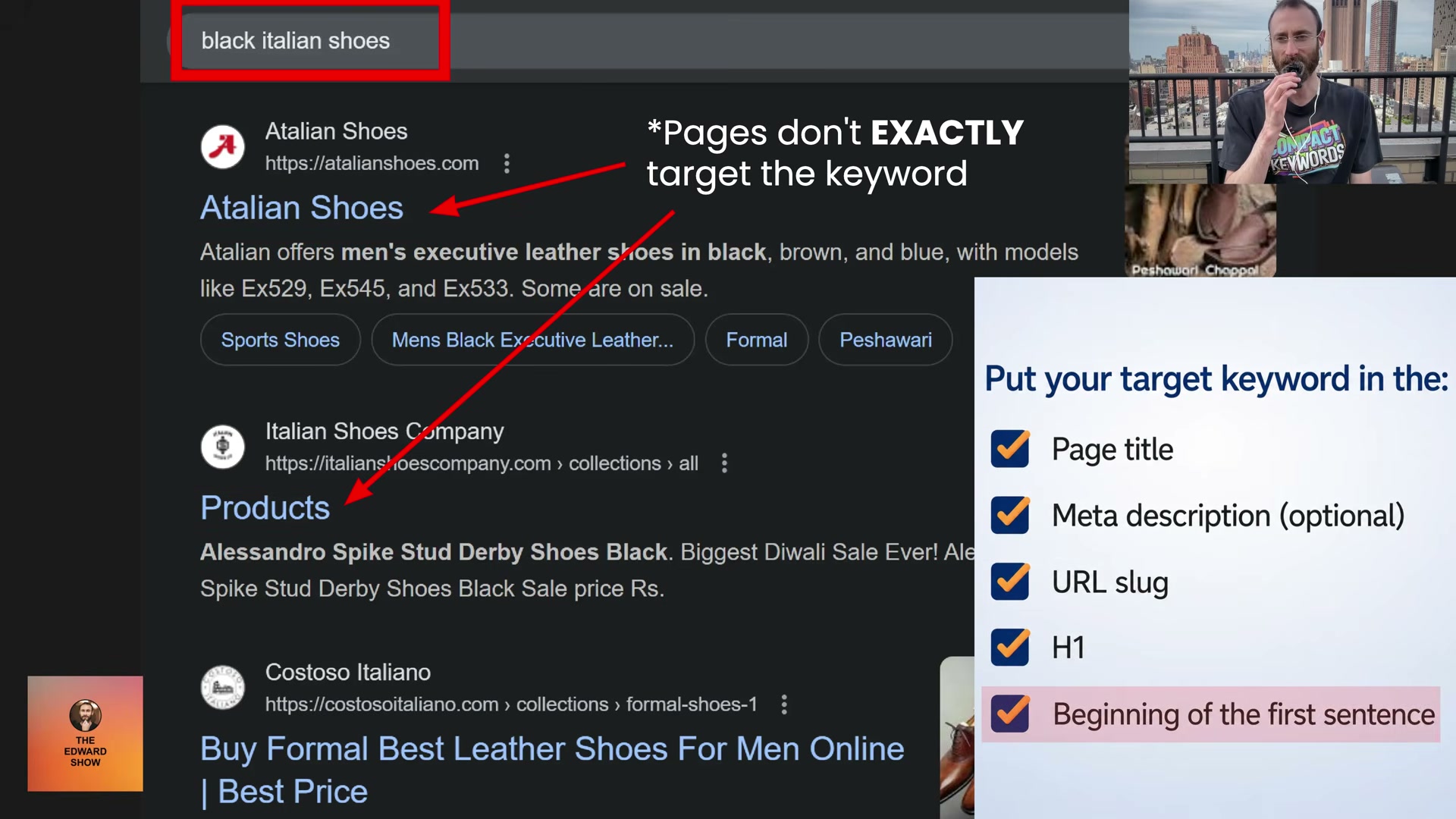
- Search for keywords where competitors are leaving points on the table. You’re looking for queries where the top-ranking pages do not use the exact keyword phrase in the page title, H1, URL slug, and the opening sentence of the first paragraph. When you find one of those gaps, you fill it — deliberately placing the keyword in all five of those on-page elements.
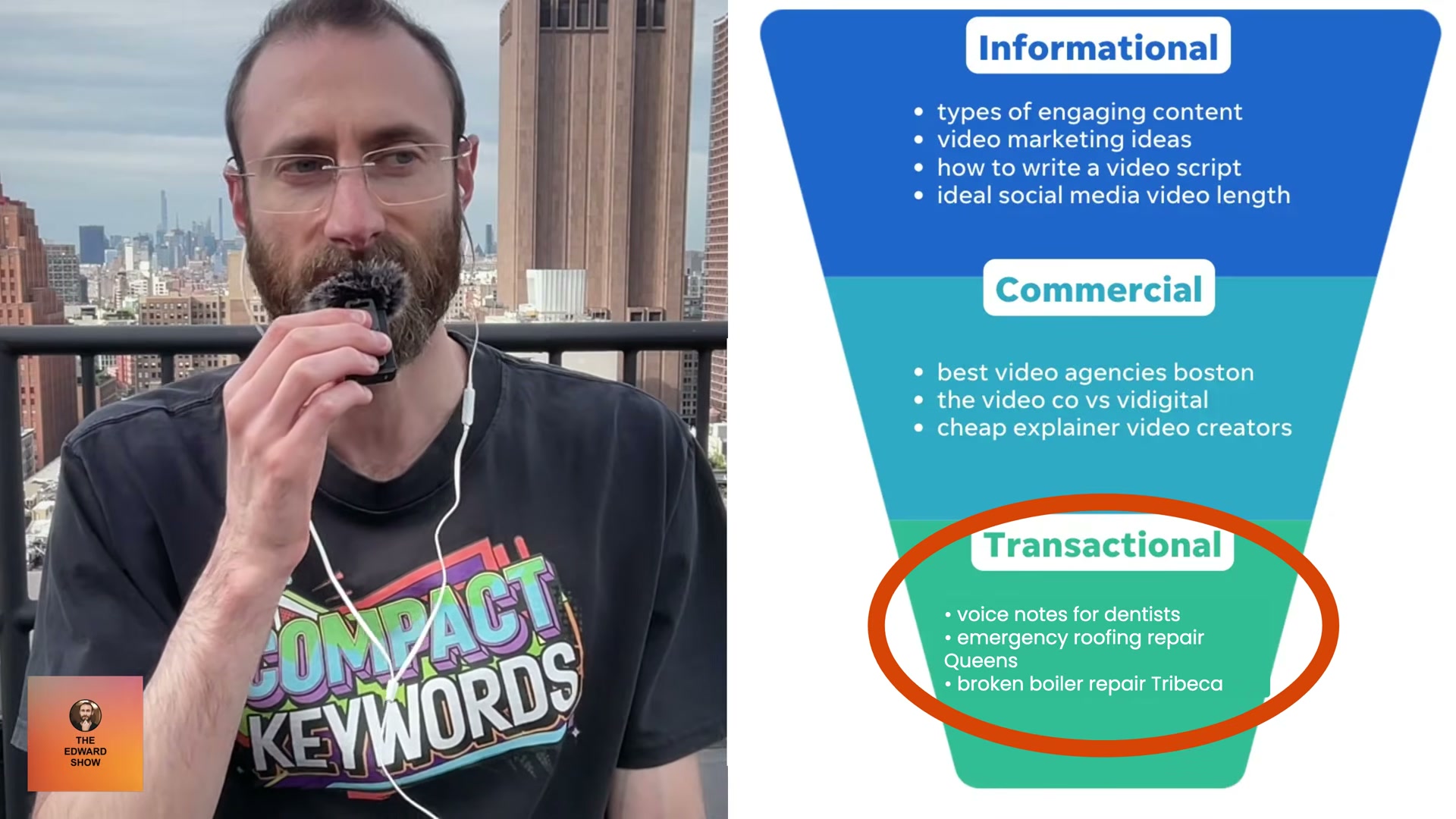
- Within your keyword list, prioritize action-intent over informational queries. Purely informational searches — “what is a boiler?” — are increasingly answered directly by AI Overviews and ChatGPT, bleeding clicks before a user ever reaches your page. Transactional and commercial keywords like “emergency roofing repair Queens” or “broken boiler repair Tribeca” attract searchers who are ready to act, call, or buy.
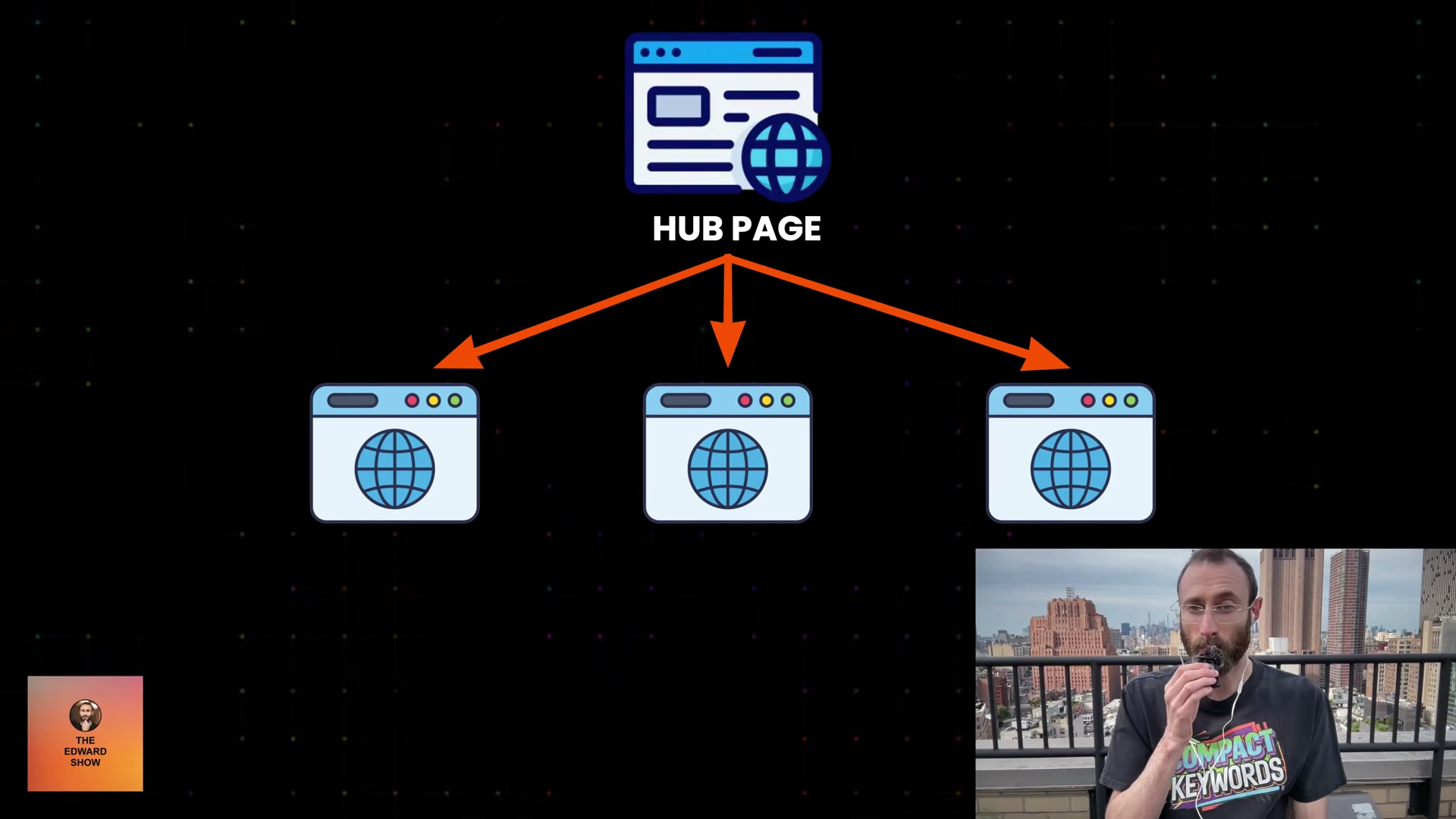
- Publish three pages targeting the easy, high-intent keywords you’ve identified. Link all three from a hub page — or directly from your homepage if you don’t have a hub — so Google can understand the topical relationship between them and pass internal authority across the cluster.
-
As soon as those pages are live, launch a PR and link-building campaign. Start with foundational links: social media profiles, business directories, and citations that any legitimate company would have. These don’t move rankings on their own, but they establish that you are a real business — a baseline Google expects to see.
-
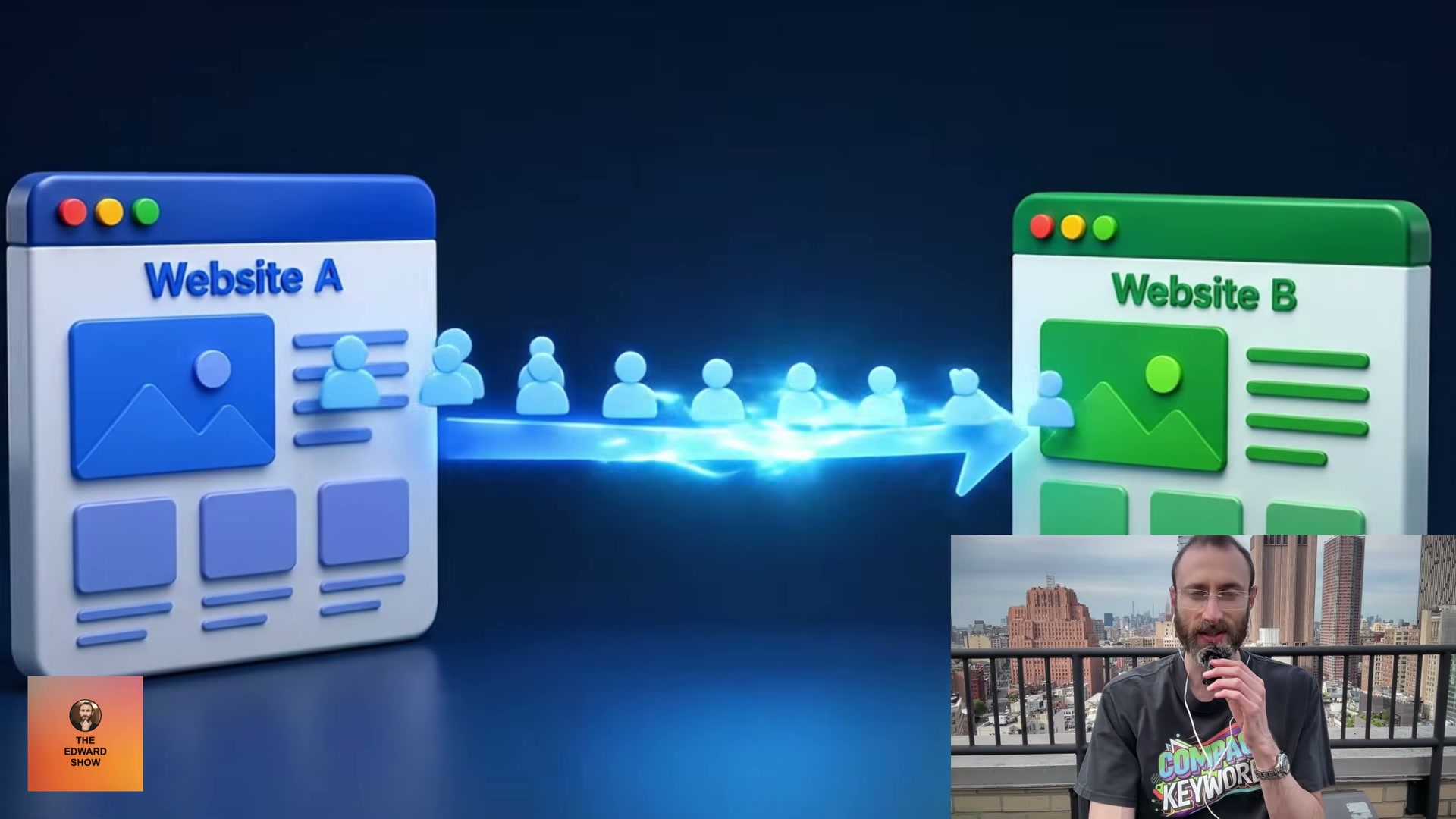
After foundational links are in place, shift focus to backlinks that pass genuine referral traffic. A link from a site whose audience actually clicks through to yours carries more weight than a high-DA placement no one visits. Pursue brand mentions alongside backlinks — branded searches signal to Google that a real audience is looking for you specifically.
-
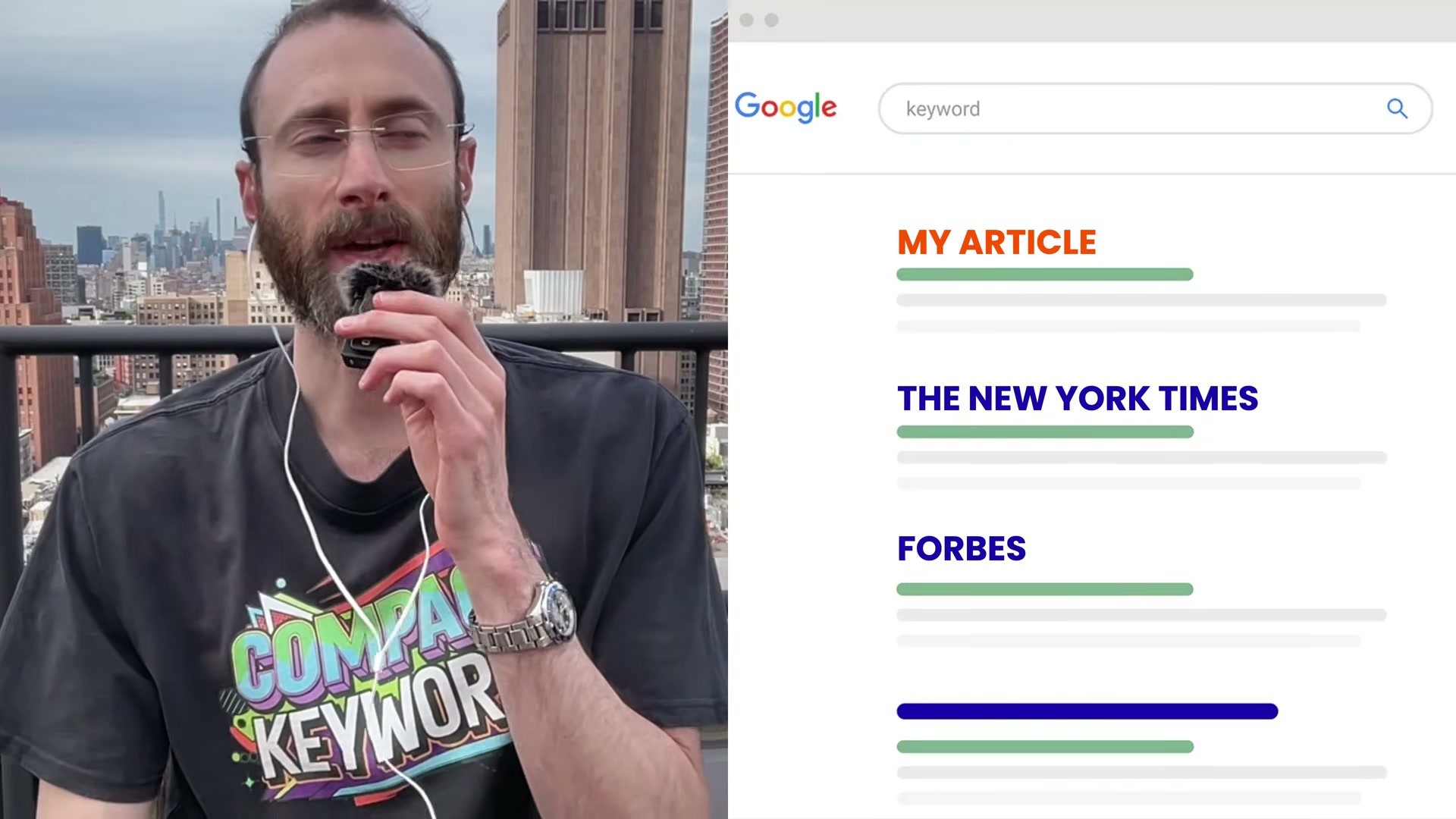
Engineer every landing page to produce a satisfied searcher: a visitor who finds what they came for and doesn’t return to the search results to refine their query. Pages that retain organic visitors generate authority signals on their own, compounding the effect of the links you’ve built.
-
Once your first three pages achieve consistent rankings, publish six more pages using the same keyword-selection process and restart the link-building cycle on the expanded content set.
-
At the one-year mark — assuming consistent execution — hire dedicated PR staff, grow owned-media channels (newsletter, podcast, social), and use SEO keyword data to retarget organic visitors with paid campaigns. Each new content format becomes a vehicle for earning more inbound links without direct outreach.
-
With domain authority established, high-intent SEO landing pages can reach page one within hours of publication and hold that position for years, generating compounding organic leads long after the initial work is done.
How does this compare to the official docs?
The strategy Edward Sturm outlines tracks closely with widely accepted SEO principles, but several of the specific signals he emphasizes — satisfied-searcher behavior, referral-traffic-weighted backlinks, brand mentions as a ranking factor — sit in territory where Google’s public documentation and the practitioner consensus don’t always tell the same story, which is exactly what Act 2 examines.
Here’s What the Official Docs Show
Act 1 laid out a coherent and widely practiced SEO playbook — the documentation review that follows adds transparency about which steps have verifiable platform-level support and which rely on practitioner consensus rather than confirmed official guidance. Where screenshots confirmed the video’s claims, this section says so plainly; where coverage was absent, those gaps are flagged so you can research further before committing resources.
Step 1 — On-Page Signals: Title, H1, URL Slug, First Sentence
No official documentation was found for this step — proceed using the video’s approach and verify independently.
The Google Search Central documentation page at https://developers.google.com/search/docs did not load during the screenshot capture; all three attempts returned the Google Search homepage instead. The specific on-page signals described in the video — exact-match keyword in the page title, H1, URL slug, and opening sentence — are not confirmed or contradicted by any screenshot in this set.
Step 2 — Prioritize Action-Intent Keywords Over Informational Queries
The video’s approach here matches the current docs exactly — and the screenshots add a harder edge to the argument.
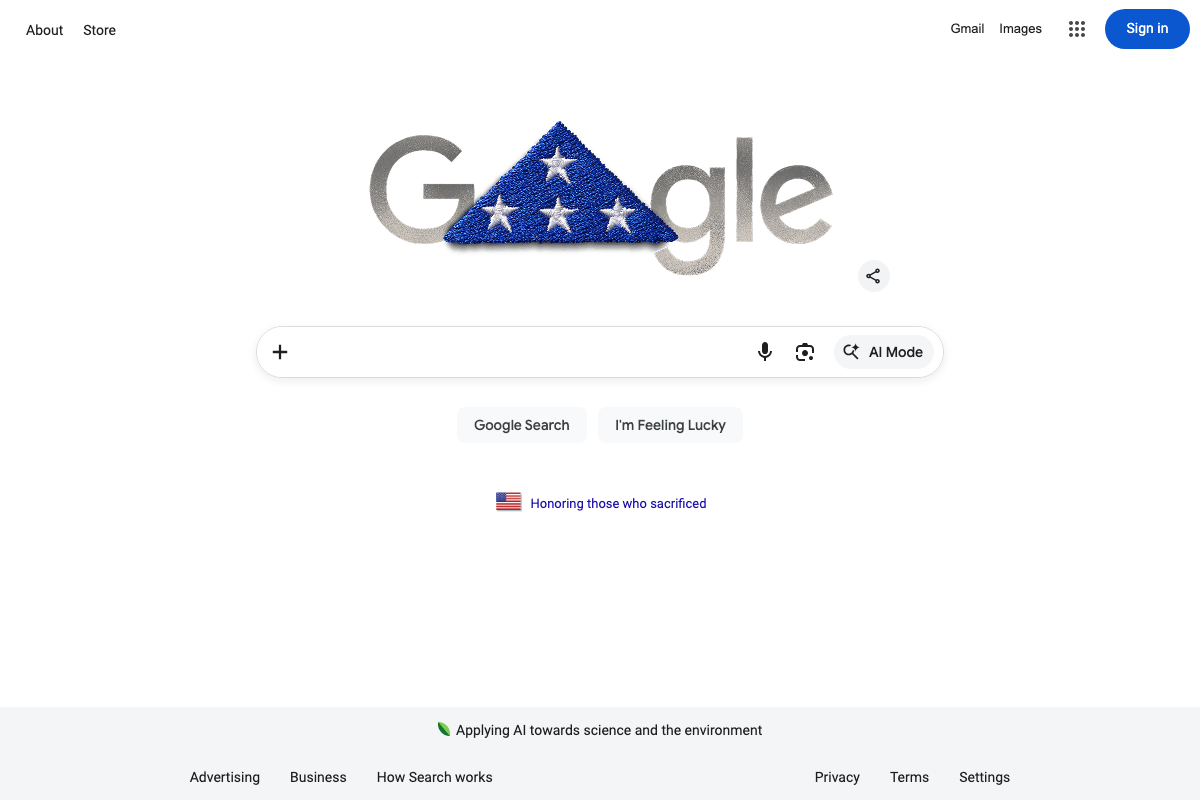
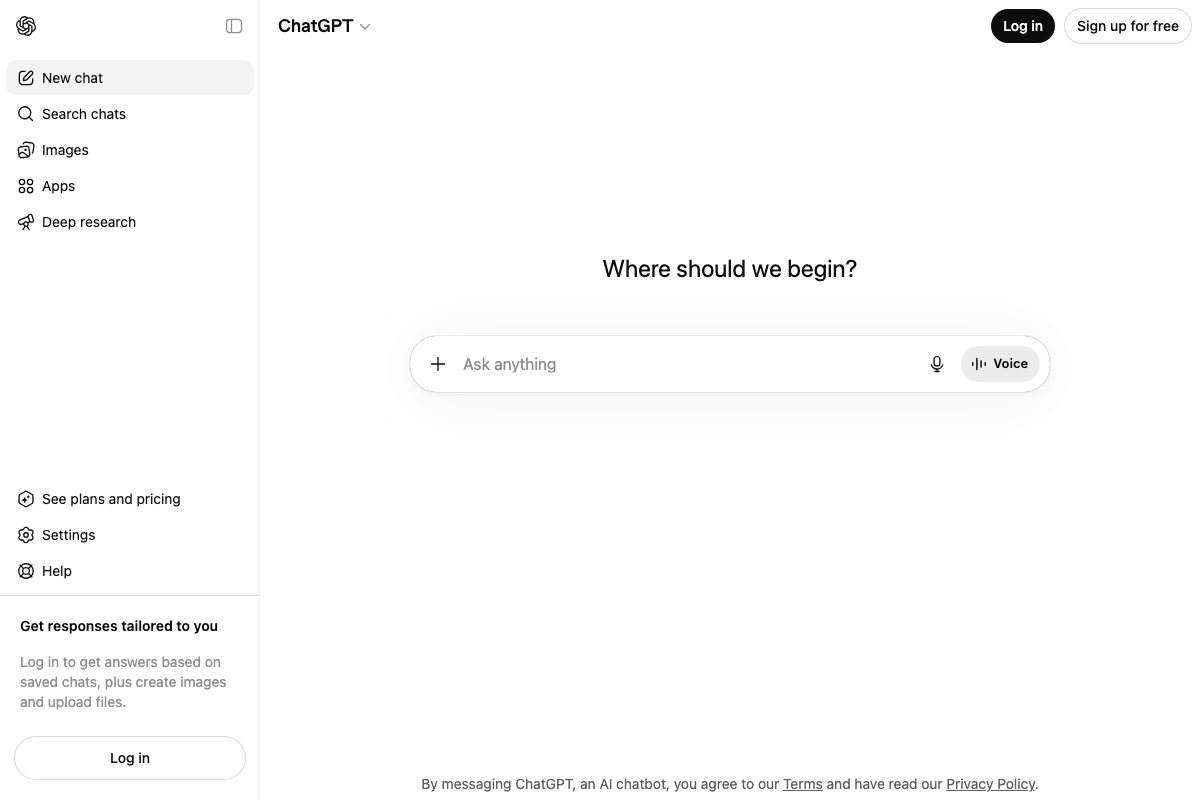
Google’s homepage now displays an “AI Mode” button directly in the search bar as a primary entry point, not a secondary overlay. This confirms that AI-generated answers have been structurally promoted within Google Search itself, not just layered on top. ChatGPT’s interface separately confirms a “Deep research” sidebar feature, showing that multi-step informational queries can now be fully resolved without a single organic click.
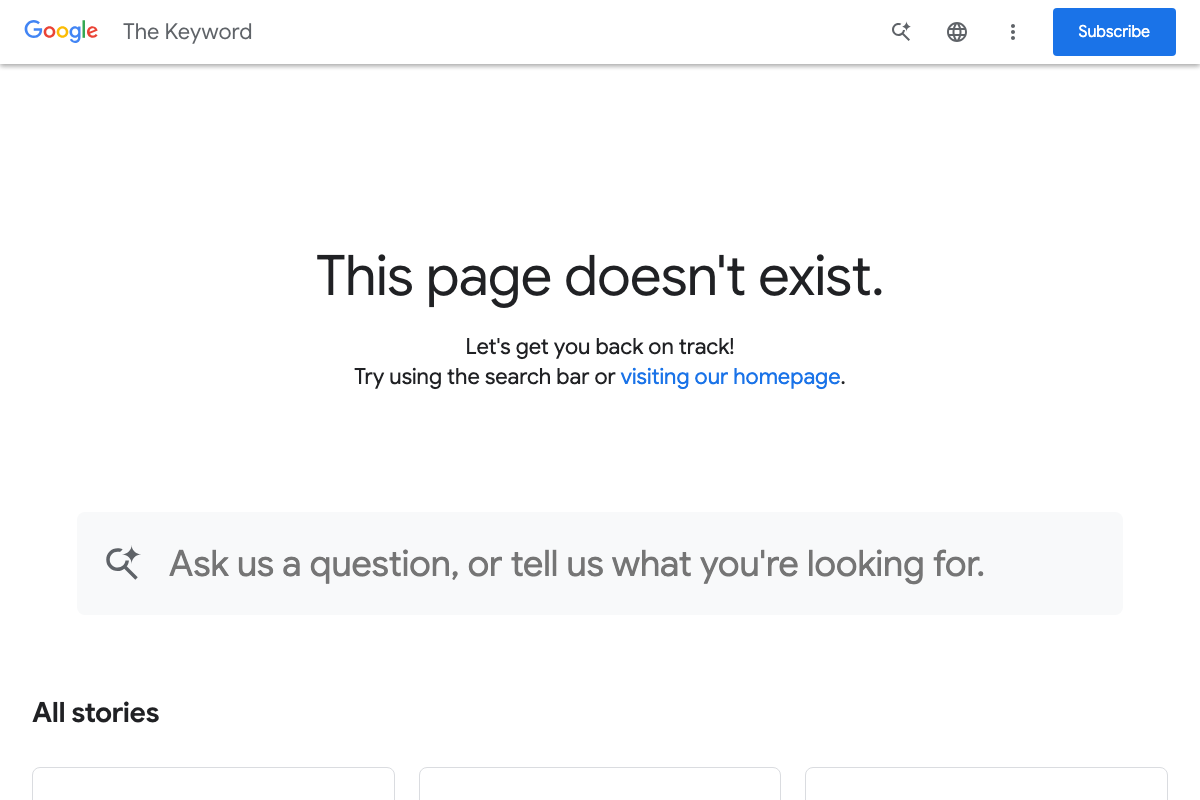
One source URL referenced in the tutorial’s step 2 context — https://blog.google/products/search/ai-overviews-search/ — now returns a 404 error. As of May 2026, that page has been removed or relocated. Any claims sourced specifically from that post cannot be verified at that address; use currently live Google Search Central pages instead.
Step 3 — Publish a Content Cluster and Link from a Hub Page
No official documentation was found for this step — proceed using the video’s approach and verify independently.
Step 4 — Launch Foundational Links: Directories, Social Profiles, Citations
No official documentation was found for this step — proceed using the video’s approach and verify independently.
Step 5 — Pursue Traffic-Passing Backlinks and Brand Mentions
No official documentation was found for this step — proceed using the video’s approach and verify independently.
Step 6 — Engineer a Satisfied Searcher on Every Landing Page
No official documentation was found for this step — proceed using the video’s approach and verify independently.
Google Search Console is confirmed as a live tool that measures impressions, clicks, and position — data points directly relevant to evaluating whether a page is retaining searchers effectively.
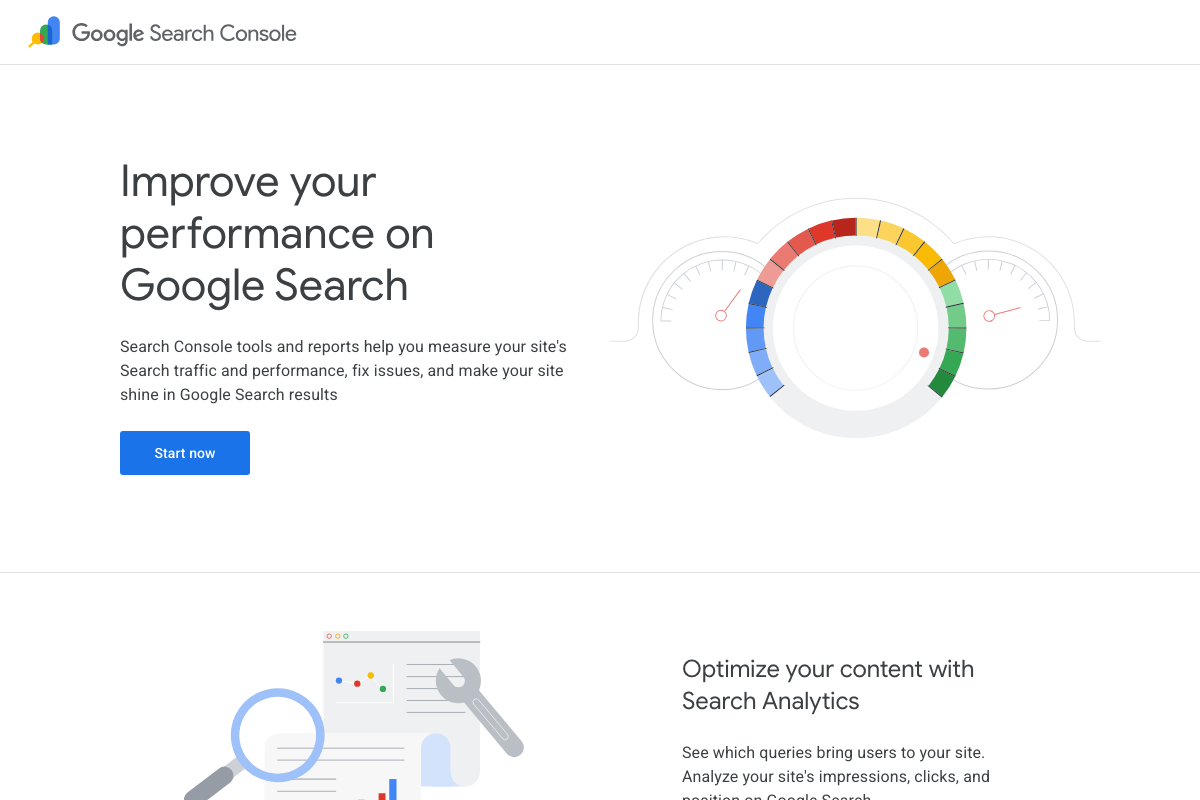
However, the phrase “satisfied searcher signal” does not appear anywhere in the Search Console screenshots. The mechanism described in step 6 — that retaining organic visitors generates a direct ranking signal — is practitioner-level reasoning that is not confirmed by the visible platform documentation in this review.
Step 7 — Scale to Nine Pages and Restart the Link-Building Cycle
No official documentation was found for this step — proceed using the video’s approach and verify independently.
Step 8 — Build Owned Media: Newsletter, Podcast, Social, YouTube
The video’s approach here matches the current docs exactly in confirming these platforms exist and accept independent creators.
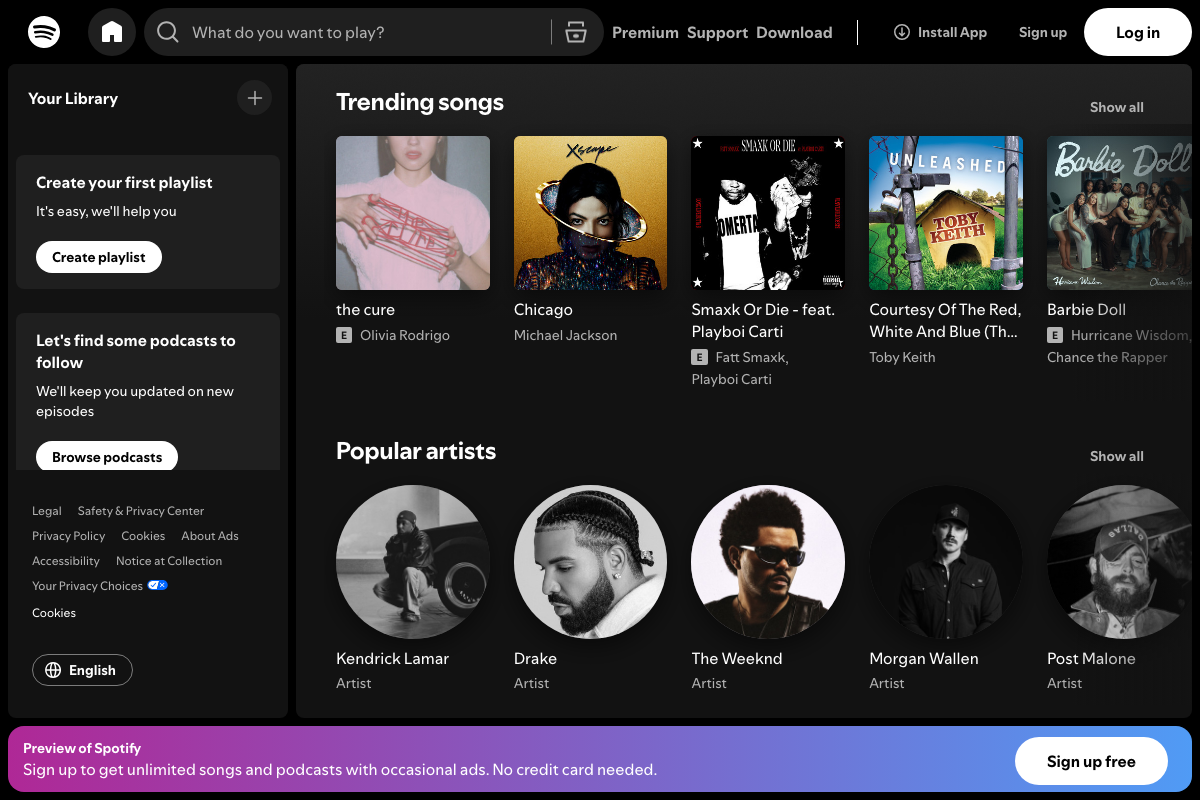
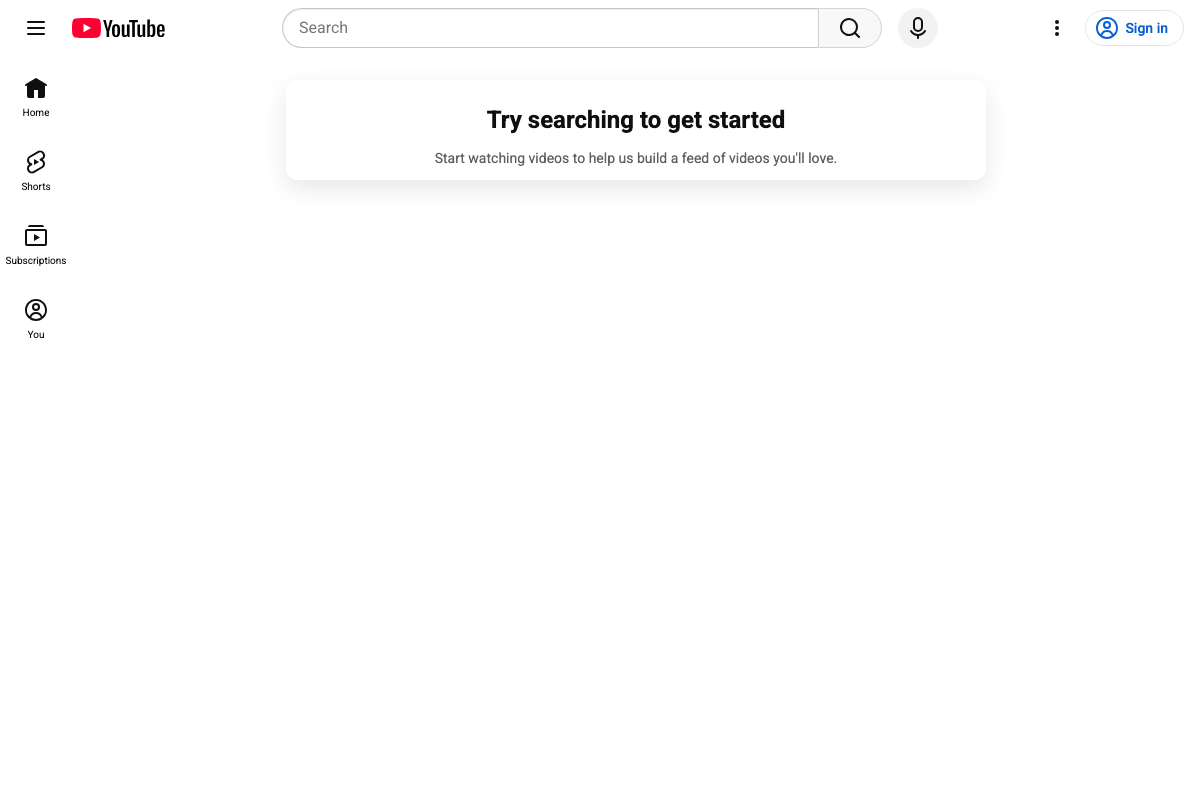
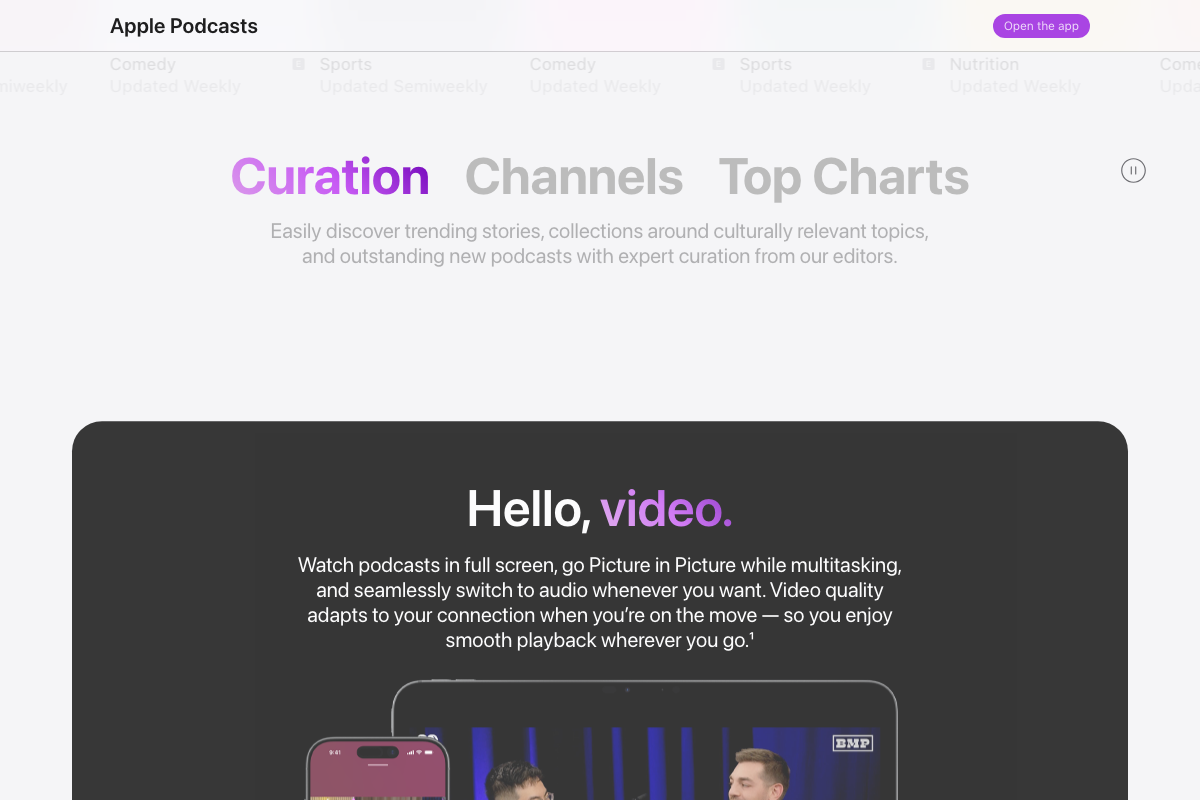
Spotify’s web player confirms podcast discoverability through a dedicated “Browse podcasts” navigation path. Apple Podcasts explicitly supports independent voices alongside major media brands. YouTube is live and operational as a content channel.
One development not covered in the tutorial: Apple Podcasts now supports full-screen video podcast playback with Picture in Picture and adaptive quality. A single podcast production can distribute both audio and video through Apple Podcasts, which overlaps with the separate YouTube workflow mentioned in step 8. If you’re building this content engine today, a single video podcast recording may cover both distribution channels simultaneously.
Note that none of the platform screenshots — Spotify, Apple Podcasts, or YouTube — contain documentation directly linking podcast publishing or YouTube content to SEO link earning or brand mention generation. That connection is asserted in the video and widely accepted in practitioner circles, but it is not verified by any screenshot in this set.
Steps 9 and 10 — Retargeting Organic Visitors and Compounding Authority Over Time
No official documentation was found for these steps — proceed using the video’s approach and verify independently.
On step 9 specifically: Google Search Console does surface the impressions, clicks, and position data that could inform a retargeting audience strategy — but GSC itself provides no direct paid retargeting mechanism. Connecting that data to an ad platform (Google Ads, Meta, or otherwise) requires a separate integration step the tutorial does not detail.
Useful Links
- Google Search — The current Google Search homepage, confirming AI Mode as a primary search interface entry point as of May 2026.
- Google Search Console — Google’s official tool for measuring site search traffic, impressions, clicks, and position in Google Search results.
- ChatGPT — OpenAI’s ChatGPT platform, confirming the Deep Research feature as a publicly accessible alternative to informational search queries.
- Apple Podcasts — Apple’s official Podcasts marketing page, confirming video podcast support with Picture in Picture and adaptive quality streaming.
- Spotify Web Player — Spotify’s web player confirming podcast discoverability as a secondary content type alongside its primary music catalog.
- YouTube — YouTube’s homepage confirming its availability as a content distribution channel for brand and link-building strategies.


0 Comments