

Make Your Website Visible to AI Shopping Agents
AI agents are already scanning, comparing, and choosing vendors — before any human visits a single page. After working through this playbook, you’ll know how to structure your site so those agents can parse what you offer, trust what you claim, and put you on the short list. The window to move before competitors catch on is measured in months, not years.

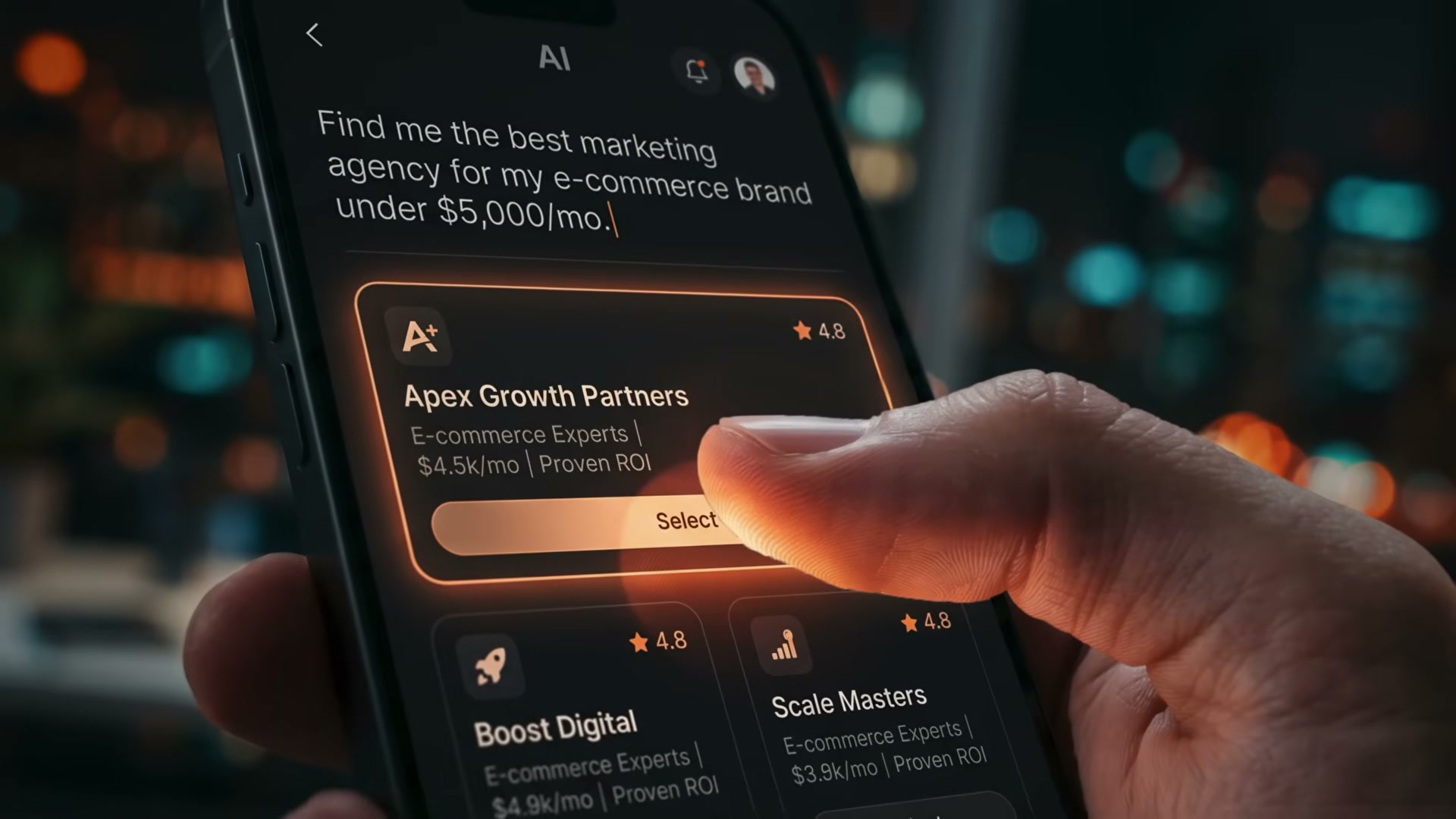
The entire customer funnel — awareness, consideration, decision — is now compressing into a single AI conversation. When someone tells an agent “Find me the best marketing agency for my e-commerce brand under $5,000 a month,” the agent visits dozens of sites, pulls pricing and reviews, cross-references third-party data, and returns three recommendations before a human sees a single page.
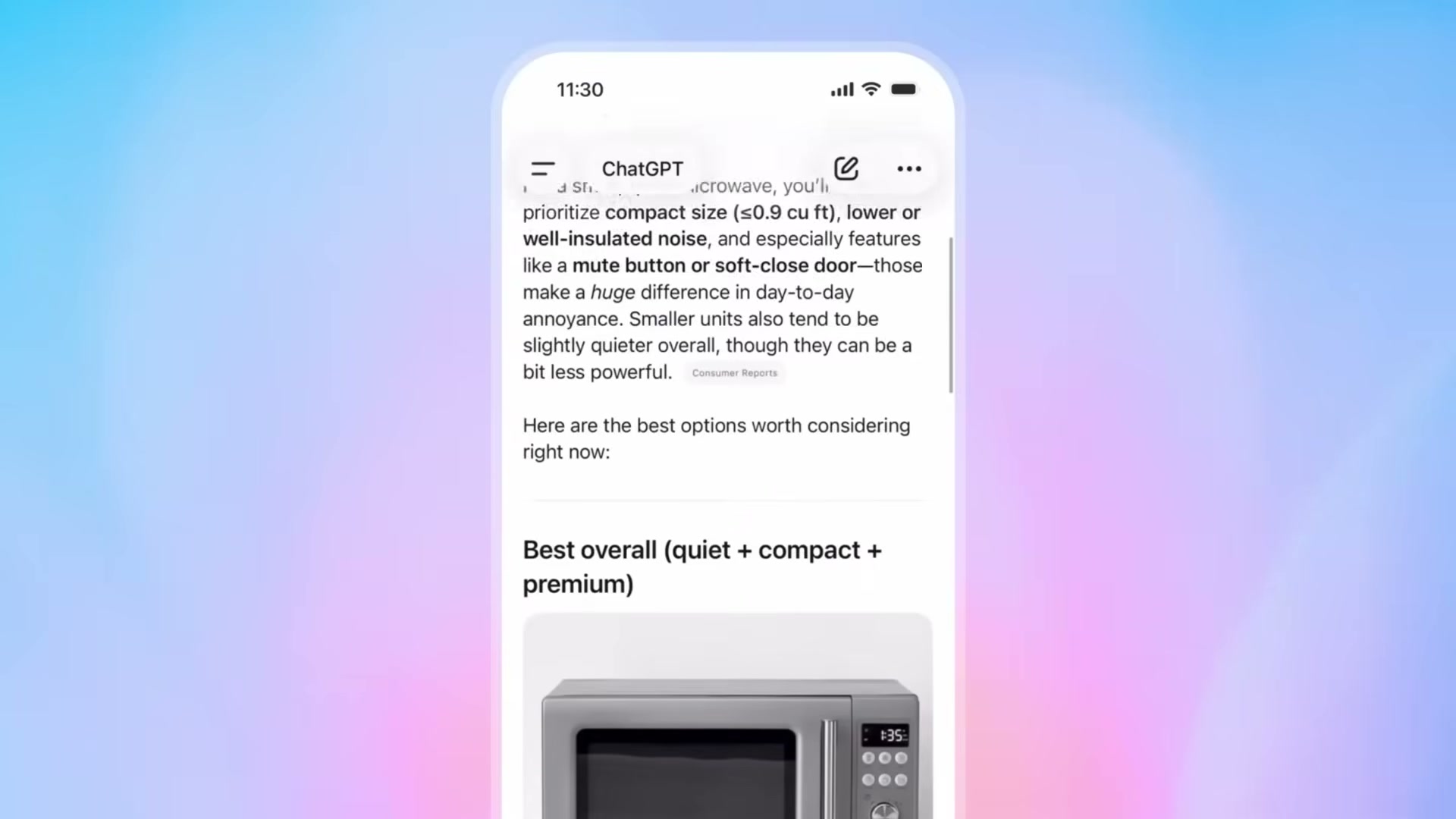
- Add schema markup to every important page — product schema, service schema, FAQ schema, and review schema. Structured data is the language AI agents read first. Without it, your pages are invisible to any agent trying to extract what you sell, what it costs, and who it’s for. JSON-LD is the implementation format most systems parse reliably.

- Rewrite your key pages for clarity, not cleverness. Every page needs to answer four questions in plain language: what do you sell, who is it for, what does it cost, how does it work. Use short paragraphs, clear headers, and tables where they help. You’re writing for a precise, literal reader with no patience for brand storytelling that delays the answer.

- Open your site to agent interactions. If you sell products, expose inventory and pricing through clean data feeds or APIs. If you sell services, make scheduling and availability queryable. The video references Google’s Universal Commerce Protocol as one such integration layer.
Warning: this step may differ from current official documentation — see the verified version below.
- Build brand signals across the web. Earn mentions in industry publications, collect reviews on relevant platforms, and produce content other sites want to cite. Agents cross-reference your claims against third-party sources before making a recommendation — if the broader web doesn’t vouch for you, they won’t either.
- Keep all content current. Add last-updated dates to key pages, refresh core content quarterly, and cycle in new reviews and case studies. Agents treat stale content as a trust signal against you.

- Create category-defining content. Comparison pages, niche-specific guides, and precise positioning statements train agents to associate your brand with a specific problem space. Vague positioning — “We’re a marketing agency” — teaches agents nothing. Specific positioning — “We help SaaS companies scale from $1M to $10M through performance marketing” — gives them something to match against a buyer’s intent.


How does this compare to the official docs?
The six-step playbook tracks closely with established technical SEO practice, but specific claims — particularly around API compatibility standards and Google’s Universal Commerce Protocol — deserve verification against current platform documentation before you build them into your production workflow.
Here’s What the Official Docs Show
The six-step playbook holds up strategically — the documentation below adds precision where screenshots surface meaningful nuance. Consider this a quality layer, not a rewrite.
Step 1: Add Schema Markup
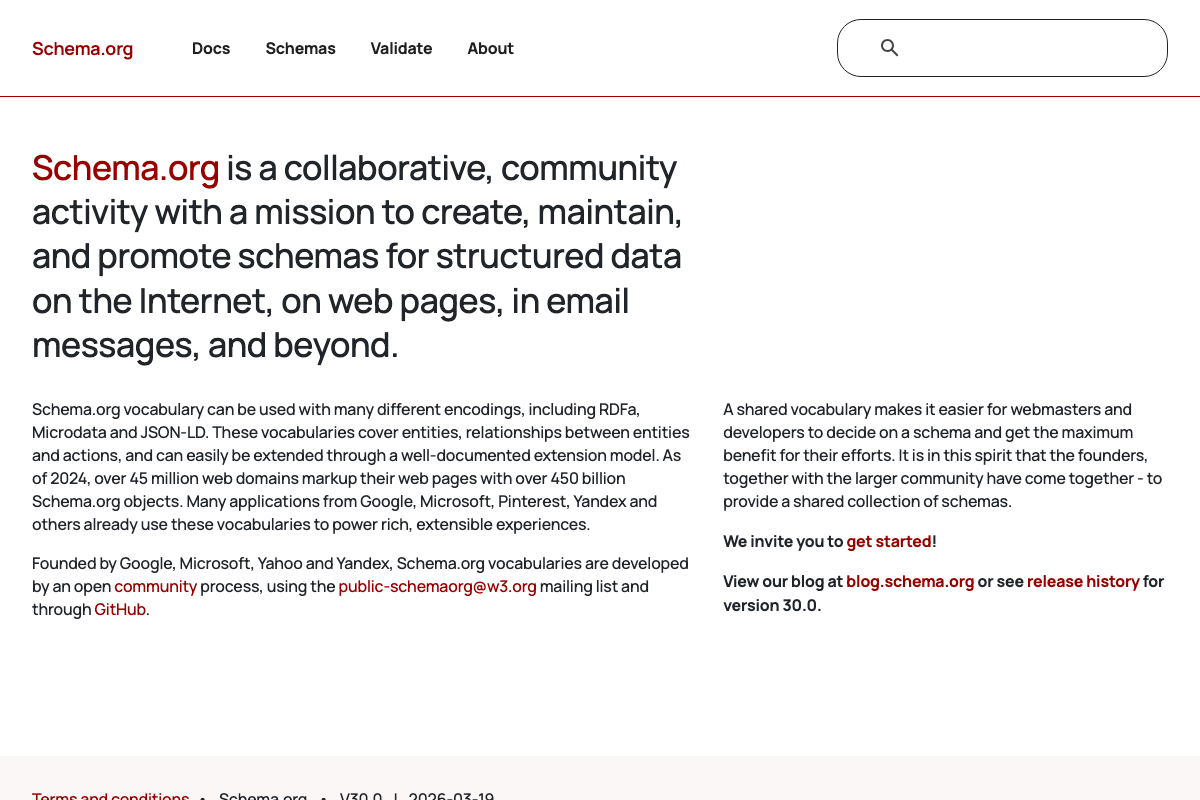
The video’s approach here matches the current docs exactly. One addition worth your attention: Schema.org V30.0 (released 2026-03-19) documents three equally valid encoding formats — JSON-LD, RDFa, and Microdata. JSON-LD is a sound default and the most widely recommended, but the standard treats all three as first-class options. Also worth calibrating expectations: over 45 million domains already deploy Schema.org markup, which means structured data is now a baseline requirement, not a competitive differentiator. Completeness and specificity are where the actual edge lives.
The four schema types named in the video — Product, Service, FAQPage, and Review — are real and documented at schema.org. They were not captured in these screenshots, so validate each type-specific implementation page directly before building.
Step 2: Rewrite Pages for Clarity
No official documentation was found for this step — proceed using the video’s approach and verify independently.
Step 3: Open Your Site to Agent Interactions
No official documentation was found for this step — proceed using the video’s approach and verify independently.
The video names Google’s Universal Commerce Protocol as a specific integration layer. As of 2026-04-22, that term does not appear in any documentation screenshot captured for this post. Do not architect around it until you have confirmed it against current Google developer documentation.
Step 4: Build Brand Signals
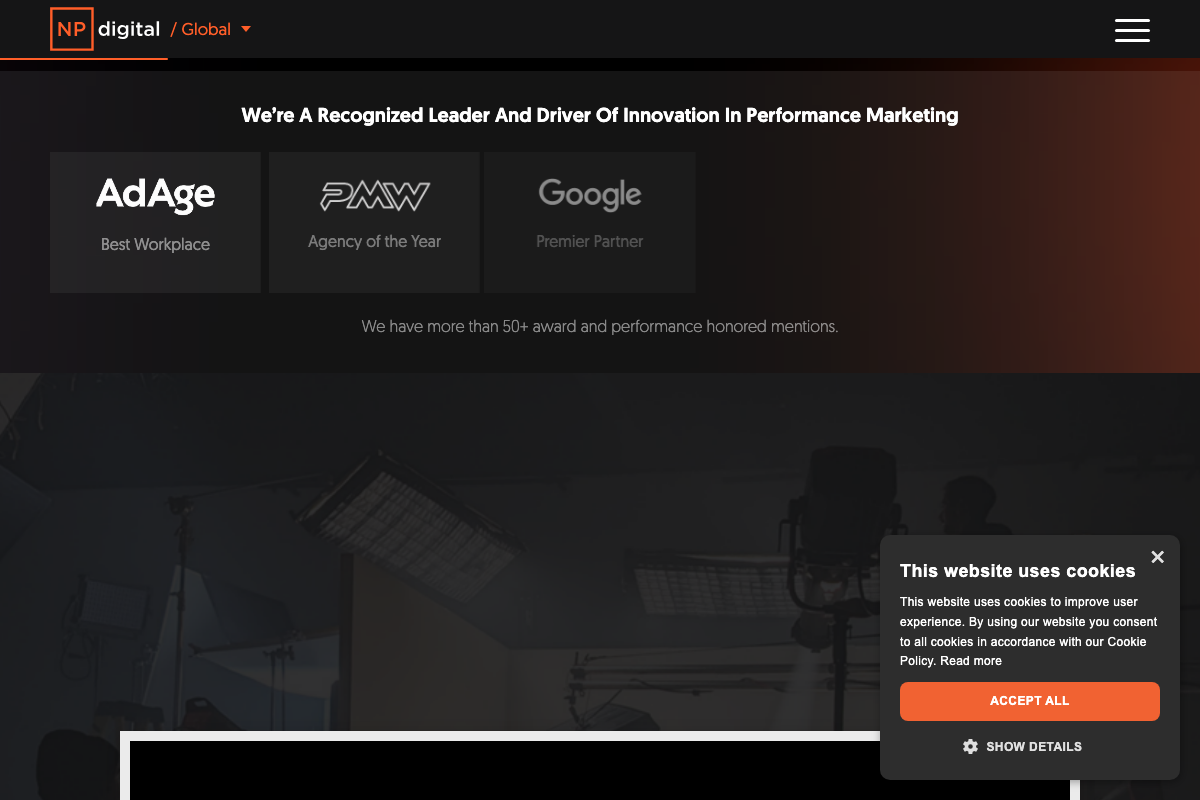
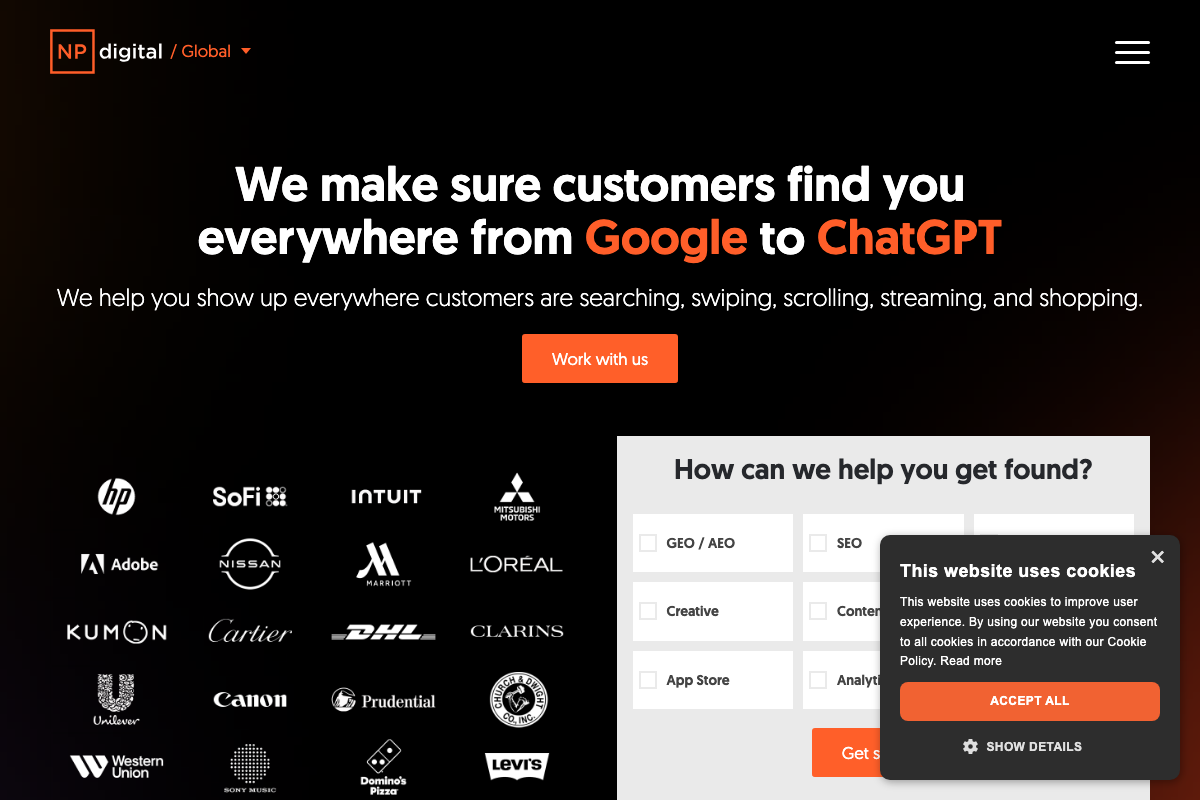
The video’s approach here matches the current docs exactly. NP Digital’s homepage explicitly names GEO/AEO (Generative Engine Optimization / Answer Engine Optimization) as a formal service category alongside SEO, and positions ChatGPT as a peer discovery surface to Google — directly validating the tutorial’s strategic premise. Their awards section (AdAge Best Workplace, PMW Agency of the Year, Google Premier Partner) is a concrete illustration of what sustained third-party signal accumulation looks like at scale.
Step 5: Keep Content Current
No official documentation was found for this step — proceed using the video’s approach and verify independently.
Step 6: Create Category-Defining Content
No official documentation was found for this step — proceed using the video’s approach and verify independently.
Useful Links
- Schema.org — Official structured data vocabulary co-founded by Google, Microsoft, Yahoo, and Yandex; current version V30.0, released 2026-03-19, covers entities, relationships, and actions for machine-readable web content.
- ARIA – Accessibility | MDN — MDN reference for ARIA roles and attributes; documents ARIA as an assistive technology standard for users with disabilities, which is distinct from schema-based AI agent optimization.
- ChatGPT — OpenAI’s consumer-facing AI platform; technical documentation for shopping agent behavior or structured data ingestion is not available at this URL.
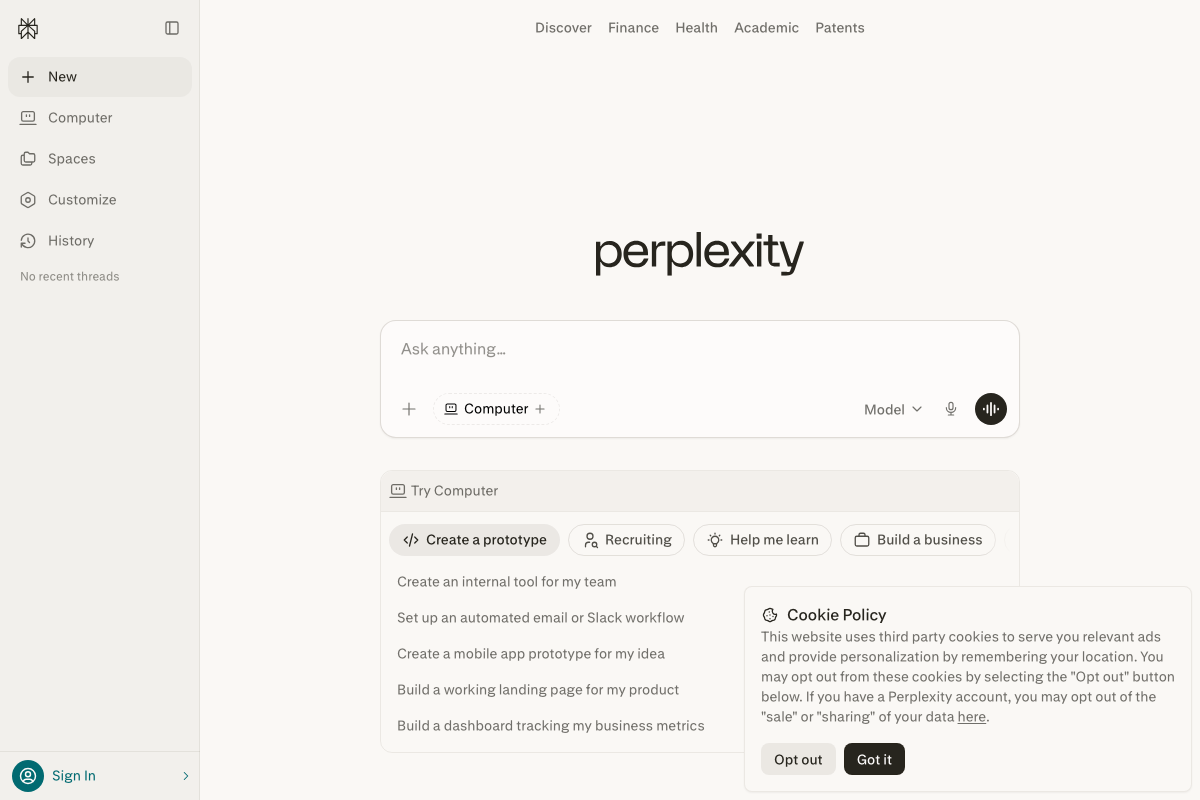
- Perplexity — AI-powered research platform with an agentic “Computer” browsing mode that actively navigates websites on behalf of users across finance, health, academic, and commerce verticals.
- Google Chrome — Chrome browser marketing page confirming AI as a named product category; no technical specification for AI agent website interaction is surfaced at this URL.
- NP Digital — Global digital marketing agency whose homepage validates GEO/AEO as a commercially recognized practice and explicitly names ChatGPT as a discovery surface alongside Google Search.


0 Comments