

FAQ Schema Is Dead? What the Data Actually Shows
For years, FAQ schema markup was treated as a reliable SEO lever — a structured data investment that expanded your search footprint and drove incremental clicks. After Google’s August 2023 policy change, the conventional wisdom started cracking. By the time a controlled A/B test and Google’s own documentation weighed in, the evidence had stacked up against it. Work through the data here and you’ll know exactly whether FAQ schema deserves a place in your current SEO workflow.
-
The SEO community has long championed FAQ schema as a meaningful ranking signal, arguing that structured FAQ markup helps pages earn enhanced SERP real estate and improves visibility. Multiple practitioners have repeated this as best practice. That consensus, it turns out, was largely untested.
-
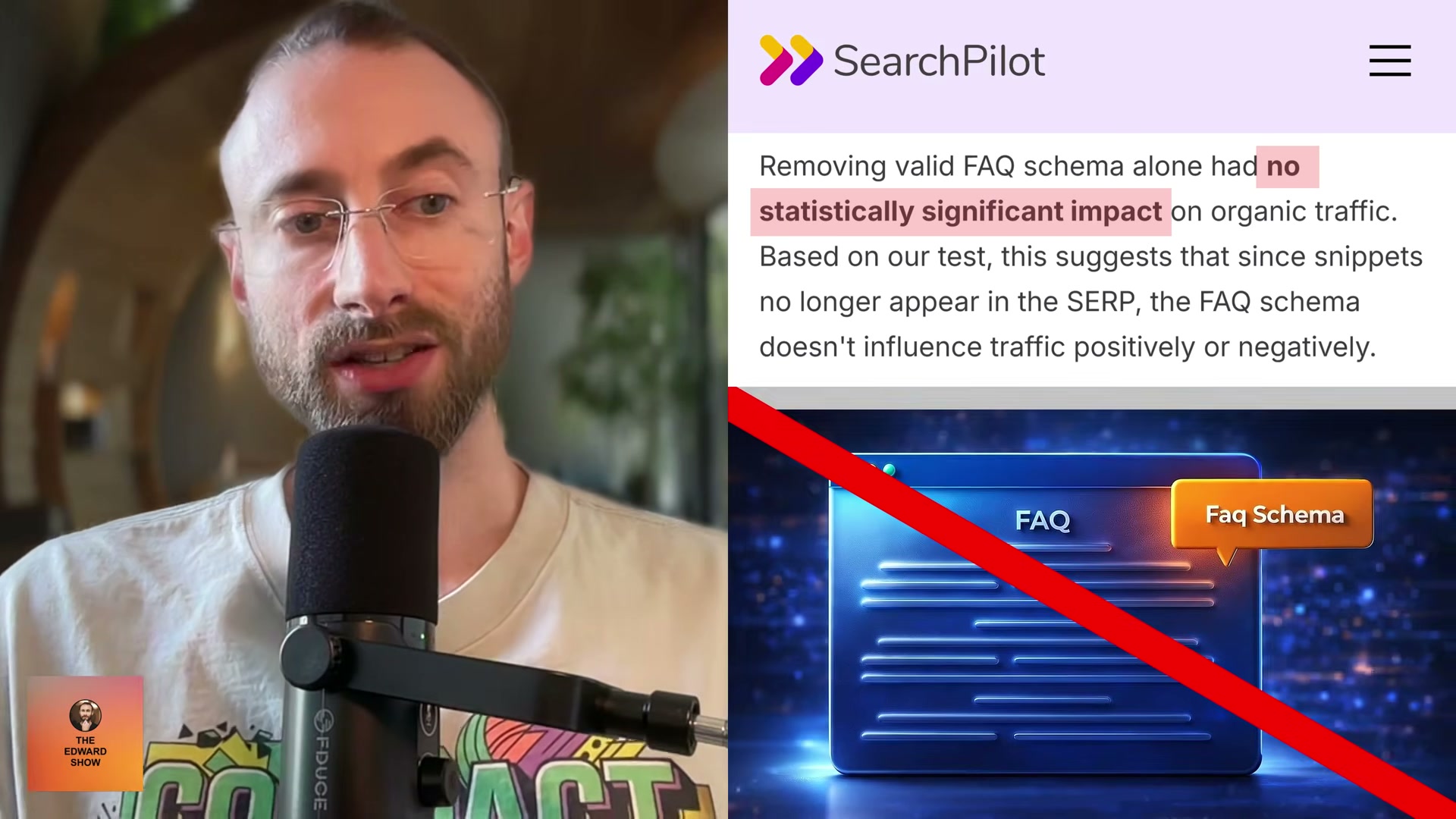
To put it to the test, SearchPilot ran a controlled experiment on an e-commerce site’s product listing pages. The test isolated the removal of microdata FAQ attributes — specifically
itemprop,itemscope, anditemtype— from inline FAQ content within the SEO content block. A control group retained the original markup; the variant stripped it entirely.
Warning: this step may differ from current official documentation — see the verified version below.
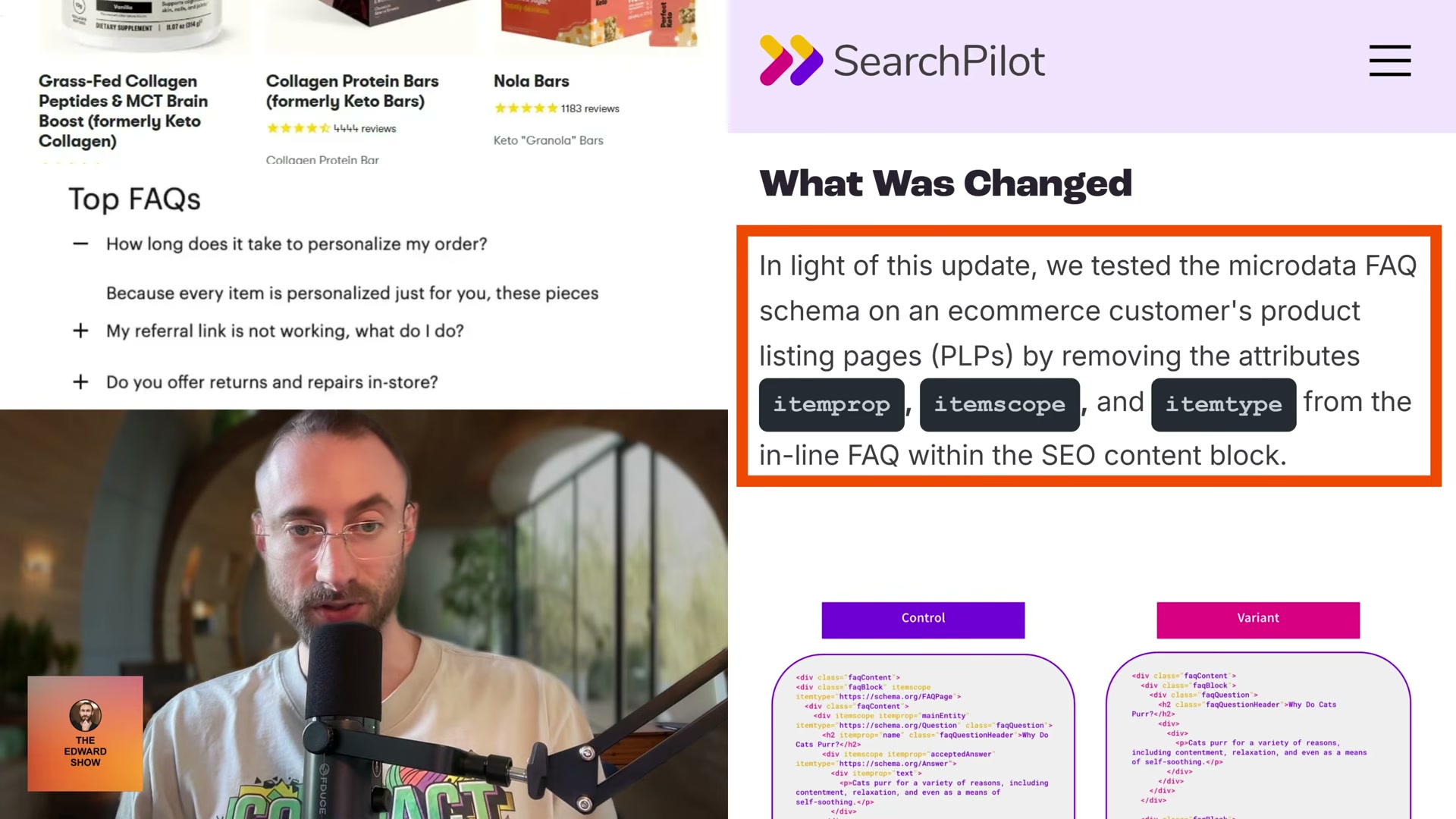
- The result: removing valid FAQ schema had no statistically significant impact on organic traffic. SearchPilot’s conclusion was direct — since FAQ snippets no longer surface in the SERPs, the markup neither helps nor hurts traffic. The report also noted that teams using microdata rather than JSON-LD may prefer removal for practical reasons, since microdata is harder to QA visually.
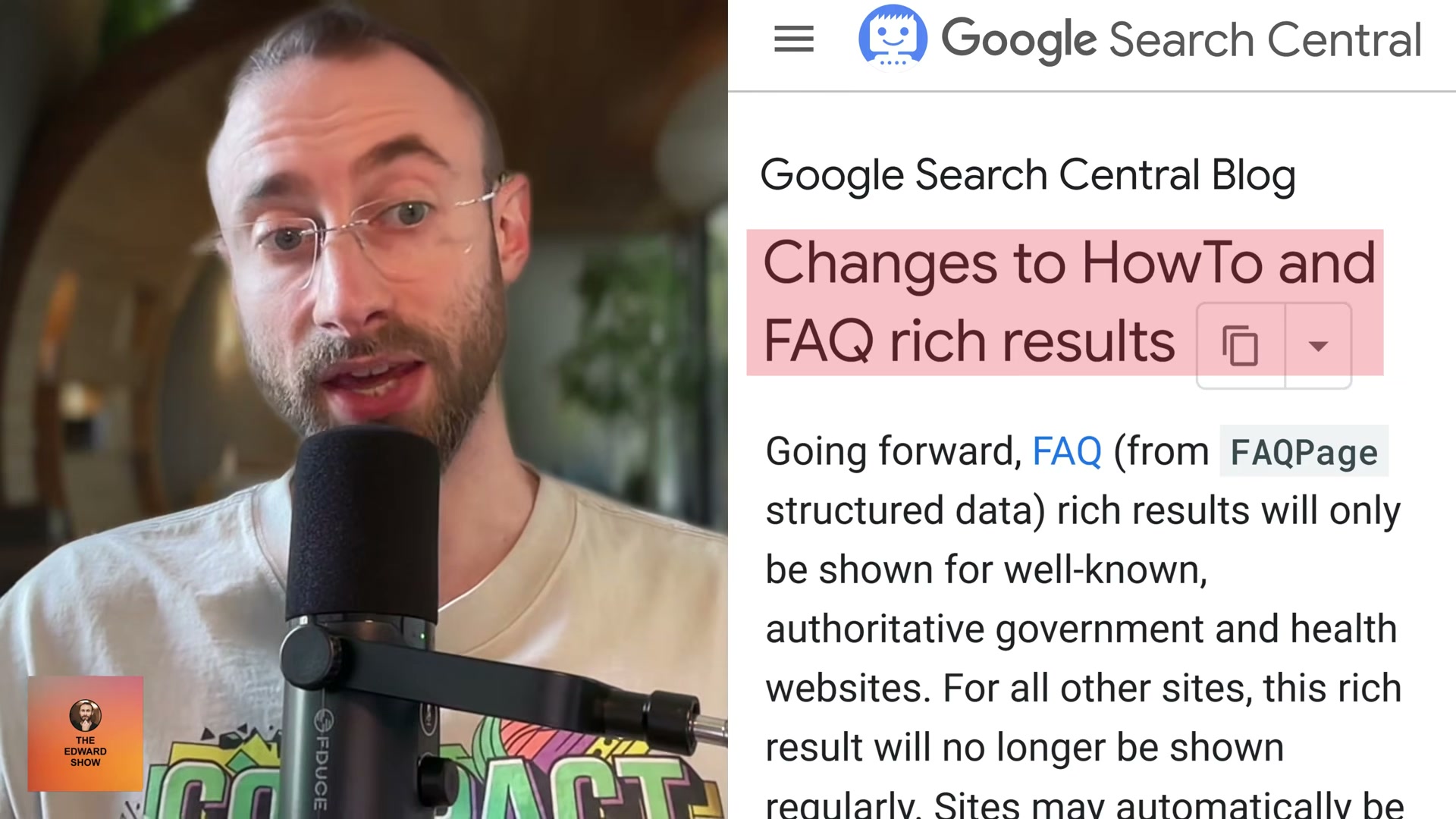
- That finding traces back to a concrete policy shift. In August 2023, Google announced it would restrict FAQ rich results to authoritative government and health websites. For everyone else, the accordion Q&A expansions that once appeared beneath search listings were gone.
- A 2025 Search Engine Land analysis confirmed the practical fallout: FAQ schema is no longer a viable quick win for most marketers. The article noted that Google also clarified the markup should never appear on promotional pages — only on genuine FAQ content built to answer user questions.

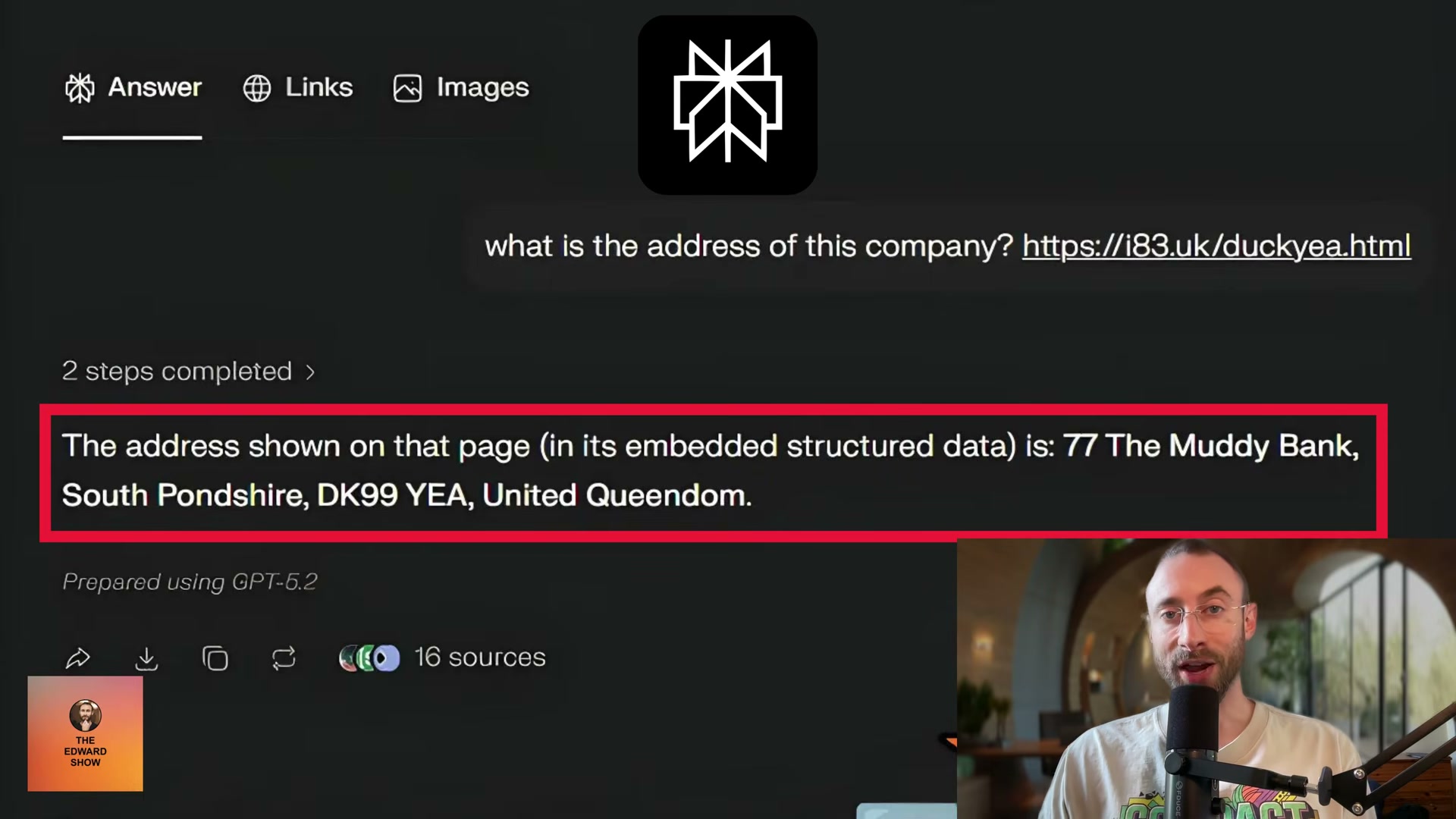
- The LLM visibility argument — that FAQ schema still matters because AI models read it — gets tested by Mark William Cook’s “duck test,” documented in episode 956 of Edward Sturm’s podcast. Cook built a page for a fictional company called Ducky T-shirts, embedded a fabricated address in JSON-LD schema, and kept that address off the visible page content entirely. When queried, both ChatGPT and Perplexity returned the fake address verbatim — not because they parsed the schema as structured data, but because they read the raw text inside it. LLMs aren’t consuming your markup; they’re consuming your content, wherever it lives on the page.
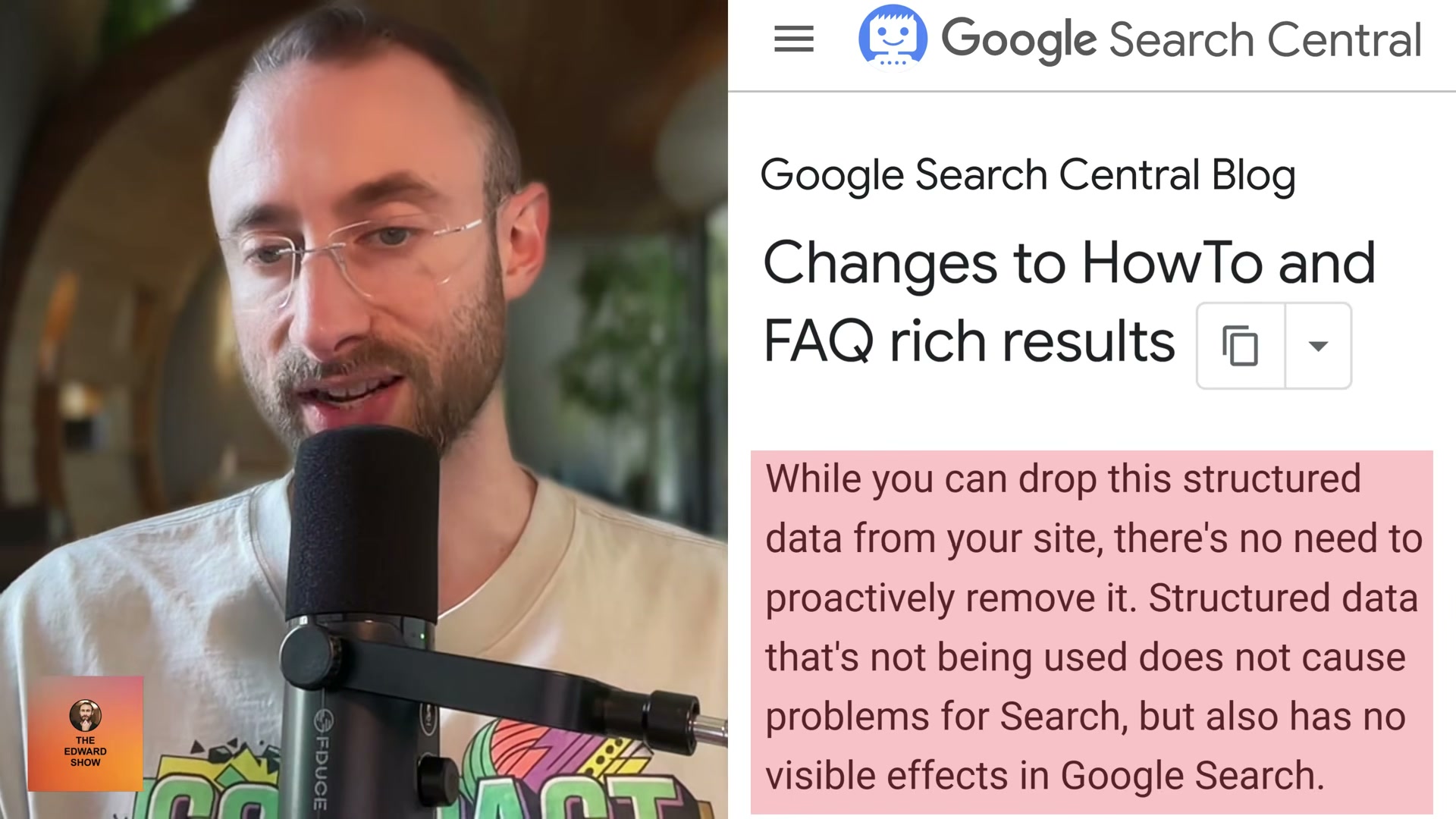
- Google Search Central states it plainly: structured data that isn’t being used causes no problems for Search — but it also produces no visible effects.
- The clearest signal comes from an absence of signal. Remove a target keyword from a page title and traffic moves — even on a small site. FAQ schema removal produced nothing: no traffic loss, no detectable degradation. That flat result is the evidence.
- The practical takeaway: stop allocating SEO cycles to FAQ schema maintenance. Those resources belong on relevance — making sure your content answers the right questions for the right audience — and on authority signals that search engines and LLMs demonstrably weight.
How does this compare to the official docs?
Google’s own documentation goes further than this test alone suggests, drawing a sharper line around when structured data investments are actually worth making — and that’s where the official guidance gets genuinely useful.
Here’s What the Official Docs Show
The video builds a thorough, evidence-based case against FAQ schema, and the official documentation confirms its most consequential claim without qualification. What follows adds Google’s exact language where the docs are definitive and flags the steps where documentation coverage was incomplete.
- The premise — that FAQ schema’s reputation as a ranking signal was largely untested practitioner consensus — has no dedicated official documentation to confirm or refute it.
No official documentation was found for this step —
proceed using the video’s approach and verify independently.
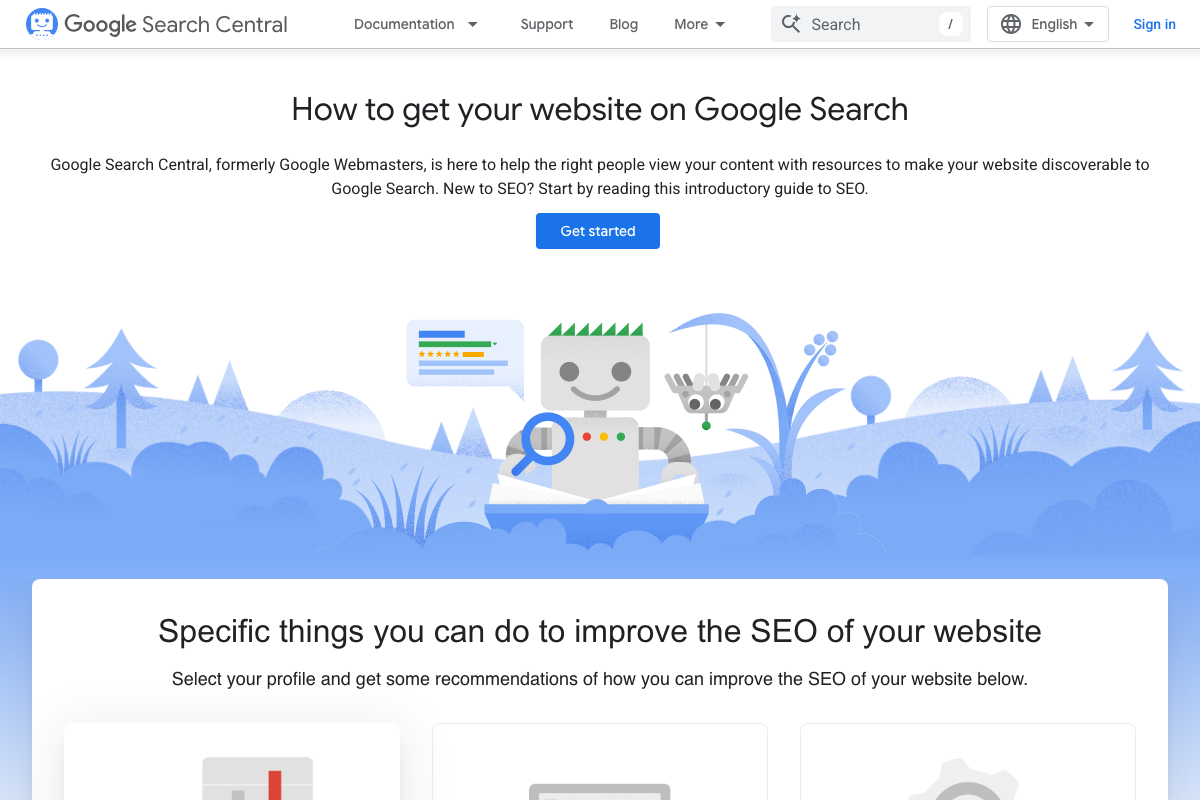
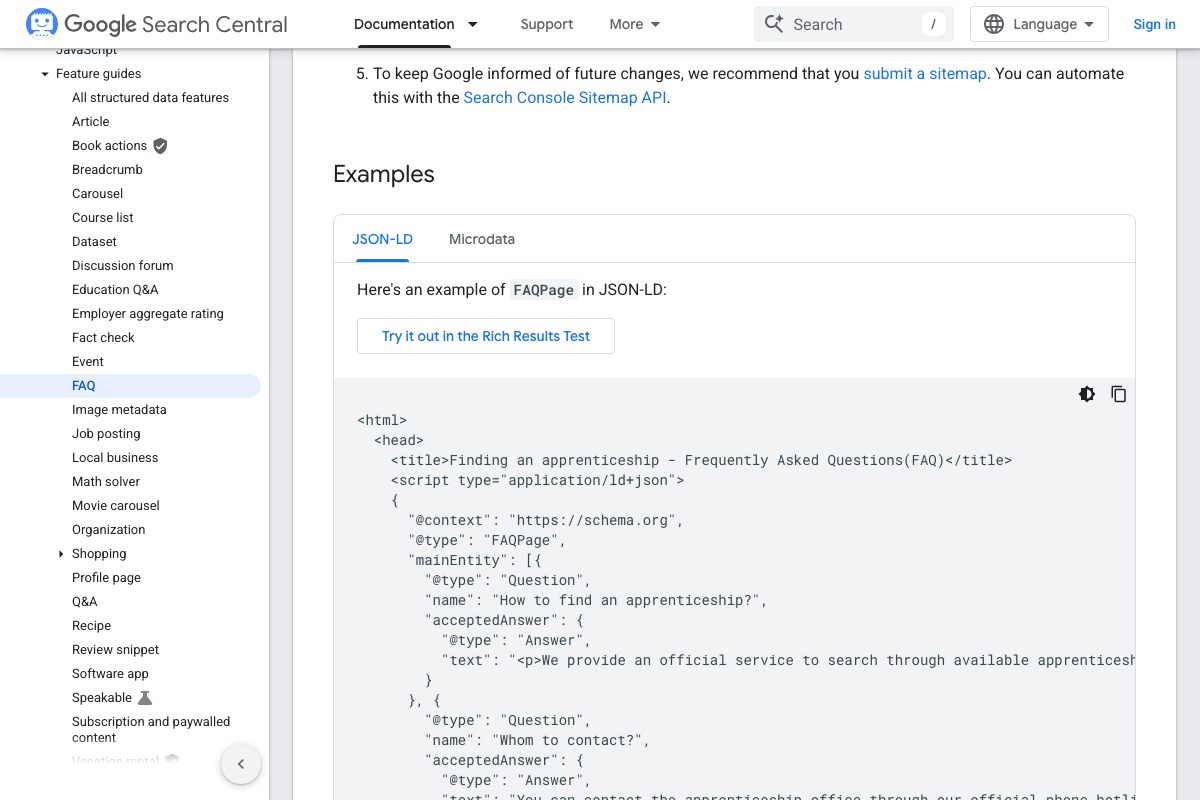
- Google documents both microdata and JSON-LD as valid FAQPage formats, but the official code examples present JSON-LD as the primary implementation method, with microdata as a secondary tab. Teams still using
itemprop,itemscope, anditemtypeshould note that Google’s default recommendation has shifted.
No official documentation was found for this step —
proceed using the video’s approach and verify independently.
- SearchPilot’s result — no statistically significant traffic impact following FAQ schema removal — is not addressed in Google Search Central. The A/B test data is the primary source here.
No official documentation was found for this step —
proceed using the video’s approach and verify independently.
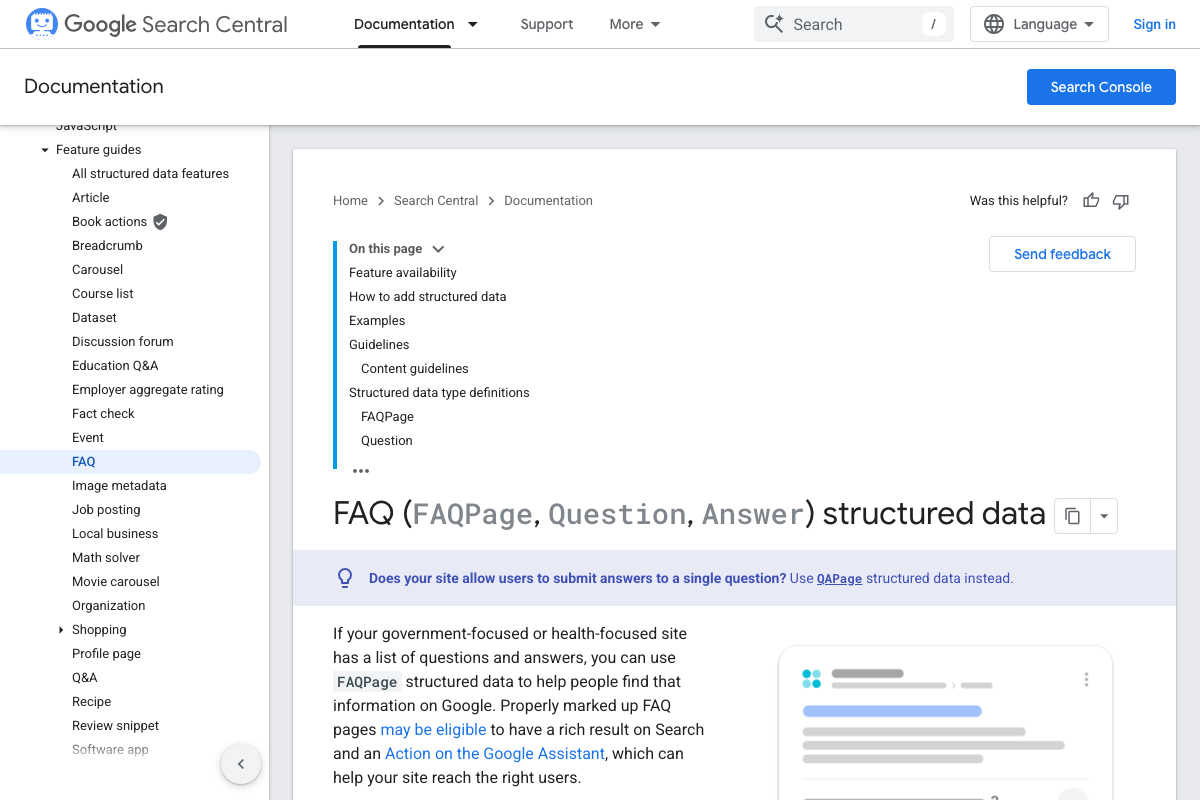
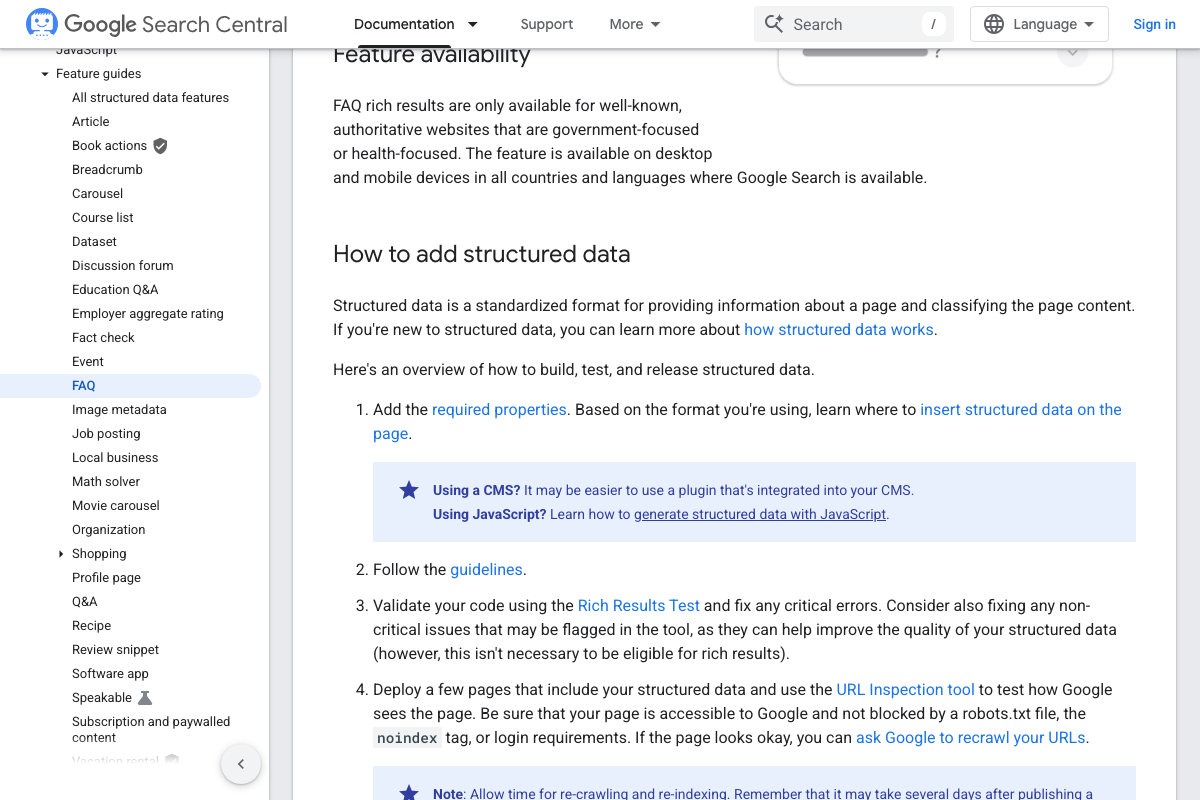
- The video’s approach here matches the current docs exactly. Google’s “Feature availability” section states verbatim: “FAQ rich results are only available for well-known, authoritative websites that are government-focused or health-focused.” One detail the docs include that the video doesn’t address: sites where users can submit answers to a single question should use
QAPagestructured data rather thanFAQPage— a distinct schema type for a distinct interaction model.
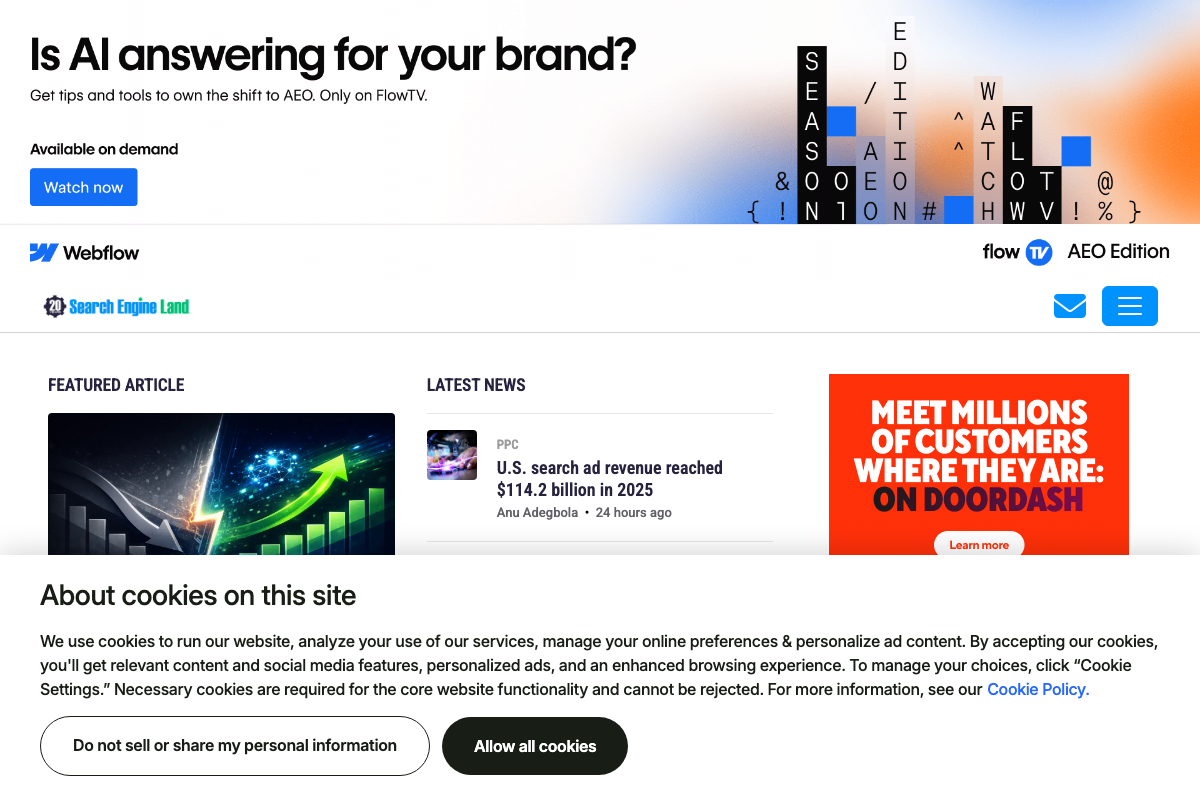
- The specific Search Engine Land article cited in the video could not be confirmed from the captured screenshots, which show only the publication’s April 2026 homepage.
No official documentation was found for this step —
proceed using the video’s approach and verify independently.
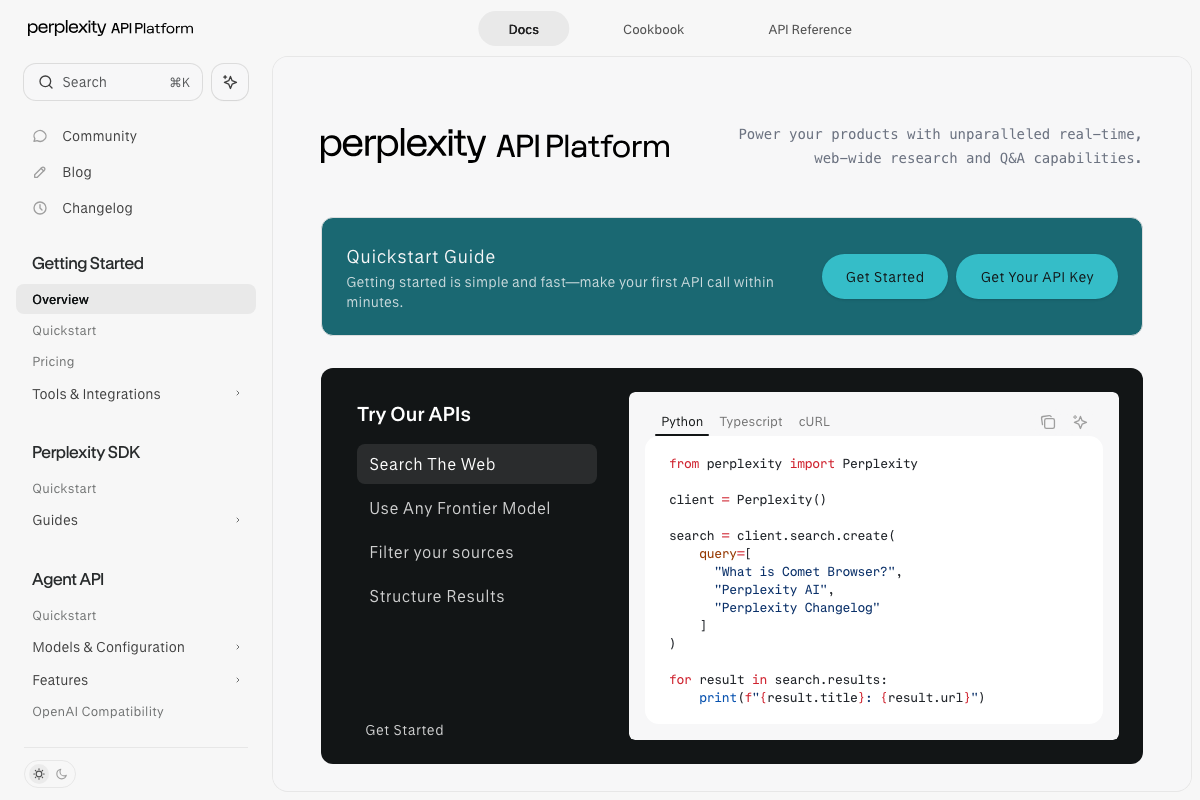
- The duck test result is not verifiable from the screenshots captured. The ChatGPT screenshots show an empty unauthenticated interface, and the Perplexity screenshots are from
docs.perplexity.ai— the developer API platform — not the consumerperplexity.aisearch interface where the test would have been conducted.
No official documentation was found for this step —
proceed using the video’s approach and verify independently.
- The Google quote cited in the video — that unused structured data causes no problems but produces no visible effects — does not appear in any of the Google Search Central screenshots captured. Google’s own framing consistently positions structured data as a feature-eligibility mechanism rather than a ranking signal, which is consistent with the claim, but the specific language is unverified here.
No official documentation was found for this step —
proceed using the video’s approach and verify independently.

- The flat-result interpretation — that no measurable impact from schema removal is itself conclusive evidence — is an analytical argument the video makes without a corresponding documentation source.
No official documentation was found for this step —
proceed using the video’s approach and verify independently.

- The recommendation to reallocate SEO resources away from FAQ schema maintenance is editorial. No Google documentation specifies how practitioners should prioritize their structured data investment decisions.
No official documentation was found for this step —
proceed using the video’s approach and verify independently.
Useful Links
- Mark Up FAQs with Structured Data | Google Search Central — Google’s official FAQPage documentation including the verbatim Feature availability restriction, JSON-LD and Microdata implementation examples, and the
QAPagedistinction. - Google Search Central — The primary hub for Google’s web search documentation, SEO guidance, and the eligibility framework governing structured data rich results.
- Search Engine Land — SEO, PPC, and AI search news publication cited in the video for its 2025 analysis of FAQ schema viability post-restriction.
- ChatGPT — OpenAI’s consumer chat interface, referenced in the video’s duck test demonstrating LLM retrieval of structured data content.
- Overview — Perplexity API Platform — Perplexity’s developer API documentation confirming real-time web retrieval architecture; note the consumer search product is at perplexity.ai.


0 Comments