

5 Compounding Digital Marketing Strategies That Built Two $1M+ Companies
Two companies built to millions in revenue and sold — and the through-line wasn’t a viral hack or a paid-ads playbook. After working through these five strategies, you’ll know how to engineer a launch around distribution, build content assets that grow in value without ongoing spend, convert social audiences into owned email subscribers, produce work worth sharing, and lock in a brand position that surfaces your product in both human memory and AI outputs.
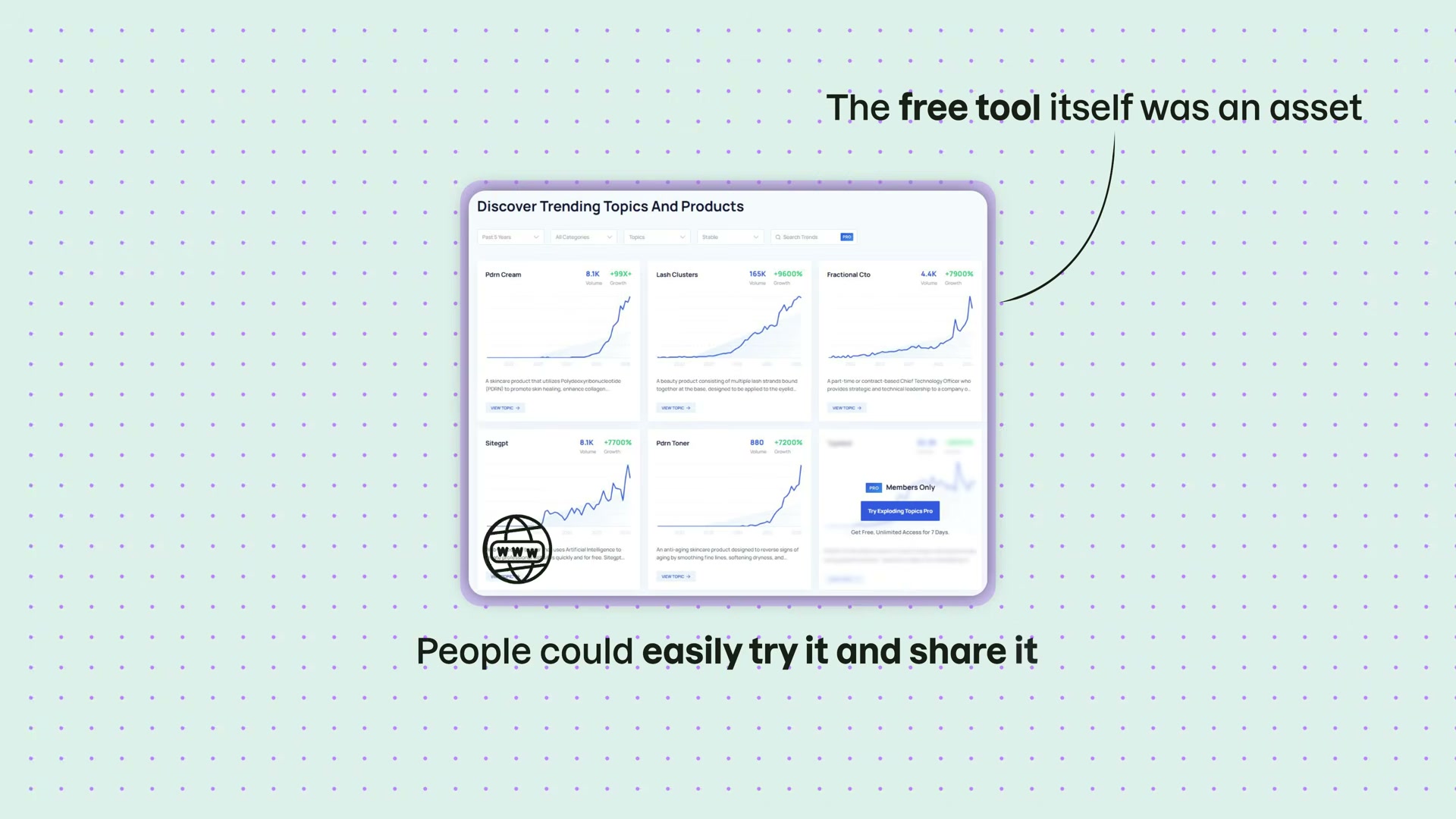
- Treat distribution as part of the product. Before you finish building, design your launch plan. If you’re going to launch on Product Hunt, become an active community member weeks before launch day — not on it. When launch day arrives, personally DM people in your network and ask them to engage. Remove sign-up friction so visitors can experience the product immediately; Exploding Topics let users browse trends without creating an account, which made it easy for influential people to share it. Pull every owned asset — email list, social channels, direct outreach — into a single coordinated push. Not one tactic this week and another next week. One simultaneous push.


- Build marketing assets that compound. Run fewer campaigns and create more assets. Pick a data point your target audience searches for repeatedly — Exploding Topics built a page tracking ChatGPT’s user count — and keep it current. Every update gives journalists, researchers, and LLMs a reason to cite and link to it. Those citations increase search visibility, which drives more citations. The page earns traffic long after the original work is done. That single ChatGPT stats page has been cited by Forbes, Fast Company, Fortune, scientific journals, and the UK government.

- Build your email list. Social followers are rented; email subscribers are owned. One algorithm change can erase overnight access to a following you spent years building. Convert your platform audiences into email subscribers as aggressively as you build them, and use the list for both consistent value delivery — a weekly newsletter — and direct promotions. When Exploding Topics was acquired by Semrush, the acquirer’s first question wasn’t about social follower counts. It was about the size and engagement of the email list, which directly shaped the valuation.
-
Create something people can’t stop sharing. Resist the pressure to publish at volume. Exploding Topics writers spent roughly 20 hours on each industry trend report — data-driven deep dives that gave readers something genuinely differentiated from what already existed. Before publishing anything, ask whether it’s actually special within the full ecosystem of content on that topic. With generative AI, scale is no longer a competitive advantage. Differentiation is.
-
Become known for one specific thing. Pick your core identity and hold it. Exploding Topics considered expanding into investing tools when traders and hedge funds started using the platform — and decided against it. There were already too many investing platforms. By staying locked to trend discovery, the brand became the default answer when someone — or an AI — asks what the best trend-finding tool is.

How does this compare to the official docs?
These five strategies are grounded in one founder’s experience with a specific product in a specific window of time — Act 2 maps each against established marketing frameworks and platform documentation to identify which principles are durable and where the advice diverges from current best practice.
Here’s What the Official Docs Show
Act 1 laid out all five strategies exactly as the founder described them — one product, one exit, five moves worth repeating. The screenshots below add platform-level detail that makes each strategy more actionable, including one material ownership update to the case study company itself that’s worth knowing before you model against it.
Strategy 1: Treat Distribution as Part of the Product
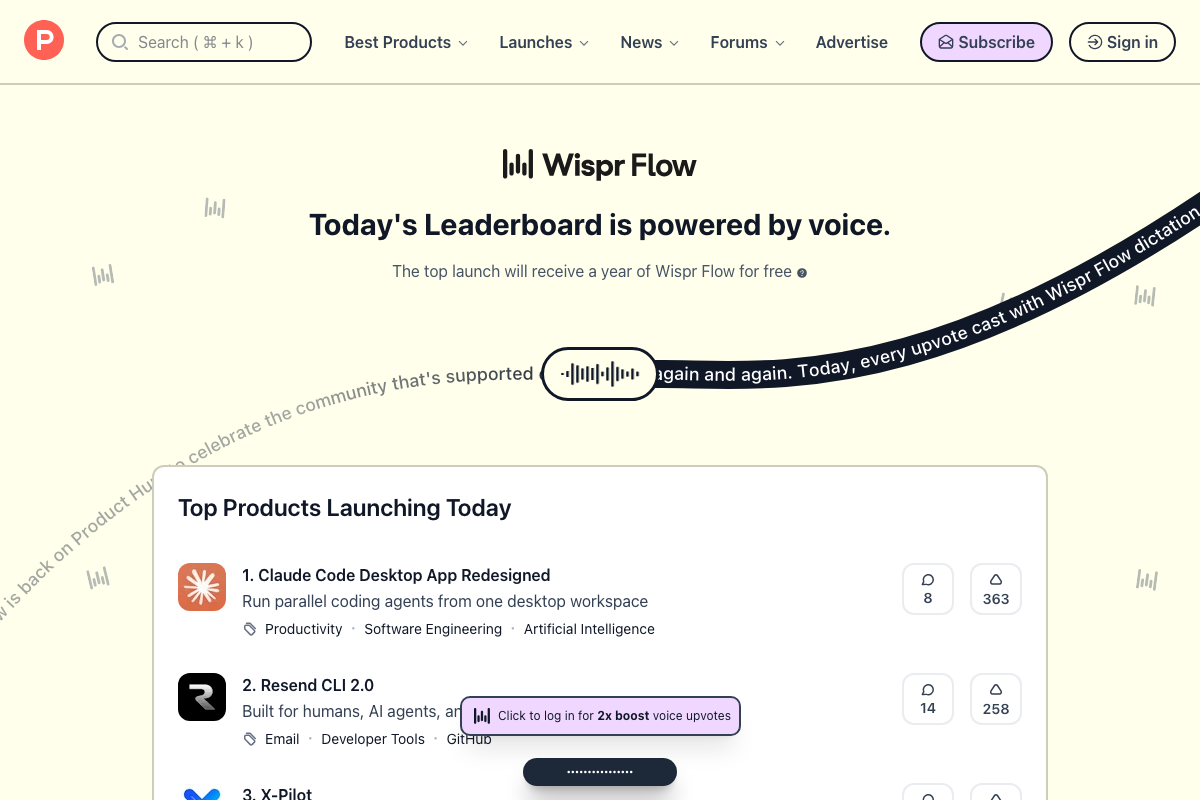
The video’s approach here matches the current docs exactly — Product Hunt runs a ranked daily leaderboard and upvote count determines placement. One mechanic the video skips: the live leaderboard currently shows a “Click to log in for 2x boost” prompt. Logged-in users carry double the upvote weight. When you’re DMing your network on launch day, tell them to log in before voting — it doubles the impact of every ask.
Note: the pre-launch community-building feature the video references is not visible in current Product Hunt homepage captures. That functionality exists under a separate “upcoming products” flow — verify its current availability directly on the platform before building it into your launch timeline.
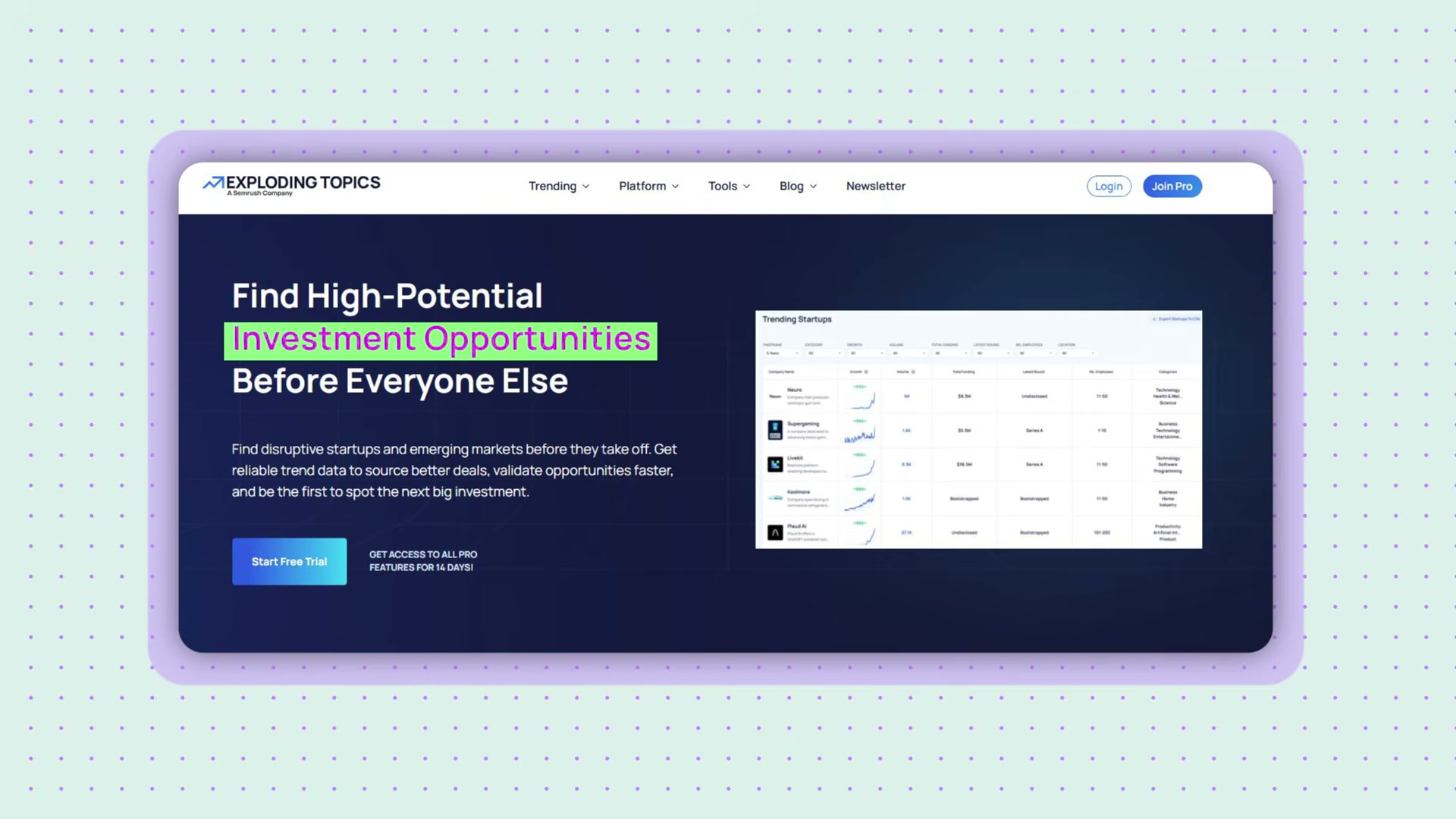
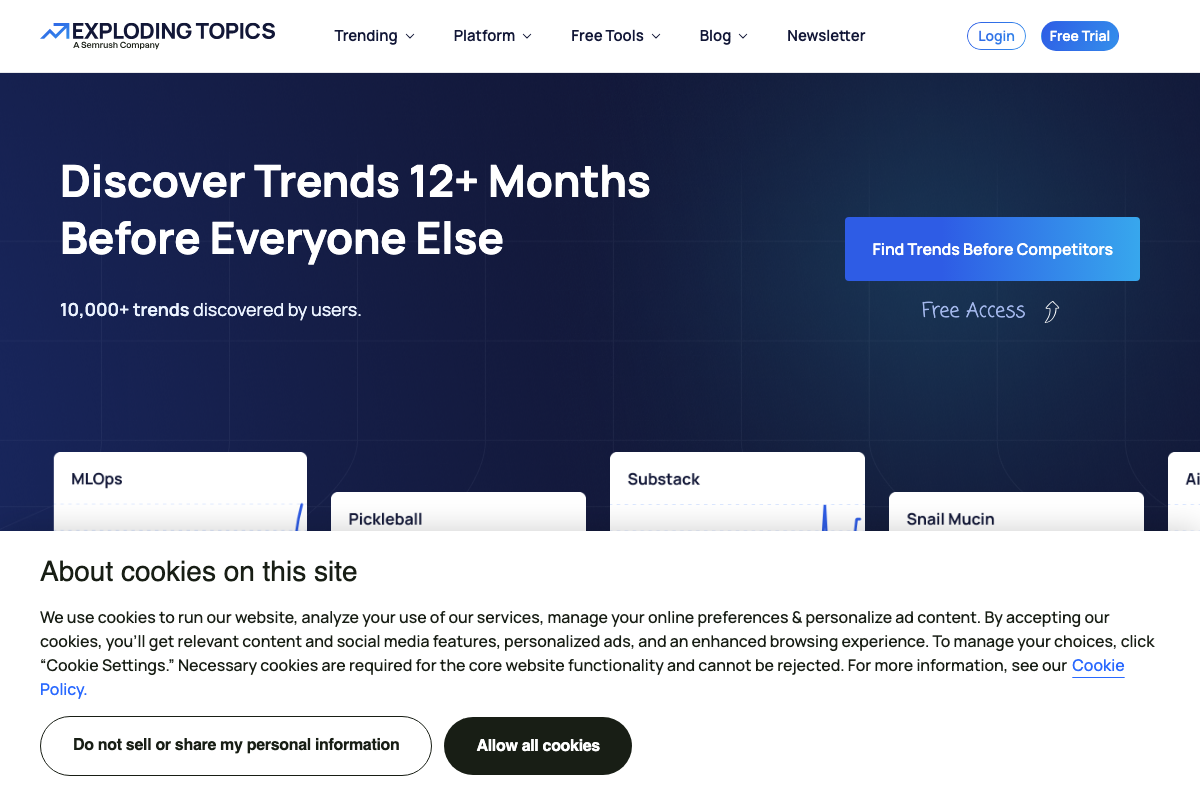
One additional update for this strategy: Exploding Topics now displays “A Semrush Company” in its header logo across all pages. The video presents the brand as an independent case study — that acquisition is a material fact shaping how you read its domain authority and distribution trajectory.
Strategy 2: Build Marketing Assets That Compound
The video’s approach here matches the current docs exactly — individual Exploding Topics trend pages are publicly accessible, indexable, and linkable. Each topic card connects to a standalone permalink, which is the compounding mechanism in practice.
One clarification on the specific example: the ChatGPT user-count page the video cites is a third-party asset about ChatGPT, not a page hosted at chatgpt.com. The underlying strategy is sound; the example lives on Exploding Topics’ domain, not OpenAI’s.
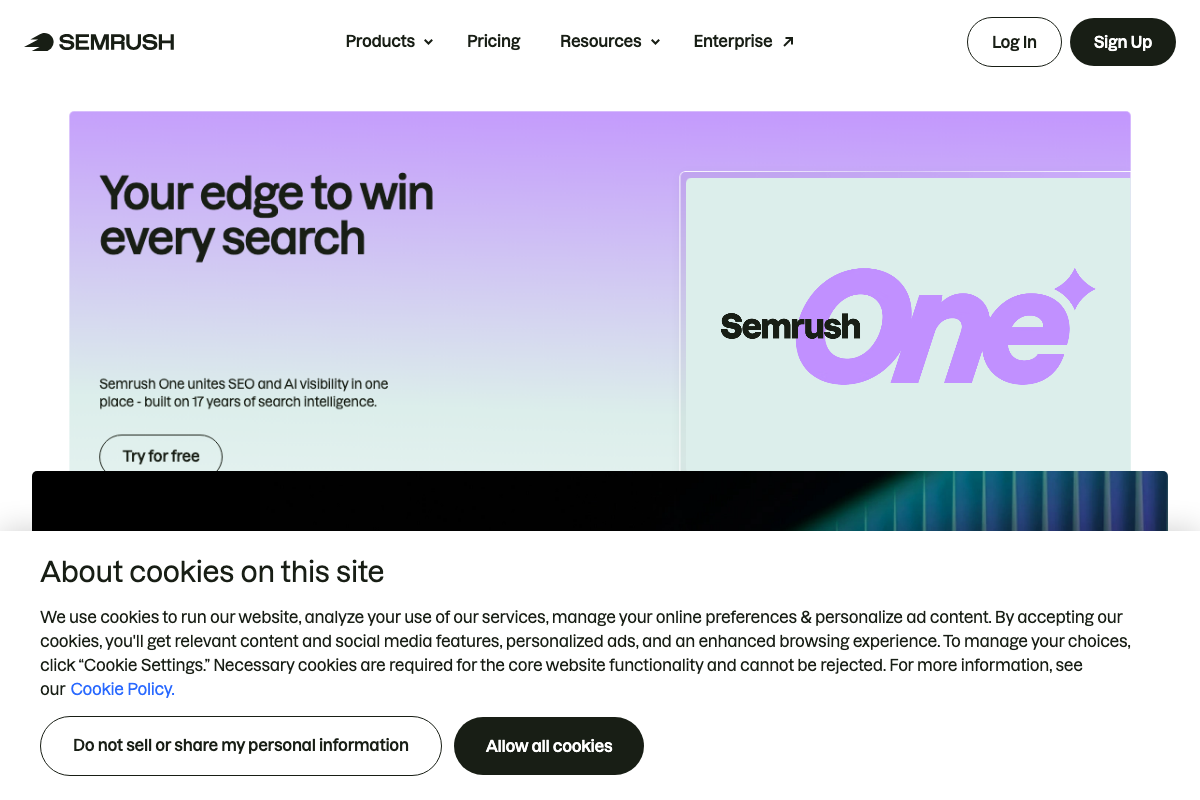
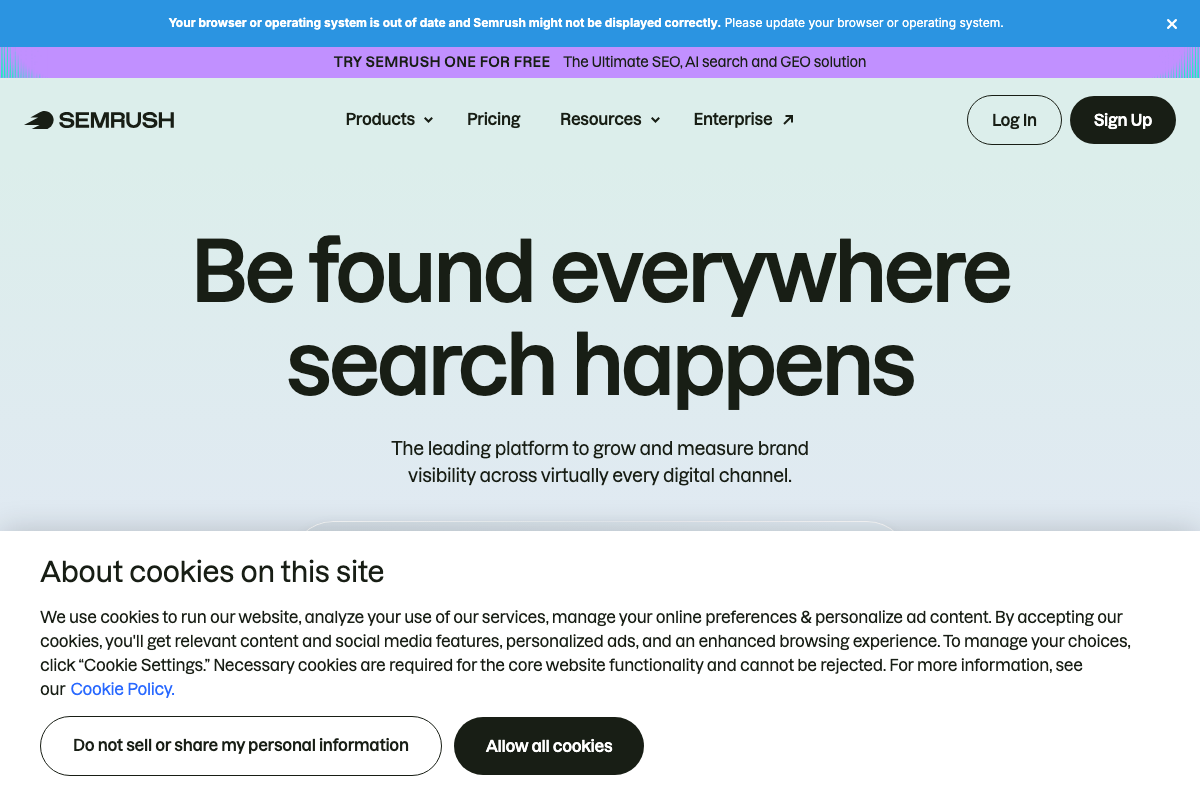
As of April 2026, Semrush now explicitly includes AI search visibility and GEO tracking under its Semrush One product — extending Strategy 2’s compounding logic into AI-generated results, a channel the video predates entirely.

Strategy 3: Build Your Email List
No official documentation was found for this step —
proceed using the video’s approach and verify independently.
Strategy 4: Create Something People Can’t Stop Sharing
No official documentation was found for this step —
proceed using the video’s approach and verify independently.
Strategy 5: Become Known for One Specific Thing
The video’s approach here matches the current docs exactly — Exploding Topics’ homepage headline (“Discover Trends 12+ Months Before Everyone Else”) demonstrates single-concept positioning in a live product. Semrush One now provides tooling to measure whether that positioning surfaces in AI-generated answers, not just traditional search — making Strategy 5’s LLM visibility claim measurable rather than theoretical.
Useful Links
- Exploding Topics — Discover the hottest new trends. — The live product used as the primary case study throughout; now operating as a Semrush company, with publicly browsable trend data and individual permalink pages per topic.
- Product Hunt — The best new products in tech. — The daily launch leaderboard central to Strategy 1, including the logged-in 2x upvote weight mechanic not covered in the video.
- Semrush — SEO, AI search visibility, and GEO tracking platform; Semrush One bundles traditional and AI search measurement in a single tool directly relevant to Strategies 2 and 5.
- ChatGPT — High-traffic AI query interface referenced in Strategies 2 and 5 as both a content subject and a brand-positioning surface where niche authority would need to surface.


0 Comments