

How One Influencer Partnership Scaled a Solo iOS App from $300 to $35K MRR
Florian spent eighteen months building MonAI, an AI-powered expense tracker, on his own — and plateaued at $300/month. One influencer partnership changed everything. This tutorial walks through the exact outreach playbook and deal structure that took him from stalled to $35K MRR in under a year.
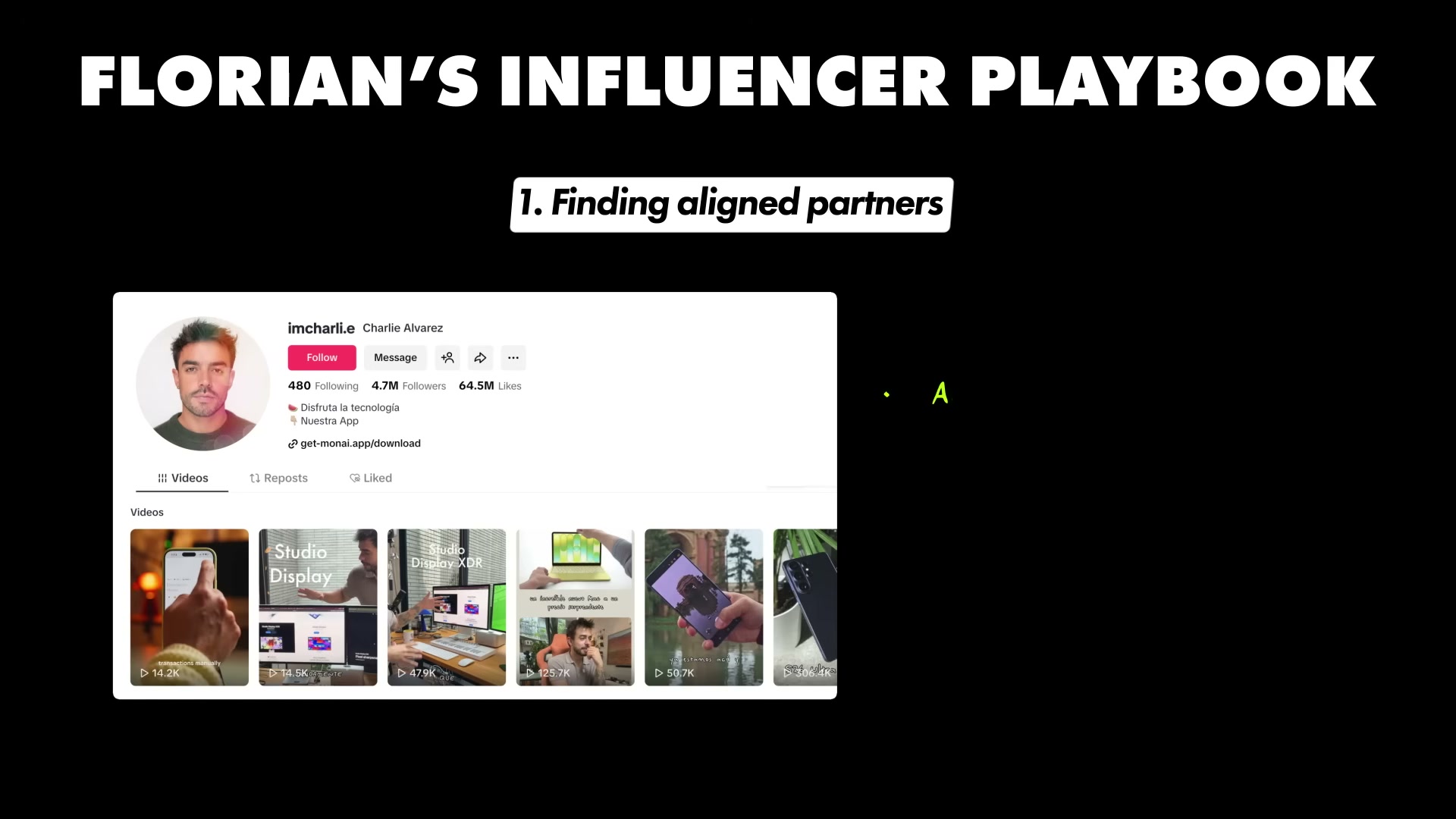
- Find aligned partners. Before reaching out, confirm that the influencer’s lifestyle, tone, and audience match your product. Florian looked for someone who straddles tech and lifestyle — not a pure spec-reviewer — and who actively replies to comments, since app buyers ask questions. Audience resonance matters more than follower count.
-
Warm up the relationship. Follow the creator and engage with their content before reaching out. Influencers notice recurring names in their comments. If you lack the time to build that history, be transparent — faking familiarity is worse than admitting you’re new to their work.
-
Be specific in your outreach. Cut the generic “love your content, let’s collaborate” pitch. Reference a specific video, moment, or joke that proves you actually watch. That single detail signals genuine alignment instead of a mass campaign.
-
Connect the dots to your product. Frame the pitch around why your app fits the audience’s values — not what you’re willing to pay. MonAI is a minimalist, friction-free tracker; Florian’s influencer reaches people who care about how they live and spend, not just which apps they download.
-
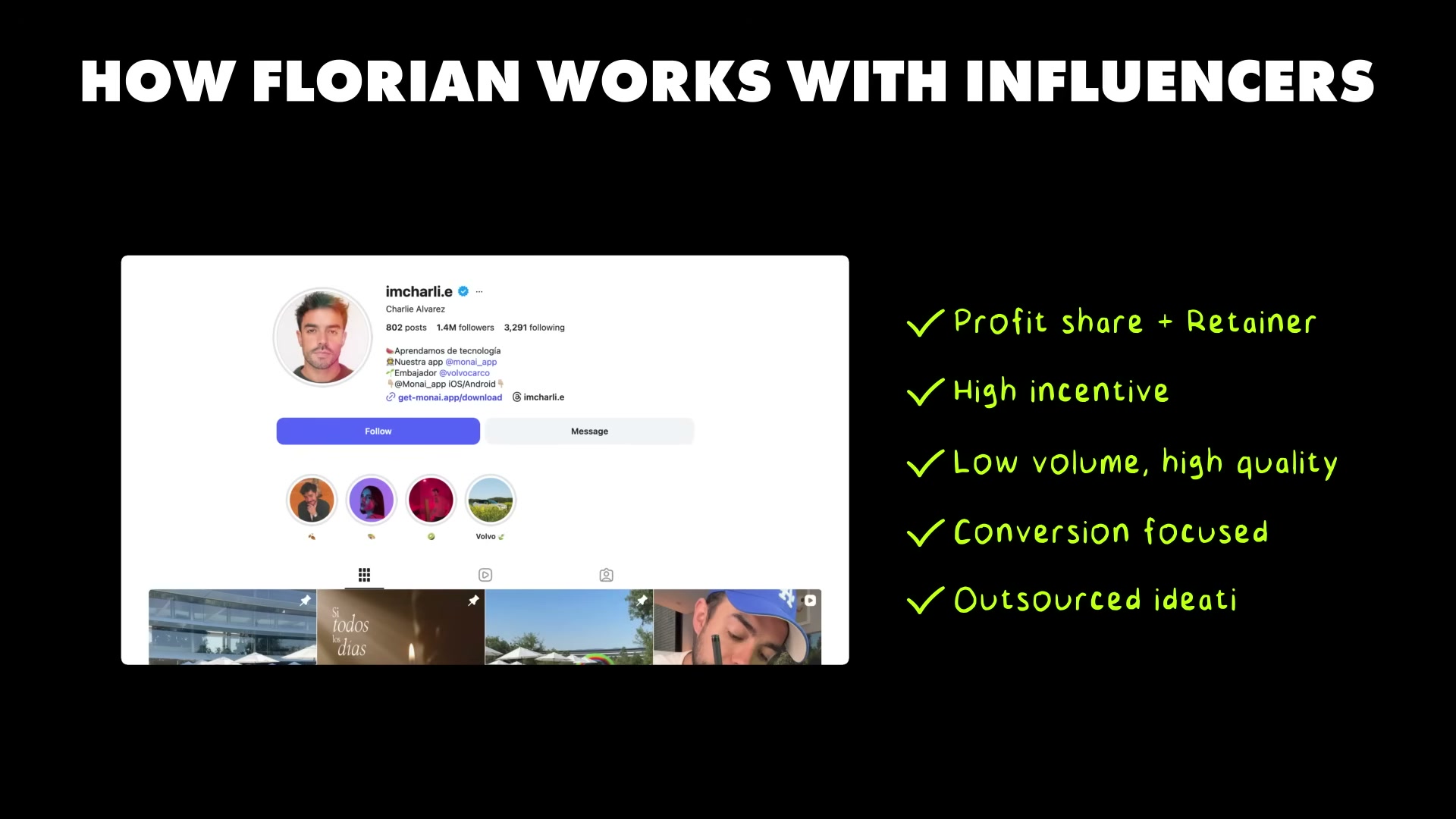
Signal your willingness to pay early. Lead with a clear incentive — profit share, retainer, or both — before the creator has to ask. Florian used Sensor Tower data to show comparable apps earning 50–100K/month, giving the upside conversation a concrete anchor.
-
Evolve the deal structure. The partnership began as a percentage-of-revenue split, then shifted to percentage-of-profit plus a fixed monthly retainer. Profit-based pay keeps the creator invested in outcomes rather than deliverables — they think like a co-owner, not a contractor.
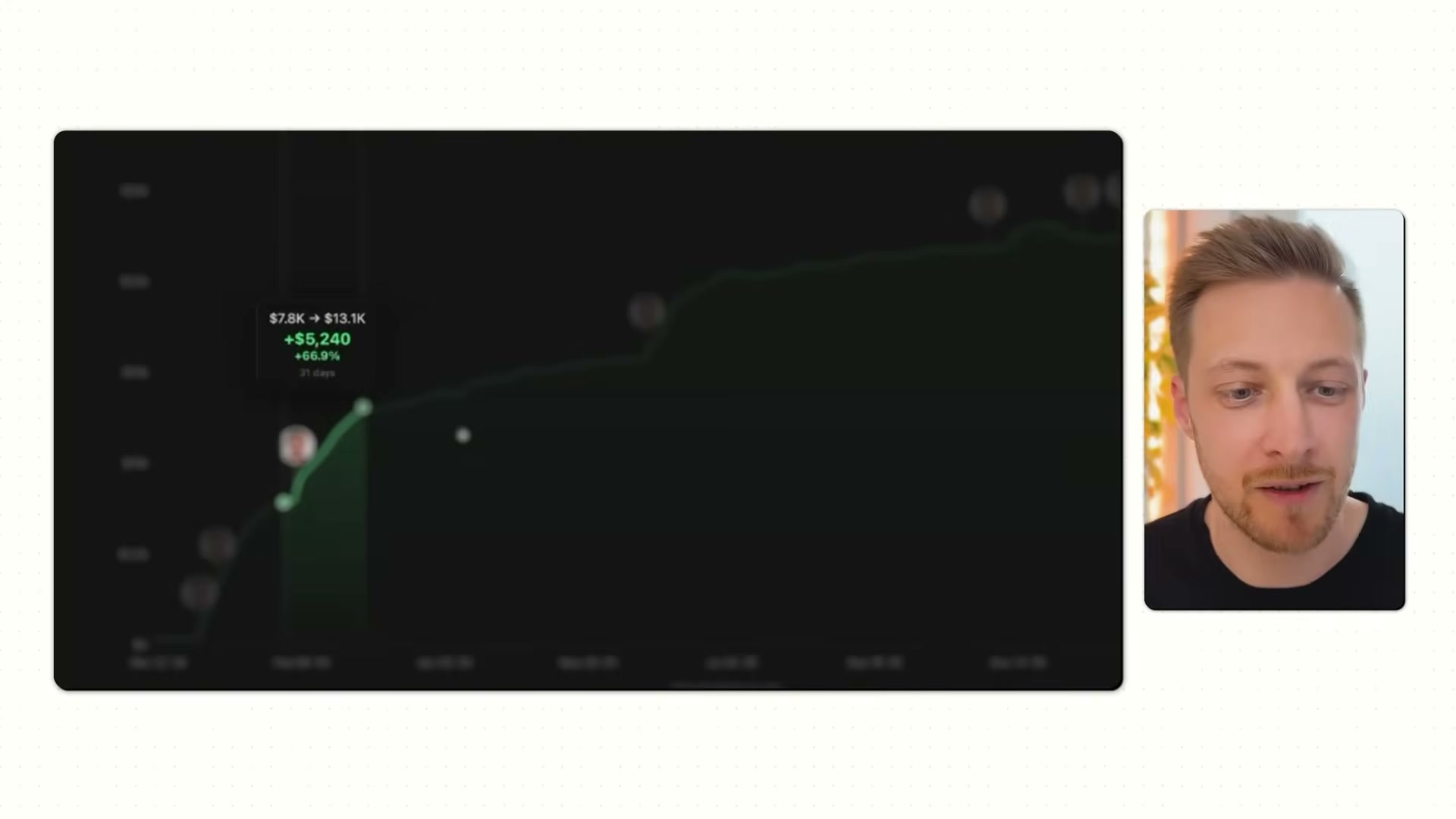
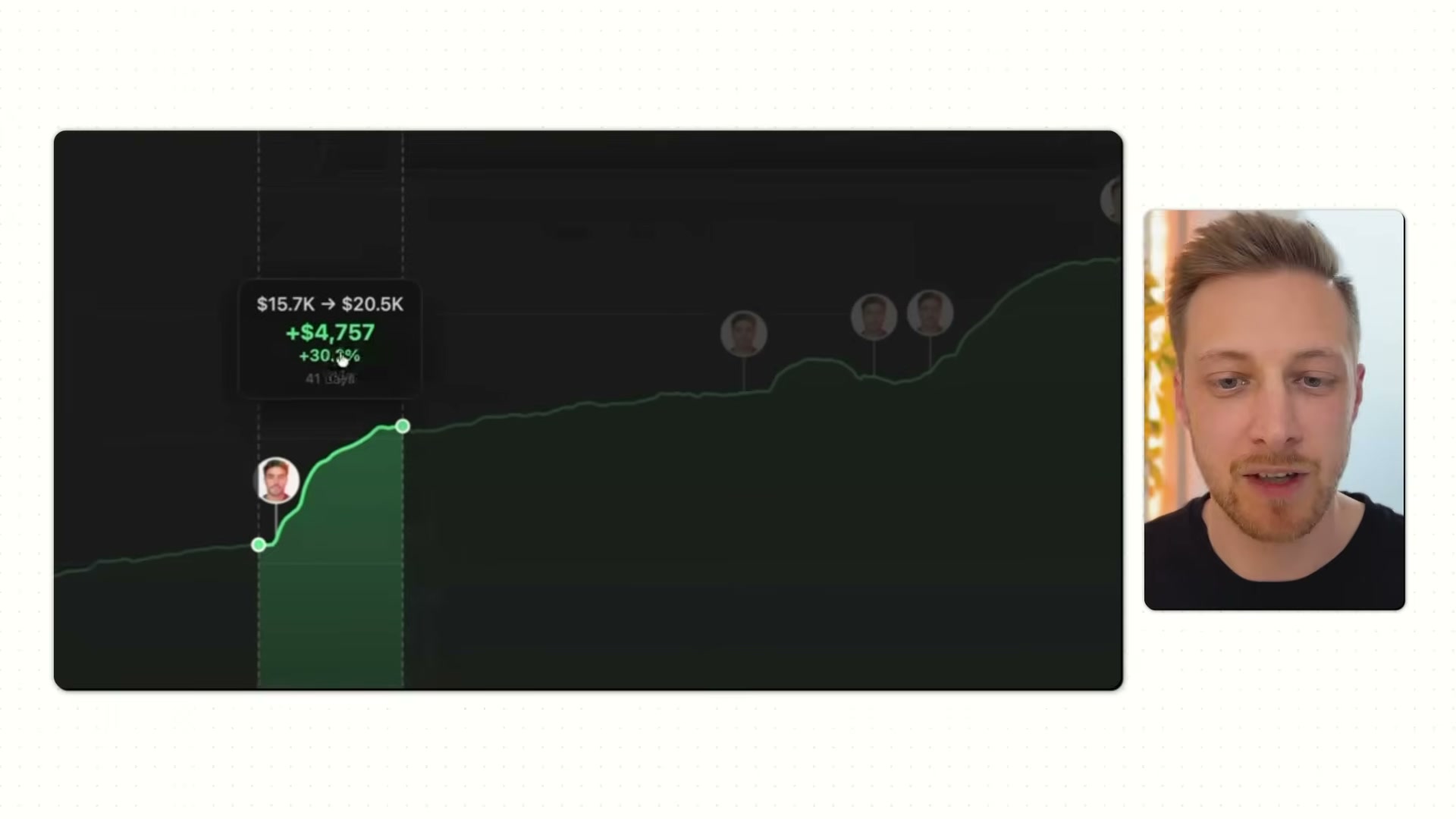
The results were immediate. The first influencer post pushed MRR from $300 to nearly $8K within weeks, and each subsequent drop compounded the curve.
Bonus: Keep outreach messages short. A brief personalized video that mentions the creator by name outperforms any text pitch. Add your social handles to your App Store profile — Florian’s influencer found him this way, not the other way around. Non-US markets also offer significantly less competition for the same strategy.
How does this compare to the official docs?
Florian’s playbook is built entirely on hard-won experience, and the official guidance from influencer platforms, app analytics tools, and App Store connect best practices layers in structure, compliance requirements, and measurement frameworks that the video doesn’t cover.
Here’s What the Official Docs Show
Act 1 covered Florian’s playbook in full — what follows adds documented context for the two steps where official sources have something meaningful to add. The relationship-building and deal-structure advice in the video is yours to run with as-is.
Steps 1–4: Finding, warming up, and pitching influencer partners
No official documentation was found for these steps —
proceed using the video’s approach and verify independently.
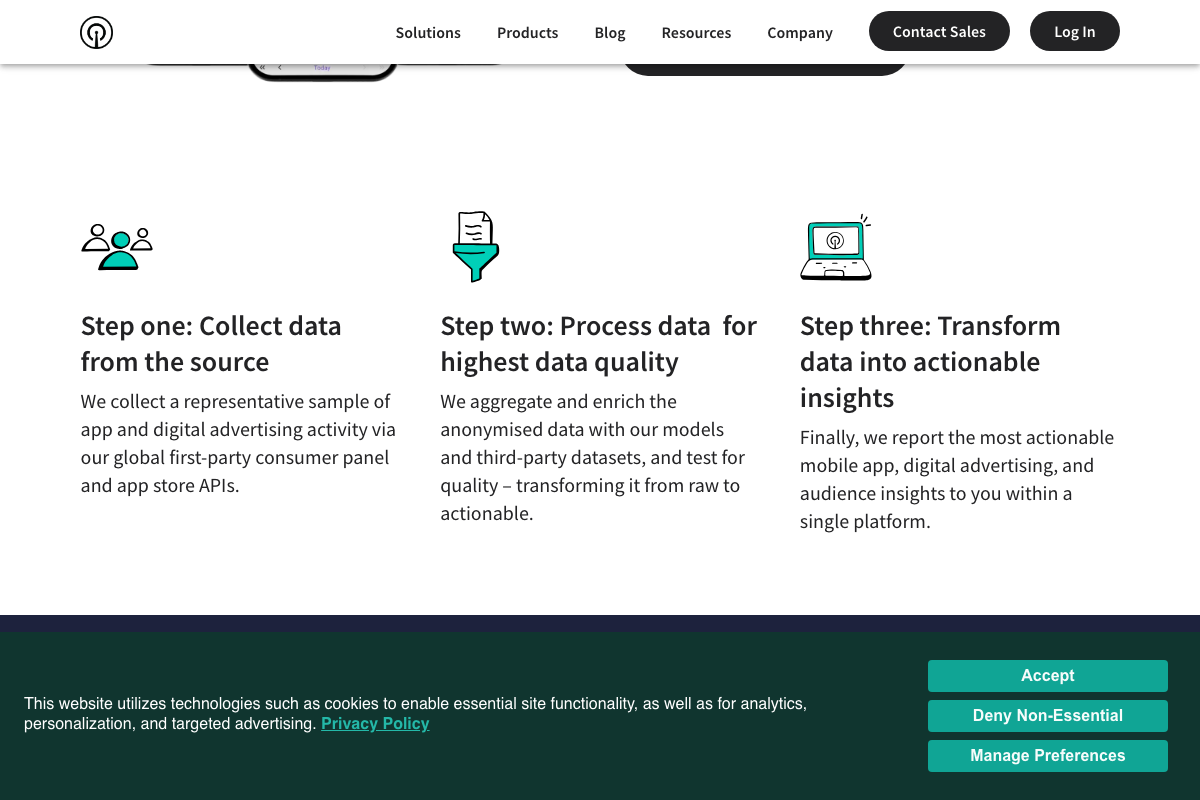
Step 5: Using Sensor Tower to anchor the upside conversation
Sensor Tower is a real and credible mobile intelligence platform — the video’s core recommendation here holds up.
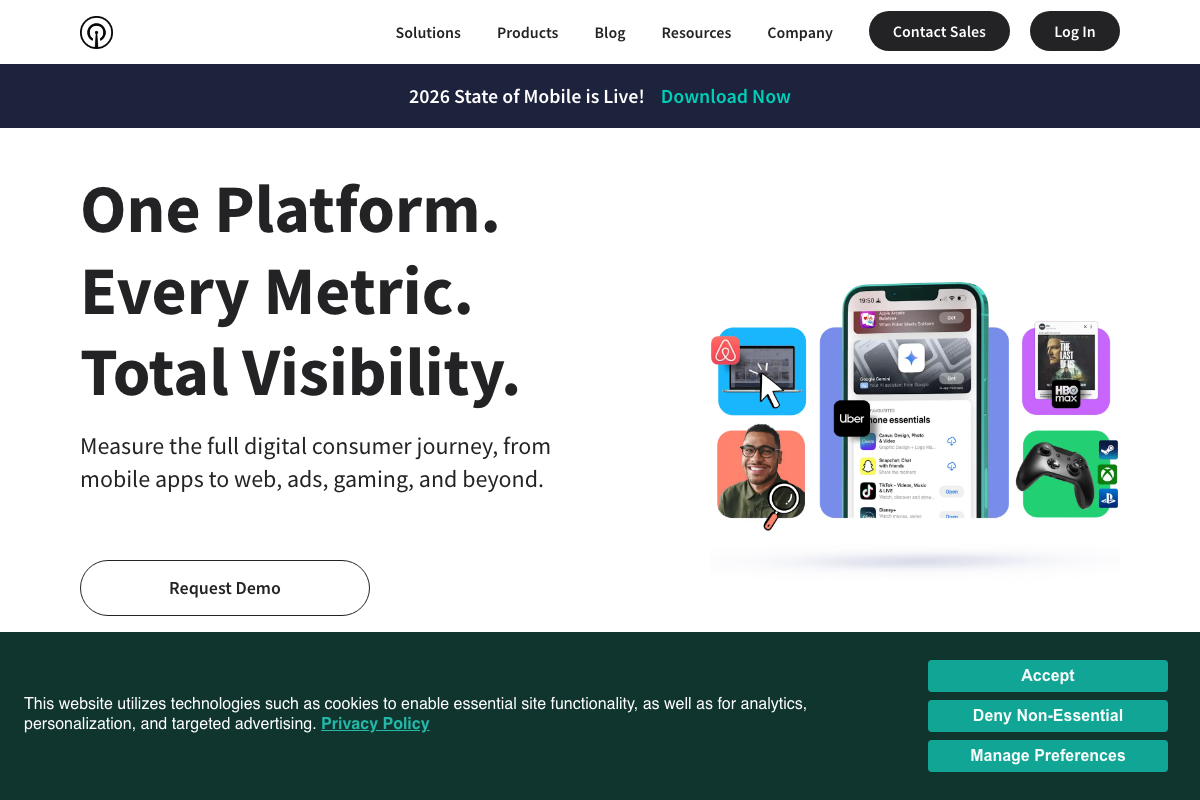
Two additions worth noting. First, as of April 2026, Sensor Tower has no self-serve free lookup — the homepage CTA is “Request Demo / Contact Sales.” If you don’t have a paid plan, the free ‘2026 State of Mobile’ report available on-site is a workable substitute for broad market benchmarking.
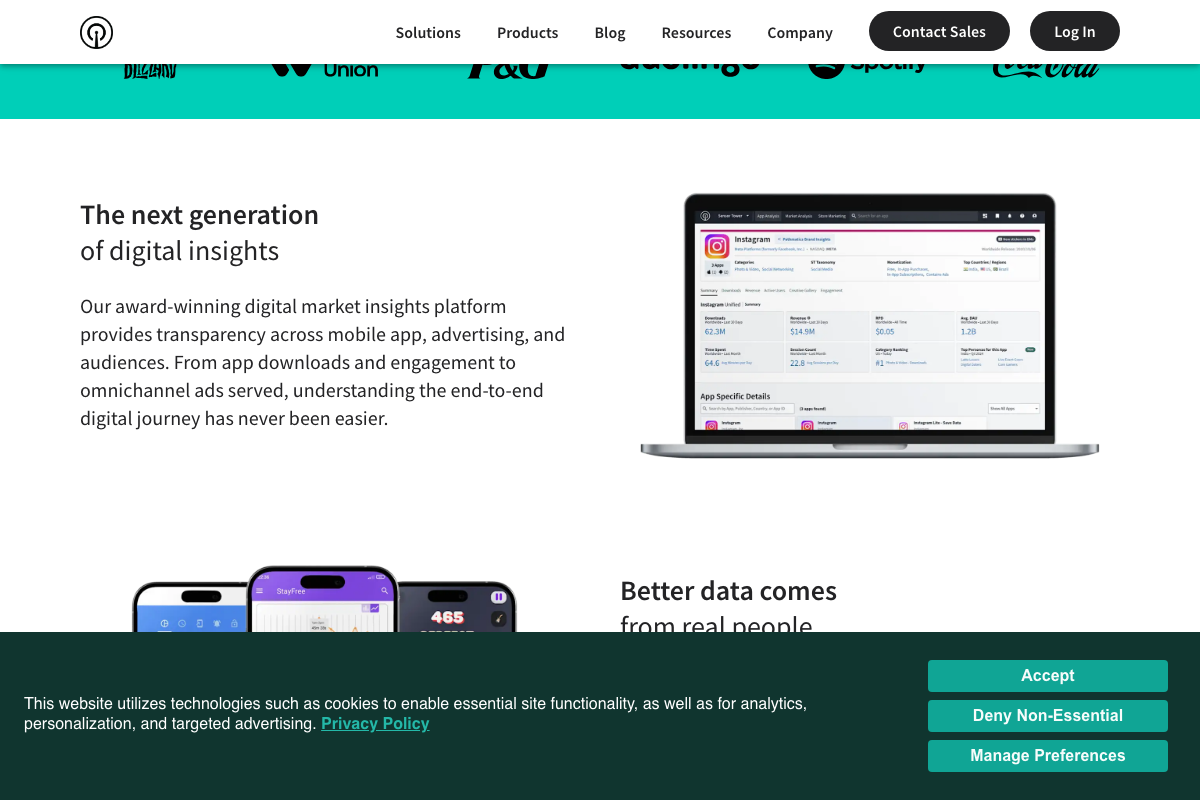
Second, Sensor Tower’s own methodology page confirms its revenue figures are modeled estimates derived from sampled panel data and app store APIs — not verified financial disclosures. As of April 5, 2026, the correct framing when pitching a creator is estimated market intelligence, not confirmed earnings. The tutorial’s “50–100K/month” figures reflect real platform data, but presenting them as exact comparables overstates their precision.
Step 6 (Bonus): Adding social handles to your App Store profile
No official documentation was found for this step —
proceed using the video’s approach and verify independently.
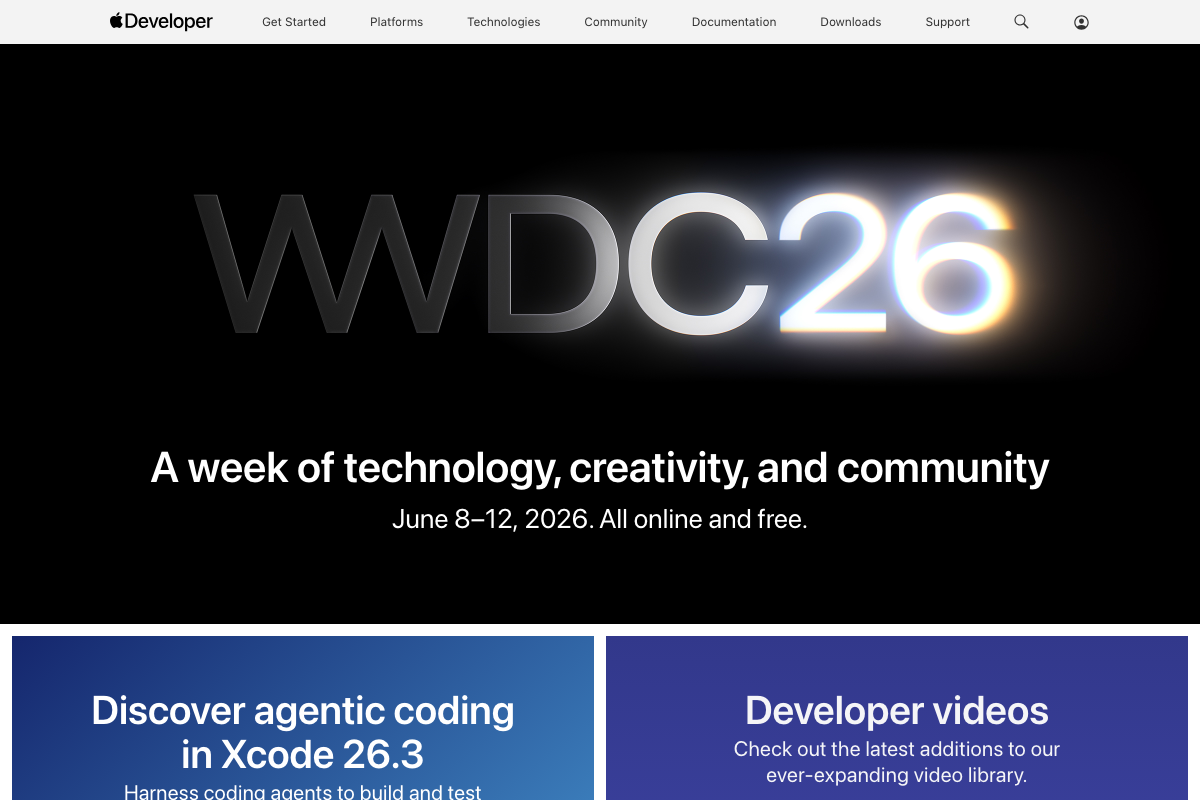
Screenshots confirm the Apple Developer program is active as of April 2026, but what was captured shows the portal homepage — not App Store Connect, where developer profile fields are actually managed. Separately, the platform now reflects iOS 26, a significant version jump from when this tutorial was likely recorded. Cross-check any App Store Connect UI steps against the current interface before following them.
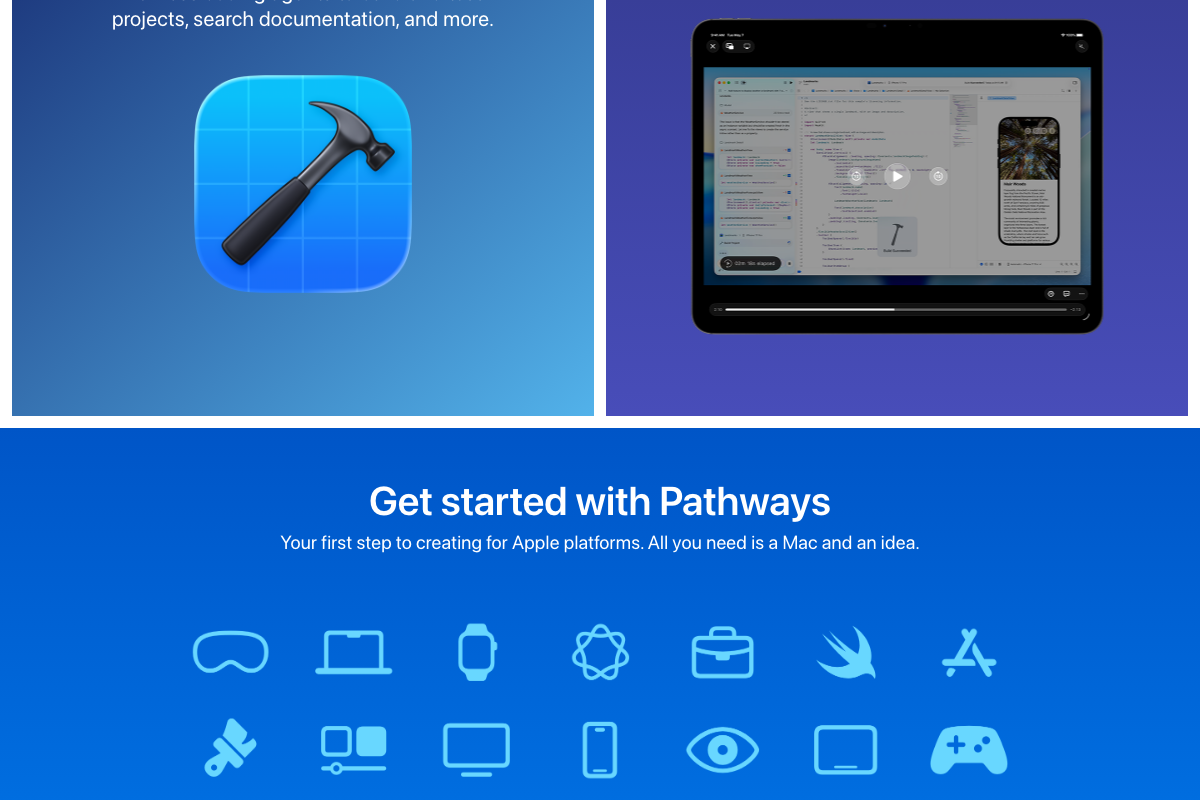
One useful extension of the video’s non-US market tip: visionOS is now a live distribution surface accessible within the same developer account — and almost certainly less competitive than iOS for a first mover running this same influencer playbook.

Step 7: Evolving the deal structure
No official documentation was found for this step —
proceed using the video’s approach and verify independently.
Useful Links
- Digital Intelligence & App Data Analysis by Sensor Tower — Mobile app market intelligence platform; competitive per-app revenue data requires a paid enterprise plan, and all revenue figures are modeled estimates rather than verified disclosures.
- Distribute on the App Store – Apple Developer — Official Apple Developer portal for iOS app distribution and enrollment; App Store Connect profile settings — including any developer contact fields — are managed through this program.


0 Comments