

Facebook’s 2026 Rules for Reach & Relevance
Facebook’s algorithm now explicitly demotes content it doesn’t consider original, and the enforcement mechanism is more nuanced than most marketers realize. In a roundtable on the Social Media Marketing Podcast, Facebook Ads expert Tara Zirker and hosts Mike Stelzner and Jerry Potter break down exactly what Meta’s 2026 updates mean for organic strategy and paid creative. After working through these steps, you’ll know how to audit your content footprint, reframe your remix approach, and restructure paid ad creative to align with Meta’s Andromeda and GEM ranking systems.
- Pull up your Facebook page’s posting history and calculate what percentage of recent posts are original versus reposts, stitches, or content cross-posted from other platforms. Meta now fingerprints video at upload — not by matching faces, but by analyzing the structural pattern of the file itself. If your page history skews toward reposts, the algorithm already carries a negative signal on your account and organic reach will erode faster than you expect.
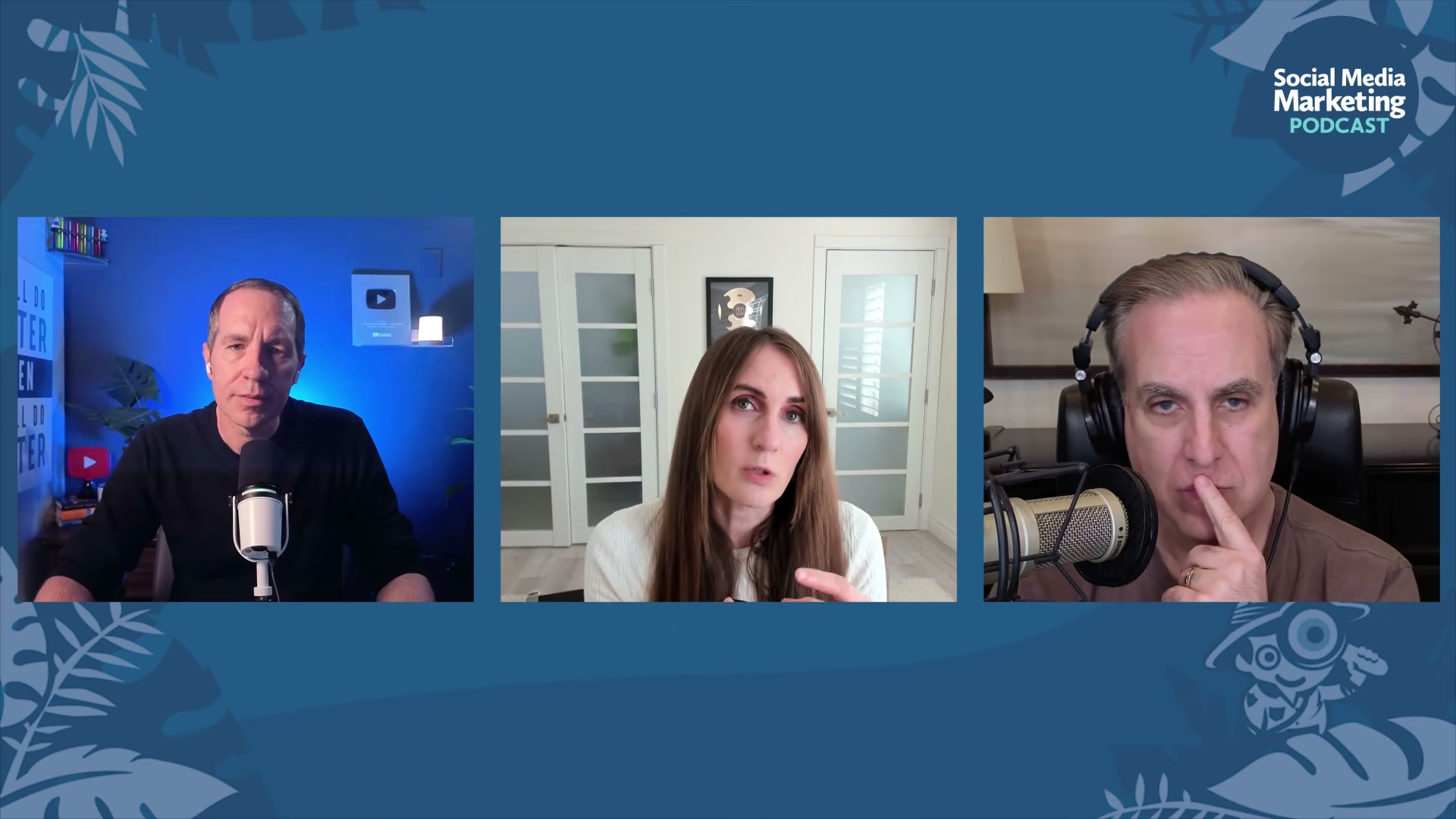
- Remove low-value reposts, reaction clips without commentary, and stitches from your active content rotation. Meta has stated explicitly that these content types will be deprioritized across both Feed and Reels recommendations — minor edits to third-party clips won’t clear the bar either.
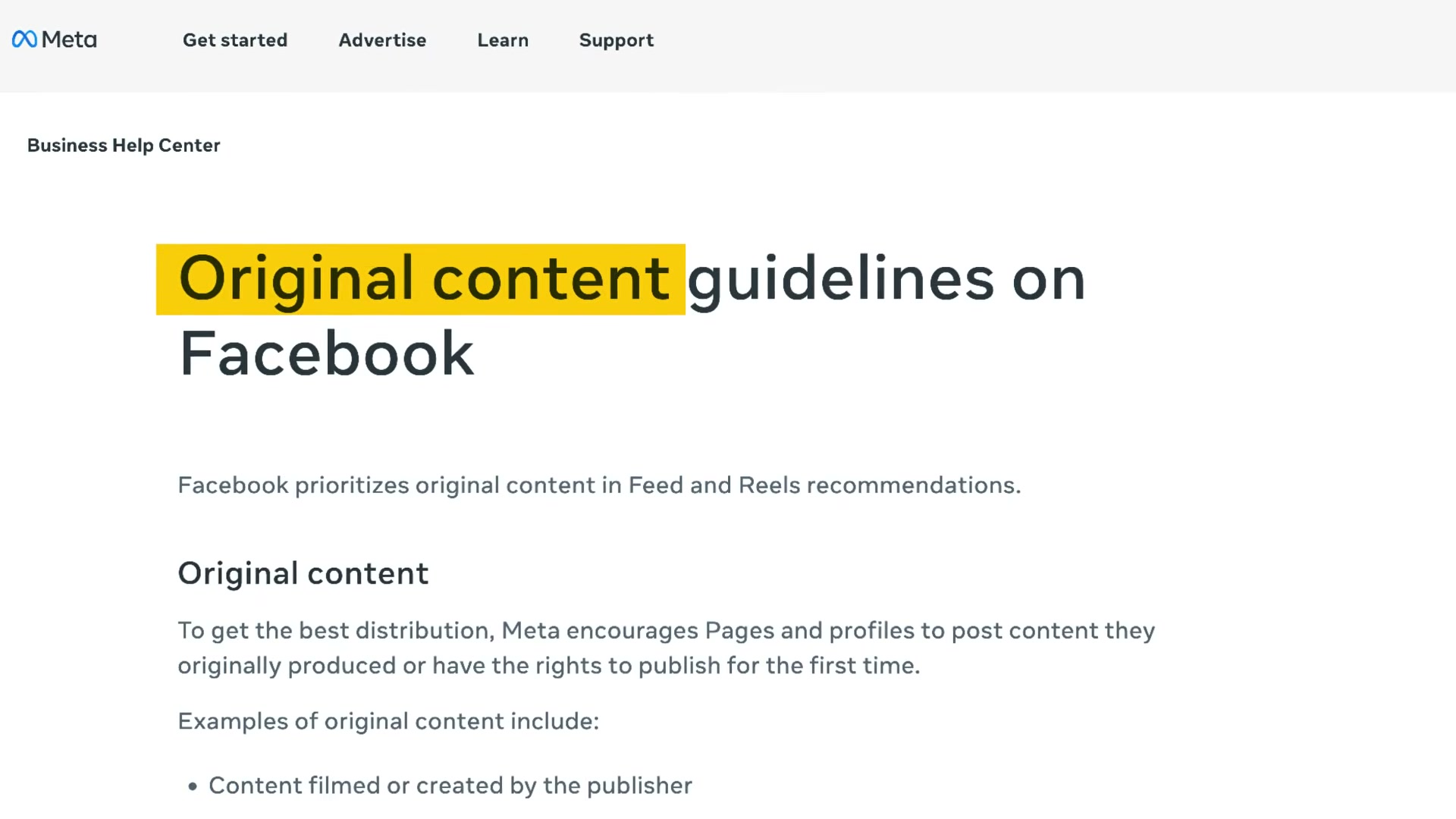
- When your strategy depends on remixing third-party content — news commentary, expert reactions, niche breakdowns — add a substantive layer of original analysis, new information, or creative storytelling that genuinely transforms the source material. The clip is not the content; your perspective on it is.
-
If your brand relies on user-generated content, you’re largely safe under current policy. Multiple actors and personalities on a single page are acceptable as long as the content is produced specifically for your brand and uploaded originally to your page. UGC remains central enough to Meta’s e-commerce business that a near-term crackdown is unlikely.
-
For paid ads, stop iterating a single creative concept by swapping only the hook. Build a genuine portfolio across format types — static, carousel, short-form video, and long-form video — so Meta’s system has enough variety to identify the right format for each audience segment.
-
Within each format, vary the executional elements: actors, wardrobe, backgrounds, and movement. Meta’s Andromeda and GEM systems reward creative diversity because it gives the algorithm more surfaces to test across different placements and audiences.
-
Use production tools like MotionApp, ForePlay, and KLAP to sustain creative volume without converting content production into a full-time operation. The goal is a consistent output cadence, not a single high-effort piece.
-
AI-generated actors are viable for ad creative, but map out disclosure requirements before you scale — particularly if you operate in a regulated industry like finance or healthcare.
-
Cross-posting your best-performing YouTube or TikTok content to Facebook may still deliver results in the short term, but treat it as an actively monitored experiment rather than a reliable channel strategy. The panel recommends watching reach signals closely as enforcement continues to evolve.
Warning: this step may differ from current official documentation — see the verified version below.
How does this compare to the official docs?
The panel’s interpretation of Meta’s fingerprinting logic and cross-platform enforcement reflects practitioner inference more than published policy — and the gap between what Meta says and what Meta enforces is precisely where Act 2 picks up.
Here’s What the Official Docs Show
Act 1 covers the roundtable’s practitioner interpretation of Facebook’s 2026 algorithm updates with solid tactical grounding. What follows layers in what Meta has officially published — and is equally direct about where no public documentation currently exists.
Step 1 — Audit your posting history
No official documentation was found for this step —
proceed using the video’s approach and verify independently.
One structural tool worth knowing: Meta Business Suite includes a documented “Turn organic posts into ads” feature that creates a direct path between your content history and paid distribution. The tutorial treats organic and paid as separate workstreams; Meta’s own tooling connects them.

Step 2 — Remove low-value reposts from active rotation
No official documentation was found for this step —
proceed using the video’s approach and verify independently.
As of April 2026, the Facebook Reels business help URL (facebook.com/business/help/reels) returns a 404 Page Not Found. No official deprioritization criteria for reposts or stitches is accessible at any of the attempted URLs.
Step 3 — Add substantive original analysis when remixing third-party content
No official documentation was found for this step —
proceed using the video’s approach and verify independently.
Step 4 — UGC with multiple actors remains acceptable under current policy
No official documentation was found for this step —
proceed using the video’s approach and verify independently.
Step 5 — Build a format portfolio across creative types
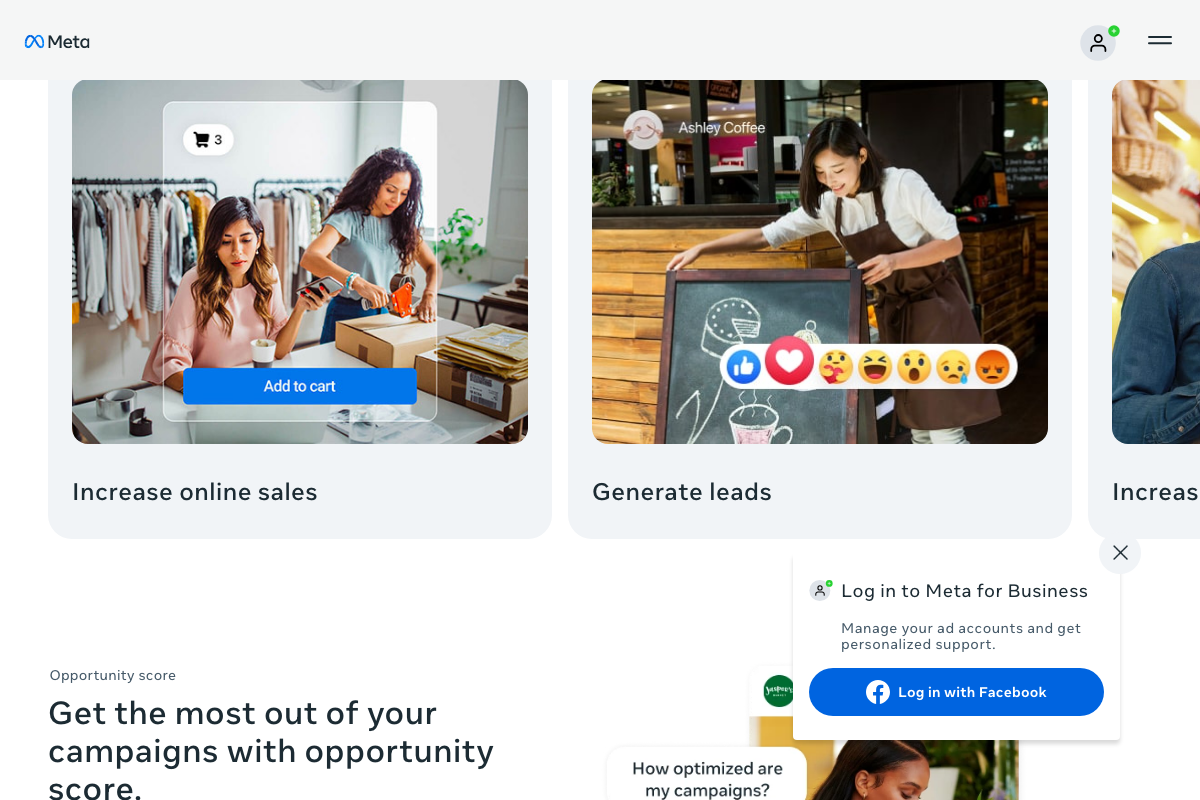
The video’s approach here matches the current docs exactly. Meta for Business confirms multiple distinct campaign objective types and frames goal selection as the primary structural decision before creative work begins. One tool the tutorial skips entirely: Opportunity Score, Meta’s official campaign optimization engine, which the platform credits with a 5% median decrease in cost per result for adopters. Access is currently in limited rollout — not every account has it yet.
Step 6 — Vary executional elements within each format
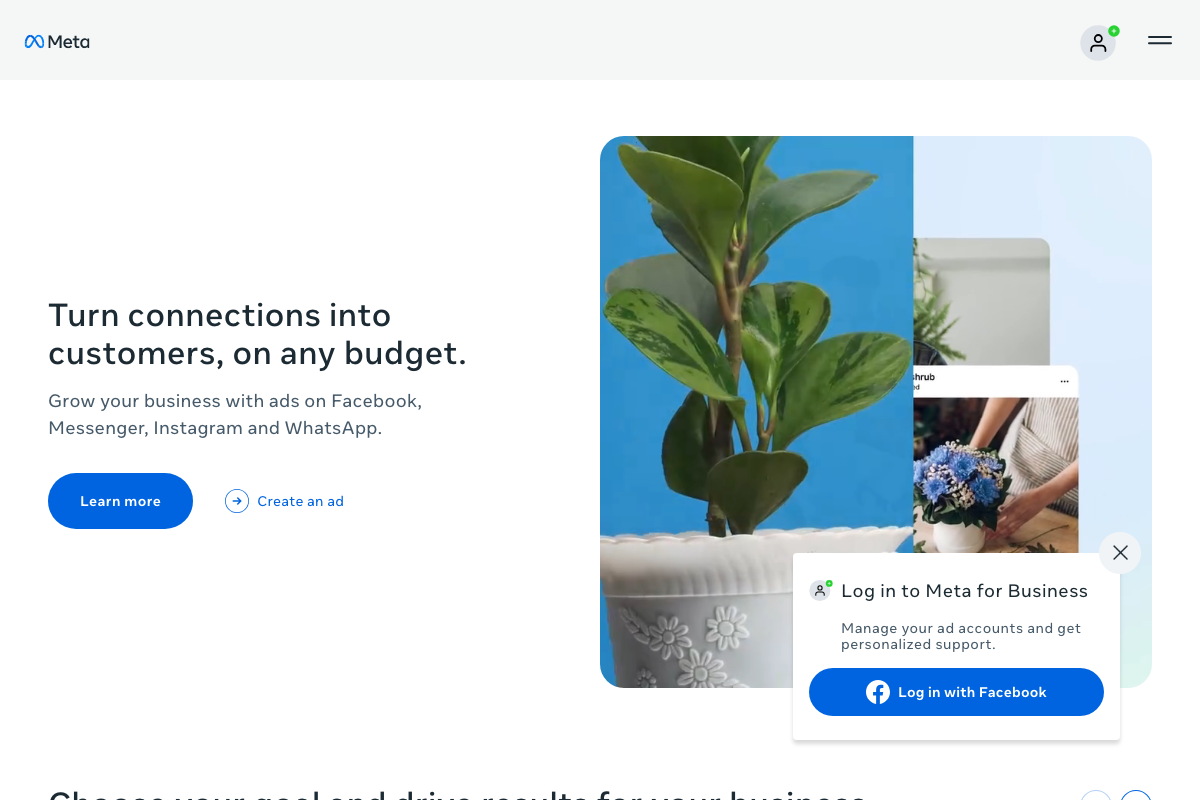
The video’s approach here matches the current docs exactly. Meta’s documented ad network spans Facebook, Messenger, Instagram, and WhatsApp — a broader surface set than the tutorial’s Facebook-focused framing, which means the creative diversity principle affects more placements than the roundtable discussed.
Step 7 — Use production tools to sustain output volume
No official documentation was found for this step —
proceed using the video’s approach and verify independently.
Step 8 — Map AI actor disclosure requirements before scaling
No official documentation was found for this step —
proceed using the video’s approach and verify independently.
Step 9 — Treat cross-posted content as a monitored experiment
No official documentation was found for this step —
proceed using the video’s approach and verify independently.
As of April 2026, the dedicated Facebook Reels business help page returns a 404. Cross-posting enforcement guidance has no accessible official source from the URLs captured.
Useful Links
- Meta for Business: Marketing on Facebook — Meta’s primary advertiser entry point, documenting the multi-surface ad ecosystem, campaign objective types, and the Opportunity Score optimization tool.
- Facebook Reels (attempted) — Redirects to the standard consumer login page as of April 2026; no creator or business documentation is accessible at this URL or at facebook.com/business/help/reels.


0 Comments