

Inside the Claude Code Leak — and What It Reveals About AI’s Next Move
Four stories broke in the same week that collectively reframe how AI tooling is evolving: Anthropic’s Claude Code source was accidentally published via npm, Microsoft demoed MAI Transcribe 1 in its AI playground, Recraft launched its V4 image model family, and OpenAI announced a $122B raise with a superapp buried in the footnotes. Work through this breakdown and you’ll understand what the Claude Code internals tell you about Anthropic’s roadmap, how to test MAI Transcribe 1’s handling of ambiguous audio, and where both companies are placing their next architectural bets.
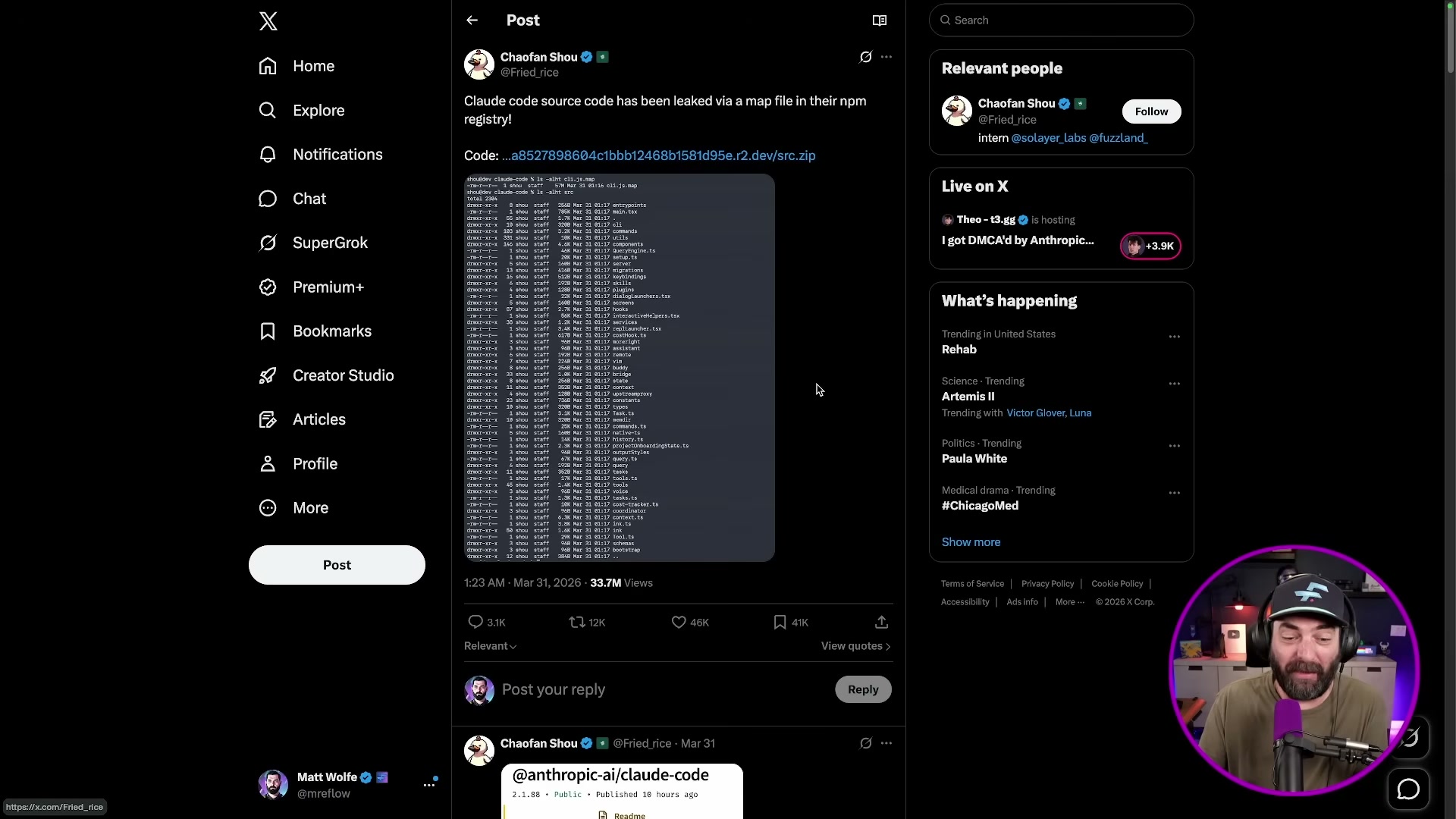
The Claude Code exposure came from a missed automation step in Anthropic’s npm deployment pipeline — a .map file was published alongside the package, making the full source readable. Researchers who combed the code found a three-layer memory architecture built around a lightweight index called memory.md, which stores pointers to conversation data rather than raw transcripts. When Claude Code searches past context, it greps against those pointers rather than reloading full session history into the active context window.
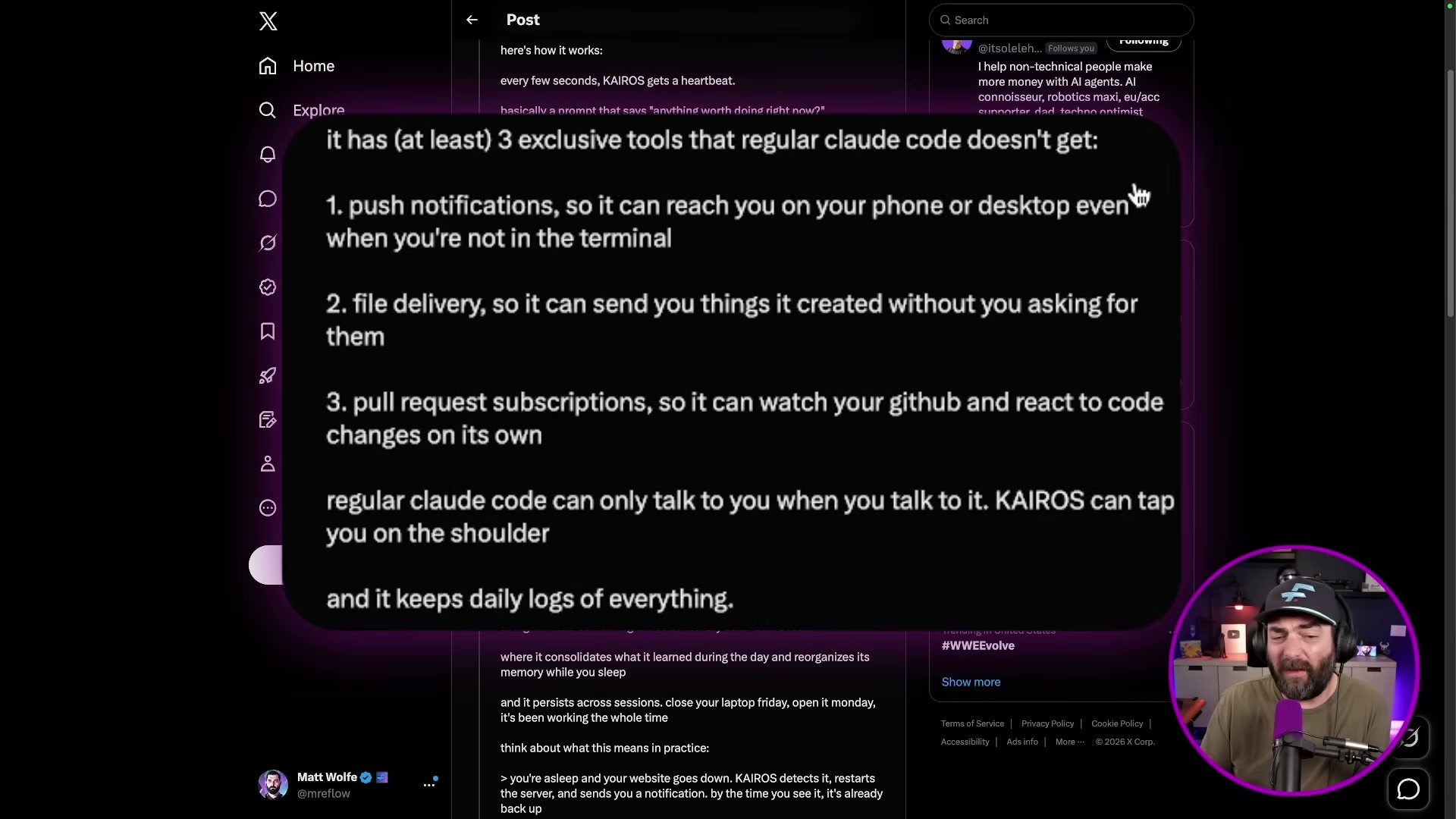
The more strategically significant find was a system called KAIROS — an always-on background daemon that runs on a heartbeat loop, evaluating whether any task is worth acting on without waiting for a user prompt. KAIROS holds three capabilities that standard Claude Code does not: push notifications to phone or desktop, autonomous file delivery of outputs it generates on its own, and GitHub pull request subscriptions that let it react to repository changes independently.
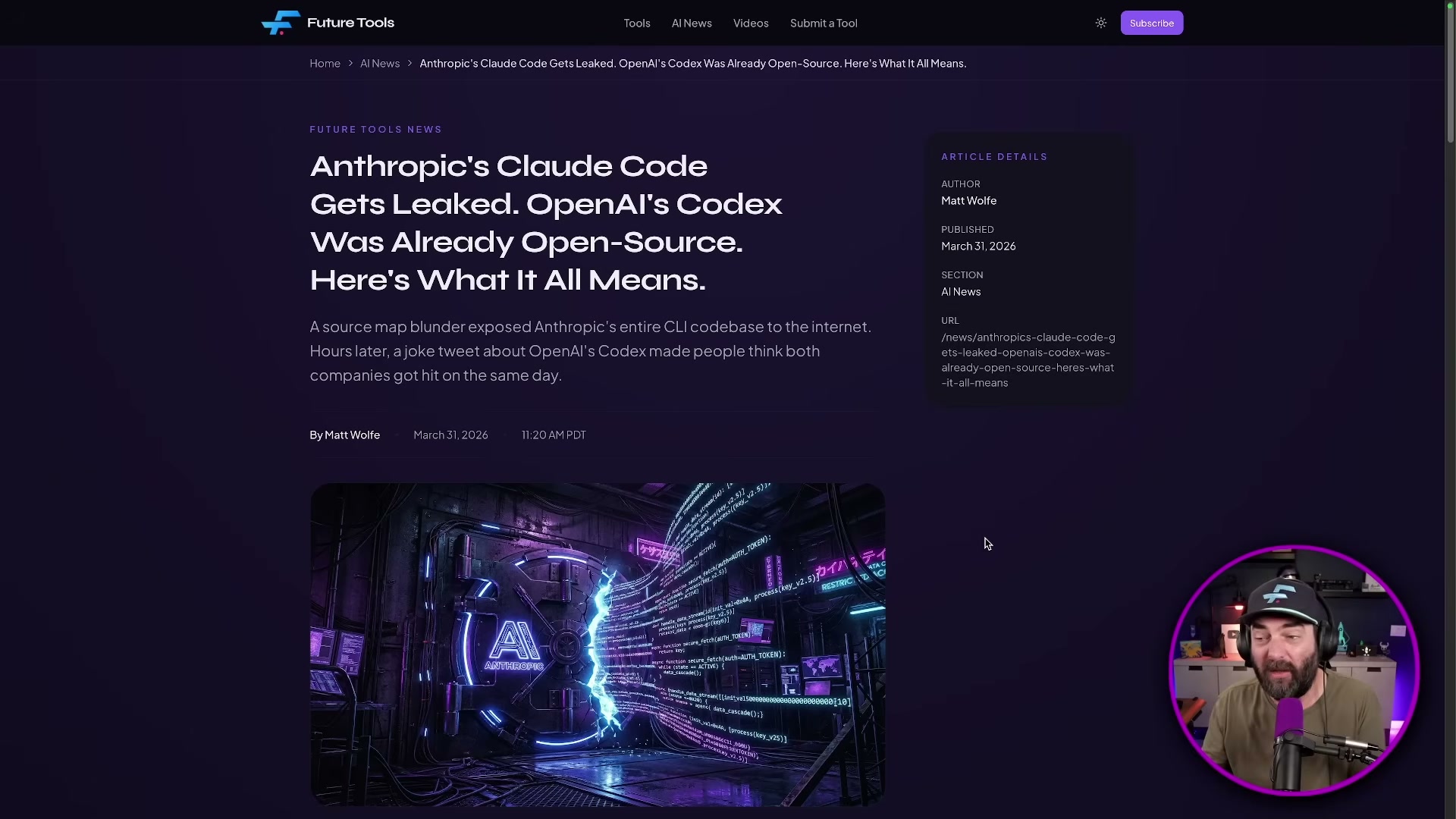
Anthropic’s official response attributed the incident to a process gap rather than individual error — a manual deployment step that should have been automated. No customer data was exposed.
With that context established, here is how the video walked through Microsoft’s MAI Transcribe 1 demo:
- Navigate to the MAI Playground at Microsoft’s AI portal and authenticate with your Microsoft account.
Warning: this step may differ from current official documentation — see the verified version below.
-
Select MAI Transcribe 1 from the available model list in the playground interface.
-
Record or upload an audio clip containing homophones and contextually ambiguous words — the demo specifically targeted phrases where standard transcription models produce incorrect output.
-
Submit the audio to MAI Transcribe 1 and wait for the model to return a full transcript.
-
Review the returned transcript for homophone disambiguation accuracy, checking words like “there/their/they’re” or “new/knew” where context-aware resolution is MAI Transcribe 1’s stated differentiator from commodity speech-to-text.
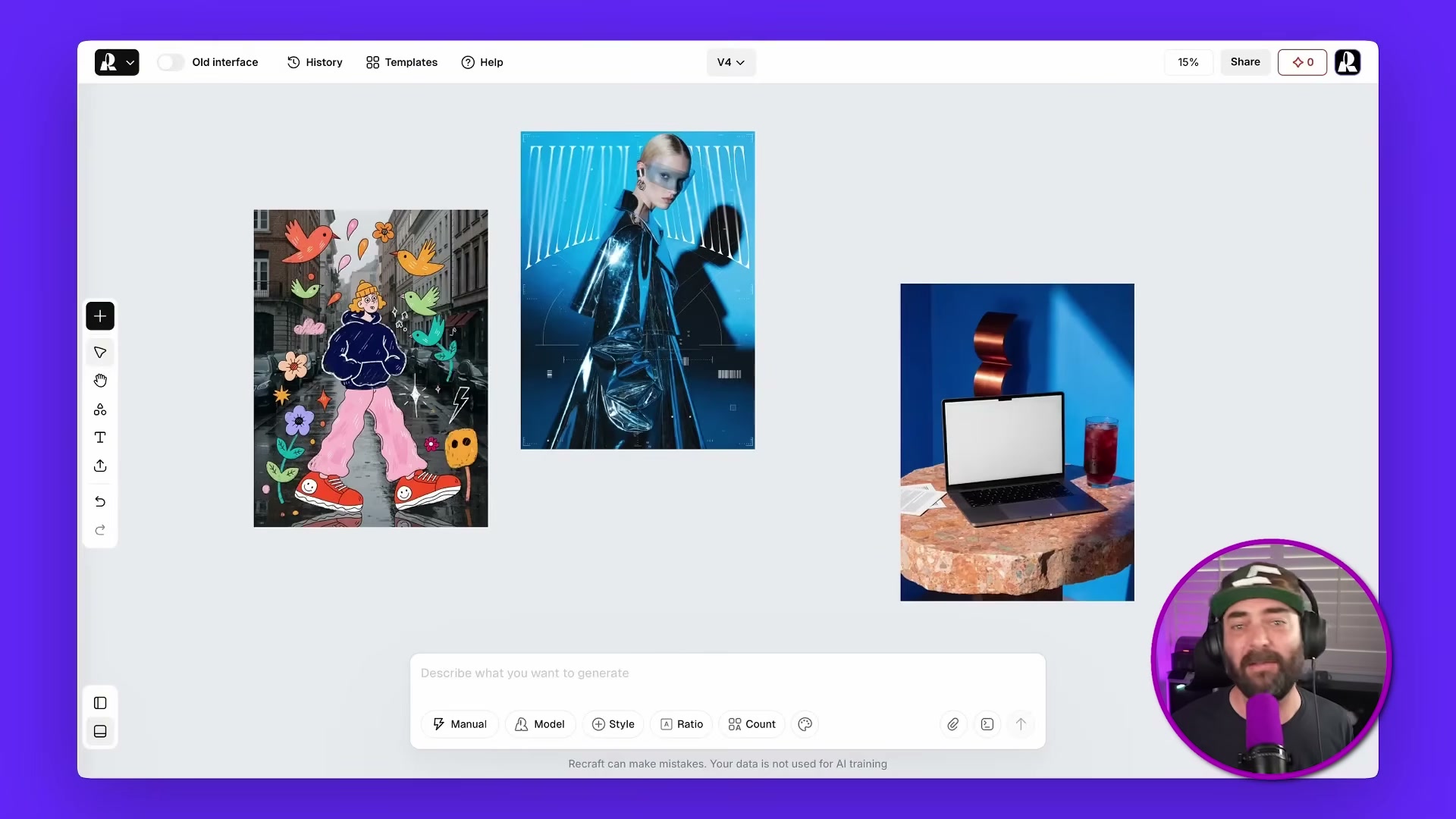
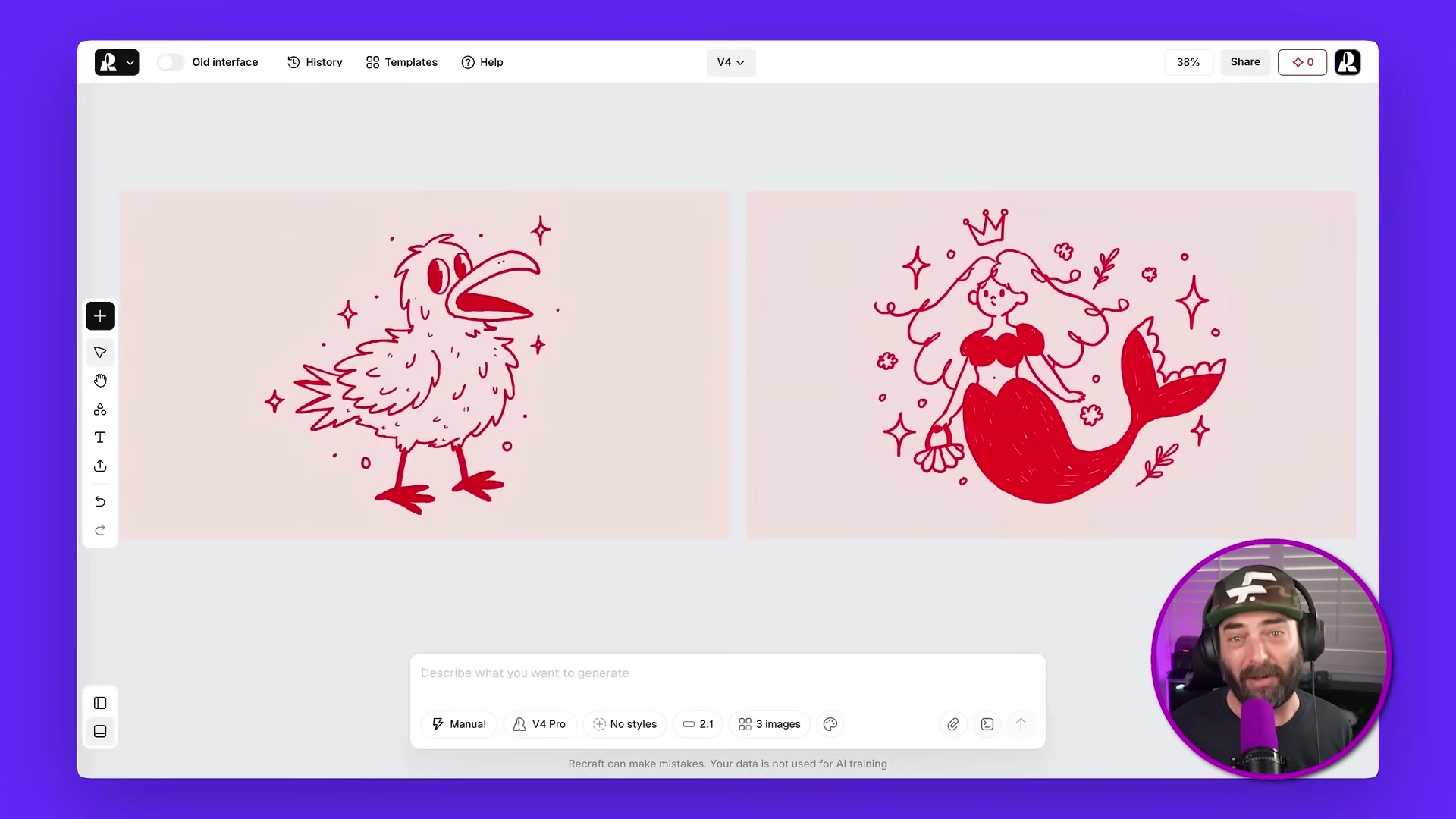
Recraft launched its V4 model family during the same week, positioning itself toward creative professionals who need production-ready brand assets rather than exploratory image generation.
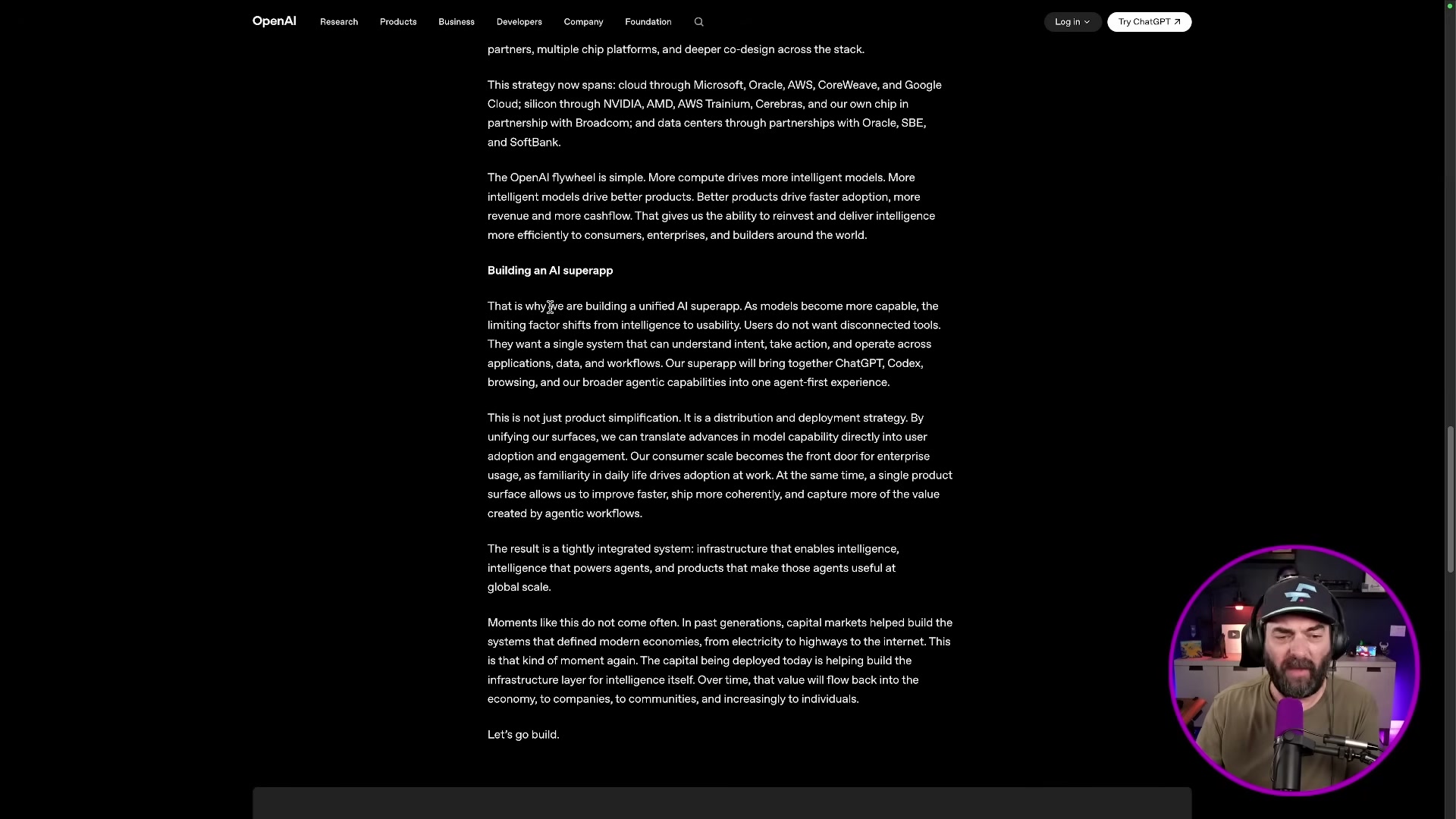
OpenAI embedded its most significant strategic announcement inside a fundraising blog post: a unified superapp that consolidates ChatGPT, Codex, browsing, and agentic workflows into a single interface — a direct parallel to Anthropic’s own move toward a unified Claude experience.
How does this compare to the official docs?
The MAI Transcribe 1 walkthrough was conducted in a preview playground environment, and Microsoft’s published Azure AI documentation describes a different access model — one worth understanding before you build anything production-facing on top of it.
Here’s What the Official Docs Show
The video’s news roundup covers a lot of ground in one pass — this act works through the same sequence with documentation in hand, filling in where screenshots confirm the story and flagging the three steps where no official coverage exists. The overall picture holds up on Recraft V4, needs a naming correction on the Microsoft portal, and leaves the MAI Transcribe 1 workflow largely unverified at the step-by-step level.
Claude Code Source Code Leak
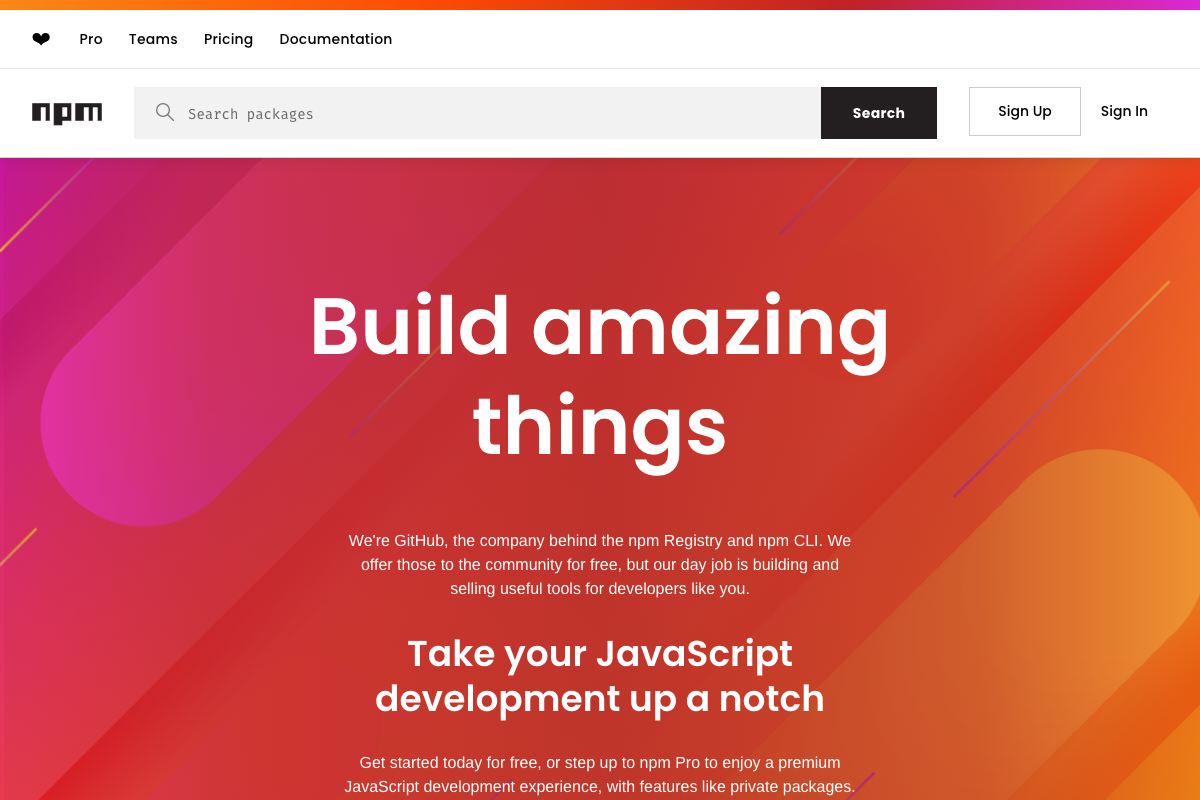
The video’s framing of Claude Code as an Anthropic product distributed via npm is accurate — npm is owned and operated by GitHub, and the registry hosts over two million packages relied upon by more than 17 million developers worldwide. That’s the infrastructure context for why a missed .map file in an npm deployment pipeline produces immediate public exposure at scale.
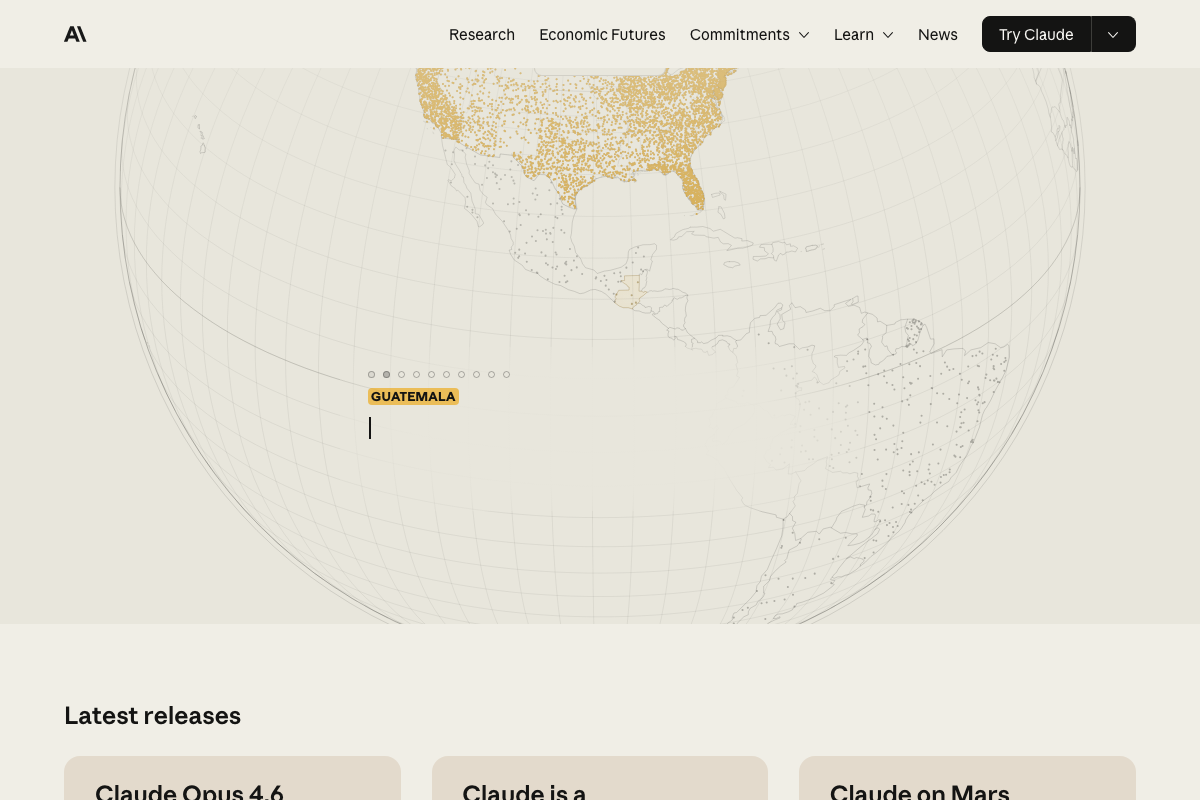
For Claude Code itself: the three documentation screenshots labeled as docs.anthropic.com/en/docs/claude-code/overview each captured the Anthropic corporate homepage (anthropic.com) instead of the Claude Code docs page. No Claude Code source code, installation steps, or feature documentation is present in any of those images.
No official documentation was found for the KAIROS system, the three-layer memory architecture, or the push notification / autonomous file delivery capabilities described in the video — proceed using the video’s approach and verify independently.
The most recent Anthropic product release visible on the corporate homepage at time of capture is Claude Opus 4.6, dated February 5, 2026.
Microsoft MAI Transcribe 1 Demo
Step 1 — Navigate to the portal
The video instructs you to navigate to the “MAI Playground.” As of April 3, 2026, the correct portal name is Microsoft Foundry — the video shows “MAI Playground,” which does not appear on any current official page. The portal at ai.azure.com is branded “Microsoft Foundry” with the tagline “The AI app and agent factory,” and it requires sign-in before any model or tool is accessible. The Azure AI Services product page at azure.microsoft.com presents the same offering under the name “Foundry Tools,” with entry CTAs reading “Get started with Azure” and “Create with Microsoft Foundry.”
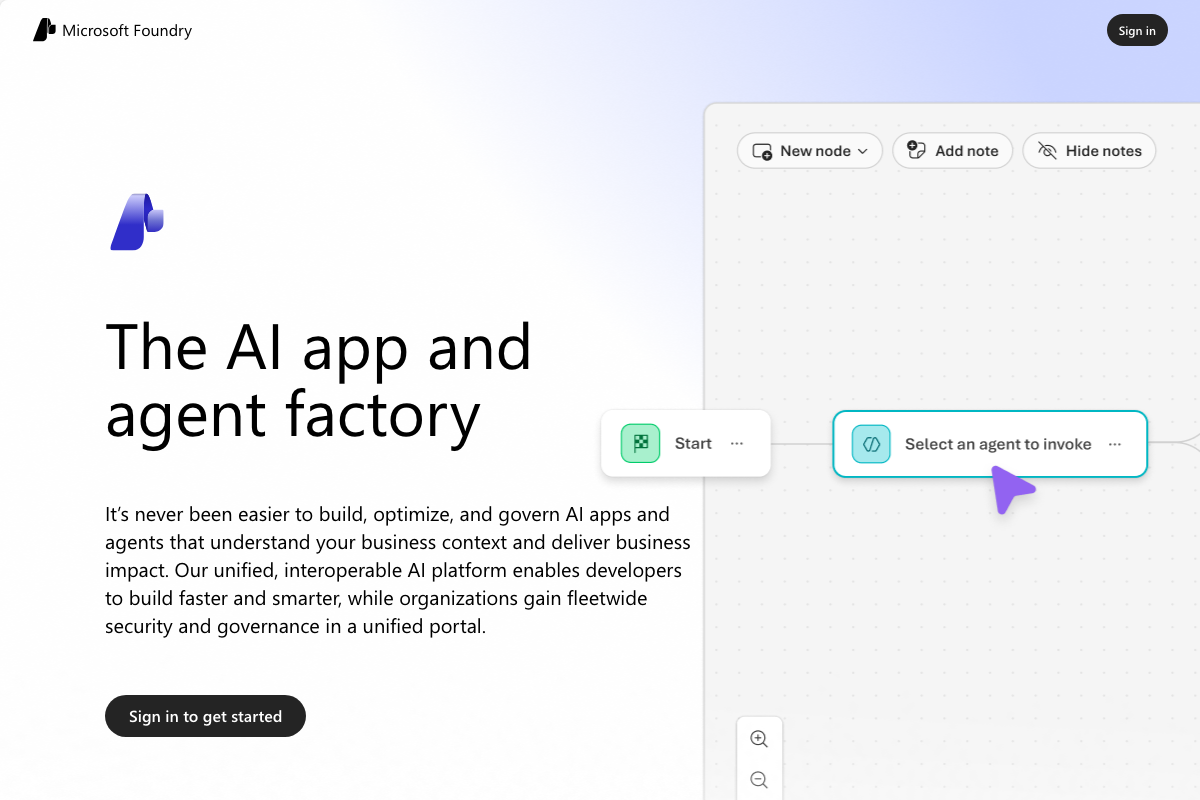
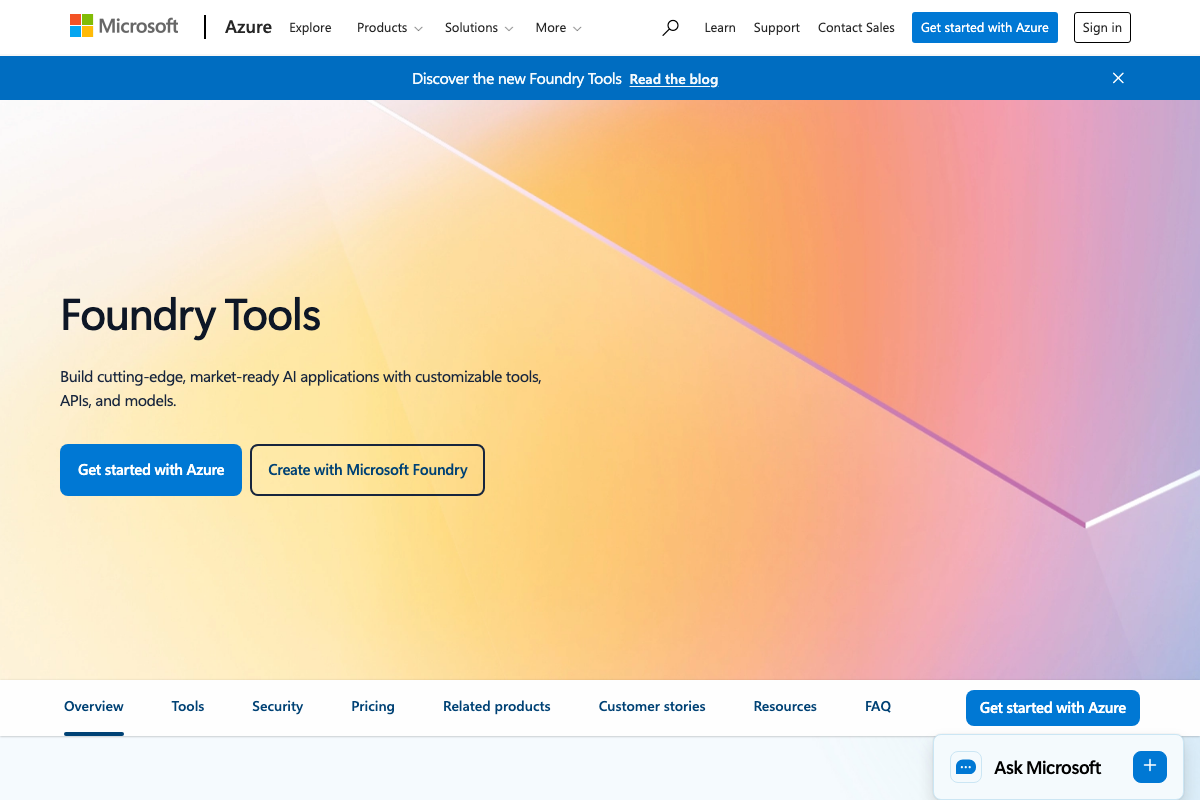
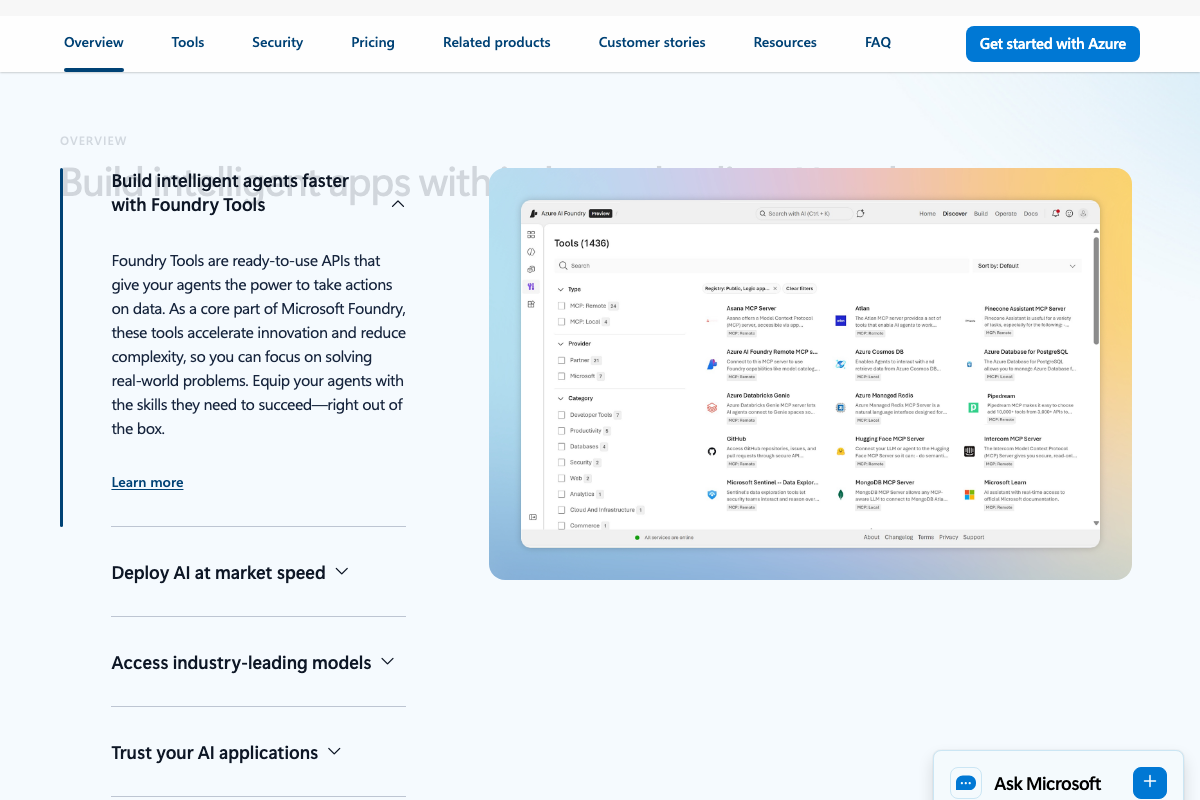
The Foundry Tools catalog contains 1,436 available tools and models. The primary interface behind sign-in is an agent and workflow builder — not a simple model playground.
Step 2 — Select MAI Transcribe 1 from the model list
No official documentation was found for this step — proceed using the video’s approach and verify independently.
MAI Transcribe 1 is not individually identified by name in any visible portion of the Foundry Tools catalog screenshots captured here.
Step 3 — Upload or record an audio clip
No official documentation was found for this step — proceed using the video’s approach and verify independently.
Step 4 — Submit audio and retrieve transcript
No official documentation was found for this step — proceed using the video’s approach and verify independently.
Step 5 — Review transcript for homophone disambiguation accuracy
No official documentation was found for this step — proceed using the video’s approach and verify independently.
Recraft V4 Launch
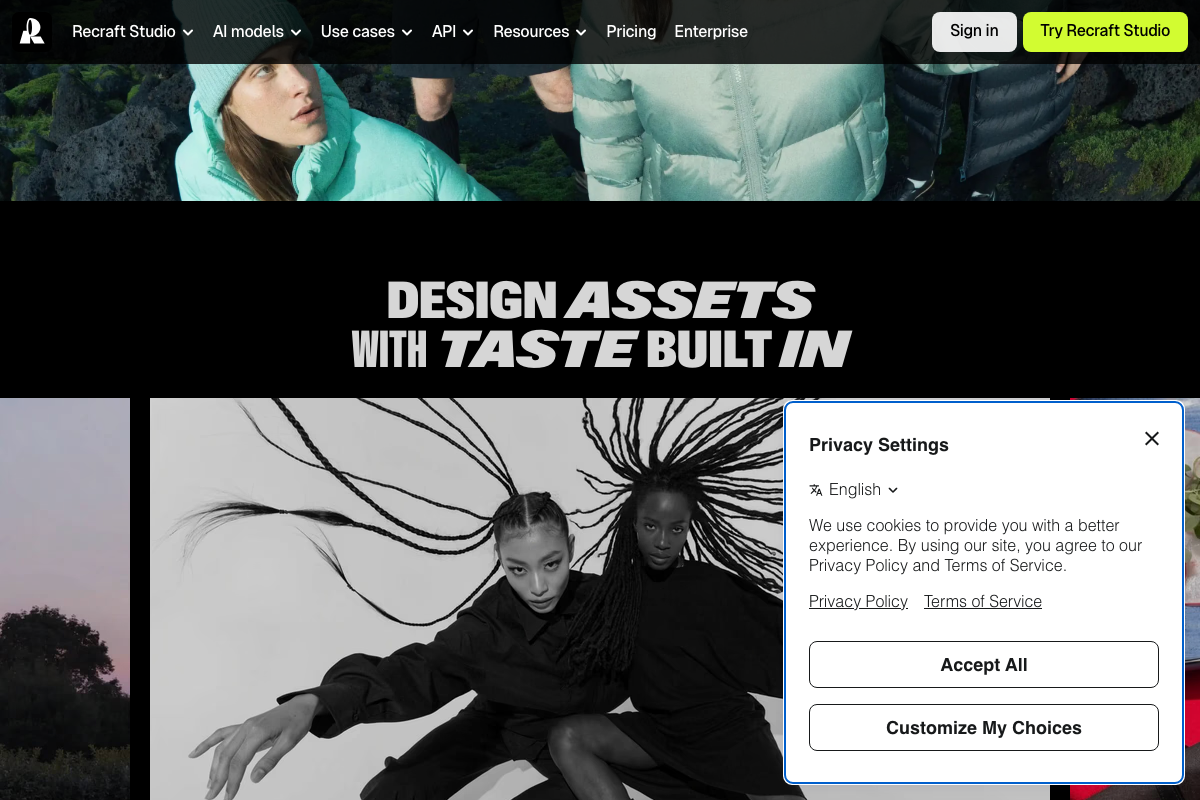
The video’s approach here matches the current docs exactly. Recraft V4 is confirmed as live and publicly accessible at recraft.ai without sign-in. The homepage displays a banner reading: “Recraft V4: Beyond prompt accuracy, it delivers real design vision in every generation.” Both Recraft Studio (web UI) and API access paths are available for V4.
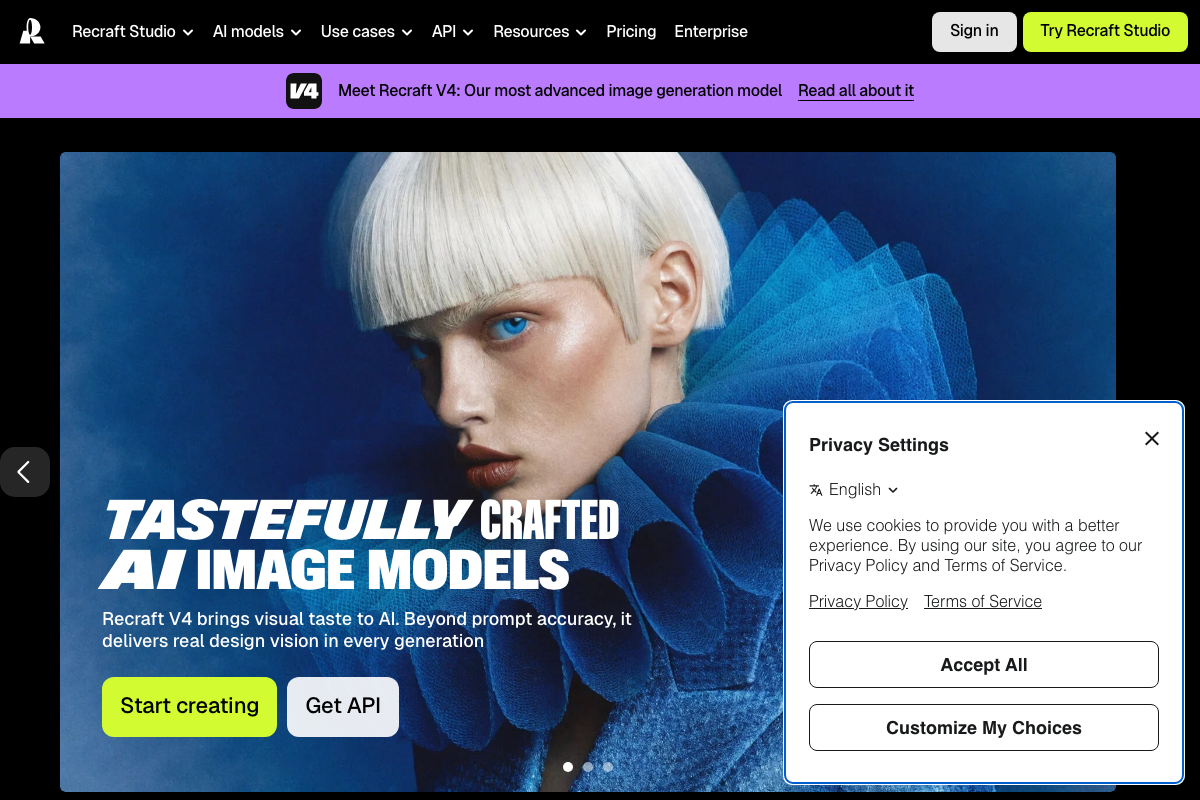
Enterprise adoption is documented on the homepage: HubSpot, Airbus, Asana, and Ogilvy are listed under “Trusted by professional designers at the most innovative companies.”

The secondary positioning headline on the product page reads “Design assets with taste built in” — consistent with the video’s framing of V4 as differentiated on aesthetic judgment rather than prompt compliance.
OpenAI $122B Raise and Superapp Announcement
No official documentation was found for this step — proceed using the video’s approach and verify independently.
No screenshots capturing OpenAI’s fundraising announcement or superapp blog post were included in the documentation set for this post.
Useful Links
- Foundry Tools | Microsoft Azure — Official Azure AI Services product page presenting Microsoft Foundry’s tool catalog, deployment options, and access CTAs
- Microsoft Foundry — Sign-in-gated portal at ai.azure.com where MAI Transcribe 1 and other Foundry models are accessed; the correct destination for the video’s “MAI Playground” reference
- Recraft | AI for designers, creatives, sellers, and teams — Official Recraft homepage confirming V4 as the current flagship model with both Studio and API access paths
- npm | Home — npm registry homepage, GitHub-owned, distributing over two million packages including the Claude Code package at the center of the source leak story
- GitHub — GitHub homepage; relevant as the parent company of npm and as the platform through which Claude Code repository activity (including the KAIROS PR subscription capability) would surface


0 Comments