

From Idea to Exit: How Pat Flynn Built and Sold the Switch Pod
Pat Flynn and his partner turned an observation at a creator event into a physical product that generated $400,000 in its first 60 Kickstarter days — and eventually sold the entire company. This tutorial walks every phase of that arc: identifying the problem, building in public, running a stripped-down campaign, scaling through Shopify and Amazon, and recognizing the right moment to hand it off.
- Identify a real problem by watching your audience struggle with existing tools. In 2017, Flynn noticed creators at events using Gorilla Pods as makeshift selfie sticks — a workaround that worked badly. That friction became the brief for the Switch Pod: a camera mount that converts from handheld grip to tripod with a single motion.

- Build and iterate on prototypes over an extended pre-launch window. Flynn and his partner spent two years refining the product, showing successive versions at conferences and collecting creator feedback — including a session with Casey Neistat — before committing to manufacturing.
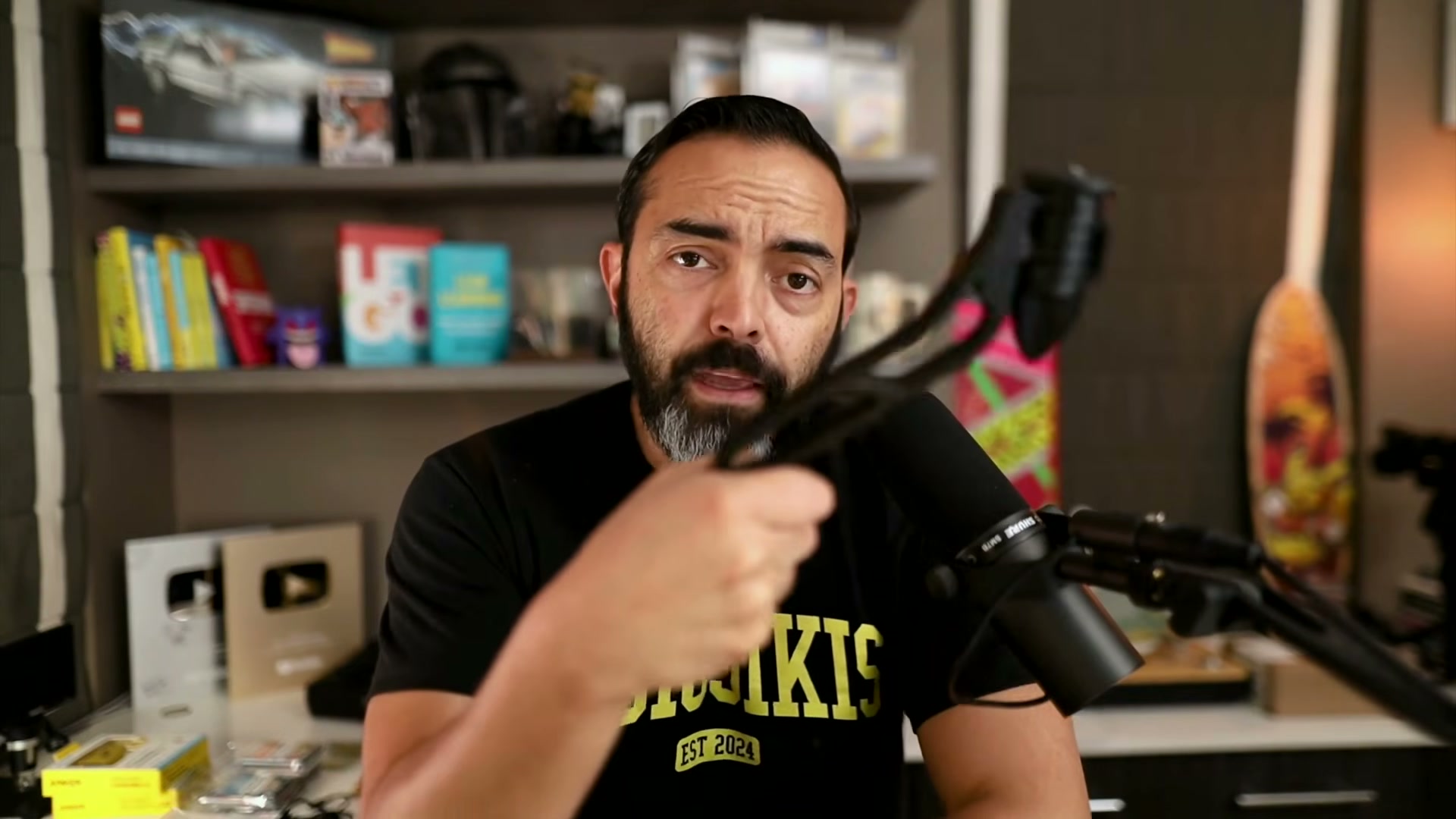
- Make the development process your marketing. Rather than keeping the concept under wraps until launch, Flynn documented prototypes, conference demos, and creator reactions publicly. By the time the Kickstarter went live in February 2019, two years of content had already built an audience primed to back it.
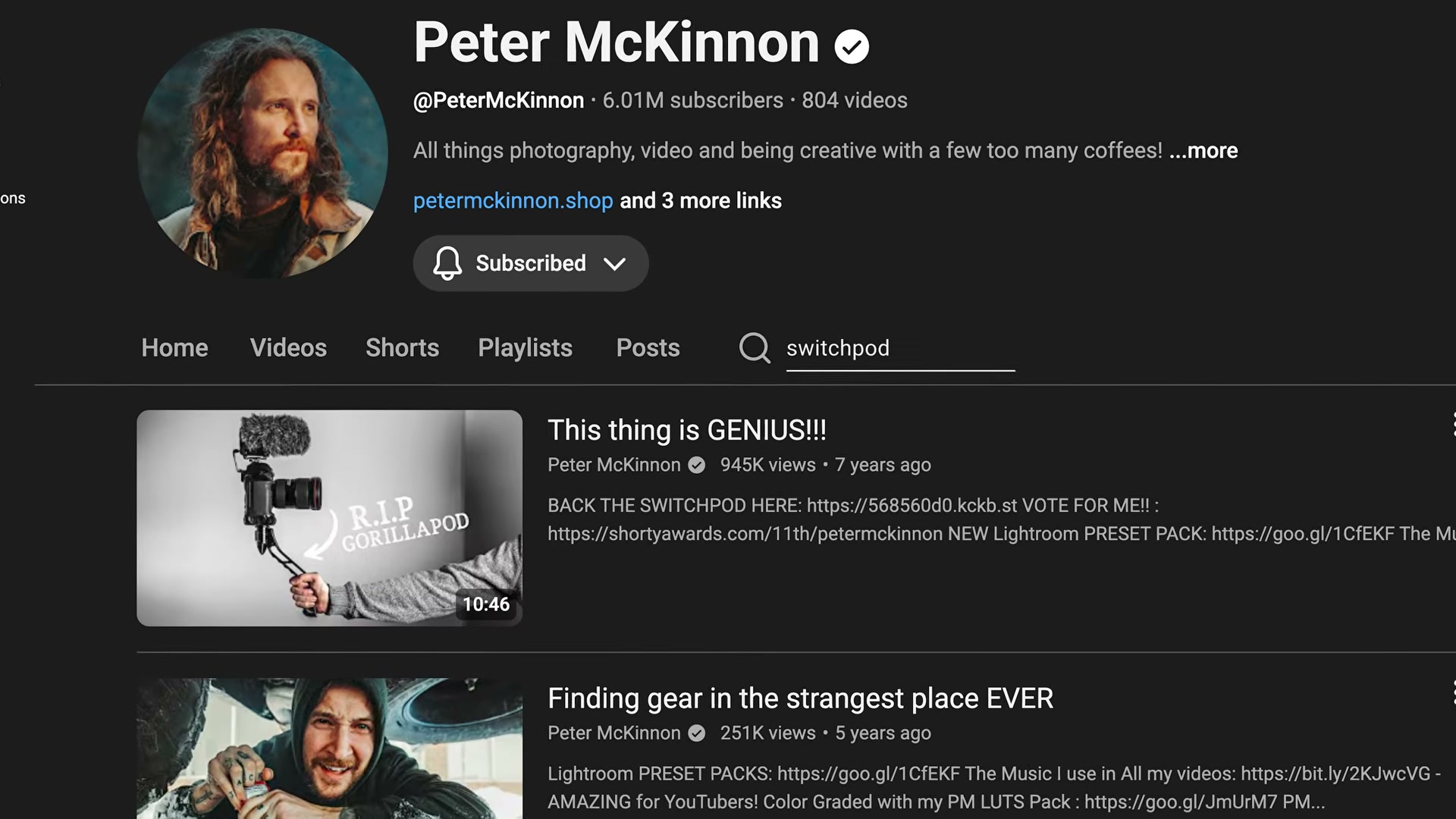
- Build relationships with creators and community leaders long before you need them. Peter McKinnon published an unsolicited ‘This thing is GENIUS!!!’ review that pushed the campaign past $100,000 within 12 hours. That result came from years of genuine relationship-building — not a launch-day cold email. Darryl Eves of VidSummit bought over a thousand units to give away to his YouTuber audience, producing another revenue spike through the same dynamic.
-
Keep your Kickstarter campaign structure minimal. Flynn offered three pledge options: one unit, three units, or a bulk bundle. No complex tier ladders, no stretch-goal sprawl — the simplicity made the campaign manageable and the purchase decision easy for backers.
-
Launch on Kickstarter to validate demand before committing to a permanent sales channel. The 60-day campaign closed at $400,000, generating revenue, a customer list, and market proof in a single run.
-
Build your primary direct-to-consumer storefront on Shopify. After the campaign closed, Shopify became the owned sales channel — handling product pages, theme design, and the foundation for an affiliate program added later.
-
Add an affiliate plugin to turn creator reviewers into a distribution channel. A Shopify affiliate plugin let tech YouTube reviewers earn commission on referred sales, converting media coverage into a cost-effective acquisition layer without a dedicated partner team.
-
Expand the product line to monetize the existing customer base. Flynn launched a ball head and mobile adapter — accessories designed for current Switch Pod owners, not new-customer acquisition — generating incremental revenue from people already bought in.
-
List on Amazon as a secondary channel while driving traffic to Shopify. Amazon provided discoverability; Shopify delivered higher margins and email addresses that Amazon does not share with sellers.
-
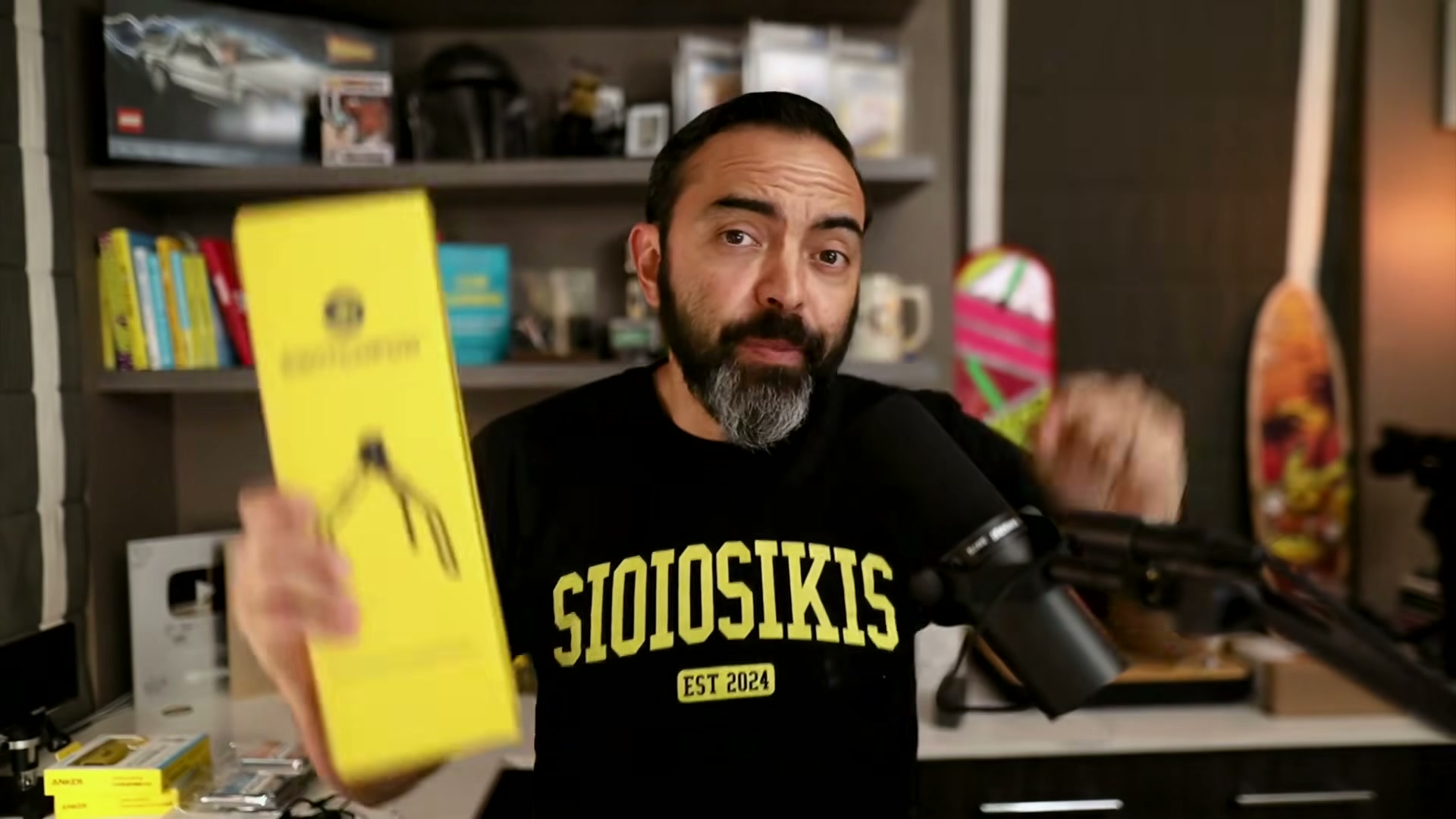
Invest in packaging to extend the brand story through unboxing. The Switch Pod box carried the line “Made for creators by creators,” turning the moment a customer opens the package into a brand statement consistent with the two-year narrative behind the product.
-
Identify super fans and give them first access. Some customers became organic brand ambassadors without being asked. Flynn recognized them and offered early access and discounts on new accessories, converting unsolicited advocacy into a repeatable, low-effort channel.
-
Evaluate exit when a buyer is better positioned to grow the product than you are. When priorities shifted — a scaling Pokémon channel for Flynn, twins for his partner — they sold the company to a buyer positioned to take it further. The exit was a deliberate handoff, not a retreat.
How does this compare to the official docs?
The steps Flynn describes rely on platform-specific mechanics across Kickstarter, Shopify, and Amazon, and the official documentation for each carries details that materially affect how you execute them — which is exactly where Act 2 picks up.
Here’s What the Official Docs Show
Pat Flynn’s walkthrough of the Switch Pod journey is substantively accurate — the platform mechanics he describes are real and the sequencing holds up. What the official sources add are a few operational details that materially affect execution when you try to replicate the approach yourself.
Steps 1–4: Ideation, prototyping, public development, and relationship-building
No official documentation was found for these steps —
proceed using the video’s approach and verify independently.
Step 5: Kickstarter campaign structure
No official documentation was found for this step —
proceed using the video’s approach and verify independently.
Step 6: Launch on Kickstarter to validate demand
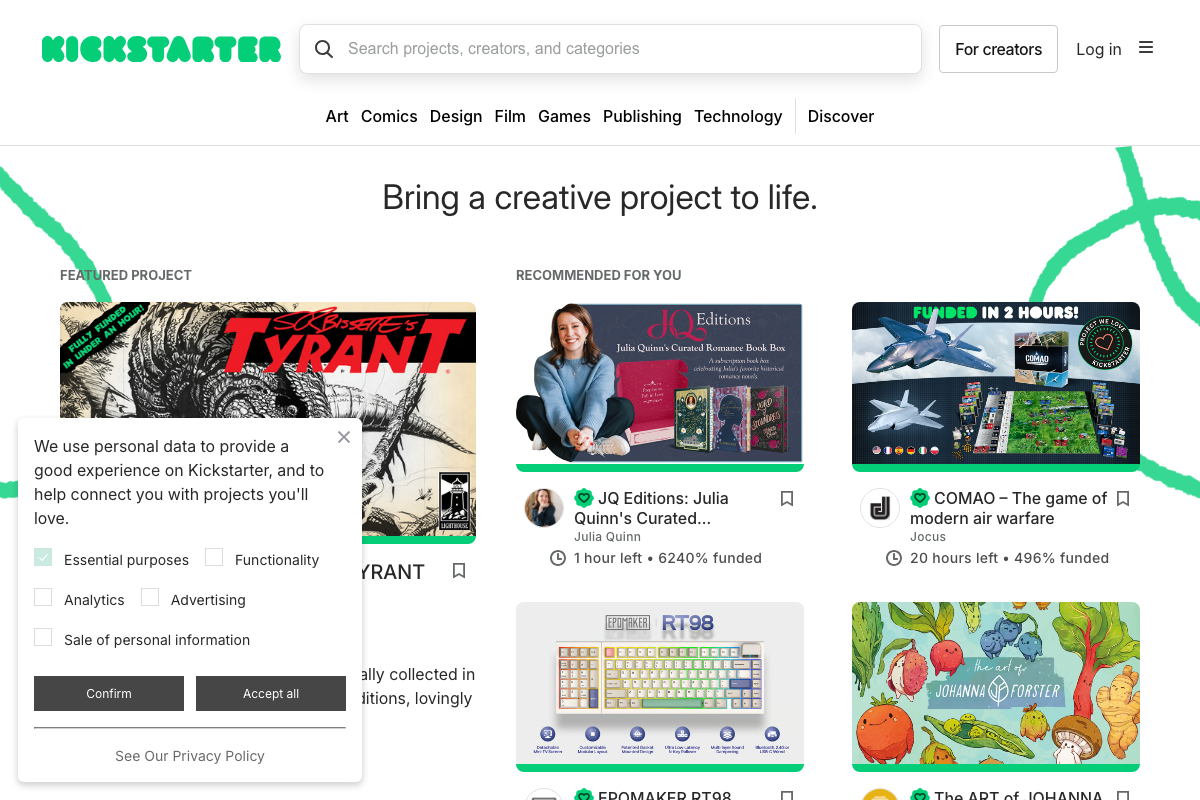
Kickstarter’s Technology category is active and accessible, confirming it remains a viable launchpad for hardware products. Funded campaigns visible on the homepage — one at 1,169% above goal, another at 222% — illustrate the demand-validation upside Flynn describes. The video’s approach here matches the current docs exactly.
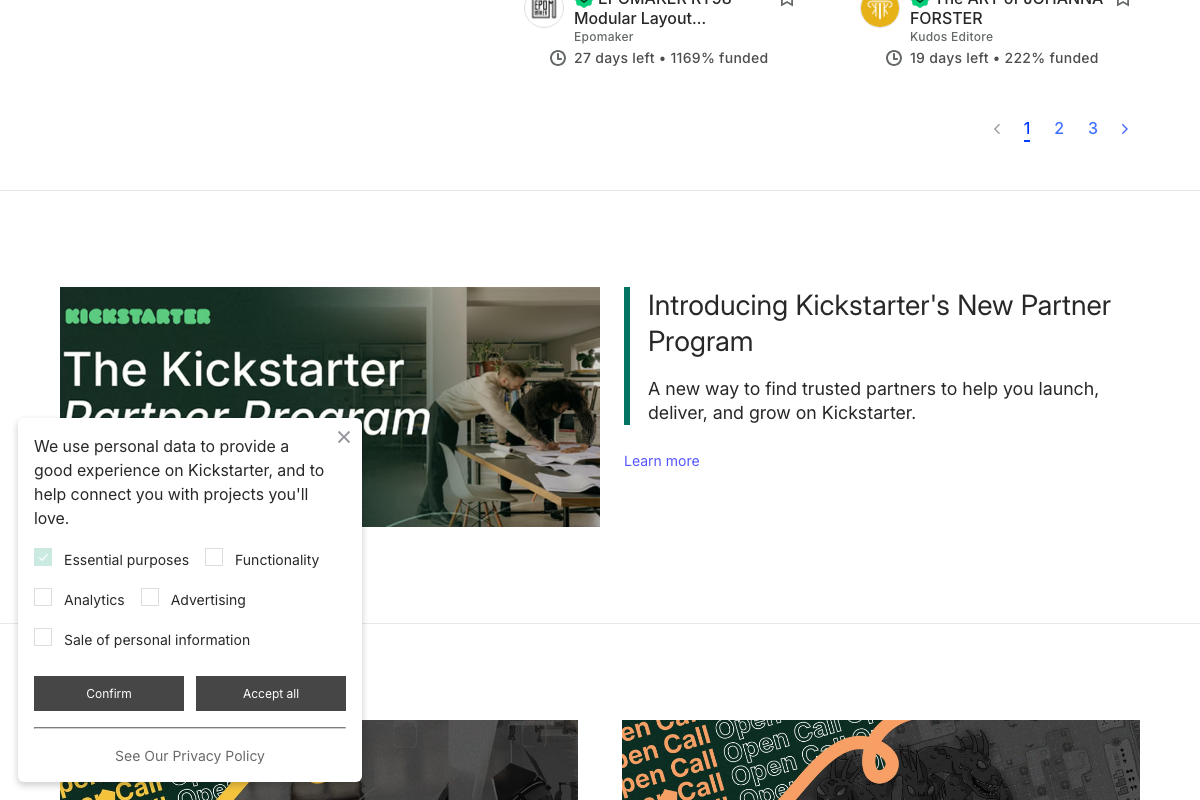
One current platform feature the tutorial does not mention: Kickstarter has introduced a New Partner Program, described on the homepage as “a new way to find trusted partners to help you launch, deliver, and grow on Kickstarter.” For first-time campaign creators without Flynn’s existing audience, it is worth evaluating before you set a live date.
Step 7: Build your primary DTC storefront on Shopify
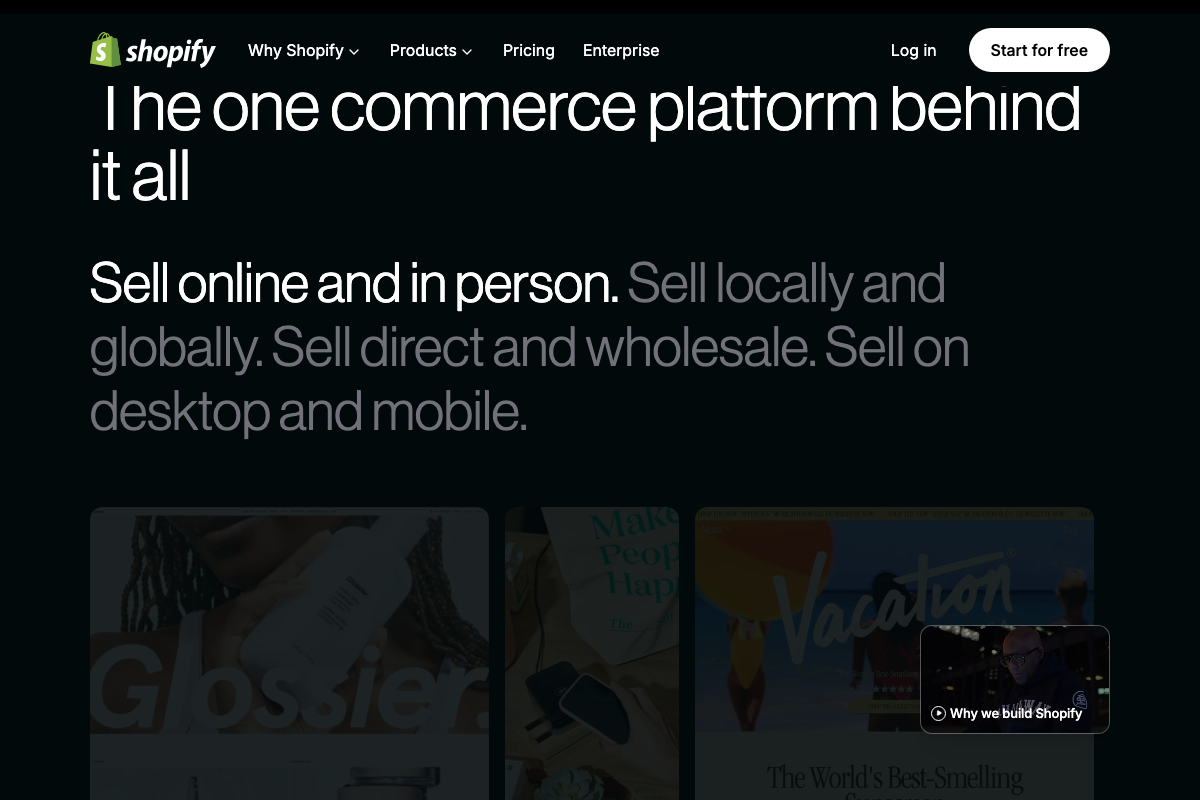
Shopify is live, free-trial accessible, and positioned explicitly as a multi-channel platform — online, in-person, local, global, direct, and wholesale. The video’s approach here matches the current docs exactly. One gap to fill: the tutorial does not specify which Shopify plan the Switch Pod storefront used. Plan selection affects transaction fees and feature access, and the navigation exposes a tiered structure that extends to an Enterprise tier — confirm the right fit before you build.
Steps 8–9: Affiliate plugin setup and accessory line expansion
No official documentation was found for these steps —
proceed using the video’s approach and verify independently.
Step 10: List on Amazon as a secondary channel
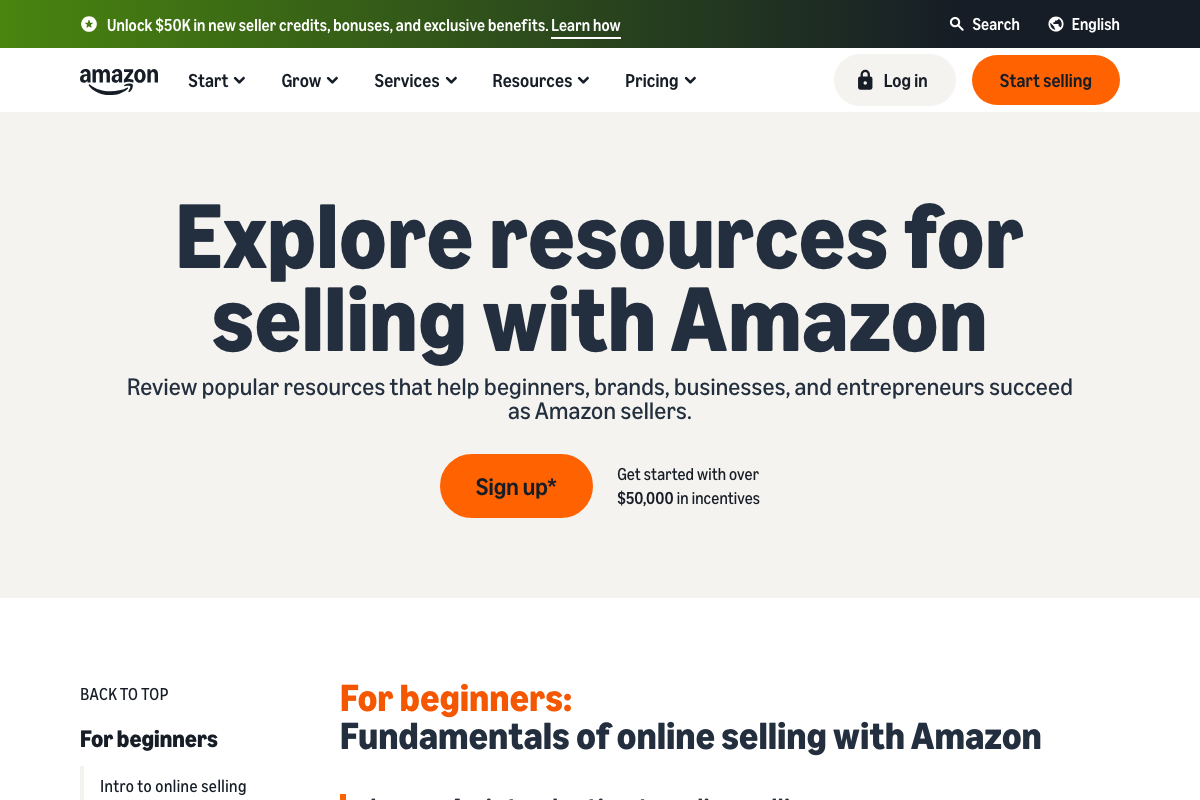
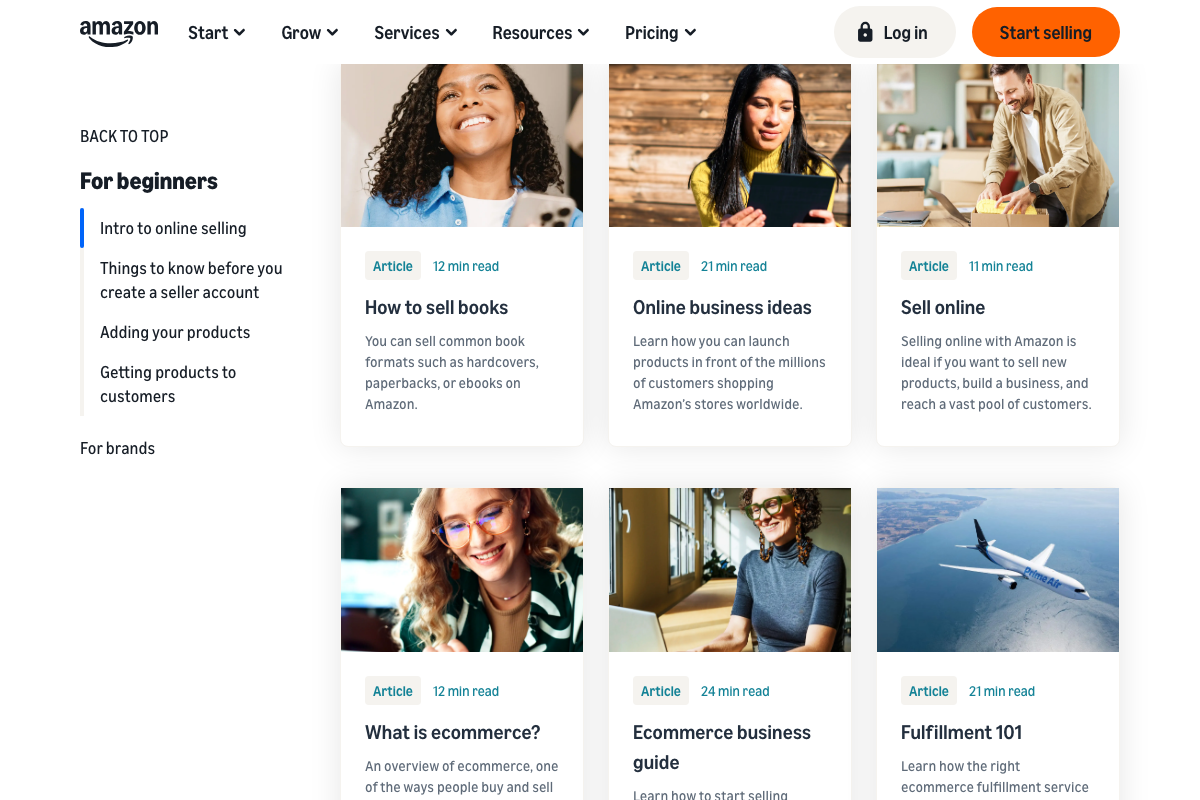
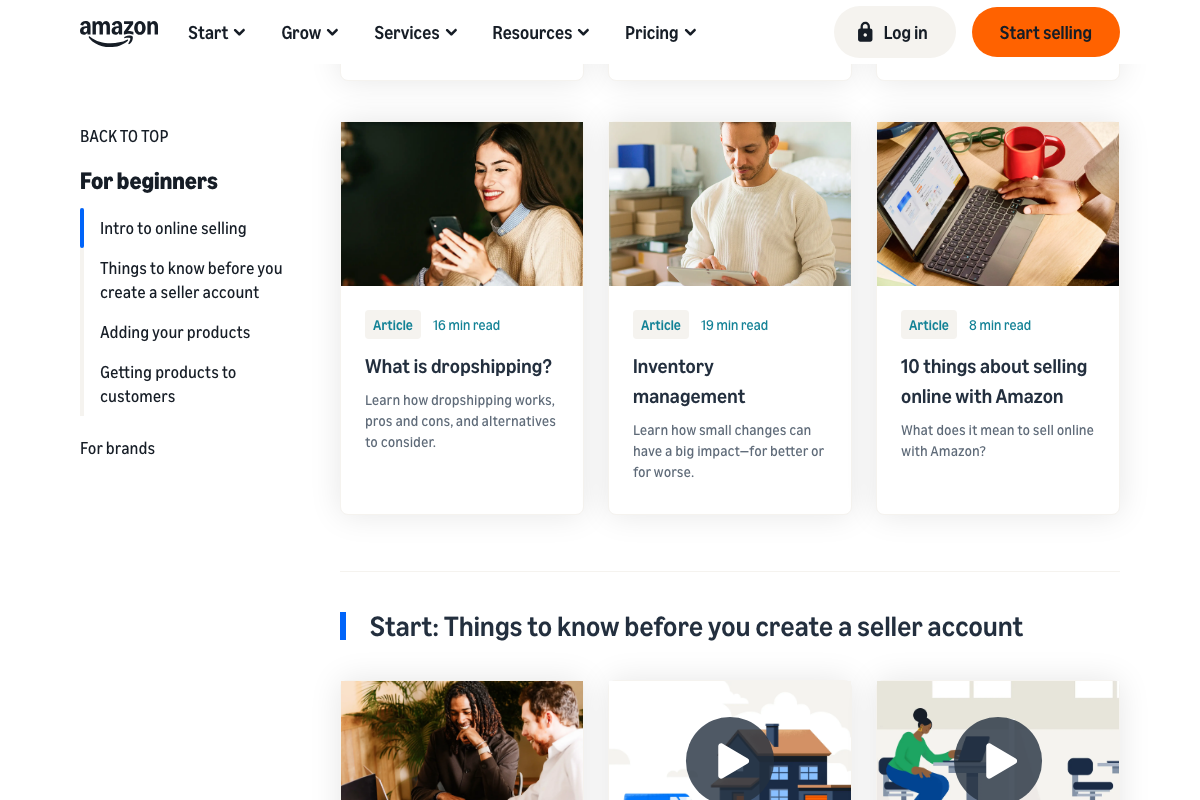
Amazon’s seller education portal confirms the platform is a structured, well-resourced channel. The video’s approach here matches the current docs exactly. Three additions are worth flagging before you execute.
First, Amazon’s current new-seller offer includes over $50,000 in incentives and credits — a financial detail the tutorial does not reference that may meaningfully improve the economics of adding Amazon as a secondary channel.
Second, Amazon’s dedicated Fulfillment 101 resource covers FBA and FBM as distinct models. The tutorial does not specify which the Switch Pod used, and the choice directly affects the margin-versus-email-capture tradeoff Flynn describes: FBA improves discoverability and logistics but compresses margin; FBM preserves margin but adds operational overhead.
Third, the strategy of driving external Shopify traffic to Amazon is not contradicted by Amazon’s documentation, but it is not a documented Amazon-endorsed approach either. Amazon’s visible seller resources emphasize platform-native discovery and listing optimization — not external traffic funnels.
Steps 11–13: Packaging investment, super-fan programs, and exit evaluation
No official documentation was found for these steps —
proceed using the video’s approach and verify independently.
Useful Links
- Kickstarter — Active crowdfunding platform homepage with project discovery, the Technology category, and the current New Partner Program announcement for campaign creators.
- Shopify: The All-in-One Commerce Platform for Businesses — Shopify’s public homepage confirming free-trial access, tiered plan structure, and multi-channel selling capabilities spanning DTC, wholesale, and in-person.
- Learn how to sell on Amazon — Amazon’s seller education portal covering beginner onboarding stages, Fulfillment 101 (FBA vs. FBM), inventory management, and the current $50,000+ new-seller incentive package.


0 Comments