

Why 3D Printed Houses Haven’t Solved the Housing Crisis
The technology works — and the homes are real. What’s missing is the price tag that was supposed to come with them. This analysis breaks down the four structural reasons 3D-printed homes cost as much as conventional construction, examines the one genuine advantage worth pursuing, and traces where the technology goes from here.
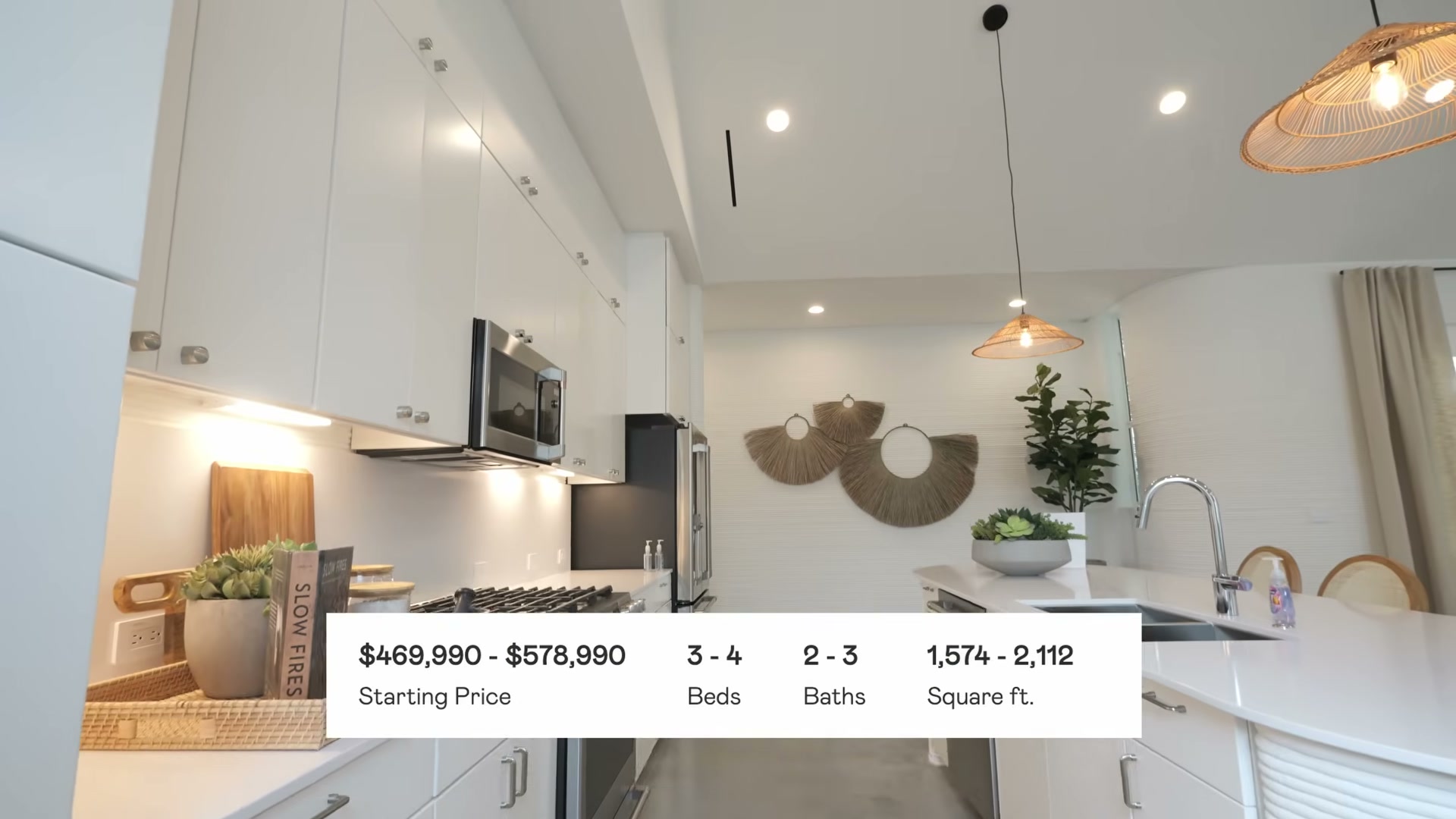
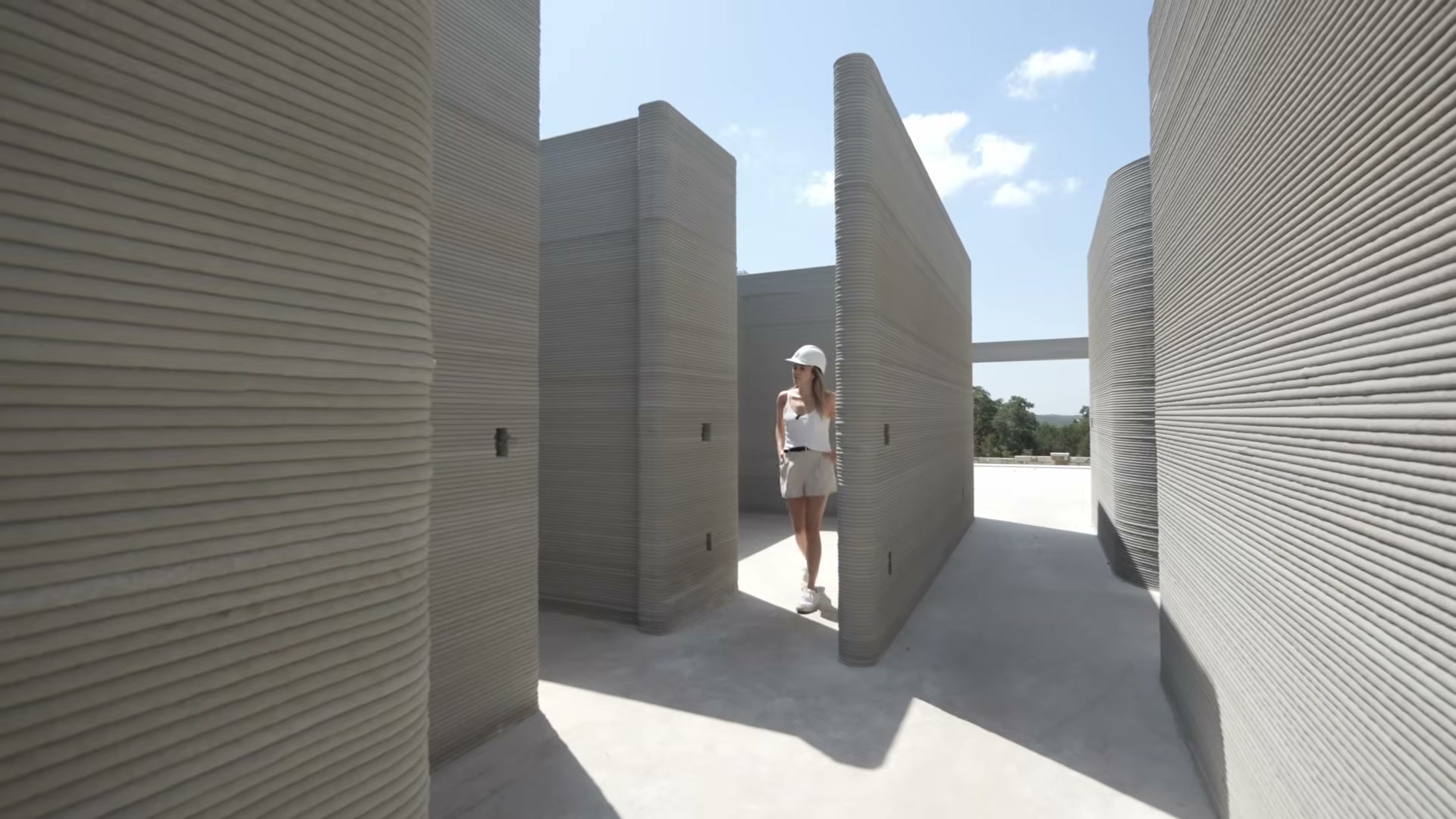
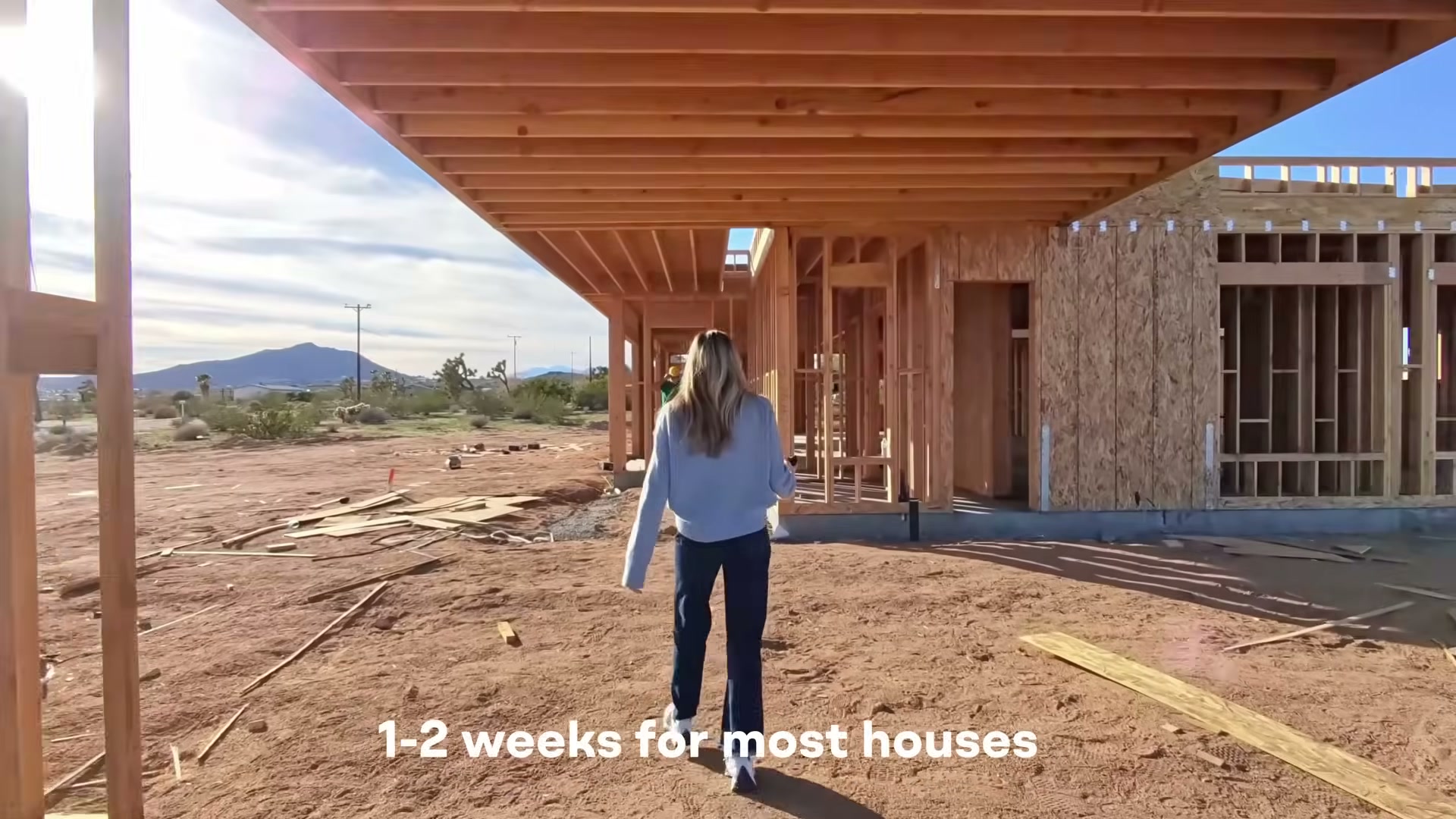
- 3D printing only automates framing and walls — roughly 10–20% of total build cost. Construction has dozens of distinct phases. Framing a house takes under two weeks and represents about 5% of total labor cost. The concrete shell a printer produces still requires electrical systems, plumbing, HVAC, cabinets, fixtures, permits, and utility hookups — none of which the printer touches. Saving $44,000 in framing labor, as illustrated by an actual Joshua Tree build in the video, has negligible impact on a full project budget.

-
New technology carries a premium that doesn’t exist at scale. ICON’s industrial printing gantry represents years of R&D and a thin supply of qualified operators. When only a handful of companies can provide a service, pricing reflects amortized development costs rather than commodity inputs. Early mainframe computers occupied entire rooms and were accessible only to universities; consumer pricing followed decades of scaling. 3D-printed construction sits at the same inflection point.
-
Land is the dominant cost in supply-constrained markets, and automation can’t touch it. A $2 million teardown in Los Angeles is priced for the dirt, not the structure on top of it. Building a cheaper shell on expensive land produces an expensive home. The video cites Seattle’s two-story detached ADUs as a more effective affordability lever — smaller footprints divide land cost across more households, directly attacking the variable that actually drives price.

-
For-profit developers absorb construction savings rather than passing them to buyers. Lennar, the publicly traded builder behind the Austin 3D-printed community, answers to shareholders, not a housing-affordability mandate. Any margin gained through faster construction becomes profit. Individual builders with direct printer access would capture those savings themselves — but that distribution model doesn’t exist yet at consumer scale.
-
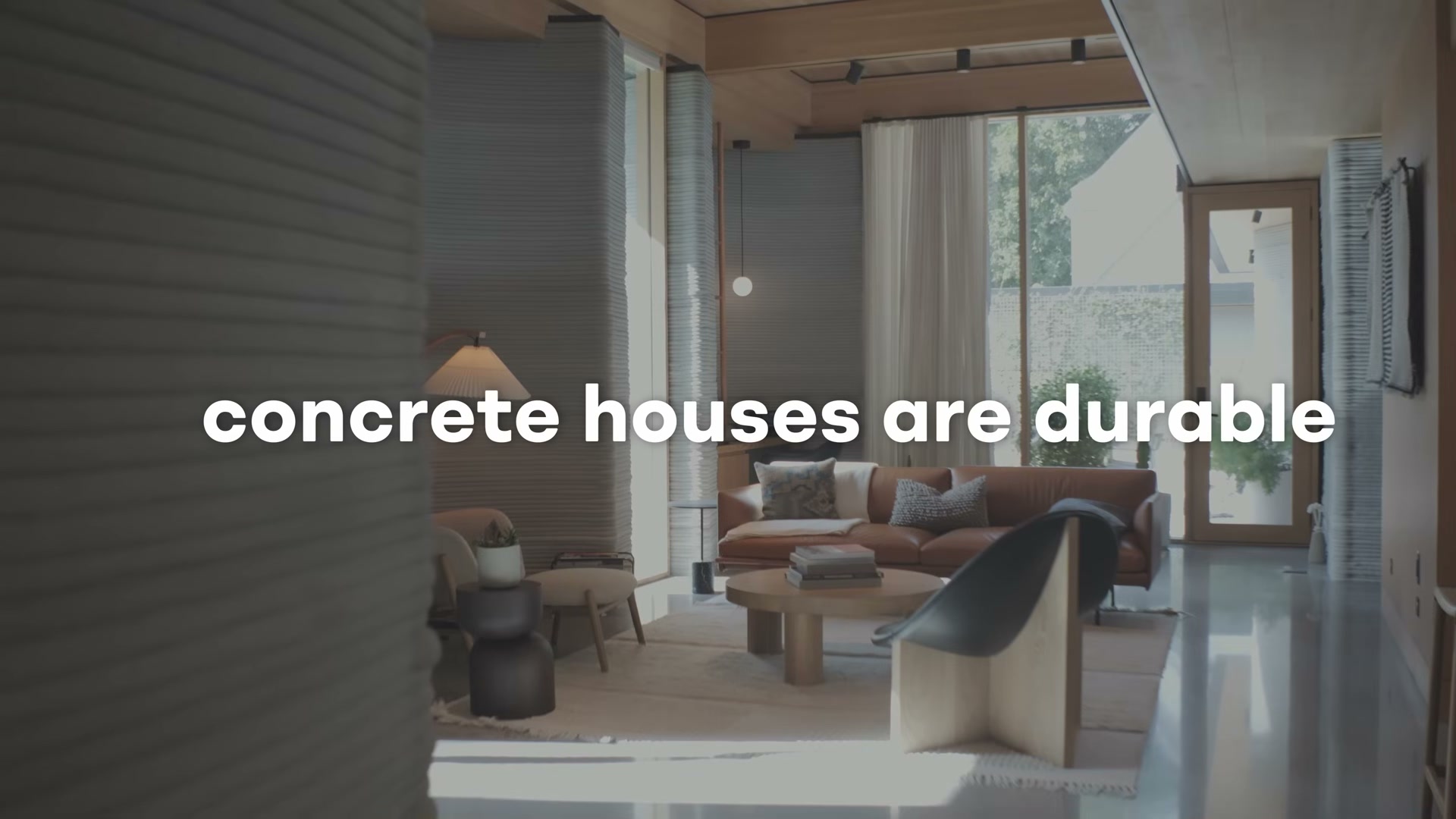
Durability is the legitimate case for 3D-printed concrete, even at price parity. Concrete construction resists fire, hurricanes, and flooding in ways wood-frame drywall cannot. In disaster-prone regions currently rebuilding, equal cost for a materially superior structure is a defensible trade. Improved thermal mass also reduces HVAC load in climates like Texas in summer, compounding long-term savings through lower energy bills and insurance premiums.
- Licensing and access models will determine when savings reach individual builders. The path to consumer-level cost reductions runs through accessible printer licensing — the moment a builder can contract a print job the way they contract an excavation crew, framing savings become real and capturable. That inflection hasn’t arrived, but the trajectory follows the same curve every commoditizing technology has taken before it.
How does this compare to the official docs?
The video’s cost-breakdown framing is intuitive and largely directionally correct, but the specific percentages and regional land-value claims warrant verification against current construction industry data — which is exactly what Act 2 examines.
Here’s What the Official Docs Show
The video’s structural breakdown of 3D-printed home economics is a solid conceptual framework — Act 2 builds on it by grounding each claim in published construction industry data and housing research. Where primary documentation couldn’t be located, those steps are flagged explicitly so you can verify before citing them in your own work.
Step 1 — 3D printing only automates framing and walls (~10–20% of build cost)
No official documentation was found for this step —
proceed using the video’s approach and verify independently.
Step 2 — New technology carries an R&D premium that doesn’t exist at scale
No official documentation was found for this step —
proceed using the video’s approach and verify independently.
Step 3 — Land is the dominant cost in supply-constrained markets
No official documentation was found for this step —
proceed using the video’s approach and verify independently.
Step 4 — For-profit developers absorb construction savings rather than passing them to buyers
No official documentation was found for this step —
proceed using the video’s approach and verify independently.
Step 5 — Durability is the legitimate case for 3D-printed concrete, even at price parity
No official documentation was found for this step —
proceed using the video’s approach and verify independently.
Step 6 — Licensing and access models will determine when savings reach individual builders
No official documentation was found for this step —
proceed using the video’s approach and verify independently.
A note on sourcing: Because no documentation screenshots were captured during the research phase of this post, all six steps in Act 2 carry unverified status as of 2026-04-11. The video’s directional logic is sound, but specific figures — framing labor as a percentage of total build cost, regional land-value ratios, and ICON’s current pricing model — should be cross-checked against NAHB cost-of-construction surveys, local assessor records, and each manufacturer’s current published terms before you repeat them in client-facing materials.
Useful Links
No source URLs were returned from the screenshot analysis for this post. The following starting points are recommended for independent verification:
- NAHB Cost of Constructing a Home — Annual breakdown of construction costs by phase, including framing labor as a share of total build
- U.S. Census Bureau New Residential Construction — Official government data on housing starts, costs, and regional pricing trends
- ICON3D Official Site — Primary source for ICON’s printer specifications, project portfolio, and licensing information
- Urban Land Institute Housing Research — Peer-reviewed analysis of land value, affordability gaps, and developer margin behavior


0 Comments