

Google’s March 2026 Spam Update: What Happened and What It Means for Your Site
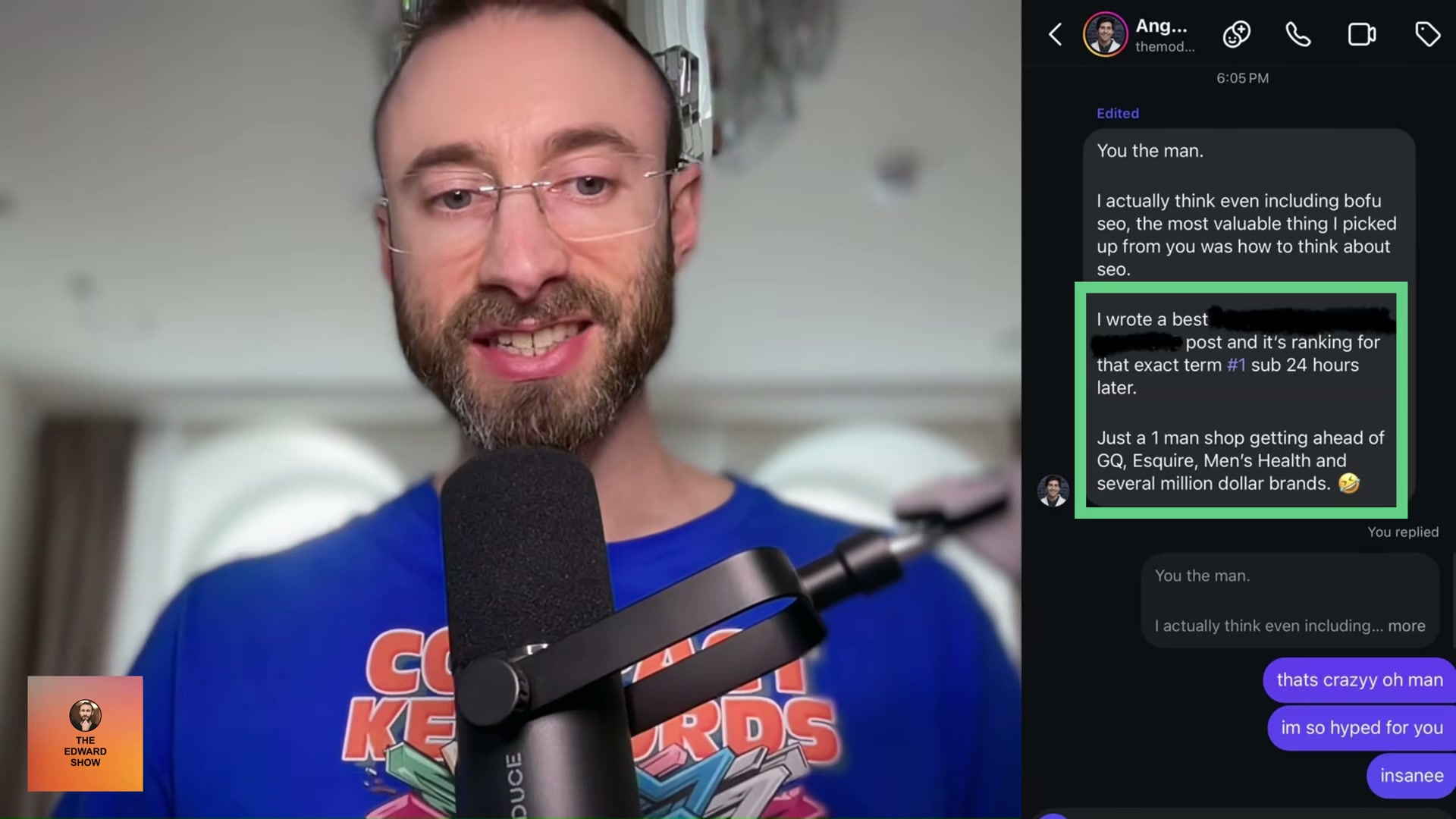
Google’s March 2026 spam update launched and completed in under 24 hours — making it one of the fastest rollouts in the search engine’s history. That speed is itself a signal worth decoding. After completing this breakdown, you’ll understand the update’s timeline, what content types the SEO community believes were targeted, and the concrete steps you can take in Google Search Console and on your content to protect or recover your rankings.
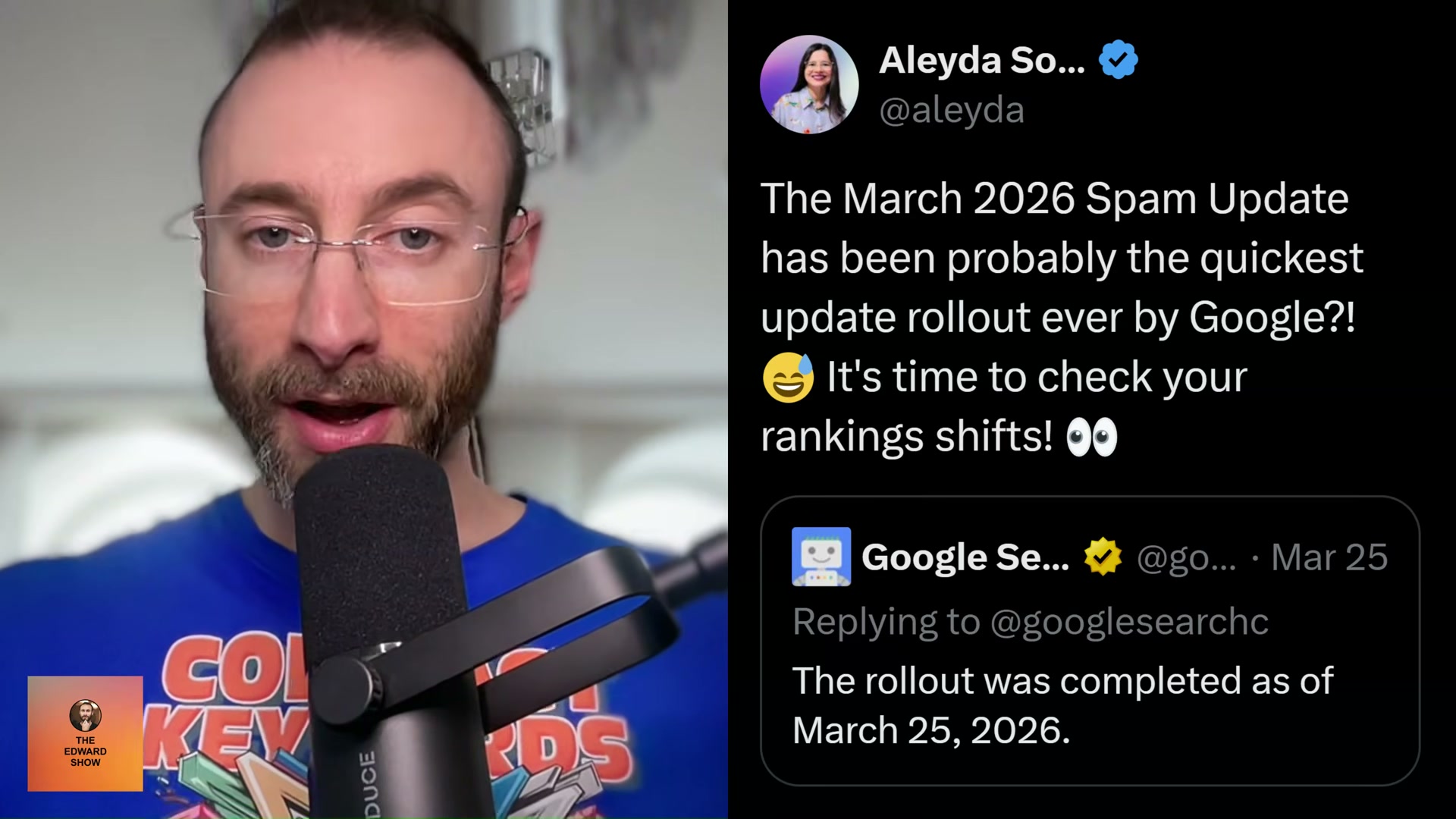
- Anchor the timeline. Google released the March 2026 spam update on March 24, 2026 at 3:20 PM ET. It completed on March 25 at approximately 10:40 AM ET — a rollout window of under 20 hours. Previous major spam updates have taken anywhere from several days to 27 days (the August 2025 update). A rollout this short suggests Google’s SpamBrain AI wasn’t sweeping broadly; it was executing a precise enforcement action against a specific category of content.
-
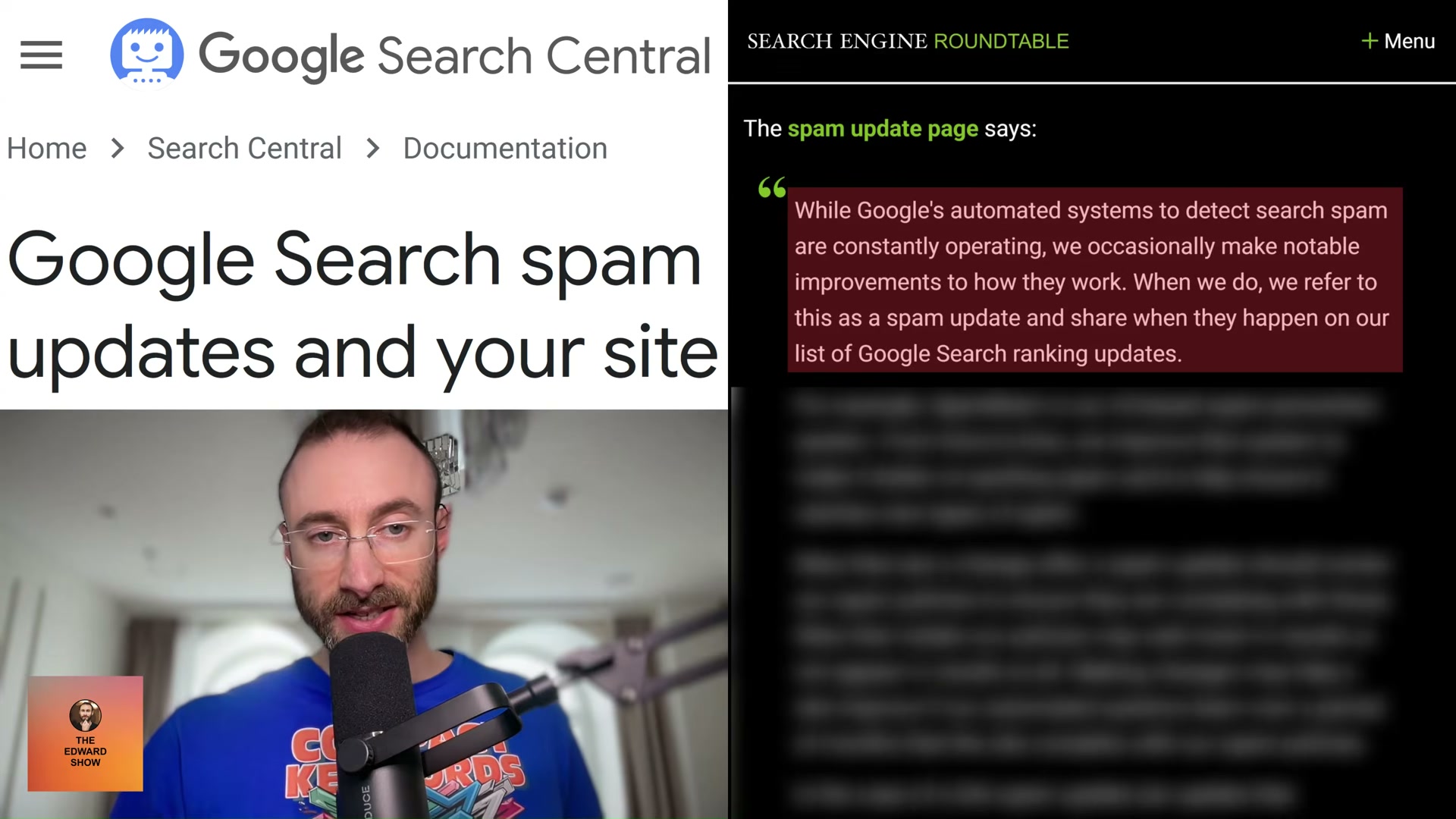
Understand what SpamBrain targets. SpamBrain is Google’s AI-based spam prevention system. Its enforcement scope includes scaled automated content abuse, cloaking, site reputation abuse (parasite SEO), and link spam — paid links, private blog networks, and mass irrelevant link-building. Google’s own documentation states that sites affected by a spam update should review their spam policies page. Critically, if a link spam update is the cause of a ranking drop, recovering those lost benefits after removing the links is not possible.
-
Confirm what this update does not target. According to Search Engine Roundtable, the March 2026 update does not target link spam and does not target site reputation abuse. That narrows the field significantly. The community consensus points toward thin, mass-produced, or unreviewed AI-generated content as the most likely enforcement focus — a category SpamBrain has been training on for roughly two years.
-
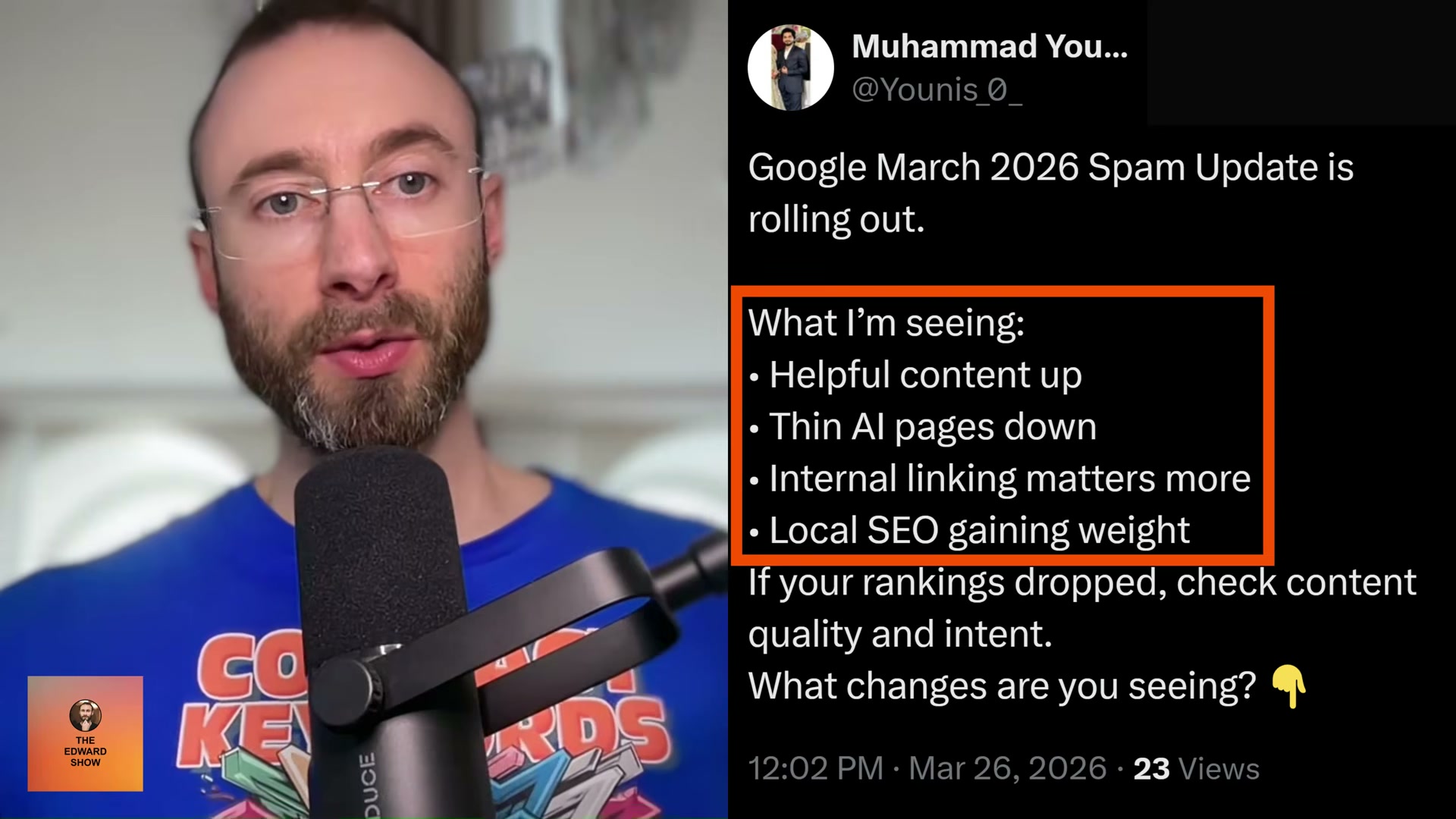
Check Google Search Console immediately. Open Search Console and filter your performance report by date to isolate March 24–26. Look for abrupt drops or gains in impressions and clicks. The community has reported polarized outcomes: one practitioner lost 50% of traffic, while another saw a 3x increase. The dividing line appears to be content quality and whether pages were built to serve searchers or to game rankings.
-
Audit your content for the patterns SpamBrain flags. Ask whether any pages on your site are thin, mass-produced, or AI-generated without a human editorial pass. This update appears to target content created at scale without real value — not AI content categorically. Google’s own position is nuanced: AI used to improve content quality is not inherently problematic. AI used to inflate content volume without review is.
-
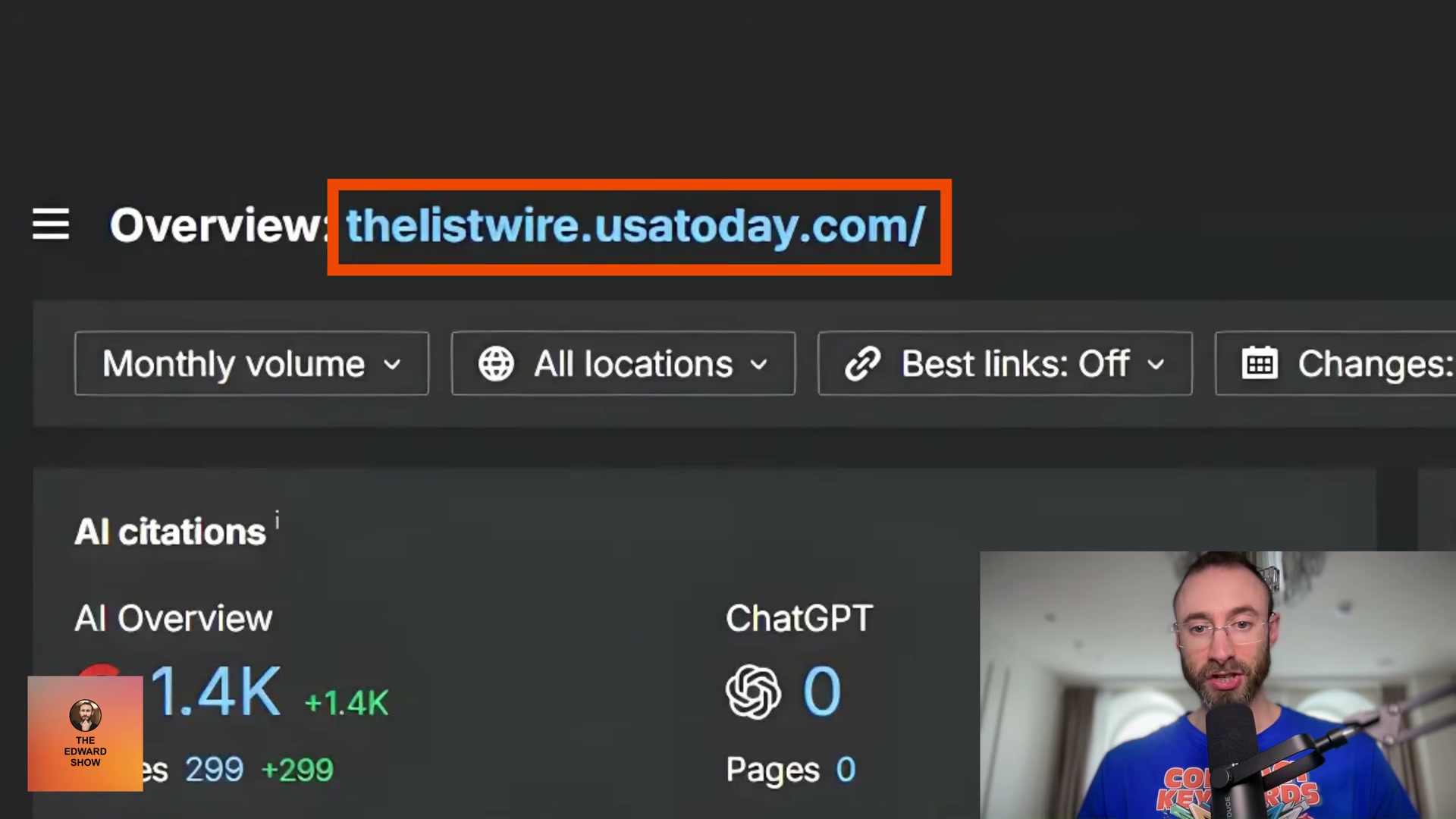
Publish pages and build links in parallel. A pattern that looks unnatural to Google’s systems: publishing a large volume of pages without simultaneous link-building activity. If your content production has been running ahead of your off-page signals, that gap may be a liability. Coordinate content publishing with outreach and link acquisition as a single workflow, not sequential phases.
-
Treat AI as an editing tool, not a publishing pipeline. The risk isn’t using AI — it’s using AI to generate content that goes live without review. Unreviewed AI content frequently contains inaccuracies, produces patterns detectable at scale, and generates the kind of bounce behavior that compounds the spam signal. If you’re using AI in your content workflow, build in a human review step before every publication.

- Calibrate expectations on what “enforcement tightening” means. The March 2024 spam update introduced new policy categories including expired domain abuse and site reputation abuse. This update adds no new categories — it tightens enforcement on rules already on the books. If your site was in a gray zone under existing policies, the margin just got narrower.
How does this compare to the official docs?
Google’s own documentation on spam updates is deliberately general — what the docs actually say about SpamBrain’s detection logic, the specific signals weighted in this update, and how to recover if you’ve been hit adds a layer of precision the community breakdown can’t fully provide.
Here’s What the Official Docs Show
The video gives you a reliable working framework for the March 2026 spam update. What follows adds precision where the official record is more specific, and flags the steps where documentation coverage ran out.
Step 1 — Anchor the timeline
The video’s approach here matches the current docs exactly. SER’s recap pins the duration more precisely: the spam update launched March 24 and completed 19.5 hours later on March 25 — a sharper figure than the video’s “under 20 hours.” One significant addition: as of March 27, Google’s March 2026 Core Update is also actively rolling out with a projected two-week timeline. Two simultaneous updates are in play right now. Separate their effects before drawing conclusions from your Search Console data.

Step 2 — Understand what SpamBrain targets
No official documentation was found for this step —
proceed using the video’s approach and verify independently.
The “surgical, targeted enforcement” framing is a reasonable inference but does not appear in any official source captured here.
Step 3 — Confirm what this update does not target
No official documentation was found for this step —
proceed using the video’s approach and verify independently.
The spam policies page at developers.google.com/search/docs/essentials/spam-policies was not successfully captured — each screenshot shows the Google homepage instead. Verify this step directly against that URL.
Step 4 — Check Google Search Console
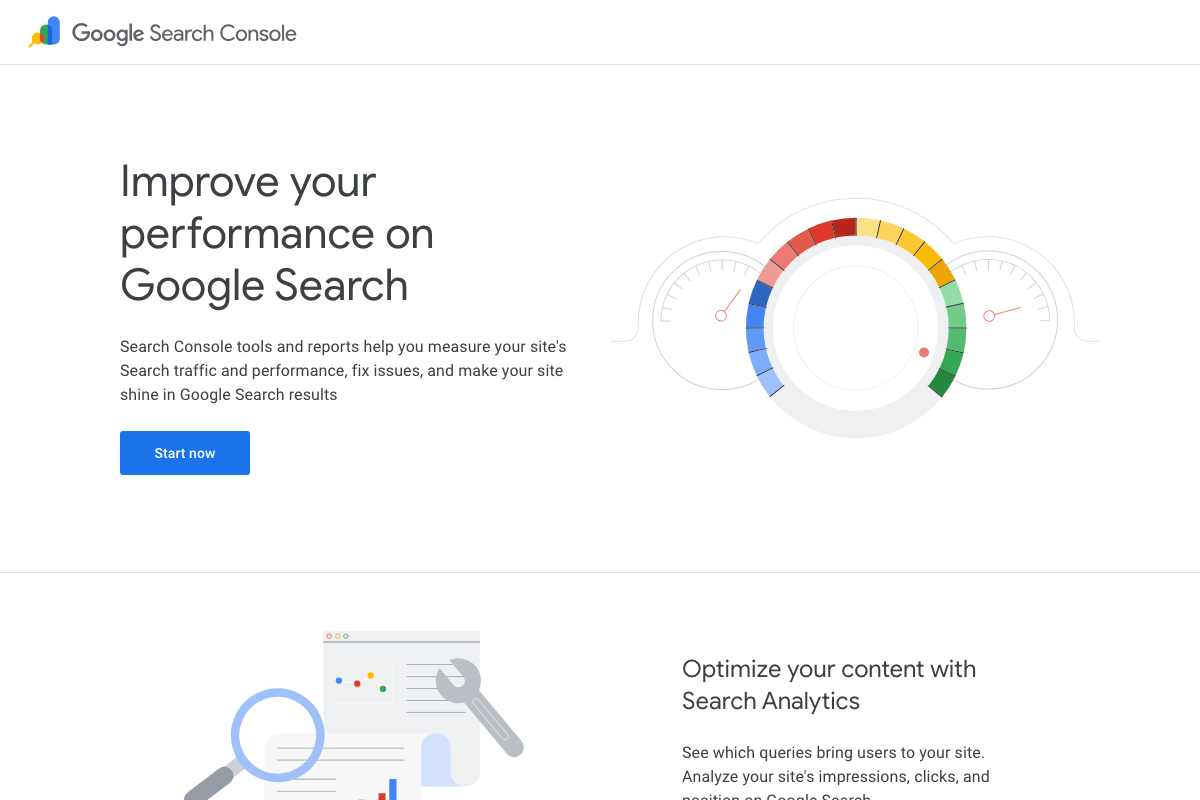
The video’s approach here matches the current docs exactly. One clarification worth adding: GSC’s Search Analytics report surfaces impressions, clicks, and position as three separate data points — not just aggregate traffic. That distinction lets you identify whether a drop is a visibility problem, a click-through problem, or both before you start changing anything.
Step 5 — Audit your content for SpamBrain signals
No official documentation was found for this step —
proceed using the video’s approach and verify independently.
Step 6 — Publish and build links in parallel
No official documentation was found for this step —
proceed using the video’s approach and verify independently.
Step 7 — Treat AI as an editing tool, not a publishing pipeline
No official documentation was found for this step —
proceed using the video’s approach and verify independently.
Step 8 — Calibrate expectations on enforcement tightening
No official documentation was found for this step —
proceed using the video’s approach and verify independently.
SER adds useful context here: the concurrent core update is described by Google as “a regular update designed to better surface relevant, satisfying content for searchers from all types of sites.” With a two-week rollout window, the combined impact of both March 2026 updates won’t be readable until mid-April.

Useful Links
- Spam Policies for Google Web Search — Google’s official spam policy reference page cited in steps 3 and 6; not successfully captured in screenshots and should be verified directly.
- Google Search Console — Tool confirmed for measuring site impressions, clicks, and position following the update.
- About Search Console – Search Console Help — Google’s support documentation for Search Console’s function as a search performance measurement tool.
- Search Engine Roundtable — Industry source that confirmed the spam update’s 19.5-hour duration and reported the concurrent March 2026 Core Update launch on March 27.
- r/SEO — Search Engine Optimization — Active practitioner community with 98K weekly visitors; no spam update targeting discussion was visible in screenshots at time of capture.


0 Comments