

5 Link Building Methods That Actually Work (Ranked)
The hardest part of link building isn’t knowing what to do — it’s finding links that make sense, getting real responses, and not burning weeks on tactics that go nowhere. This breakdown, sourced from a ranked post in r/linkbuilding, cuts through the vague advice and orders five methods by real-world effectiveness. Work through these and you’ll leave with a prioritized outreach playbook you can act on this week.
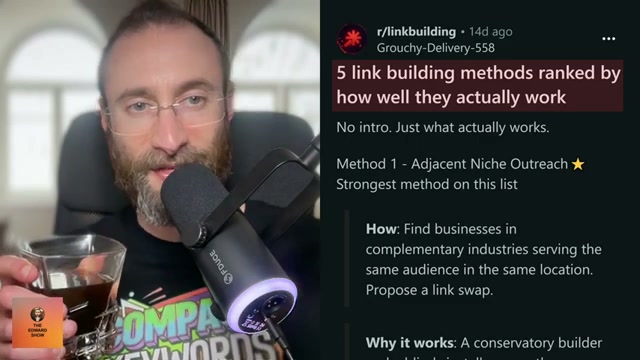
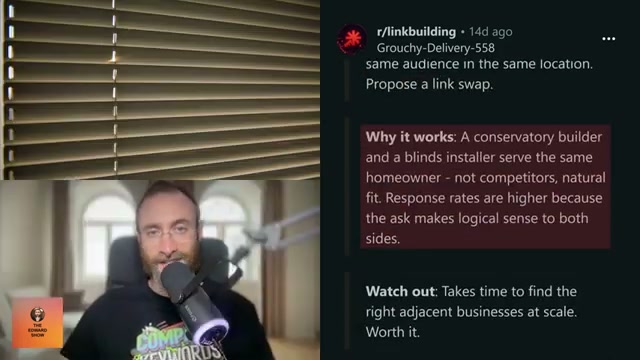
- Find businesses in complementary industries serving the same audience, then propose a link swap and feature them as a partner on your site. A roofing company and a gutter installer share the same homeowner. Neither competes with the other, so the ask makes logical sense to both sides — which is why response rates run higher than cold outreach. Keep it to a small, credible group you’d genuinely refer.
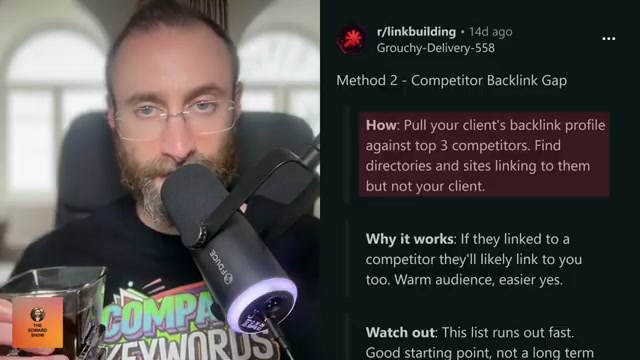
- Pull your backlink profile against your top three competitors, find every site that links to them but not to you, and get listed on those same properties. The underlying logic is straightforward: if a site linked to your competitor, the bar for linking to you is already low. Directories are the fastest wins. Treat this as a starting point — the list depletes quickly and won’t sustain a long-term campaign on its own.
- Search
[niche] blogand[niche] "write for us"on Google, contact the top-ranking editors about publishing a guest article with a contextual link, and verify the target site has stable or growing organic traffic before committing to a placement. Sites where traffic is declining, or where nearly every article is a guest post, are likely link farms — and a placement there does more harm than good. Most editors won’t respond, but the ones who do represent genuine editorial authority.
![Find guest post targets instantly: search [niche]](https://marketingagent.blog/wp-content/uploads/2026/06/frame_0009-1.jpg)
Warning: this step may differ from current official documentation — see the verified version below.
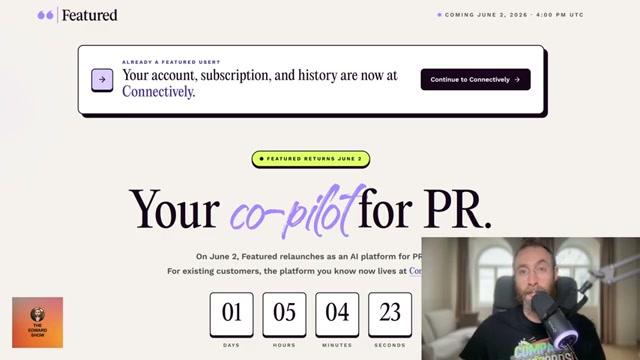
- Extend your outreach to journalists as a higher-leverage variation of niche blog outreach. Use ChatGPT prompts to develop story angles, find journalist contact information, and draft pitches. Connectively (formerly Featured.com) surfaces journalists in your niche alongside the questions they are actively researching, letting you pitch into existing demand rather than cold.
- Ask your client for a list of suppliers, subcontractors, trade associations, and partners, then reach out requesting a feature, mention, or customer story placement. These are one-way links — no reciprocal link required. A commercial HVAC company featured in a building management vendor’s customer story earns a placement Google treats as exactly what it is: a real business relationship.
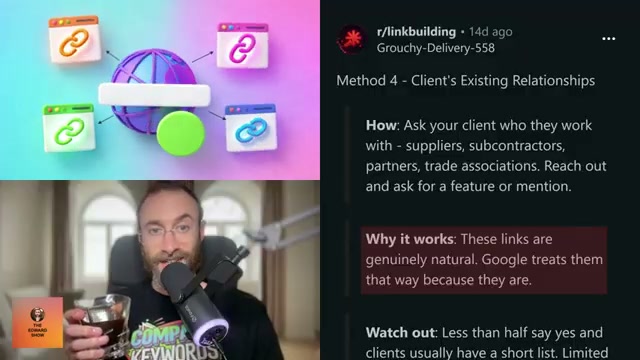
- If you run an SEO agency, build relationships with peer agencies and arrange link swaps across each other’s client portfolios. Both sides benefit, placements land in relevant contexts, and no client has to reciprocate directly to the other agency. The only friction: this requires actively cultivating agency relationships — it rarely surfaces without deliberate effort.

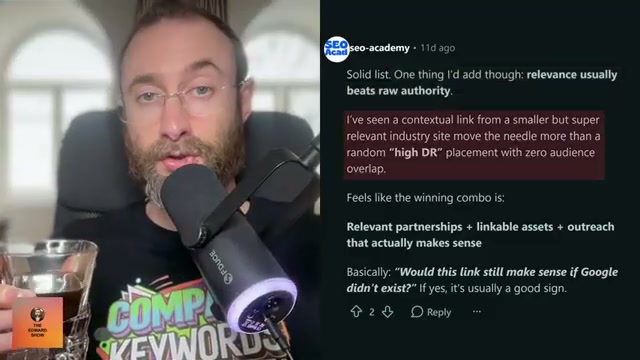
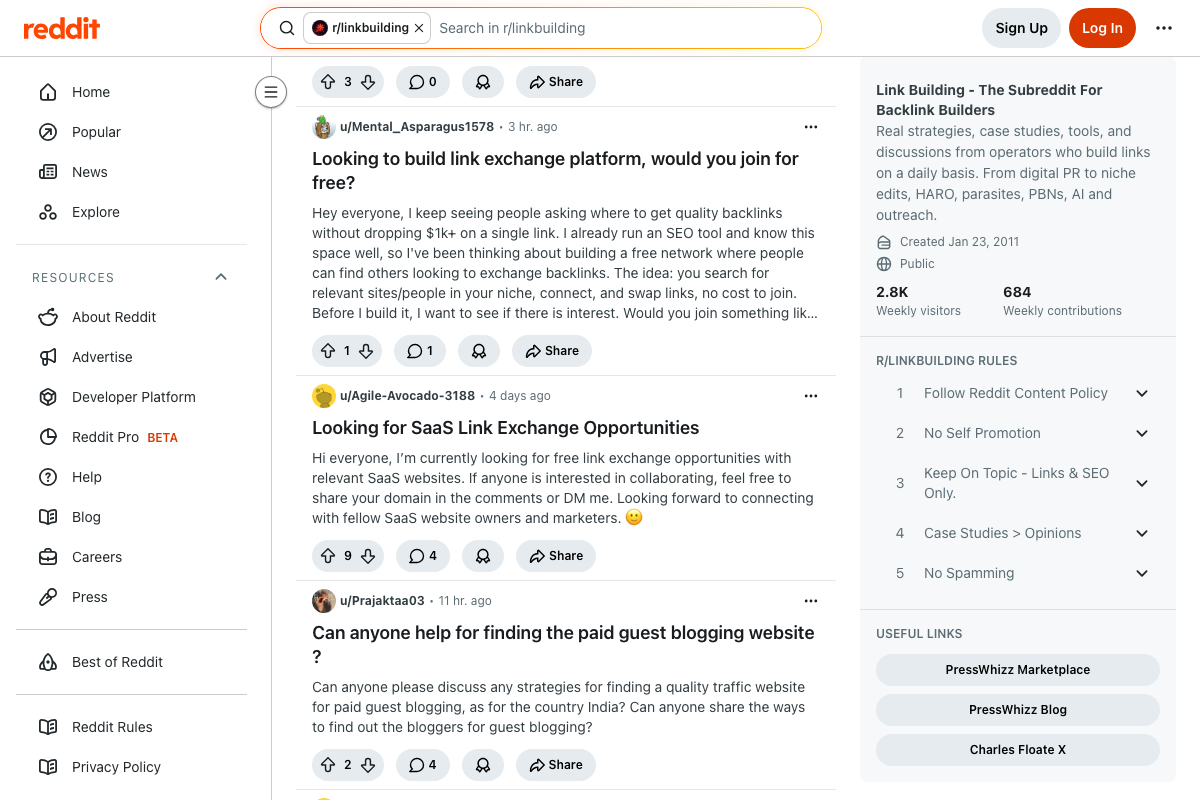
A commenter on the original Reddit post adds the sharpest lens of all: relevance beats raw domain authority, and the winning combination is relevant partnerships plus linkable assets plus outreach that actually makes sense. The diagnostic question worth applying to every prospective link: Would this still make sense if Google didn’t exist?
How does this compare to the official docs?
The methods above reflect practitioner experience shared in a community forum — Act 2 checks each tactic against Google’s published guidance on link schemes and quality link acquisition to identify where the real-world advice holds up and where it diverges.
Here’s What the Official Docs Show
Act 1 gives you a solid practitioner playbook sourced from r/linkbuilding; Act 2 layers in what the referenced platforms actually show today, so you can execute each method with current information. A few steps couldn’t be verified from available documentation — those are flagged clearly so you know where to rely on the video alone.
Method 1 — Adjacent Niche Outreach
No official documentation was found for this step — proceed using the video’s approach and verify independently.

Method 2 — Competitor Backlink Gap Analysis
No official documentation was found for this step — proceed using the video’s approach and verify independently.
Method 3 — Guest Post Outreach via Google
The video’s approach here matches the current docs exactly. Google Search remains the right tool for surfacing guest post targets with [niche] blog and [niche] "write for us" queries. One addition worth flagging: as of June 2026, Google’s homepage includes an AI Mode button not present when this tutorial was recorded. For the operator queries described here, use the standard search bar — AI Mode returns synthesized answers rather than a traditional results list, which will obscure the editorial sites you’re trying to find.

Method 4 — Journalist Outreach via ChatGPT and Connectively
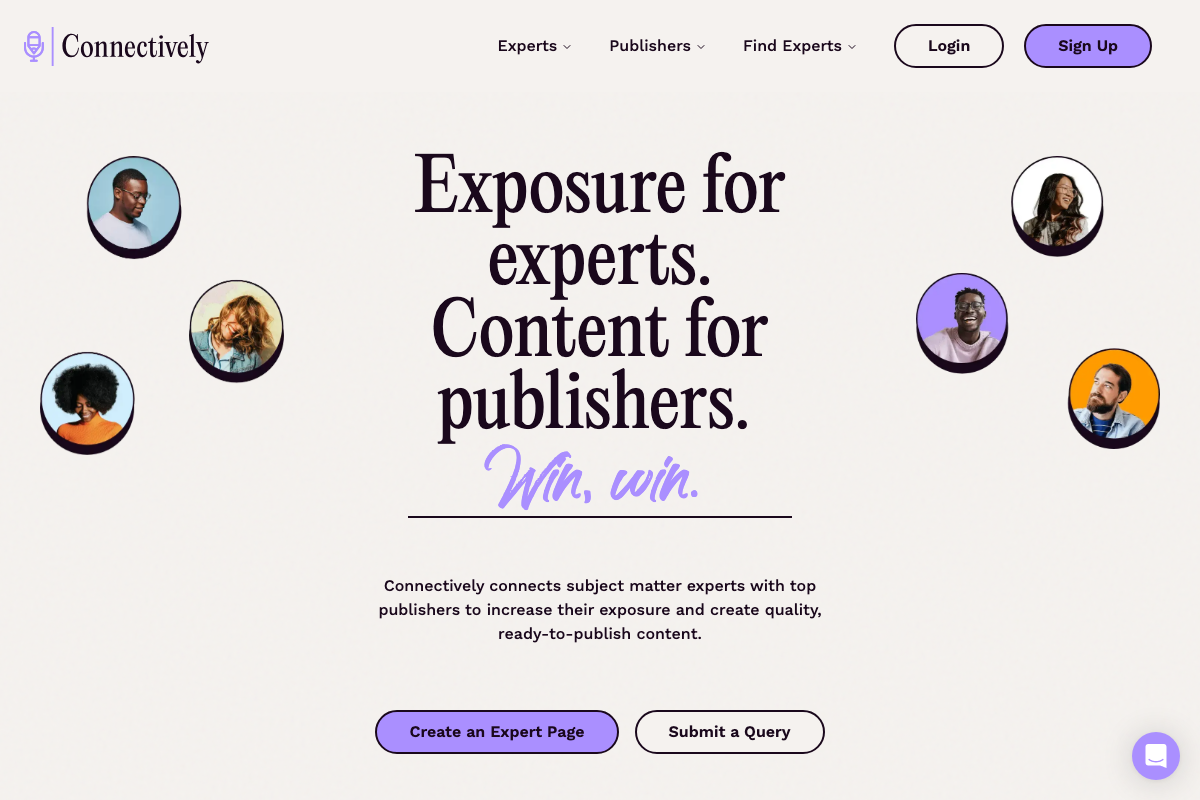
The video’s approach here matches the current docs exactly for Connectively. The platform is live at connectively.us, and its “Experts answer publisher questions” function maps directly to the journalist-query workflow the tutorial describes. One clarification: the tutorial refers to the platform as “formerly Feature.com,” but no such branding appears anywhere on the live site — the platform presents itself only as Connectively. Publisher partners confirmed on the site include Forbes, Fortune, Fast Company, Inc., and The Business Journals; if you’re targeting niche trade outlets, you’ll need to filter within the platform beyond what the homepage shows.
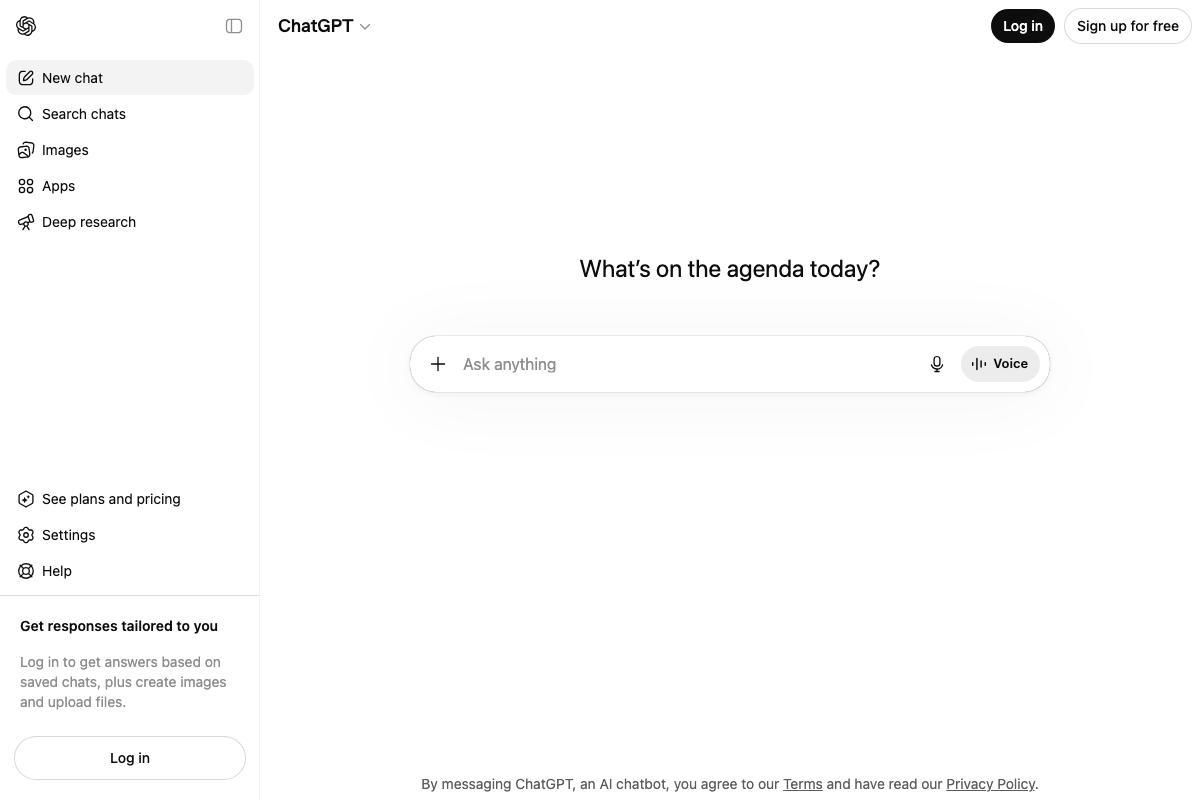
For ChatGPT, the platform is accessible at chatgpt.com. The journalist outreach prompts are not pre-loaded — you author those yourself. A Deep Research sidebar feature is now present that the tutorial doesn’t reference; it can support angle development for pitches targeting major outlets.

Method 5 — Client’s Existing Relationships
No official documentation was found for this step — proceed using the video’s approach and verify independently.
Method 6 — Agency-to-Agency Link Swaps
No official documentation was found for this step — proceed using the video’s approach and verify independently.
Useful Links
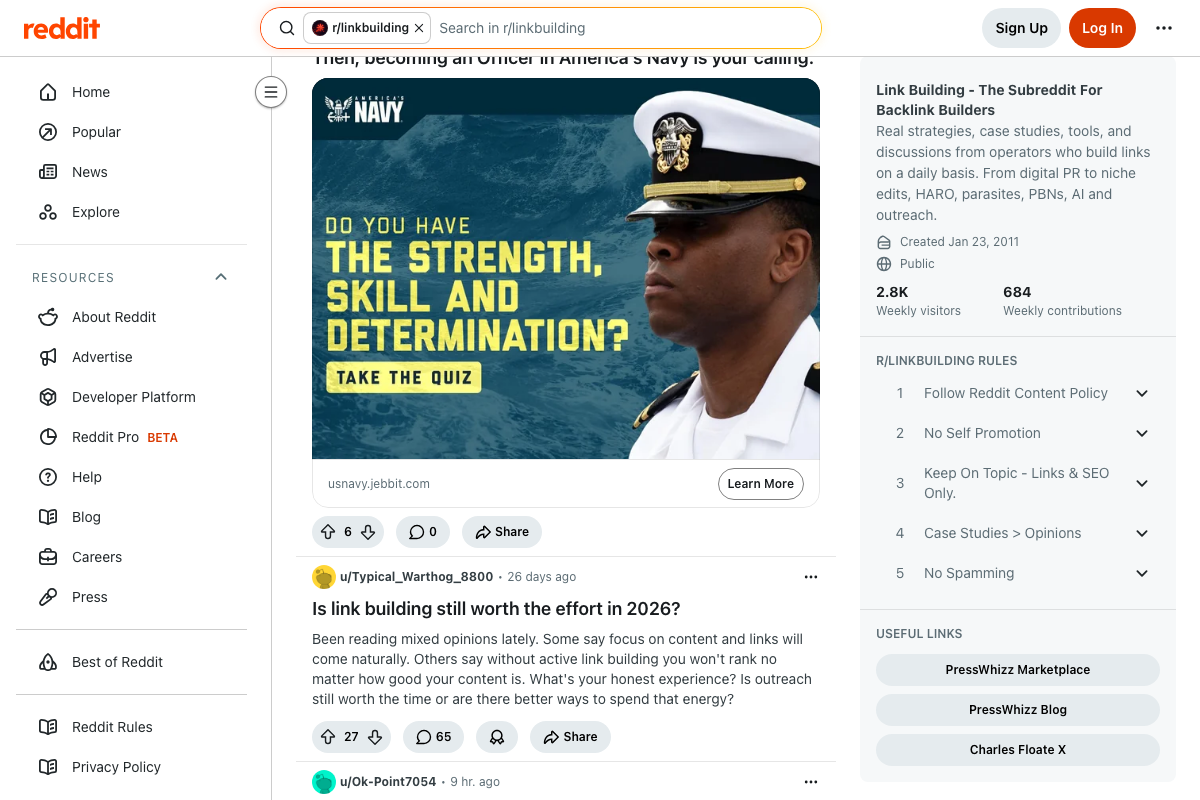
- Link Building – The Subreddit For Backlink Builders — The active practitioner community that sourced the five methods ranked in this tutorial, with ongoing discussion on link exchange, outreach, and the current ROI debate.
- Connectively: Connecting Publishers with Subject Matter Experts — The journalist-query platform referenced in Method 4 for surfacing active editorial opportunities across 1,000+ publisher partners including Forbes and Fast Company.
- ChatGPT — The AI interface the tutorial directs users to for developing journalist story angles and drafting outreach pitches in Method 4.
- Google — The search engine used in Method 3 for discovering guest post targets via
[niche] blogand[niche] "write for us"operator queries.


0 Comments