

How AI Companies Are Manufacturing Fear — And What Marketers Can Learn From It
A Wired investigation revealed that a dark-money super PAC had been paying lifestyle influencers $5,000 per video to deliver scripted anti-China AI talking points — with explicit instructions to hide who was funding it. After completing this tutorial, you’ll be able to identify manufactured urgency campaigns in the wild, trace the financial architecture behind them, and apply the ethical core of those same persuasion mechanics to your own marketing.
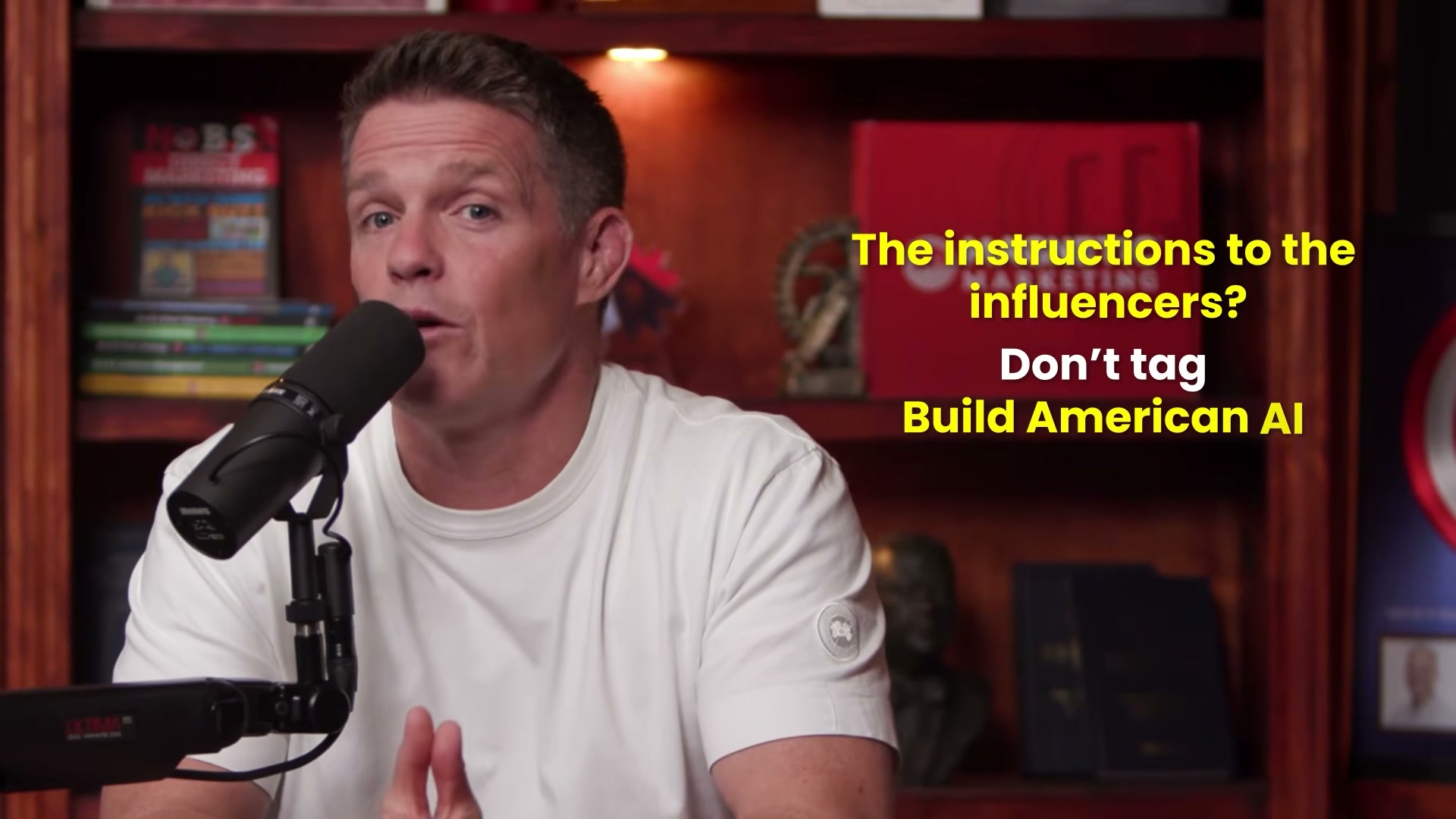
- Identify the surface-level campaign. Build American AI, a dark-money nonprofit connected to the Leading the Future super PAC, hired influencer agencies to run a two-phase TikTok and Instagram operation. Phase one seeded American innovation sentiment through lifestyle content. Phase two paid creators up to $5,000 per video to deliver scripted talking points about China’s AI rise threatening American families — with explicit instructions not to disclose the funding source.

- Trace the money upstream. The influencer agencies report to Build American AI, which connects to Leading the Future — a super PAC launched in 2025 with over $140 million funded by executives from OpenAI, Palantir, Andreessen Horowitz, and Perplexity. The companies funding the fear campaign are the same companies that win government contracts when the public demands a response to that fear.
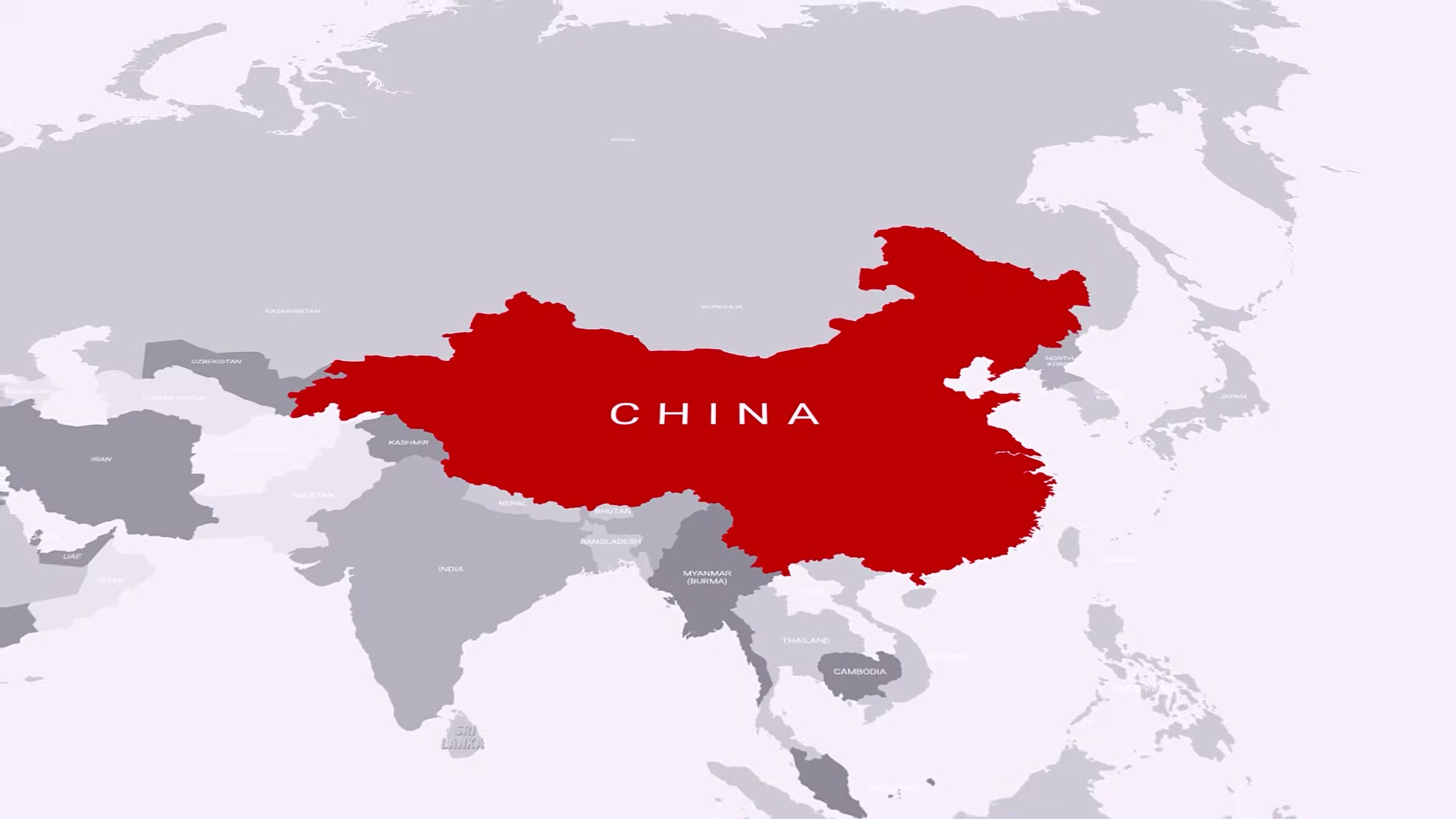
- Decode the two core belief installs. Before individual messages land, an audience must hold two foundational beliefs: (1) AI is inevitable — you can’t slow it down, only choose a side; and (2) if America slows down, China wins your data, your job, and democracy itself. Once both beliefs are active, no single piece of content needs to prove anything. The frame does the work.
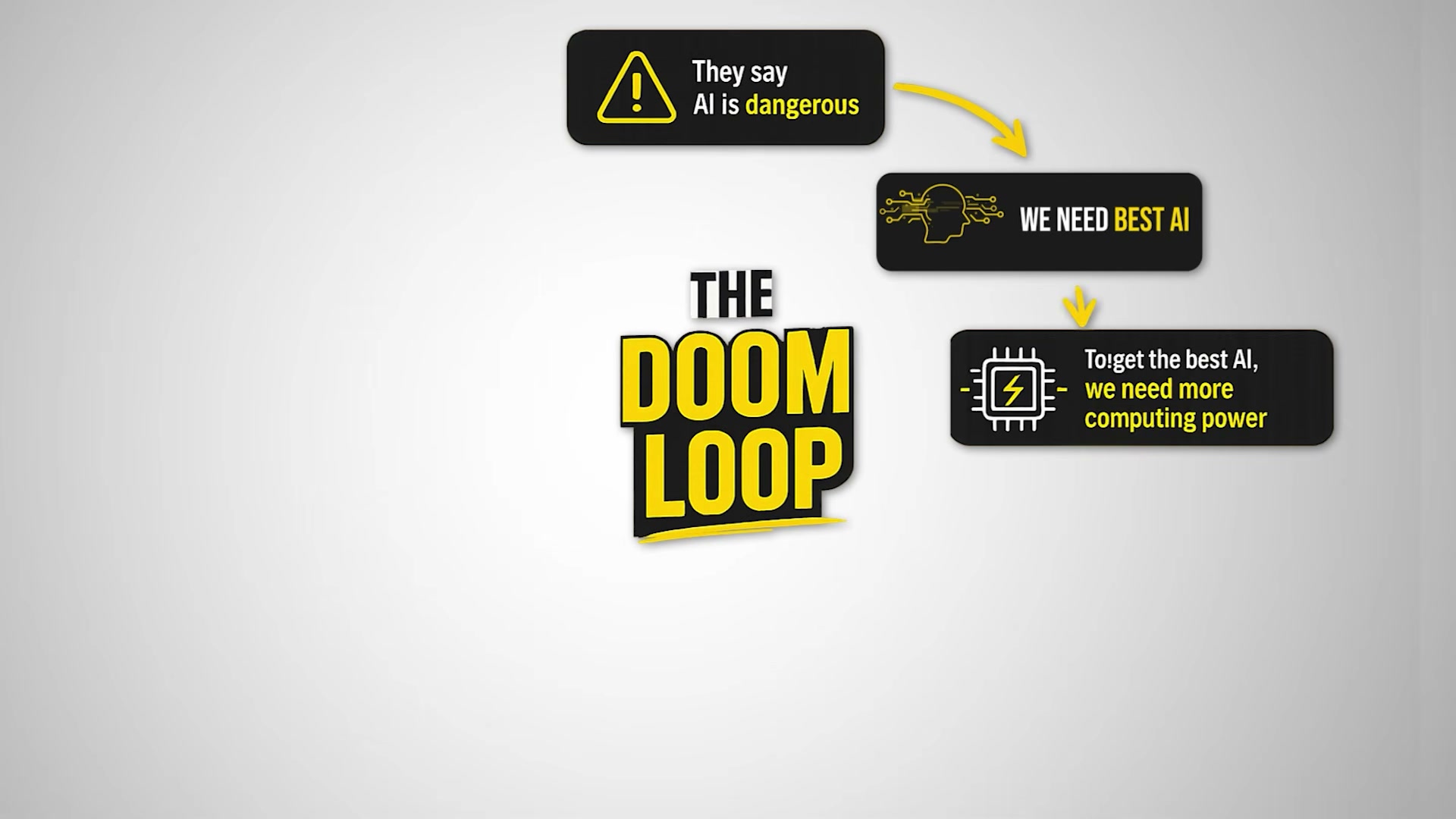
- Map the doom loop. The logic self-reinforces: AI is dangerous → we need the best AI → best AI requires more compute → compute requires data centers → data centers require urgency → urgency requires China → anyone questioning it helps the enemy. Fear creates urgency, urgency creates permission, permission creates money — in this case, $500 billion for the Stargate data center project, announced at the White House with explicit national security framing.
- Apply the Cold War missile gap parallel. After Sputnik in 1957, defense contractors promoted the claim that the Soviets held a decisive ICBM advantage. Kennedy ran on closing the gap and won the presidency partly on that message. Once briefed on classified intelligence, he found America was already significantly ahead — the gap had been manufactured by contractors who needed it to exist, amplified by politicians who profited from fear, and insulated from scrutiny by branding skepticism as unpatriotic. The belief architecture is structurally identical to the current AI campaign.

- Distinguish real competition from engineered urgency. China is investing heavily in AI, including military and surveillance applications — these are legitimate concerns. The distinction that matters is between a genuine national security conversation and a sales campaign using national security as its wrapper, particularly when the funders hold direct financial stakes in the government response.
-
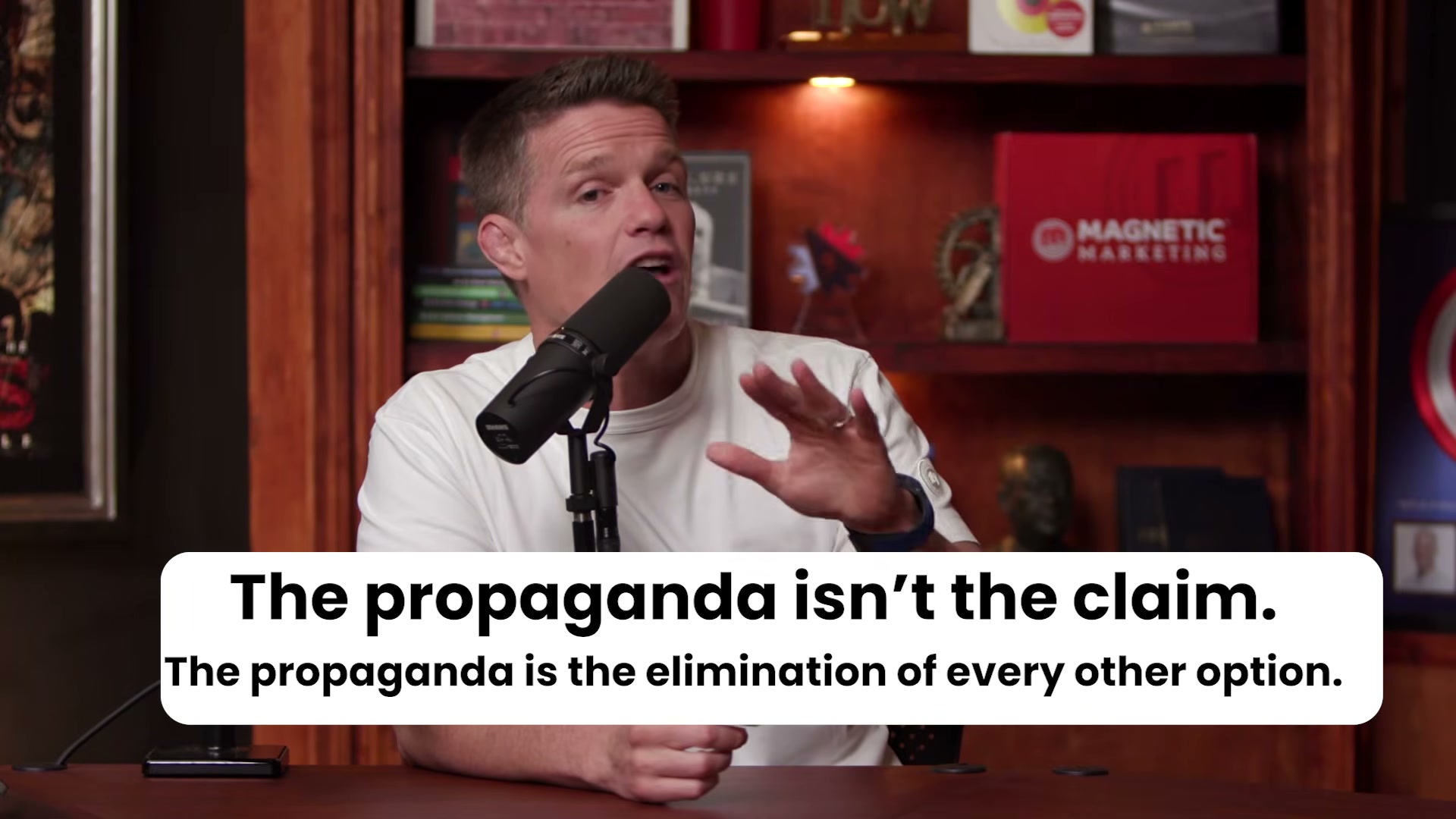
Apply manufactured inevitability to your own marketing. Binary framing collapses the option set to two choices, both of which serve the framer. It works at every scale — presidential campaigns, course launches, software subscriptions. The technique’s power is not in any individual claim but in the elimination of every alternative.
-
Run the disclosure test before deploying urgency. If your audience knew exactly how and why you created a given pressure — the mechanics, the financial incentive, the scripted brief — would they still respect you? Ethical urgency survives full transparency. Manufactured fear doesn’t.
How does this compare to the official docs?
The persuasion principles Brunson identifies are grounded in documented reporting, but the FTC’s current endorsement and disclosure rules create a more specific legal picture of what the influencers in this campaign were required to do — and what the verified guidance says about sponsored content obligations that the briefing materials appear to have deliberately circumvented.
Here’s What the Official Docs Show
The video’s breakdown of the AI super PAC campaign is detailed and reported — the documentation available can verify the platform infrastructure, add structural context on political advocacy disclosures, and flag clearly where independent verification is still needed. Think of what follows as the receipt-checking layer, not a second opinion on the argument itself.
Step 1: Identify the surface-level campaign.
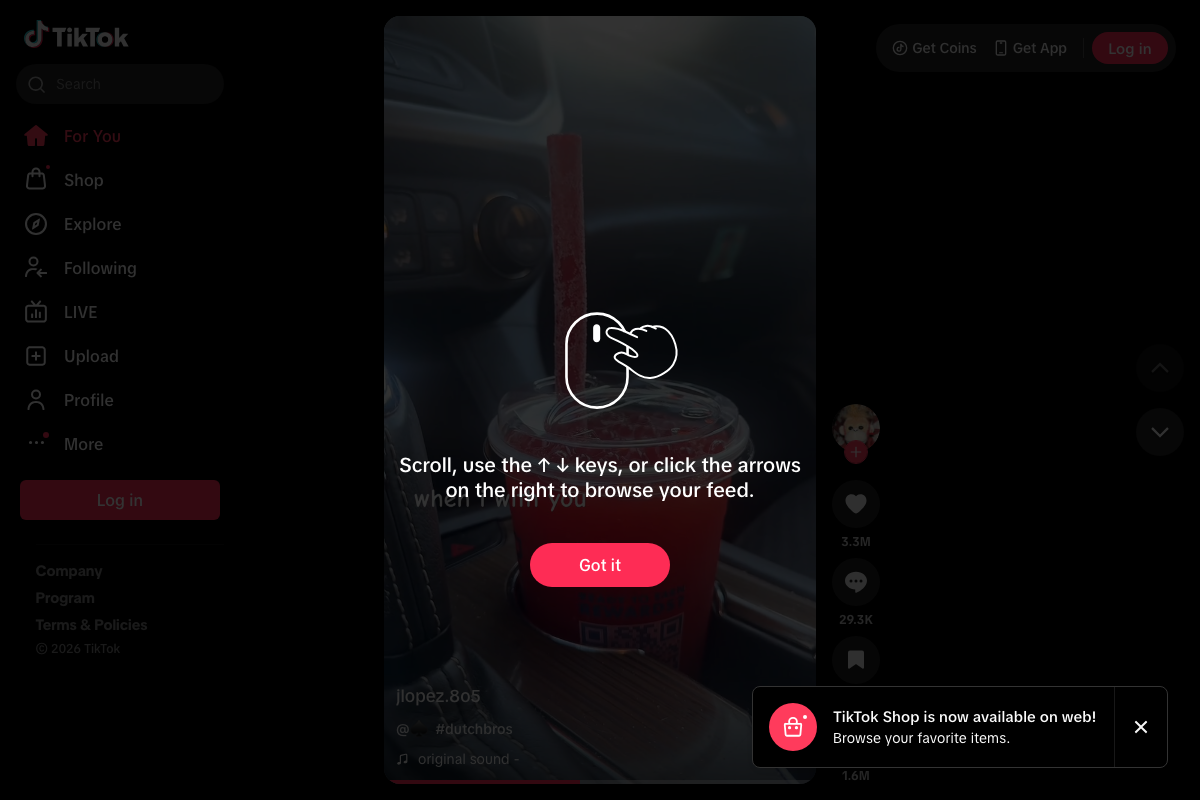
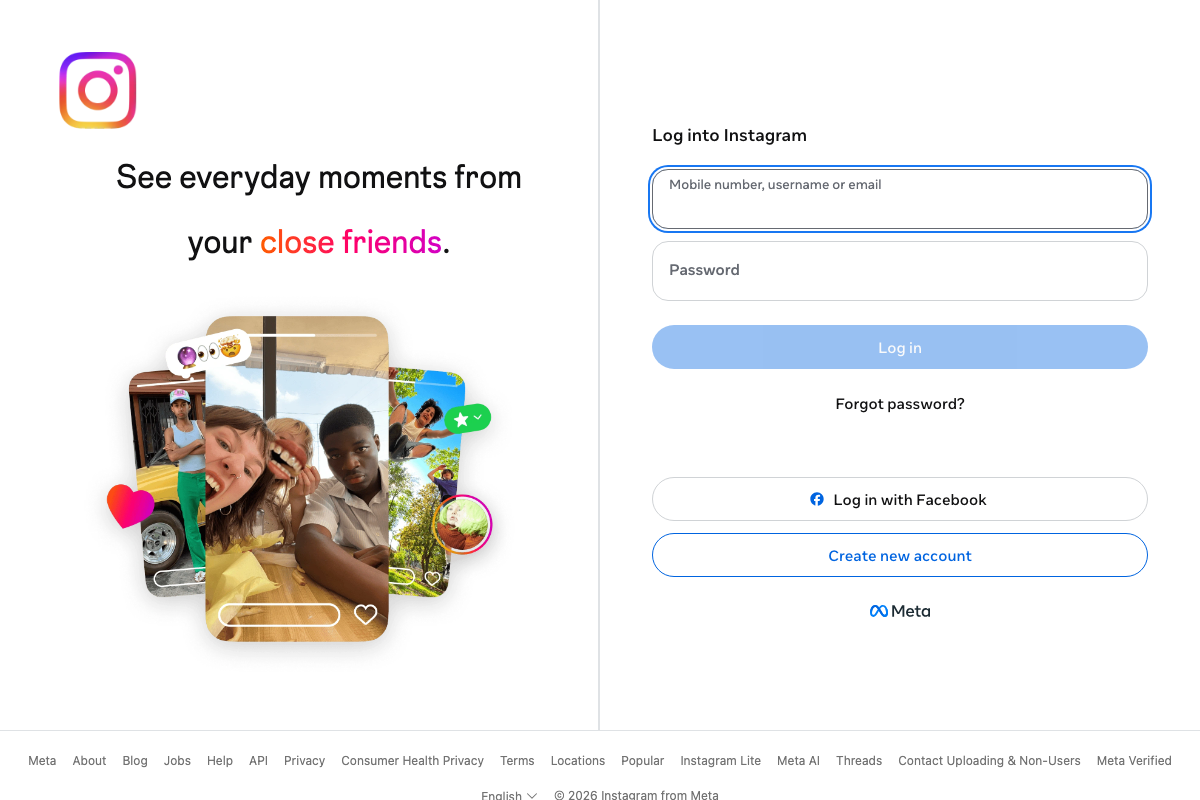
Both TikTok and Instagram are confirmed as active, publicly accessible platforms as of May 2026. TikTok’s web interface operates a logged-out browseable “For You” feed — the same algorithmic distribution architecture that surfaces paid influencer content to non-followers without an account. Instagram is confirmed Meta-owned, with Meta AI integrated directly into the platform’s login experience as of 2026, which provides useful context for understanding Meta’s own positioning in any AI policy debate.
No official documentation was found for the specific $5,000/video anti-China AI influencer campaign described in this step — proceed using the video’s approach and verify independently.
Step 2: Trace the money upstream.
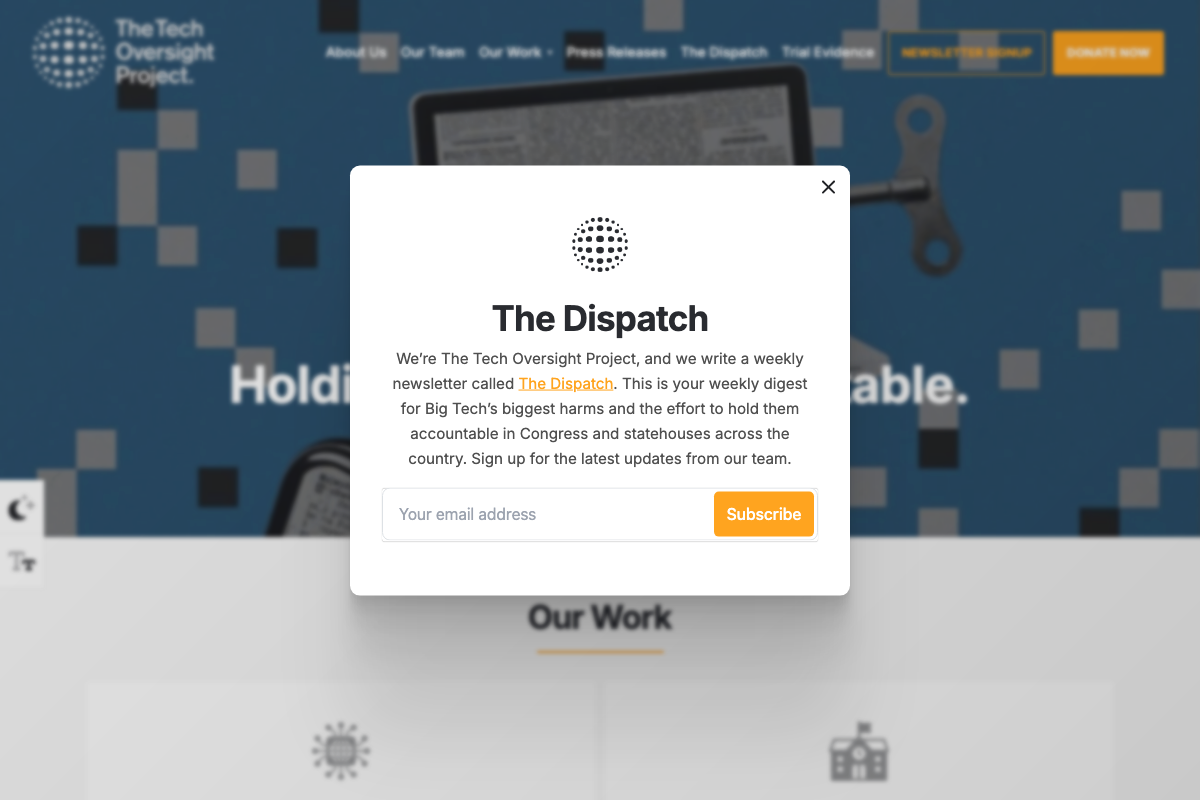
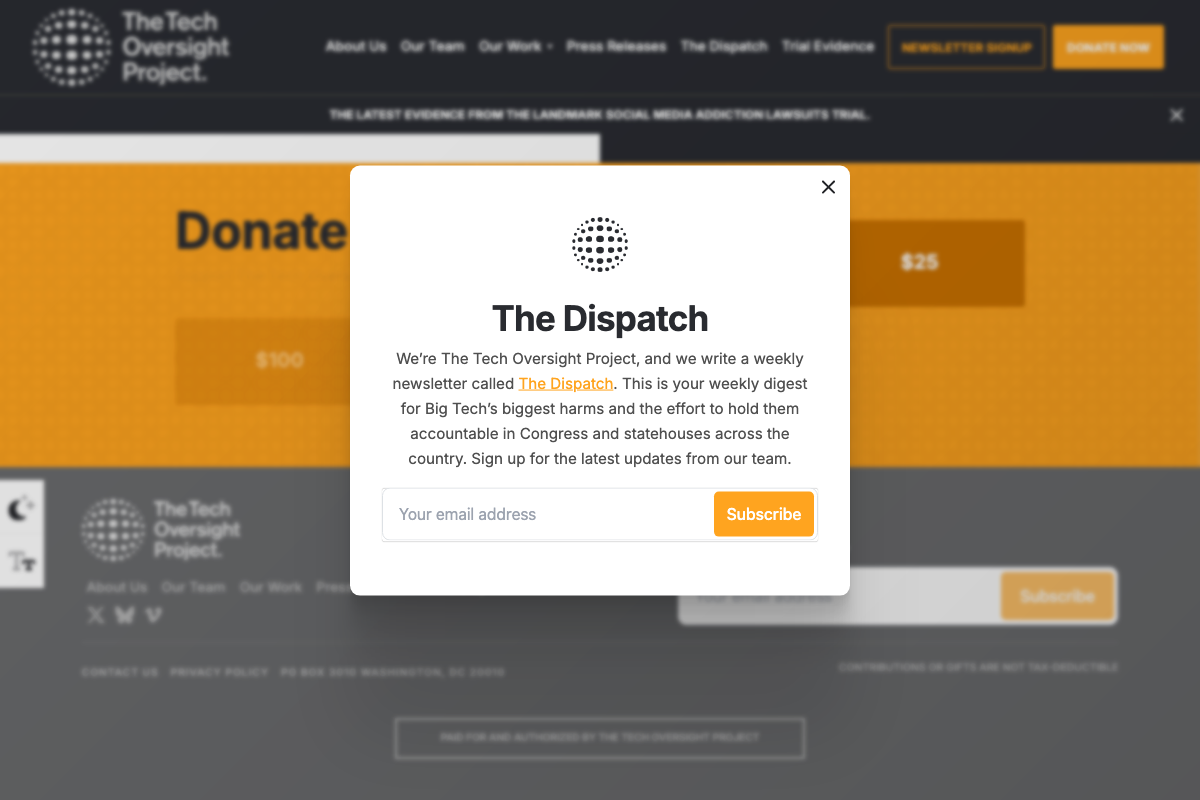
The Tech Oversight Project (techoversight.org) is a real, active political advocacy organization. Its footer carries standard FEC-style disclosure language: “PAID FOR AND AUTHORIZED BY THE TECH OVERSIGHT PROJECT” and “CONTRIBUTIONS OR GIFTS ARE NOT TAX DEDUCTIBLE.” That structural detail — a politically organized entity, not a charitable nonprofit — is consistent with the super PAC architecture the video describes at a category level.
That said, as of May 19, 2026, these screenshots document the Tech Oversight Project specifically, which is a Big Tech accountability watchdog — not the “Leading the Future” super PAC or “Build American AI” nonprofit named in this step. These are different organizations with opposite orientations: the video’s entities advocate for AI industry interests; the Tech Oversight Project advocates against Big Tech power. The screenshots confirm this organizational model exists and operates under political disclosure rules; they do not document the specific funding chain the video identifies.
No official documentation was found for the “Leading the Future” super PAC or “Build American AI” nonprofit named in this step — proceed using the video’s approach and verify independently.
Steps 3–8: Belief installs, doom loop, Cold War parallel, real vs. engineered urgency, manufactured inevitability, disclosure test.
No official documentation was found for these steps — proceed using the video’s approach and verify independently.
Useful Links
- TikTok – Make Your Day — TikTok’s web platform, confirming its logged-out browseable algorithmic feed as of May 2026.
- Instagram — Instagram’s login page, confirming active Meta ownership and Meta AI platform integration as of May 2026.
- The Tech Oversight Project | Punish Bad Actions from Big Tech. — A Big Tech accountability political committee operating under FEC-style disclosure rules; distinct from and ideologically opposed to the pro-AI industry entities referenced in the tutorial.


0 Comments