

Build a Personal Brand That Actually Makes Money
The internet has shifted: audience is now the asset, and trust is the currency. Dan Martell’s five-step framework gives you a repeatable system for defining who you are, finding exactly who you serve, and converting attention into revenue — without burning the relationship along the way. Work through these steps in order and you’ll have a functioning personal brand strategy you can execute this week.

-
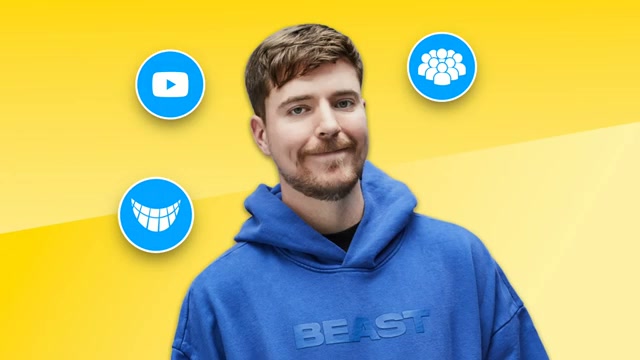
Define your brand as a set of associations. A brand is nothing more than what people feel when they hear a name — Nike means athletes, Ferrari means luxury. For a personal brand, the question becomes: what do you want people to think when they hear yours? Write down the topics, the people, and the values you want to own in your audience’s mind. Martell’s own anchors are AI, time, and a blue shirt. A tight list of three to five associations is more durable than a vague mission statement.
-
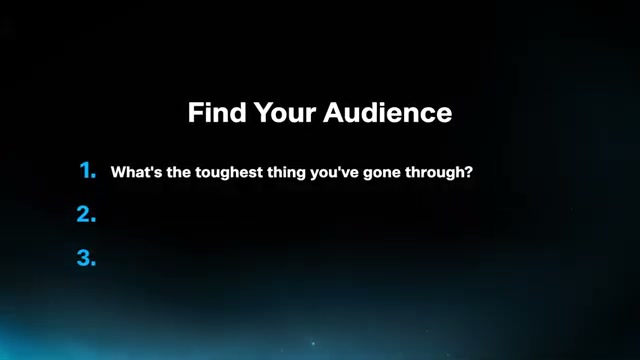
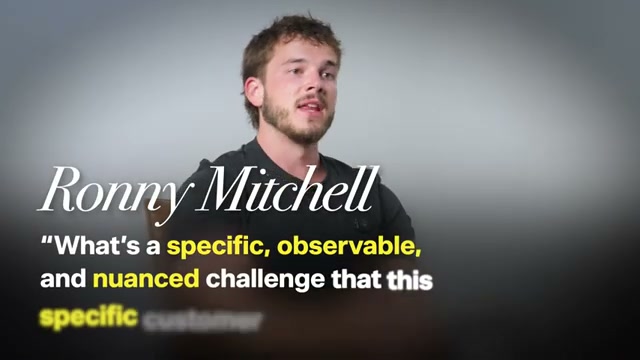
Narrow your audience to a specific person. Talking to everyone is the same as talking to no one. Work through three diagnostic questions: What’s the hardest thing you’ve personally lived through? What’s broken in the world and how would you fix it? What do you genuinely love talking about? The overlap between your lived experience and a real market problem is where your content lives. Close the exercise by writing one sentence: “I help [specific person] [achieve desired outcome] without [specific pain].”
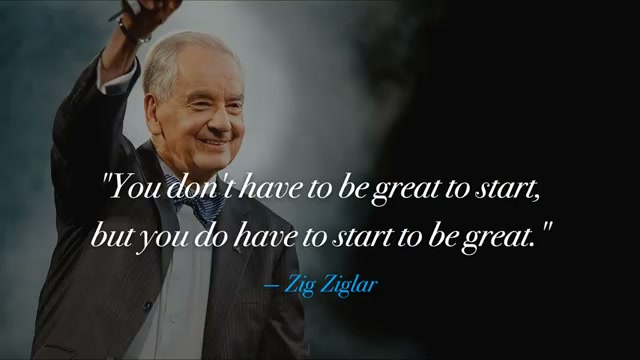
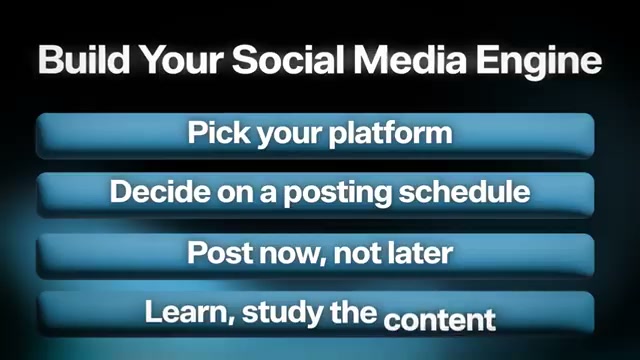
- Post before you feel ready — and do it twice a day. Commit to a single platform (Instagram is the recommendation here), publish two Reels per day, and treat the first 100 posts as paid tuition. Each post is a rep. After every one, ask yourself: was it clear? Did it have a call to action? Was it for them or for you? Study what performed, cut what didn’t, and hold the cadence for years rather than weeks.
-
Protect trust by giving more than you take. Reply to at least five comments per post. Answer every DM. Avoid promoting products you don’t personally use. Martell’s operating principle: give ten times more free value than you ever ask for in return. Trust is the actual currency being traded in every follower relationship — spend it carelessly and the audience leaves with it.
-
Monetize through conversation, not broadcast selling. When a new follower appears, open a DM and ask what they’re working on. Solve the problem in the thread. Conversion happens in dialogue, not in a sales email blast to your full list. The audience-first model flips the traditional funnel entirely: earn trust first, and offers follow naturally from there.
How does this compare to the official docs?
The framework Martell lays out is grounded in practitioner experience rather than any single platform’s published creator guidelines — which makes it worth cross-referencing each platform’s current documentation to see where the advice holds, where it’s been updated, and where it leaves gaps that could cost you reach or revenue.
Here’s What the Official Docs Show
The five-step framework above holds up well as practitioner guidance — the platform screenshots add useful context on where the advice is solid, where it leaves room open, and where a few platform-native features are worth folding into your strategy. Think of this section as filling in the gaps, not rewriting the map.
Step 1: Define your brand as a set of associations.
No official documentation was found for this step — proceed using the video’s approach and verify independently.
Step 2: Narrow your audience to a specific person.
No official documentation was found for this step — proceed using the video’s approach and verify independently.
Step 3: Post before you feel ready — and do it twice a day.
The video’s approach here matches the current docs exactly on platform viability: Instagram is active, accessible, and accepting new accounts as of 2026. That part is confirmed.
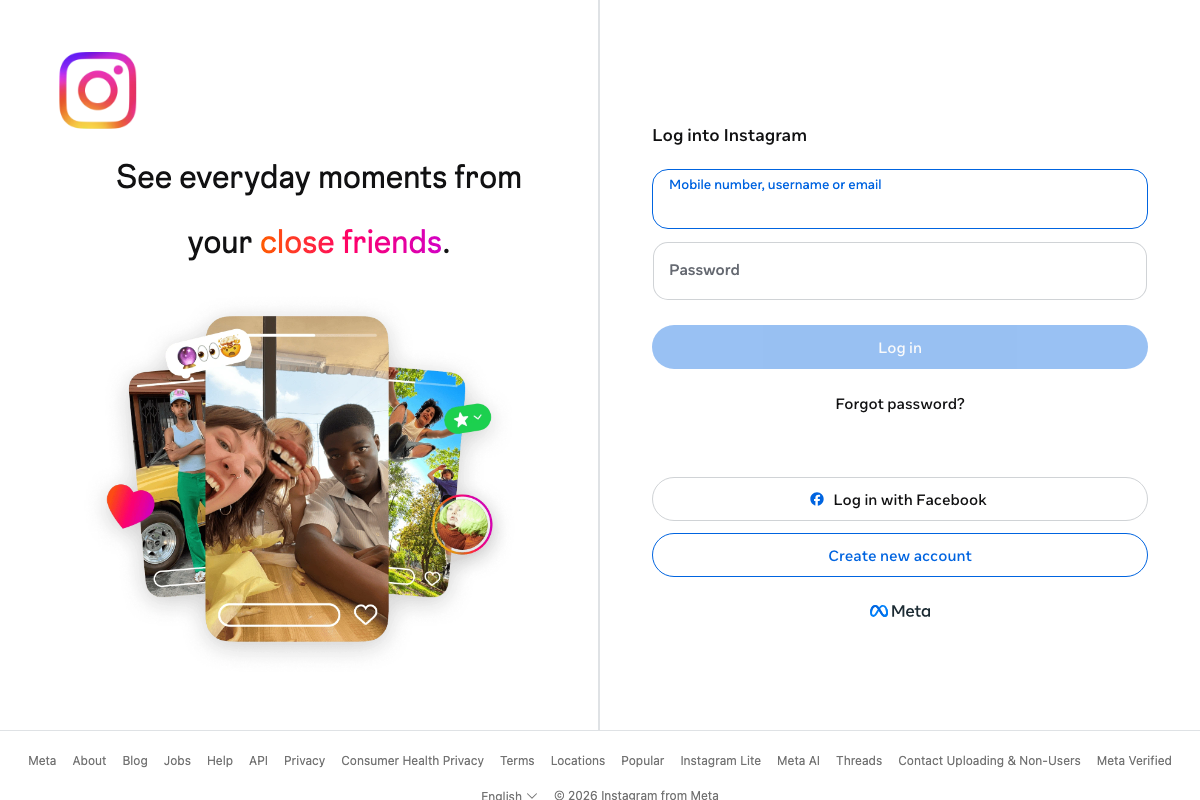
The “twice daily” cadence is a different matter. No screenshot from any platform — Instagram, Facebook, or YouTube — surfaced a creator guidelines page, posting frequency recommendation, or engagement benchmark. All six screenshots originally labeled as help center pages returned public login screens instead. Treat that specific frequency as field-tested practitioner advice, not published platform policy.
Two additions the screenshots do surface for Step 3:
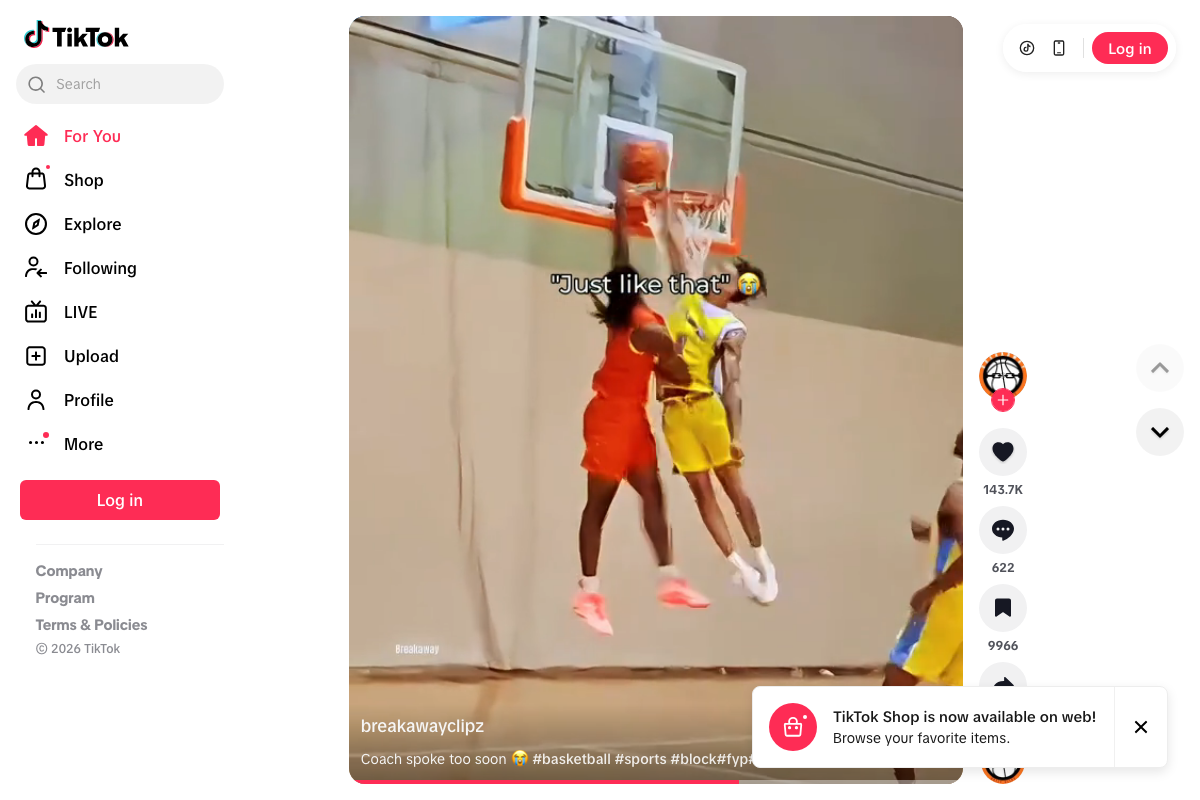
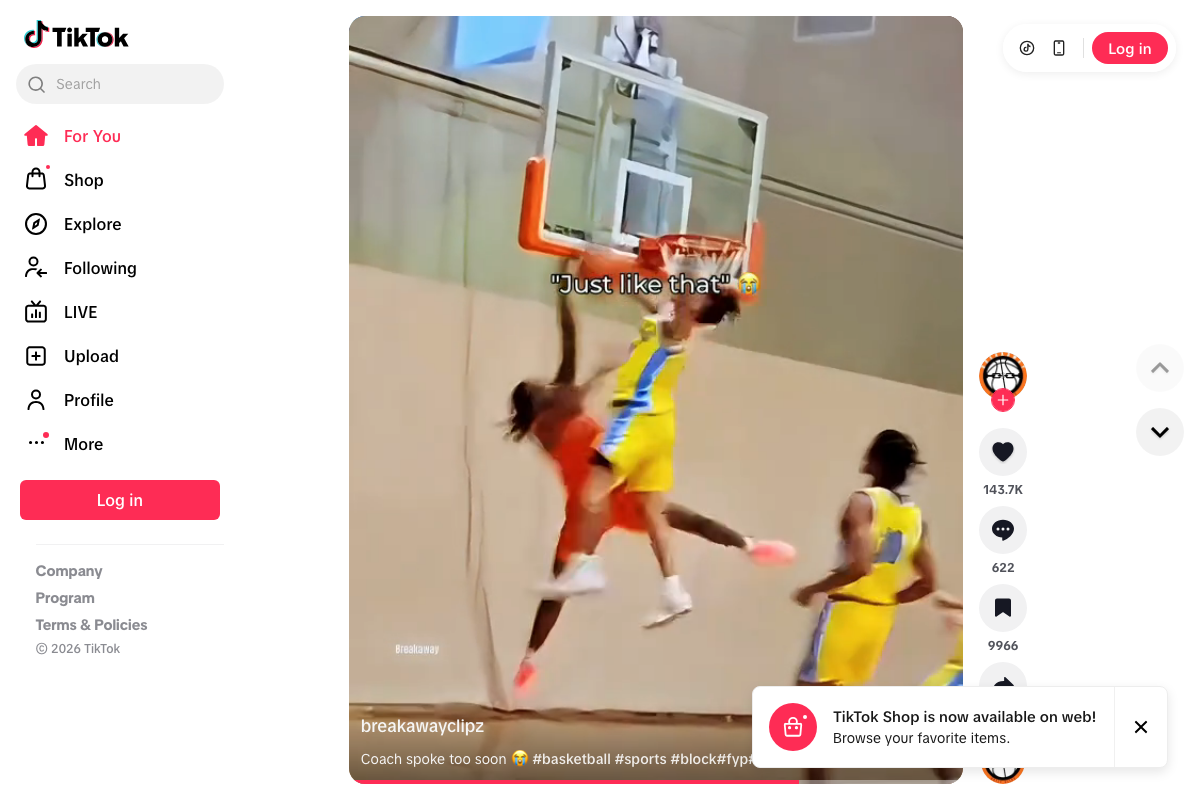
- TikTok deserves a spot in the platform decision. TikTok’s For You feed is algorithm-first — new accounts with zero followers can reach audiences through content quality alone. That’s a structurally different growth mechanic than Instagram, and it changes the calculus on where to start.
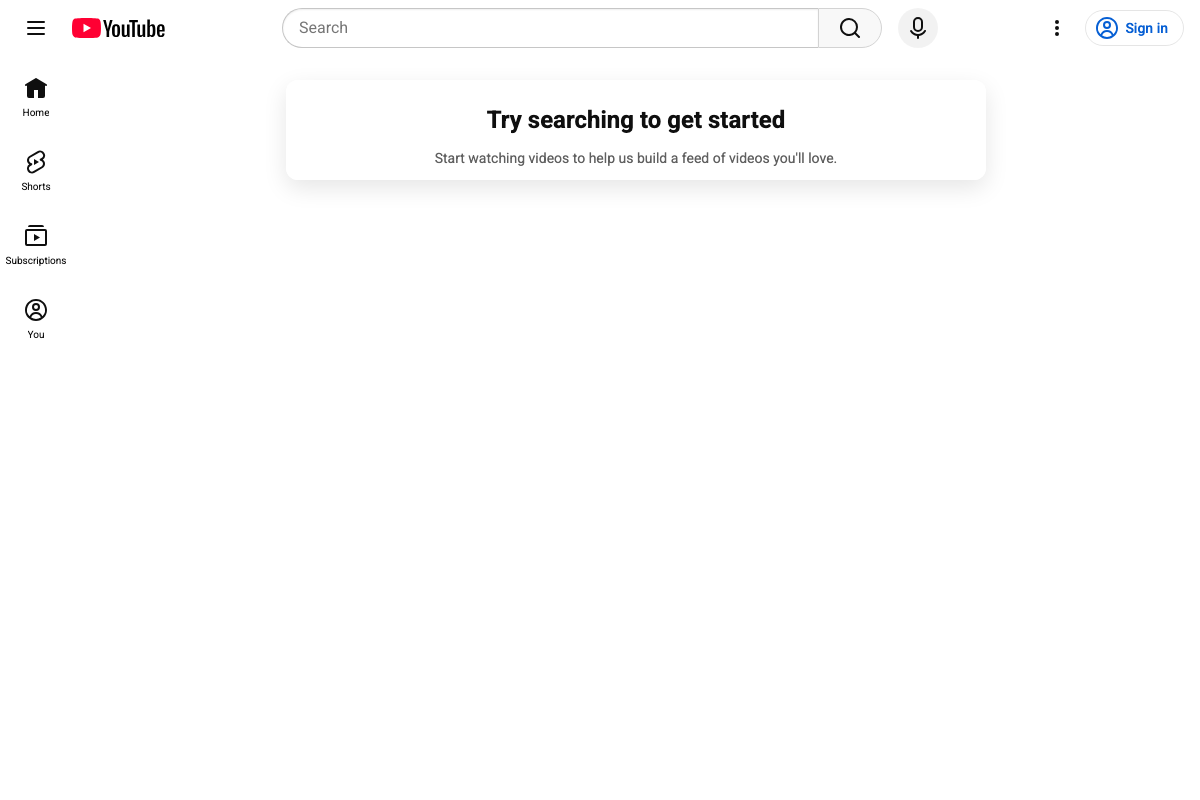
- YouTube Shorts is a third short-form option. It’s visible as a native sidebar item in YouTube’s logged-out interface, meaning you don’t need a separate account or app to publish vertical video there.
Step 4: Protect trust by giving more than you take.
No official documentation was found for this step — proceed using the video’s approach and verify independently.
One platform-visible addition: TikTok tracks saves and bookmarks as a metric independent of comments and likes. A captured For You video showed 9,966 saves against 622 comments — saves may signal content resonance more reliably than comment volume on that platform. If you’re posting on TikTok, watch saves alongside comments as part of your feedback loop.
Step 5: Monetize through conversation, not broadcast selling.
No official documentation was found for this step — proceed using the video’s approach and verify independently.
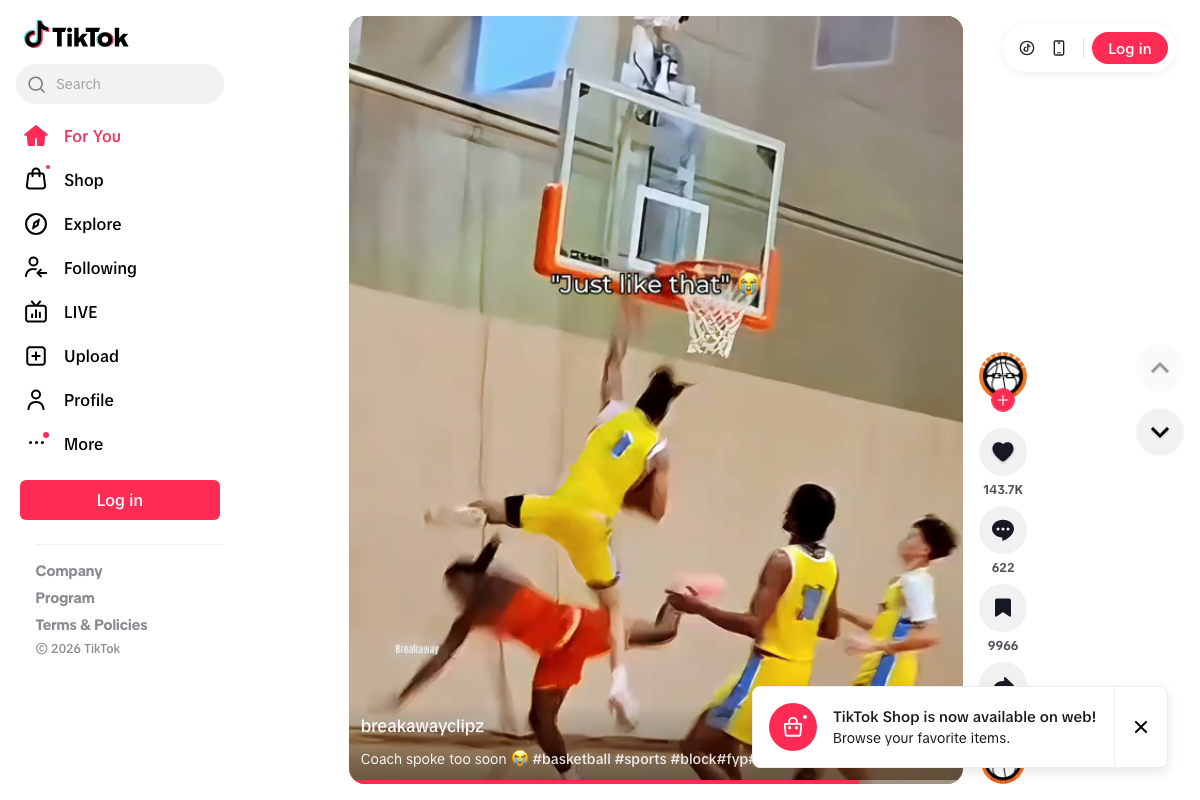
One confirmed addition: TikTok Shop is now available on web, flagged by a platform banner in the screenshots. It’s a native in-platform commerce path that lets audiences purchase without leaving TikTok — a monetization option that runs parallel to the DM-based conversion model the video describes, not against it.
Useful Links
- Instagram — Instagram’s public homepage confirming active platform status, Meta ecosystem integration, and Meta Verified badge program as of 2026.
- YouTube — YouTube’s logged-out homepage confirming Shorts as a native short-form format and search-driven discovery for new visitors.
- Facebook — Facebook’s public homepage confirming active Meta platform status, Create Page functionality, and the full Meta product ecosystem including Messenger and Meta Pay.
- TikTok – Make Your Day — TikTok’s For You feed confirming algorithm-first discovery, TikTok Shop web availability, LIVE streaming, and saves as a distinct engagement metric separate from likes and comments.


0 Comments