

Decoding Scientology’s $380,000 Sales Funnel
The most sophisticated ascension model in marketing history wasn’t built in Silicon Valley — it was built by a science fiction writer in the 1950s. After working through this breakdown, you’ll recognize each layer of Scientology’s funnel in tools you already use: lead magnets, tripwires, core offers, and high-ticket continuity. The architecture maps directly onto frameworks any growth marketer can apply today.


-
Reframe the case study. The most sophisticated sales funnel ever built belongs to Scientology — not a tech company. Russell Brunson’s analytical posture here is purely architectural: decode the mechanism, set aside the belief system entirely.
-
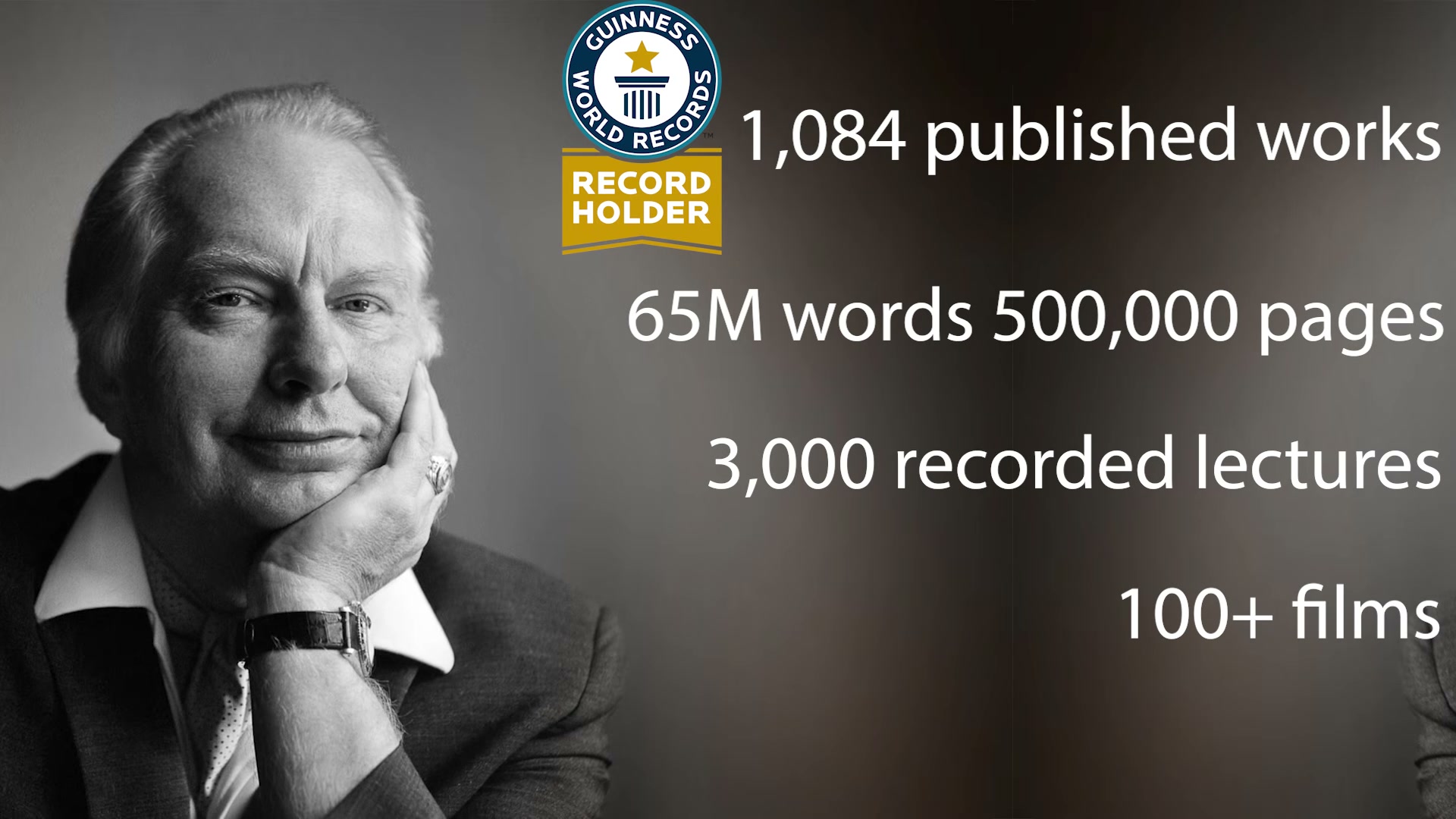
Profile the builder. L. Ron Hubbard holds four Guinness World Records as the most prolific author in history — 1,084 published works, 65 million words, 3,000 recorded lectures, over 100 films. He produced 70,000–100,000 words per month on a three-day workweek, even commissioning a custom typewriter with shortcut keys for common words. That production infrastructure was the content engine behind everything that followed.
- Study the seed launch. Hubbard didn’t pitch Dianetics cold — he previewed it as an article in Astounding Science Fiction, where readers already trusted him. Demand was strong enough that he founded the Hubbard Dianetics Research Foundation before the book shipped. That’s a pre-launch sequence executed in 1950.
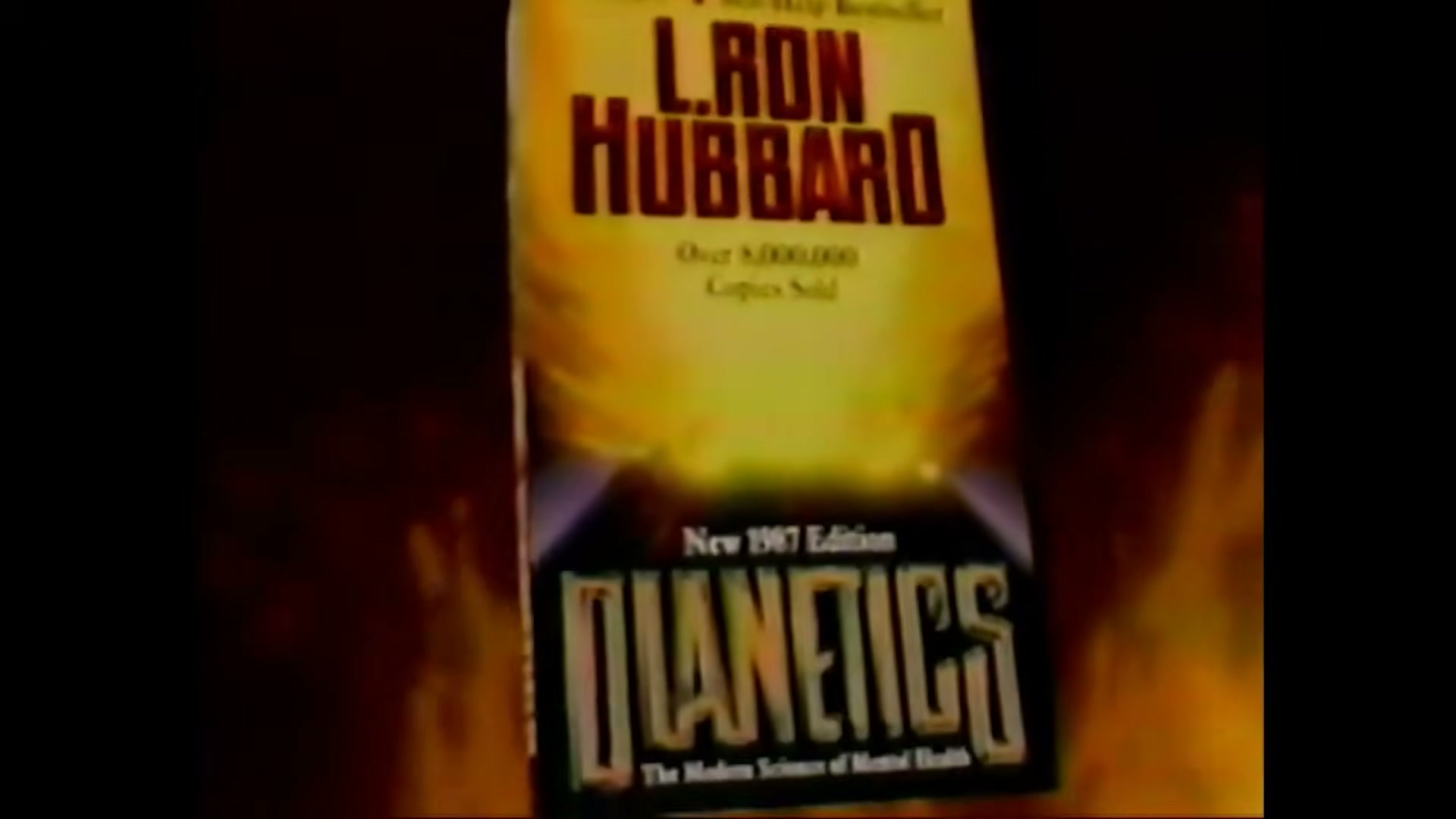
- Analyze the $2,000 TV ad. When Dianetics lost cultural momentum in the 1970s, marketer Jeff Hawkins produced a minimalist direct-response spot for $2,000 — plain text, a volcano cover shot, edgy music. It returned the book to the New York Times bestseller list. Hawkins attributed over $200 million in revenue to Dianetics marketing across a 35-year career.
-
Note the regulatory reframe. When medical regulators challenged Dianetics’ therapeutic claims, Hubbard restructured the entire operation as a religion. The auditing process stayed identical; the wrapper changed. Therapy became spiritual counseling, and Scientology gained First Amendment protection plus tax-exempt status in a single move.
-
Apply the Value Ladder as your analytical lens. The Value Ladder moves prospects from free → low-ticket → mid-ticket → high-ticket → premium, with each rung delivering more value and capturing more commitment. Scientology’s funnel maps to this model with textbook precision.
-
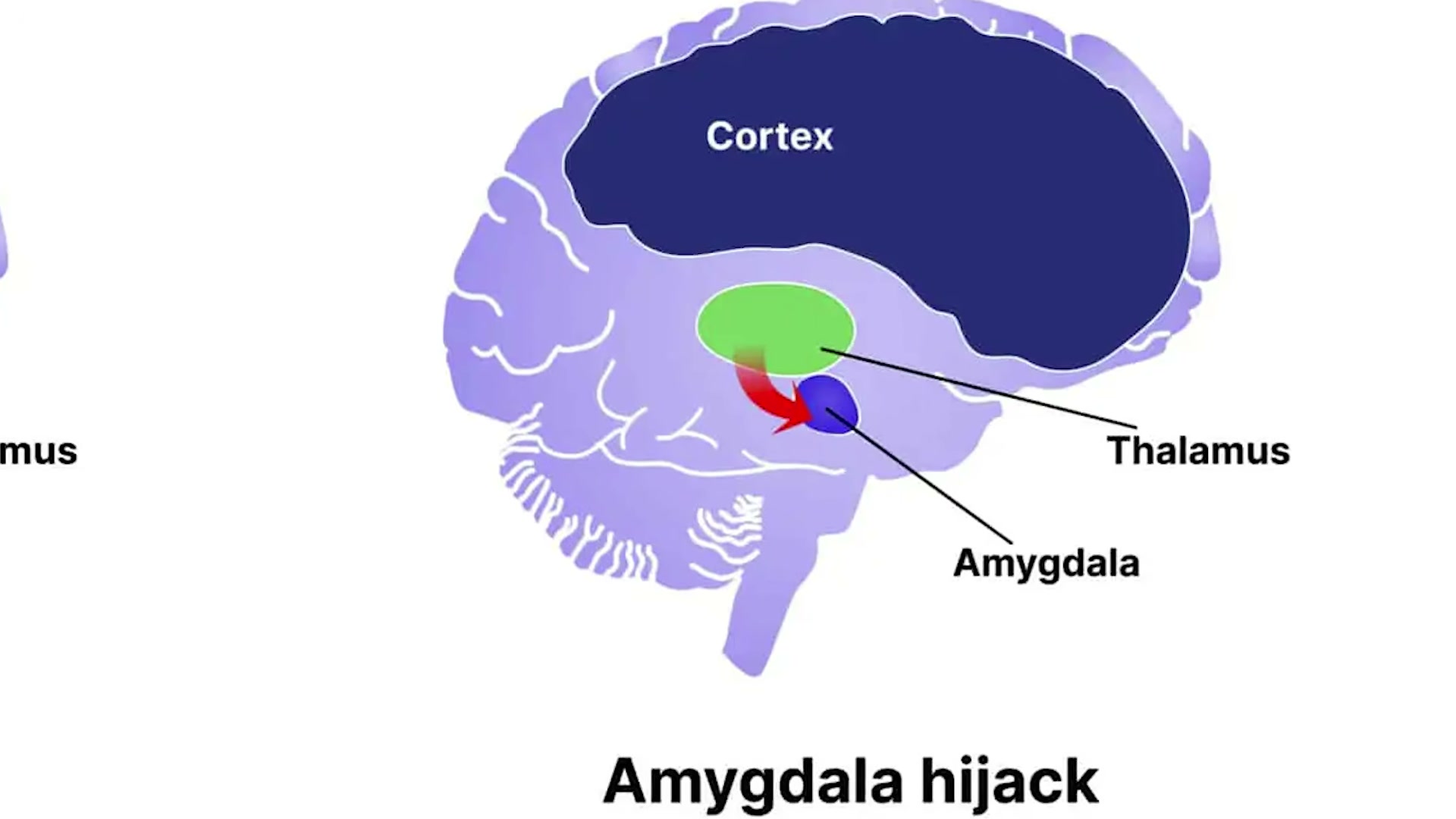
Step 1 — Free Lead Magnet: the Oxford Capacity Analysis. Every Scientology church offers a free 200-question personality test. A staff member reviews results in person, using the output — engineered to surface pain points and insecurities — as a live sales qualifier. It’s the quiz funnel, except the backend offer tops out at $380,000.
-
Step 2 — Tripwire: $35 introductory courses. Low-cost introductory courses exist solely to create the first transaction and shift the prospect’s identity from observer to buyer. They are not part of the core curriculum — their only job is conversion.
-
Step 3 — Core Offer: Auditing via e-meter. The primary curriculum runs through Grades 0–4, each priced around $11,200. Structured progression, defined milestones, and documented advancement build compounding sunk costs that make exit increasingly difficult.
-
Step 4 — High-Ticket Ascension: OT Levels 1–8. Post-“Clear,” members enter Operating Thetan levels with perpetually shifting goalposts, culminating in OT VIII delivered aboard a cruise ship. Total journey cost: $380,000. The offer never concludes — there is always a next level.
- Close with audience participation. Brunson asks viewers directly whether decoding religious organizations’ marketing systems is fair game. The question is itself a funnel mechanic — converting a potential controversy into a comments-section engagement driver that feeds the next episode.
How does this compare to the official docs?
Brunson’s entire analysis runs through his own Value Ladder framework from DotCom Secrets — the next section checks these concepts against foundational direct-response literature and documented funnel theory to surface where the video’s model holds up and where it diverges from what the source material actually says.
Here’s What the Official Docs Show
The video delivers a compelling framework walkthrough, and the architectural logic holds. What follows adds documentary grounding to the one step that touches verifiable source material — and flags, plainly, where the specific claims require independent verification beyond what the available documentation covers.
Step 1 — Reframe the case study.
No official documentation was found for this step —
proceed using the video’s approach and verify independently.
Step 2 — Profile the builder.
No official documentation was found for this step —
proceed using the video’s approach and verify independently.
Step 3 — Study the seed launch.
No official documentation was found for this step —
proceed using the video’s approach and verify independently.
Step 4 — Analyze the $2,000 TV ad.
No official documentation was found for this step —
proceed using the video’s approach and verify independently.
Step 5 — Note the regulatory reframe.
No official documentation was found for this step —
proceed using the video’s approach and verify independently.
Step 6 — Apply the Value Ladder as your analytical lens.
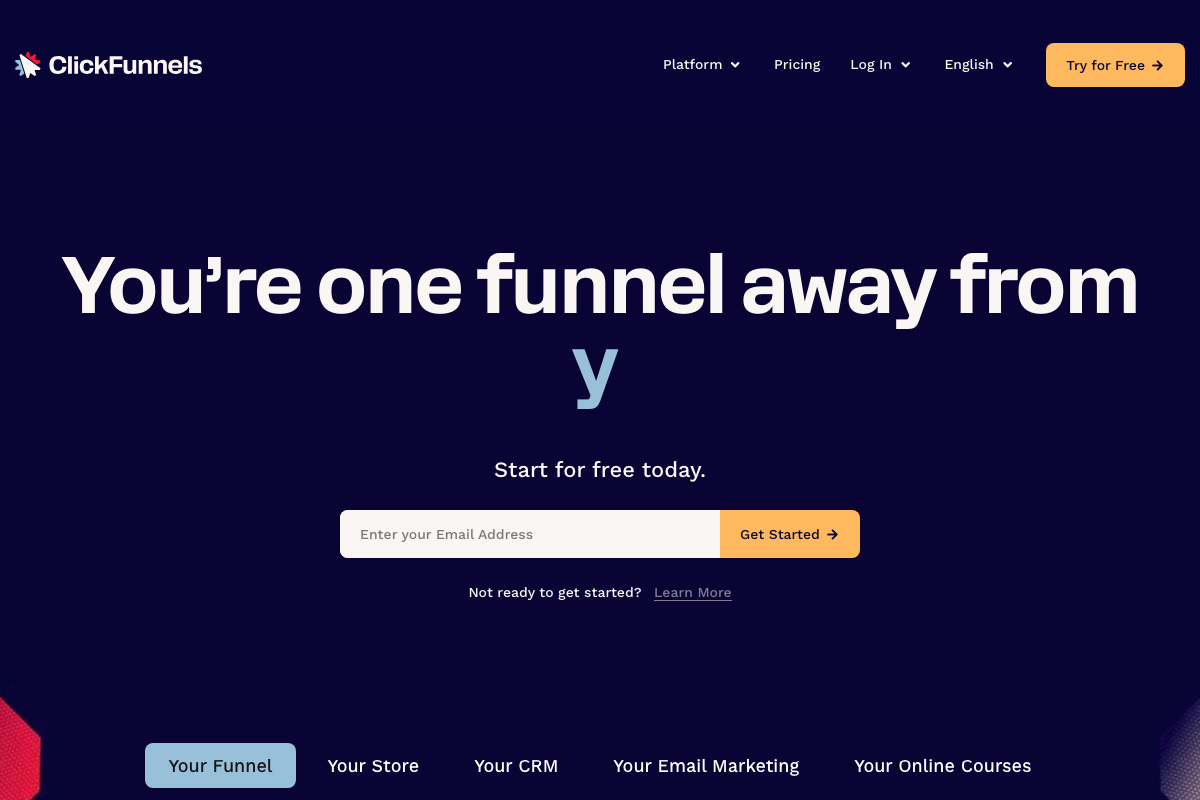
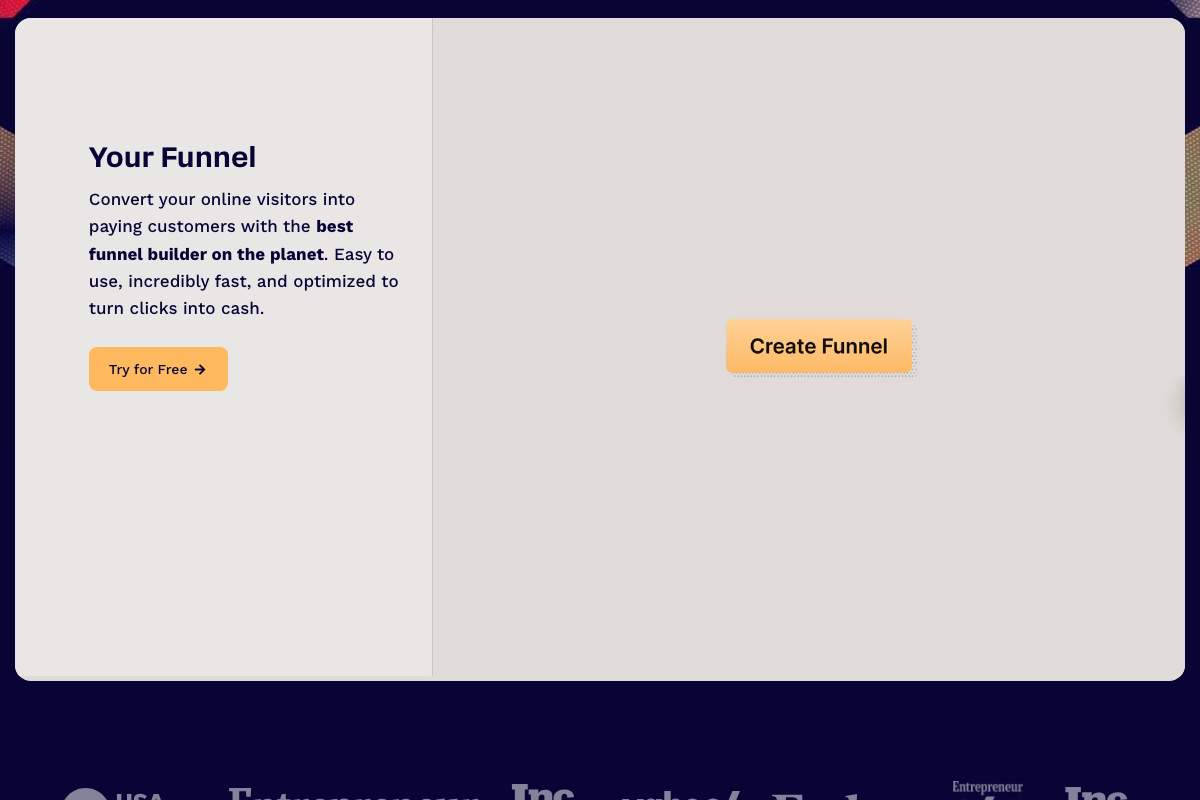
The Value Ladder is Russell Brunson’s proprietary framework, originating in DotCom Secrets and operationalized through ClickFunnels. The video’s approach here matches the current docs exactly. ClickFunnels’ live platform confirms Brunson as the originating practitioner, and the platform’s hero copy — “You’re one funnel away” — is consistent with the published philosophy the video draws from. Worth noting: ClickFunnels has expanded well beyond funnel building and now includes CRM, email marketing, online courses, and a store builder. That full-suite context doesn’t change the Value Ladder concept, but it’s relevant if you’re evaluating the platform as a tool rather than a case study.
Steps 7–10 — Oxford Capacity Analysis, tripwire pricing, auditing costs, and OT levels.
No official documentation was found for these steps —
proceed using the video’s approach and verify independently.
The specific figures cited — $35 introductory courses, $11,200 per auditing grade, $380,000 total OT cost — would require verification against journalistic reporting, court records, or published firsthand accounts. The screenshots in scope do not confirm or contradict any of these numbers.
Step 11 — Audience participation close.
No official documentation was found for this step —
proceed using the video’s approach and verify independently.
Useful Links
- ClickFunnels™ – Marketing Funnels Made Easy — Russell Brunson’s live funnel-building and marketing platform; the originating source for the Value Ladder framework applied throughout the video’s analytical model.


0 Comments