

How vidIQ Ranks the Highest-Earning Faceless YouTube Niches
vidIQ analyzed more than 250,000 long-form YouTube videos and scored each niche on CPM, legal risk, competition, and raw view demand. After working through this breakdown, you’ll know which faceless niches generate real revenue, which are view-count mirages, and how to use the vidIQ Outlier score to validate a niche before you commit to it.
- Understand the scoring methodology. Each niche is evaluated across four variables: CPM (advertiser payout per thousand views), risk (legal and policy exposure), competition (saturation level), and raw view demand. Only long-form videos were included — no Shorts — making the dataset a reliable proxy for monetizable content.
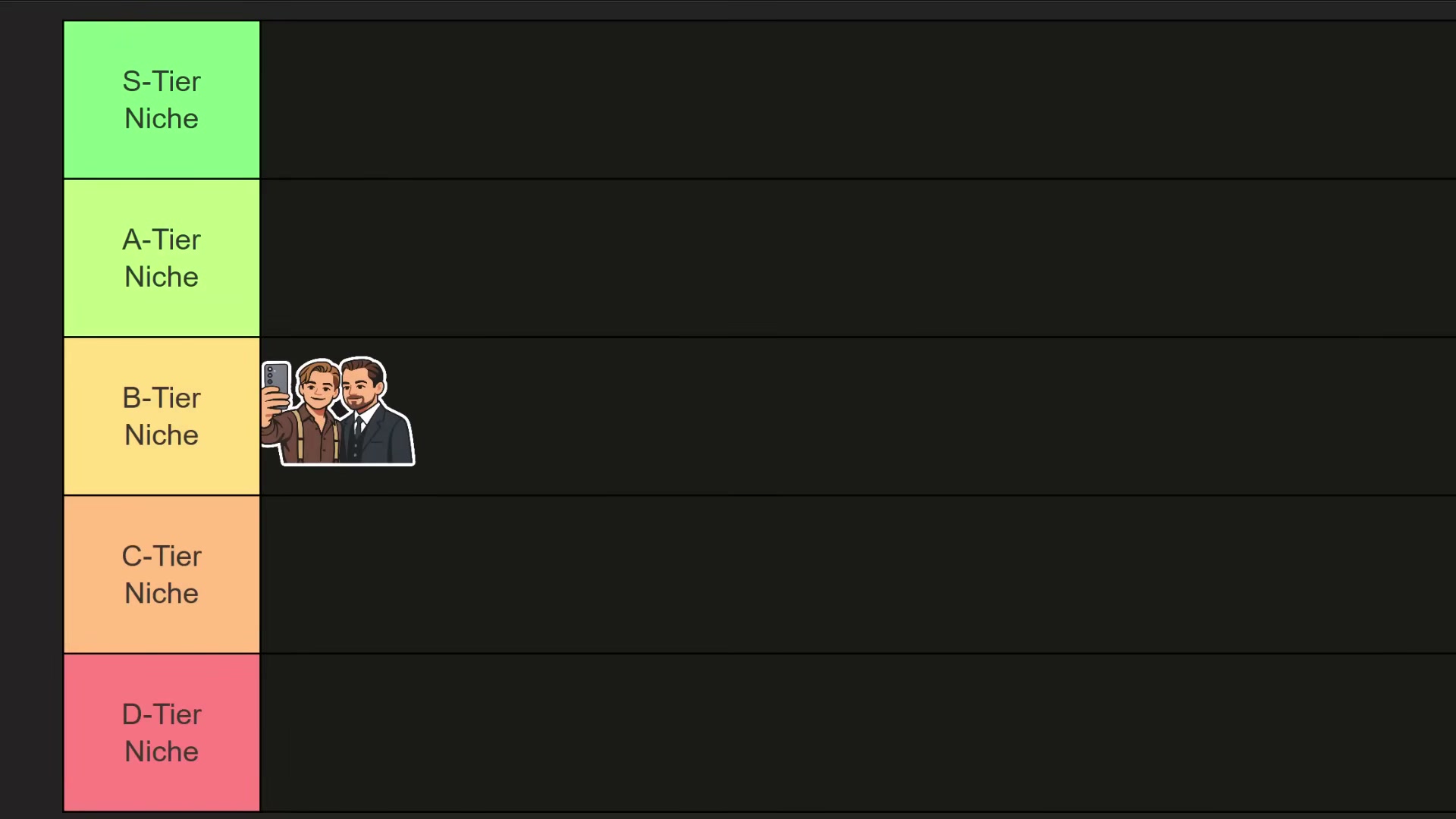
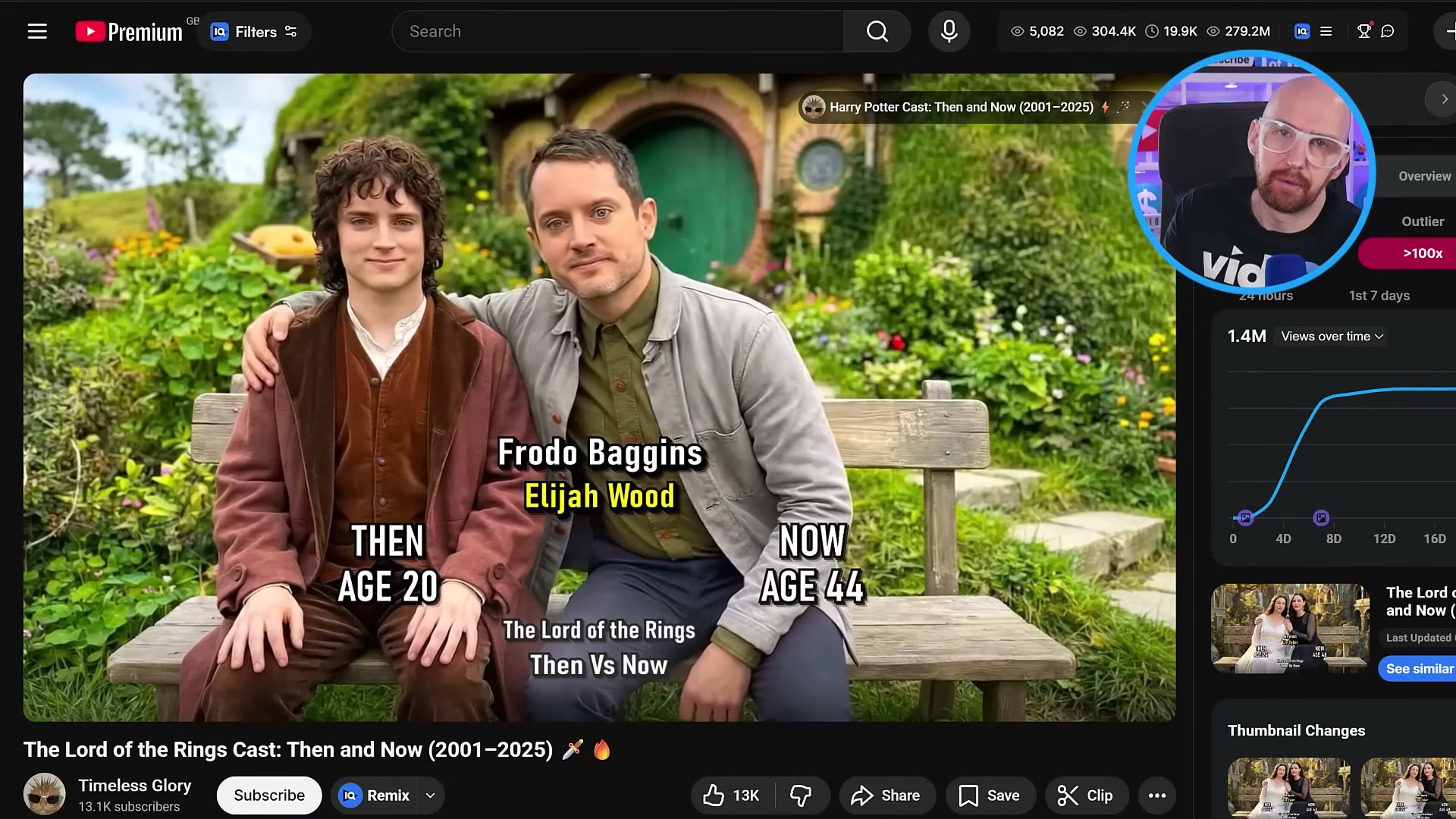
- Evaluate the “Then & Now” AI transformation niche (B Tier). These channels generate AI images of celebrities or characters across decades — no voiceover, no language barrier, global appeal. vidIQ’s Outlier badge confirms >100x expected views on multiple channels. The ceiling is CPM: entertainment-category ads pay modestly, and using celebrity likenesses in AI-generated content is a legal gray area yet to be tested at scale.
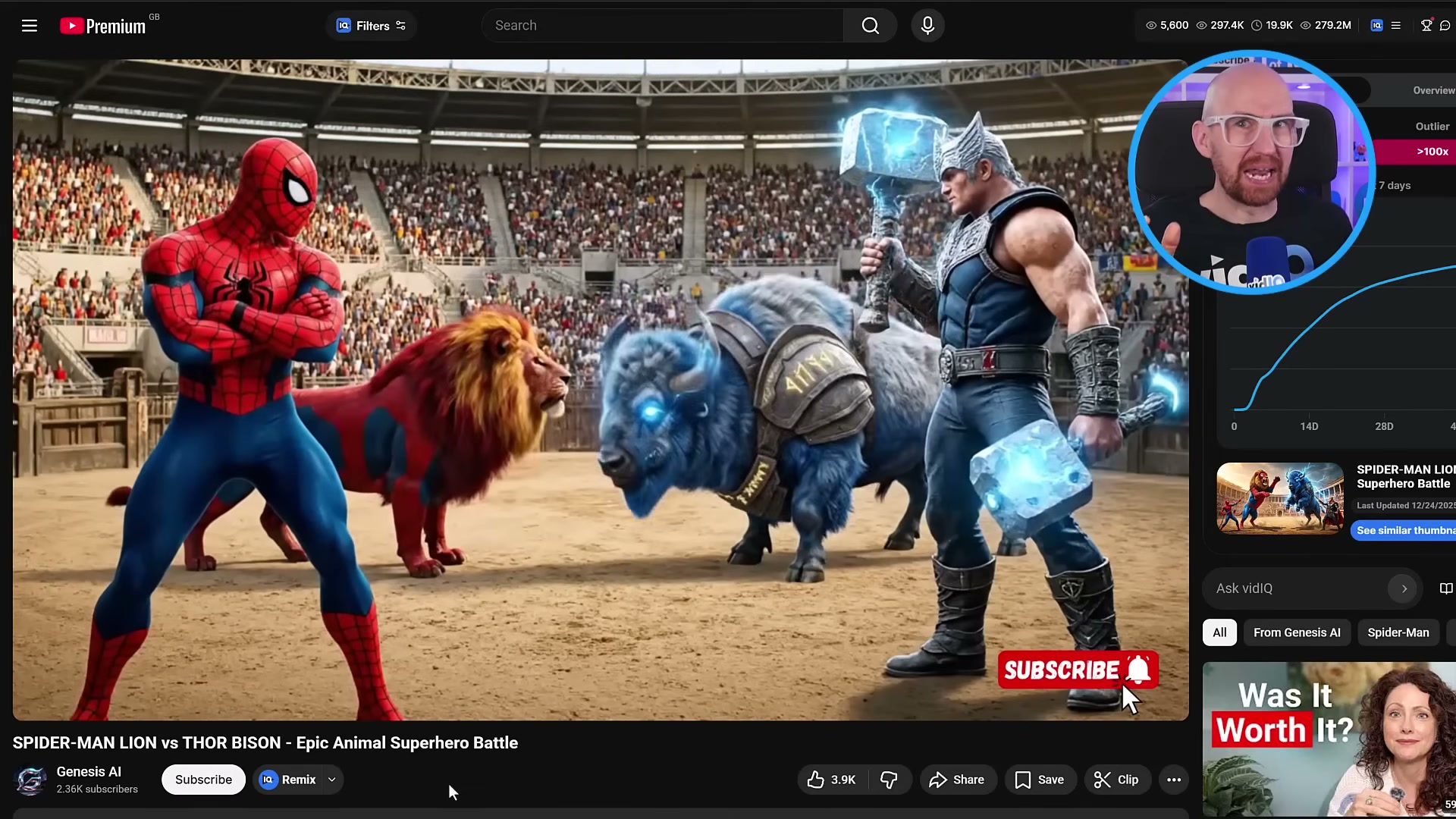
2. valuate the superhero mashup / AI character battle niche (D Tier). Tiny channels score Outlier >100x on AI-generated character battles. The problem is IP infringement: Warner Bros. has sued AI image generators over character reproduction, and the kids-content audience skew depresses CPMs further. YPP eligibility for these channels is genuinely uncertain.
Warning: this step may differ from current official documentation — see the verified version below.
3. Evaluate the AI ASMR / oddly satisfying niche (C Tier). Surreal AI environments packaged as interactive choices (“which dream pool would you choose?”) generate solid view counts but moderate CPMs at best, a younger audience skew, and a near-zero barrier to entry that is already accelerating competition toward saturation.
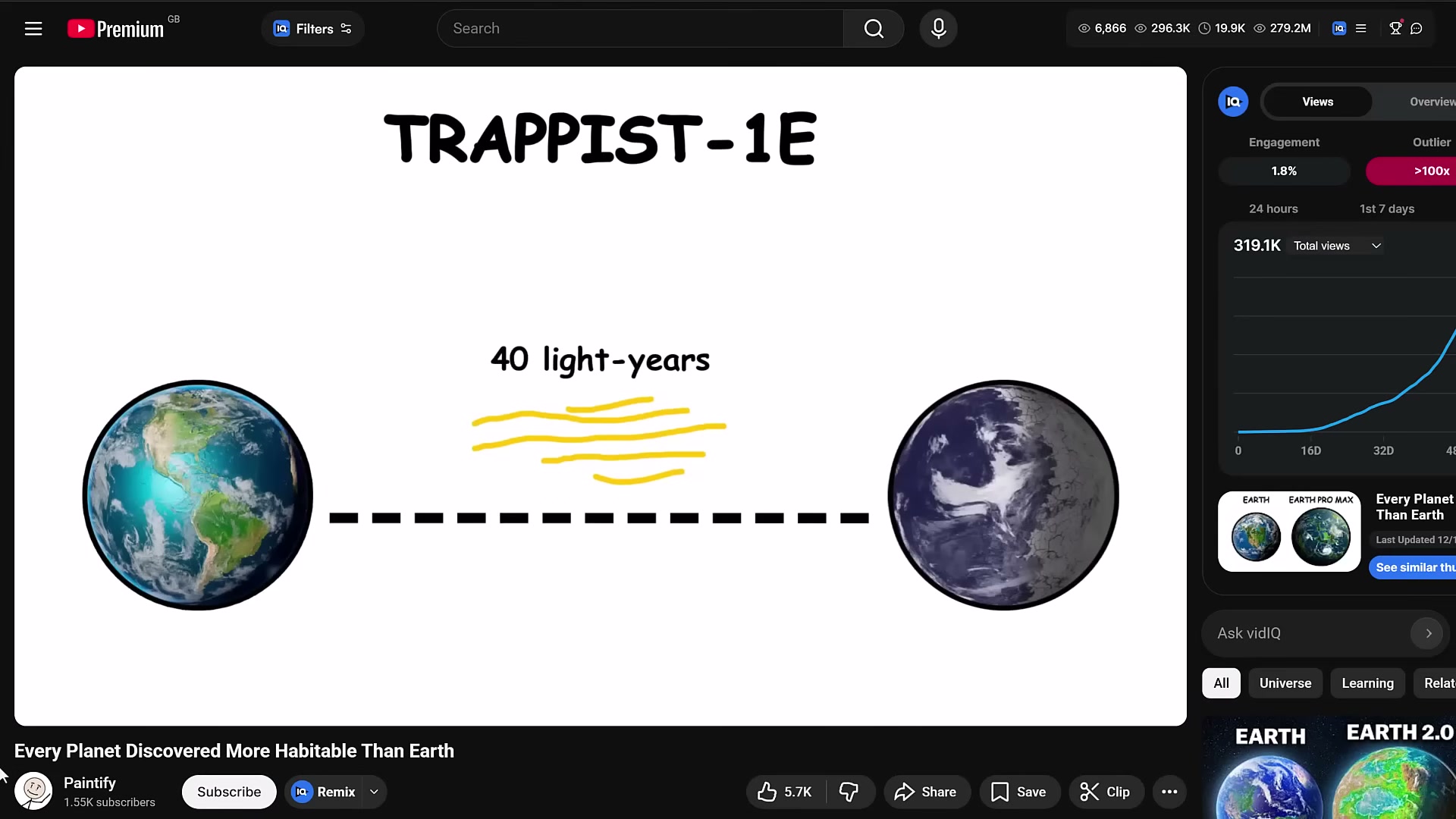
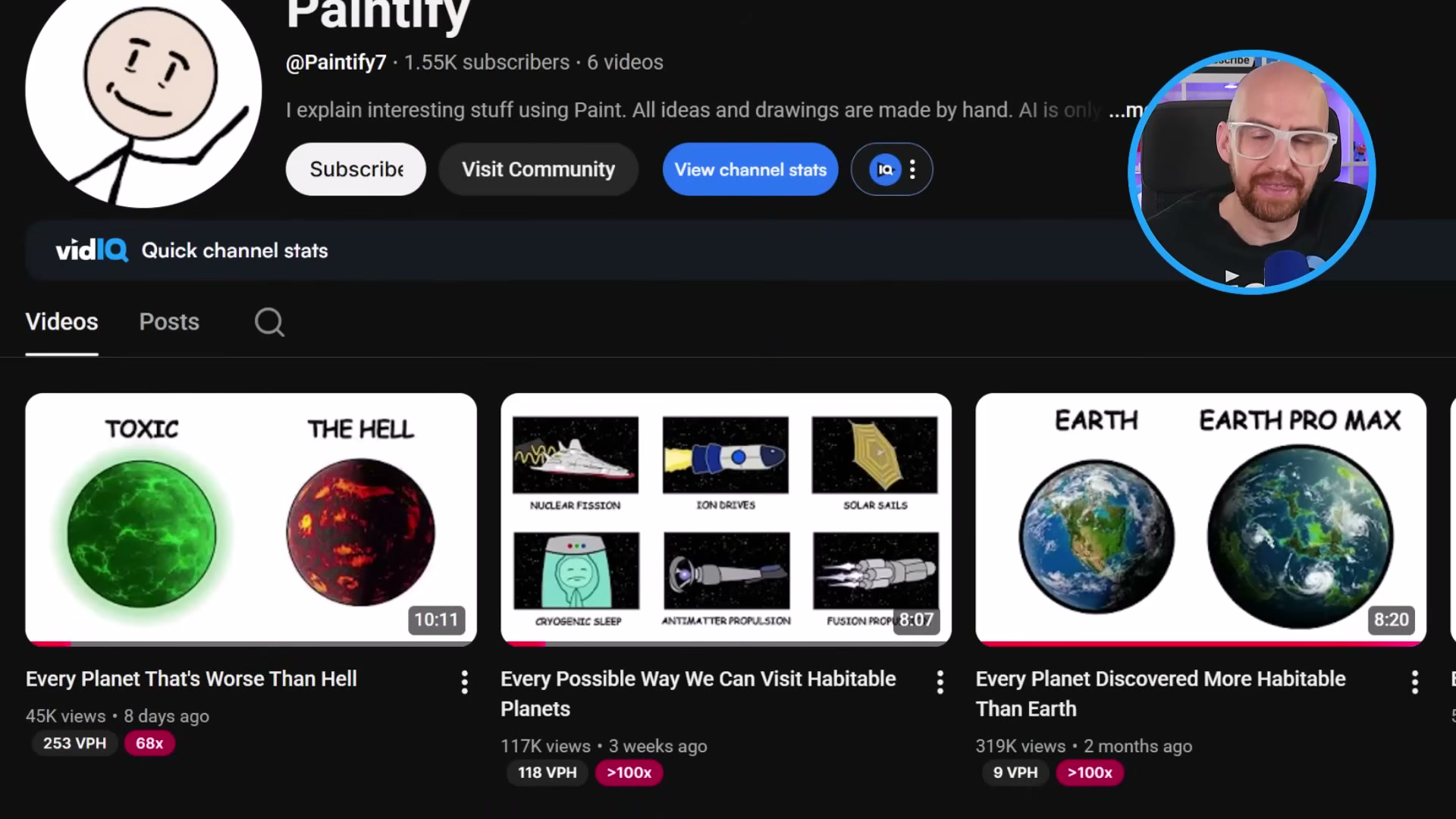
4.Evaluate the deep science explainer niche (S Tier). MS Paint-style visuals, measured AI voiceovers, and sourced scripts on cosmology and habitable planets. Paintify — a channel with 1,550 subscribers — pulled 319K views at Outlier >100x. Tech and science CPMs are premium, comment engagement runs deep, and the research requirement keeps competition light. vidIQ scores this as the highest-performing niche in the entire dataset.
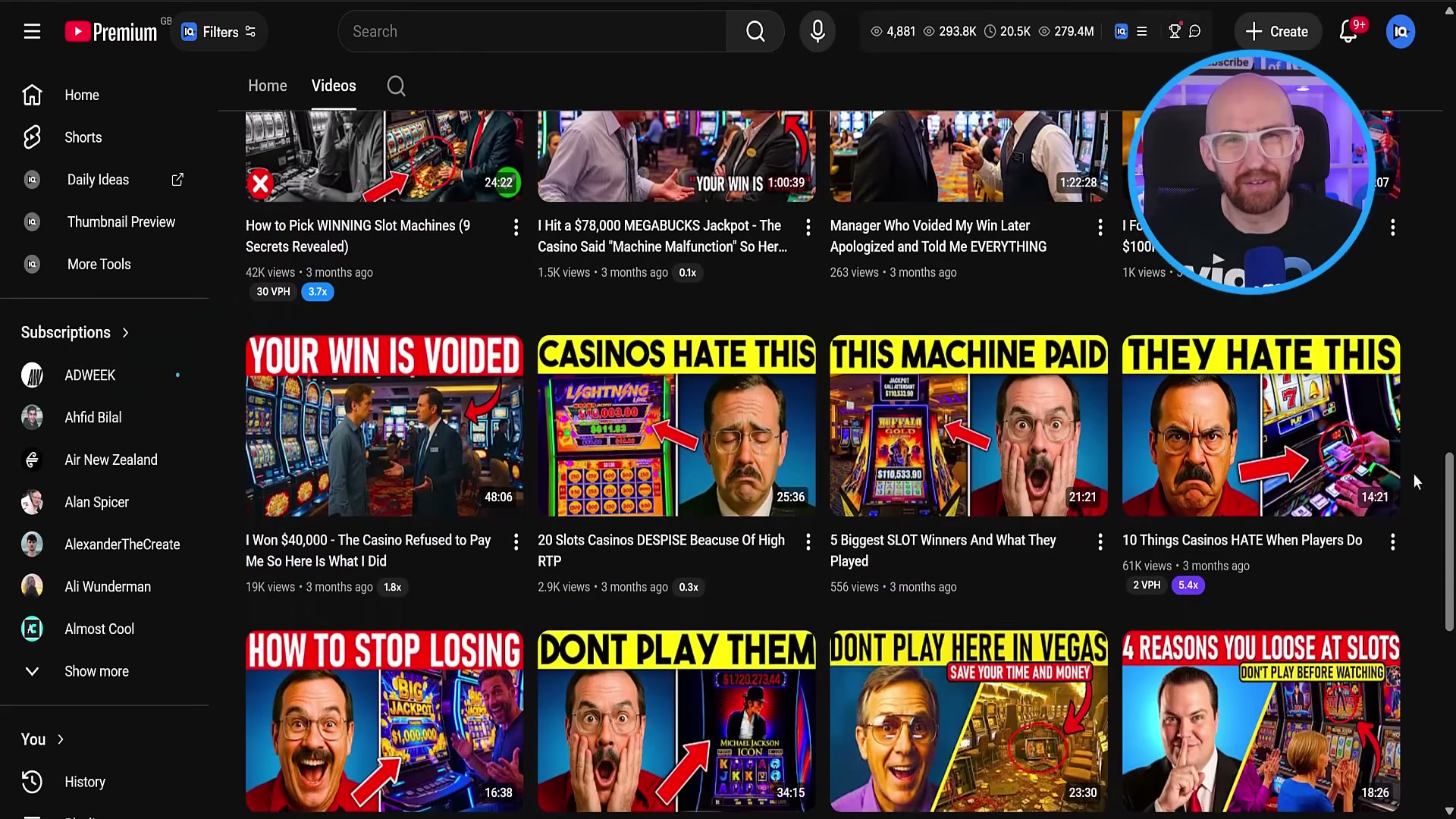
5. Evaluate the casino insider / ex-employee exposé niche (B Tier). The format drives strong engagement from a high-disposable-income audience and pulls above-average travel and entertainment CPMs. The constraint is YouTube’s tightening advertiser policy around gambling content, which creates real demonetization risk for channels that cross undocumented lines.
Warning: this step may differ from current official documentation — see the verified version below.
6. Evaluate the industry downfall / brand autopsy niche (S Tier). “How [brand] destroyed itself” applies to tech, food, retail, luxury, automotive, entertainment — topic supply is effectively unlimited. Source material is entirely public record, keeping legal risk near zero, while business and finance CPMs rank among YouTube’s highest. vidIQ places this alongside deep science as the dataset’s top earner.
7. Evaluate the police body cam footage niche (B Tier). Low barrier to entry and an established audience are offset by saturation risk and demonetization exposure from graphic content — a viable niche, but not a defensible long-term position.
How does this compare to the official docs?
vidIQ’s tier rankings reflect one proprietary dataset at one point in time, and the platform’s own published documentation on CPM benchmarks, YPP eligibility criteria, and advertiser content policies adds critical nuance to every placement on that tier list.
Here’s What the Official Docs Show
The video gives you a useful competitive map of eight faceless niches — the screenshots below fill in the verified details on platform availability, YPP eligibility structure, and community rules that a proprietary dataset alone doesn’t surface. Nothing here displaces the tutorial’s framework; it extends it where documentation exists.
Step 1: Scoring methodology
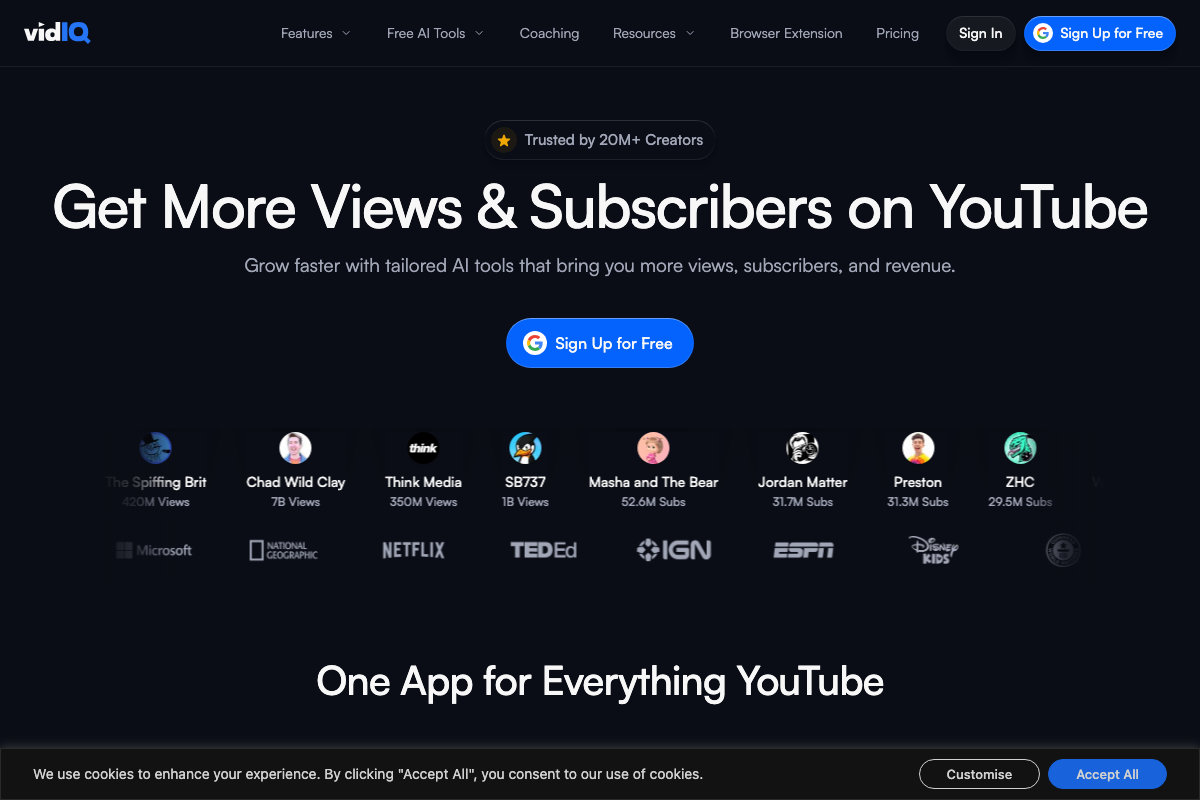
vidIQ is confirmed as a real YouTube analytics platform trusted by 20M+ creators, and its browser extension actively surfaces per-video stats on YouTube. That’s where the paper trail ends: no public vidIQ page describes the 250,000+ long-form video dataset or the four-variable scoring system (CPM, risk, competition, views) cited in the tutorial.
No official documentation was found for this step —
proceed using the video’s approach and verify independently.
Step 2: “Then & Now” AI transformation niche (B Tier)
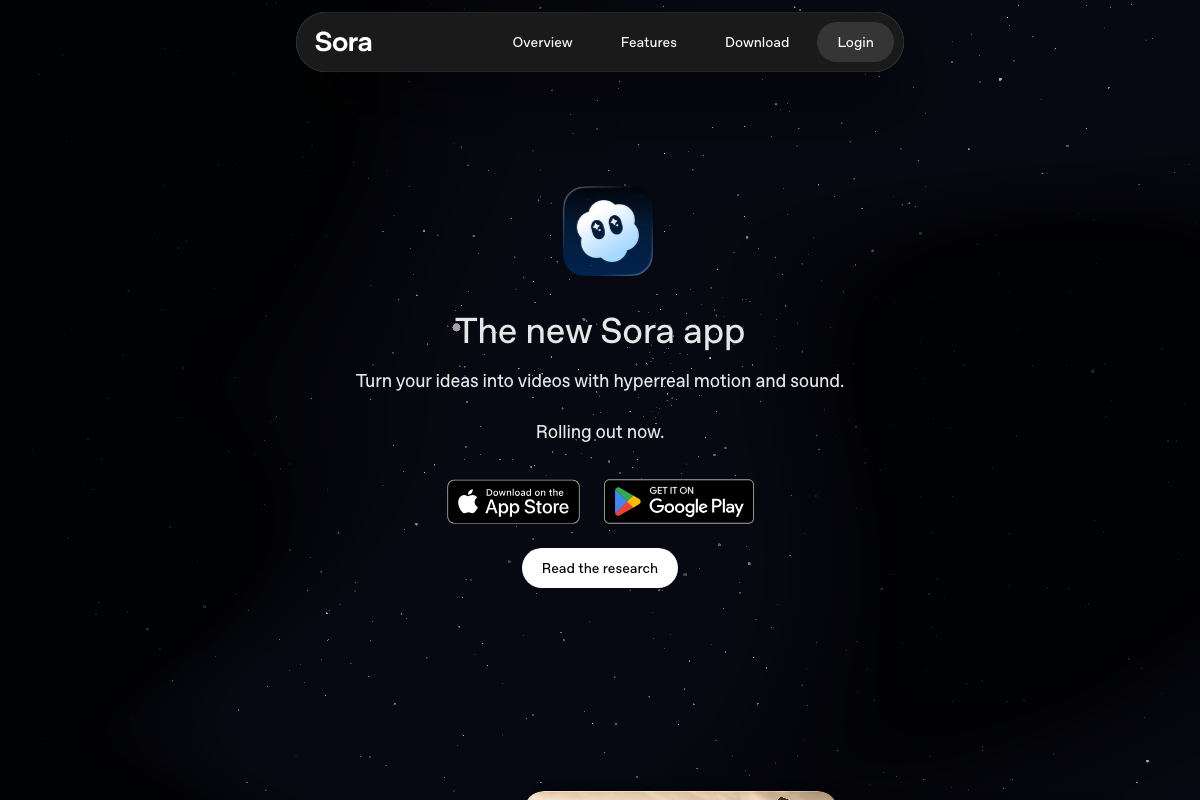
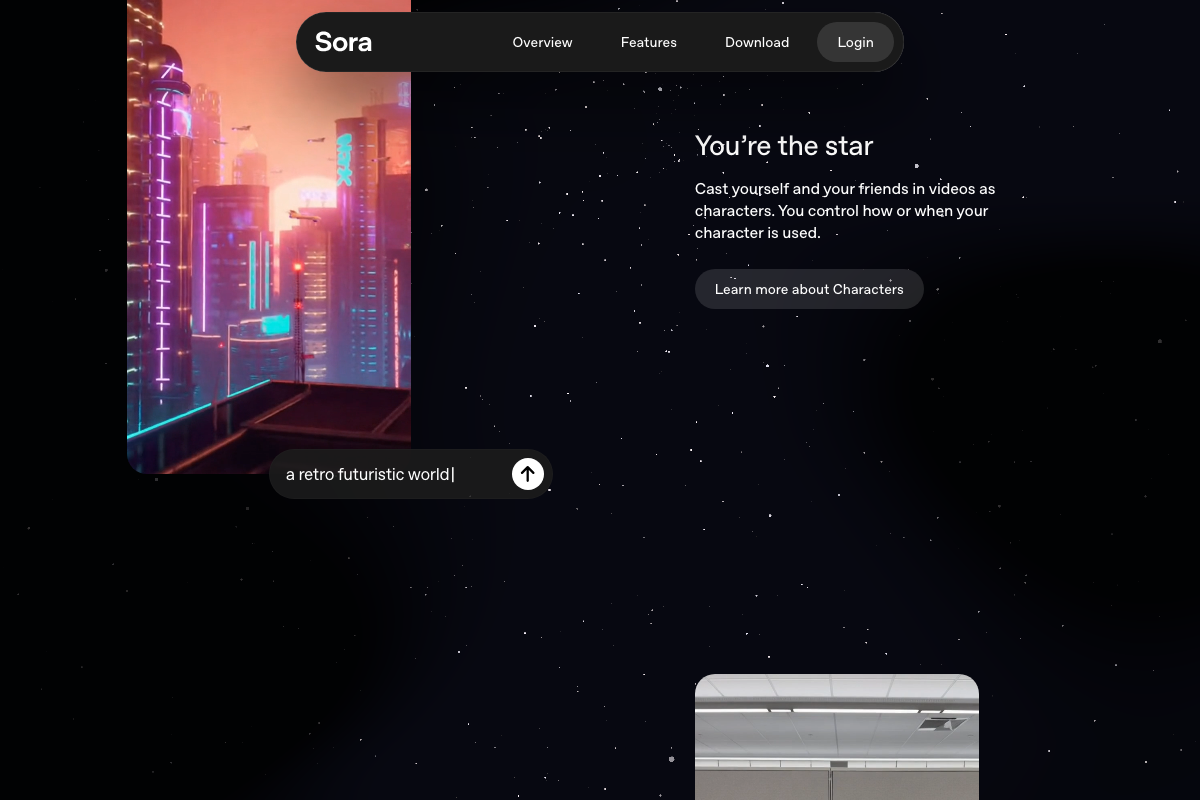
As of March 2026, Sora is a publicly available mobile app on both iOS and Android — not a research preview — and it generates native audio alongside video (“hyperreal motion and sound”), a production detail the tutorial omits. On the celebrity likeness question: Sora’s Characters feature requires explicit user consent (“You control how or when your character is used”), which underscores rather than resolves the non-consented likeness gray area the video flags.
No official documentation was found for CPM or tier ratings in this step —
proceed using the video’s approach and verify independently.
Step 3: Superhero mashup / AI character battle niche (D Tier)
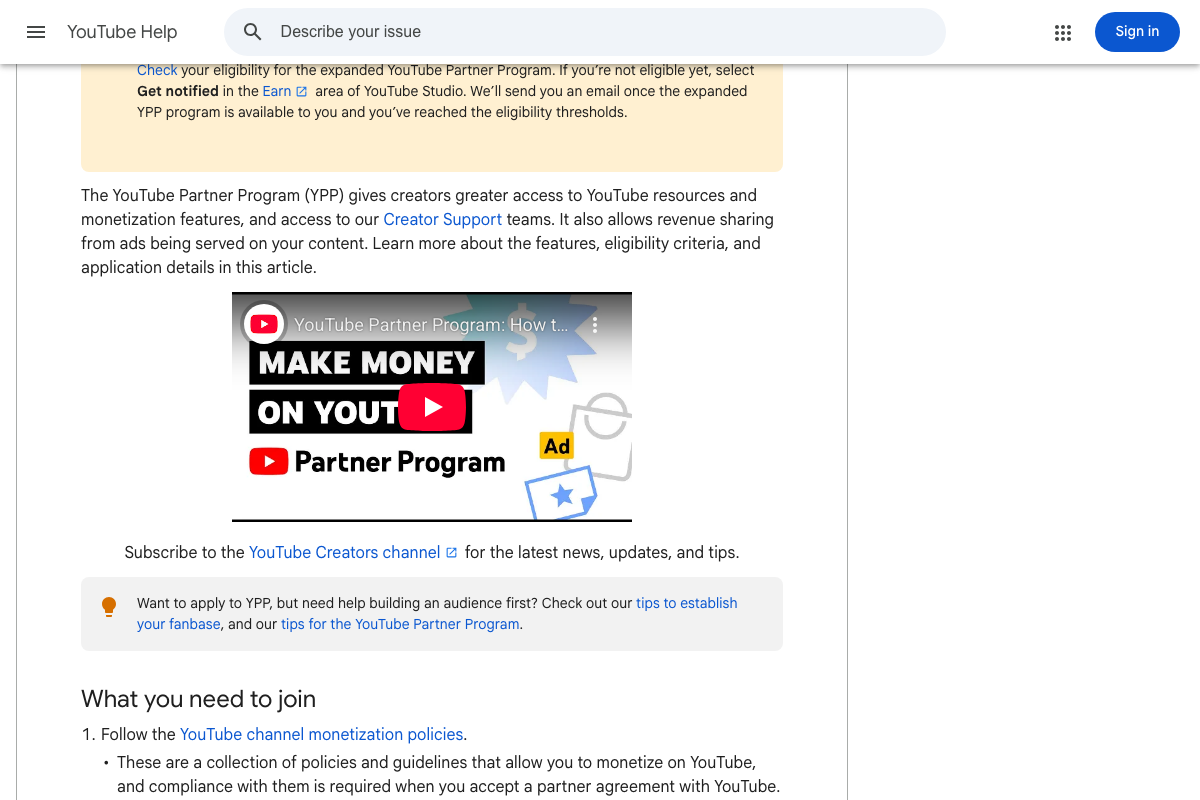
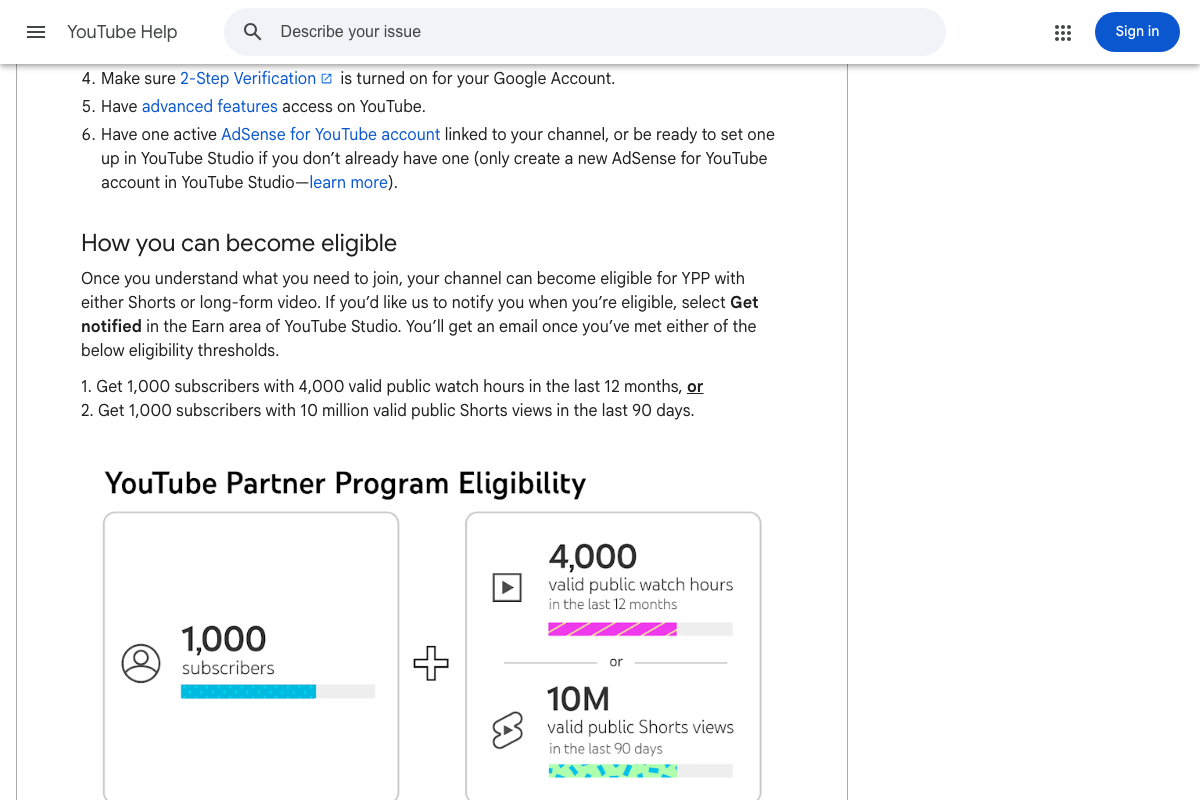
The video’s approach here matches the current docs exactly. Policy compliance is officially Step 1 of YPP eligibility — meaning IP infringement disqualifies a channel before subscriber or watch-hour counts are even evaluated. One addition from the docs: YPP now has two tiers. Fan funding and Shopping access come at a lower threshold; full ad revenue sharing — the CPM-based mechanism behind every tier rating in this tutorial — requires the higher tier. All niche ratings in the video apply only to that full tier.
Step 4: AI ASMR / oddly satisfying niche (C Tier)
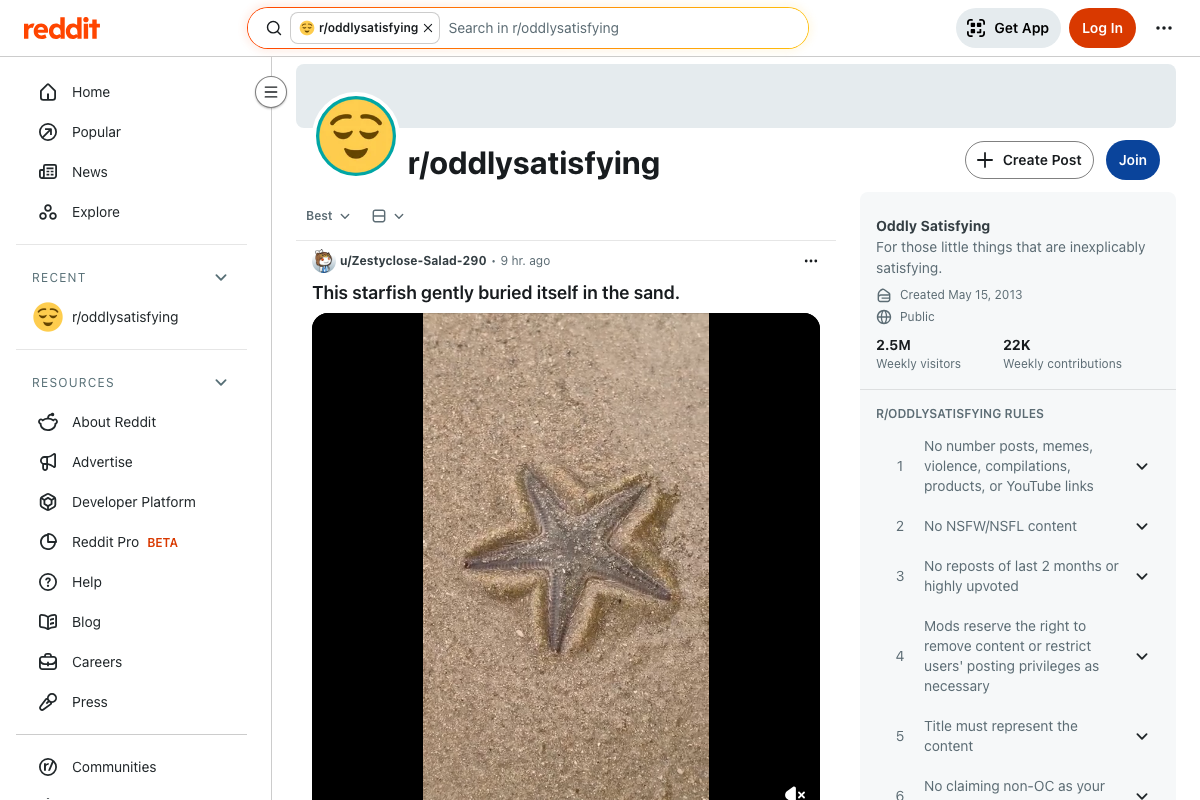
The video’s approach here matches the current docs exactly on rising competition and view-count potential. What the docs add: r/oddlysatisfying (2.8M members) explicitly bans YouTube links, product promotion, and compilations in its community rules. The largest dedicated online community for this content type is not an available distribution channel — a friction detail that compounds the saturation pressure the video already notes.
Step 5: Deep science explainer niche (S Tier)
No official documentation was found for this step —
proceed using the video’s approach and verify independently.
Step 6: Casino insider / ex-employee exposé niche (B Tier)
No official documentation was found for this step —
proceed using the video’s approach and verify independently.
Step 7: Industry downfall / brand autopsy niche (S Tier)
No official documentation was found for this step —
proceed using the video’s approach and verify independently.
Step 8: Police body cam footage niche (B Tier)
The video’s approach here matches the current docs exactly on demonetization exposure from graphic content. The official YPP thresholds (1,000 subscribers + 4,000 watch hours, or 1,000 subscribers + 10M Shorts views in 90 days) are niche-agnostic — for content involving graphic material, policy compliance remains the real gate, and those subscriber numbers are beside the point if Step 1 of eligibility isn’t met.

Useful Links
- vidIQ: Get More Subscribers & Views on YouTube | YouTube Tools — YouTube analytics and optimization platform cited as the source of the niche-ranking methodology and dataset.
- YouTube Partner Program overview & eligibility — YouTube Help — Official Google documentation covering YPP two-tier structure, numeric eligibility thresholds, and the policy compliance requirement.
- Midjourney — AI image generation platform relevant to production workflows for AI transformation and satisfying-content niches; commercial licensing terms require independent verification.
- Sora | OpenAI — OpenAI’s publicly available text-to-video and audio generation tool, now live on iOS and Android with support for cinematic, photorealistic, and surreal styles.
- Oddly Satisfying — r/oddlysatisfying — 2.8M-member subreddit with actively enforced rules banning YouTube links, compilations, and product promotion.


0 Comments