

Get Your Brand Recommended by ChatGPT: A Four-Step Off-Site Strategy
LLMs like ChatGPT don’t rank pages — they recommend brands, and the signals driving those recommendations happen almost entirely off your website. This tutorial walks through four steps to build the third-party brand presence that gets your business cited in AI-generated answers. By the end, you’ll have a repeatable system for earning brand mentions across roundup content, community forums, press releases, and a scalable content distribution machine.
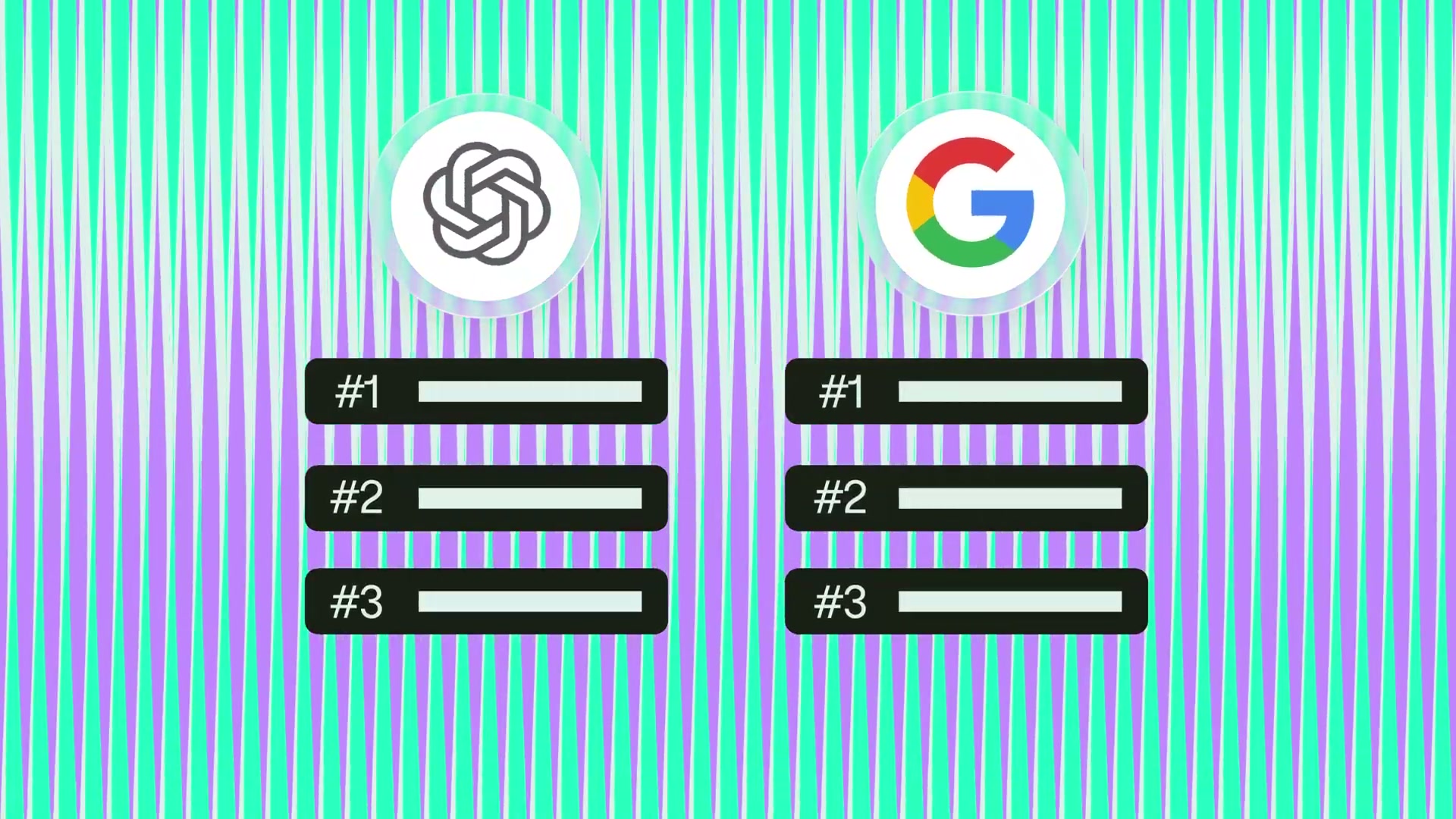
- Search LLMs and Google for existing “best of” and comparison pages in your category — queries like “best tools for [X],” “software like [Y],” or “[competitor] alternatives” will surface the roundup articles that AI systems already cite as sources. Once you have a target list, reach out to each author with a short, factual note: describe what your product does and who it’s for, nothing more. The goal is a frictionless add to their list. Don’t chase dofollow links — a clean, accurate brand description in a no-follow mention or even a plain-text citation carries more weight for LLM visibility than a link stripped of context. If a page links to a dead or deprecated resource, lead with that problem and offer your product as a replacement. You’ve just given the author a reason to act immediately.


2.Find high-intent recommendation threads on Reddit, Quora, and niche forums where someone is asking for exactly what you sell. Skip vague or theoretical questions — target threads where someone says “what’s the best tool for X,” “is [tool] worth it,” or “what are alternatives to [competitor].” When you reply, write like a practitioner, not a salesperson: explain what you use, why you use it, when it makes sense, and when it doesn’t. Repeat the same core description of your brand each time you show up. LLMs build associations through repeated phrasing, so consistency in how you describe your product matters more here than it ever did for traditional SEO.
3. Write a press release with a clean, neutral, one-to-two-sentence description of your brand — who it’s for, what it does, how to categorize it. Distribute it through a standard wire service, then reuse that exact phrasing everywhere: your website’s about section, outreach emails to comparison page authors, forum replies, and journalist pitches. The press release itself is a weak standalone signal, but the consistent repetition of the same description across multiple independent sources is what LLMs learn from over time.
Warning: this step may differ from current official documentation — see the verified version below.

4. Pick one primary publishing channel — a blog, YouTube channel, newsletter, or social platform — and publish value-first content on a consistent schedule. Then redistribute every piece across additional platforms: a blog post becomes a YouTube video, a long-form video becomes short-form clips, a LinkedIn post becomes a newsletter. The goal is to generate organic brand mentions at scale so your brand is being discussed and cited continuously, without requiring manual effort for every individual mention.
How does this compare to the official docs?
The strategy here draws on observed patterns from real campaigns, but the official guidance from platform providers and AI developers tells a more specific — and sometimes different — story about what actually influences LLM citations.
Here’s What the Official Docs Show
The tutorial’s four-step framework holds up well against current documentation — what follows runs through the same sequence with the additional context the source material surfaces. A few platform-level details are worth knowing before you execute.
Step 1: Query LLMs and Google for existing roundup content
The video’s approach here matches the current docs exactly. ChatGPT’s query interface is available to unauthenticated users at chatgpt.com — no account required for the Step 1 discovery workflow. One addition worth noting: ChatGPT now offers a Deep Research mode visible in the left sidebar, which runs more thorough multi-source queries than standard chat and may return more complete “best of” lists than a basic prompt.

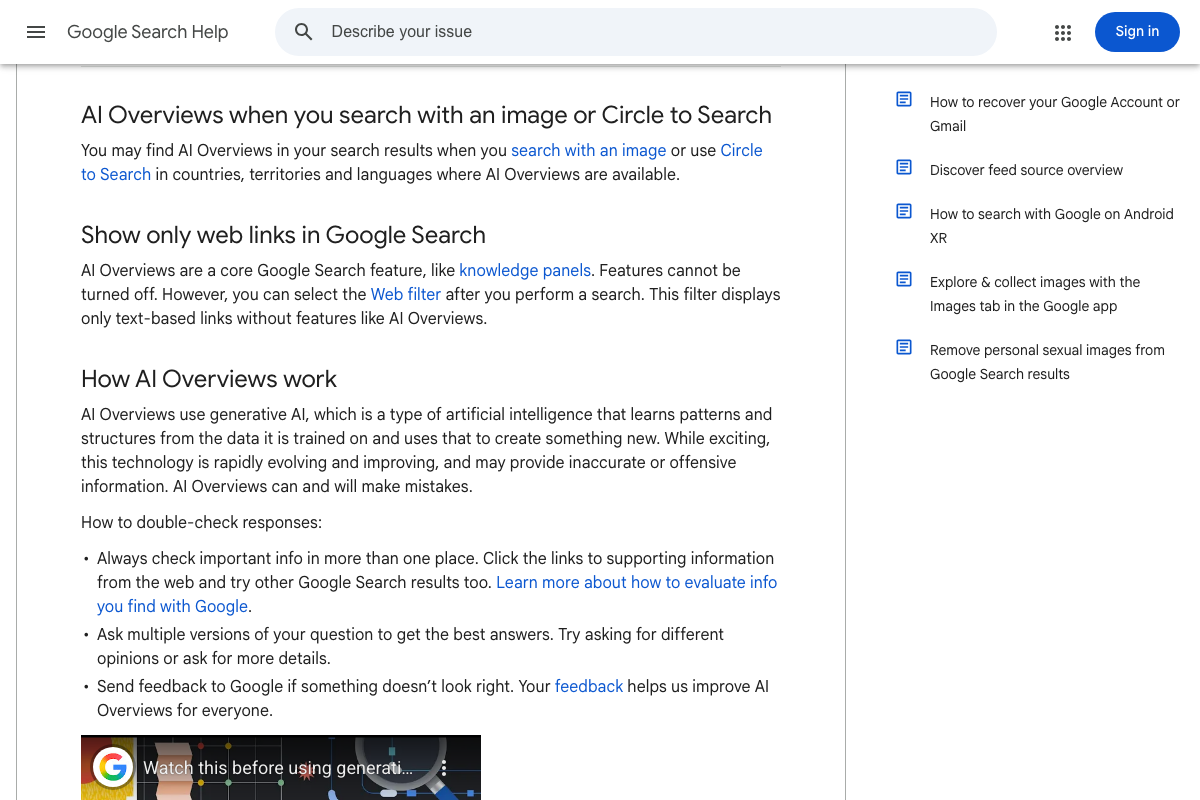
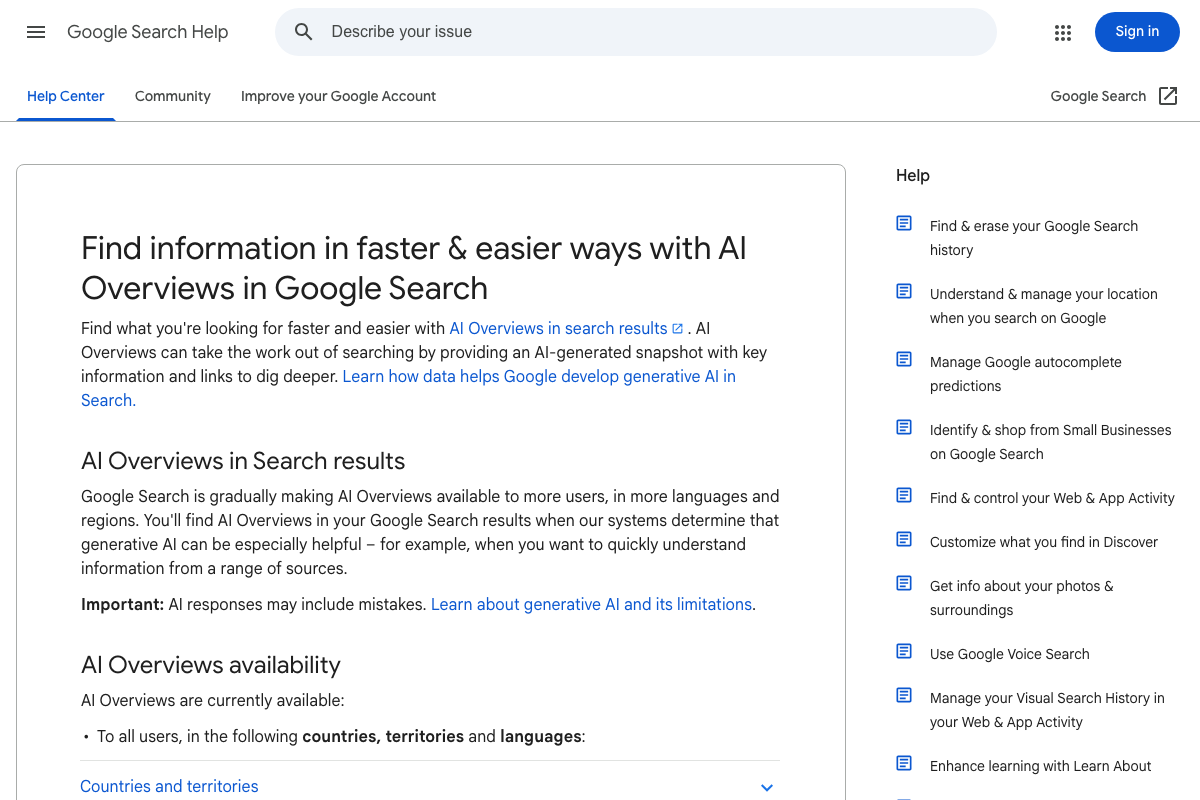
Google’s official documentation confirms AI Overviews are permanent and non-optional — Google’s own support page states: “Features cannot be turned off.” The system is trained on web data, which is the exact mechanism the tutorial’s strategy is designed to influence. One surface the tutorial doesn’t account for: Google has since introduced AI Mode as a separate conversational layer, distinct from AI Overviews. If you’re monitoring brand appearances in Google AI outputs, both surfaces are now in play.
Backlinko’s current content also puts a formal name to this whole approach: the practice of deliberately seeding brand mentions to influence LLM outputs is documented as LLM Seeding — a term the tutorial doesn’t use, but one that will help you find additional research and case studies beyond this post. The broader containing framework is called Generative Engine Optimization (GEO), and the four steps here represent one execution model within it.

Step 2: Find and engage recommendation threads on Reddit and forums
No official documentation was found for this step —
proceed using the video’s approach and verify independently.
Step 3: Write a press release and repeat your brand description consistently
The video’s approach here matches the current docs exactly. Google’s own AI Overviews support page includes a bolded warning: “AI responses may include mistakes.” That line from Google’s official documentation is the strongest possible argument for Step 3’s core discipline — if AI systems can misattribute or misdescribe your brand, the only reliable hedge is consistent, accurate phrasing repeated across enough independent sources that the correct version dominates.
Step 4: Build a content machine around a primary publishing channel
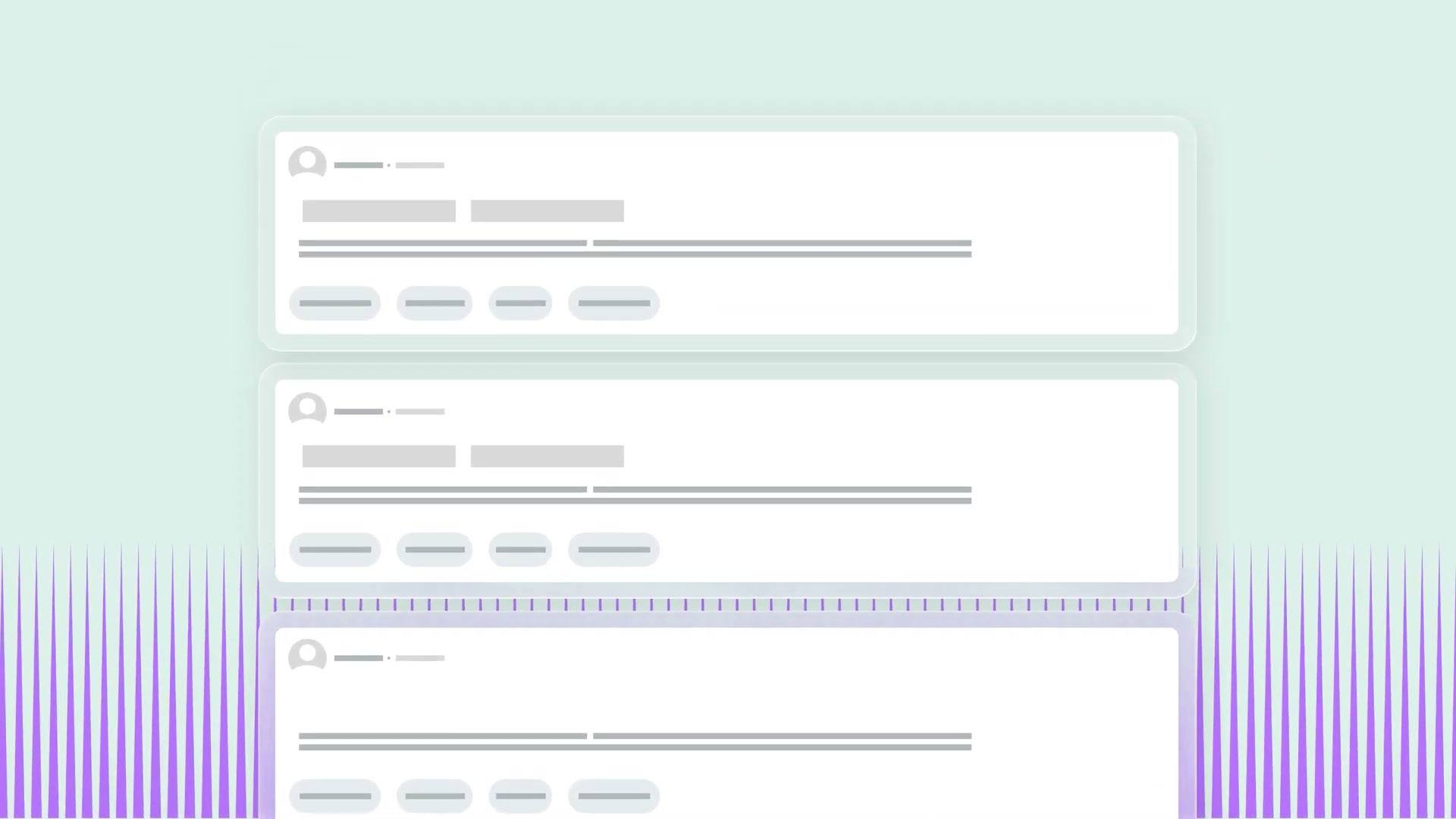
The video’s approach here matches the current docs exactly. Exploding Topics confirms the platform surfaces early-stage trend signals suited to content ideation — but two details the tutorial skips: the Search Trends field is gated behind a Pro subscription (labeled “PRO” in the interface), and Exploding Topics is a Semrush company. If you’re already in the Semrush ecosystem, access may be bundled; if not, factor the subscription into your tool stack before committing to this as your primary trend-discovery layer.

Useful Links
- ChatGPT — OpenAI’s AI interface used in Step 1 to query for existing “best of” and comparison lists; accessible to unauthenticated users with a standard prompt or Deep Research mode.
- Find information in faster & easier ways with AI Overviews in Google Search — Google’s official documentation confirming AI Overviews are a permanent, training-data-driven feature that cannot be disabled, and that AI responses may include mistakes.
- Backlinko: SEO, Content Marketing, & Link Building Strategies — Practitioner SEO publication that formally documents LLM Seeding and Generative Engine Optimization as named strategies encompassing the tutorial’s approach.
- Exploding Topics — Discover the hottest new trends. — Semrush-owned trend discovery platform referenced in Step 4; keyword-level trend search requires a Pro subscription.
- Reddit — Community platform central to Step 2; automated access is restricted by Reddit’s bot-detection systems, so manual browsing is required for the recommendation thread research described in the video.


0 Comments