

Optimize for AI Citation, Not Google Rankings: What Five AI CEOs Told Marketers
In the span of 90 days, five of the most consequential AI CEOs in the world delivered essentially the same message — and most marketing teams missed it entirely. After working through this tutorial, you’ll understand why rankings and clicks have become lagging indicators, how to restructure your content so AI agents can cite and retrieve it, and how to track your AI visibility for free using Ubersuggest. The shift from human-first to agent-first content consumption is already generating outsized revenue; the gap is between teams who’ve noticed and teams who haven’t.
- Recognize that AI agents — not human readers — are increasingly the first consumers of your published content.
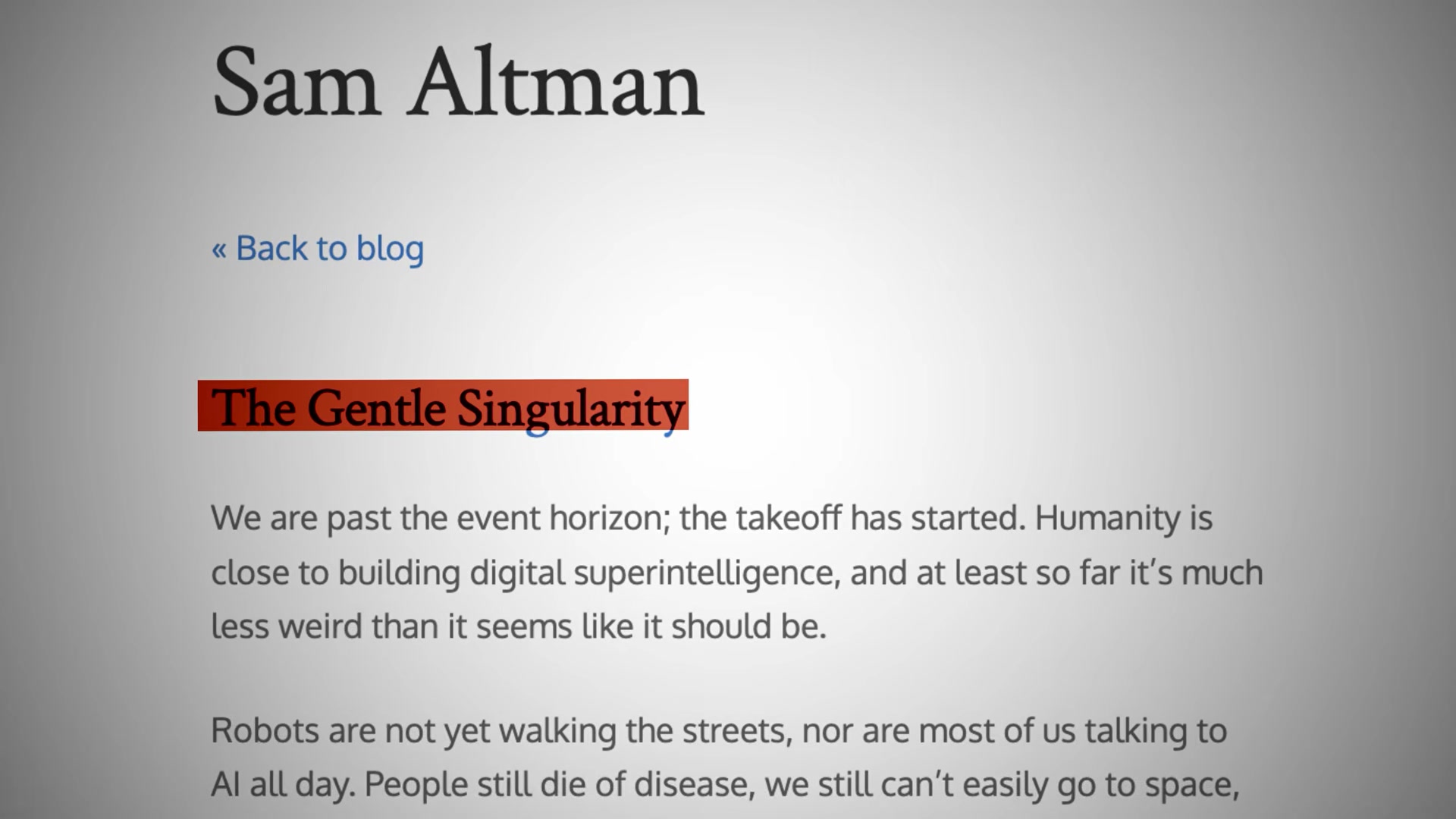
Sam Altman’s 2026 essay The Gentle Singularity describes AI systems running autonomous projects lasting weeks, pulling and synthesizing information continuously across the web. His remarks at BlackRock’s Infrastructure Summit in March 2026 made the operational implication explicit: these aren’t assistants handling minute-long tasks, they’re systems completing extended research workflows with full organizational context. The marketing consequence is direct — when a VP of marketing asks ChatGPT for “the best B2B SaaS marketing agencies under 500 employees,” an agent reads your content and either puts you on the short list or skips you. The human never loads your page.

- Replace rankings and clicks as your primary KPIs with citation frequency and agent retrieval rate.
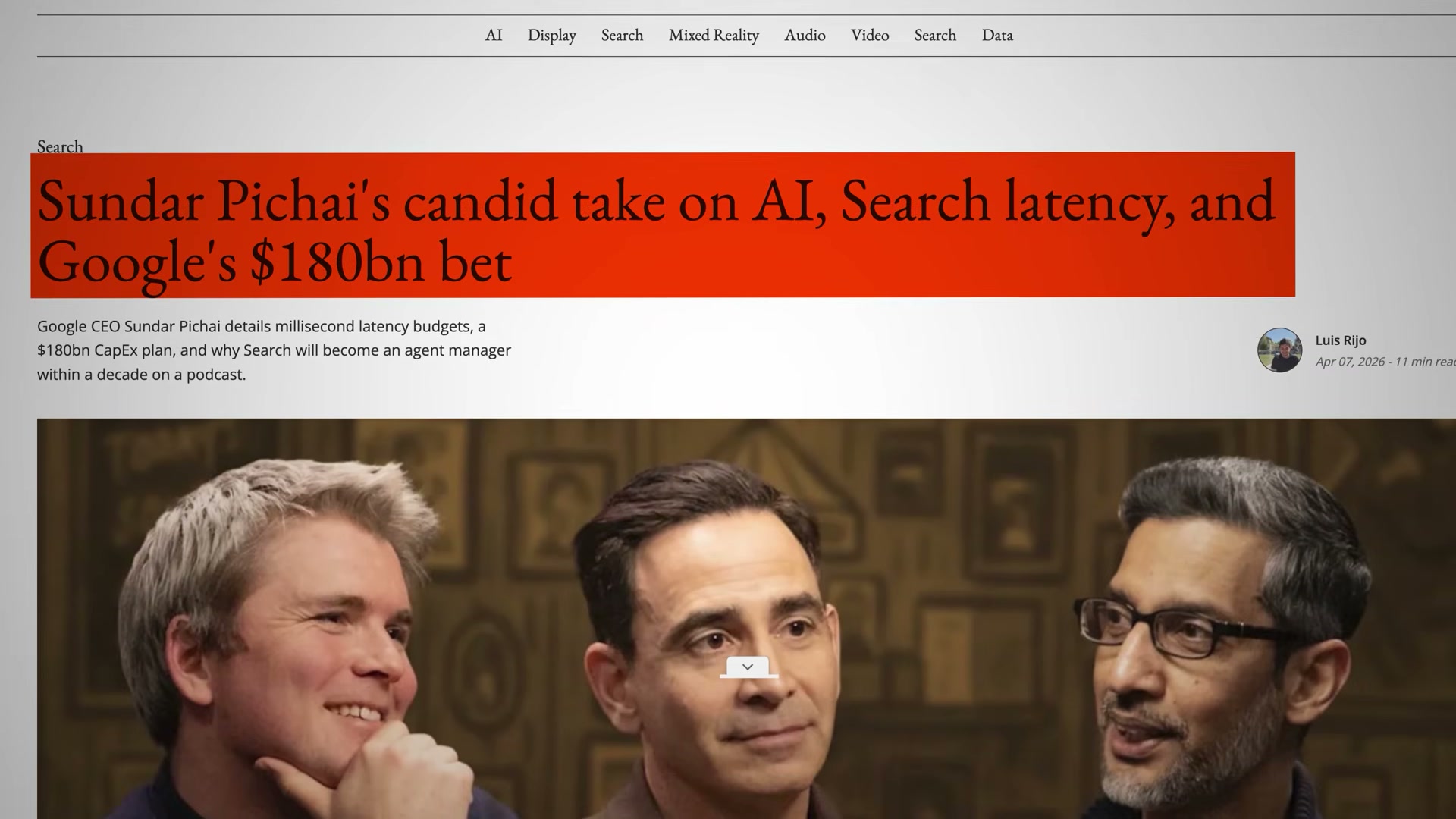
Sundar Pichai described Google Search evolving into what he called an “agent orchestrator” — a system that completes complex tasks autonomously rather than returning a list of links for humans to evaluate. That architectural shift makes the old optimization question (“Does my page rank for the keyword?”) structurally irrelevant. The operative question is whether an AI agent selects your content when completing a task on someone’s behalf. Satya Nadella framed the stakes at Davos 2026: “If AI is just a carnival for tech companies, then it is a bubble. If it can spread to all industries like electricity and create real surplus, then it is a transformation.” NP Digital’s internal data illustrates the revenue asymmetry already in play: AI platforms drive under 1% of total site traffic but generate 9.7% of B2B revenue and 11.4% of B2C revenue.

- Restructure every content asset for agent citation: lead with direct answers, use structured data, and surface explicit attribution.
Agents don’t skim — they dissect on first contact and extract insight without revisiting. Content that buries its thesis, omits sourcing, or depends on narrative momentum to establish credibility will be passed over. Lead each piece with the clearest possible answer to the question it targets, mark up your structured data so retrieval systems can parse entities and claims without inference, and attribute every data point explicitly. Elon Musk’s “Macrohard” project — an AI agent system designed to perform any white-collar computer task — makes the audience shift concrete: you are increasingly writing for an agent completing a manager’s research assignment, not the manager.

- Track your AI footprint using Ubersuggest’s free AI Visibility Report.
Navigate to ubersuggest.com and enter your domain. The AI Visibility Report surfaces which of your pages are appearing inside AI-generated responses and which are invisible to agent retrieval systems entirely. Treat it as a rank tracker for the citation era — it closes the loop between your traffic analytics and your agent-retrieval footprint, giving you a prioritized list of pages to restructure first.
- Apply the third optimization action from the full video.
The transcript ends before the third specific action is fully delivered. Refer to the full video past the Ubersuggest demo segment for the complete recommendation.
How does this compare to the official docs?
The GEO and AEO frameworks Neil Patel describes are evolving faster than any single platform’s published guidelines — Act 2 maps these recommendations against current official guidance from Google, Bing Webmaster, and Schema.org to show where the video holds up, where it compresses nuance, and what the documentation adds that the video leaves out.
Here’s What the Official Docs Show
The video’s core argument lands — AI agents are real, active content consumers and your measurement framework needs to reflect that. The documentation adds sharper technical grounding to a few steps and corrects one feature name that’s easy to misread in a live demo.
Step 1: Recognize that AI agents are increasingly the first consumers of your published content.
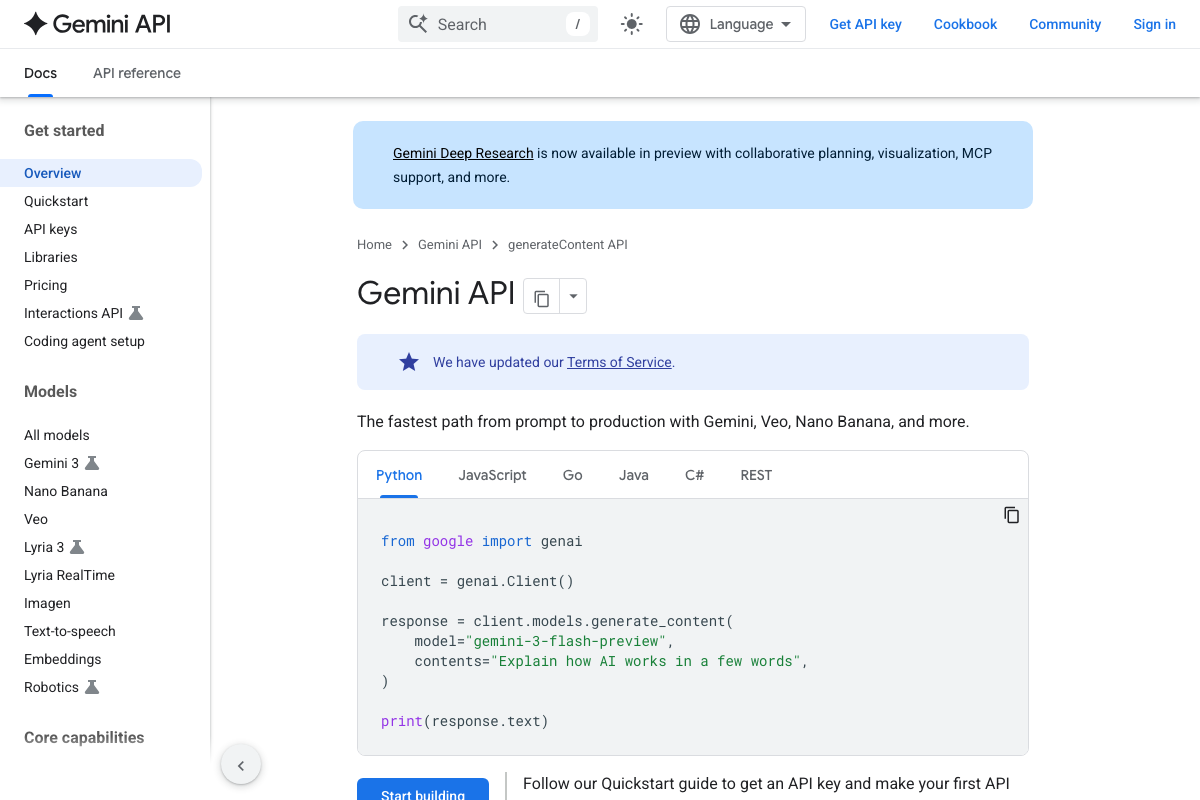
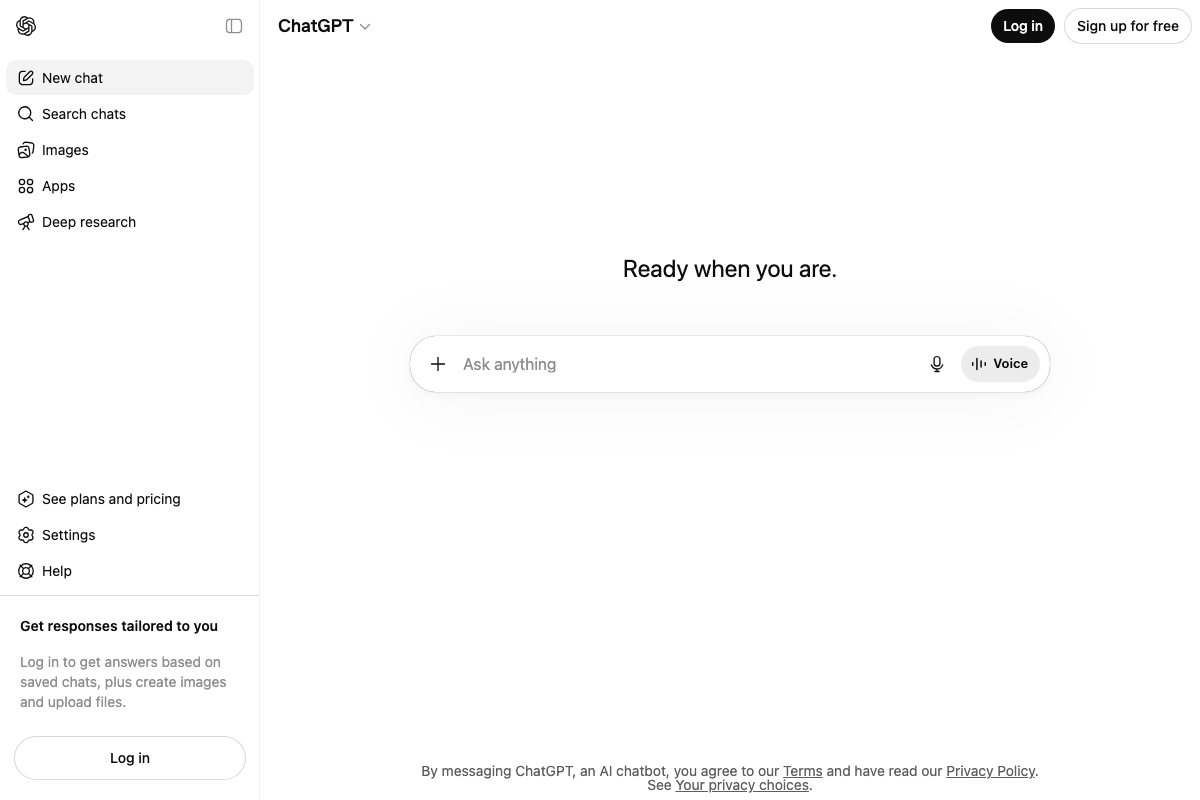
The video’s approach here matches the current docs exactly. The Gemini API documentation confirms an explicit “Coding agent setup” section and announces that Gemini Deep Research is available in preview with MCP support and collaborative planning — meaning Google’s own developer docs describe its AI system as a structured, multi-step research agent that retrieves and synthesizes web content programmatically. The generate_content() API call shown in the docs is the actual mechanism by which agents process pages. ChatGPT’s consumer interface independently confirms “Deep research” as a named feature mode, accessible to any logged-out user.
Step 2: Replace rankings and clicks with citation frequency and agent retrieval rate.
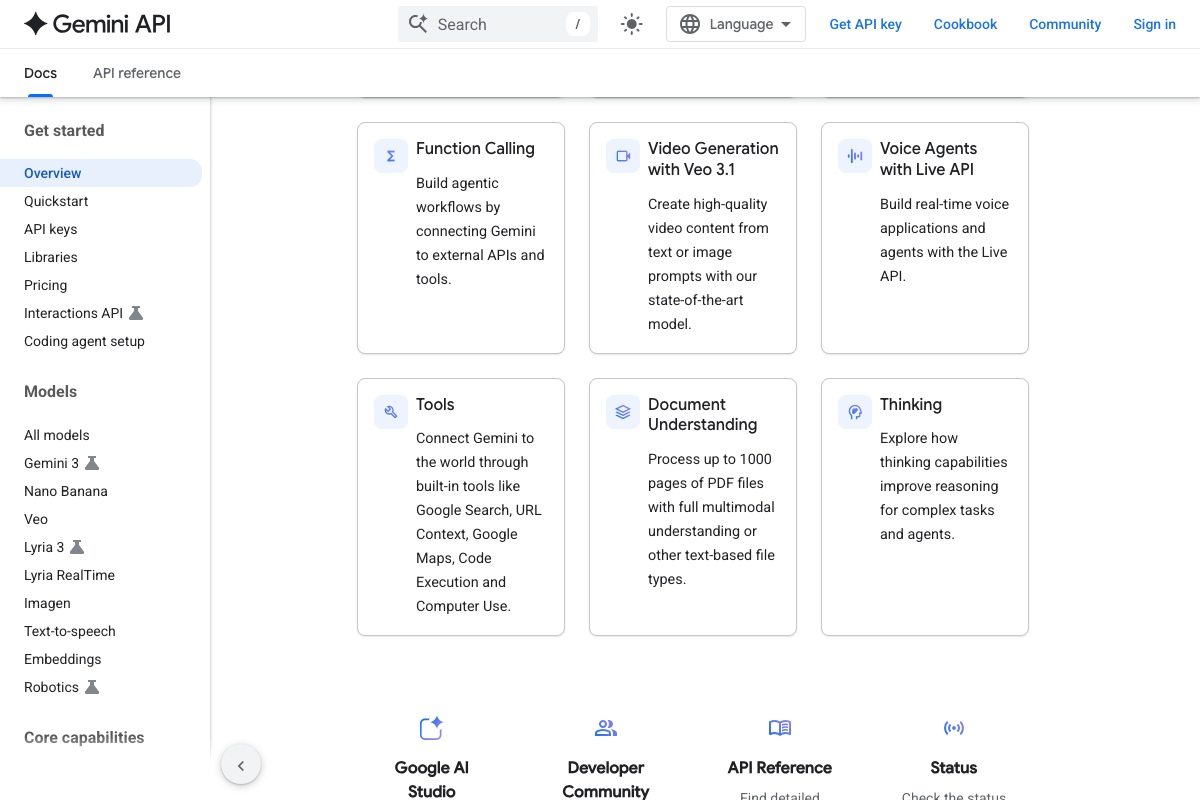
The video’s approach here matches the current docs exactly. The Gemini API’s Tools capability page explicitly lists URL Context as a built-in tool — confirming Gemini agents retrieve and process live web pages by URL. Function Calling enables agentic workflows that connect to external APIs. Document Understanding processes up to 1,000 pages of PDFs. The infrastructure for agent-first content consumption is documented and shipping.
Step 3: Restructure every content asset for agent citation.
No official documentation was found for this step —
proceed using the video’s approach and verify independently.
Step 4: Track your AI footprint using Ubersuggest.
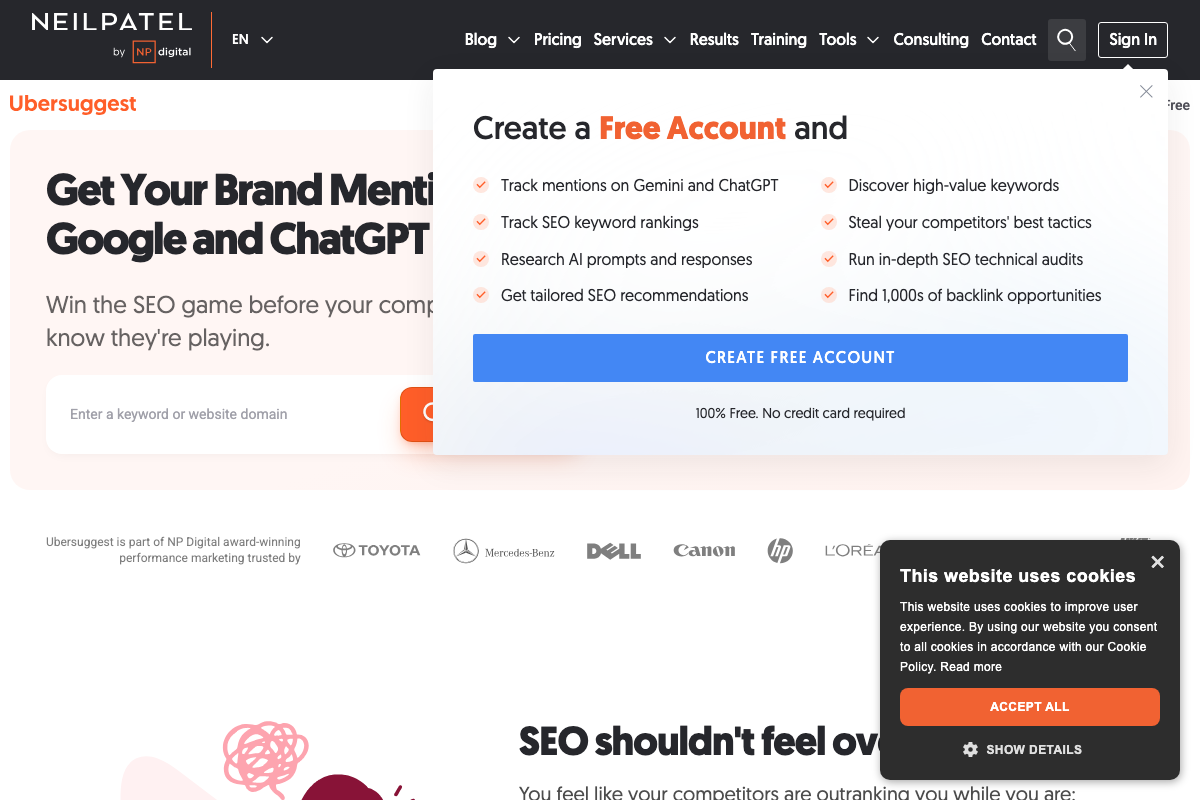
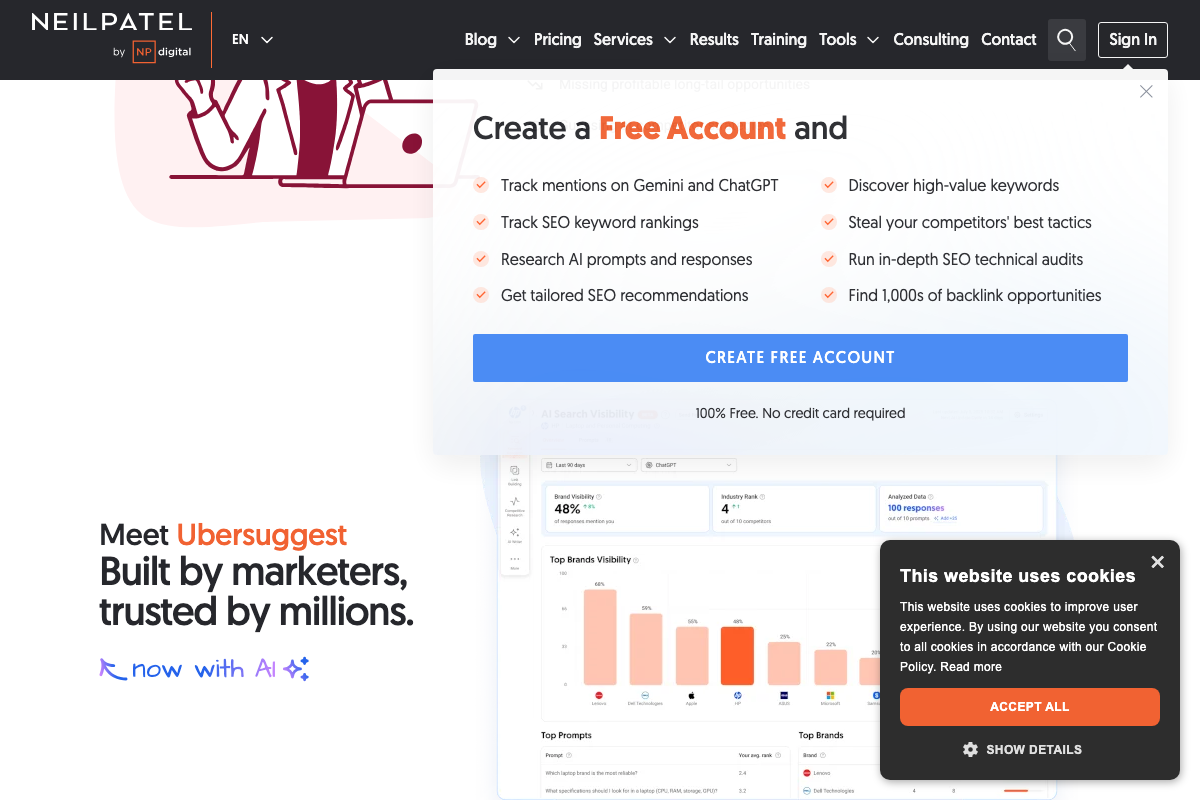
Two clarifications are worth flagging here. First, as of May 2026, the feature inside Ubersuggest is labeled “AI Search Visibility” — the video calls it the “AI Visibility Report,” which reflects how the feature may have been labeled or described during filming. Second, the homepage input reads “Enter a keyword or website domain” — you can enter a keyword, not only a domain URL as the video demonstrates. The report itself is a competitive benchmarking tool: it shows Brand Visibility as a percentage, Industry Rank among up to 10 competitors, Top Prompts that surface your brand, and a Top Brands comparative chart — all based on a sample of 100 analyzed AI responses. AI mention tracking is scoped explicitly to Gemini and ChatGPT; the docs do not list any additional AI systems. The free tier requires no credit card.
Step 5: Apply the third optimization action.
No official documentation was found for this step —
proceed using the video’s approach and verify independently.
Useful Links
- Ubersuggest: Free Keyword Research Tool – Neil Patel — Official Ubersuggest homepage confirming the free AI Search Visibility feature, Gemini and ChatGPT tracking scope, and the full free-tier feature set.
- Gemini generateContent API | Google AI for Developers — Gemini API documentation confirming agentic retrieval capabilities including URL Context, Deep Research with MCP support, and Function Calling.
- ChatGPT — ChatGPT consumer interface confirming Deep Research as a publicly accessible agentic feature mode; no API-level citation documentation was captured.


0 Comments