

Ranking Every AI Tool Worth Your Money in 2026
Dan Martell tested more than 500 AI tools to produce this ranked list. After working through it, you’ll have a clear framework for evaluating any AI tool by its income-generating ROI — and a prioritized stack of 17-plus tools ranked from indispensable to actively harmful for business operators in 2026.

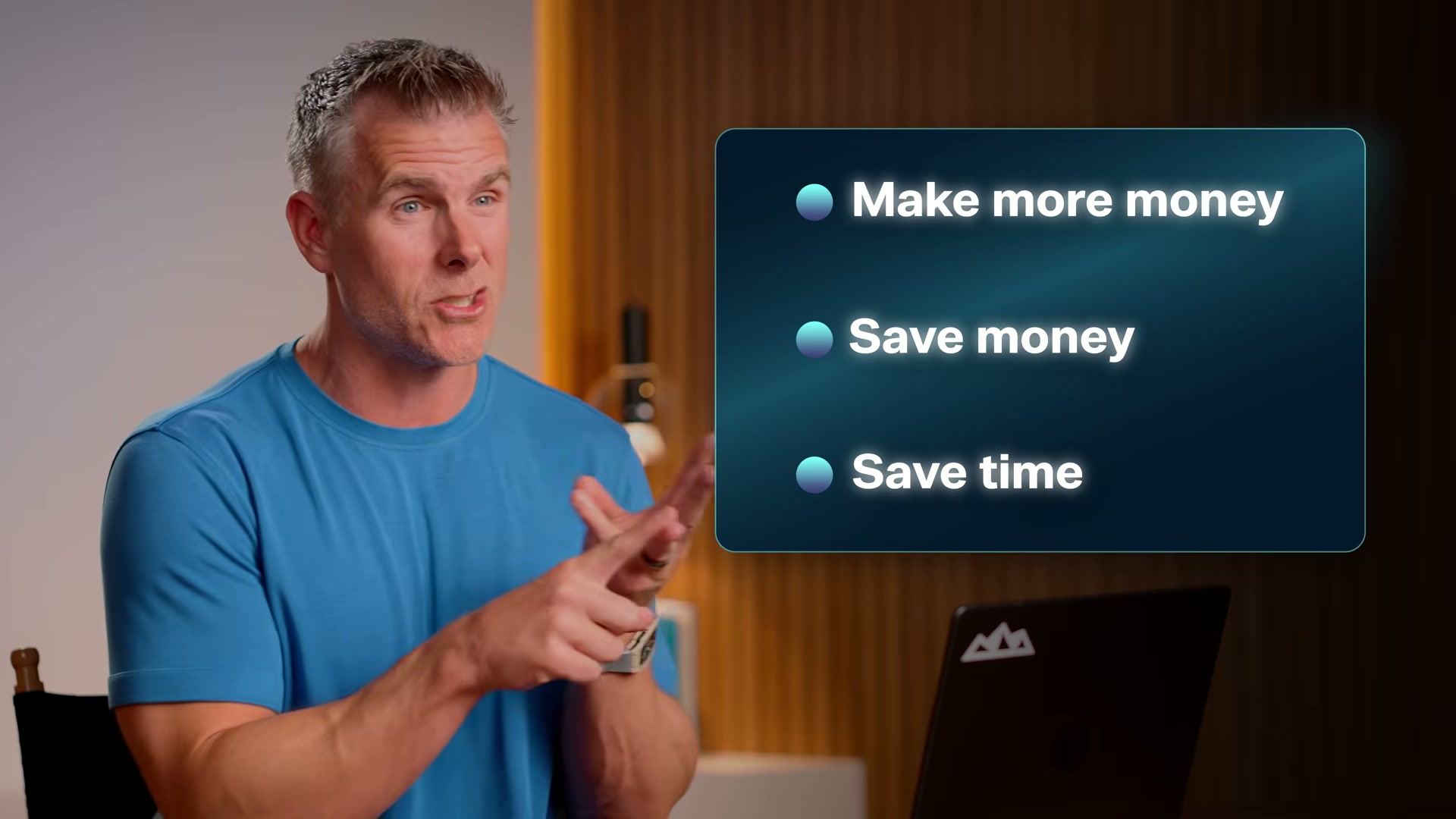
- Set up the ranking framework. Every tool is evaluated on a single axis: input cost (money, time, energy) versus output value. The tiers run S (highest ROI), A (good), B (mediocre), C (marginal), and F (avoid entirely). Hype and brand recognition don’t factor in — only income-generating potential does.
-
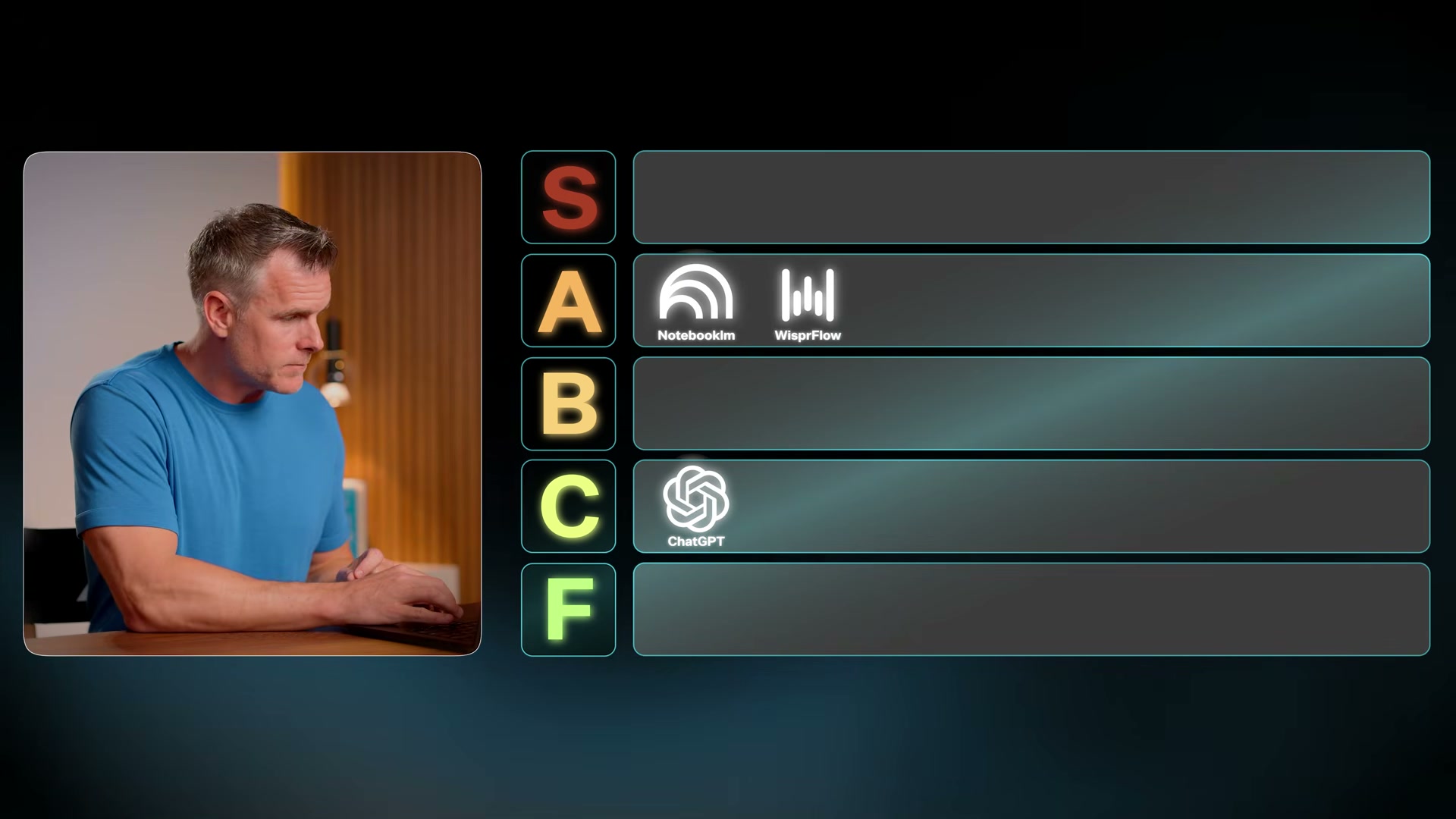
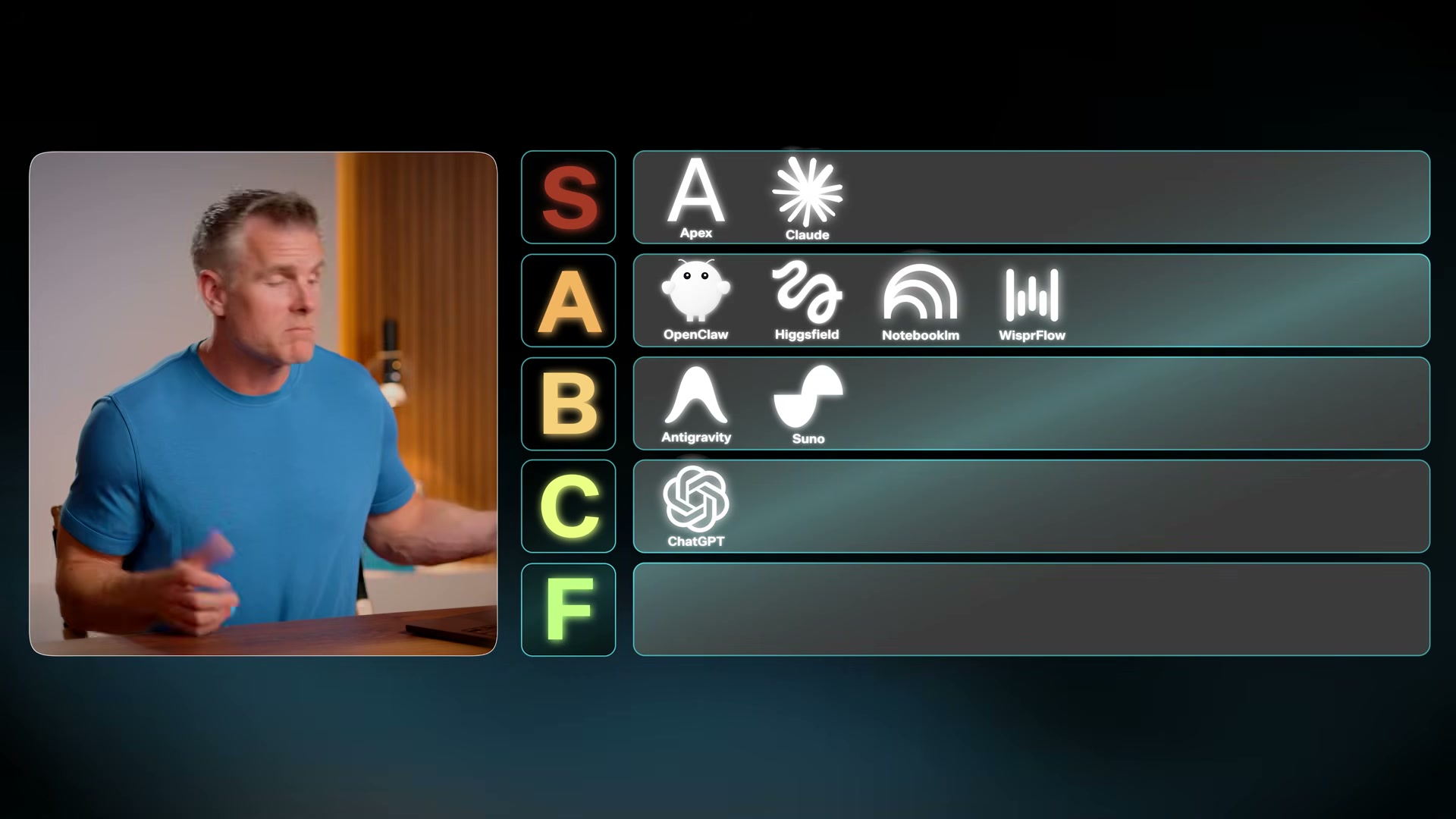
Rank ChatGPT: C tier. First to market and now the Kleenex of AI — widely recognized but declining in value relative to newer alternatives. For business operators focused on measurable output, it no longer earns a spot above C.
-
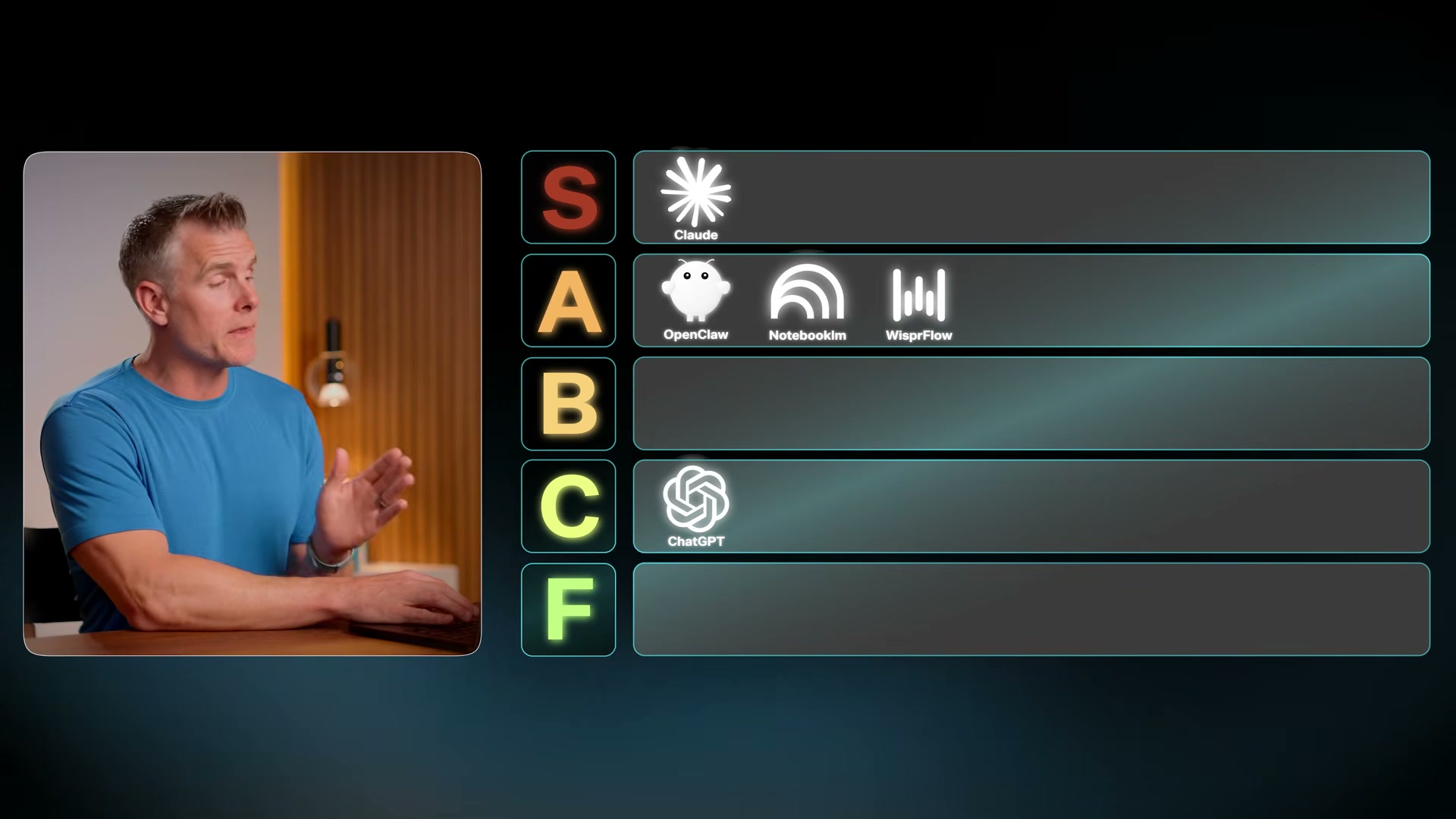
Rank NotebookLM: A tier. Upload sources on any topic and interact with a bounded custom AI that stays confined to that research. NotebookLM generates infographics, slide decks, and interactive podcasts you can query live — a strong force-multiplier for operators who need to master new domains fast.
-
Rank WisprFlow: A tier. A voice-to-text layer that sits across every AI tool in your stack. It handles mid-sentence corrections, formats output based on natural speech patterns, and produces two to three times more output by removing input friction. A tier for the leverage it creates across the entire stack.
-
Rank Claude: S tier. Martell shut his company down for two days to teach his team Claude Code. He has personally built 27 tools with it and credits it with powering his 15-company venture studio. At $30 billion ARR, matched with ChatGPT on one-tenth the resources, it takes S tier as the highest-ROI AI tool for business owners.
-
Rank OpenClaw: A tier (top). Open-source and free, OpenClaw is one of the most capable AI agent platforms available. The barrier is technical: most business owners lack the security knowledge to maintain a stable instance. Top of A tier for raw power; impractical without technical support.
-
Rank Apex: S tier (top). Apex wraps OpenClaw with security, automated backups, and persistent AI team-member personas. Martell’s own instance — named Kai — writes code, solves problems, and identifies operational gaps continuously. It takes the top slot in S tier, positioned above Claude, though it runs on Claude under the hood. Note: Apex is a Martell Ventures product and was on a waitlist at time of filming.
Warning: this step may differ from current official documentation — see the verified version below.

-
Rank Antigravity: B tier. Google’s multi-LLM coding platform with Gemini integration. It’s the strongest option for design-focused businesses, but the complex interface keeps it at B tier for general operators.
-
Rank Higgsfield.ai: A tier. A single membership unlocks multiple generative video models. Martell’s media team uses it to replace expensive production shoots. For any business running video marketing, A tier.
-
Rank Suno: B tier. AI music generation — useful for brand audio, entertaining in practice, but not a direct revenue driver. B tier, and — controversially — above ChatGPT.
-
Rank Frank (hellofrank.ai): A tier. An AI CFO connected to live company data. Frank answers profitability, spend, and hiring questions visually in real time — a significant cost saver for small businesses without a full-time finance hire. Ranks above Higgsfield in A tier.
-
Rank Google Gemini: S tier (bottom). Embedded across Gmail, Docs, Calendar, and YouTube, Gemini carries broader training data, full YouTube index access, and Google’s infrastructure investment behind it. Not at Claude’s capability level today, but earns S tier for long-term competitive position.
-
Rank Grok: A tier. Martell’s preferred tool for deep research and high-stakes strategic decisions. The current architecture is being rebuilt ahead of version 5.0, which limits its placement today — above WisprFlow, below NotebookLM.
-
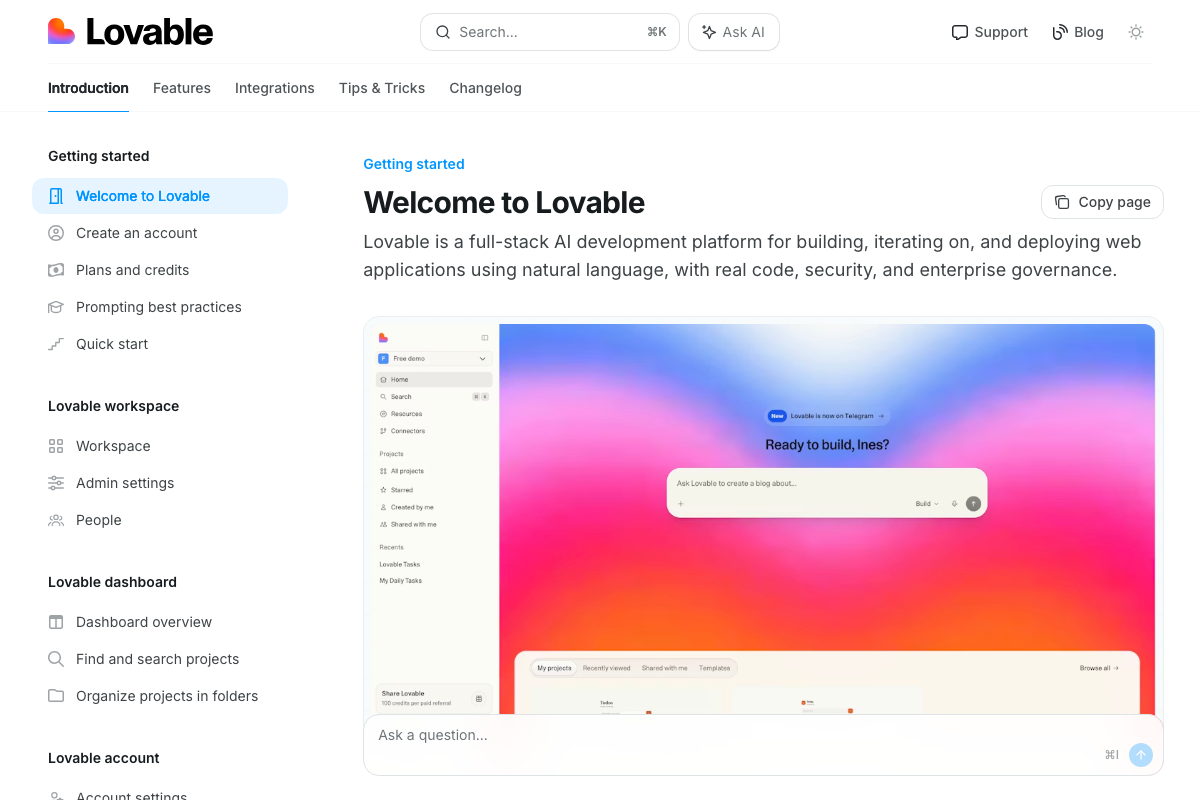
Rank Lovable: B tier (bottom). The original no-code app builder. Every major AI platform has since folded this capability natively, making standalone no-code builders redundant. Bottom of B tier.
-
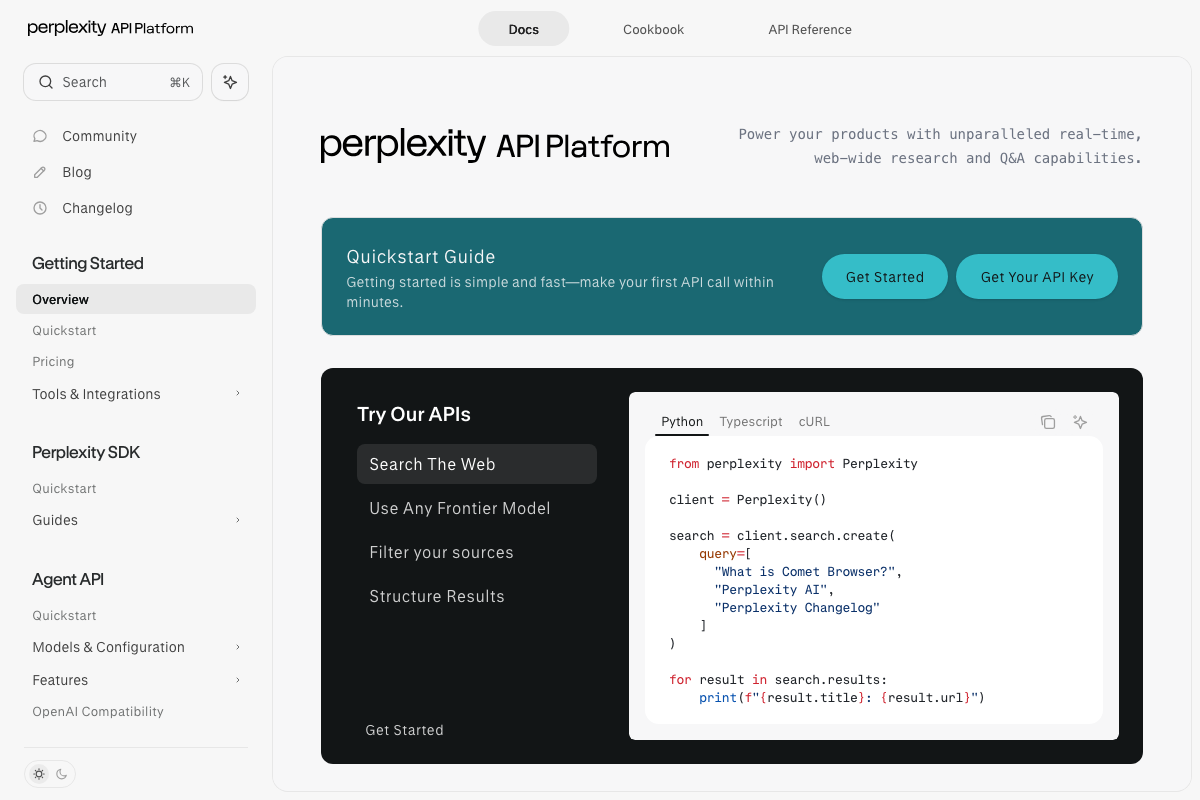
Rank Perplexity: A tier. Core AI search combined with a new agentic ‘Computer’ product that outperformed Manus in a direct head-to-head comparison. The combination earns A tier.
-
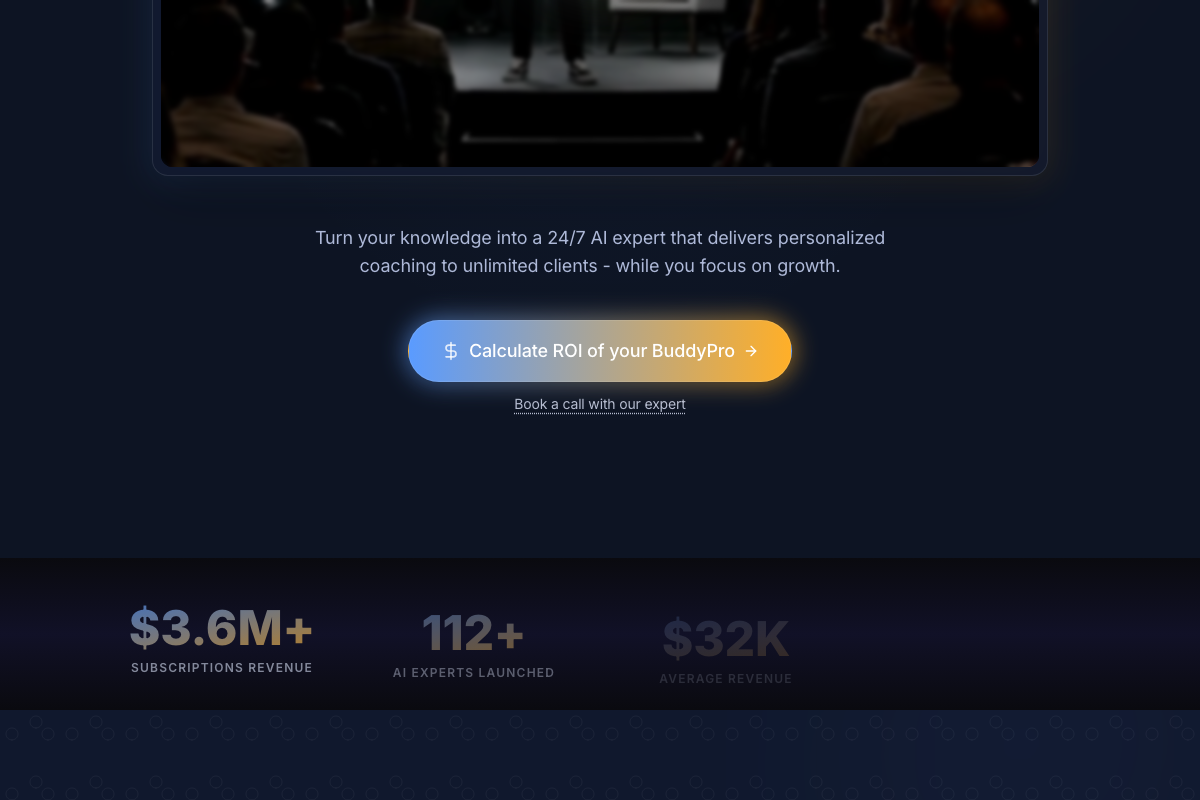
Rank BuddyPro.ai: A tier (above Frank). Builds an AI knowledge clone trained on a coach or consultant’s methodology, voice, and frameworks. Martell names it the single tool that has bought back the most of his time.
-
Rank Apple Intelligence: F tier. Too limited and too frustrating for business use. A pending Gemini-Siri integration could reverse this ranking; as of 2026, it earns the only F on the list.
-
Rank Granola.ai: A tier (above Frank). An invisible Zoom note-taker that pipes structured data into Notion. Martell positions it as the data-capture layer that amplifies every other tool in the stack — particularly BuddyPro.ai.
How does this compare to the official docs?
Martell’s rankings are built on operator experience rather than documented benchmarks — and the official documentation for several of these tools draws meaningfully different boundaries around capabilities, pricing tiers, and recommended use cases.
Here’s What the Official Docs Show
Dan Martell’s tier list holds up well against the primary sources — the rankings are accurate on the fundamentals. This act layers in what the official documentation adds, precisely corrects, and flags as unverifiable so you can calibrate your stack accordingly.
Step 1 — Ranking framework
No official documentation was found for this step — proceed using the video’s approach and verify independently.
Step 2 — ChatGPT: C tier
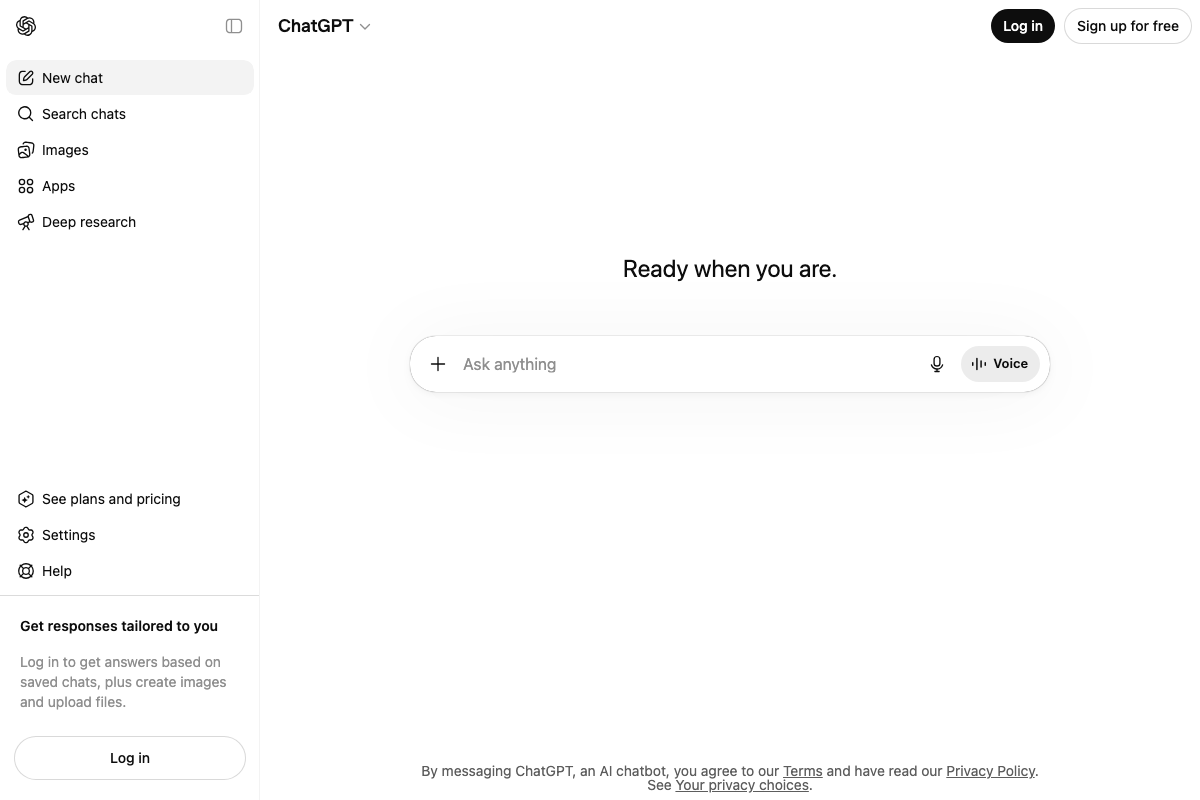
The video’s approach here matches the current docs exactly. One additive note: the current chatgpt.com interface now surfaces a “Deep research” feature in the sidebar — an agentic research workflow the video’s C-tier rationale does not address.
Step 3 — NotebookLM: A tier
No official documentation was found for this step — proceed using the video’s approach and verify independently.
Step 4 — WisprFlow: A tier
No official documentation was found for this step — proceed using the video’s approach and verify independently.
Step 5 — Claude: S tier
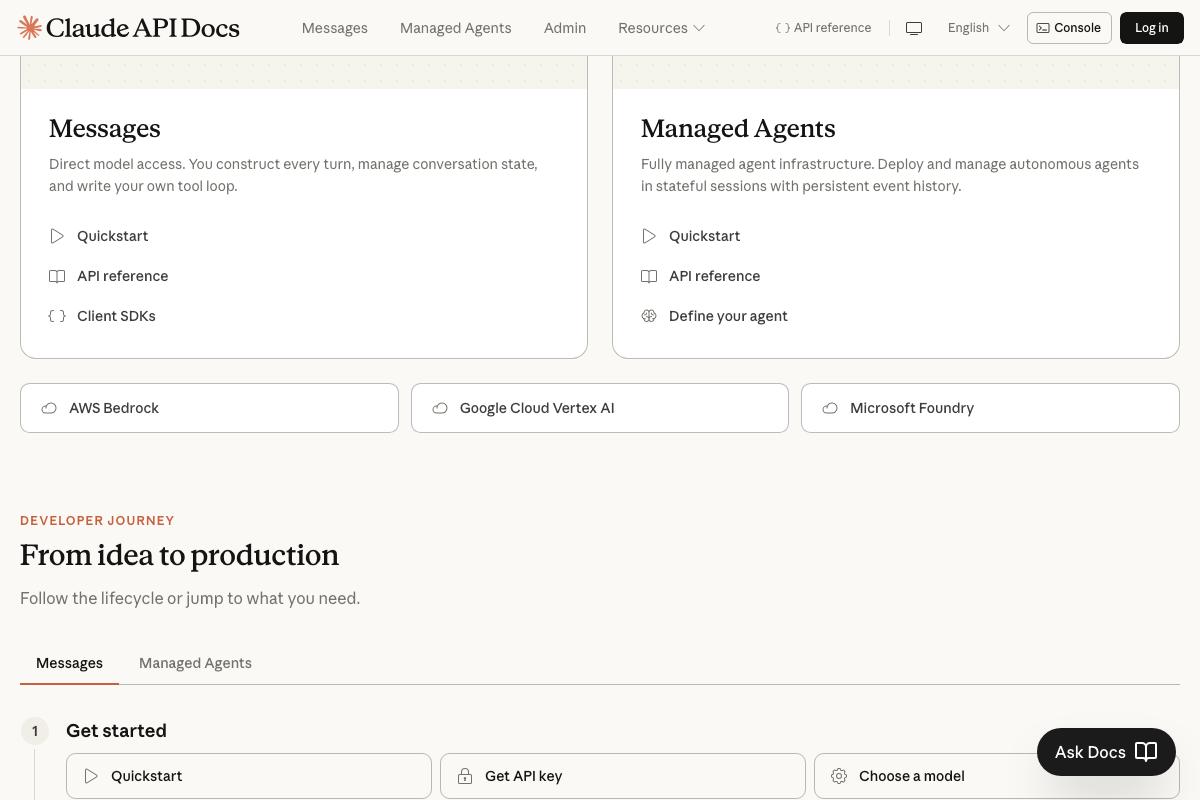
The video’s approach here matches the current docs exactly. The docs also confirm a Managed Agents surface offering “stateful sessions with persistent event history” — the infrastructure that makes persistent AI team-member personas viable at the API level. The quickstart code references model claude-opus-4-7, indicating active versioning well beyond the Claude 3 family.

Steps 6–10 — OpenClaw, Apex, Antigravity, Higgsfield.ai, Suno
No official documentation was found for these steps — proceed using the video’s approach and verify independently.
Step 11 — Frank (hellofrank.ai): A tier
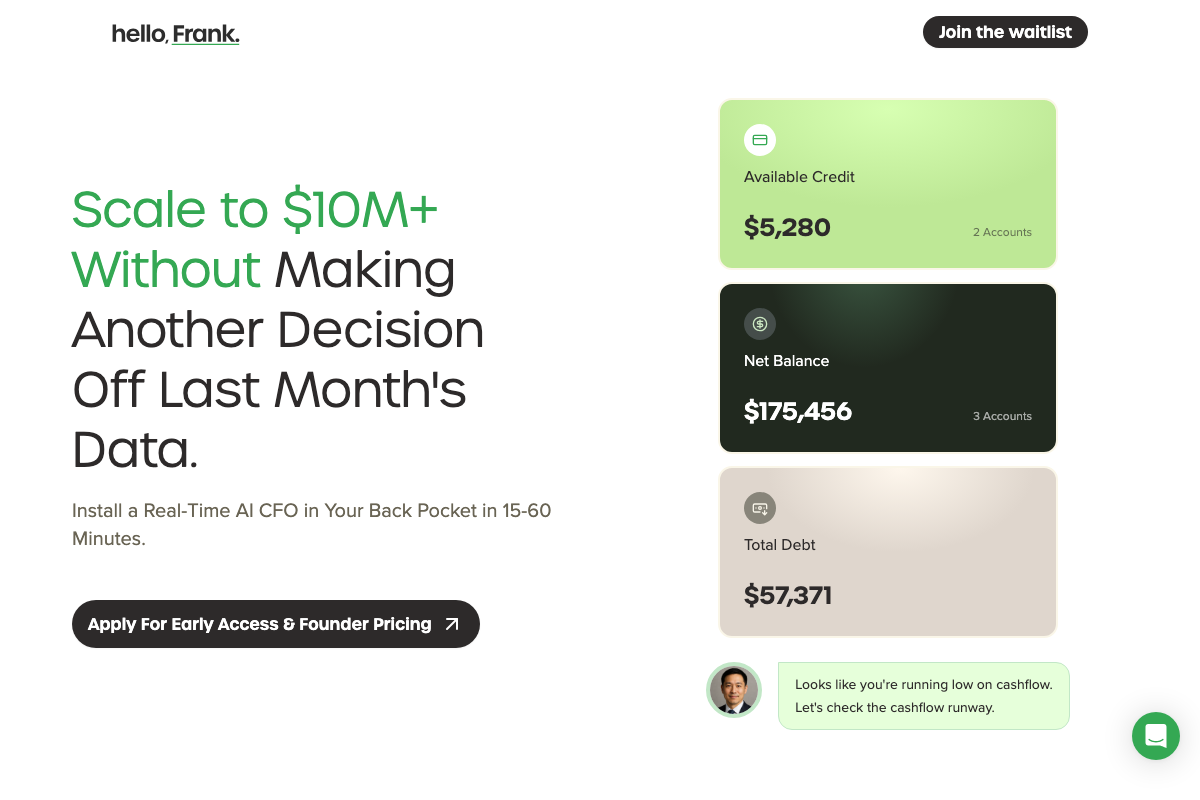
The video’s approach here matches the current docs exactly on the live-data CFO value proposition and $1M–$3M founder targeting. One practical addition: the site CTA at time of capture reads “Join the waitlist” and “Apply For Early Access & Founder Pricing” — Frank was not yet generally available.
Step 12 — Google Gemini: S tier
The video’s approach here matches the current docs exactly on the long-term competitive argument. Useful distinction: the screenshots capture the Gemini developer API, not the consumer assistant. The current model generation is Gemini 3 / Gemini 3.1 — spanning text, image (Nano Banana), video (Veo 3.1), audio (Lyria 3), and robotics. The Google Workspace integrations the video cites — Gmail, Docs, Calendar, YouTube — are a separate consumer product surface not covered by these API docs.

Step 13 — Grok: A tier
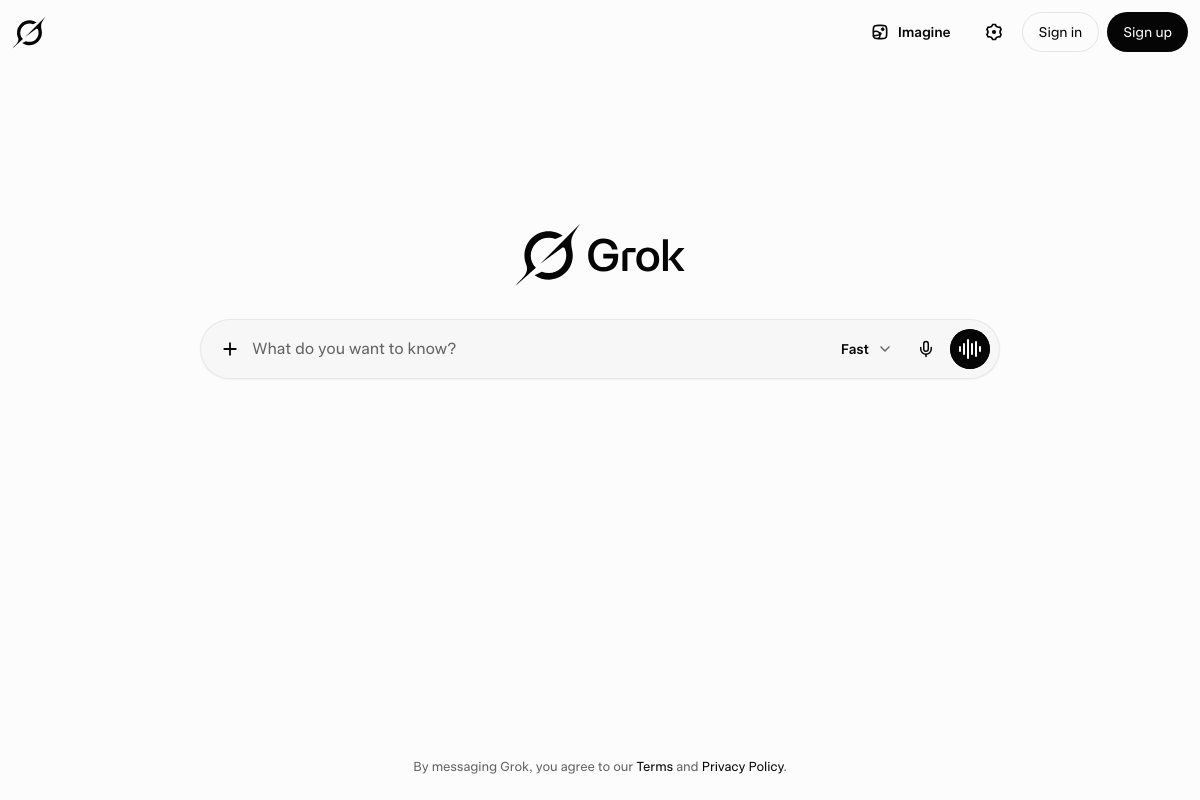
The video’s approach here matches the current docs exactly. The grok.com homepage confirms multimodal capability — image generation via “Imagine,” voice input, and multiple reasoning modes. The video’s forward-looking v5.0 architecture claims cannot be confirmed or denied from available documentation.
Step 14 — Lovable: B tier
As of May 2026, Lovable’s official documentation defines the product as “a full-stack AI development platform” producing “real code, security, and enterprise governance” — the video’s “original no-code app builder” description reflects earlier positioning. The docs confirm GitHub sync, shared team workspaces, and an enterprise user segment that includes agencies and engineering teams, well beyond solo prototyping.
Step 15 — Perplexity: A tier
The video’s approach here matches the current docs exactly on AI search. The API docs confirm an Agent API with OpenAI compatibility. A product specifically named “Computer” is not visible in any of the three documentation screenshots — the video’s head-to-head Manus comparison cannot be confirmed from available documentation.
Step 16 — BuddyPro.ai: A tier
The video’s approach here matches the current docs exactly. The site documents $3.6M+ in platform subscriptions, 112+ AI experts launched, and a $32K average revenue per expert — aggregate platform figures, not individual user guarantees.
Step 17 — Apple Intelligence: F tier
The video’s approach here matches the current docs exactly on the F-tier business ROI verdict. One correction on the upgrade path: as of May 2026, the video cites a “pending Gemini-Siri integration” as the factor that could reverse this ranking. The official Apple Intelligence page shows ChatGPT — not Gemini — labeled directly in the product UI as the integrated third-party AI partner. No Gemini integration is visible anywhere on the page.

Step 18 — Granola.ai: A tier
Two clarifications from the official site. First, Granola’s own headline is “AI Notepad for back-to-back meetings” — broader than the video’s Zoom-specific framing; the product is not positioned as Zoom-only. Second, the integration logos visible at time of capture are Intercom, Ramp, and Linear — Notion does not appear. Readers relying on a Granola-Notion workflow should verify current integration availability directly at granola.ai.

Useful Links
- Documentation – Claude API Docs — Full developer documentation for the Claude API, including the Managed Agents surface, current model family, and enterprise deployment options.
- ChatGPT — OpenAI’s consumer product homepage, including the Deep research and image generation features not addressed in the video’s C-tier rationale.
- NotebookLM Help — Google’s official NotebookLM support documentation (requires Google Account sign-in to access product content).
- Hello Frank — Official Frank product site confirming the real-time AI CFO value proposition, $1M–$3M founder targeting, and current waitlist status.
- Gemini API | Google AI for Developers — Gemini developer API documentation covering the Gemini 3/3.1 model family, Veo 3.1 video generation, and multimodal capabilities.
- Grok — Official Grok product site with multimodal features including image generation and voice input.
- Welcome to Lovable – Lovable Documentation — Official Lovable docs defining the platform as a full-stack AI development tool with real code output, GitHub sync, and enterprise governance.
- Overview – Perplexity — Perplexity API Platform documentation including the Agent API, real-time web search, and OpenAI-compatible interface.
- BuddyPro: Train your AI-Powered Expert Based on Your Know-how — BuddyPro’s official site with aggregate platform revenue statistics and the AI knowledge clone positioning.
- Apple Intelligence – Apple — Apple’s official product page confirming ChatGPT — not Gemini — as the integrated third-party AI partner visible in the UI.
- Granola — The AI Notepad for back-to-back meetings — Granola’s homepage confirming meeting-platform-agnostic positioning and the integration partners visible at time of capture.


0 Comments