

How to Write a Marketing RFP That Attracts High-Quality Agency Proposals
Most marketing RFPs generate a stack of incomparable proposals — not because agencies are guessing, but because the brief gave them nothing solid to aim at. Exposure Ninja’s seven-step framework, built from decades of agency-side experience reviewing enterprise RFPs, gives you a structure that produces targeted, comparable responses and filters out proposals that miss your actual problem. Work through these steps and you’ll be able to send a single RFP document that tells agencies exactly what they need to know — budget included — to compete on equal terms.

- Provide company context and identify decision makers. Include your revenue bracket and growth trajectory, the products or services in scope, the geographies you operate in, and your marketing team’s current capabilities. Equally important: name who will sign off on the final decision. A CFO reviewing proposals filters for commercial efficiency; a CMO weighs brand visibility. When both are in the room, agencies need to know that upfront so they can balance both objectives within a single proposal.
- Define clear commercial goals at two levels. State the underlying business goal (e.g., reduce customer acquisition cost by 25% while maintaining lead volume) and then the marketing objective you believe will achieve it (e.g., build organic channels to reduce pressure on paid). This two-layer framing lets agencies validate whether your proposed marketing solution actually solves the root problem — or whether a different route would get there faster.
- Describe your current state and what you’ve already tried. Share website traffic, conversion rates, channel and campaign performance data, team capabilities, and resource constraints. Be explicit about what hasn’t worked and why you think it failed. This prevents agencies from proposing tactics you’ve already exhausted and tells them where the genuine white space is.
- Outline the campaign timeline and budget range. The timeline here is the campaign duration, not the RFP submission window. Omitting a budget — even a rough range — forces agencies to guess at scope, producing proposals that are either wildly under-resourced or far beyond what you can spend. A range is sufficient: it lets vendors decide whether to respond and calibrates the depth of the proposal they build.
-
Explain your competitive landscape. Name the competitors you’re focused on, describe what you’ve observed them doing well, and share any internal competitive analysis you’ve already conducted. Starting from your existing intelligence produces a more nuanced agency output than a cold analysis does. The ambition gap between your current position and your competitors’ also signals how aggressively agencies should approach the brief.
-
Articulate what makes your brand different. Define your market positioning and key messages clearly. This matters beyond differentiation alone — for AI search visibility, an undefined brand is harder to surface consistently in AI-generated results, making this step increasingly load-bearing for organic performance.
-
[The seventh step was not fully covered in the source transcript and has been omitted from this summary.]
How does this compare to the official docs?
The framework here is grounded in agency-side experience rather than any published procurement standard — and that gap is exactly where Act 2 picks up.
Here’s What the Official Docs Show
Act 1 delivers a practical, agency-tested framework that holds up on its own merits — the documentation sources reviewed here don’t replace it. What they add is platform-level context on the AI search surfaces named in Step 6, and results-language examples from a real agency that reinforce the commercial framing the video recommends.
Step 1: Provide Company Context and Identify Decision Makers
No official documentation was found for this step —
proceed using the video’s approach and verify independently.
Step 2: Define Clear Commercial Goals at Two Levels
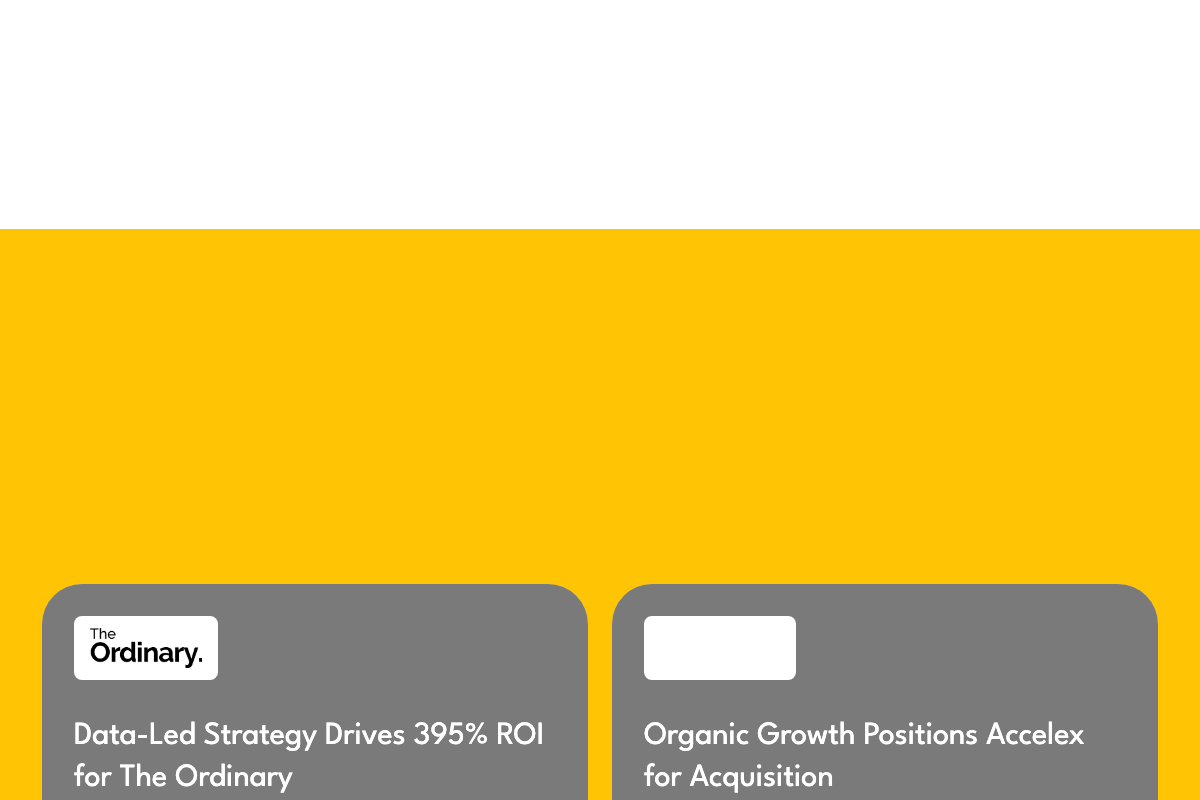
Exposure Ninja’s published case studies use the exact two-layer structure the video recommends: a headline outcome (“395% ROI for The Ordinary”) paired with the marketing activity that produced it (“Data-Led Strategy”). That’s not a coincidence — it’s how agencies write when a brief gave them something measurable to aim at.
No official documentation was found for this step —
proceed using the video’s approach and verify independently.
Step 3: Describe Your Current State and What You’ve Tried
No official documentation was found for this step —
proceed using the video’s approach and verify independently.
Step 4: Outline Timeline and Budget Range
No official documentation was found for this step —
proceed using the video’s approach and verify independently.
Step 5: Explain Your Competitive Landscape
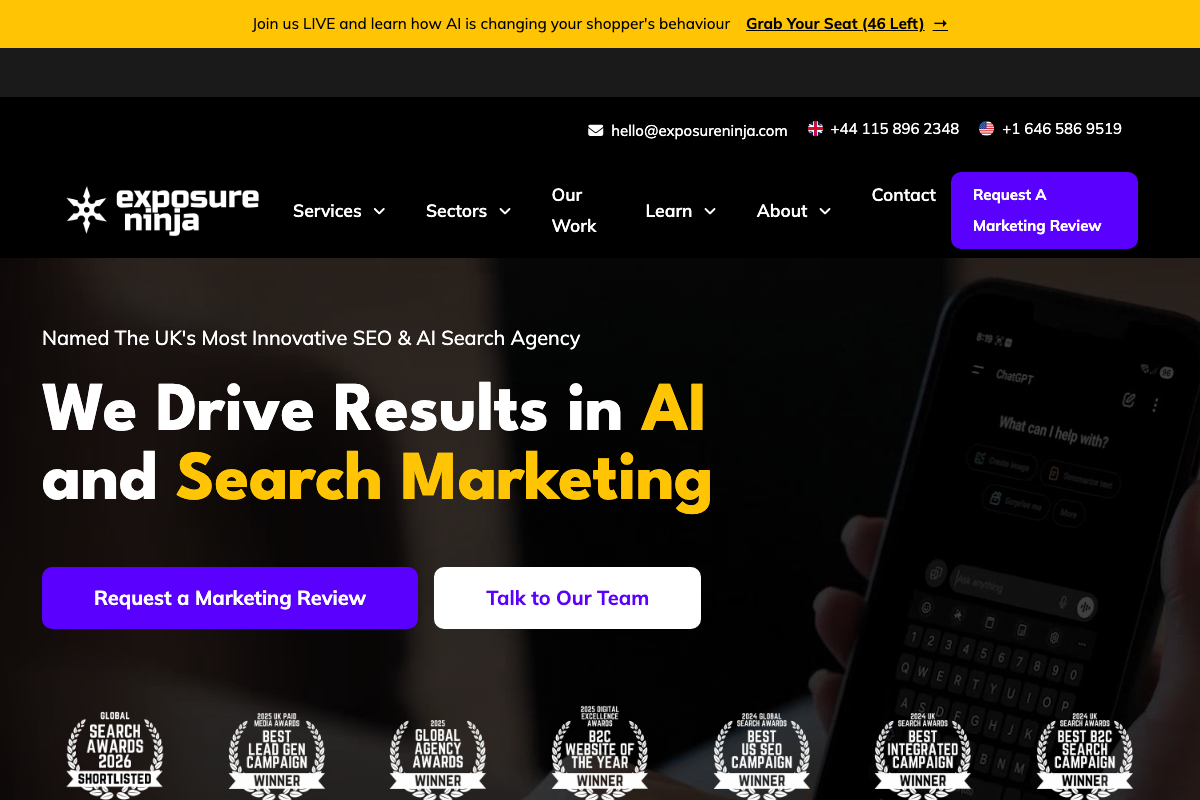
Exposure Ninja positions itself on its homepage as “The UK’s Most Innovative SEO & AI Search Agency” — a positioning claim that only lands if the agency’s RFP briefs forced that level of specificity. It’s a useful reminder that competitive framing in your RFP signals to agencies how much strategic depth you’re expecting back.
No official documentation was found for this step —
proceed using the video’s approach and verify independently.
Step 6: Articulate What Makes Your Brand Different
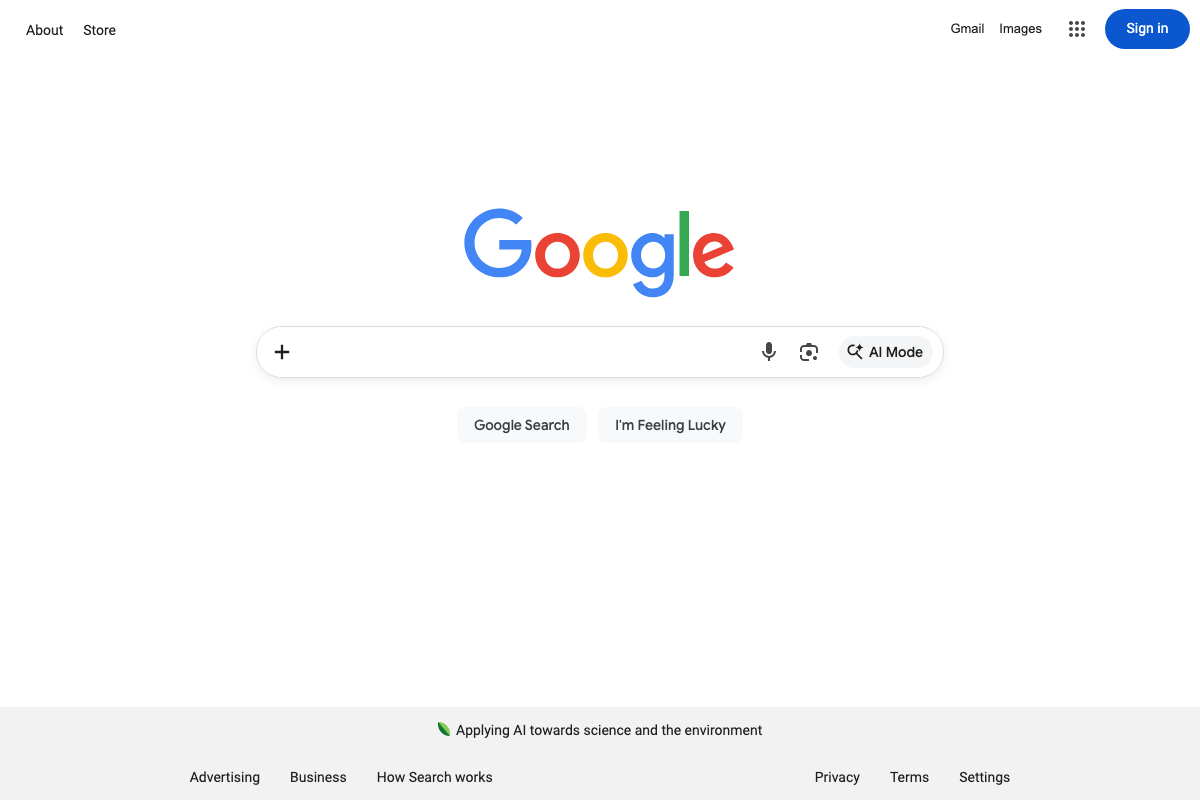
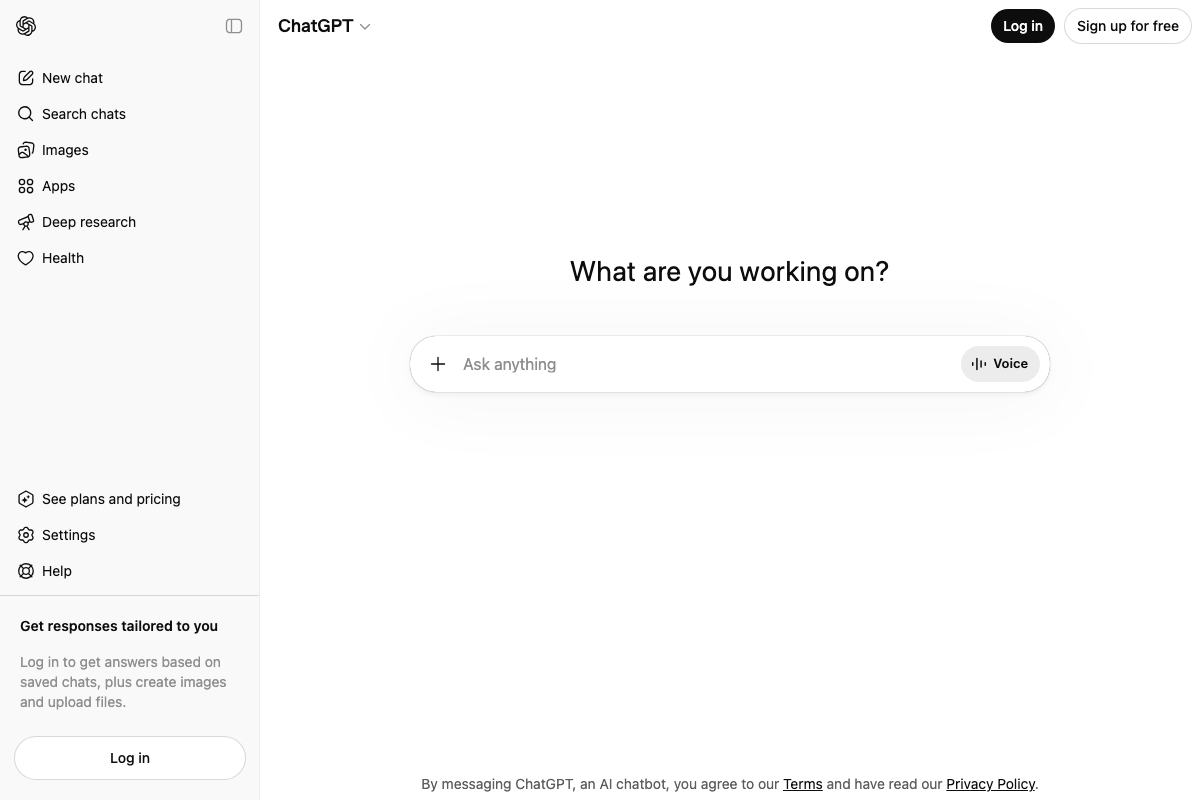
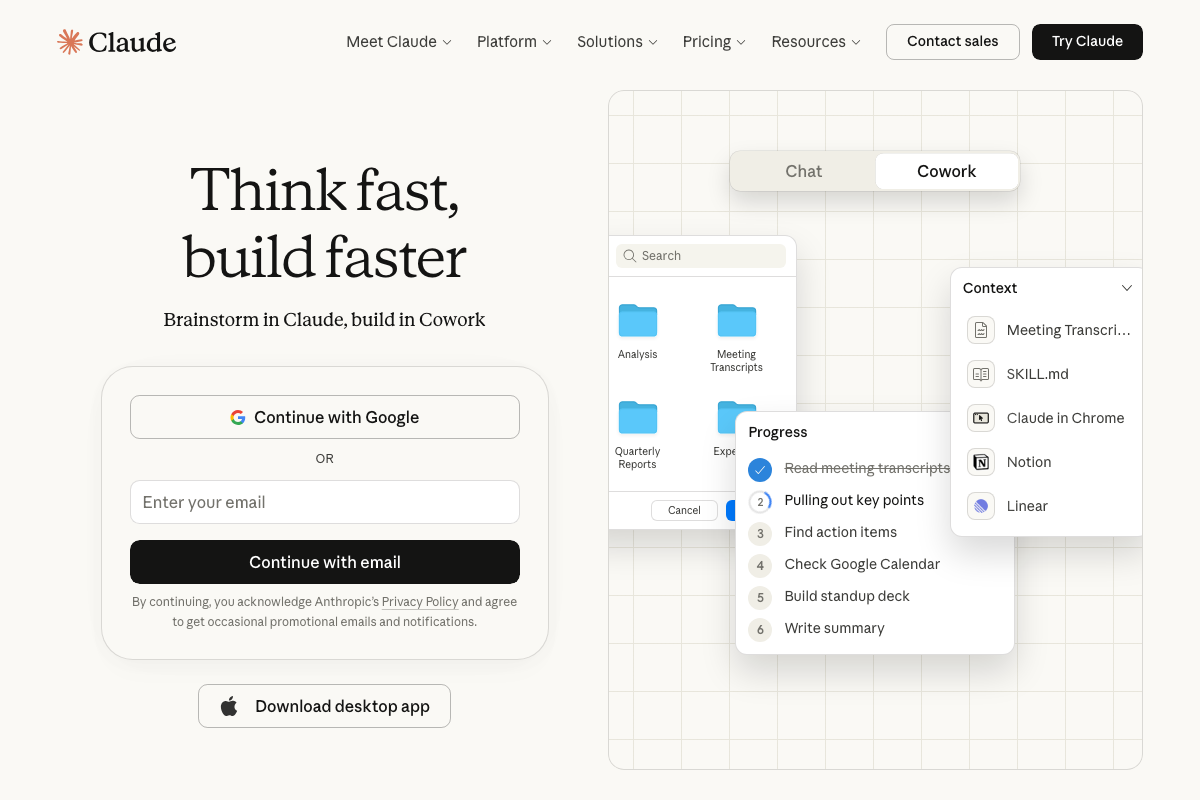
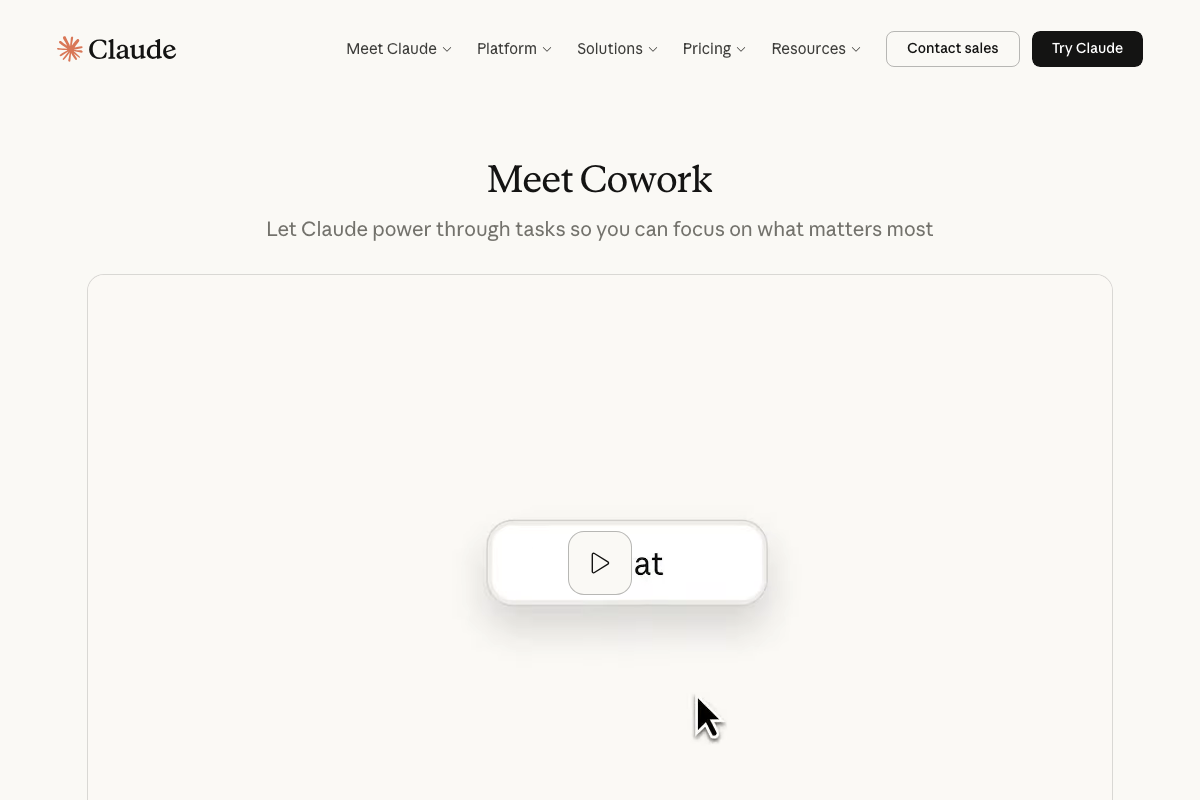
The screenshots confirm all three AI platforms the video references are active search surfaces. Google has promoted AI Mode to a first-class homepage feature — visible directly in the search bar. ChatGPT is accessible without login and surfaces a “Deep research” mode alongside standard chat. Claude.ai has launched a “Cowork” mode that executes multi-step tasks autonomously — a capability beyond conversational search that the tutorial doesn’t mention, worth noting if you’re evaluating AI tools for competitive research during the RFP process.
No official documentation was found for the specific RFP guidance in this step —
proceed using the video’s approach and verify independently.
Step 7: [Not Covered in Source Material]
No official documentation was found for this step —
proceed using the video’s approach and verify independently.
Useful Links
- ChatGPT — OpenAI’s conversational AI platform, accessible without login, with Deep research and additional task modes available as of April 2026.
- Google — Google’s search homepage, now featuring AI Mode as a first-class option integrated directly into the search bar.
- Claude — Anthropic’s AI platform offering Chat and Cowork (agentic task execution) modes across Free, Pro ($17/mo annual), and Max (from $100/mo) tiers.
- Exposure Ninja — UK-based SEO and AI search agency whose homepage positioning and case study language provided contextual reference for Steps 2, 5, and 6.


0 Comments