


Influencer posts get likes. Influencer games get obsession.
In 2026, attention is cheap—but participation is priceless.
Influencer marketing didn’t fail.
Passive influencer marketing failed.
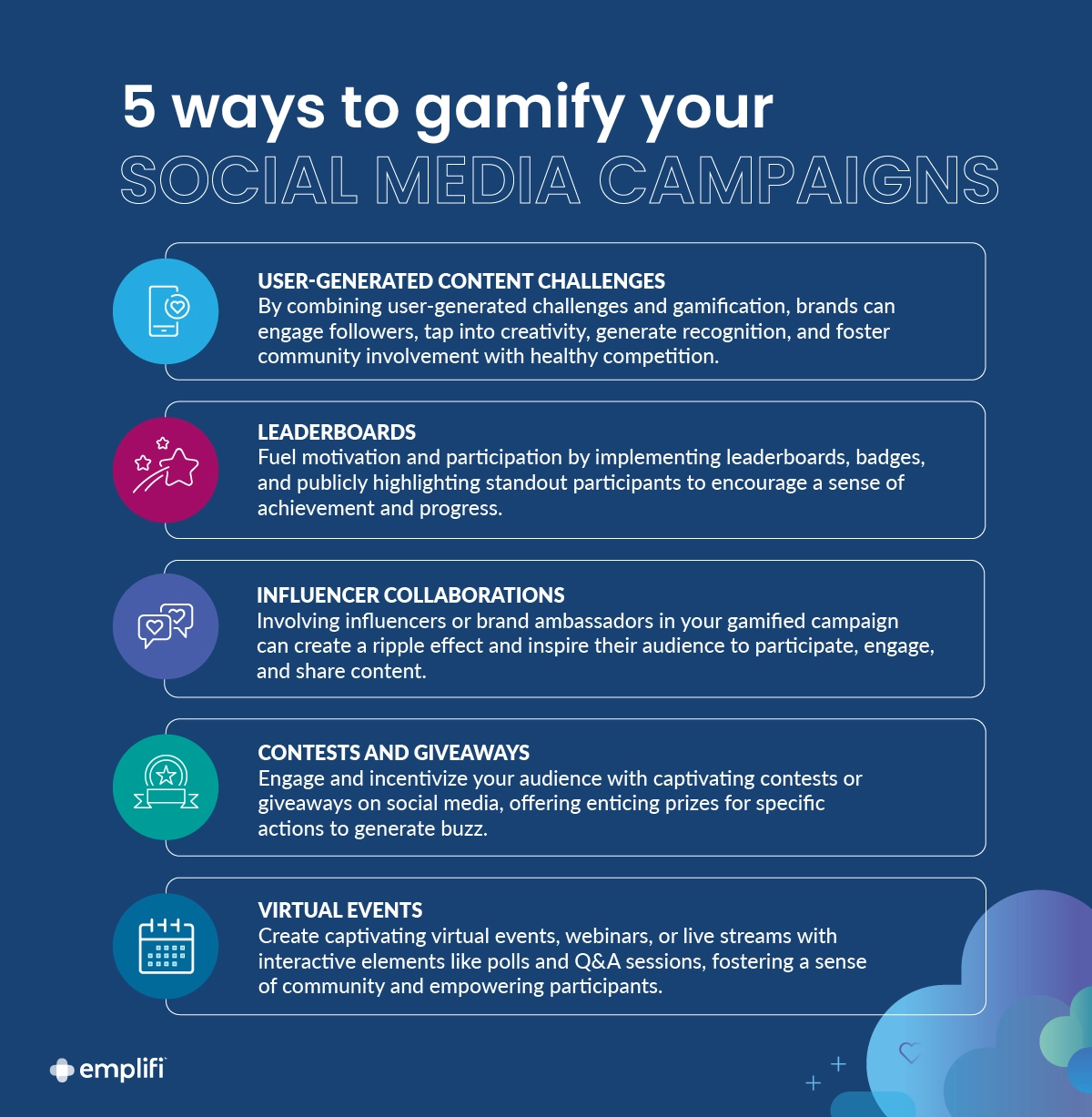
Audiences scroll, double-tap, maybe comment—and forget. What cuts through today isn’t better aesthetics or bigger creators. It’s participation. Gamification turns influencer campaigns from broadcast moments into shared experiences, where followers don’t just watch—they play.
This guide explains why influencer-led gamification dramatically outperforms traditional creator campaigns, how brands are structuring high-ROI gamified activations, and how to design campaigns that feel authentic instead of transactional.
Executive Summary: Why Influencer Gamification Works
Traditional influencer marketing optimizes for:
- Reach
- Likes
- Impressions
Gamified influencer marketing optimizes for:
- Action
- Social proof
- Memory
- Momentum
In 2026, the strongest influencer campaigns are not content drops—they are time-bound games where:
- Participation is visible
- Progress is shared
- Recognition is social
- Rewards reinforce identity
Influencers don’t just promote the game—they legitimize it.
1. The Problem with Passive Influencer Marketing
Most influencer campaigns follow a predictable script:
- Sponsored post
- Discount code
- CTA in caption
This model suffers from three structural weaknesses:
1.1 Shallow Engagement
Likes and views require no effort—and therefore no commitment.
1.2 Zero Momentum
Once the post scrolls past, the campaign is over.
1.3 Weak Memory Encoding
Passive exposure fades quickly. There’s no reason to remember the brand.
Gamification fixes all three.
2. What Influencer-Led Gamification Actually Is
Influencer-led gamification uses creators as game hosts, not ad units.
Instead of “Here’s a product,” the influencer says:
“Here’s something we’re doing—come join.”
Core Components
| Component | Role in Campaign | Psychological Trigger |
|---|---|---|
| Influencer as guide | Sets tone + trust | Authority |
| Challenge mechanics | Define participation | Competence |
| Social visibility | Makes effort public | Belonging |
| Recognition | Rewards effort | Status |
| Time limits | Drive urgency | Scarcity |
The influencer isn’t the reward—the experience is.
3. Why Gamification Feels More Authentic Through Influencers
Gamification works better with influencers than with brands alone because:
- Influencers already have parasocial trust
- Their communities expect interaction
- Participation feels native, not corporate
A brand-run game feels like marketing.
An influencer-run game feels like community culture.
4. Common Gamified Influencer Campaign Formats
4.1 Challenge-Based Campaigns
Followers complete a task and share results.
Examples:
- Fitness challenges
- Creative prompts
- Skill progression streaks
4.2 Competitive Campaigns
Leaderboards, rankings, or “top submissions.”
Best for:
- Performance-oriented audiences
- Gaming, fitness, finance, productivity
4.3 Collaborative Campaigns
Followers work together toward shared goals.
Best for:
- Lifestyle
- Sustainability
- Community-driven brands
5. The Psychology Behind Influencer Gamification
Social Proof at Scale
Seeing peers participate normalizes effort.
Identity Reinforcement
Followers don’t play for rewards—they play to signal:
“I’m part of this.”
Recognition > Rewards
Shoutouts, reposts, and visibility outperform discounts.
6. Case Studies: Influencer Gamification That Delivered ROI

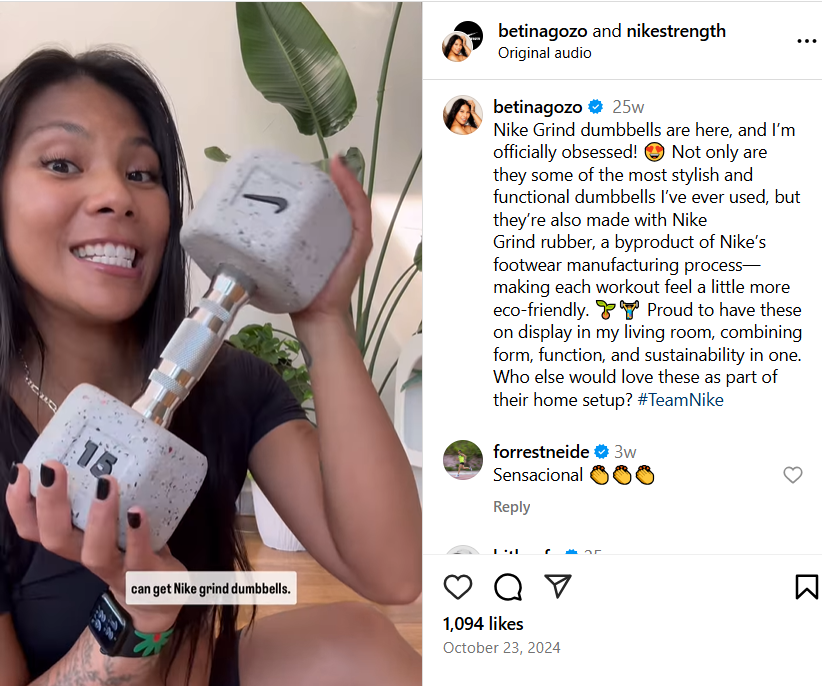

Moosejaw
Moosejaw’s gamified influencer activations:
- Encouraged challenge participation
- Rewarded social sharing
- Generated 76% of sales revenue from gamified activity
- Delivered 560% ROI
Followers didn’t just view content—they competed.
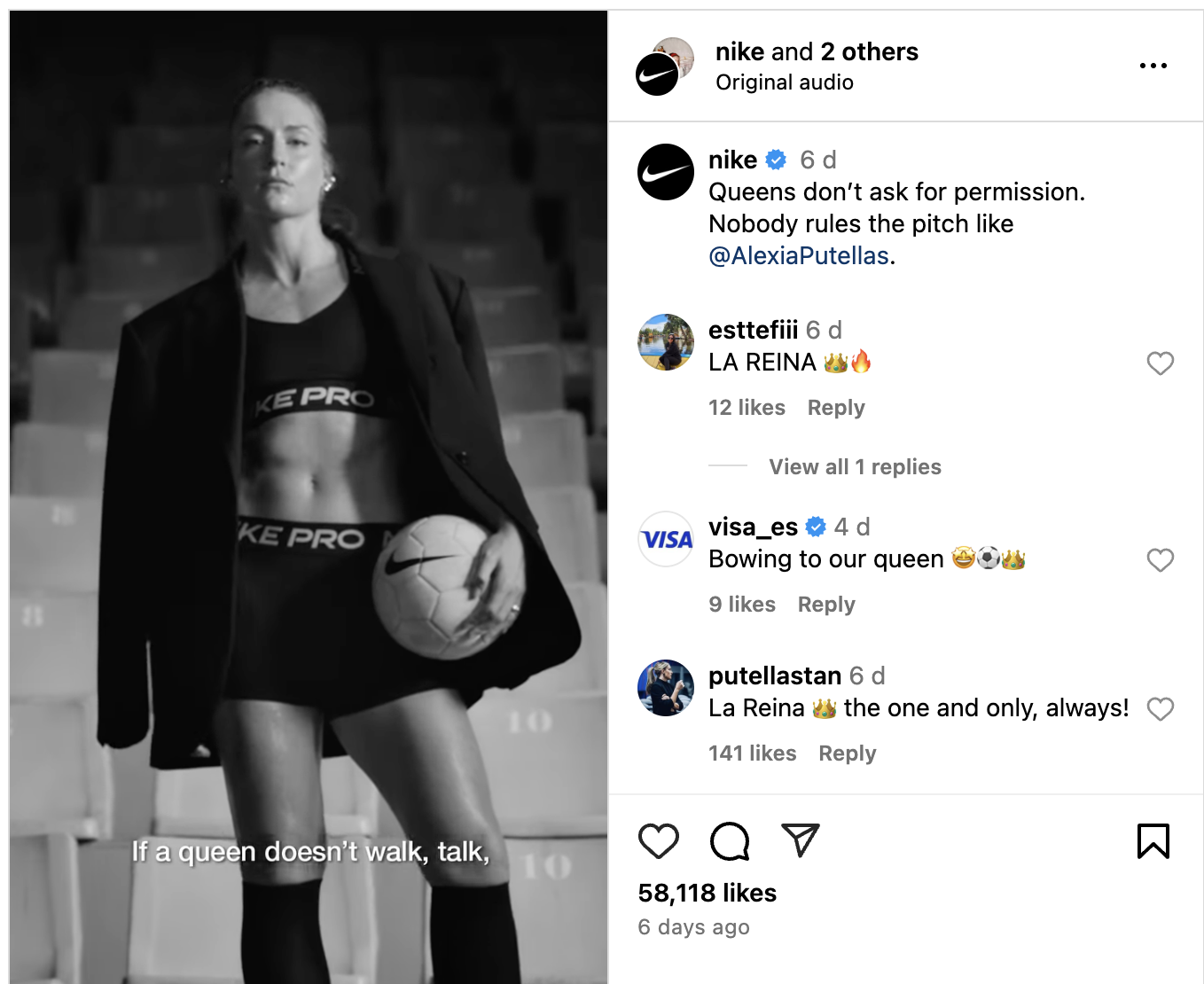
Nike
Nike’s influencer-led challenges:
- Tie athletic identity to progress
- Reward consistency, not virality
- Create long-term brand rituals
Gamification reinforces “athlete” identity.
Red Bull
Red Bull uses creators to launch:
- Skill-based challenges
- Extreme performance quests
- Community recognition loops
The brand becomes a platform for achievement.
GoPro
GoPro’s creator challenges:
- Gamify UGC submission
- Reward storytelling, not perfection
- Turn customers into competitors and advocates
7. Designing an Influencer Gamification Campaign (Framework)
Step 1: Choose the Right Influencer
Not the biggest—the most participatory.
Step 2: Define a Clear Action
If it’s not easy to explain, it won’t spread.
Step 3: Make Progress Public
Hashtags, story reposts, leaderboards.
Step 4: Reward Recognition, Not Just Winners
Most people won’t win—but many want to be seen.
Step 5: Close the Loop
Connect participation to:
- Product trials
- Loyalty programs
- Ongoing communities
8. Metrics That Matter (Beyond Likes)
| Metric | Why It Matters |
|---|---|
| Participation rate | Measures real engagement |
| UGC volume | Indicates effort |
| Share velocity | Signals virality |
| Repeat participation | Shows momentum |
| Conversion lift | Proves ROI |
If people don’t do anything, the campaign failed.
9. Ethical Influencer Gamification
Gamification should amplify trust—not exploit it.
Best Practices
- Clear rules
- Transparent rewards
- No engagement baiting
- Influencer creative freedom
Audiences can spot manipulation instantly in 2026.
Final Takeaway
Influencer marketing doesn’t need more reach.
It needs more reasons to participate.
In 2026, the best campaigns won’t ask followers:
“Did you see this?”
They’ll ask:
“Did you play?”
Because participation doesn’t just drive engagement—it creates memory, community, and momentum.


0 Comments