

How Four SEO Practitioners Would Build $10K/Month From Scratch Today
Starting with zero audience, zero backlinks, and a few hundred dollars is not a comfortable position — but it forces clarity. In this roundtable, Julian Goldie, Charles Float, and Alejandro Meerhance each lay out the exact strategy they would personally run to reach $10,000/month from SEO if they had to begin again today. By the end, you will have three distinct playbooks: one built on domain authority arbitrage, one on content-driven client acquisition, and one that deliberately tests tactics Google supposedly killed years ago.
- Register an exact-match domain (EMD) in a niche you personally understand and where competition is thin. Alejandro Meerhance alternatively recommends targeting YMYL (Your Money or Your Life) keywords in geographic markets where existing competitors are not trained SEOs. The logic is simple: YMYL keywords pay significantly more, and in the right location you are competing against local businesses rather than optimized affiliate operations.

-
Buy aged domain names from the NameCheap Marketplace for between $5 and $30. Charles Float targets domains five or six years old but close to expiration — these sell cheap because owners are letting them lapse. After paying the renewal fee, publish free AI-generated content layered with light analysis, then build domain rating (DR) through free link exchanges. Once DR is presentable, sell guest post placements at a high-ticket per-link rate. Charles notes that inbound outreach emails requesting guest posts typically arrive within months of the site going live.
-
Reinvest link-sale revenue directly into acquiring additional aged domains and repeating the process. This compounding approach — each new site adding to the network’s link inventory — is how the model reaches $10,000/month within approximately one year, according to Charles. Initial per-site setup cost runs $30–$50, meaning the first link sale can recoup the investment entirely.
- Run parasite SEO pages on high-authority domains to capture affiliate commissions in trending niches. Charles describes targeting trend-jacking, newsjacking, and launch-jacking opportunities where a free hosted page can earn $200–$400 per commission. Those earnings cycle back into the site network to accelerate link inventory growth.

-
Build a YouTube channel publishing daily content focused on AI and AI agents. Julian Goldie’s entry strategy is audience-first: create content consistently, then convert viewers into clients paying $500–$1,000 for AI automation setup projects, with ongoing maintenance retainers stacked on top. The funnel is intentionally minimal — content, inbound interest, sales call, close.
-
Use OpenClaw (an AI agent tool) to automate article production at scale, targeting high keyword density and strong entity signals. Julian focuses on keywords where domain authority is the primary ranking factor rather than content depth, making AI-generated output competitively viable at volume.
Warning: this step may differ from current official documentation — see the verified version below.
- Systematically test black-hat tactics from 2008–2012 — redirect chains, JavaScript-based cloaking, and keyword stuffing — to identify which have regained traction in the current Google environment. Charles reports that several of these techniques are ranking again, including cloaking methods Google had addressed between 2010 and 2015.
Warning: this step may differ from current official documentation — see the verified version below.
How does this compare to the official docs?
Google’s publicly documented quality guidelines take a sharply different position on several techniques covered here — and mapping that gap is exactly what Act 2 addresses.
Here’s What the Official Docs Show
The roundtable above gives you three practical frameworks from practitioners who have run these plays in the field — and the documentation research fills in the gaps where platform-level evidence either confirms or simply hasn’t yet been captured. Where screenshots exist, they sharpen the picture; where they don’t, you’ll know exactly what to verify before committing budget or time.
Step 1 — Choose a niche: EMD targeting or YMYL geographic arbitrage
No official documentation was found for this step —
proceed using the video’s approach and verify independently.
The three documentation screenshots intended to show Google Search Central guidance on EMDs, YMYL policies, and spam policy all captured the Google.com search homepage instead. As of March 31, 2026, the relevant policies live at developers.google.com/search/docs — read them directly before building a site strategy around either tactic.
Step 2 — Acquire aged domains from the Namecheap Marketplace for $5–$30
No official documentation was found for this step —
proceed using the video’s approach and verify independently.
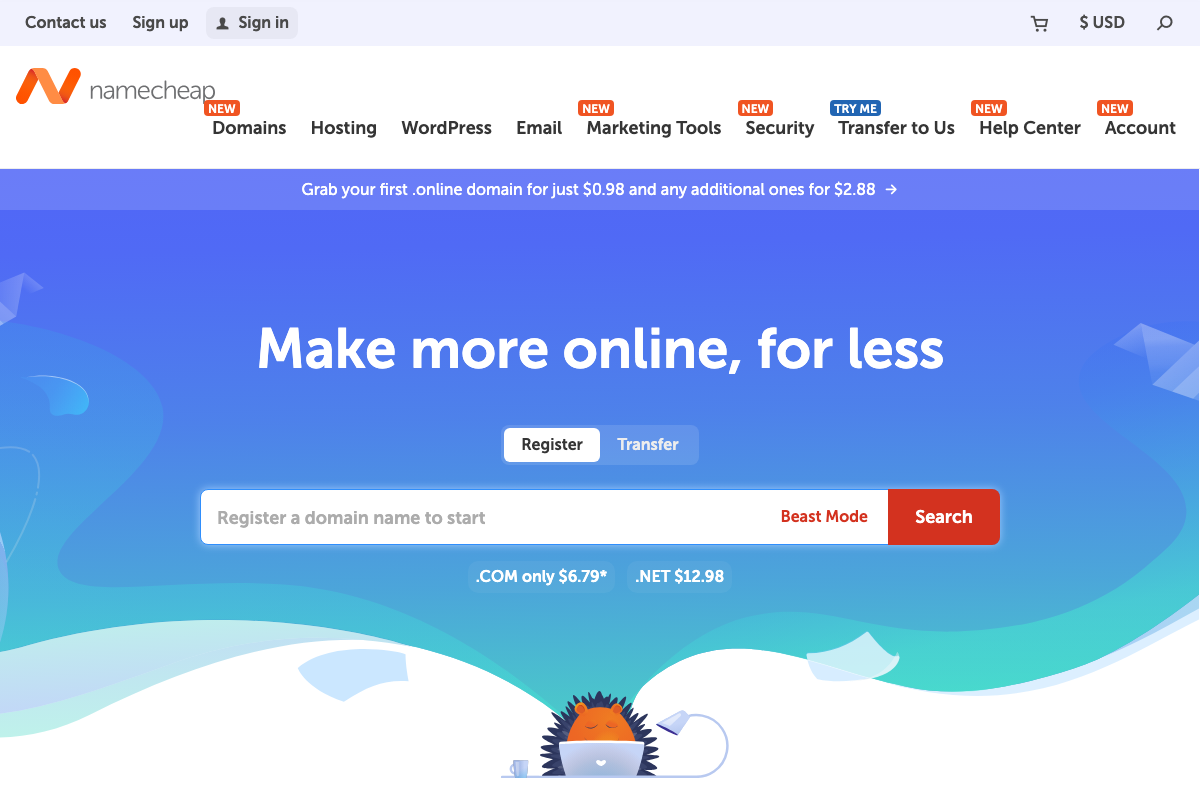
All three Namecheap screenshots captured the main namecheap.com registration and promotions pages — not the Namecheap Market at namecheap.com/market/ where aged and auctioned domains are listed. New .COM registrations on the main site run $6.79; the $5–$30 aged domain price range the video cites is neither confirmed nor contradicted by the captured pages.
Step 3 — Reinvest link-sale revenue into additional domains
No official documentation was found for this step —
proceed using the video’s approach and verify independently.
Step 4 — Run parasite SEO pages for affiliate commissions
No official documentation was found for this step —
proceed using the video’s approach and verify independently.
Step 5 — Build an AI automation service business using Make.com or n8n
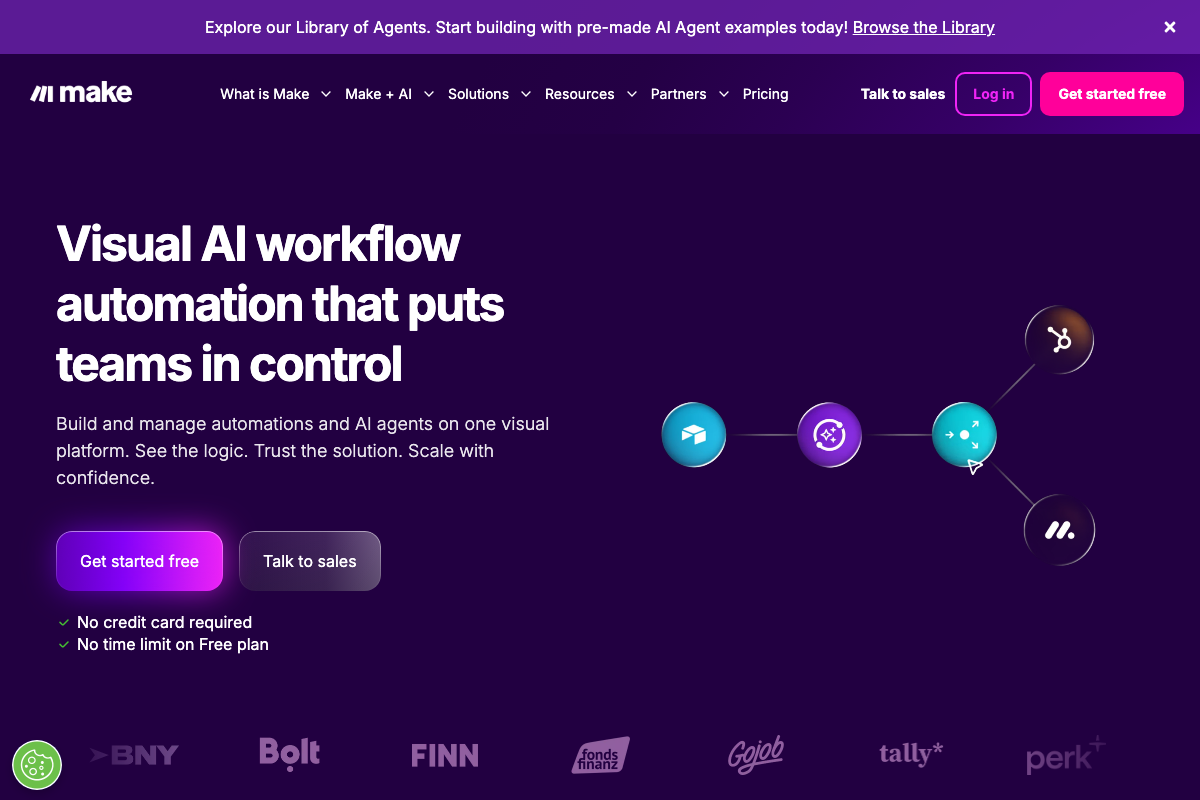
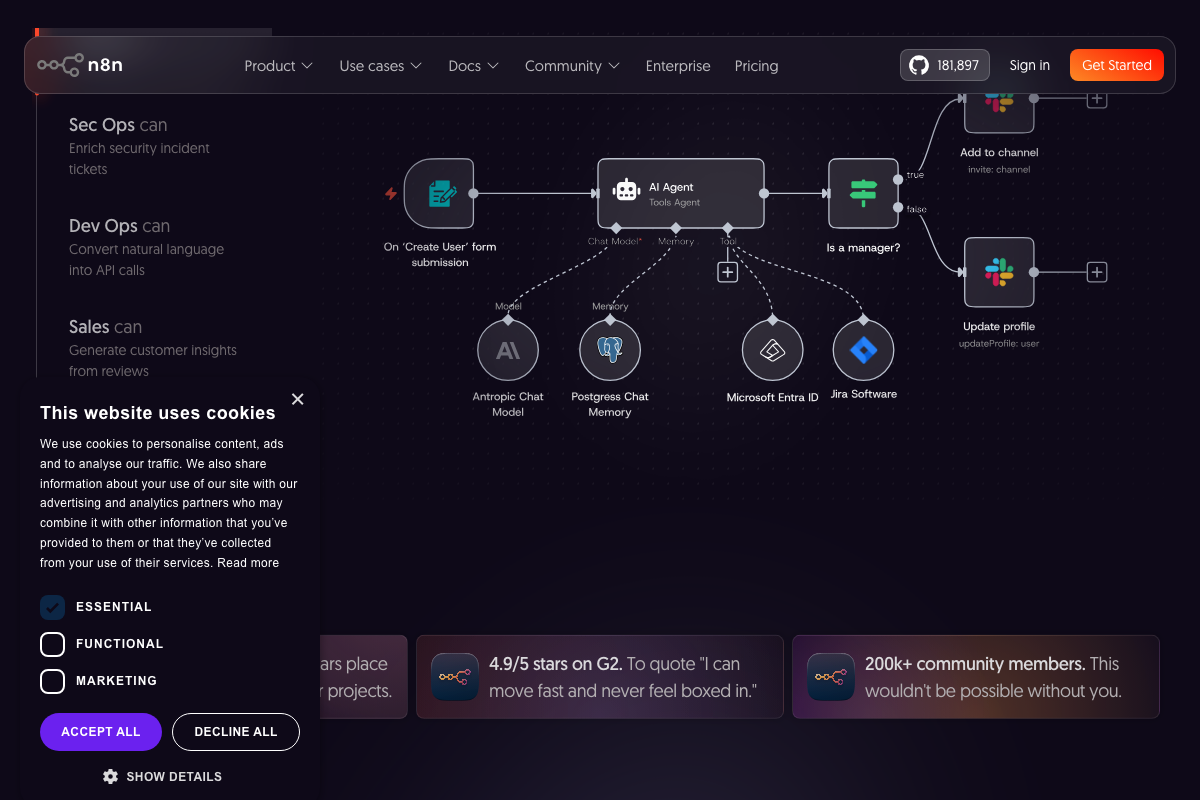
The video’s approach here matches the current docs exactly. Both Make.com and n8n are confirmed as live visual AI workflow automation platforms with accessible free tiers — Make.com explicitly states “No credit card required” and “No time limit on Free plan.” One capability the tutorial doesn’t mention: n8n natively integrates Anthropic Chat Model as a selectable node inside its workflow canvas, meaning you can build Claude-powered AI agents without writing a line of custom API code.
Step 6 — Use OpenClaw AI agent to automate article production at scale
No official documentation was found for this step —
proceed using the video’s approach and verify independently.
No documentation screenshot for OpenClaw was captured or located. Verify the tool’s current availability and terms of service directly before building a production workflow around it.
Step 7 — Test legacy black-hat tactics to identify what is ranking again
No official documentation was found for this step —
proceed using the video’s approach and verify independently.
As with step 1, the screenshots intended to surface Google’s current spam policies and cloaking definitions captured only the Google.com homepage. Before testing any technique from this category, review Google’s live spam policies at developers.google.com/search/docs/essentials/spam-policies — enforcement guidance on cloaking, redirect manipulation, and keyword stuffing is documented there in current form.
Useful Links
- Google — Google’s main search homepage; the intended destination was Google Search Central documentation at developers.google.com/search/docs
- Buy a domain name – Register cheap domain names from $0.99 – Namecheap — Namecheap’s main domain registration and promotions site; aged domain auctions are located separately at namecheap.com/market/
- AI Workflow Automation Software & Tools | Make — Make.com’s visual no-code automation platform, confirming a permanent free tier and autonomous AI agent building capability
- AI Workflow Automation Platform – n8n — n8n’s open-source AI agent and workflow automation platform, with native Anthropic Chat Model integration and 500+ pre-built connectors


0 Comments