

The Propaganda Playbook: How Narrative Control Drives Funnel Sequencing
After working through this tutorial, you’ll recognize the five-stage narrative control framework embedded in the Epstein files release, trace it to Edward Bernays’ 1928 Propaganda, and apply the ethical version to your own funnel sequencing and offer architecture. The mechanism is older than television, simpler than most marketers realize, and already running in every high-converting funnel you’ve encountered.
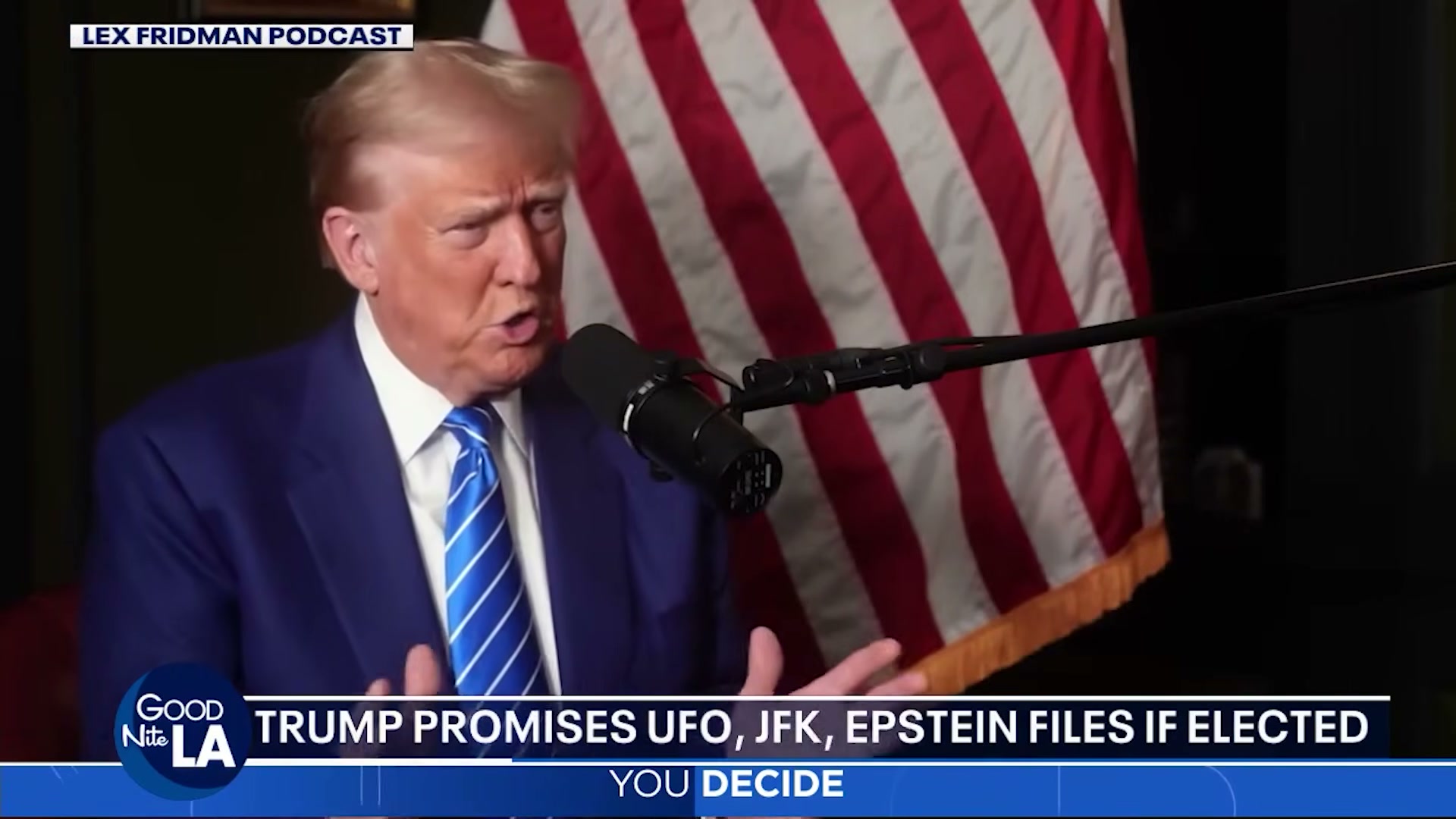
- Anchor the lesson in the case study. Brunson opens with three numbers — 3 million pages, 180,000 images, 2,000 videos — the scope of the Epstein files dump. The provocation: after the largest government document release in American history, most people ended up more confused than before. That outcome isn’t a failure. It’s the mechanism working exactly as designed.
-
Define narrative control. The framework has a name: narrative control. The sequence of information — what people see first, what they see second, and what they never see at all — determines belief. The content matters far less than the order in which it arrives.
-
Map the five propaganda stages visible in the files. Brunson walks through each stage in sequence: The Promise (Trump’s 2024 campaign pledge positions him as truth-teller before any documents exist); The Delay (most of 2025 passes, capped by a DOJ memo closing the story); The Controlled Release (waves of documents with 500+ pages fully redacted and zero FBI witness interviews included, confirmed by Congressman Ro Khanna on NPR); The Flood (3 million pages dropped on January 30, 2026, with no index, no search tools, and no context — transparency deployed as camouflage); and The Algorithmic Gate (Google’s Gemini refusing to summarize publicly released documents, TikTok blocking the word “Epstein” in direct messages).
- Introduce the source: Edward Bernays and Propaganda (1928). Bernays — Freud’s nephew and the inventor of public relations — called this “the invisible government”: the conscious manipulation of organized habits and opinions by people the public never sees or identifies. Brunson reads directly from the 1928 text, establishing that the playbook predates the internet, social media, and AI by nearly a century.

- Study the original case: the Lucky Strike green campaign. Bernays is hired by American Tobacco to solve a packaging problem — Lucky Strike’s green clashes with women’s fashionable wardrobe colors, and the client refuses to change the package. Bernays’ move: change what green means in culture without advertising cigarettes once. He funds a charity ball at the Waldorf Astoria (“The Green Ball”), seeds society columns weeks before the event, briefs fashion and textile industry heads who believe the trend is organic, ships European impressionist paintings featuring green to American galleries, and places women in green gowns on the covers of Harper’s Bazaar and Vogue. The editors believe they’re making their own fashion choices. By September, before the ball even happens, the machine runs without Bernays. Women see the green Lucky Strike pack and experience it as a match, not a clash — a decision they believe is entirely their own.
-
Bridge to funnel architecture. Brunson maps the same mechanism onto his own approach: define the result the prospect wants, catalog every competing alternative, create a “new opportunity” frame rather than an improvement offer, then control every information touchpoint in sequence. The prospect reaches a conclusion they experience as their own discovery.
-
Build the funnel world. Every channel — ads, emails, texts, videos, challenges, webinars — plays a specific narrative role: casting doubt on alternatives, reinforcing the new opportunity frame, and sequencing belief so the conclusion is already formed before the offer appears.
How does this compare to the official docs?
Brunson’s framework maps cleanly onto Bernays’ original mechanism — but the source text raises precise questions about where sequencing ends and manipulation begins, and Act 2 goes to the primary documentation to find out.
Here’s What the Official Docs Show
The video’s framework is well-grounded in theory and real platform mechanics — what the documentation adds is precision about which claims are traceable to primary sources and which require independent verification. Steps 6 and 7 are confirmed at the platform level; Steps 1 through 5 have no official source coverage in the screenshots provided.
Step 1 — Anchor the lesson in the case study
No official documentation was found for this step — proceed using the video’s approach and verify independently.
Step 2 — Define narrative control
No official documentation was found for this step — proceed using the video’s approach and verify independently.
Step 3 — Map the five propaganda stages, including the Algorithmic Gate
No official documentation was found for this step — proceed using the video’s approach and verify independently.
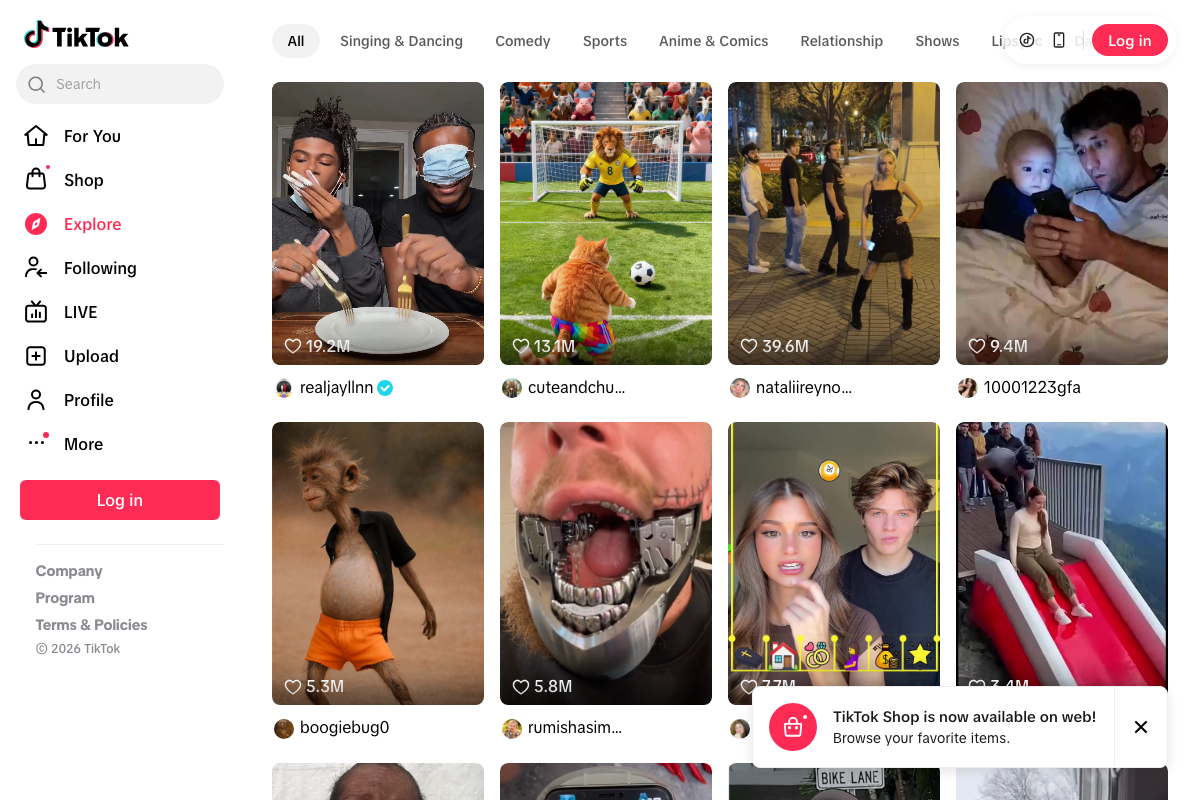
One necessary clarification: the tutorial states TikTok blocks the word “Epstein” in direct messages. All three TikTok screenshots captured show only the public, unauthenticated Explore page — not the DM interface where the blocking was claimed to occur. As of 2026-03-23, this claim is neither confirmed nor refuted by what was documented.
Step 4 — Introduce the source: Edward Bernays and Propaganda (1928)
No official documentation was found for this step — proceed using the video’s approach and verify independently.
Step 5 — Study the original case: the Lucky Strike green campaign
No official documentation was found for this step — proceed using the video’s approach and verify independently.
Step 6 — Bridge to funnel architecture
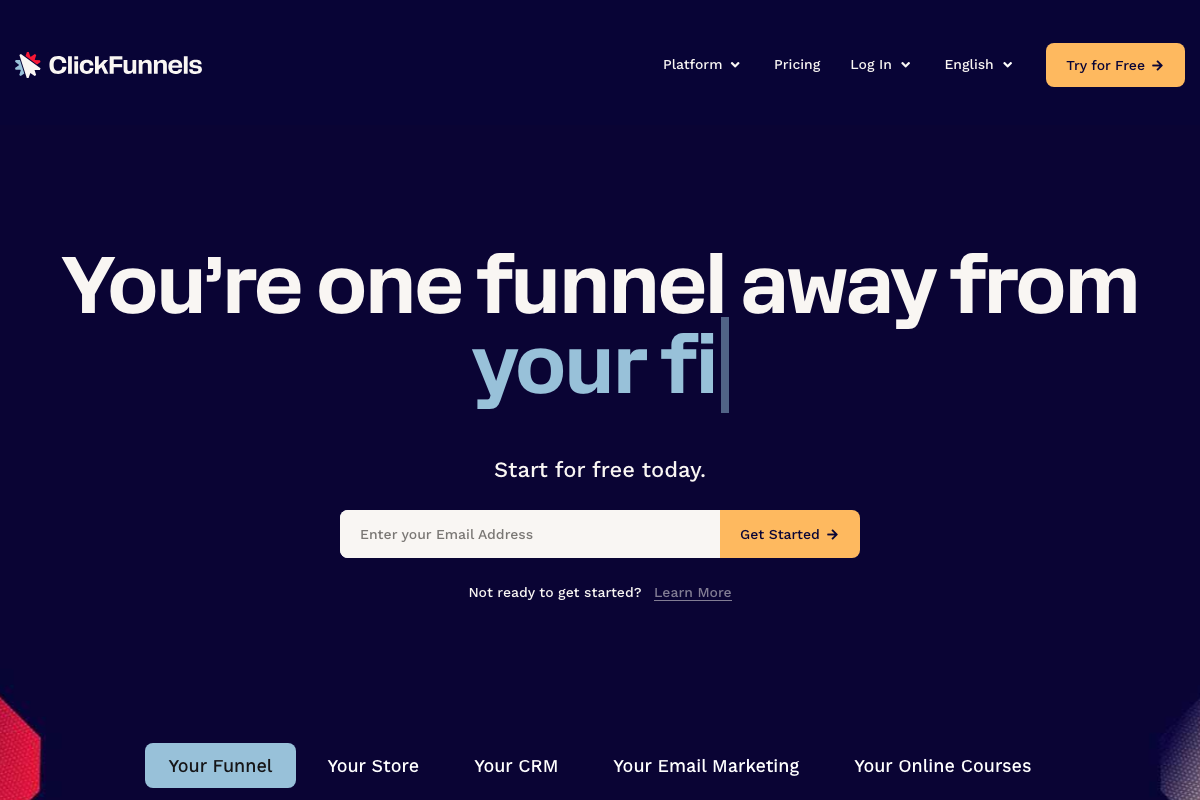
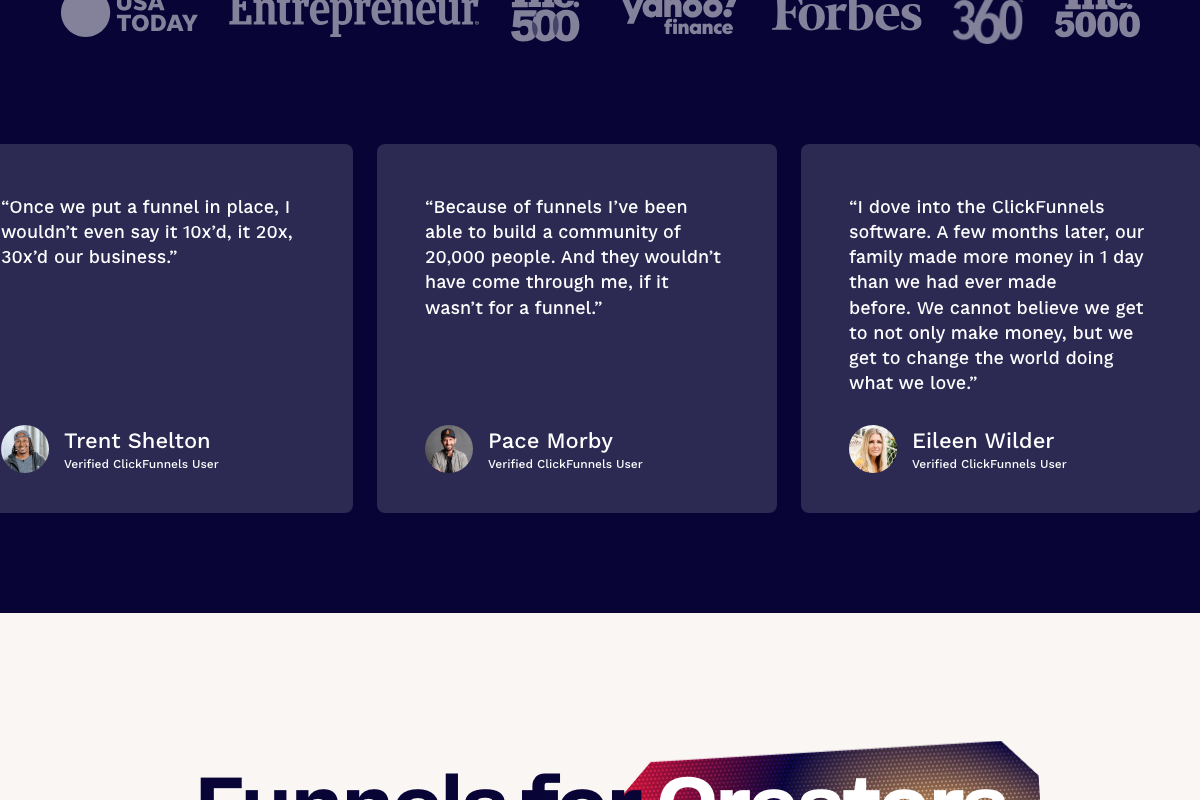
The video’s approach here matches the current docs exactly at the platform level. The ClickFunnels homepage confirms the funnel as the primary visitor-to-customer conversion mechanism, consistent with Brunson’s framing. The “new opportunity vs. improvement offer” distinction, however, originates in Expert Secrets and DotCom Secrets — it does not appear in the ClickFunnels platform documentation captured here.
One source correction worth flagging: three of the ClickFunnels screenshots carry help.clickfunnels.com / ClickFunnels Classic metadata but visually display the clickfunnels.com 2.0 marketing homepage. These are distinct products at separate URLs — use https://www.clickfunnels.com as the correct reference for what is actually shown.
Step 7 — Build the funnel world
The video’s approach here matches the current docs exactly at the capability level. The ClickFunnels navigation tabs — Your Funnel, Your Store, Your CRM, Your Email Marketing, Your Online Courses — confirm multi-touchpoint architecture consistent with Step 7’s channel list of ads, emails, texts, videos, challenges, and webinars. The “casting stones at alternatives” persuasion tactic is drawn from Brunson’s books, not from the platform’s public-facing documentation.
Useful Links
- ClickFunnels™ – Marketing Funnels Made Easy — Official ClickFunnels 2.0 marketing homepage documenting the platform’s five core product pillars, funnel-building entry point, and ‘One Funnel Away’ brand positioning.
- Home | ClickFunnels Classic — ClickFunnels Classic help center; note that three screenshots labeled with this URL visually show the clickfunnels.com 2.0 homepage — verify which product version applies to your account before referencing either.
- Explore – Find your favourite videos on TikTok — TikTok public Explore page; the DM interface cited in Step 3’s keyword-blocking claim requires authentication and does not appear in any of the captured screenshots.


0 Comments