

The VITAL Framework: A Five-Step System for Generating Healthcare Leads
Healthcare marketing combines regulatory friction, eroding patient trust, and some of the most competitive ad auctions on the internet. Exposure Ninja’s VITAL framework — Visibility, Intent targeting, Trust content, and AI search — gives you a structured way to attack each problem in sequence. Work through these steps and you’ll know how to rebuild an SEO foundation that eliminates ranking self-sabotage, run cheaper Google Ads by targeting upstream informational queries, and produce the kind of credentialed content that converts passive health seekers into qualified leads.
- Rebuild your SEO foundation. Audit the site for keyword cannibalization — multiple pages competing for the same search terms split link equity and suppress rankings across all of them. Consolidate competing pages, rebuild internal link architecture so authority flows toward core service pages, and refresh service page copy to align tightly with target queries. Add prominent CTAs above the fold on every service page. One Exposure Ninja client moved from 60 leads per month to 300 after this rebuild, spending just 4% of total marketing budget on the SEO work.

2. Audit and qualify your calls-to-action. Map every audience segment the site serves — patients, businesses, and healthcare professionals each need CTAs written in their language, not internal brand terminology. Replace bare phone numbers and email addresses as the sole contact option with forms that include qualifying fields. Unfiltered direct contact details push high-value clinical staff into sorting unqualified enquiries; a structured form pre-qualifies leads before they reach anyone expensive.
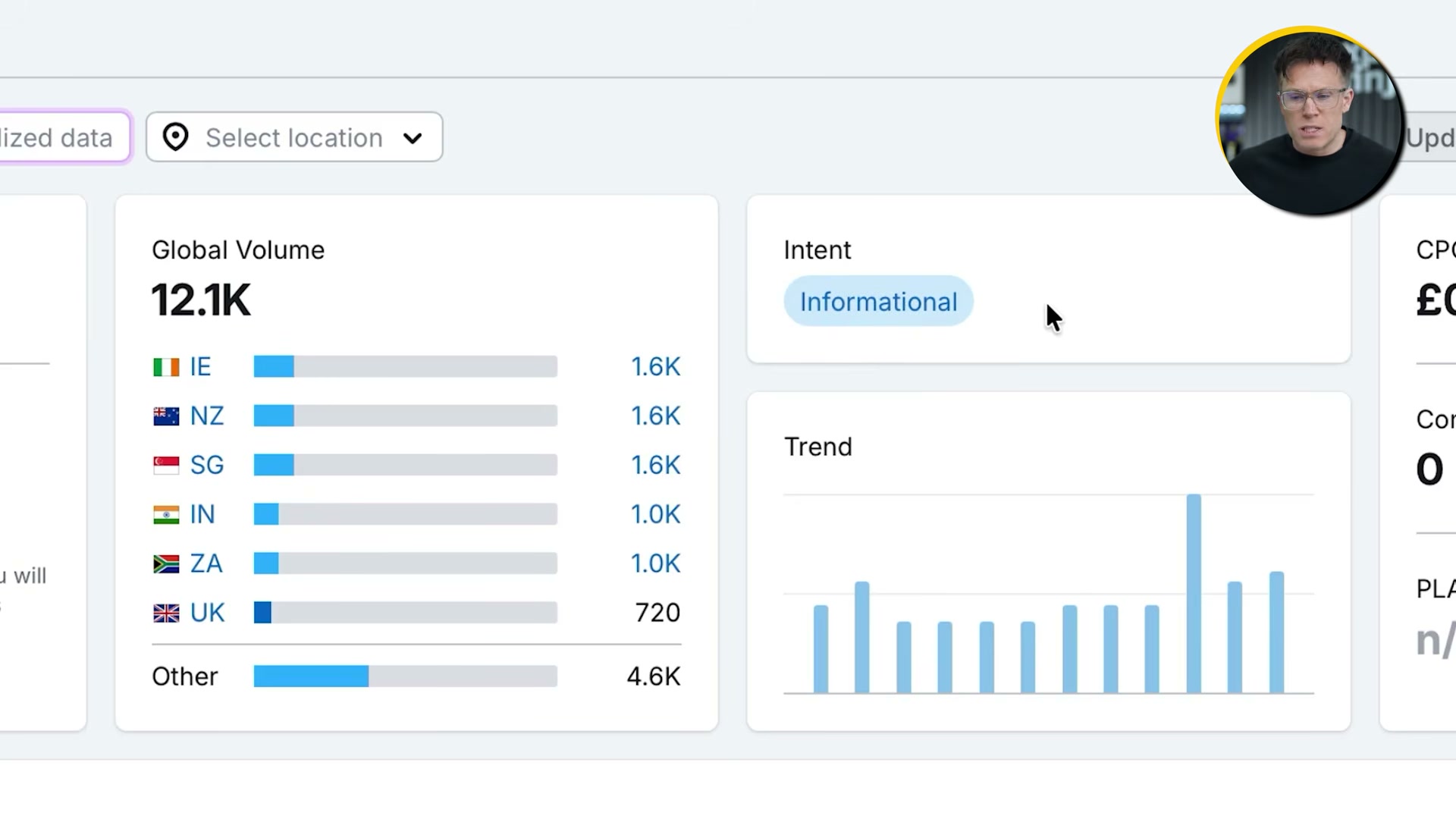
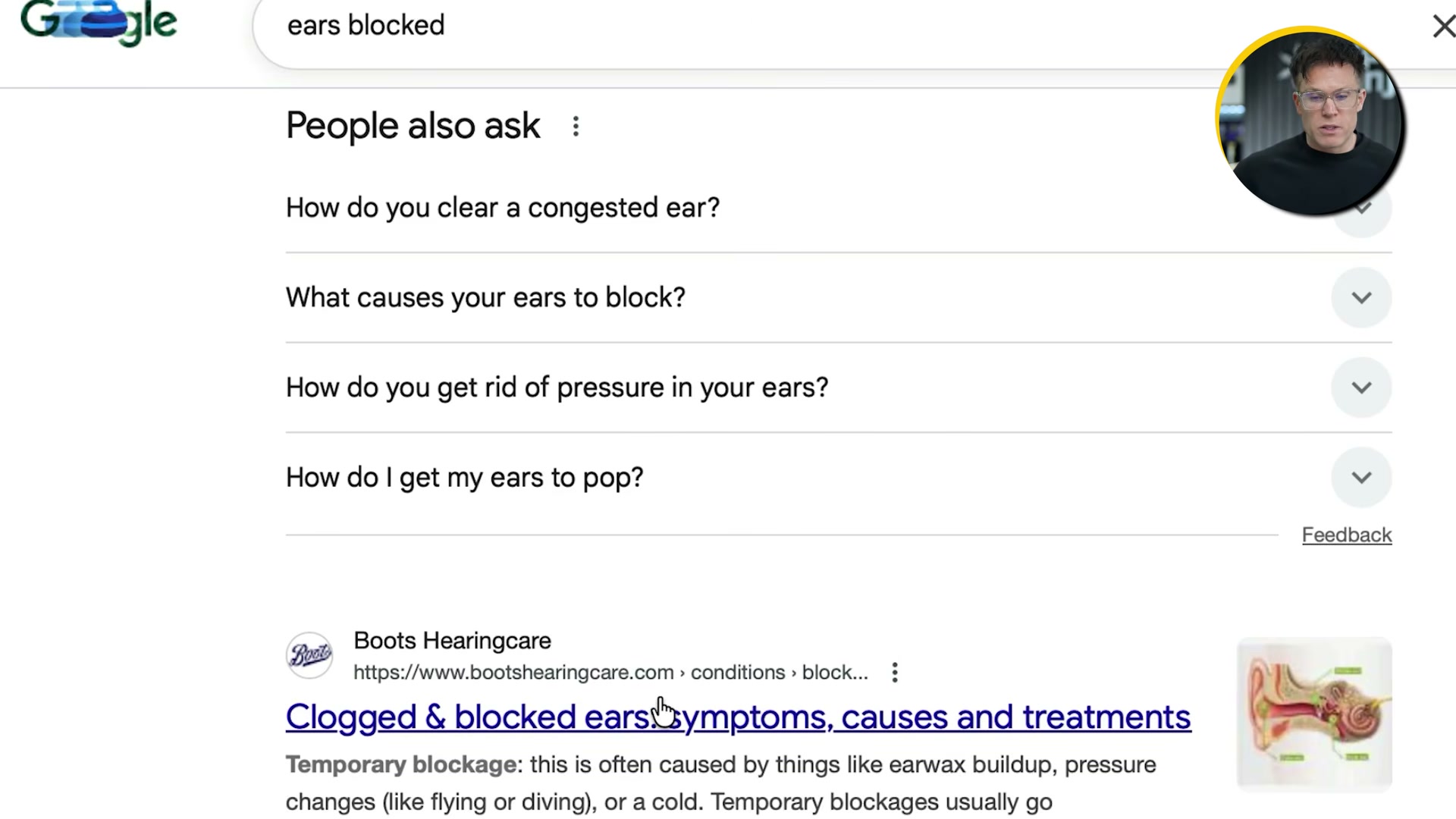
3. Target informational keywords with Google Ads. Open Semrush and filter keyword ideas by intent classification. Patients searching before they know the name of their condition — typing “ears blocked” rather than “microsuction audiologist” — generate informational-intent results with far lower CPCs than treatment-name terms. Build a campaign around these upstream queries and treat the clinic visit itself as the conversion event, not the transaction. Exposure Ninja reduced one audiology client’s cost-per-lead from £60 to £21 using this model, and it scaled from one location to six clinics.
4. Produce expert-attributed content with references. Use Mayo Clinic’s content architecture as a working benchmark: structured condition pages that include a summary, symptom detail, a “when to see a doctor” section, named contributors with credentials, and a reference list linking to primary sources. Source topic ideas from sales call recordings, Reddit threads, and Quora questions to match real patient language. Every content page needs a logical next-step CTA — information alone does not convert.
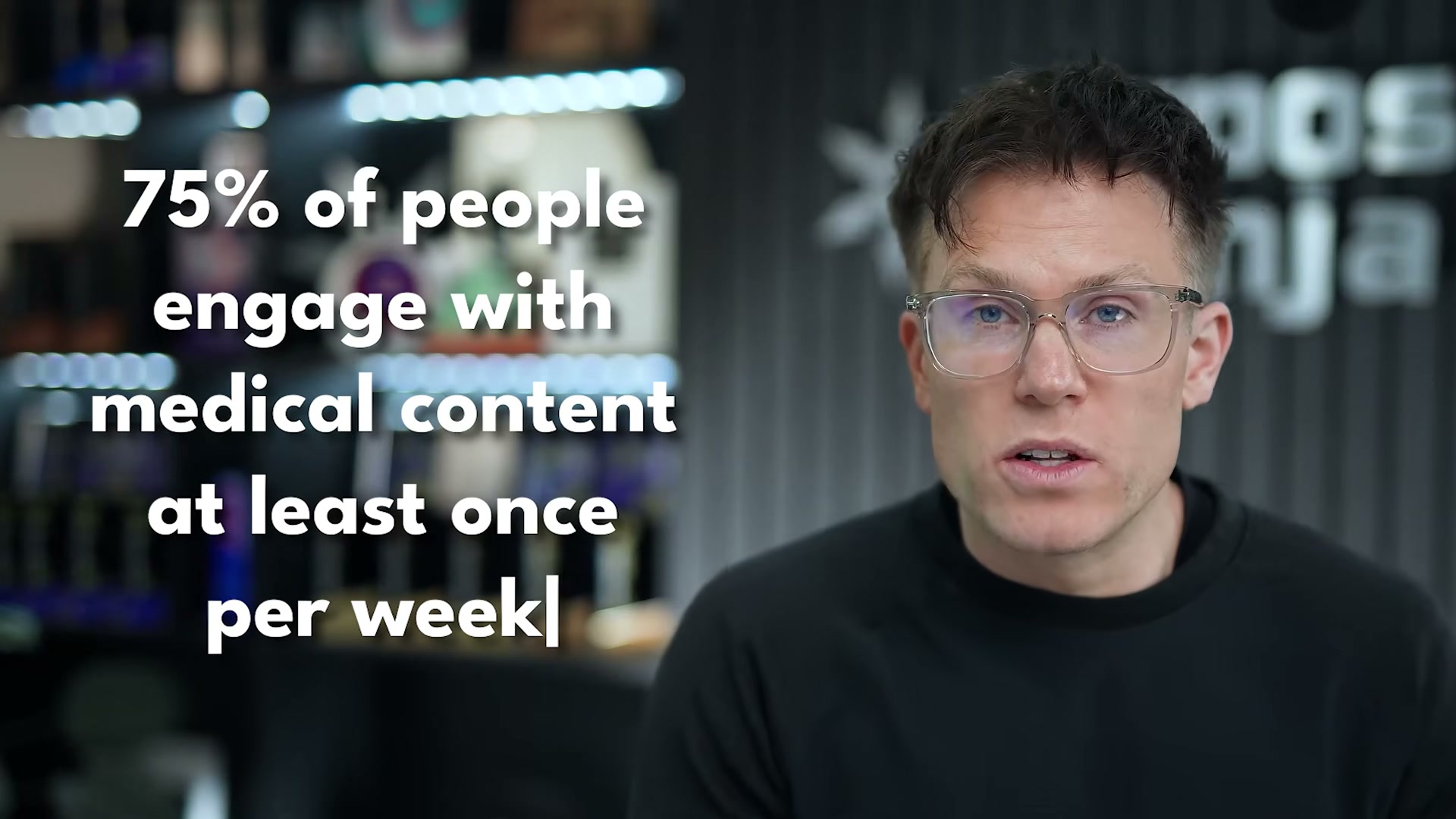
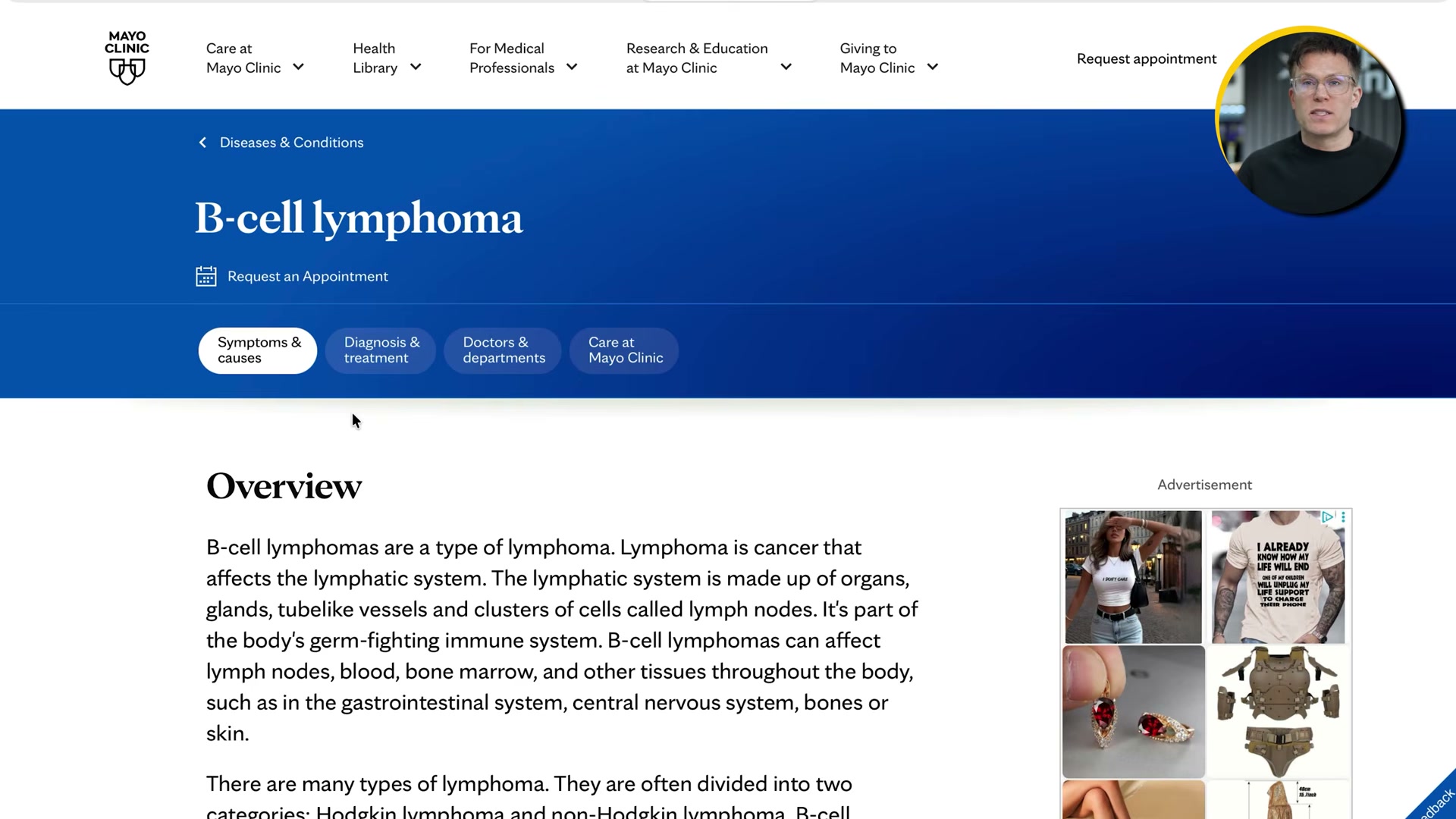
5. Optimize for AI search discovery. Structure content so AI tools like ChatGPT surface it when healthcare consumers ask condition questions. The video begins demonstrating specific formatting strategies for AI indexation but the walkthrough was not completed in the available transcript.
Warning: this step may differ from current official documentation — see the verified version below.
How does this compare to the official docs?
Each tool and platform inside the VITAL framework — from Google Ads’ healthcare advertising policies to Semrush’s intent classification methodology — has documented guidelines that may diverge from what the video demonstrates, and Act 2 maps those differences directly.
Here’s What the Official Docs Show
The VITAL framework Exposure Ninja walked through holds up well against what the platforms actually show today — but three of the five steps have meaningful platform-level updates worth folding into your implementation. Think of what follows as the same playbook with the current firmware installed.
Step 1: Rebuild Your SEO Foundation
The video’s approach here matches the current docs exactly. Semrush remains the right tool for keyword cannibalization audits and position tracking, and the platform’s Position Tracking dashboard — showing keyword volume, visibility percentage, and Top 3/Top 10 trend lines — works precisely as described.
One platform note worth flagging: Semrush now markets itself under unified branding called Semrush One, with a homepage entry point built around domain-level URL analysis. The workflows haven’t changed, but if you log in and the interface looks slightly different from the video, that’s why.
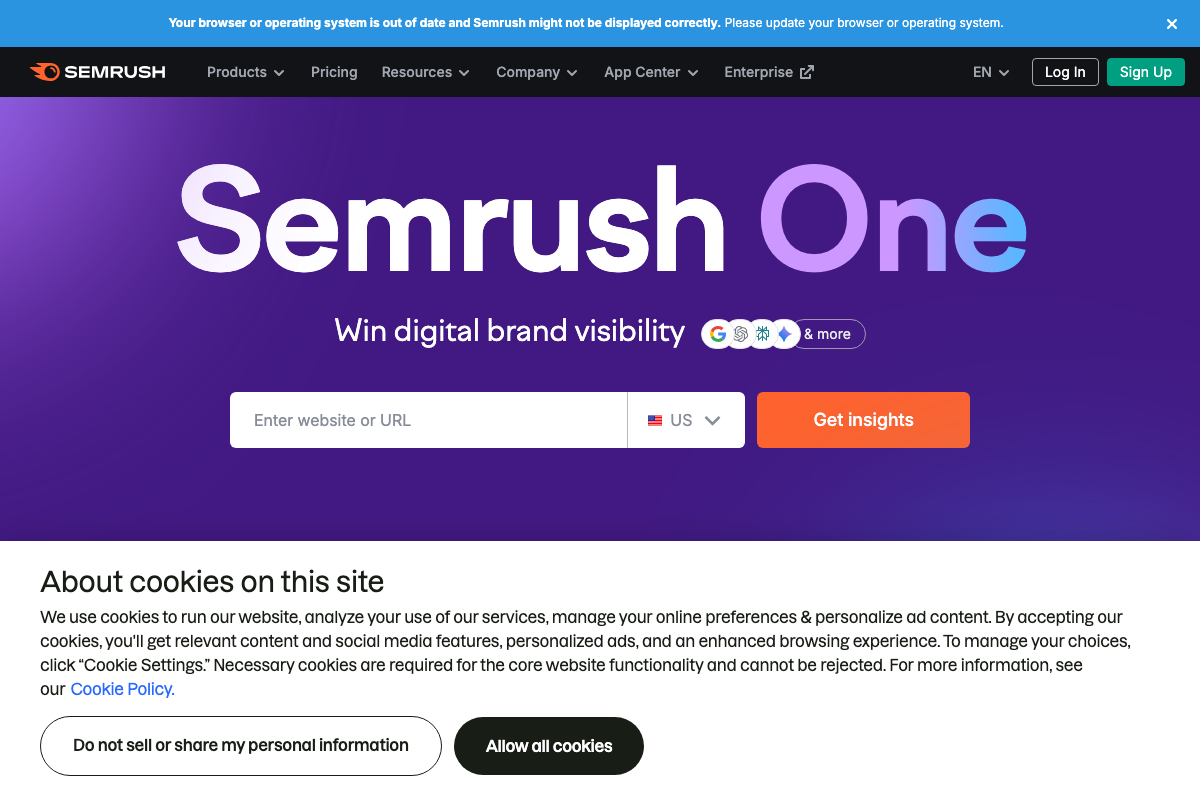
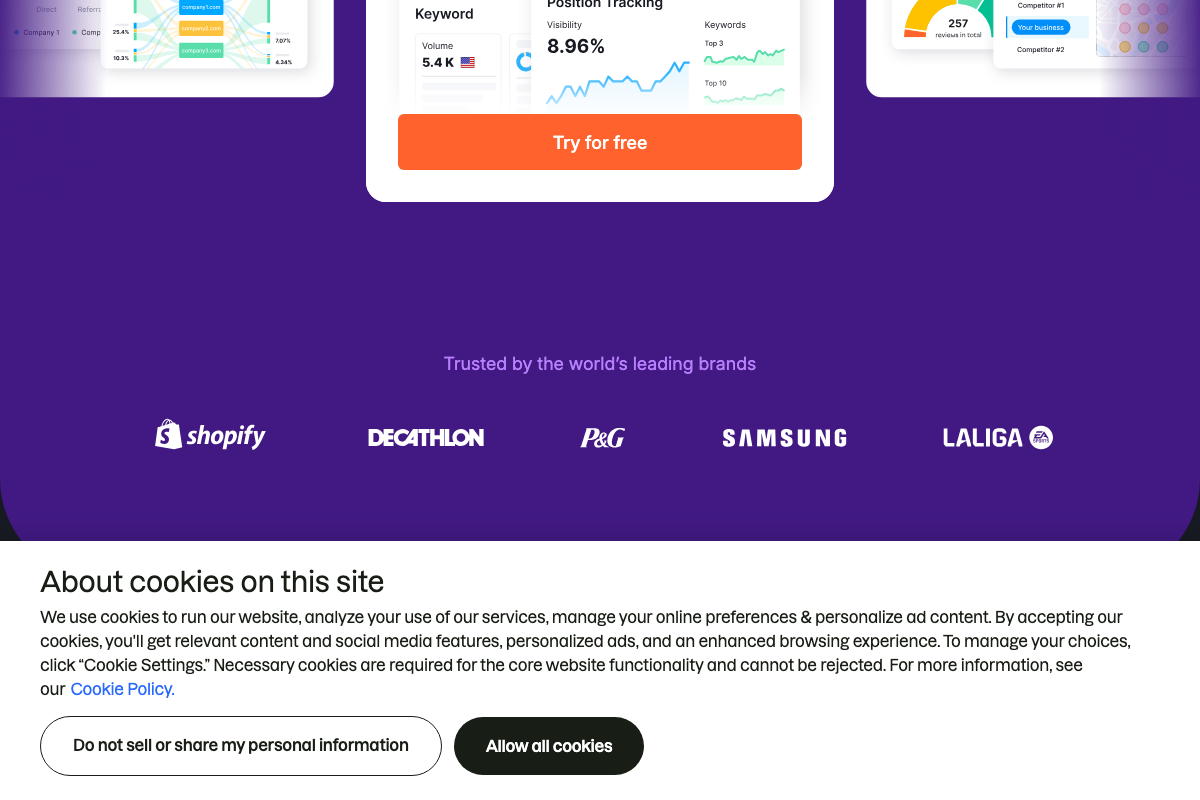
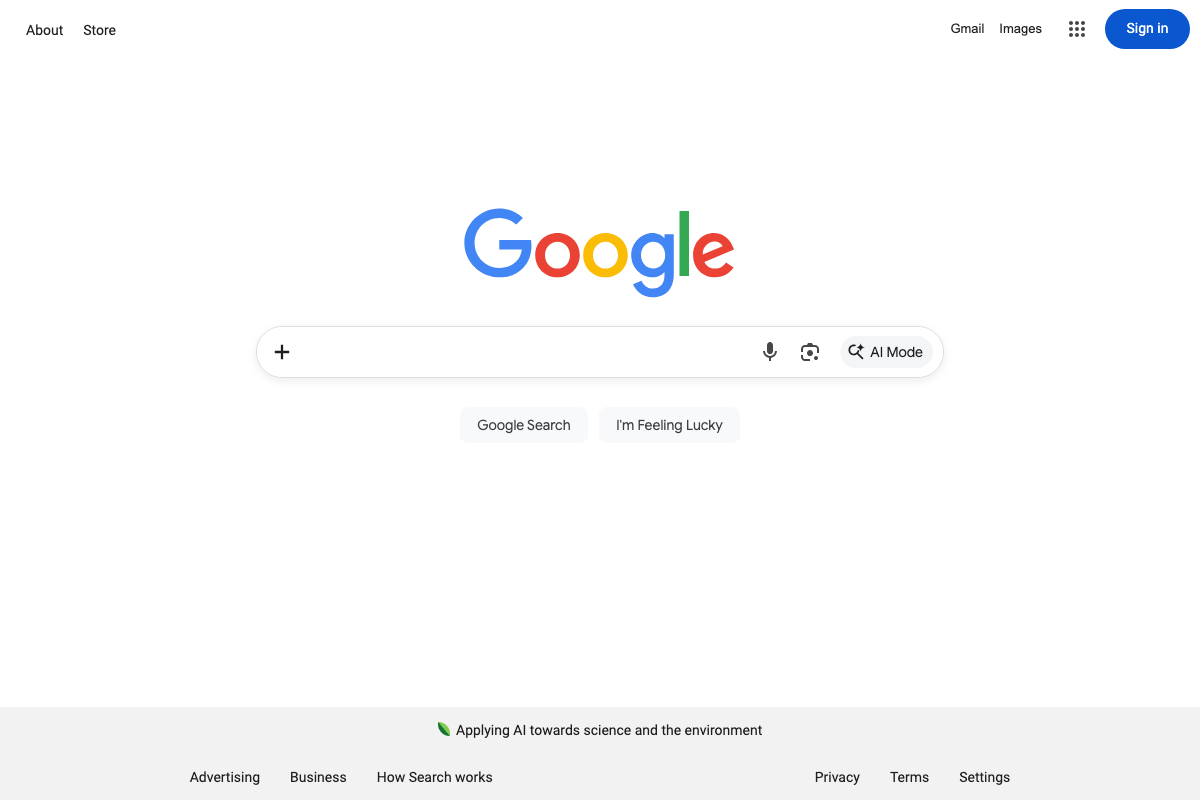
Also worth noting for Step 1: Google’s search homepage now displays a native AI Mode button directly in the search bar alongside standard search. AI-generated results are no longer a fringe feature — they’re a first-class SERP element. Any SEO rebuild you do today needs to account for visibility in AI-generated results, not just the ten blue links.
Step 2: Audit and Qualify Your Calls-to-Action
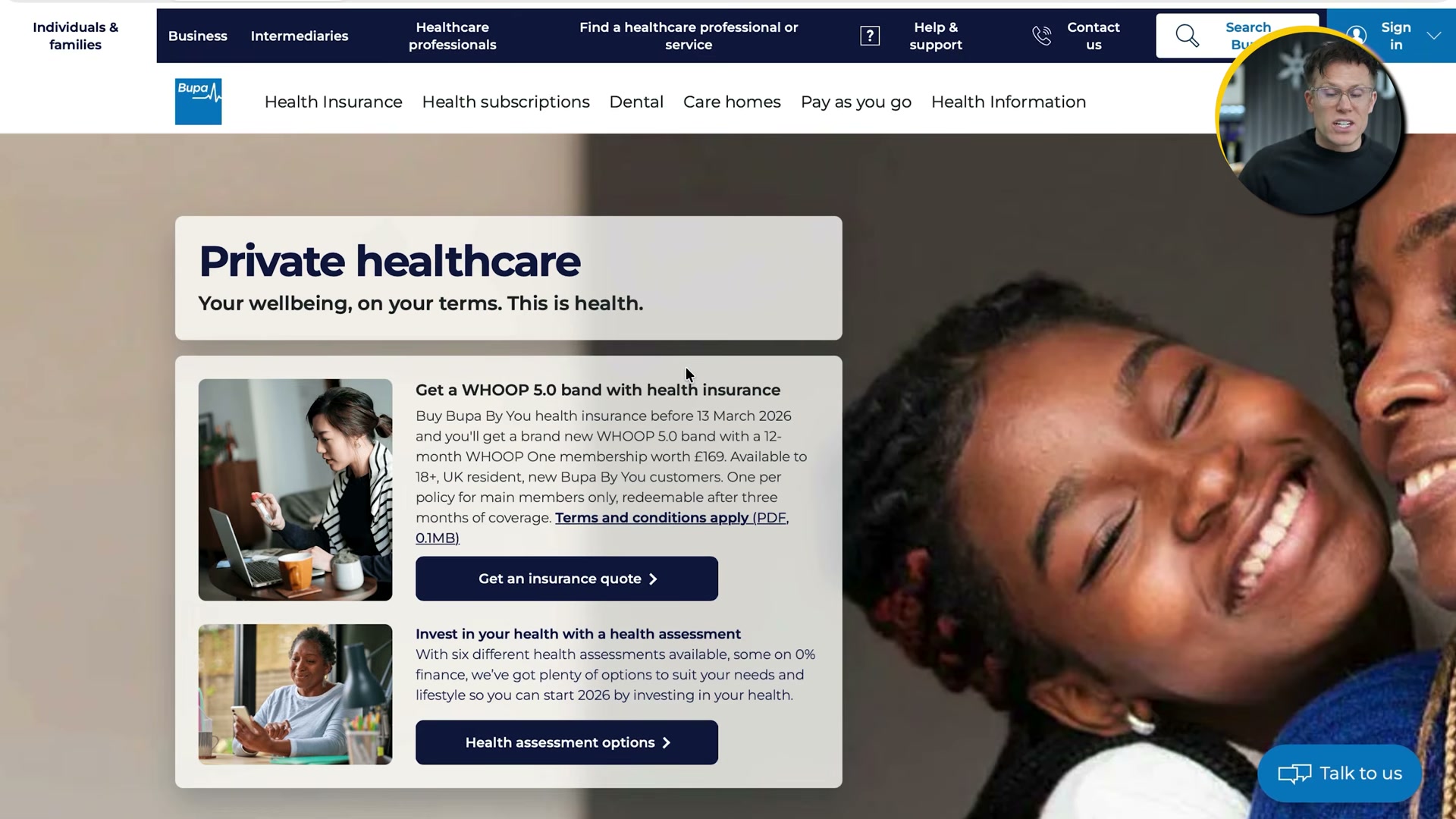
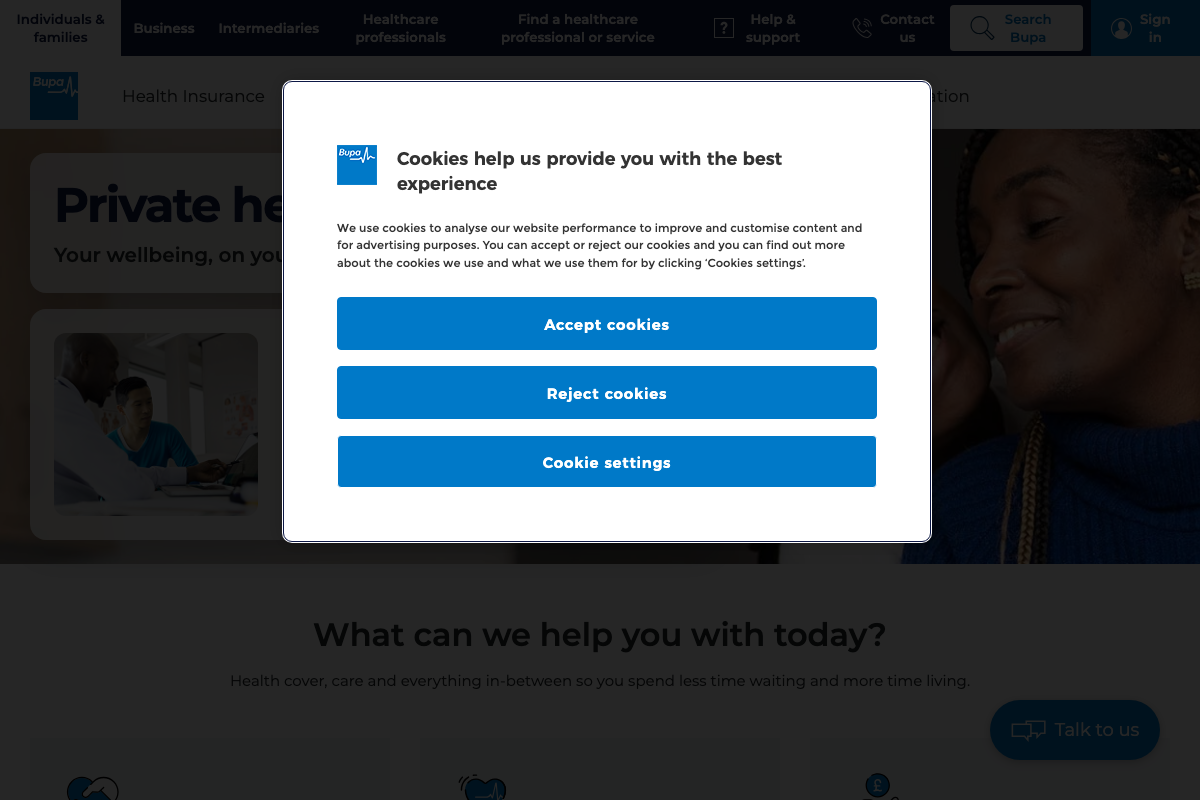
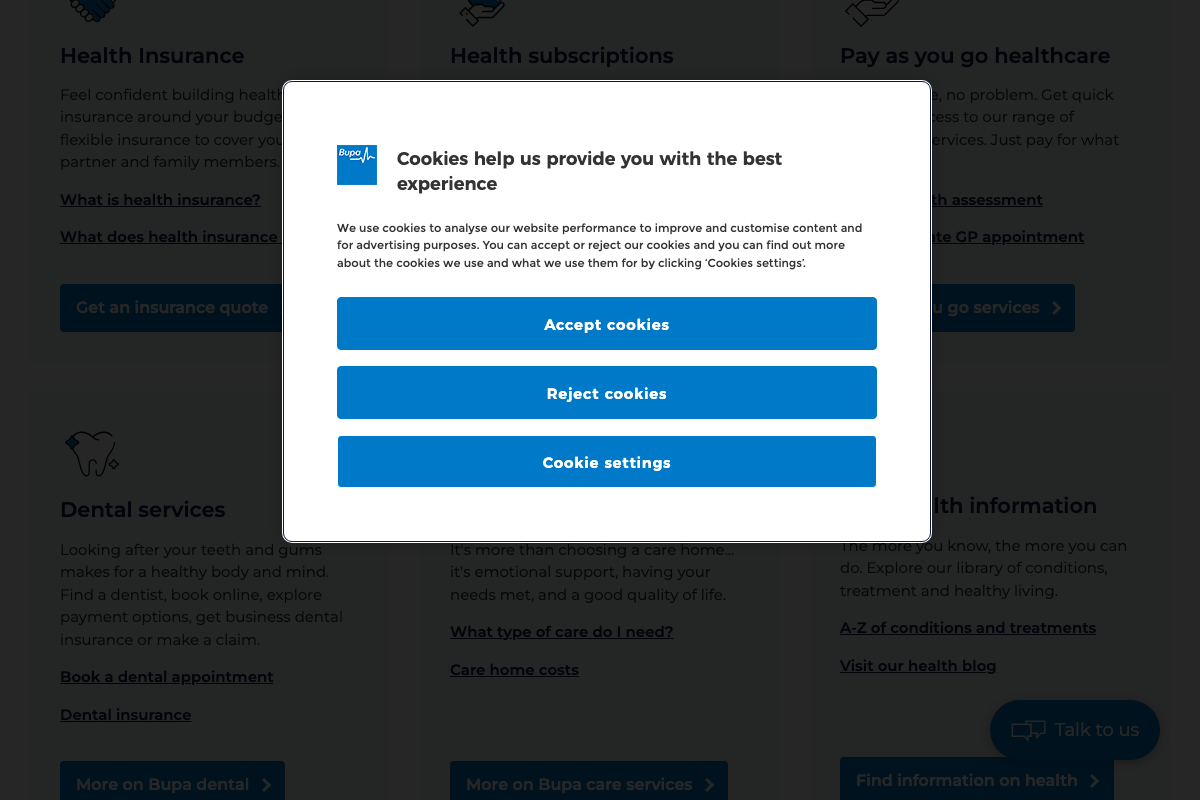
The video’s approach here matches the current docs exactly. Bupa’s live site confirms every structural point the video makes: multi-segment navigation (Individuals & Families, Business), direct-action CTAs (“Get an insurance quote,” “Book a dental appointment”), and a persistent live chat widget — all the patterns the tutorial identifies as candidates for qualifying-form replacement.
One CRO consideration the video doesn’t address: Bupa’s site opens with a full-screen GDPR cookie consent modal for UK and EU visitors. Consent friction precedes any CTA interaction for first-time visitors, which means your CTA audit needs to start one step earlier than the video suggests.
Step 3: Target Informational Keywords with Google Ads
The Semrush keyword research workflow is confirmed. Search campaigns remain a supported Google Ads campaign type, so the informational-intent bidding strategy the video describes is still executable.
That said, Google Ads has shifted its platform framing significantly. As of March 2026, the Google Ads homepage headline reads “Let AI find the customers you’ve been missing” — and Performance Max is now the featured, recommended campaign type, running across Search, Display, YouTube, Shopping, Video, and App from a single campaign. Healthcare advertisers setting up intent-targeting campaigns today will encounter Performance Max as the default recommendation before they reach Search-only campaigns. The video’s manual keyword-bidding approach is still valid, but it now sits one layer beneath the platform’s AI-first defaults rather than at the front door.


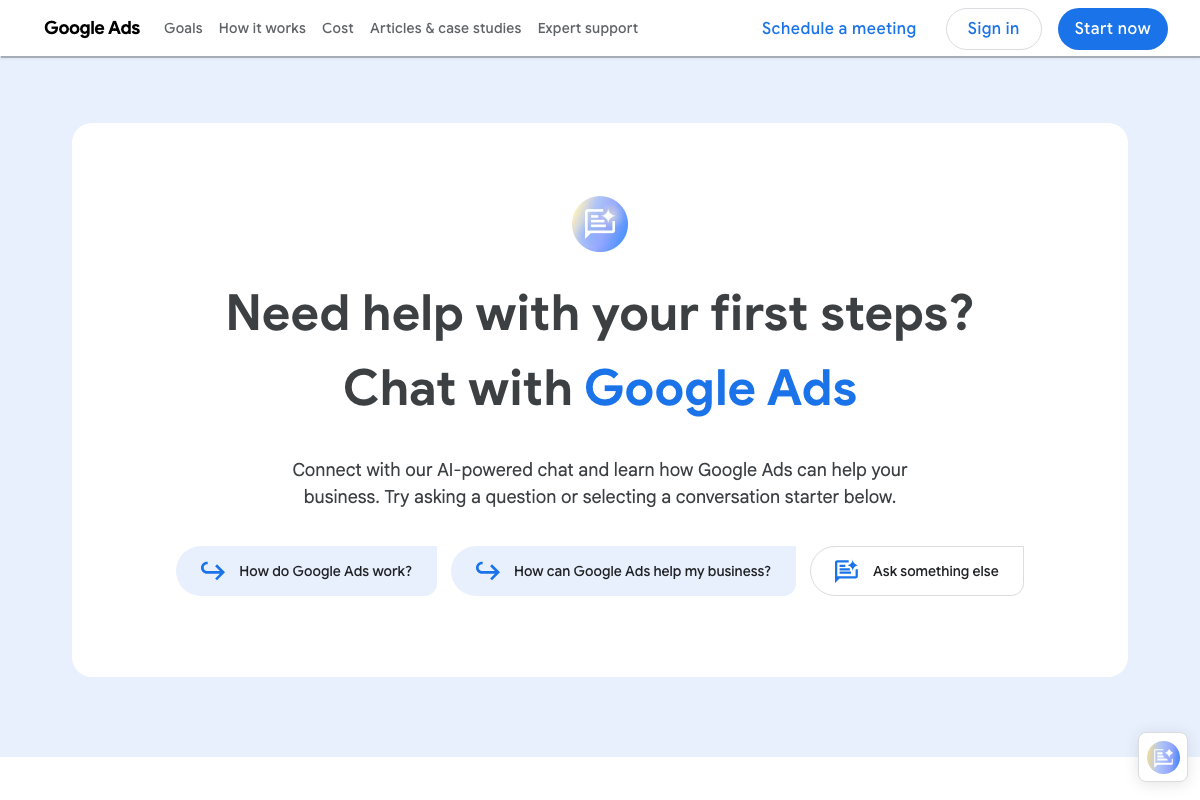
One additional resource: Google Ads now offers an AI-powered onboarding chat assistant (“Chat with Google Ads”) for guided campaign setup. It’s worth using if you’re building the informational-intent campaign structure from scratch.
Step 4: Produce Expert-Attributed Content with References
No official documentation was found for this step — proceed using the video’s approach and verify independently.
The Reddit topic-sourcing workflow the video describes could not be confirmed from current screenshots — all three capture attempts returned a network security block. The Mayo Clinic content architecture recommendation (structured condition pages with named contributors, symptom detail, “when to see a doctor” sections, and cited references) remains the right benchmark; that guidance stands independently of Reddit as a source channel.
Step 5: Optimize for AI Search Discovery
The video’s core premise — that healthcare consumers use AI tools to research conditions — is confirmed and then some. ChatGPT’s live interface shows a dedicated Health category in the sidebar, meaning ChatGPT explicitly segments health as a primary consumer use case. There’s also a Deep research feature visible in the same sidebar: a multi-source research mode that aggregates content from across the web, giving well-cited healthcare content a secondary discovery pathway beyond standard ChatGPT responses.
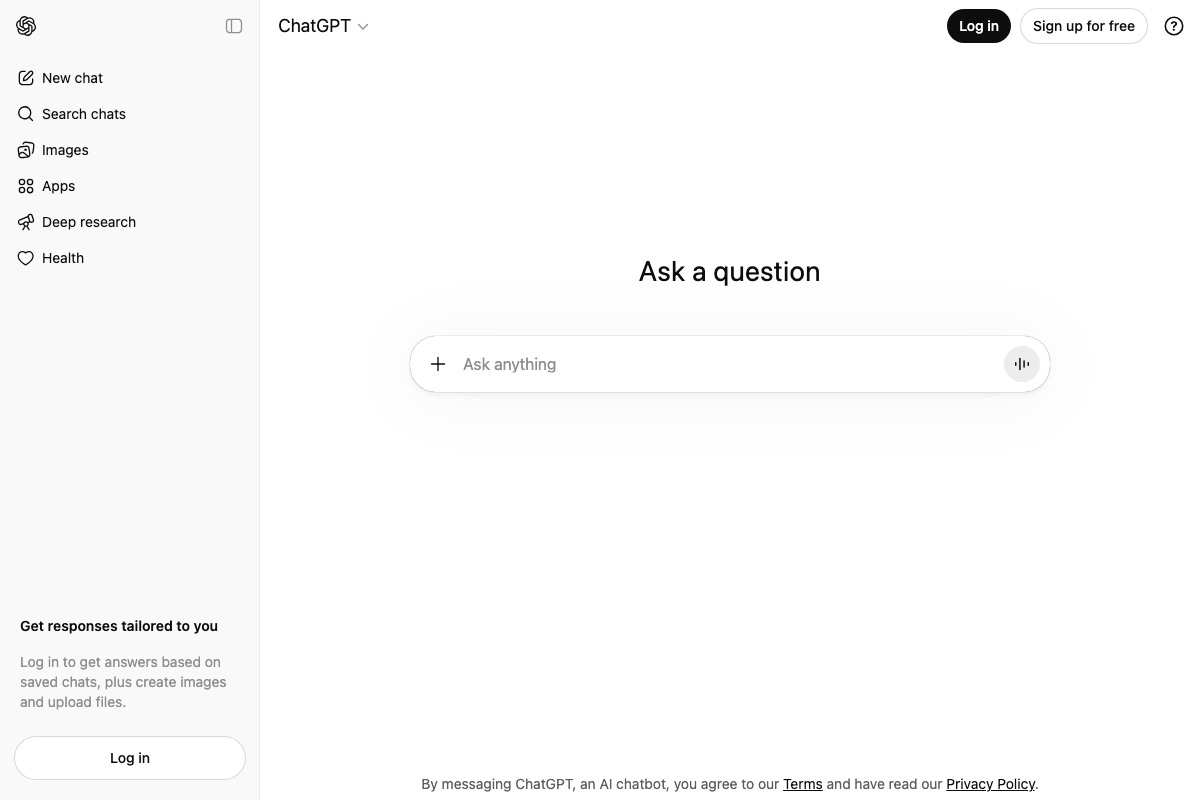
Two additions the video doesn’t cover that are now documented at the platform level:
Google AI Mode. The “AI Mode” button on Google’s search homepage confirms that AI-generated results are a native Google feature, not only a ChatGPT phenomenon. Optimizing for AI search visibility means targeting Google AI Mode responses in addition to ChatGPT — the same structural content principles apply to both.
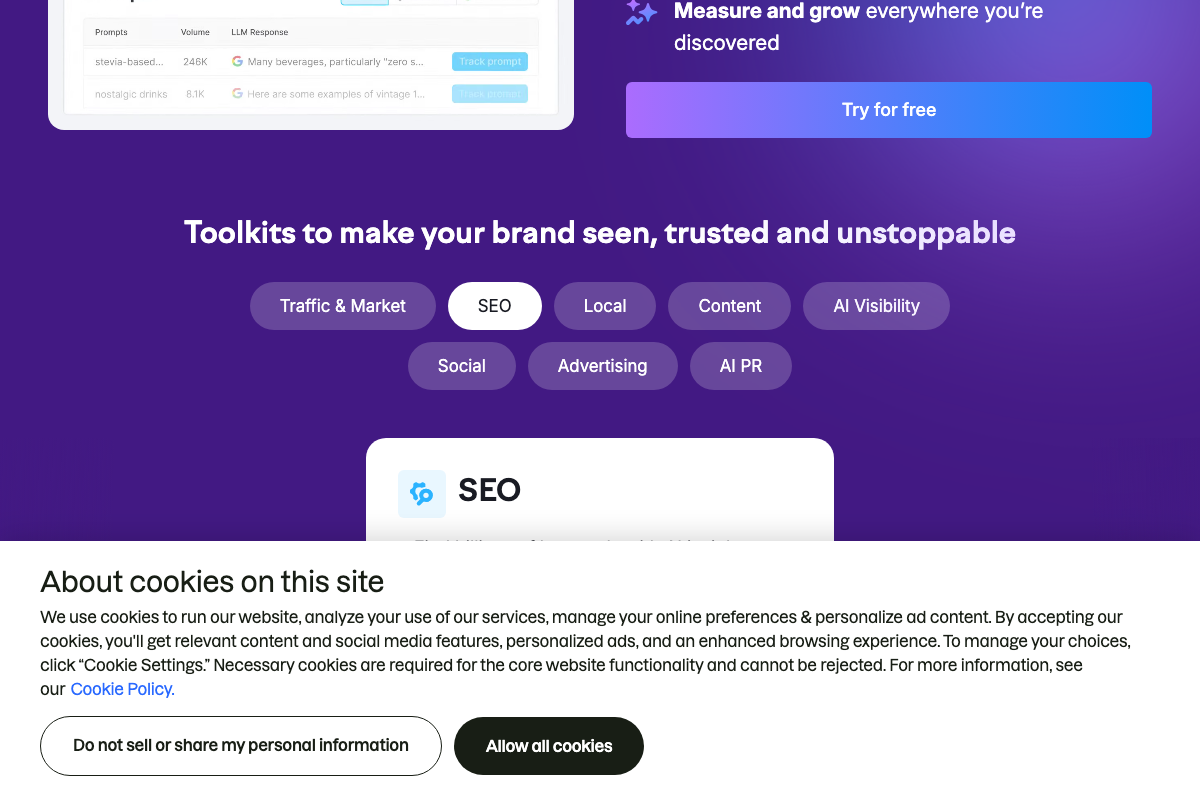
Semrush AI Visibility and AI PR toolkits. Semrush now lists AI Visibility and AI PR as distinct named toolkit categories alongside its existing SEO and Advertising tools, with a positioning headline of “Measure and grow everywhere you’re discovered.” These toolkits are directly applicable to Step 5 and weren’t available when the video was produced. If you’re serious about the AI search pillar of VITAL, this is where to instrument it.
Useful Links
- Semrush: Data-Driven Marketing Tools to Grow Your Business — Platform home for keyword research, position tracking, and the newly added AI Visibility and AI PR toolkits referenced in Steps 1, 3, and 5.
- Google Ads – Get Customers and Sell More with Online Advertising — Google Ads platform home, including the Performance Max campaign type and AI chat onboarding assistant relevant to Step 3.
- Google — Google Search homepage confirming the native AI Mode button in the search bar, relevant to Steps 1 and 5.
- Private healthcare | Bupa UK — Live healthcare site used as the CRO audit reference in Step 2, showing multi-segment navigation, direct-action CTAs, and GDPR consent friction.
- ChatGPT — ChatGPT consumer interface confirming a dedicated Health category and Deep research feature relevant to Step 5.


0 Comments