


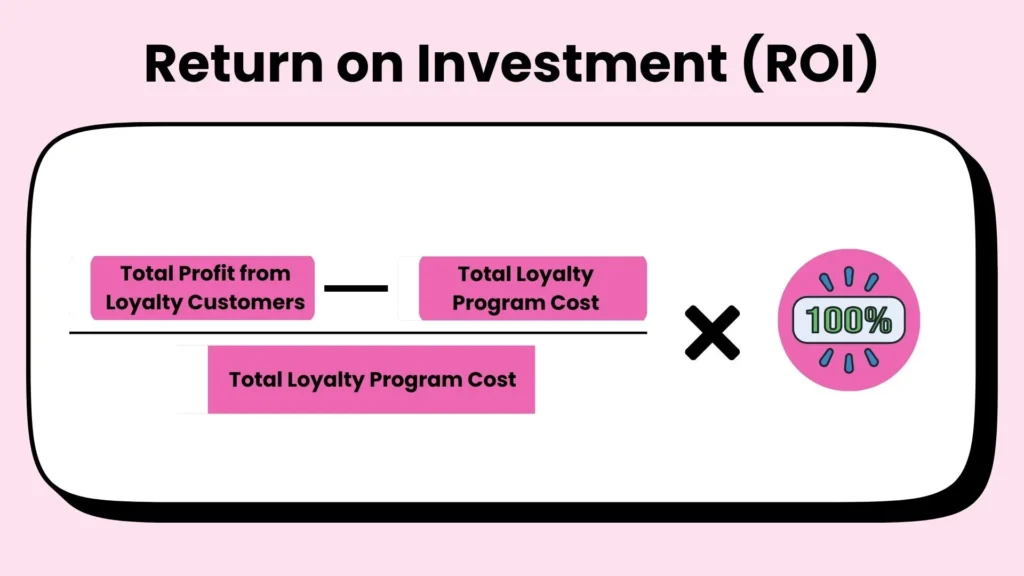

Your gamification is fun. But is it profitable?
If you can’t answer that clearly, you don’t have a strategy—you have an experiment.
In 2026, gamification is no longer novel. Boards, CFOs, and growth teams expect proof, not vibes. Points, badges, and challenges only matter if they move revenue, retention, and lifetime value.
This guide explains how to measure gamification ROI correctly, why most brands track the wrong metrics, and how to build a KPI framework that connects game actions directly to business outcomes.
Executive Summary: Why Most Gamification Fails to Prove Value
Most gamification programs fail not because they don’t work—but because they’re measured incorrectly.
Common mistakes include:
- Tracking clicks instead of behavior change
- Measuring engagement without revenue linkage
- Celebrating participation without retention impact
Gamification is not branding.
It is behavioral infrastructure.
If you don’t measure behavior → value conversion, ROI disappears.
1. The Vanity Metrics Trap
Gamification dashboards often overflow with numbers that look impressive—but explain nothing.
Vanity Metrics (What Not to Lead With)
- Badge counts
- Total points earned
- Raw participation numbers
- Session time without context
These metrics answer:
“Did people interact?”
They do not answer:
“Did this make us money?”
2. What ROI Means for Gamification in 2026
Gamification ROI is the incremental value created by behavior change attributable to game mechanics.
That value typically shows up in:
- Higher conversion rates
- Increased purchase frequency
- Stronger retention
- Higher customer lifetime value (LTV)
The question is not:
“Did engagement go up?”
It’s:
“What changed because engagement went up?”
3. The Core Gamification KPI Framework
Effective gamification measurement links four layers:
| Layer | Question It Answers |
|---|---|
| Participation | Are people playing? |
| Progression | Are they advancing? |
| Conversion | Are they buying? |
| Retention | Are they coming back? |
All four layers matter. Missing one breaks the ROI story.
4. Engagement Metrics That Actually Matter
Engagement isn’t binary. Depth matters more than volume.
High-Signal Engagement KPIs
| KPI | Why It Matters |
|---|---|
| Active participation rate | Adoption health |
| Challenge completion rate | Effort commitment |
| Progress velocity | Motivation strength |
| Drop-off points | Friction detection |
If people start but don’t finish, the mechanic—not the audience—is broken.
5. Conversion Metrics: Where Gamification Pays Off
Gamification should accelerate decisions—not delay them.
Conversion KPIs to Track
| Metric | Insight |
|---|---|
| Player vs non-player conversion | Causal lift |
| Conversion by tier | Progress impact |
| Time-to-purchase | Decision confidence |
| Reward-triggered purchases | Incentive effectiveness |
Gamification works best when it reduces hesitation, not just adds rewards.
6. Retention and Lifetime Value Metrics
Retention is where gamification earns its keep.
Retention KPIs That Matter
| KPI | Why It Matters |
|---|---|
| Return frequency | Habit formation |
| Tier retention | Status lock-in |
| Reactivation rate | Recovery power |
| LTV uplift | True ROI |
A small retention lift compounds faster than almost any acquisition tactic.
7. Case Studies: ROI in the Real World
Moosejaw
Moosejaw tracked:
- Participation → purchase linkage
- Gamified challenges → sales attribution
Result:
- 76% of sales revenue tied to gamified activity
- 560% ROI
Gamification wasn’t a campaign—it was a sales engine.
Silver Grill Cafe
Silver Grill Cafe gamified waitstaff behavior:
- Speed
- Upsells
- Customer experience tasks
Result:
- 66% ROI driven by behavioral improvement—not marketing spend.
Gamification works internally and externally when measured correctly.
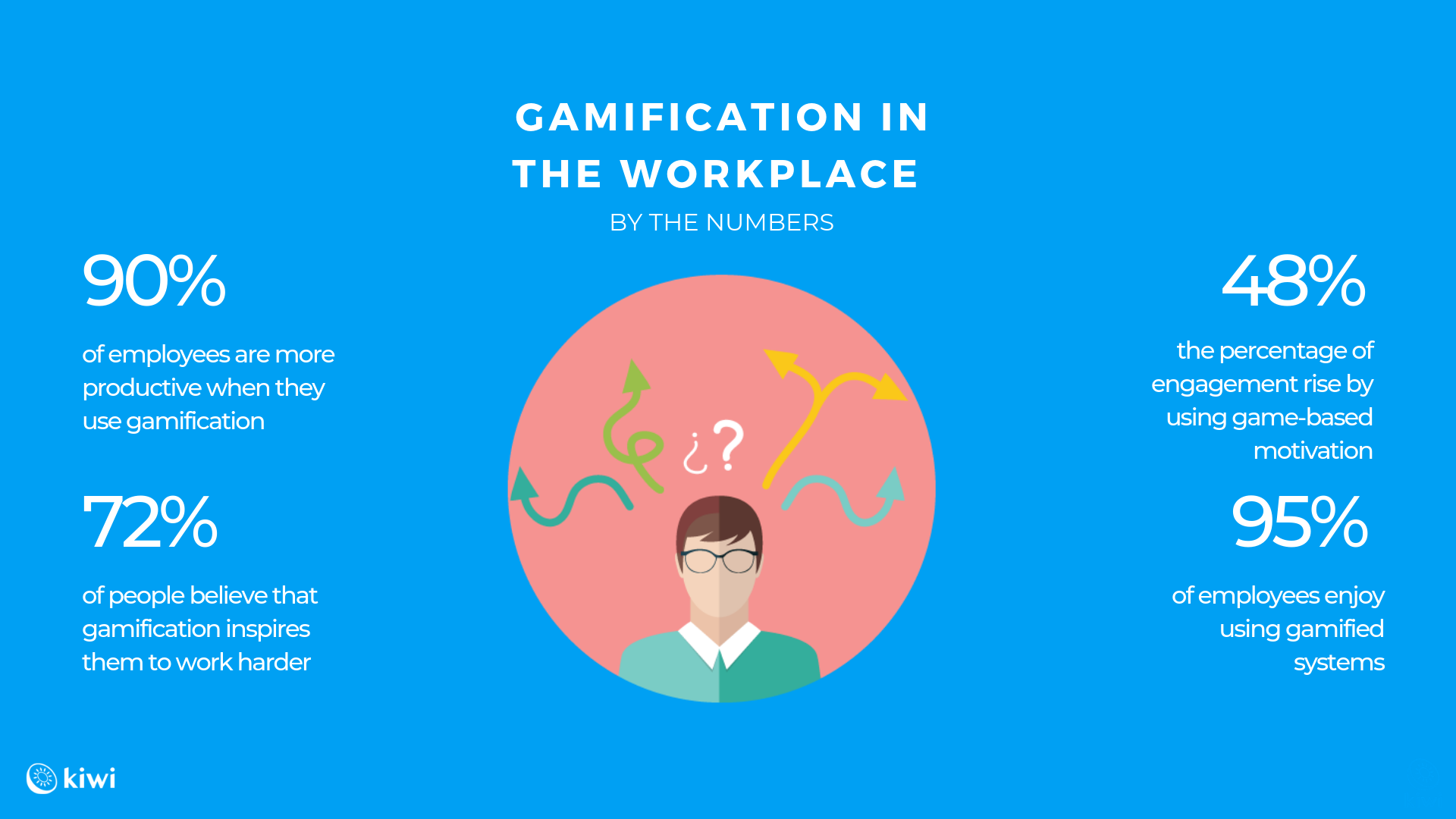
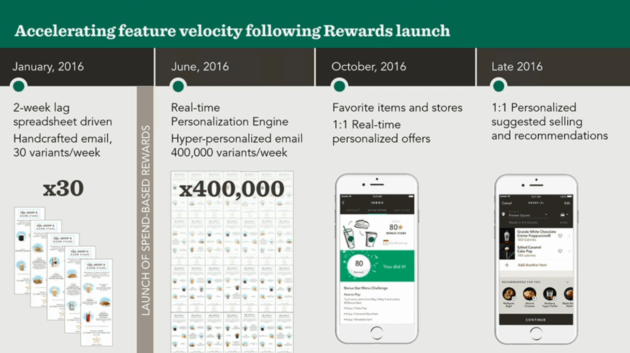
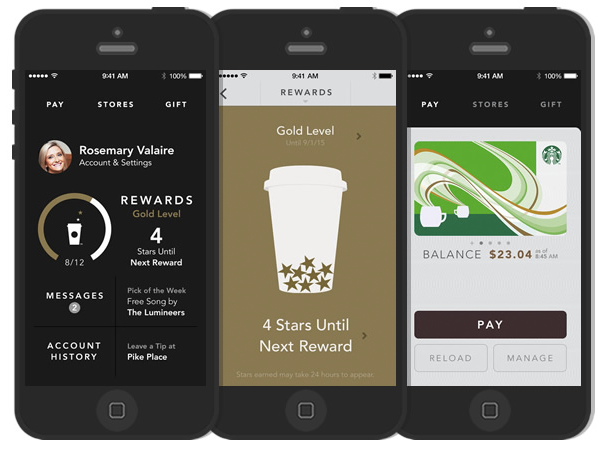
Starbucks Rewards
Starbucks measures:
- Progress velocity to tiers
- Redemption frequency
- Return interval
Their loyalty system is optimized not for fun—but for repeat revenue.
8. Connecting Game Actions to Revenue (Attribution)
ROI disappears when attribution is unclear.
Best Practices
- Tag game actions as events
- Link events to conversions
- Compare against control groups
- Measure delta, not totals
Gamification must be experiment-ready, not decorative.
9. Tier and Reward Economics
Rewards cost money. Status often doesn’t.
Smart Programs Measure:
- Cost per reward redeemed
- Incremental spend near thresholds
- Margin impact by tier
High-performing systems:
- Reserve discounts for acceleration moments
- Use recognition and access elsewhere
10. Building a Gamification ROI Dashboard
A useful dashboard answers one question per section.
Essential Dashboard Sections
| Section | Core Metrics |
|---|---|
| Adoption | Participation rate |
| Momentum | Progress velocity |
| Revenue | Conversion lift |
| Retention | LTV change |
| Cost | Reward expense |
If leadership can’t see ROI in 60 seconds, the dashboard failed.
Final Takeaway
Gamification isn’t valuable because it’s fun.
It’s valuable because it changes behavior at scale.
In 2026, winning teams won’t ask:
“Did users like it?”
They’ll ask:
“What did users do differently—and how much was that worth?”
Because no data means no strategy.


0 Comments