

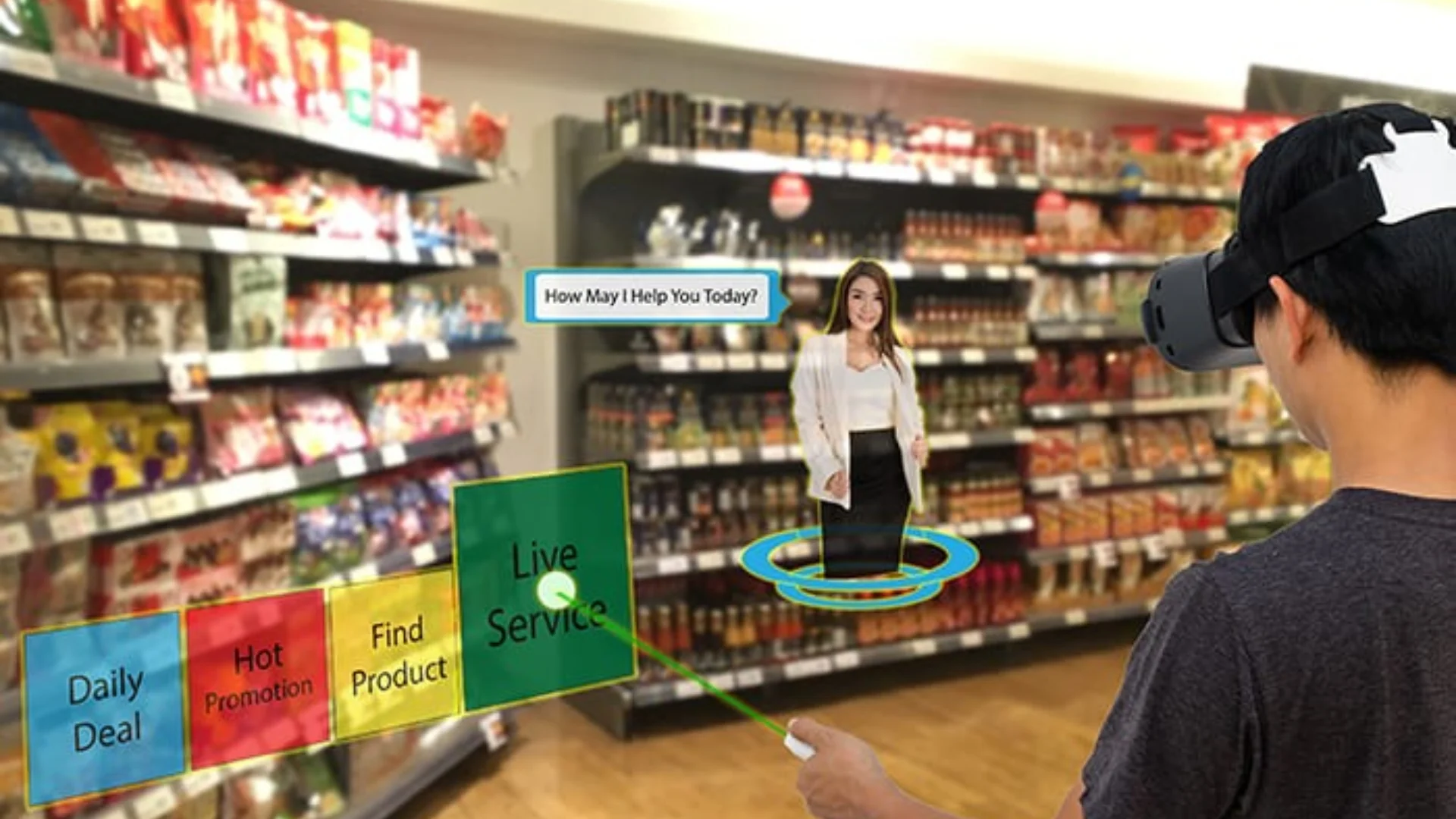
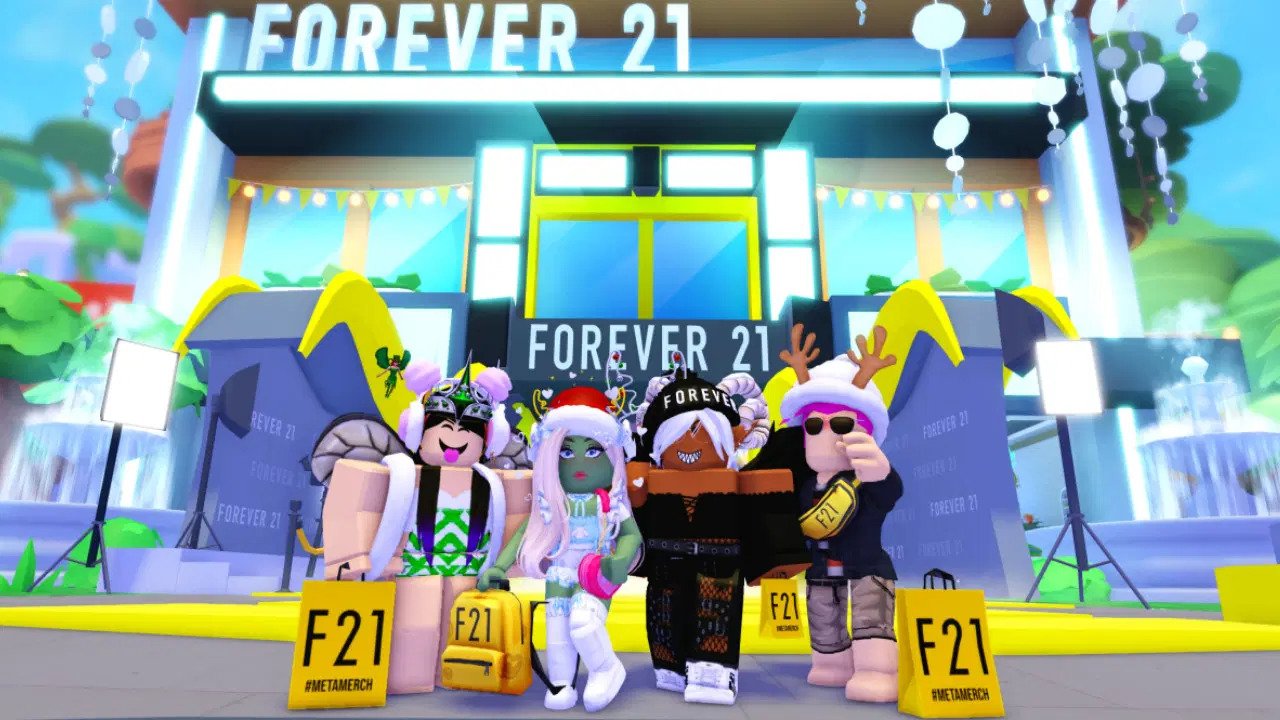

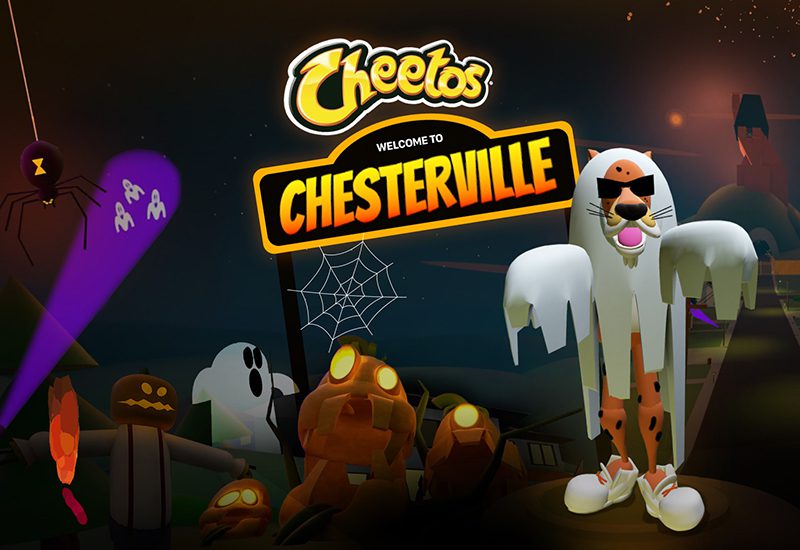
Virtual reality isn’t future tech—it’s driving real sales today.
When customers don’t just see your brand but enter it, persuasion changes form.
Flat ads inform. Videos persuade. VR and AR immerse—and immersion is the strongest accelerant of memory, emotion, and action. In 2026, immersive gamification is no longer experimental. It’s a measurable growth lever when designed with intent.
This guide explains how VR and AR work as gamified systems, why immersion changes buying behavior, where brands are seeing real ROI, and how to design immersive experiences that convert—not just impress.
Executive Summary: Why Immersion Beats Exposure
Traditional marketing optimizes for reach. Immersive marketing optimizes for presence.
When people are inside an experience:
- Attention is sustained
- Memory encoding increases
- Hesitation decreases
- Decision confidence rises
VR and AR succeed not because they’re novel—but because they collapse the distance between curiosity and conviction.
1) The Core Problem: Flat Media Can’t Compete for Attention
In 2026, audiences are saturated with:
- Feeds
- Videos
- Influencer content
- Performance ads
What they lack is experience.
Flat media asks people to imagine.
Immersive media lets them try.
That difference matters most at moments of doubt:
- “Will this fit?”
- “Will this feel premium?”
- “Is this worth the price?”
AR and VR answer those questions before purchase.
2) VR vs. AR: Different Tools, Different Jobs
Immersive gamification works best when each technology is used for what it does best.
| Technology | Best For | Psychological Impact |
|---|---|---|
| AR (Augmented Reality) | Try-ons, previews | Reduces risk |
| VR (Virtual Reality) | Exploration, storytelling | Creates memory |
| MR (Mixed Reality) | Guided interaction | Enhances learning |
AR lowers friction.
VR raises emotional commitment.
3) Why Gamification Makes Immersion Convert
Immersion alone is impressive.
Immersion + gamification is persuasive.
Gamified immersive experiences add:
- Goals (explore, complete, unlock)
- Feedback (visual, auditory, haptic)
- Progress (levels, rooms, milestones)
- Rewards (access, status, discounts)
This turns wandering into purposeful exploration.
4) The Psychology of Immersive Gamification
Presence (Being There)
VR creates presence—the feeling of actually being somewhere. Presence amplifies:
- Emotional response
- Memory retention
- Brand association
Agency (Doing, Not Watching)
When users act, they invest.
- Move through spaces
- Choose paths
- Interact with objects
Agency transforms spectators into participants.
Embodied Cognition
Physical interaction (gesture, movement) strengthens recall and confidence—especially for products.
5) AR Try-Ons: Eliminating Purchase Hesitation
AR try-ons are among the highest-ROI immersive tactics.
Why AR Try-Ons Work
- Reduce uncertainty
- Increase confidence
- Lower return rates
- Increase basket size
Customers don’t browse—they test.
High-Impact Use Cases
- Apparel and footwear
- Cosmetics and skincare
- Furniture and home décor
- Accessories and eyewear
6) VR Showrooms: Turning Exploration into Commitment
VR showrooms reframe shopping as adventure.
Instead of scrolling:
- Customers explore rooms
- Interact with products
- Unlock experiences
- Learn through play
The result isn’t just higher conversion—it’s higher recall.
7) Case Studies: Immersive Gamification That Delivers



Lacoste
Lacoste’s immersive activations:
- Gamified brand exploration
- Limited-access digital spaces
- Physical product tie-ins
The experience was the funnel.
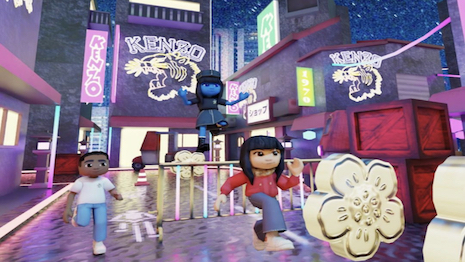
KENZO
KENZO launched virtual shopping battles:
- Competitive exploration
- Time-based challenges
- Social participation
Gamification turned shopping into spectacle.
IKEA Place
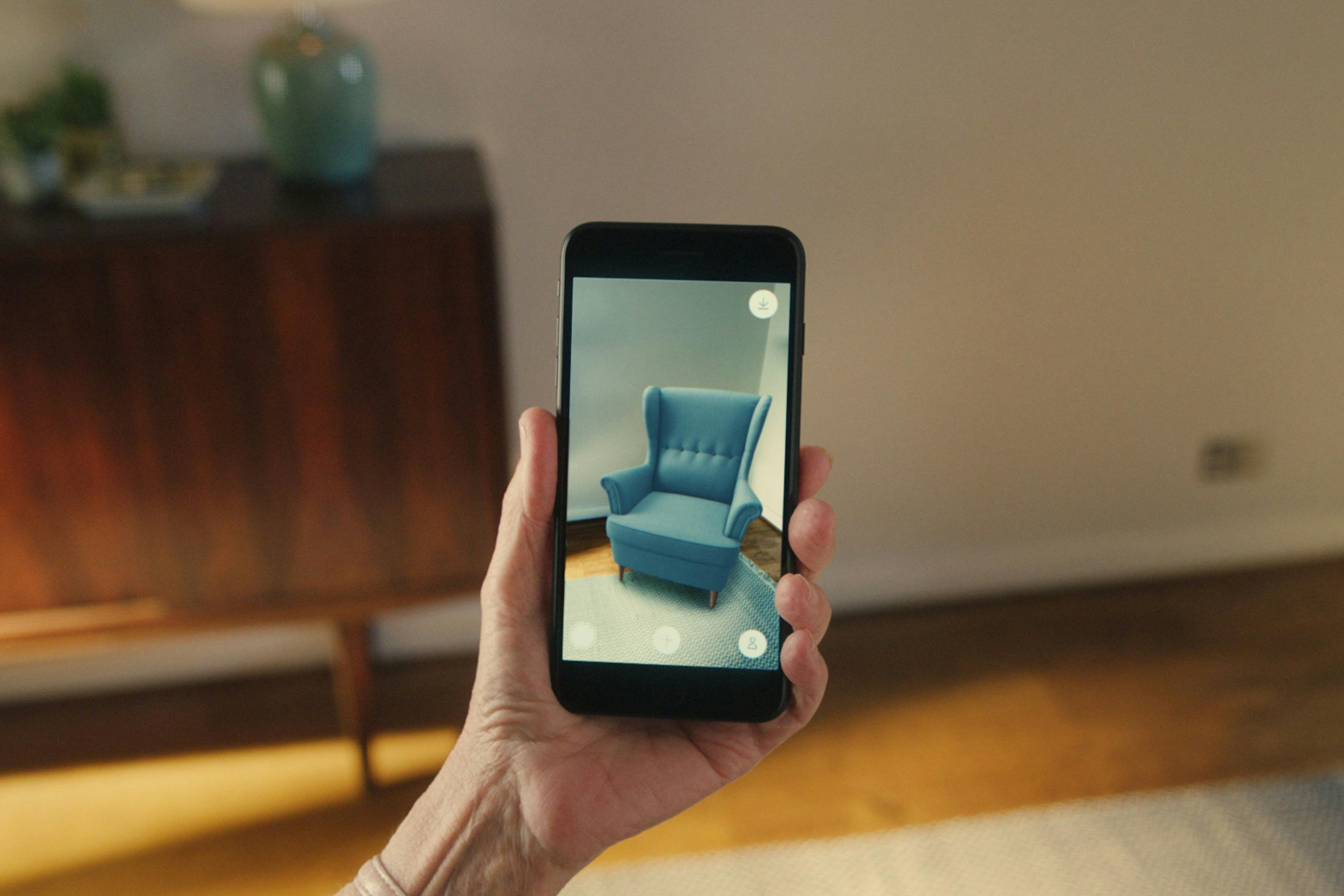
IKEA’s AR app:
- Lets customers place furniture at scale
- Reduces uncertainty dramatically
- Increases purchase confidence
It’s not entertainment—it’s conversion infrastructure.
Nike
Nike’s immersive brand spaces:
- Reinforce identity
- Create exclusivity
- Blend digital play with physical rewards
The product becomes part of a world.
Gucci
Gucci’s AR try-ons:
- Increase engagement
- Lower return rates
- Strengthen brand perception
Luxury benefits most when hesitation disappears.
8) Designing Immersive Gamified Experiences (Step-by-Step)
Step 1: Define the Behavioral Goal
- Try-on?
- Exploration?
- Education?
- Conversion?
Never start with the tech.
Step 2: Choose the Right Immersion Level
- AR for friction reduction
- VR for emotional commitment
Step 3: Add Game Structure
- Clear objectives
- Progress indicators
- Meaningful rewards
Step 4: Connect to Real Outcomes
- Product pages
- Loyalty programs
- Exclusive access
Immersion must exit cleanly into action.
9) Measuring ROI in Immersive Gamification
Vanity metrics don’t apply. Measure impact.
| Metric | Why It Matters |
|---|---|
| Time in experience | Indicates presence |
| Interaction depth | Shows engagement |
| Conversion lift | Proves value |
| Return rate reduction | Signals confidence |
| Brand recall | Confirms memory |
If immersion doesn’t change behavior, redesign it.
10) Ethics and Accessibility in Immersive Design
Immersive power requires restraint.
Best Practices
- Motion-sickness safeguards
- Accessibility options
- No dark-pattern pressure
- Clear exits
Immersive gamification should feel inviting, not overwhelming.
Final Takeaway
VR and AR don’t replace marketing—they reshape it.
In 2026, the brands that win won’t ask:
“How do we show our product?”
They’ll ask:
“How do we let people experience it?”
Immersion isn’t a gimmick.
It’s the shortest path from curiosity to conviction.


0 Comments