

Perfect — let’s keep the same Option A cadence we used before and go one full prose-style blog at a time, each with tables, case studies, and a keyword list at the end.
We’ll treat these as Blog Posts #6–#9 in the series.
I’ll start with #6 now 👇
(Gamified Content Marketing). When you’re done with this one, you can just say “go to #7”.
Your content isn’t boring. Your delivery is.
People don’t hate blogs. They hate passive consumption.
In 2026, content marketing isn’t competing with other brands. It’s competing with games, social feeds, and interactive experiences that train audiences to do something, not just read something.
When content asks nothing of the audience, it gets nothing back.
Gamified content marketing flips the model:
- Readers become players
- Consumption becomes participation
- Attention turns into momentum
This guide breaks down how to design blogs, emails, and social content that people actively engage with, why gamification dramatically increases completion and sharing, and how brands are already using interactive mechanics to revive “dead” content formats.
Executive Summary: Why Passive Content Is Failing
Traditional content marketing assumes:
- People will read long-form posts
- People will finish email sequences
- People will watch videos to the end
Behavior says otherwise.
The Reality in 2026
- Most blogs are skimmed, not finished
- Email engagement drops after message #2
- Social content disappears in seconds
The problem isn’t quality.
It’s passivity.
Gamified content works because it gives audiences a reason to continue.
1. The Core Problem: Content Is Built for Consumption, Not Completion
Humans are completion-driven.
Games work because:
- Progress is visible
- Effort is acknowledged
- Outcomes feel earned
Most content offers none of that.
A 3,000-word blog without feedback loops feels infinite.
A 7-email sequence without progression feels repetitive.
Gamification introduces structure, momentum, and payoff.
2. What Gamified Content Marketing Actually Means
Gamified content marketing does not mean:
- Slapping points on articles
- Adding meaningless badges
- Turning everything into trivia
It means designing content as an experience.
Core Gamified Content Elements
| Element | Purpose | Psychological Trigger |
|---|---|---|
| Progress indicators | Show advancement | Goal-gradient effect |
| Interactive choices | Create agency | Autonomy |
| Unlockable content | Reward effort | Anticipation |
| Social participation | Encourage sharing | Belonging |
| Feedback loops | Reinforce behavior | Competence |
3. Gamifying Blog Content (Yes, Even Long-Form)
Long-form content doesn’t fail because it’s long.
It fails because readers don’t know where they are or why to continue.
Proven Blog Gamification Tactics
Progress Bars
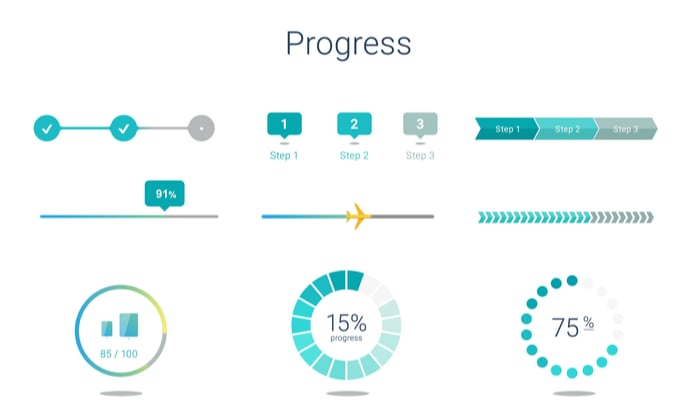
Progress bars:
- Increase article completion rates
- Reduce perceived length
- Trigger “finish what you started” behavior
Readers don’t abandon when they see progress—they accelerate.
Section Unlocks
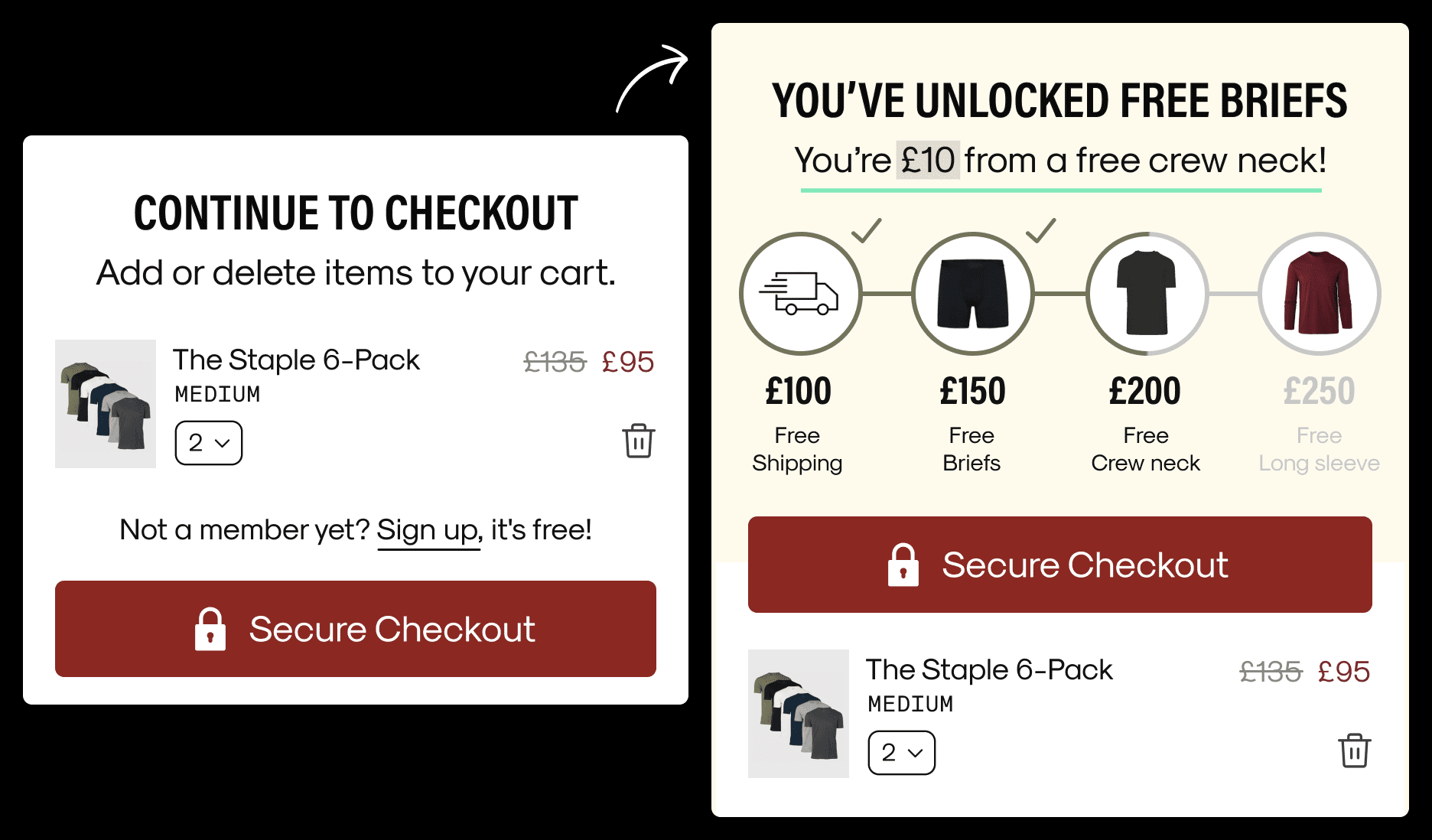
Advanced sections unlock after:
- Scrolling
- Answering a question
- Selecting a path
This transforms reading into active progression.
Choose-Your-Path Articles
Let readers select:
- Beginner vs advanced
- Strategy vs tactics
- Industry-specific examples
Choice increases commitment.
4. Gamifying Email Marketing (Beyond Open Rates)
Email marketing suffers from sequence fatigue.
Gamification restores momentum.
Gamified Email Mechanics That Work
| Mechanic | How It’s Used | Outcome |
|---|---|---|
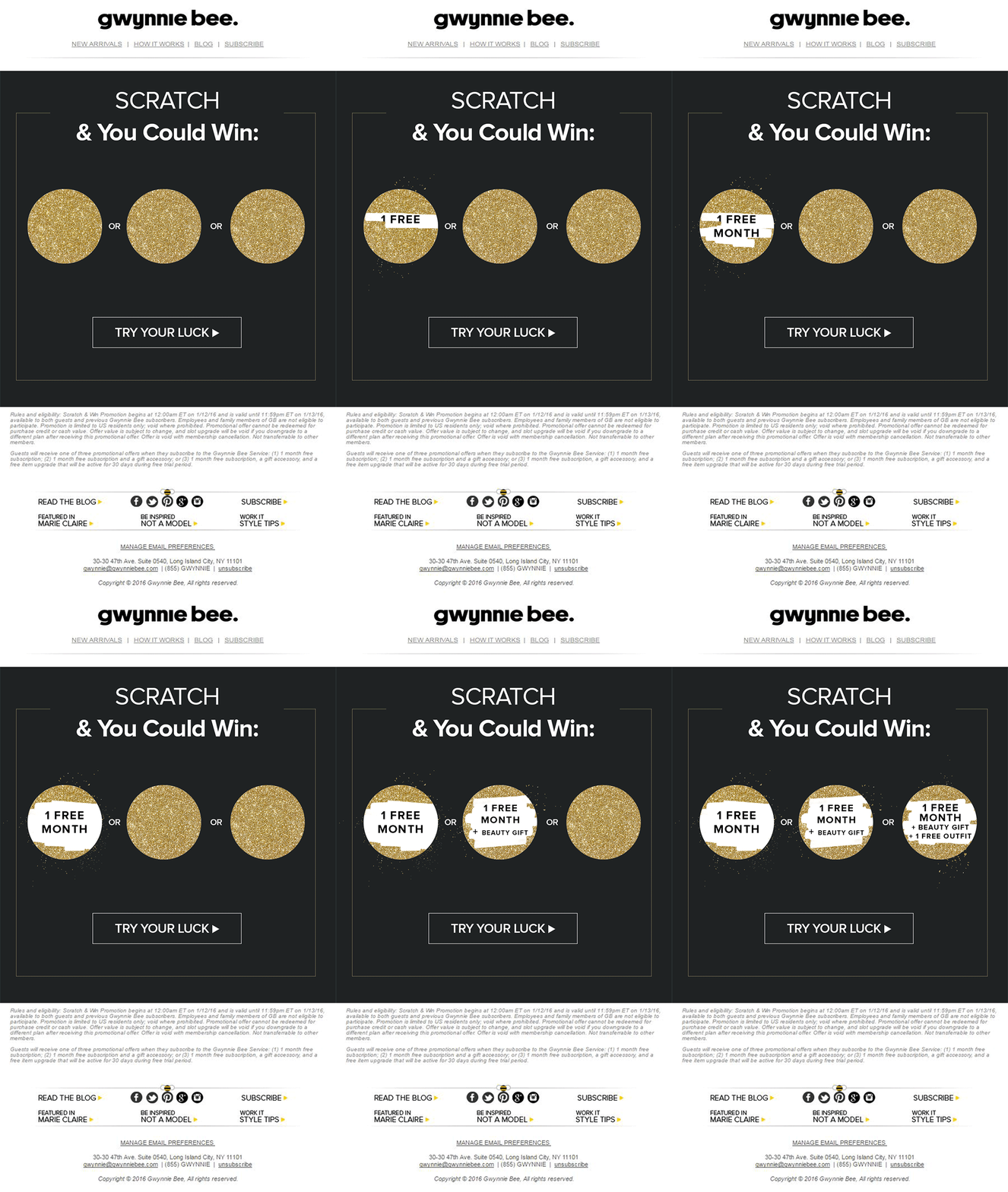
| Unlockable emails | Content gated by prior opens | Higher sequence completion |
| Progress indicators | “Step 3 of 7” | Reduced unsubscribes |
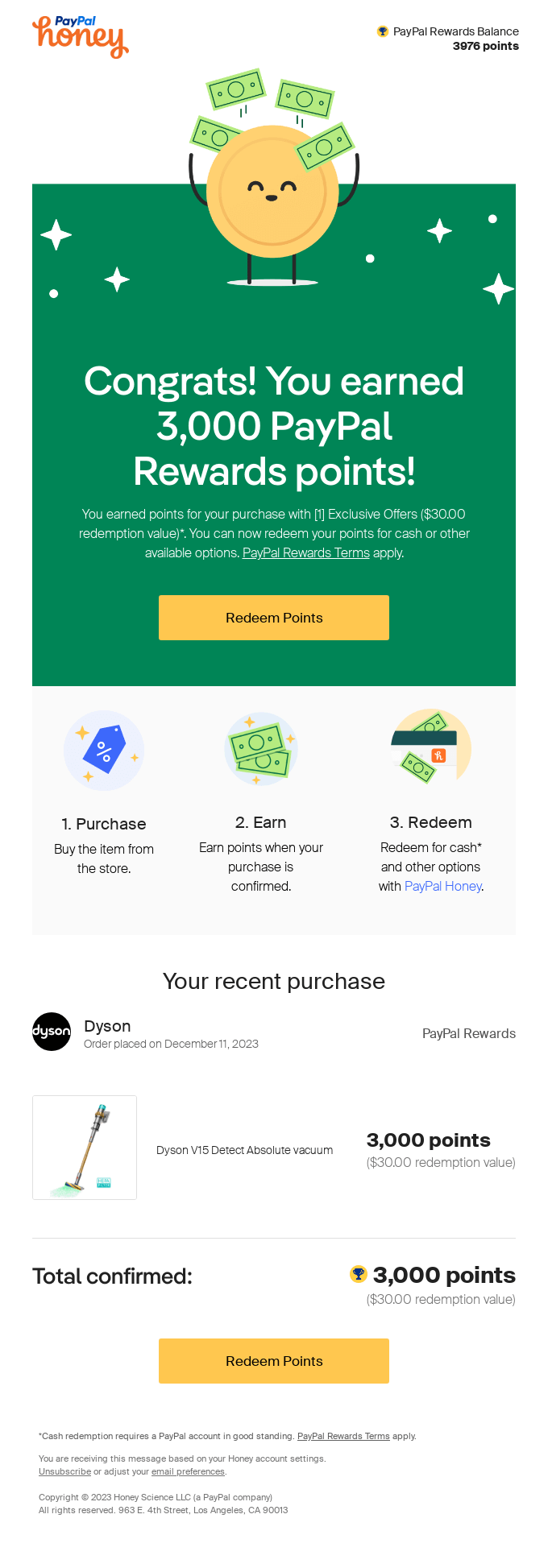
| Mystery rewards | Surprise drops mid-series | Re-engagement |
| Challenges | Tasks between emails | Action-taking |
Instead of “another email,” users feel like they’re continuing a journey.
5. Social Media as a Game Board
Social platforms already reward:
- Speed
- Participation
- Visibility
Gamification simply formalizes what algorithms already favor.
Social Gamification That Drives Reach
- Challenges with clear rules
- Public progress sharing
- Recognition, not just prizes
- Time-bound participation
Social gamification works best when:
- Effort is visible
- Outcomes are shareable
- Rewards are social, not financial
6. Case Studies: Gamified Content in Action
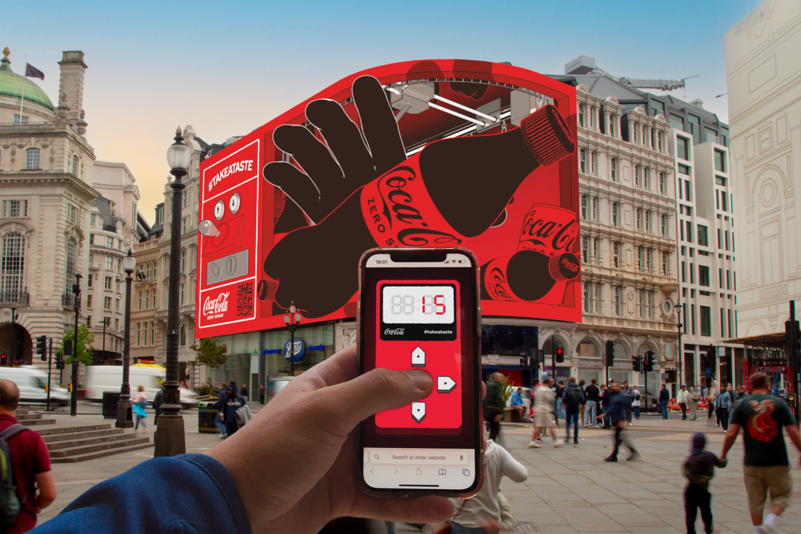
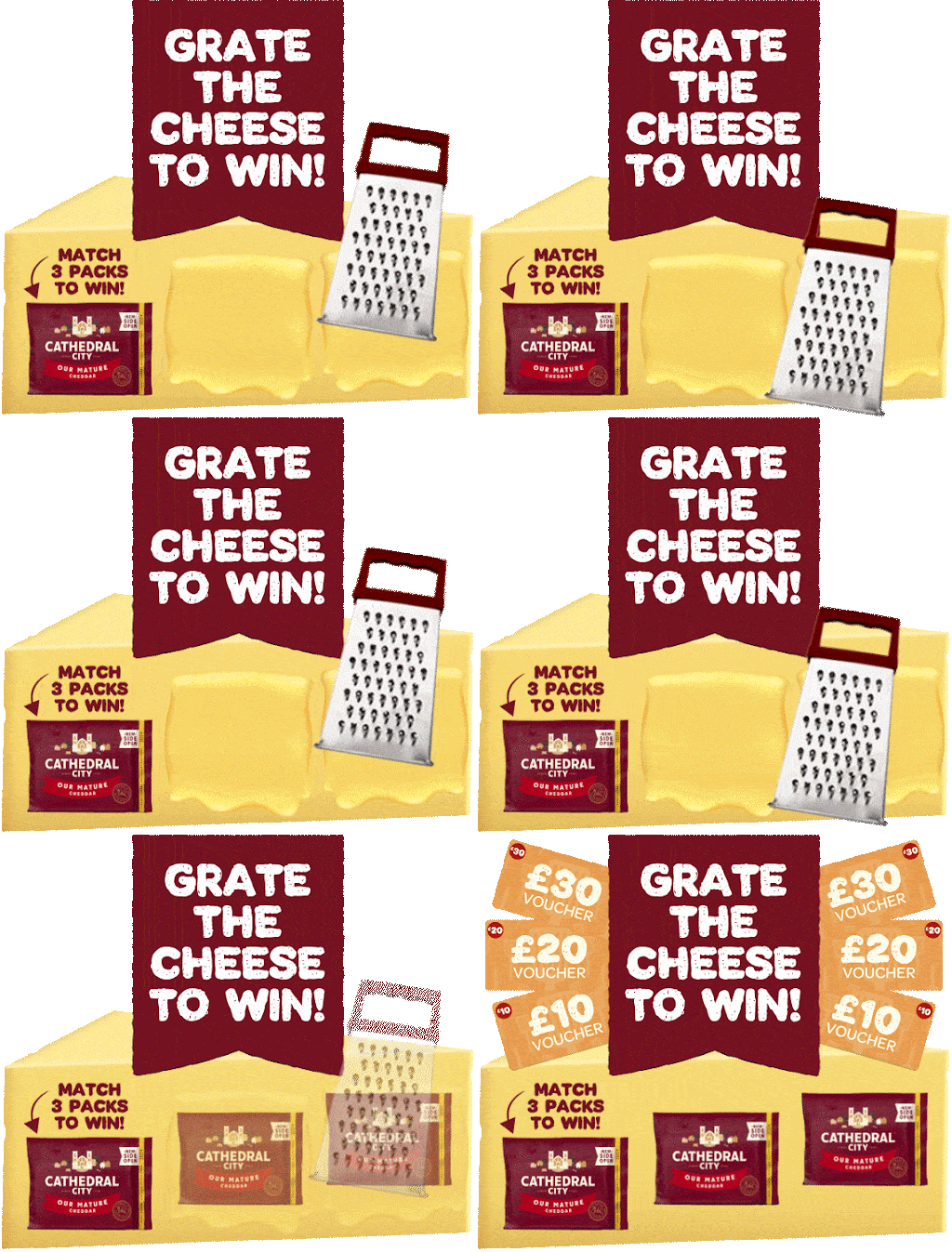

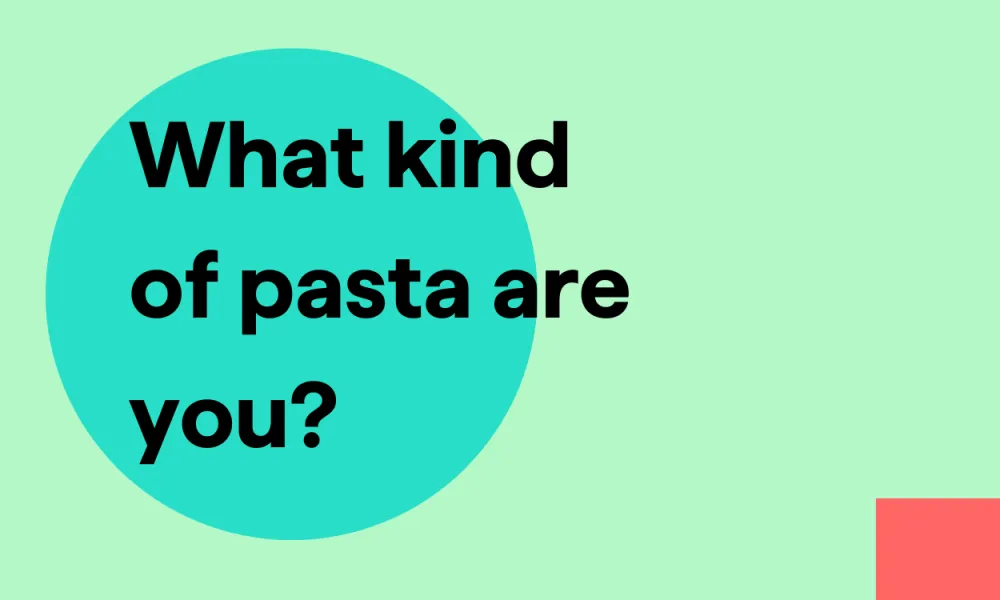

Coca-Cola
Coca-Cola’s “shake-your-phone” integrations turned passive ads into physical interaction.
- Participation increased recall
- Movement reinforced memory
- Content became experiential
SPAR
SPAR used gamified landing pages:
- Themed mini-games
- Interactive product discovery
- Reward-based exploration
Content didn’t just inform—it entertained.
BuzzFeed
BuzzFeed quizzes succeed because:
- Users choose outcomes
- Results feel personal
- Sharing is identity signaling
The quiz is the content.
The New York Times
Interactive storytelling pieces:
- Invite reader input
- Use progress cues
- Increase dwell time dramatically
Gamification elevates credibility—not cheapens it.
7. Designing Gamified Content Journeys
Gamified content should feel like levels, not posts.
Example Journey
- Interactive hook (quiz, poll, choice)
- Visible progress
- Mid-content unlock or surprise
- Social sharing moment
- Completion payoff (insight, tool, status)
Completion is the conversion.
8. Metrics That Matter for Gamified Content
Traditional content metrics miss the point.
Gamified Content KPIs
| Metric | Why It Matters |
|---|---|
| Completion rate | Indicates success |
| Interaction depth | Measures engagement |
| Return rate | Shows momentum |
| Share velocity | Signals virality |
| Action conversion | Ties to ROI |
If people don’t finish, the content failed—regardless of clicks.
9. Ethical Gamification in Content
Gamification should invite, not trap.
Best Practices
- No forced interactions
- Clear progress indicators
- Opt-out paths
- Value at every stage
Respect attention, and audiences give more of it.
Final Takeaway
Stop creating content people consume.
Start creating content people participate in.
In 2026, the best-performing blogs, emails, and social campaigns won’t ask:
“Did they read it?”
They’ll ask:
“Did they finish the game?”


0 Comments