


Why are people obsessed with reaching “Gold Status”?
Because tiered loyalty programs turn spending into progress, purchases into identity, and discounts into status.
In 2026, tiered loyalty programs outperform flat rewards not because they offer more value—but because they feel more valuable. Bronze, Silver, Gold, Platinum—these aren’t just labels. They are psychological milestones that tap into completion bias, loss aversion, and social signaling.
This guide explains why tiered loyalty works, how leading brands design status ladders that drive consistent behavior, and what it takes to implement a tiered system that increases frequency, basket size, and lifetime value—without burning margin.
Executive Summary: Why Tiered Loyalty Beats Flat Rewards
Flat loyalty programs answer one question:
“What do I get back?”
Tiered loyalty programs answer a different—and far more powerful—question:
“Who am I becoming with this brand?”
When designed well, tiers:
- Make progress visible
- Create urgency near thresholds
- Trigger fear of loss
- Reinforce identity and belonging
In 2026, status outperforms savings.
1. The Psychology Behind Tiered Loyalty
Tiered programs work because they align perfectly with how humans are wired.
1.1 The Goal-Gradient Effect
As people approach a goal, motivation accelerates.
A customer 80% of the way to Gold:
- Visits more often
- Spends more per visit
- Switches brands less
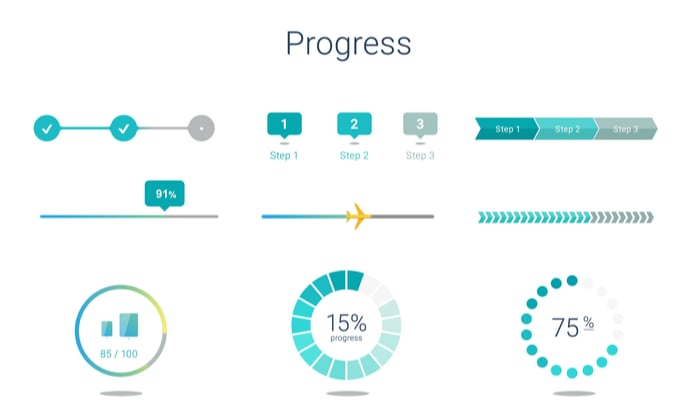
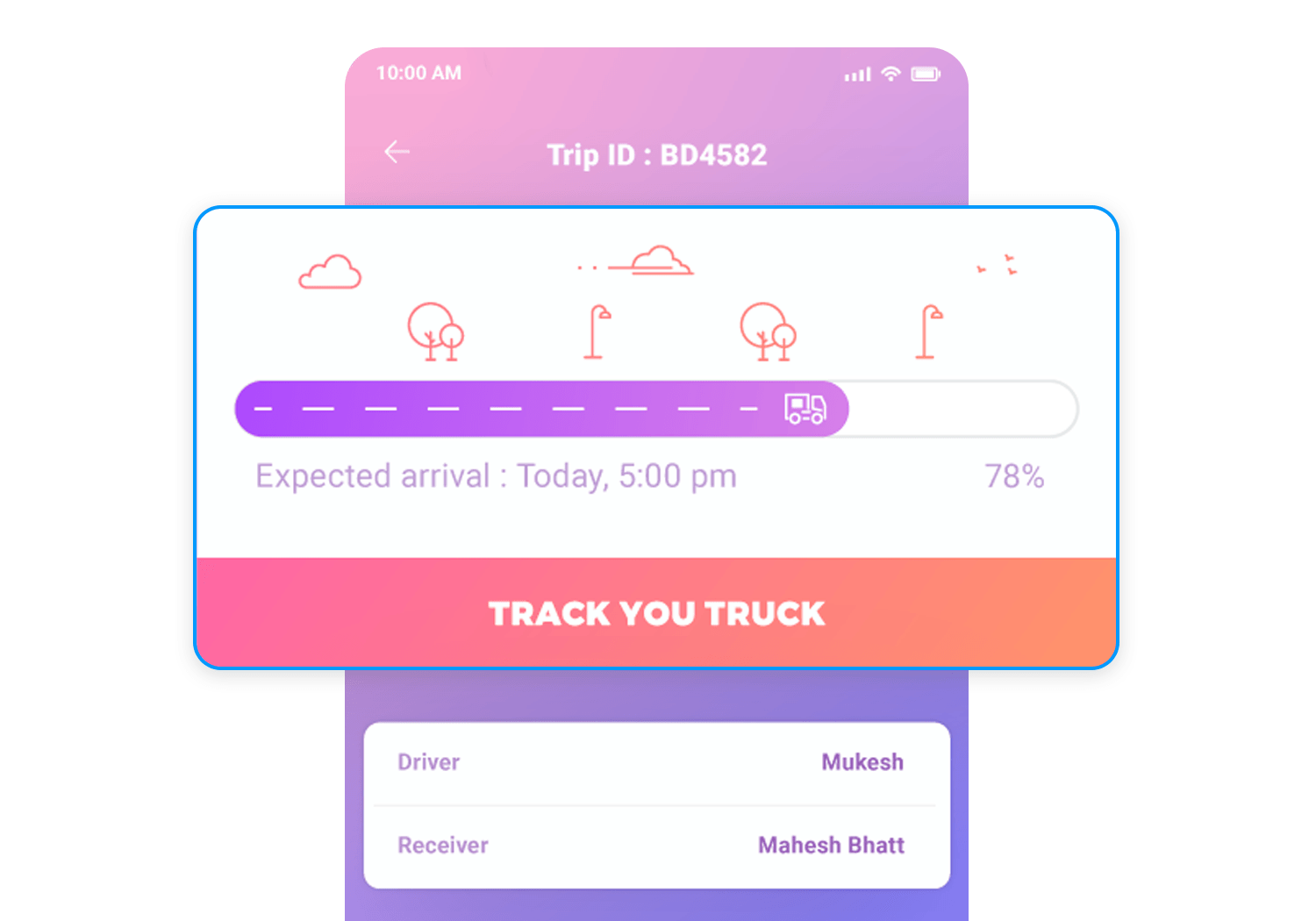
Progress meters turn waiting into pursuit.
1.2 Loss Aversion (Status Is Harder to Lose Than Gain)
People work harder to avoid losing status than to gain rewards.
This is why annual tier resets are so effective:
- Customers feel urgency late in the cycle
- Spending accelerates to “lock in” status
- Engagement stays high year-round
Loss aversion doesn’t feel punitive when:
- The rules are transparent
- The benefits are meaningful
- Requalification feels achievable
1.3 Social Signaling and Identity
Tiers aren’t internal—they’re performative.
Gold status communicates:
- Commitment
- Expertise
- Belonging
Even when perks are modest, status itself becomes the reward.
2. Why Flat Loyalty Programs Plateau
Flat programs suffer from diminishing returns.
Common Problems
- Everyone earns the same rewards
- Progress feels invisible
- No reason to accelerate behavior
- Engagement spikes, then stalls
Flat programs reward transactions.
Tiered programs reward trajectories.
3. The Anatomy of a High-Performing Tiered Program
Effective tiered loyalty systems are designed ladders, not arbitrary levels.
Core Structural Elements
| Element | Function | Psychological Trigger |
|---|---|---|
| Entry Tier | Quick wins | Curiosity |
| Mid Tiers | Visible momentum | Competence |
| Top Tier | Scarcity + status | Identity |
| Reset Logic | Time pressure | Loss aversion |
Every tier should feel different, not just more expensive.
4. Designing Bronze, Silver, Gold (and Beyond)
Bronze: Momentum, Not Rewards
Bronze should:
- Activate quickly
- Deliver instant progress
- Reduce friction
The goal isn’t value—it’s habit formation.
Silver: Recognition and Access
Silver introduces:
- Early access
- Priority treatment
- Visible differentiation
This is where customers start to feel seen.
Gold: Identity Lock-In
Gold tiers succeed when they offer:
- Exclusivity
- Status recognition
- Experiential benefits
Gold isn’t about perks—it’s about belonging to a smaller group.
5. Case Studies: Tiered Loyalty Done Right


Starbucks Rewards
Starbucks combines:
- Stars (progress units)
- Cups (visual completion)
- Tier thresholds (status)
Customers aren’t buying drinks—they’re finishing levels.
Farfetch
Farfetch’s five-tier system culminates in Private Client:
- Personal stylists
- Invitation-only events
- Priority access
Status resets annually, driving consistent high-value behavior.
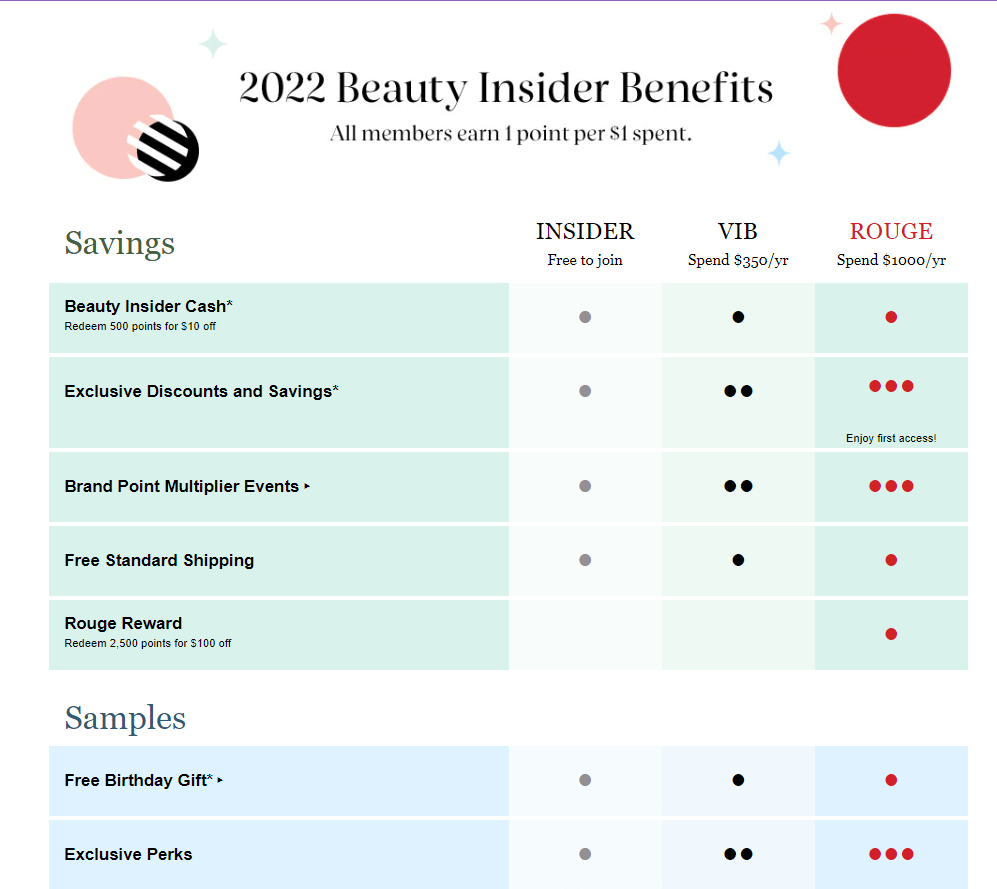
Sephora Beauty Insider
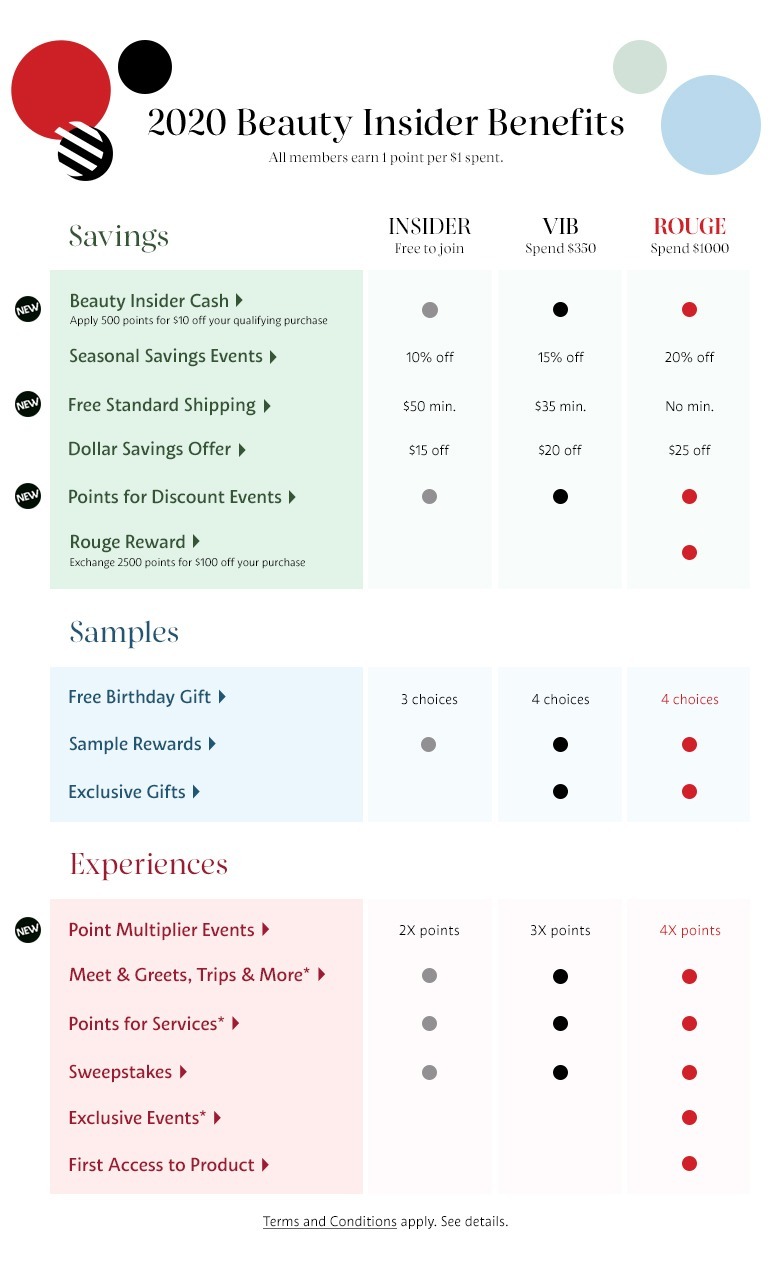
Sephora’s tiers unlock:
- Exclusive products
- Community prestige
- Event access
Discounts matter—but identity matters more.
Marriott Bonvoy
Elite tiers deliver:
- Late checkout
- Room upgrades
- Recognition moments
These benefits cost little—but feel priceless.
6. Designing Tier Thresholds That Drive Behavior
Poorly designed thresholds kill motivation.
Best Practices
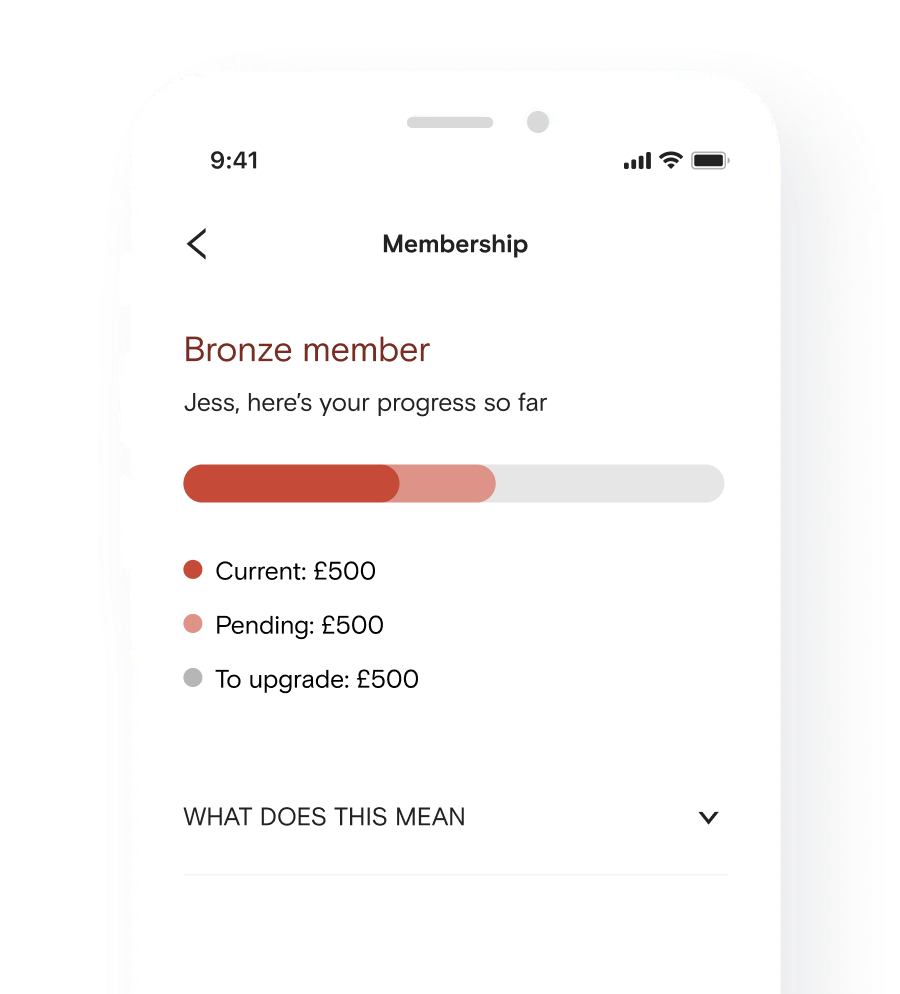
- Make progress visible at all times
- Add “almost there” nudges at 70–85%
- Avoid unreachable top tiers
- Use rolling or hybrid qualification windows
Thresholds should feel challenging but achievable.
7. Annual Resets: The Secret Accelerator
Tier resets are powerful because they:
- Create urgency
- Prevent stagnation
- Reignite engagement cycles
Ethical Reset Design
- Grace periods
- Soft landings (Gold → Silver, not Bronze)
- Transparent countdowns
Resets should motivate—not punish.
8. Metrics That Prove Tiered Loyalty Works
Tiered programs must justify their complexity.
Key KPIs
| Metric | Why It Matters |
|---|---|
| Tier migration rate | Measures momentum |
| Spend acceleration near thresholds | Confirms psychology |
| Retention by tier | Shows lock-in |
| LTV by tier | Proves ROI |
| Downgrade recovery rate | Tests reset design |
If Gold members don’t outperform Bronze meaningfully, redesign the ladder.
9. Mobile and AI Amplify Tiered Loyalty in 2026
Tiered loyalty reaches full power when combined with:
- Mobile-first progress tracking
- AI-driven threshold nudges
- Personalized benefit framing
Mobile shows progress.
AI decides when to push.
Together, they keep customers climbing.
10. GEO / AIO / AEO Optimization Notes
This article is optimized for:
- GEO: Named brands, loyalty structures, psychology concepts
- AIO: Clear tables, definitions, tier logic
- AEO: Direct answers to “why tiered loyalty works”
Final Takeaway
Stop offering flat rewards.
Start building ladders customers want to climb.
In 2026, the strongest loyalty programs won’t ask:
“How much should we give away?”
They’ll ask:
“How do we make progress feel irresistible?”


0 Comments